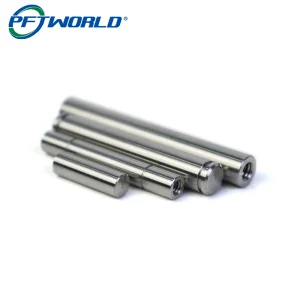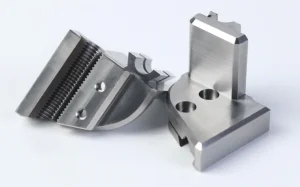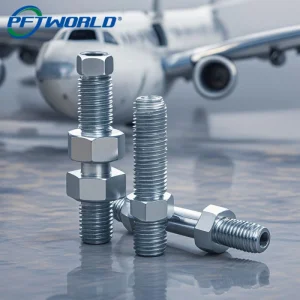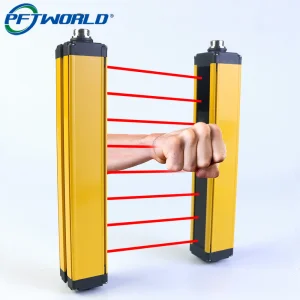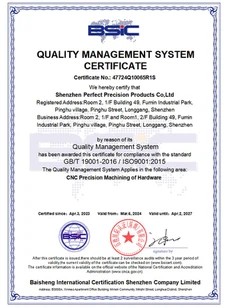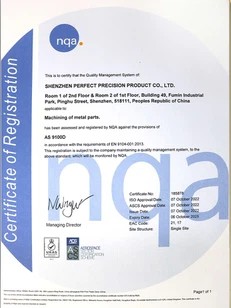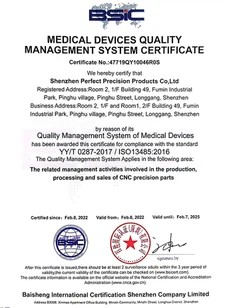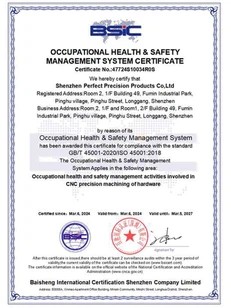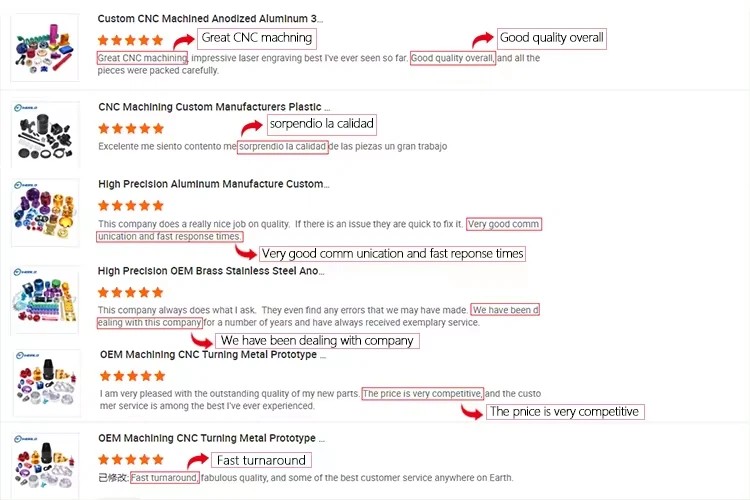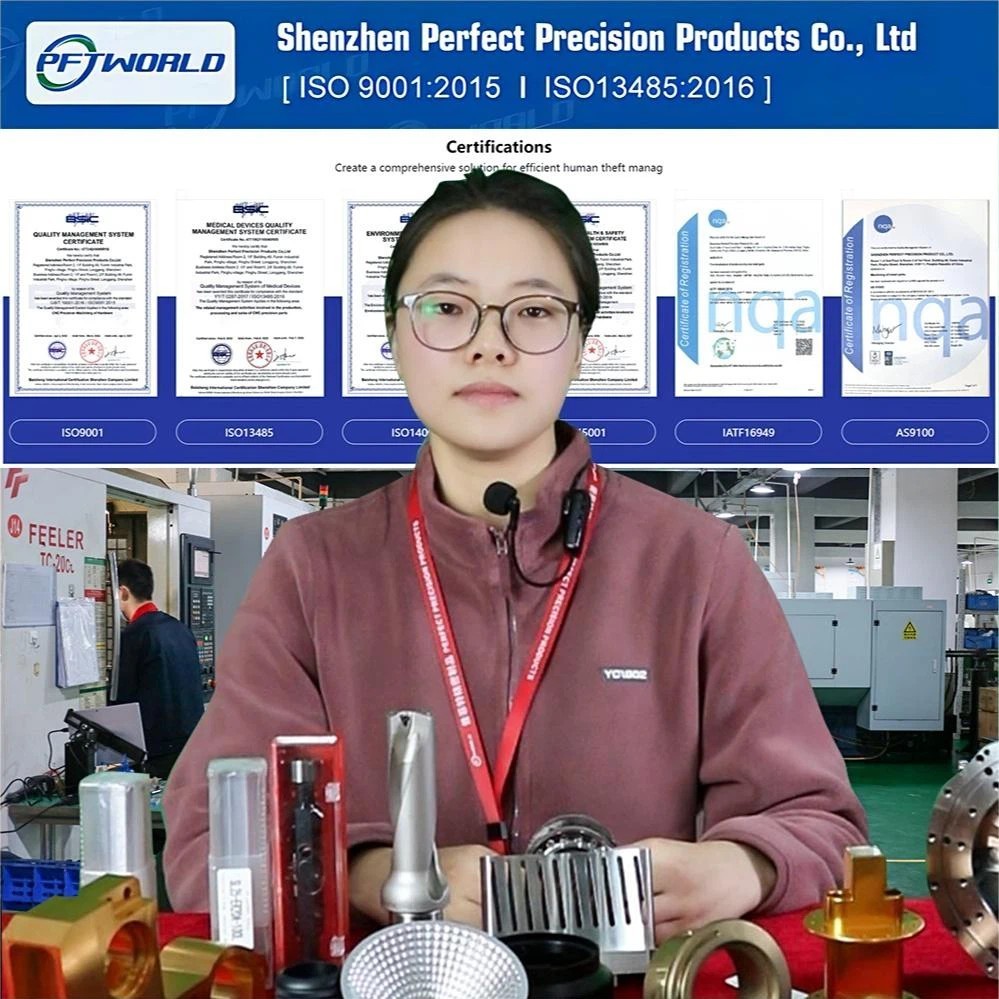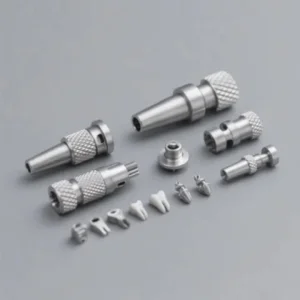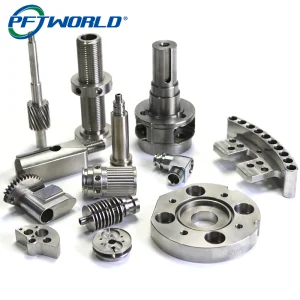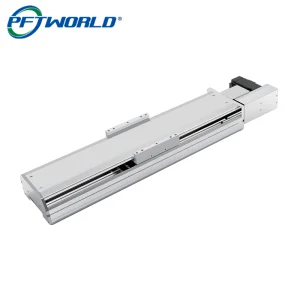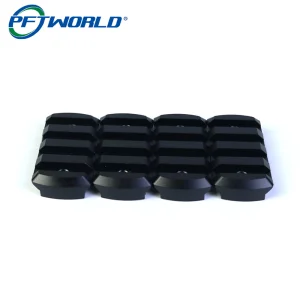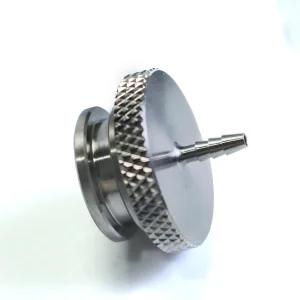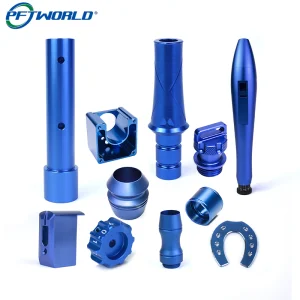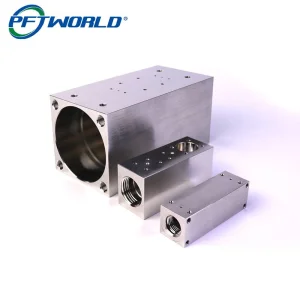
Explore our highly-acclaimed custom parts, mechanical components, and advanced industrial automation hardware, engineered for strict quality requirements.
Analyzing global market dynamics, precision manufacturing standards, and supply chain strategies in the age of Industry 4.0 and Smart Manufacturing.
The global industrial sector is undergoing a rapid transition toward autonomous cyber-physical networks. According to global industrial research, the demand for precision industrial automation machinery parts is projected to grow exponentially over the next decade. At the core of this transition lies the need for extreme precision and reliable supply pipelines. The modern assembly line has moved far beyond standardized, mass-produced parts; today's automated platforms require customized, application-specific mechanical assemblies capable of enduring immense physical stresses, high duty cycles, and highly localized environments.
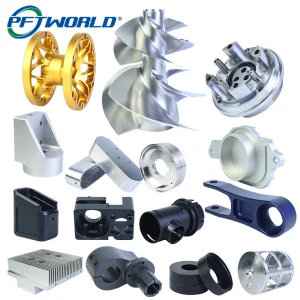
For industrial machinery manufacturers, finding a competent ODM Automation Equipment Parts Exporter & Company is a critical risk mitigation measure. The modern procurement lifecycle looks past standard piece-rate costs, focusing heavily on total lifecycle reliability, design-for-manufacturability (DFM) support, and regulatory compliance. Custom components, such as multi-axis actuator housings, precise sensor blocks, and specialized aerospace alloys, dictate the mechanical efficiency and ultimate lifetime of entire assembly complexes.
"Precision is not merely an engineering tolerance—it is the baseline for operational longevity. In automated high-speed assemblies, a deviation of just 5 microns can accelerate mechanical fatigue, causing catastrophic system downtime that costs thousands of dollars per hour."
Global buyers, especially those in highly regulated industries such as automotive assembly, aerospace technology, and medical device manufacturing, face strict criteria when vetting parts suppliers. The key considerations include:
As industrial supply chains face continued pressure from geopolitics and rising logistics costs, the strategic focus has turned to the adaptability of manufacturing plants. The concept of "China Factory 4.0" bridges the gap between massive scale and high-precision customization. Utilizing fully integrated digital systems, advanced facilities in Shenzhen have transitioned from manual machine operations to digitalized production environments.
Shenzhen's manufacturing cluster offers a unique localized advantage: an end-to-end ecosystem where raw materials, precision surface treatment facilities, hardened heat treatment operations, and export logistics sit within a 50-mile radius. This enables rapid lead times (7-14 days for production batches) that traditional Western manufacturing plants struggle to match. Furthermore, the integration of enterprise resource planning (ERP) software with shop floor execution systems ensures that every phase of an ODM contract—from drawing verification to final packaging—is tracked, logged, and optimized.
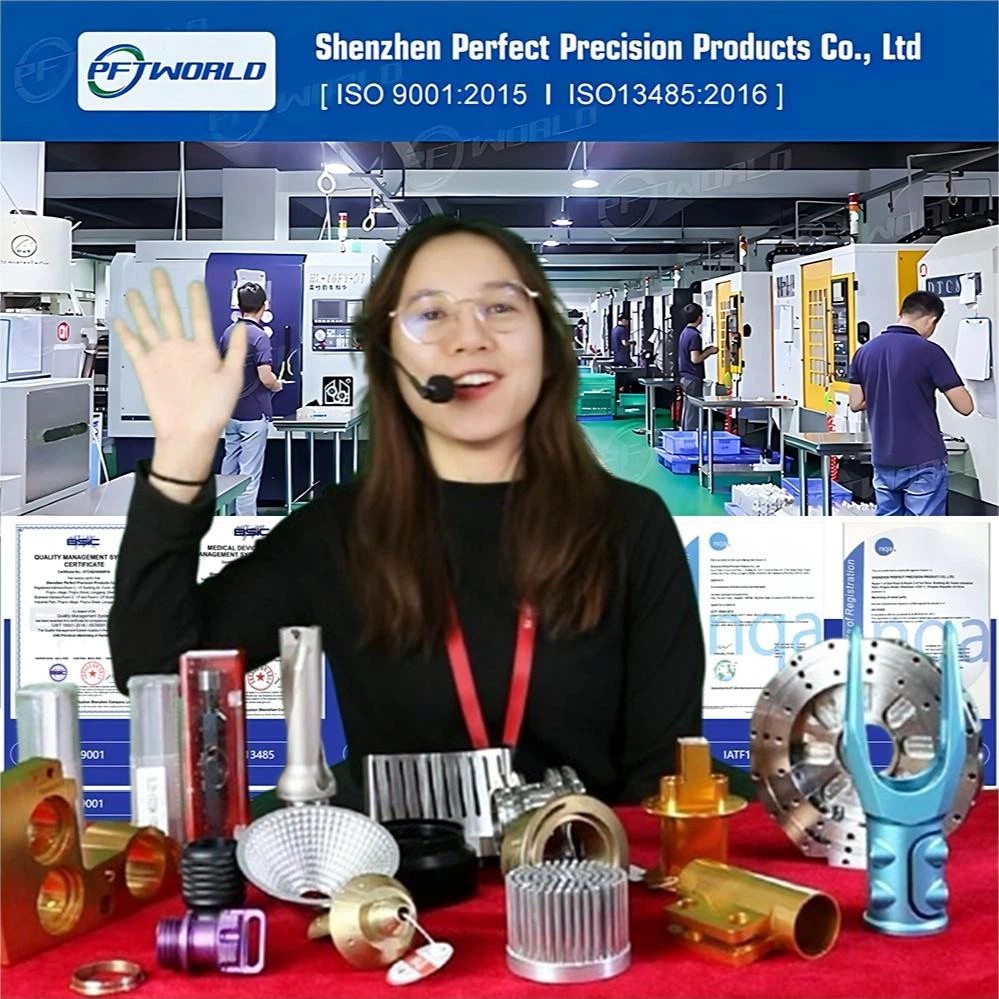
Established as a dedicated foreign trade manufacturer in 2014, Shenzhen Perfect Precision Products Co., Ltd has developed into an industry-leading CNC machining powerhouse. Guided by the ISO9001 quality system framework, we have built a reputation for excellence, earning the title of Guangdong Contract and Trustworthy Enterprise in 2018. In 2019, our commitment to technology was recognized with our national high-tech enterprise certification and intellectual property management accreditation.
By 2020, our operational footprint expanded to a modern 10,000 square meter digital plant. Today, our facility houses over 100 high-end production machines, including advanced 3-axis, 4-axis, 5-axis, and 6-axis CNC mills and lathes, powered by a dedicated team of engineering and quality specialists.
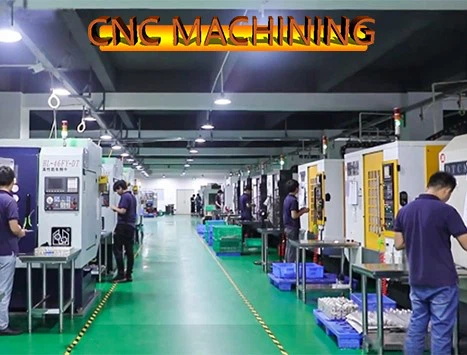
Combining advanced multi-axis machining methods with metal forming and rapid additive technology to deliver comprehensive engineering solutions.
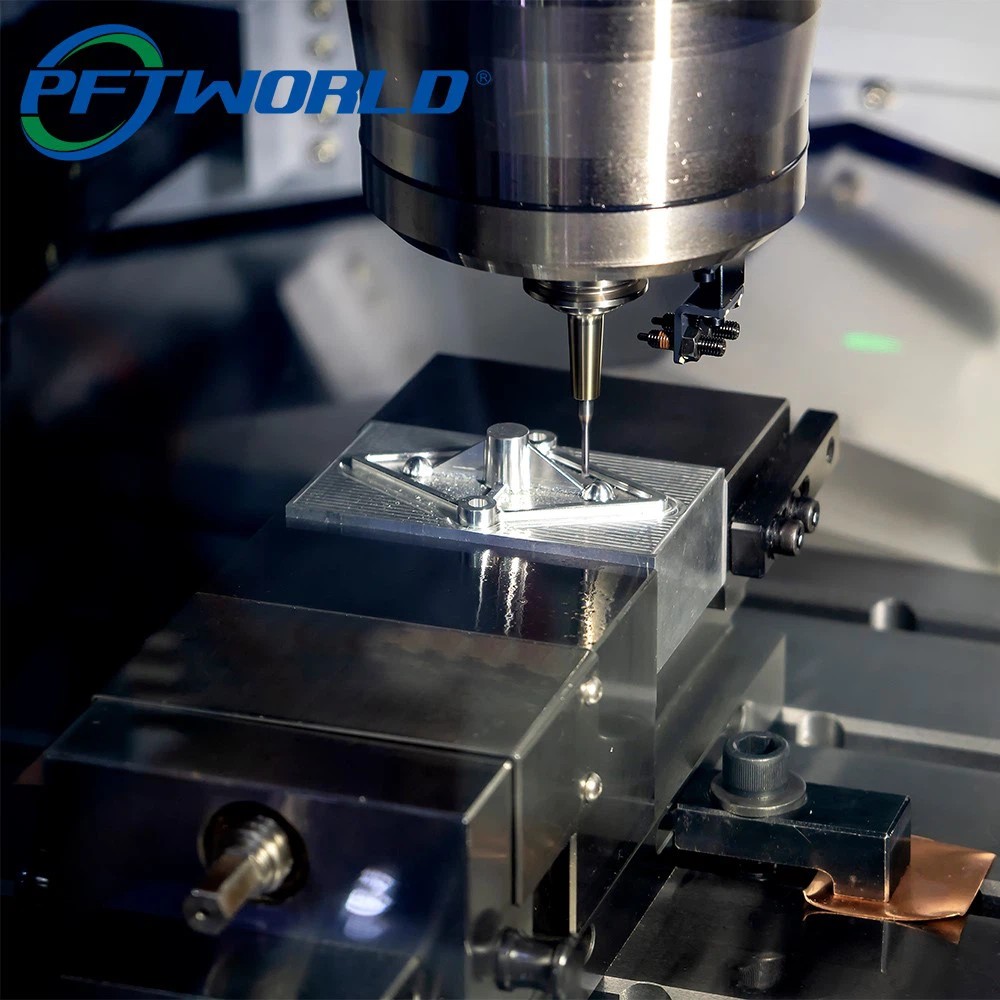
CNC Milling Machining
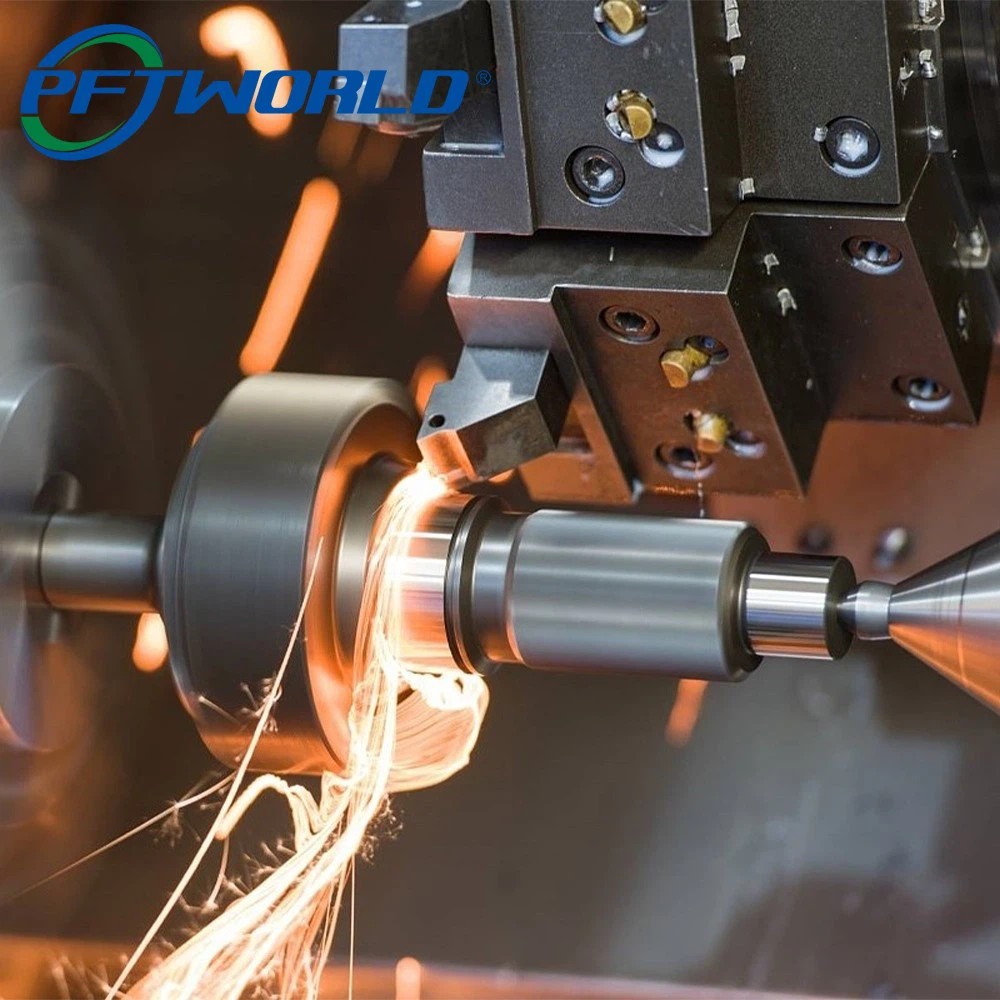
CNC Turning Machining
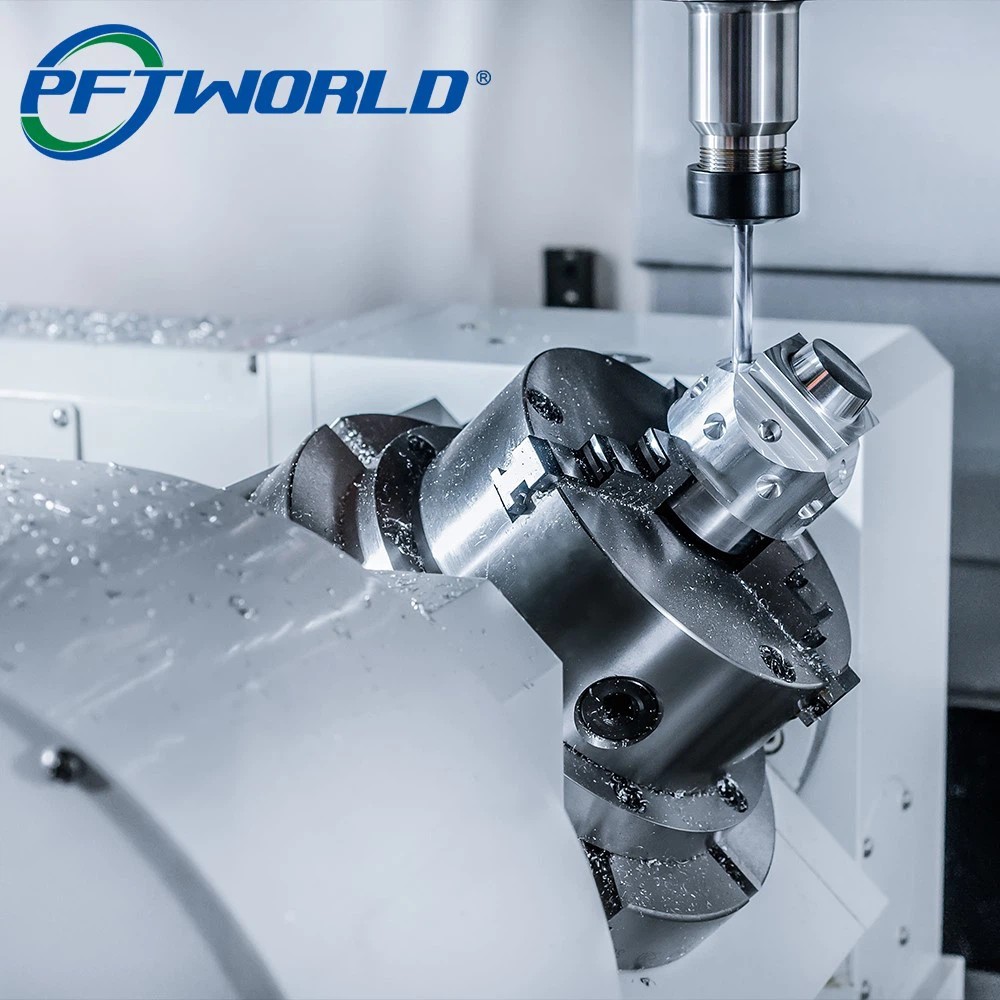
CNC Mill-Turn Machining
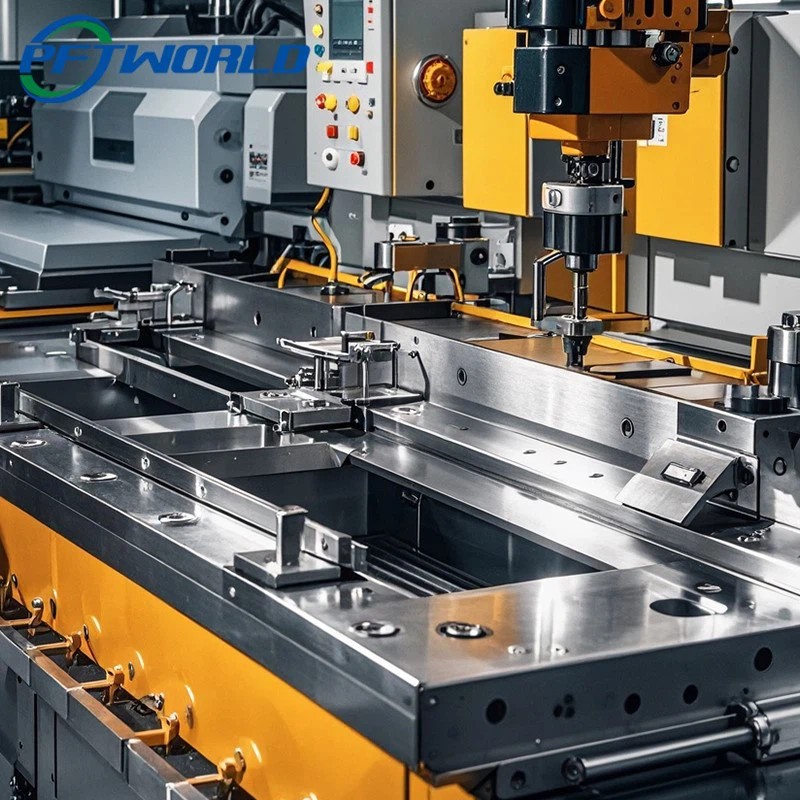
Sheet Metal Fabrication
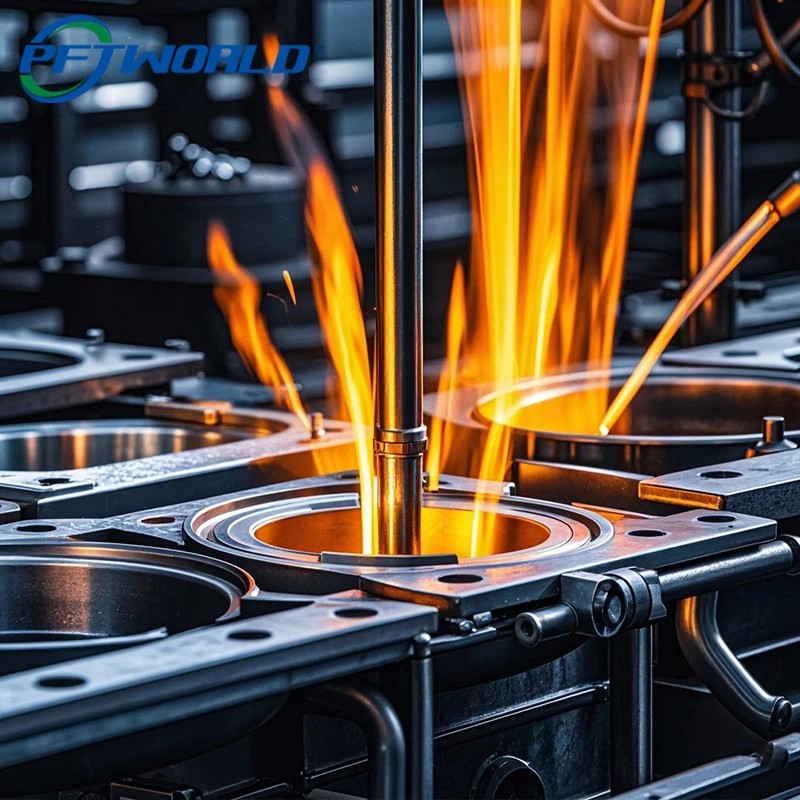
Casting
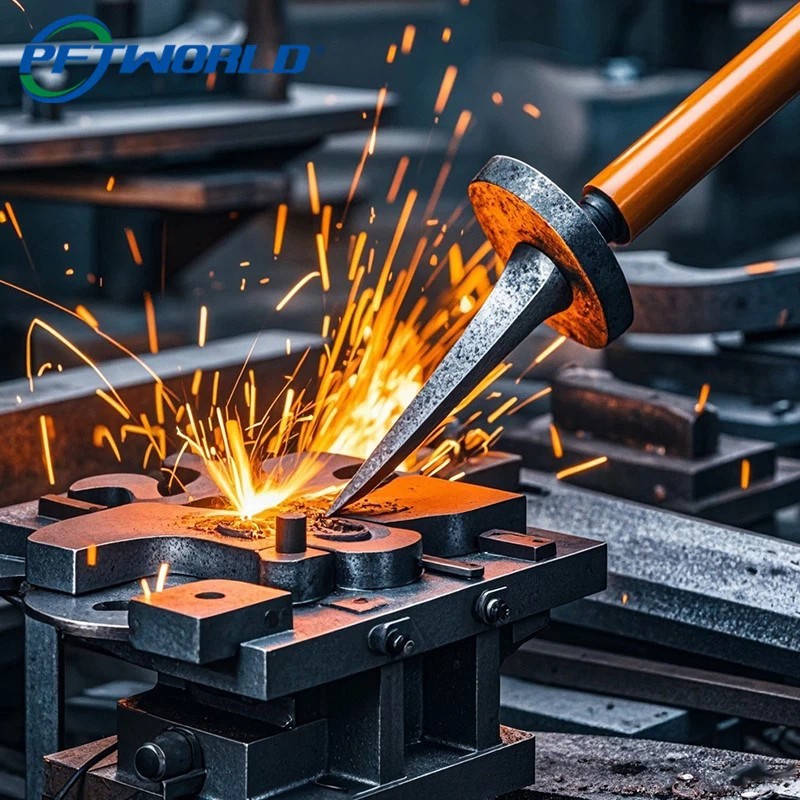
Forging
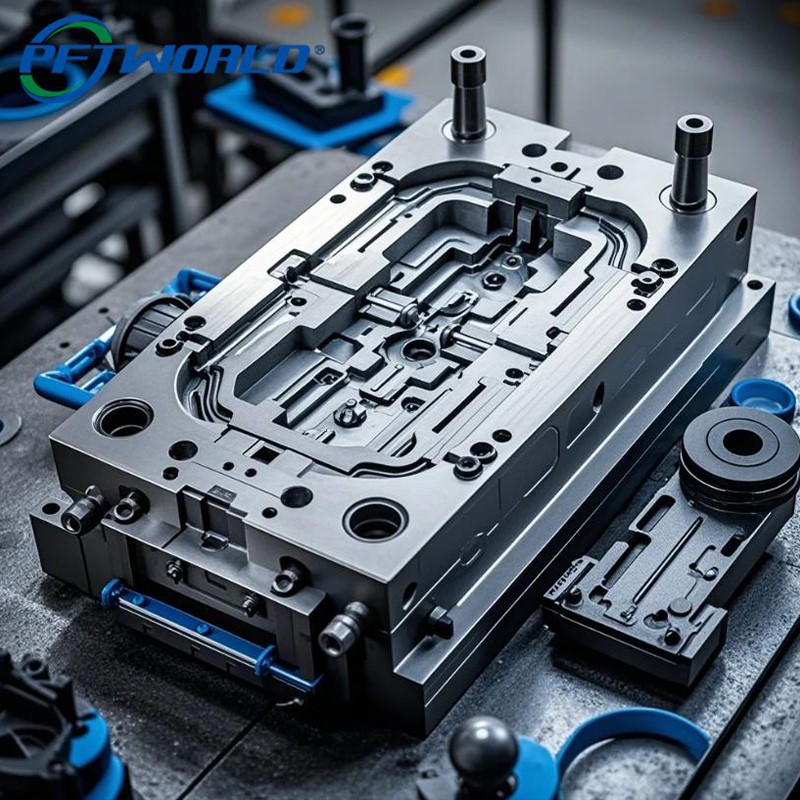
Moulds
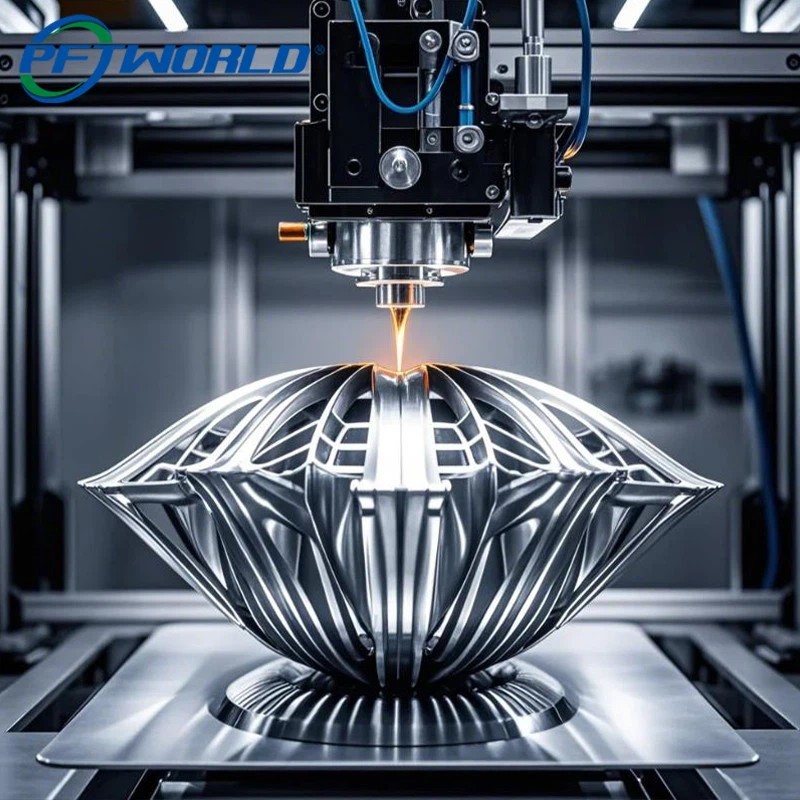
3D Printing
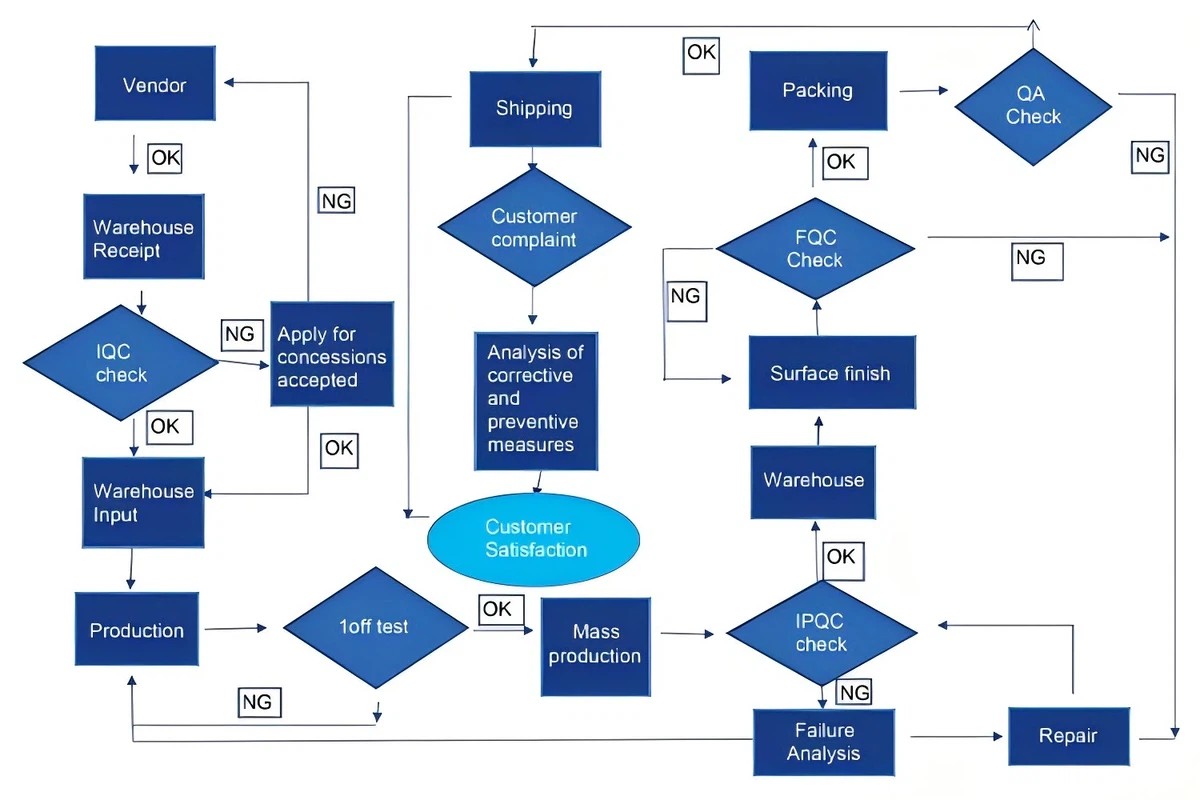
Operating under strict statistical process controls, our quality lab utilizes state-of-the-art diagnostic equipment to verify mechanical design criteria.
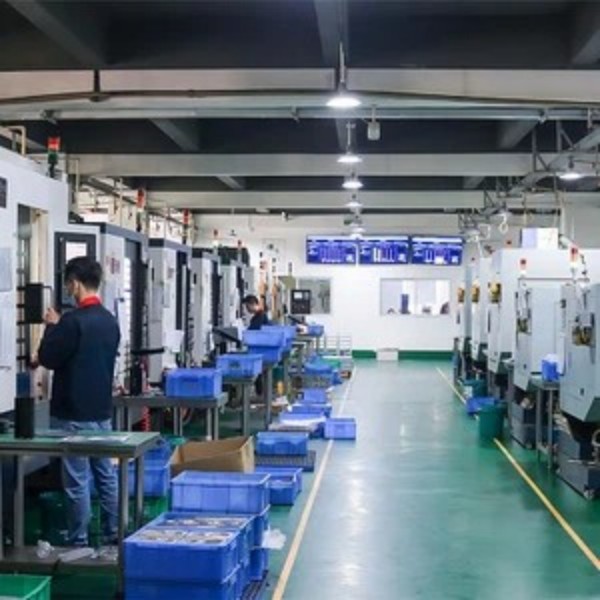
PFT CNC Machining Center
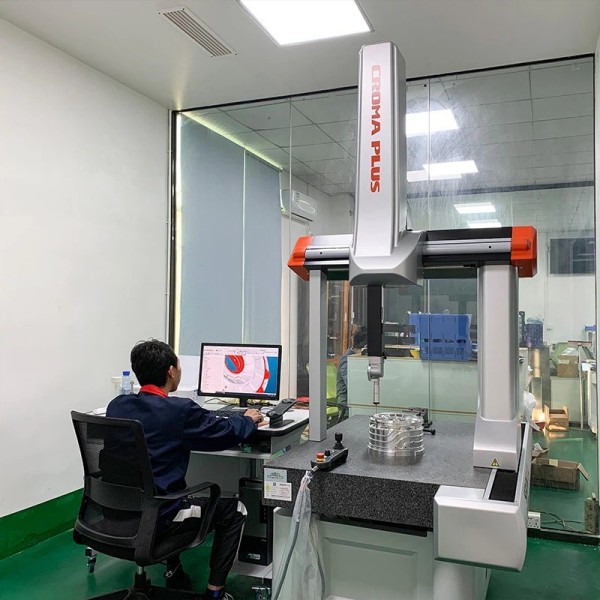
PFT CMM Inspection
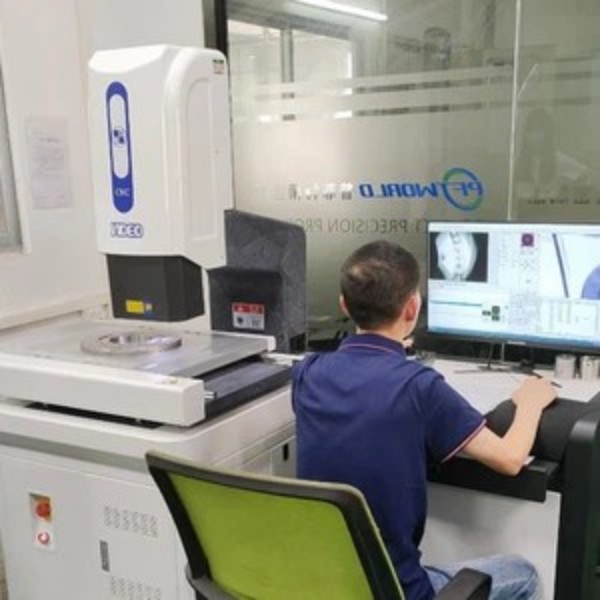
PFT 2D Optical System

PFT 24-H Online Engineering
Our operational processes conform to international standards, ensuring quality across the aerospace, automotive, medical, and environmental sectors.
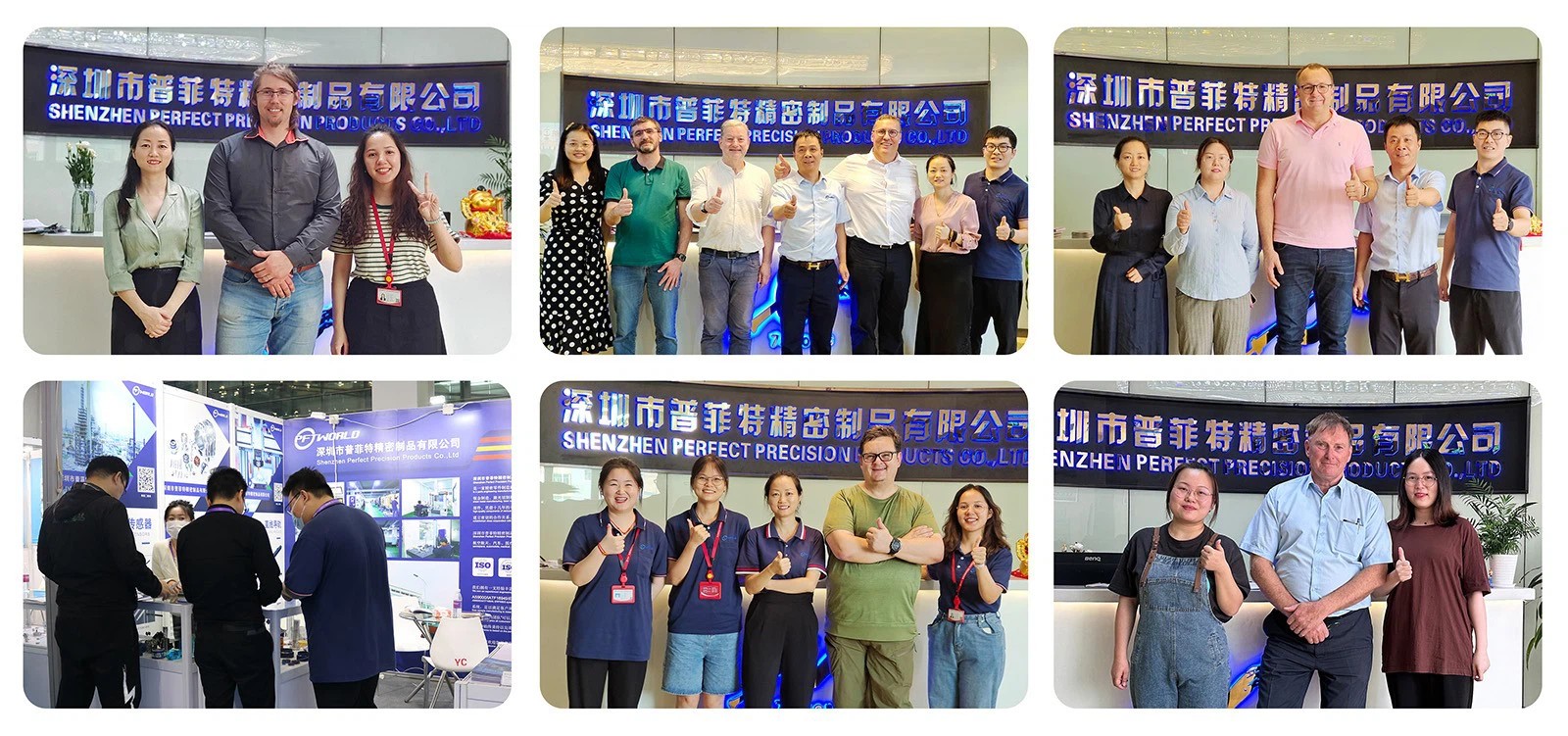
A transparent look inside our facility and active client applications across critical automation projects globally.
In modern precision manufacturing, material requirements are changing alongside component designs. Historically, standard aluminum grades like 6061-T6 met the requirements for general automation. However, the rise of modern collaborative robots (cobots), high-speed picking systems, and extreme-environment actuators requires components with lower mass, higher tensile strength, and superior thermal properties.
This shift has driven the adoption of advanced titanium alloys (such as Ti-6Al-4V) in specialized automation contexts, particularly where weight reduction improves system dynamics. Machining these superalloys requires deep metallurgical expertise. Titanium's low thermal conductivity and tendency to work-harden require specialized tool geometries, rigid setups, and precise toolpaths. At Shenzhen Perfect Precision Products, our engineers optimize machining parameters on 5-axis and 6-axis centers to manage cutting forces and heat dissipation, achieving surface finishes as smooth as Ra 0.1.
Complex parts with organic shapes and complex internal channels—often found in manifolds, cooling blocks, and weight-optimized aerospace components—typically require multi-axis machining. By utilizing 5-axis and 6-axis CNC machining, we complete multiple complex features in a single setup.
This capability delivers significant manufacturing advantages:
Our components are deployed in demanding industrial applications globally:
Detailed technical answers addressing quality assurance, design specifications, and logistics workflows for global buyers.
Ready to start your next custom automation project? Submit your CAD files now for a fast DFM review and detailed quote from our engineering team.
Send Inquiry NowExplore our complete catalog of industrial components, sensor housings, and custom mechanical sub-assemblies.