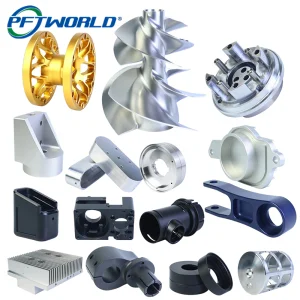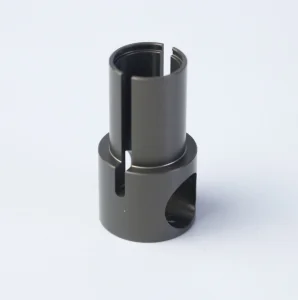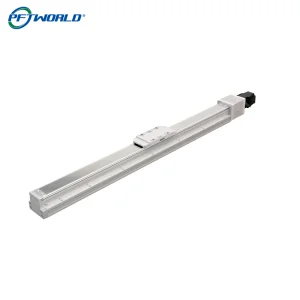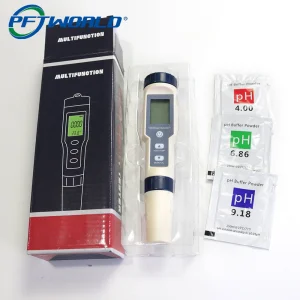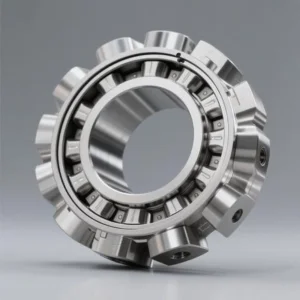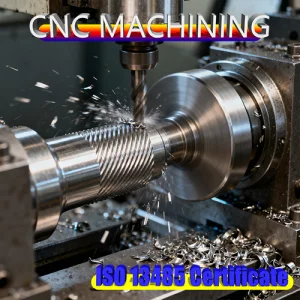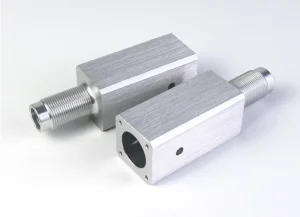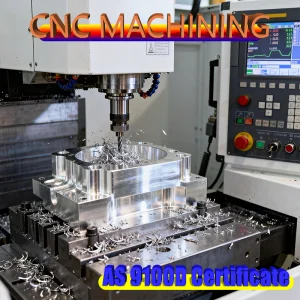
Explore a selection of high-tolerance CNC milled, turned, and custom-designed metal and composite components engineered for demanding industrial ecosystems.
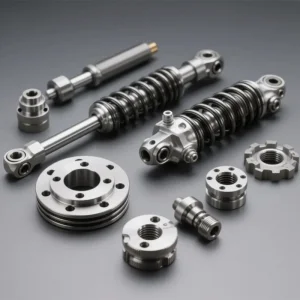
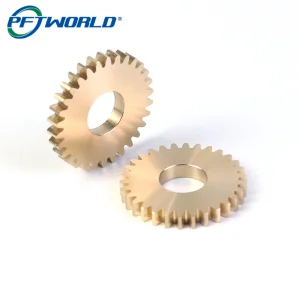
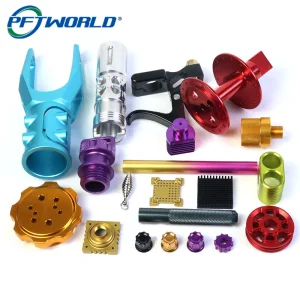
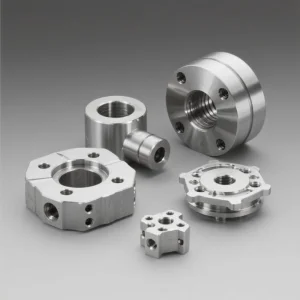
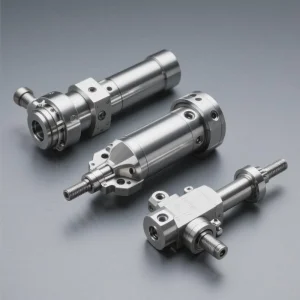
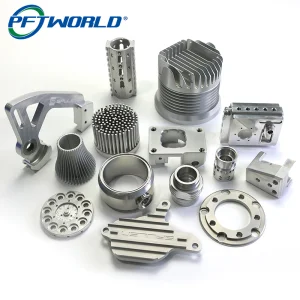
In the global manufacturing grid, brass remains an indispensable material class for high-precision components. Brass turned parts, fabricated via Computer Numerical Control (CNC) turning centers, Swiss lathes, and multi-spindle automatic lathes, represent the backbone of reliable fluids control, electrical conduction, and micro-mechanical dynamics. The unique structural composition of brass alloys—primarily combining copper and zinc—delivers unmatched machinability, high mechanical strength, corrosion resistance, and superb electrical/thermal conductivity.
As international supply chains shift towards lean manufacturing, the demand for Original Design Manufacturing (ODM) partners in brass turning has surged. Global buyers require manufacturers who do not merely work as job shops but act as engineering assets capable of optimizing component geometry, material selection, and surface finishes. The European Union, North American aerospace, and East Asian automotive clusters represent the highest consumption zones for brass turned parts, requiring strict adherence to global regulatory frameworks such as RoHS Compliance, REACH Standards, and industry-specific certifications.
At the center of this global sourcing architecture stands Shenzhen, China. Leveraging its hyper-integrated hardware supply chain, advanced logistics, and highly trained engineering talents, manufacturers like Shenzhen Perfect Precision Products Co., Ltd. (PFT Machining) have transitioned from traditional mechanical processing to advanced digital chemical plants. By adopting IoT-enabled ERP networks, multi-axis automated turning, and high-fidelity measurement equipment, Shenzhen has established itself as the global epicenter for precision turned components.
When engineers design brass turned parts, they face critical choices regarding alloy composition. Sourcing managers must understand the physical trade-offs:
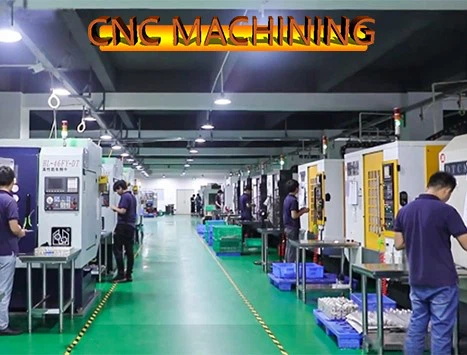
Our 10,000 m² digital manufacturing facility located in Shenzhen houses multi-axis CNC machines providing continuous, high-yield component turning.
General Tolerance: ± 0.01 mm
Special Focus Tolerance: ± 0.002 mm
Surface Roughness: Ra 0.1 ~ 3.2
Operational scale and quality metrics defining our reputation as a trusted manufacturing partner.
Covering the entire life cycle of high-precision component fabrication, from fast prototype verification to massive global rollout.
Multi-axis milling capabilities handling complex geometries with intricate features and absolute dimensional consistency.
Dedicated high-speed turning centers suited for high-density components, cylindrical shapes, and threaded brass profiles.
Hybrid processing combining milling and turning operations in one setup to minimize error risk and ensure strict concentricity.
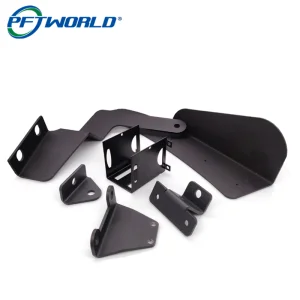
Precision stamping, bending, and laser-cutting operations, creating functional hybrid structural hardware assemblies.
Near-net-shape processing options ideal for complex heavy-duty valve blocks prior to finishing turning operations.
Optimizing metal grain orientation to deliver raw blanks of superior mechanical strength and structural consistency.
Custom engineering molds and fixture design, maximizing reliability during long run mass-production operations.
Industrial 3D printing for functional prototyping, mechanical verification, and multi-concept architecture design.
The role of brass turned components differs dramatically based on the target application sector. To deliver genuine value to engineering buyers, ODM suppliers must integrate specialized testing protocols and material handling methodologies:
In aircraft instrumentation, landing gears, and RF electronics, brass turned parts are utilized for their non-magnetic properties and dimensional stability under extreme pressure cycles. PFT Machining supports aerospace manufacturers with AS9100D-certified production pipelines. The components undergo strict geometric dimensioning and tolerancing (GD&T) to ensure they can interface reliably within complex instrumentation modules.
With the rapid shift toward hybrid and battery electric vehicles (EVs), high-performance connectors, cooling manifolds, and thermal management sensors require highly accurate brass enclosures. The tight sealing interfaces require threads to be cut with extreme precision, eliminating micro-leaks. Our IATF16949:2016 management framework guarantees that critical automotive turned components are checked using automated vision machines.
Diagnostic devices, valve manifolds in liquid handling equipment, and surgical tools rely heavily on biocompatible and easily sterilized materials. Lead-free brass components processed by PFT Machining align with the rigorous requirements of ISO13485:2016. Custom ultrasonic cleaning and degreasing operations are executed in-house to ensure parts are delivered completely free of oil residue and microscopic cutting debris.
RF connectors, coaxial terminal components, and grounding lugs require excellent surface finish (often plated with gold, silver, or nickel) and extremely low surface roughness (Ra 0.4 or lower) to maintain signal integrity at high frequencies. High-speed Swiss turning techniques enable PFT to produce millions of these miniaturized connectors monthly, holding a production capability of 500,000+ units across our facilities.
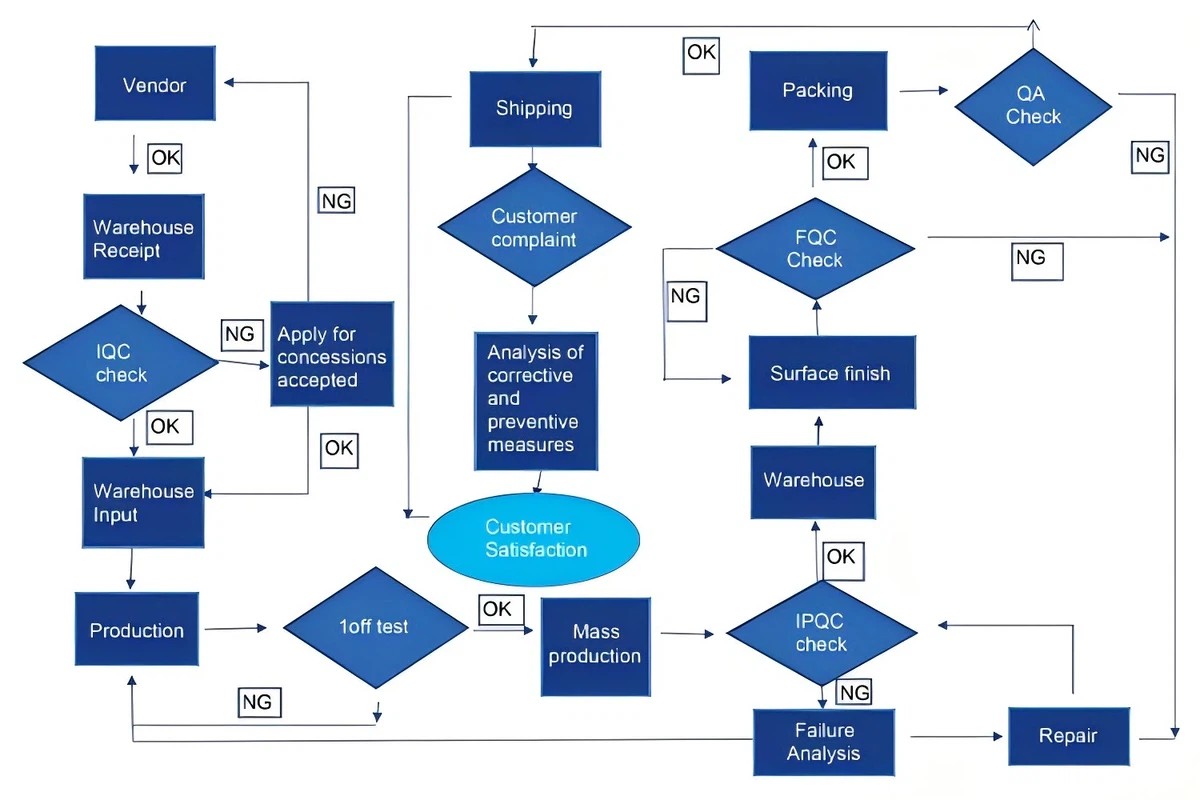
Quality control is sustained through a combination of manual metrology, optical inspection, and digital tracking.
Click to preview our real-time factory operations, highlighting automated tool paths and multi-spindle machining cycles.
Our commitment to manufacturing reliability is verified by international compliance bodies, enabling seamless integration into your supply chain.
 ISO9001:2015
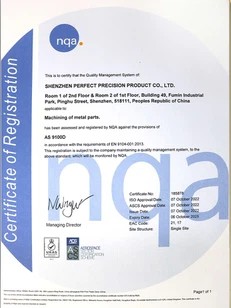 AS9100D
 IATF16949:2016
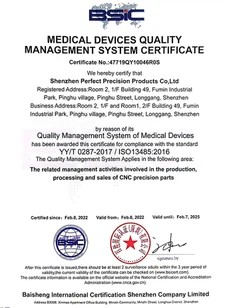 ISO13485:2016
 ISO14001:2015
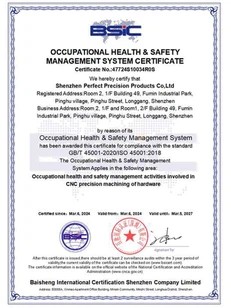 ISO45001:2018
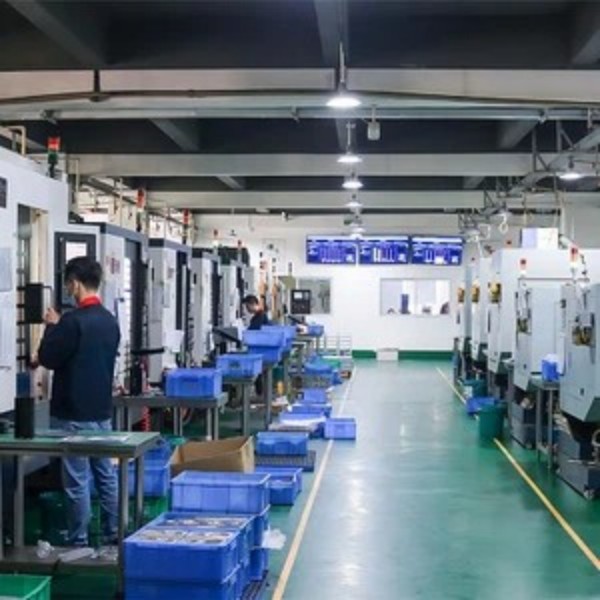
Equipped with advanced 3, 4, 5, and 6-axis milling and turning hubs to ensure rapid chip removal and perfect alignment.
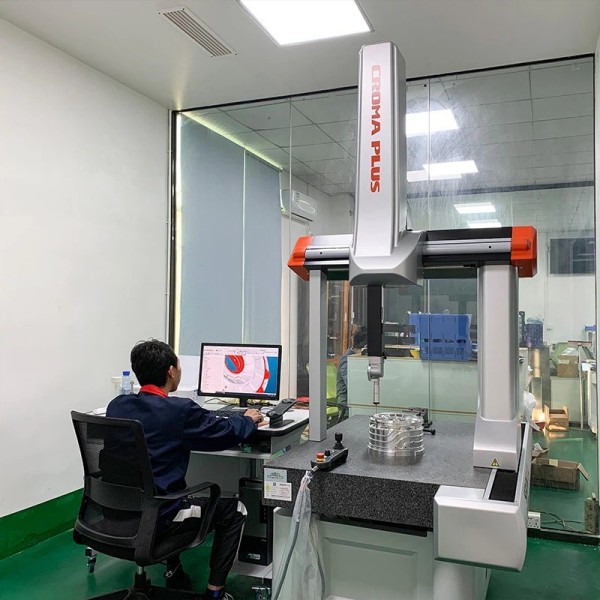
High-precision Coordinate Measuring Machines validating complex geometric alignments with micron-level fidelity.
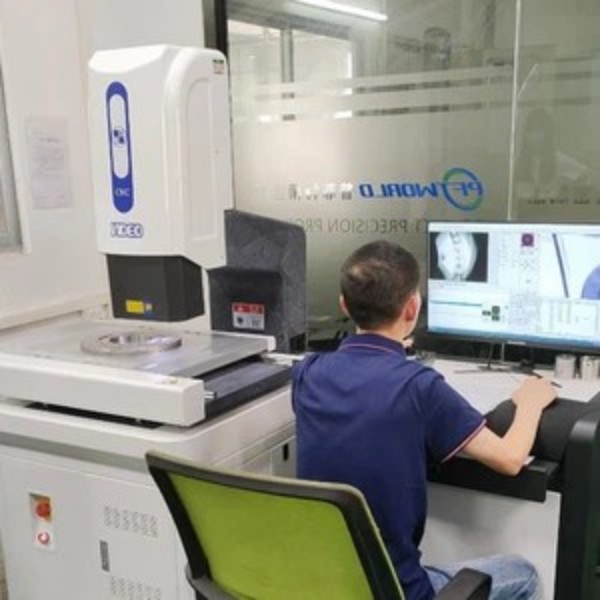
Non-contact vision inspection devices optimized for quick and extremely precise verification of fine external threads.

Around-the-clock technical consultancies, design review loops, and live quality check updates for global operations.
The machining landscape is moving rapidly toward automation, integrated sensor arrays, and sustainable production pipelines. Sourcing agents must align with manufacturers that actively invest in technology to mitigate inflation, labor shortages, and energy rate spikes.
PFT Machining's development roadmap focuses on transitioning our facility into a fully digital chemical plant. By leveraging cloud-integrated ERP networks, we coordinate real-time tracking of tool conditions, material inventories, and machine cycle metrics. Here are the core pillars of our technical roadmap:
Our operational management integrates live tracking of machining parameters to maintain maximum efficiency and product quality.
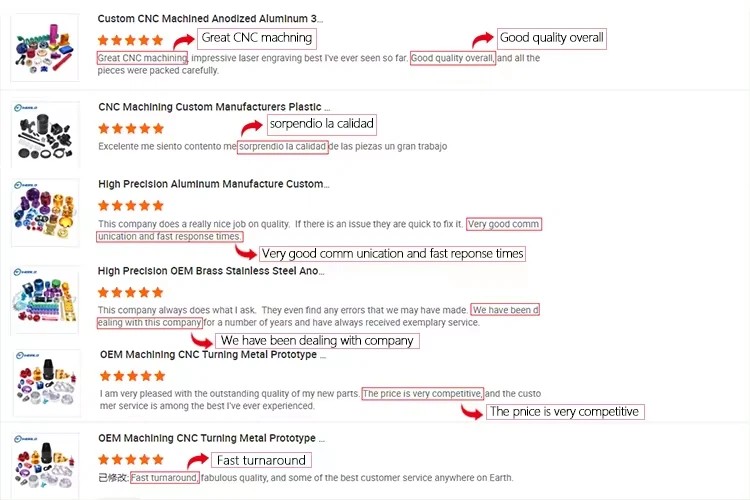
Expert answers addressing cost drivers, quality inspection strategies, and engineering design options for custom ODM brass parts.
We are a manufacturer located in Shenzhen, China, with 20 years of experience, covering a 10,000 square meter facility. Our operations include 3D quality inspection equipment, integrated ERP workflow management, and 100+ CNC machines. We provide material certificates, sample quality inspection reports, and full post-machining dimensional trace reports.
Please share detailed CAD drawings (STEP, IGS, DWG, or PDF formats) detailing dimensions, tolerance requirements, material grade preference, order quantity, and secondary finishing options. This enables our engineering team to provide a precise quotation within 24 hours.
Yes, we accept physical samples, clear engineering sketches with complete dimensional details, or schematic photos. Our engineering department can generate technical CAD drawings from your samples for approval before finalizing quotes.
Sample fabrication and engineering validation typically require 1-3 days. Full production runs depend on configuration complexity and total volume, generally requiring 7-14 days. We optimize production tracking using our internal digital scheduling dashboard.
We apply a four-stage quality assurance protocol: (1) Material Incoming Quality Control to check surface condition and base alloy composition; (2) First Article Inspection (FAI) to verify machine setup accuracy; (3) In-Process Quality Control (IPQC) using statistical sampling; and (4) Pre-Shipment Inspection (PSI) involving 100% dimensional checks of critical features via our QC department.
The primary cost drivers are material volume (raw alloy weight), machining cycle duration (governed by design complexity), required tolerance ranges (features tighter than ±0.005mm require specialized setup), and raw material choice (such as premium lead-free alloys versus standard free-cutting brass).
We provide comprehensive support for all delivered parts. Feedback regarding quality or tolerance variations can be reported within 30 days of shipment receipt. Our support team conducts video engineering reviews and coordinates replacement runs or adjustments within 7 days when anomalies are confirmed.
Our dedicated technical sales and engineering design support teams are ready to assist you with component configuration, DFM reviews, and live production updates.
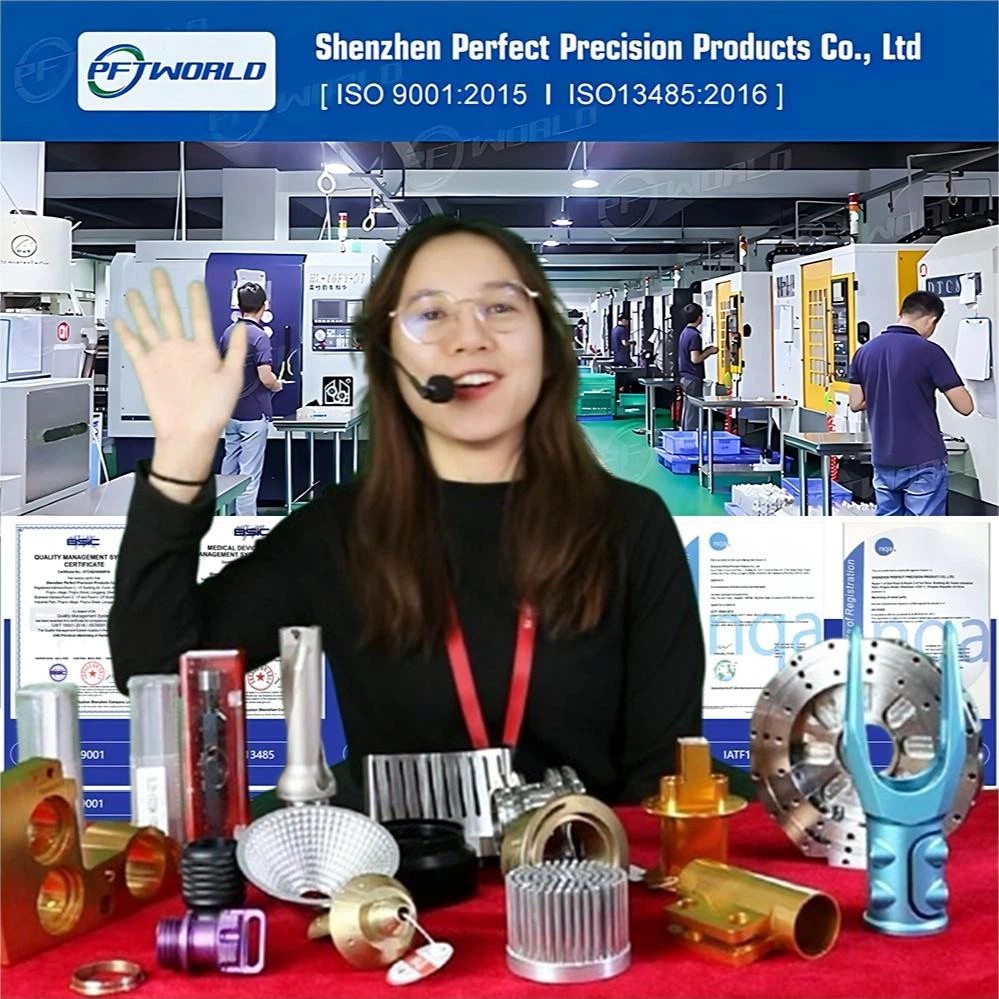
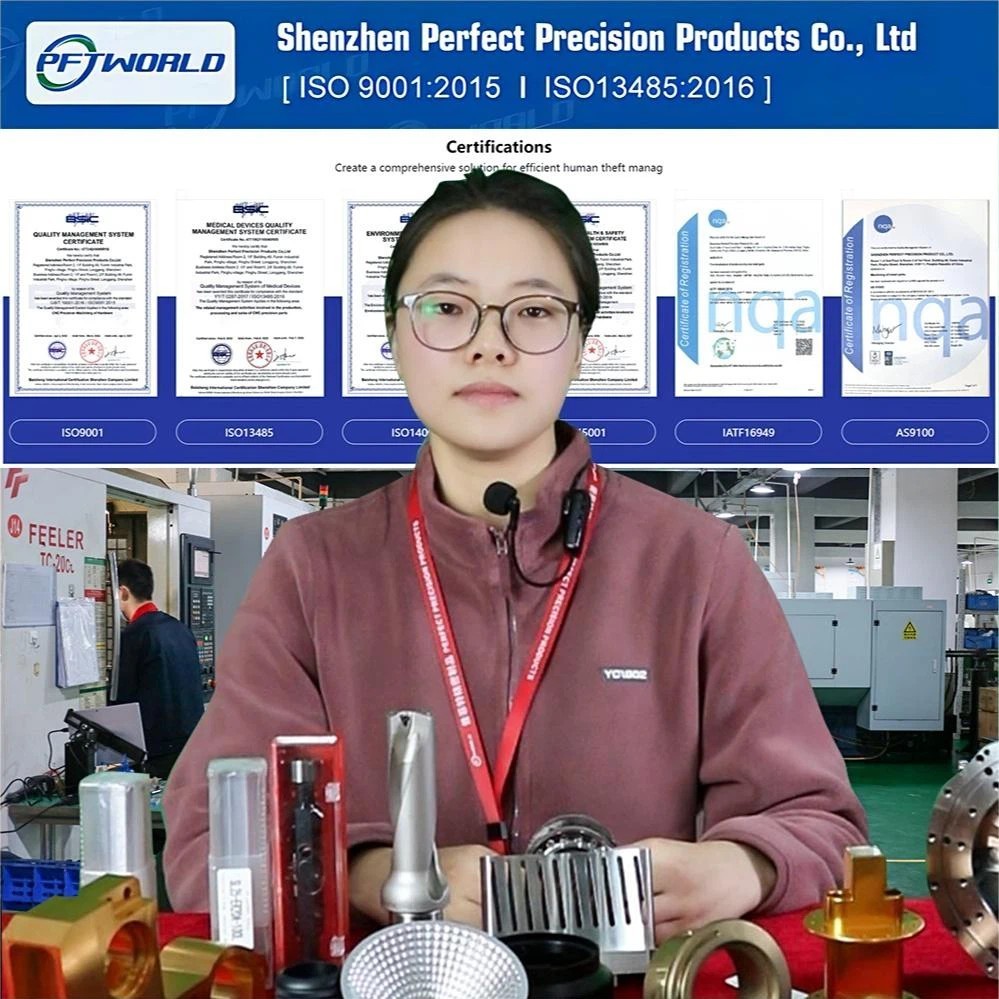


Our engineers perform design for manufacturability (DFM) reviews on every drawing, identifying opportunities to reduce cost, shorten cycle times, and improve machining accuracy.
Send Inquiry NowA further selection of our manufacturing outputs, illustrating our capabilities across diverse industries, materials, and processes.