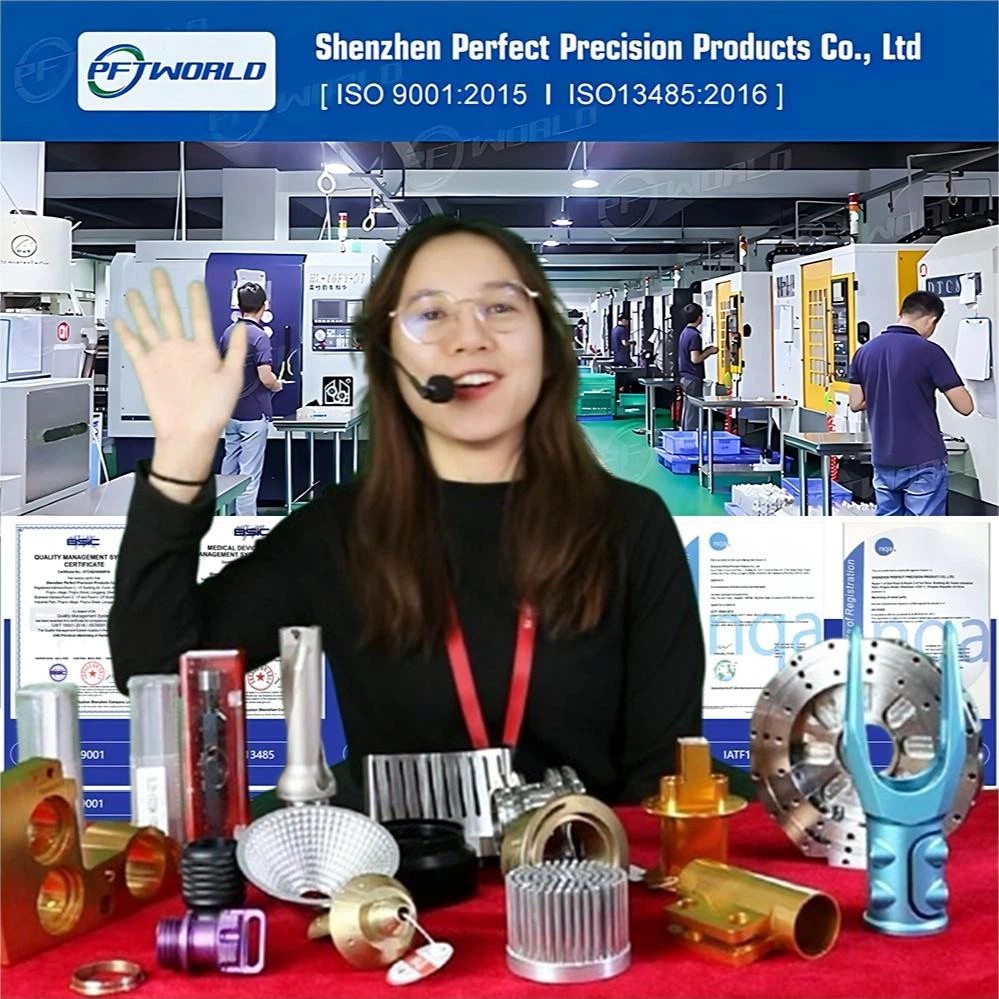
High-quality components manufactured to stringent tolerances, serving the global automotive, heavy machinery, aerospace, and medical sectors.
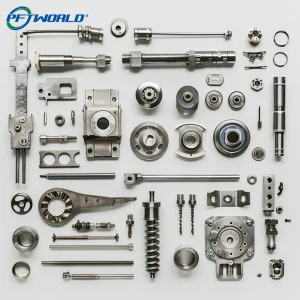
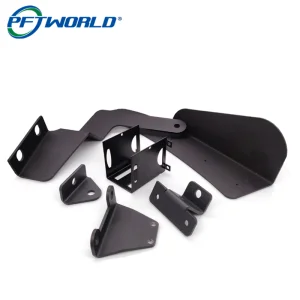

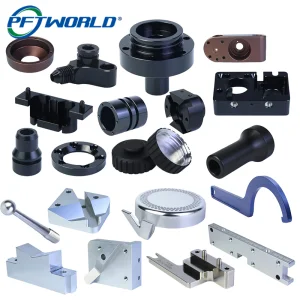
Decoding market dynamics, material innovations, and the global macroeconomic landscape of copper-alloy precision parts.
The global industrial demand for OEM brass machined parts has experienced a structural evolution driven by the acceleration of green energy networks, high-voltage automotive architectures, and precision fluid control systems. Brass, primarily consisting of copper and zinc, is highly valued in metallurgy for its exceptional electrical conductivity, superior corrosion resistance, high thermal diffusivity, and excellent machinability. As global supply chains prioritize resilience and sustainability, original equipment manufacturers (OEMs) are pivoting toward advanced machining partners capable of navigating strict regulatory environments (such as RoHS 3 and REACH) while maintaining ultra-tight tolerance standards.
In modern electrical systems, brass serves as a core material for high-current connectors, EV charging terminals, and sensor housings. In these applications, electrical performance is directly linked to raw material purity. Contamination from impurities can degrade conductivity, causing thermal runaway in high-power components. Furthermore, the push for lead-free brass alternatives (such as C69300, C87850, and Eco-Brass) presents new engineering challenges. Traditional free-cutting brass (C36000) achieves its high machinability through micro-dispersed lead particles, which act as chip breakers and natural lubricants. Modern CNC machining facilities must adapt tool geometries, coating technologies, and speed/feed recipes to handle these lead-free alternatives without sacrificing tool life or surface quality.
A pioneer in digital-enabled precision manufacturing, delivering exceptional CNC solutions globally.
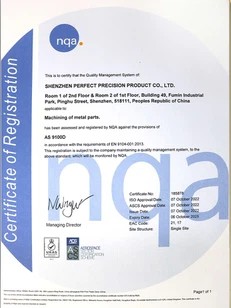
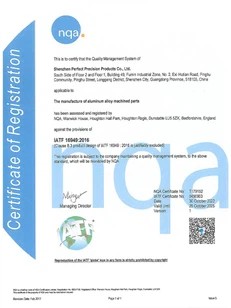
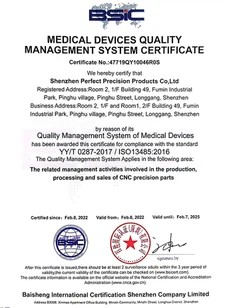
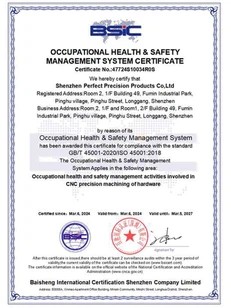
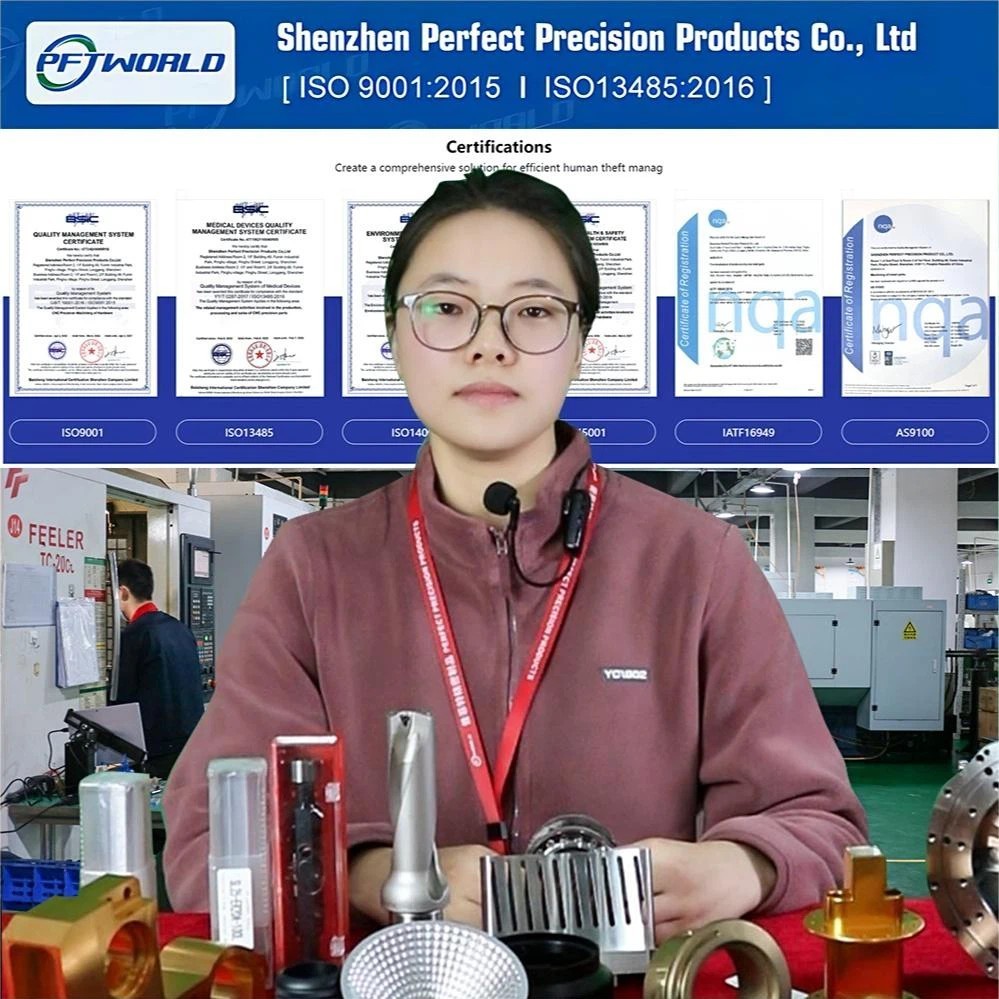
Established in 2014, Shenzhen Perfect Precision Products Co., Ltd set out to build a world-class foreign trade and engineering service team, achieving ISO9001 quality system certification in its first year. Through continuous technical investments, we were recognized as a Guangdong Contract and Trustworthy Enterprise in 2018. By 2019, we earned our national High-Tech Enterprise certification and intellectual property management system certification, cementing our technical authority.
In 2020, we expanded our modern facility to 10,000 square meters, growing our professional workforce to over 70 dedicated technicians and engineers. In 2021, we completed our transformation into a fully digitalized chemical plant, integrating ERP systems and automated manufacturing workflows to ensure tracing precision and production transparency.
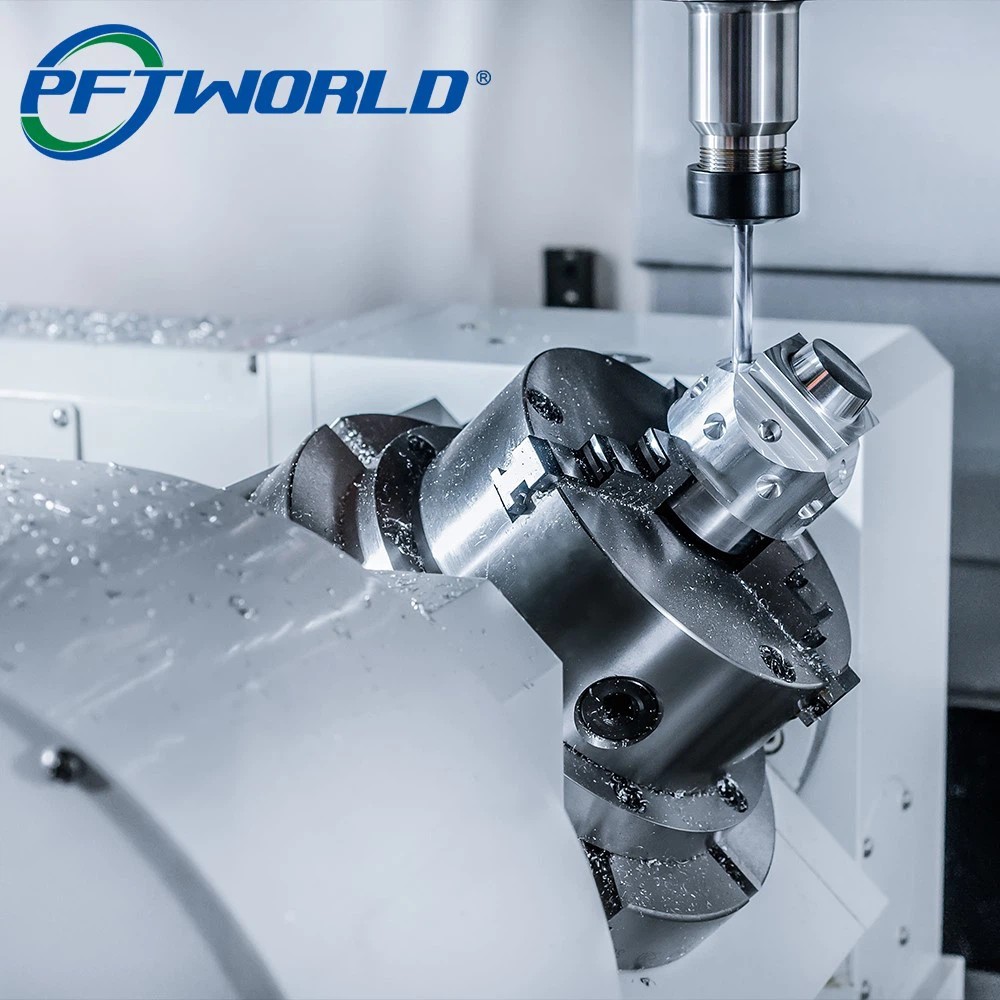
Equipped with advanced 3, 4, 5, and 6-axis CNC machining systems, our facility achieves tolerances as tight as +/-0.01 mm for standard products and +/-0.002 mm for custom, high-precision components, with surface roughness ranges between Ra 0.1 and 3.2.
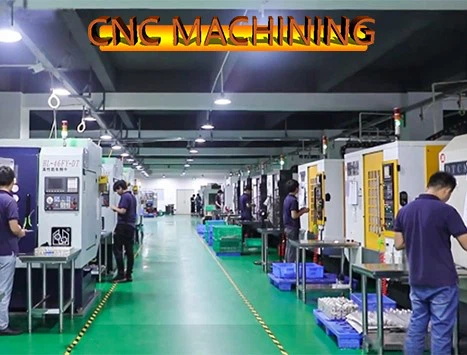
From prototyping to high-volume manufacturing, our technical services support your product's entire lifecycle.
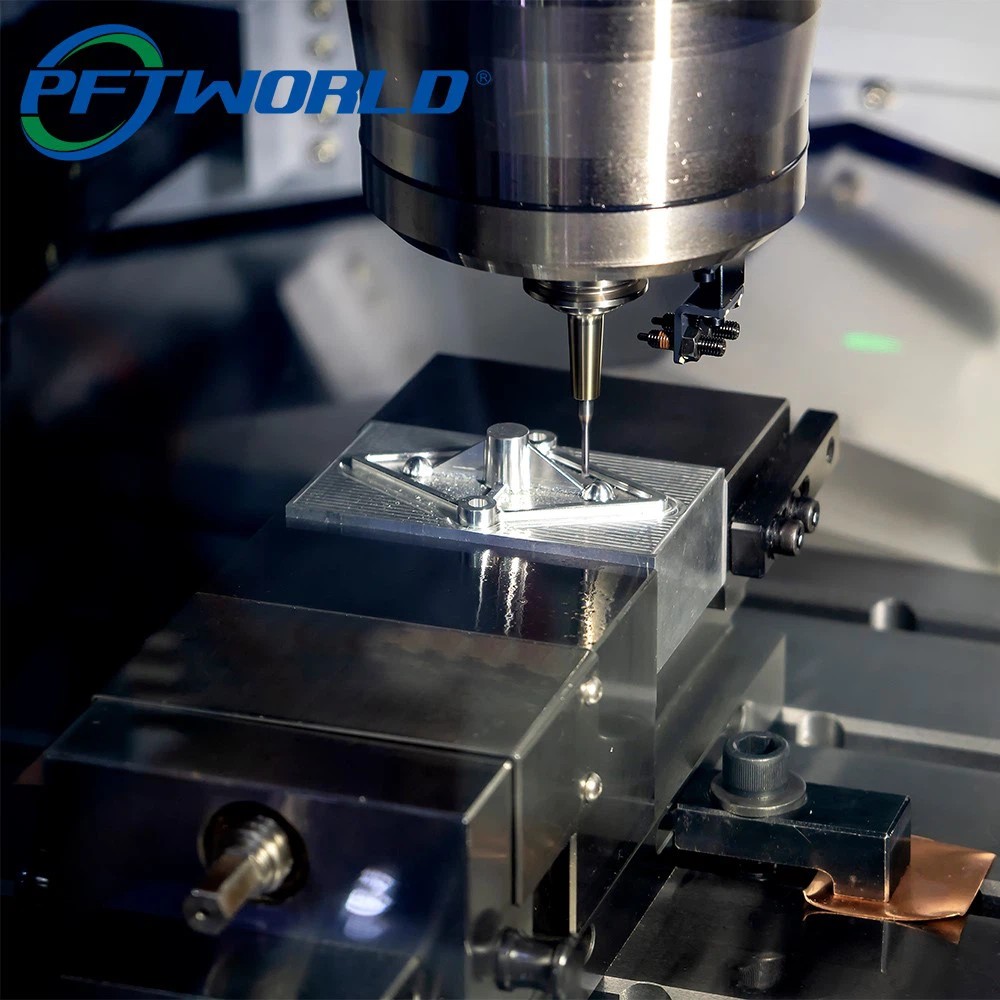
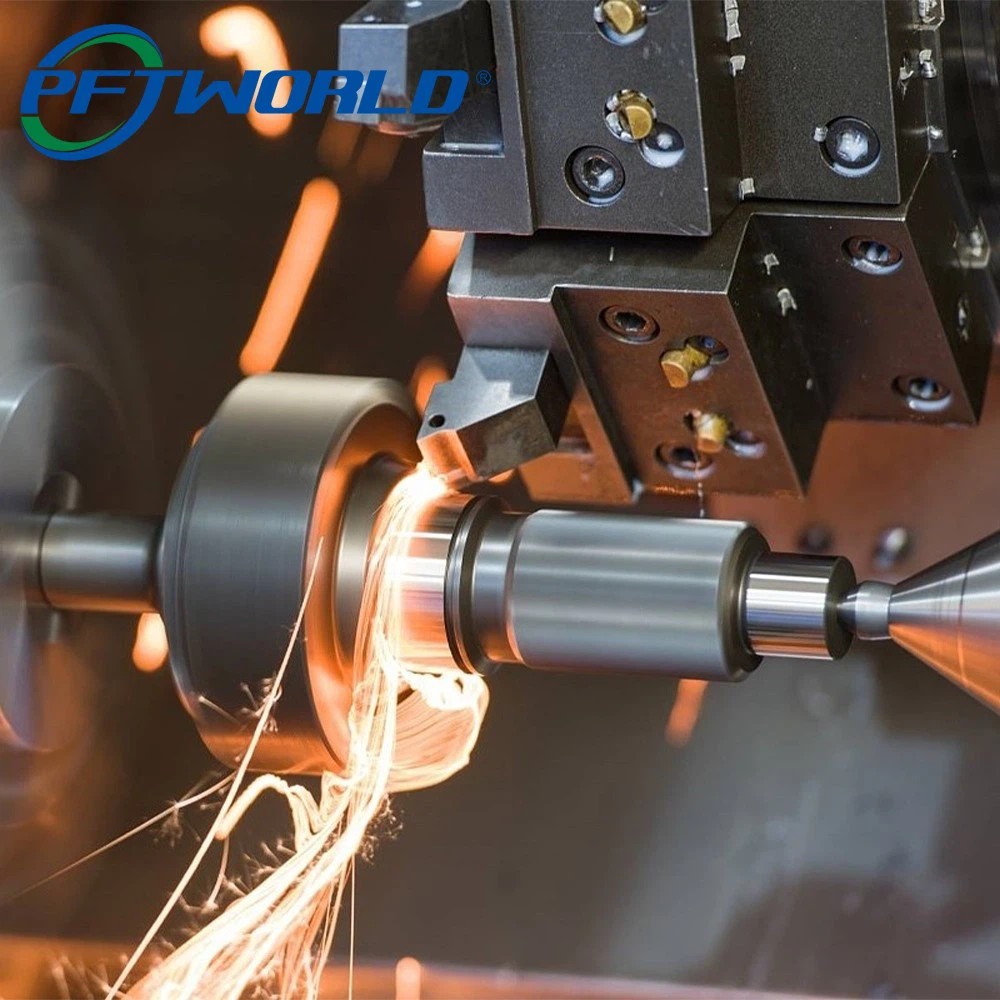
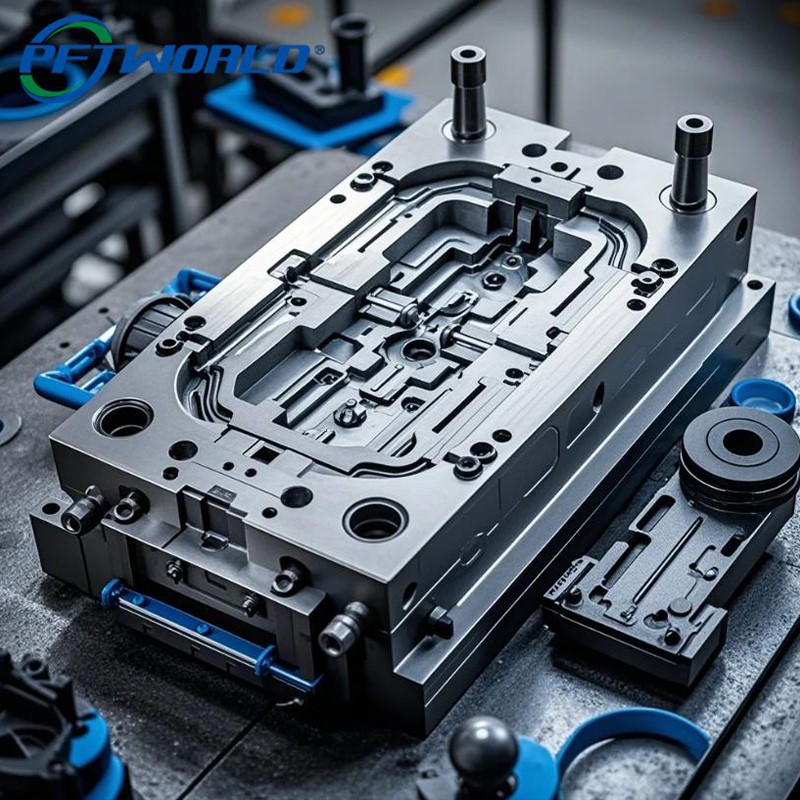
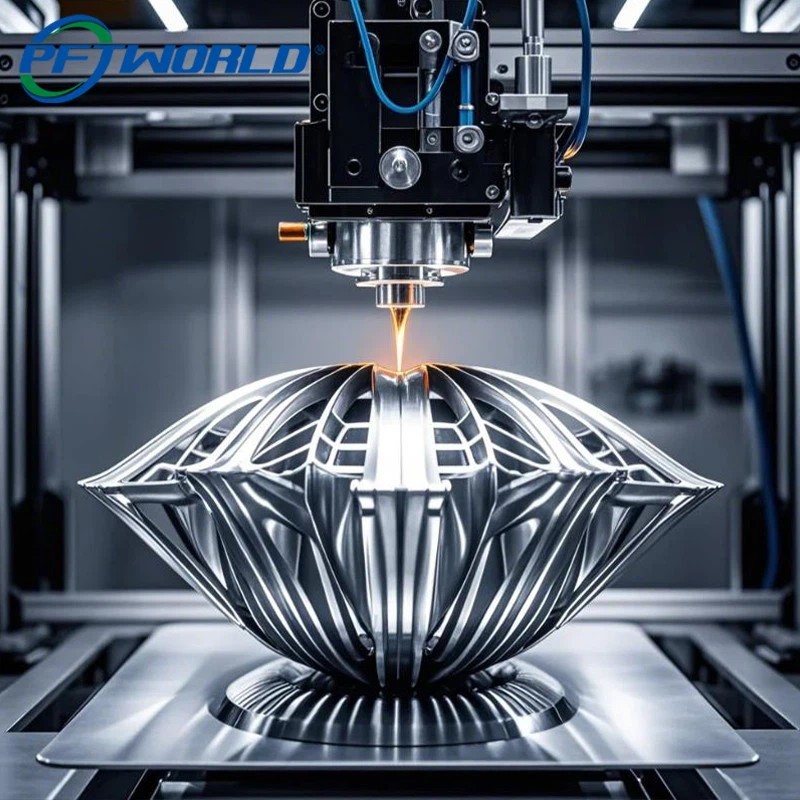
An engineer's guide to selecting the right brass alloys, optimizing machinability, and understanding physical properties.
Evaluating mechanical, chemical, and industrial performance criteria across standard brass grades.
Selecting the optimal brass grade is critical for balancing technical performance and cost-effectiveness. In precision component engineering, the chemical composition of the alloy dictates its tensile strength, corrosion resistance, and compatibility with specific manufacturing processes. The table below lists the primary brass alloys commonly requested by OEMs and engineered in our facility:
| Alloy Grade | Chemical Composition | Machinability Rating | Key Features & Technical Advantages | Primary Application Fields |
|---|---|---|---|---|
| C36000 (Free-Cutting) | 61.5% Cu, 35.4% Zn, 3.1% Pb | 100% (Baseline Reference) | Maximum speed potential, low tool wear, excellent chip break properties. | High-volume fittings, connectors, turned valves. |
| C46400 (Naval Brass) | 60% Cu, 39.2% Zn, 0.8% Sn | 50% | Outstanding resistance to dezincification in marine conditions and saline environments. | Marine hardware, propeller shafts, subsea sensors. |
| C69300 (Eco-Brass) | 75% Cu, 21% Zn, 3% Si, Lead-Free | 80% | RoHS/REACH compliant, high strength similar to steel, excellent recyclability. | Potable water systems, medical devices, food industry. |
| C26000 (Cartridge Brass) | 70% Cu, 30% Zn | 30% | High cold-working capacity, excellent ductility, aesthetic bright yellow appearance. | Deep drawn enclosures, fasteners, ammunition components. |
Machining brass requires specialized technical planning. Since copper alloys dissipate heat quickly, choosing the correct cutting speeds, feed rates, and tool geometries is key to preventing chip accumulation and burr formation. During high-speed CNC milling and turning of brass, our engineers adjust variables based on the following technical strategies:
How precision-engineered brass components support critical global infrastructure and emerging industries.
The electric vehicle (EV) sector requires reliable high-voltage connectors and bus bars. Brass parts, often featuring silver or tin plating, are ideal for these components. They provide the necessary electrical conductivity and corrosion resistance to withstand repeated fast-charging cycles without overheating.
In avionics, custom GPS signal housings and RF connector bodies must remain stable under extreme temperatures and electromagnetic interference. Our machining processes achieve the precise geometries and tight tolerances required for reliable signal transmission in harsh conditions.
Because brass is naturally antimicrobial, it is highly suitable for medical gas distribution networks, oxygen regulators, and diagnostic enclosures. By working with lead-free brasses like C69300, we help ensure medical OEMs comply with international biocompatibility standards.
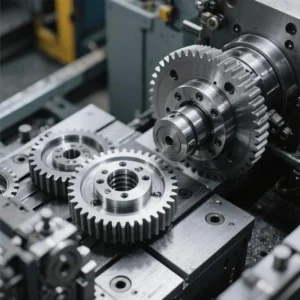
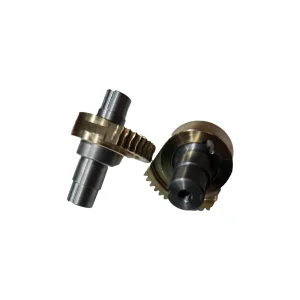
In addition to these industries, precision-turned gears and worm shafts are critical for heavy industrial machinery. In these applications, brass serves as a sacrificial contact material, reducing friction and wear on steel mates to extend system lifetimes. By using advanced mill-turn machining, we complete these complex gears in a single setup, eliminating cumulative errors and lowering production costs.
Continuous quality control and testing systems to ensure all dimensional requirements are consistently met.
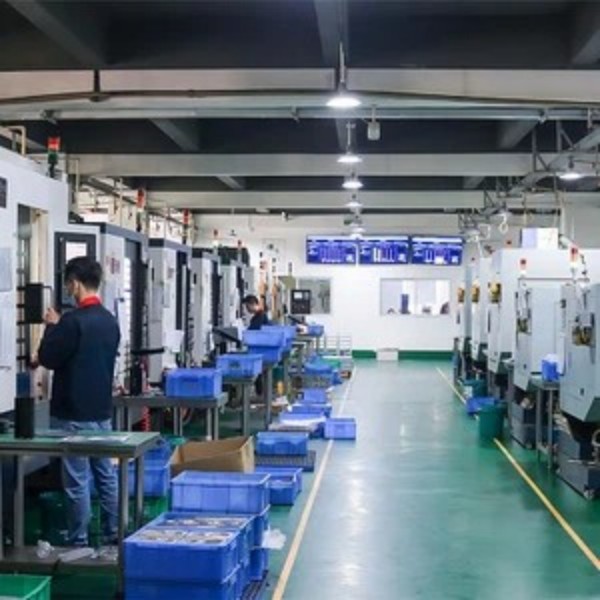
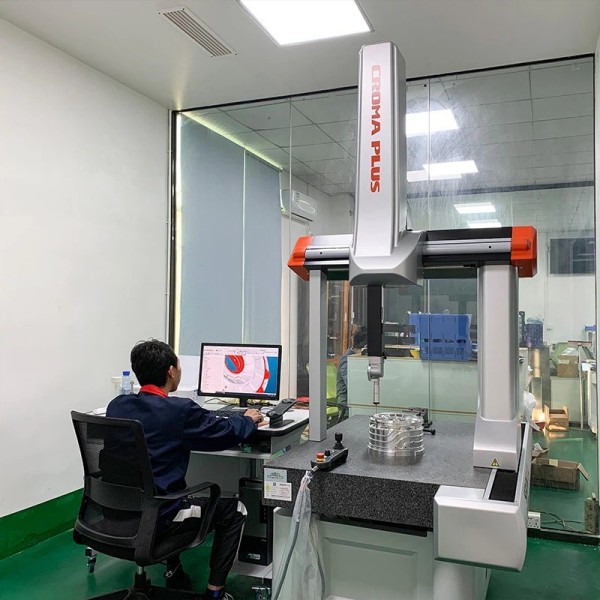
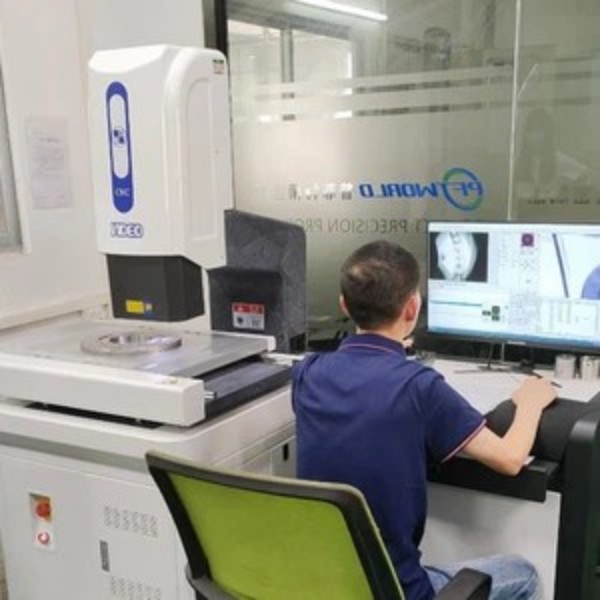

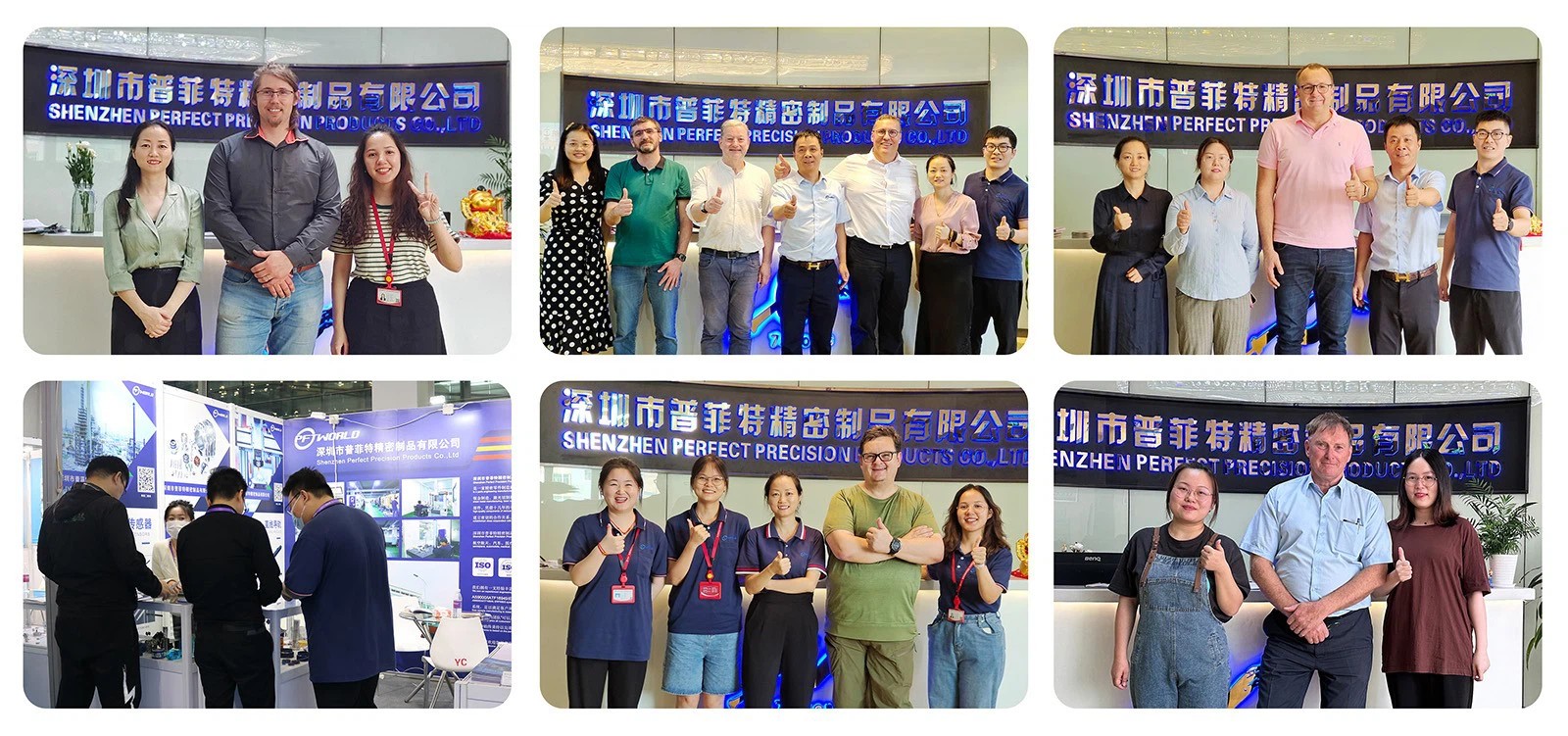
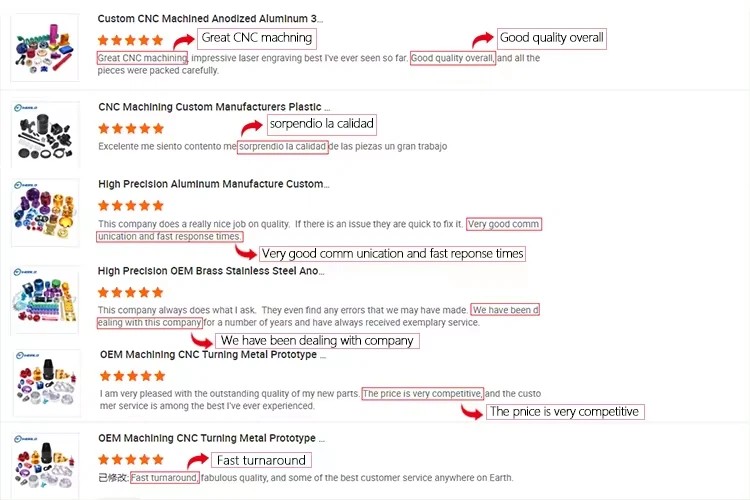
Transparent workflows, advanced equipment, and positive customer feedback from global industries.
By integrating ERP systems and barcode workflows, we track every batch of brass components from raw material arrival to final dispatch. Customers can view detailed inspection records, material mill sheets, and dimensional analysis reports online, providing complete transparency throughout production.
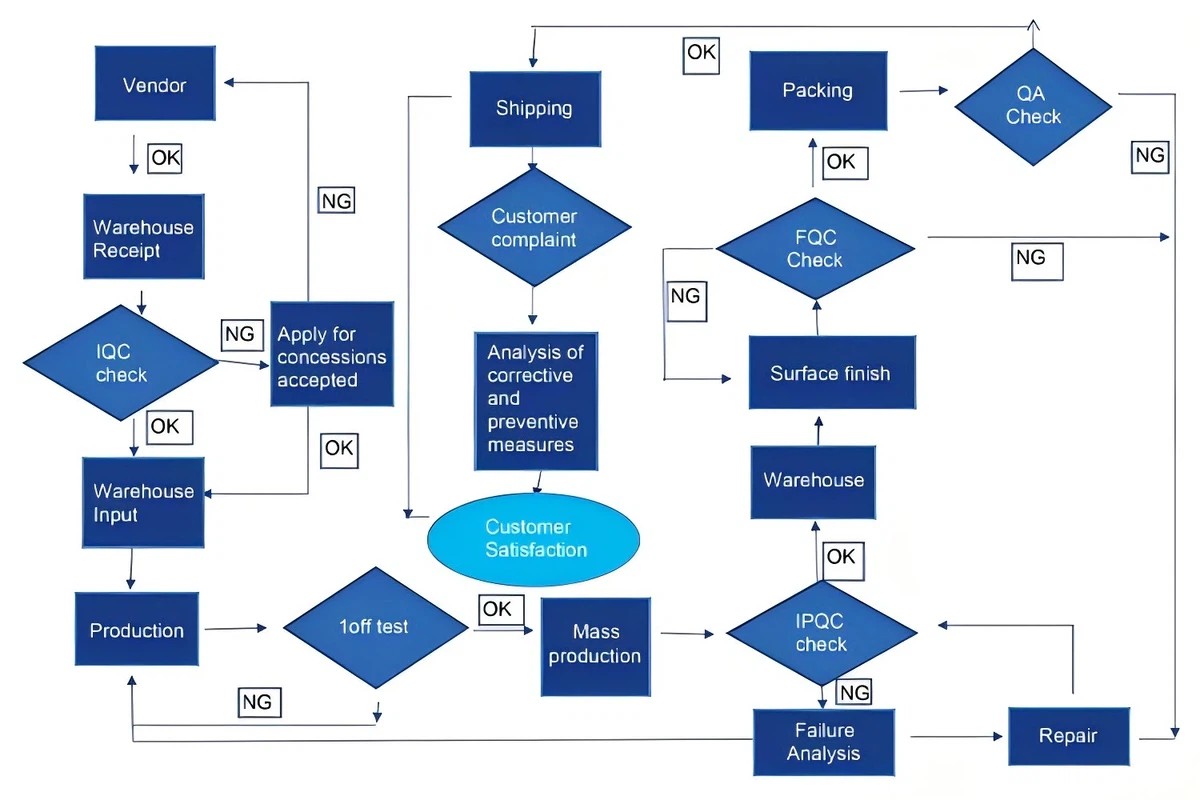
Our customer-satisfaction loop links QA metrology data with shipping records. This process ensures that feedback is instantly routed back to our technical engineering team, enabling rapid adjustments and continuous product improvement.
Technical answers, design guidelines, and business policies for engineers and procurement managers.
Additional custom parts manufactured to strict tolerances for global supply chains.
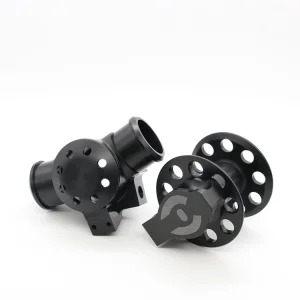
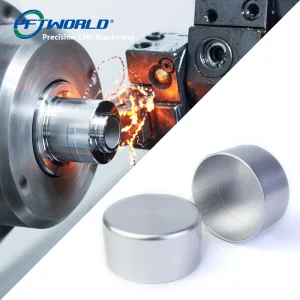
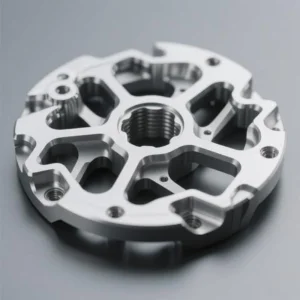
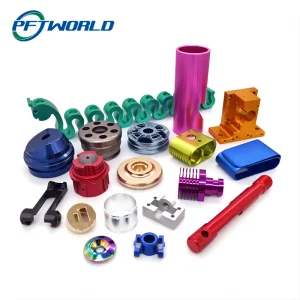

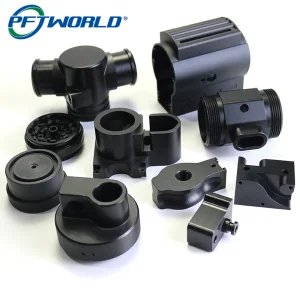
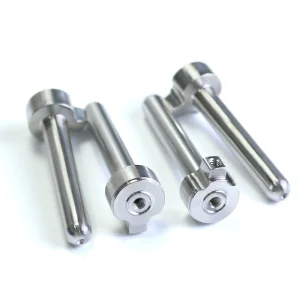
We deliver high-precision CNC machining solutions tailored to your exact specifications. From prototyping to mass production, we handle everything with strict quality control, fast turnaround, and competitive pricing. Equipped with advanced CNC machines and a skilled engineering team, we serve industries like automotive, aerospace, medical, and electronics with unmatched accuracy and reliability.
Send Inquiry Now