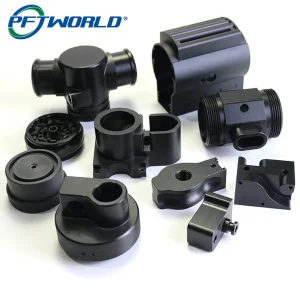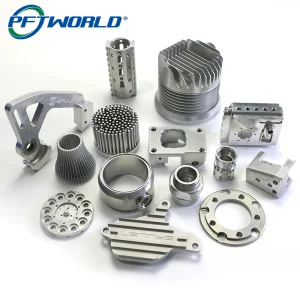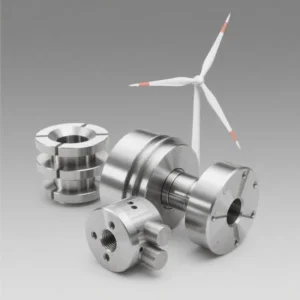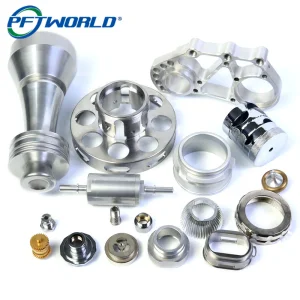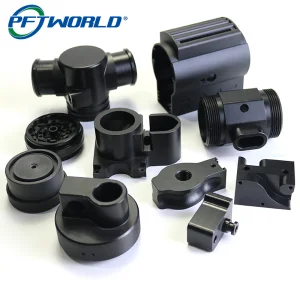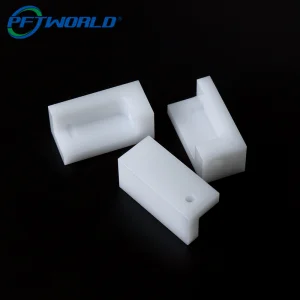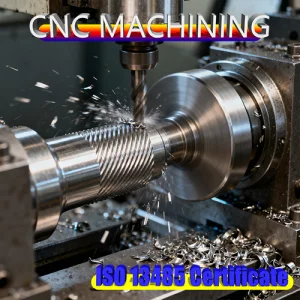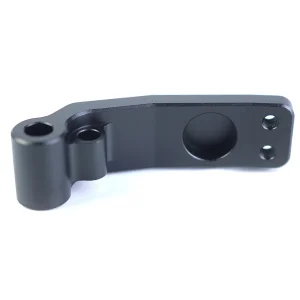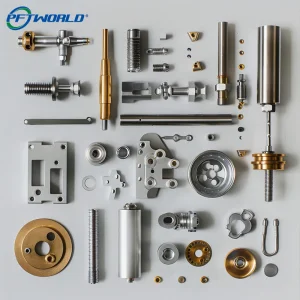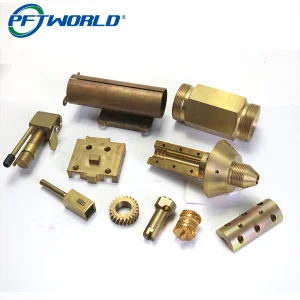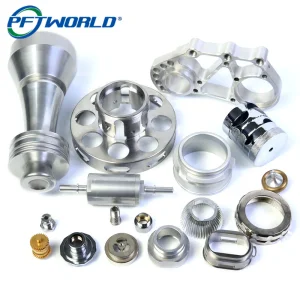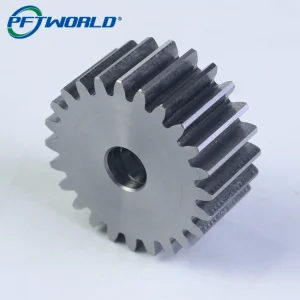
The global precision manufacturing supply chain demands high-precision, repeatable, and structurally sound components. Modern engineering programs across aerospace, defense, renewable energy, automotive, and medical fields rely heavily on high-speed lathe turning. Historically, lathe turning was confined to basic symmetrical cylinders. Today, with the integration of multi-axis live-tooling lathes, Swiss-type machining, and automation, turning companies deliver highly complex geometries in a single setup.
Global OEMs are transitioning from localized production to diversified, highly resilient supply hubs. Modern lathe turning factories must provide comprehensive material traceability (MTRs), zero-defect assurance, and international shipping compliance to mitigate geopolitical and logistics risks.
Companies are replacing legacy 2-axis lathes with multi-tasking mill-turn centers. This integration reduces setup errors, eliminates secondary handling, and allows machining tolerances to reach sub-micron levels (+/-0.002mm) for high-wear critical components.
Whether manufacturing turned components for wind turbines, subsea extraction, or deep-space instrumentation, precision parts must withstand intense mechanical fatigue, dynamic loads, and corrosive chemical environments using materials like Inconel, Titanium, and PEEK.
A Premier Chinese OEM & ODM Machining Powerhouse
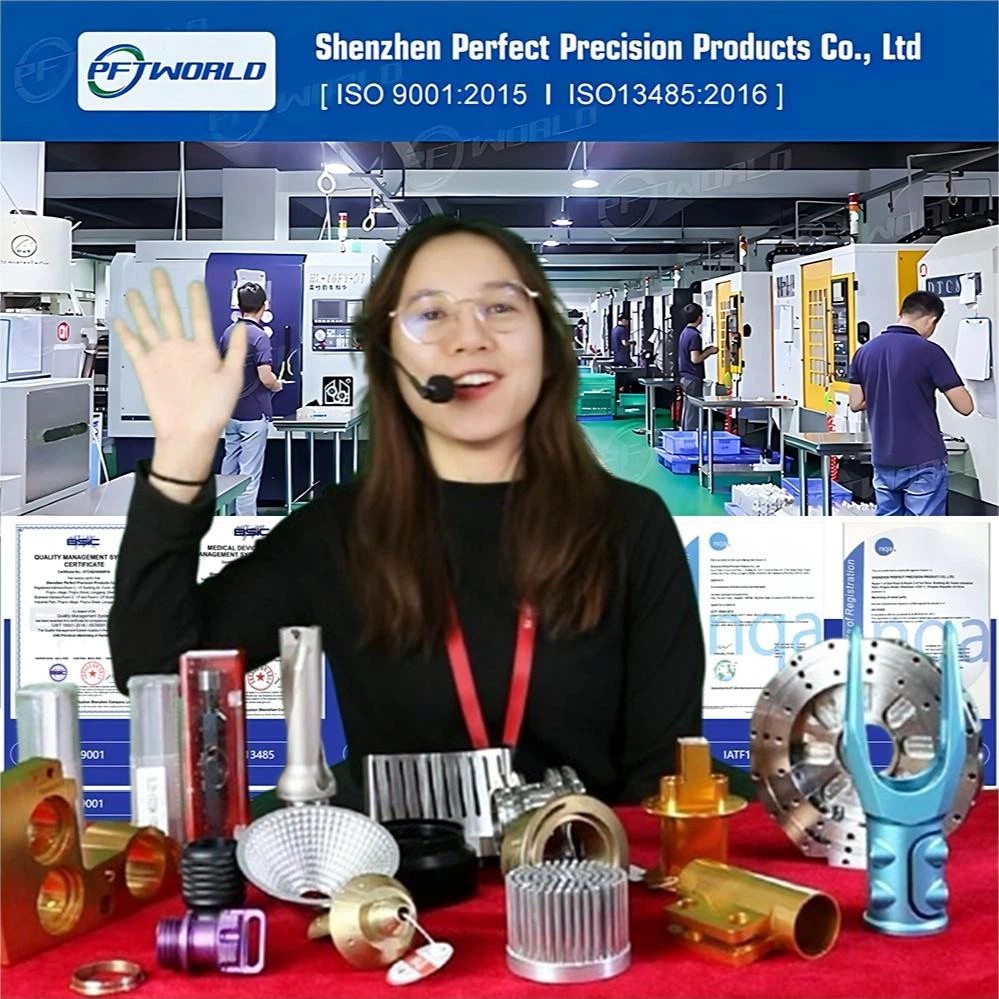
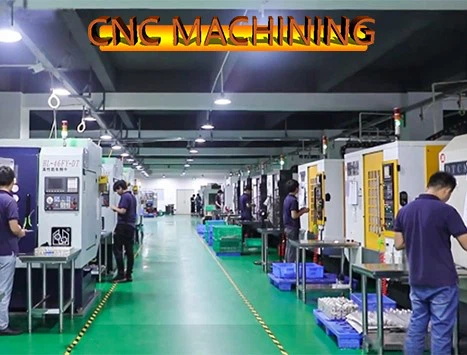
Established with a dedicated foreign trade department in 2014, Shenzhen Perfect Precision Products Co., Ltd has evolved into an industry-leading manufacturer of CNC turning, milling, and mill-turn parts. Operating from a state-of-the-art 10,000 square meter digitalized manufacturing plant in Shenzhen, we support aerospace, automotive, medical, and high-performance electronics industries globally.
Procurement professionals evaluate manufacturing partners on three core pillars: material integrity, geometric precision, and scalable supply logistics.
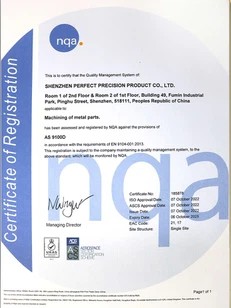
Demands AS9100D certification, complete raw material heat numbers, NADCAP-approved heat treatment and finishing, and non-destructive testing (NDT) documentation. Key components include specialized bushings, shafts, and actuator fittings.
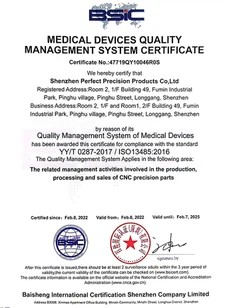
Requires ISO 13485 compliance. Parts must be manufactured from bio-compatible grades (Titanium Grade 5, 316L Stainless Steel, PEEK) and exhibit zero surface burrs under 10x magnification. Applications include surgical instruments and ventilator valves.
Driven by IATF 16949 standards, high-volume cost efficiency, and PPAP (Production Part Approval Process) level 3 documentation. Focuses on rotor shafts, gear mechanisms, and lightweight sensor enclosures.
Choosing the correct material determines both mechanical performance and tool wear. The table below represents our optimized machining classifications for Lathe turning processes:
| Material Group | Common Alloy Specifications | Best Turning Application | Typical Surface Finish (Ra) |
|---|---|---|---|
| Aluminum Alloys | Alu 6061-T6, 7075-T6, 2024 | Lightweight structural connectors, sensor housings | 0.4 to 0.8 |
| Stainless Steel | SS304, SS316L, 17-4 PH | Corrosion-resistant fluid lines, medical pins | 0.4 to 1.6 |
| Carbon/Alloy Steel | AISI 1045, 4140, 4340 HTSR | Heavy industrial gears, structural spline shafts | 0.8 to 3.2 |
| Copper & Brass | C36000 Free-cutting, Bronze C954 | Electrical terminals, wear bushings | 0.2 to 0.8 |
| Engineering Plastics | POM (Derlin), PEEK, PTFE, Nylon | Electrical insulation, low-friction glide guides | 0.8 to 1.6 |
From rapid prototyping to complex hybrid manufacturing, we offer a comprehensive suite of precision engineering services.
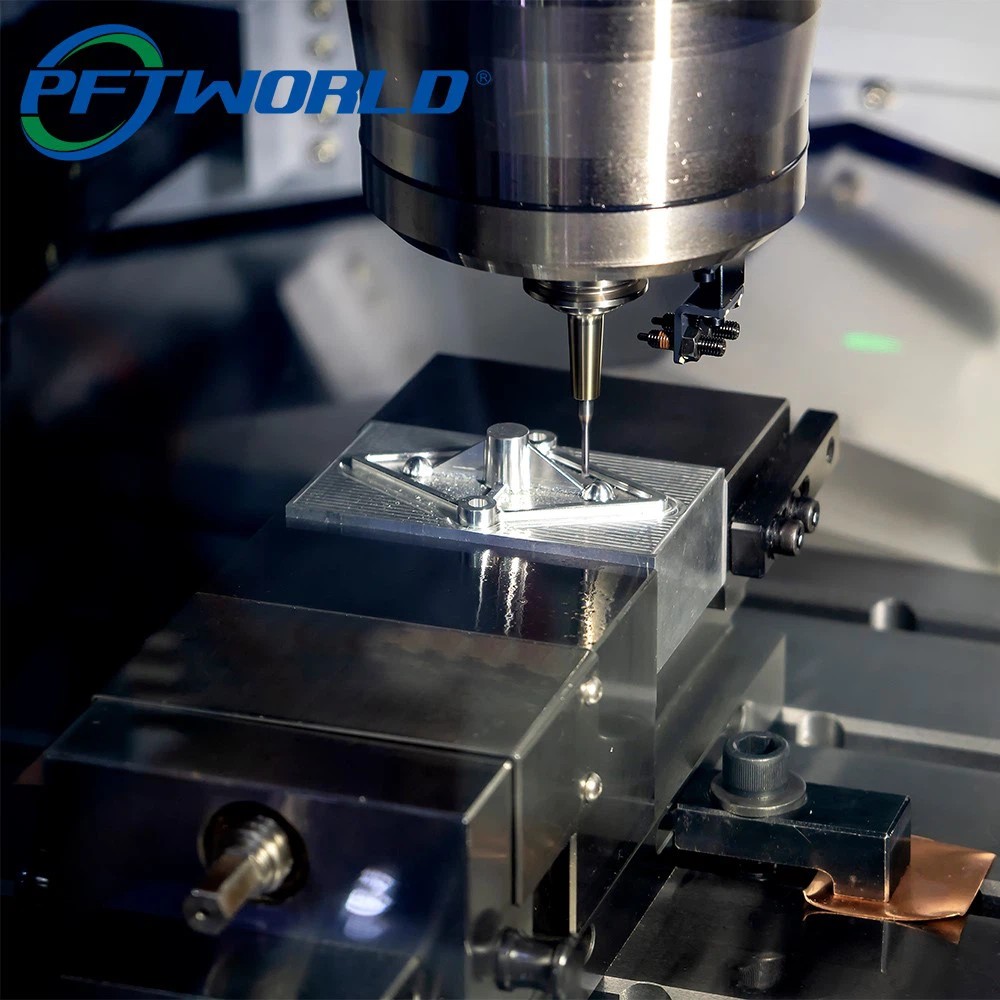
Multi-axis milling (3, 4, 5, and 6-axis configurations) allowing for complex prismatic geometries with minimal setups.
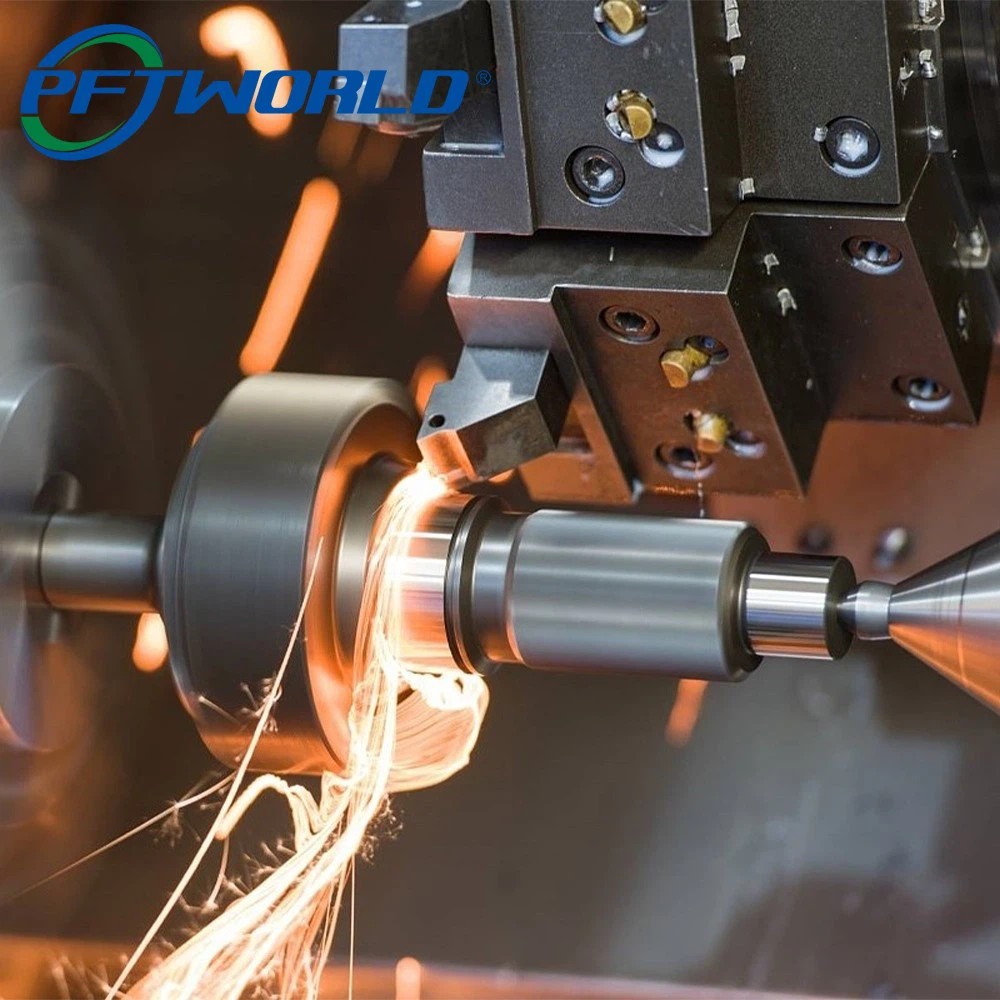
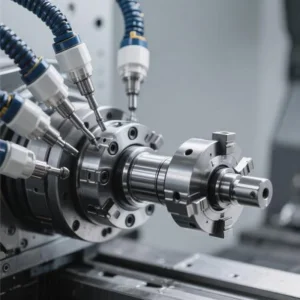
High-speed live tooling lathes and Swiss turning centers, designed for precise cylindrical components and axial features.
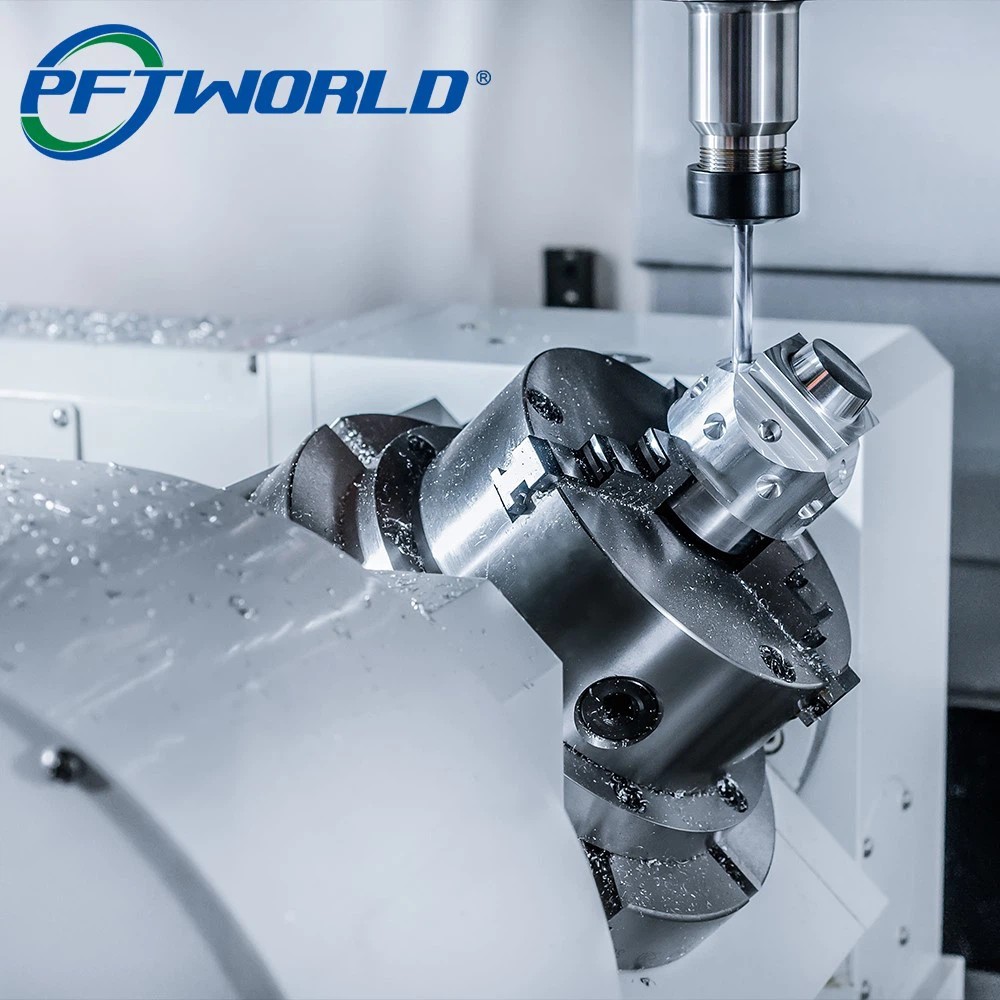
Integrated mill-turn centers for single-setup processing of intricate components, minimizing concentricity and axial errors.
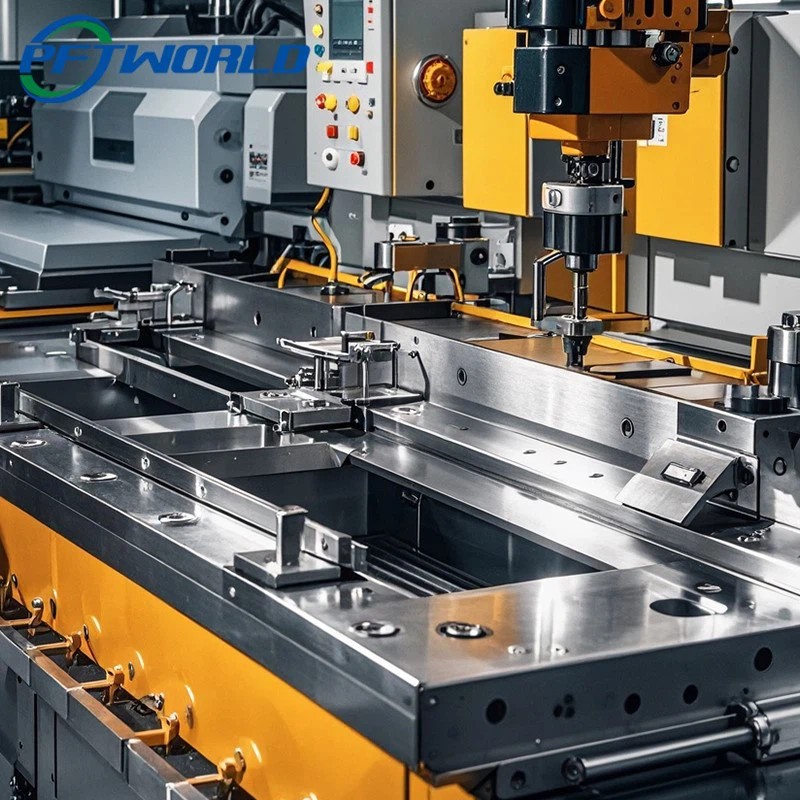
Precision bending, laser cutting, punching, and welding services for structural sheet enclosures and complex brackets.
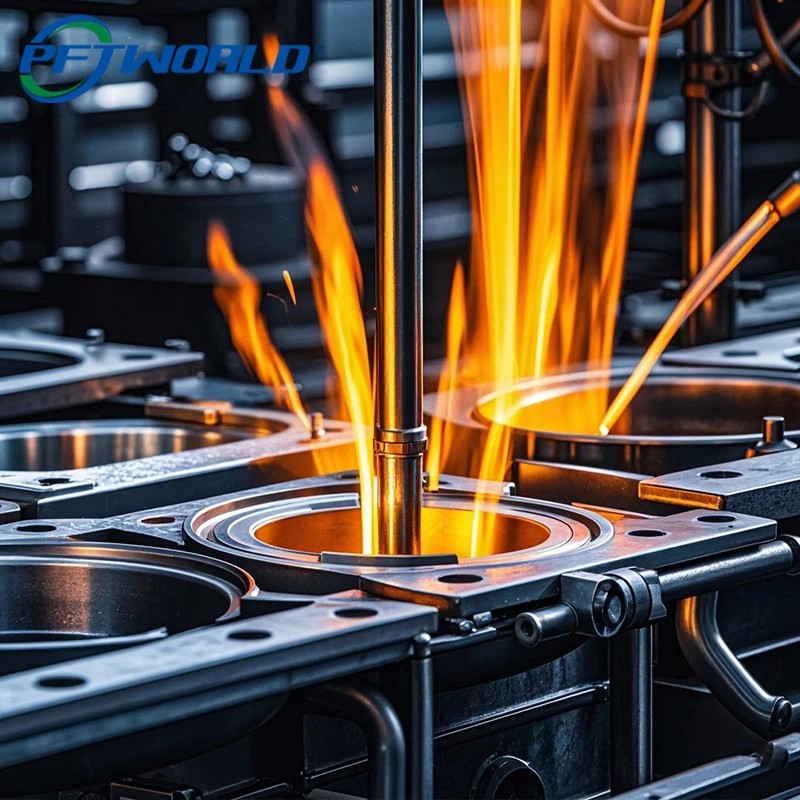
High-integrity sand casting and pressure die casting options for complex, cost-effective structural bases.
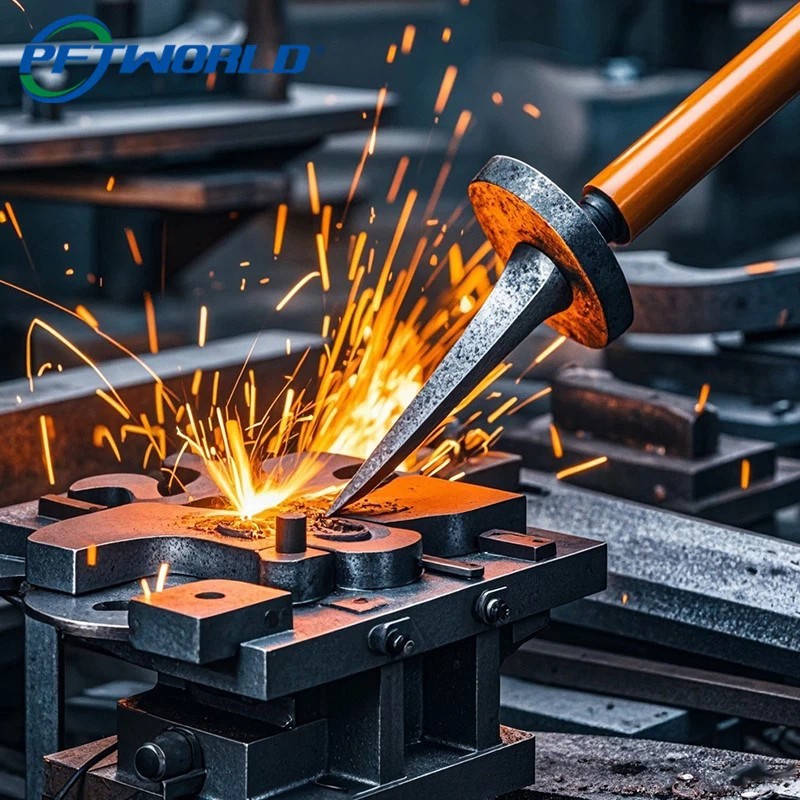
Advanced hot and cold forging systems to manufacture critical, high-strength industrial hardware.
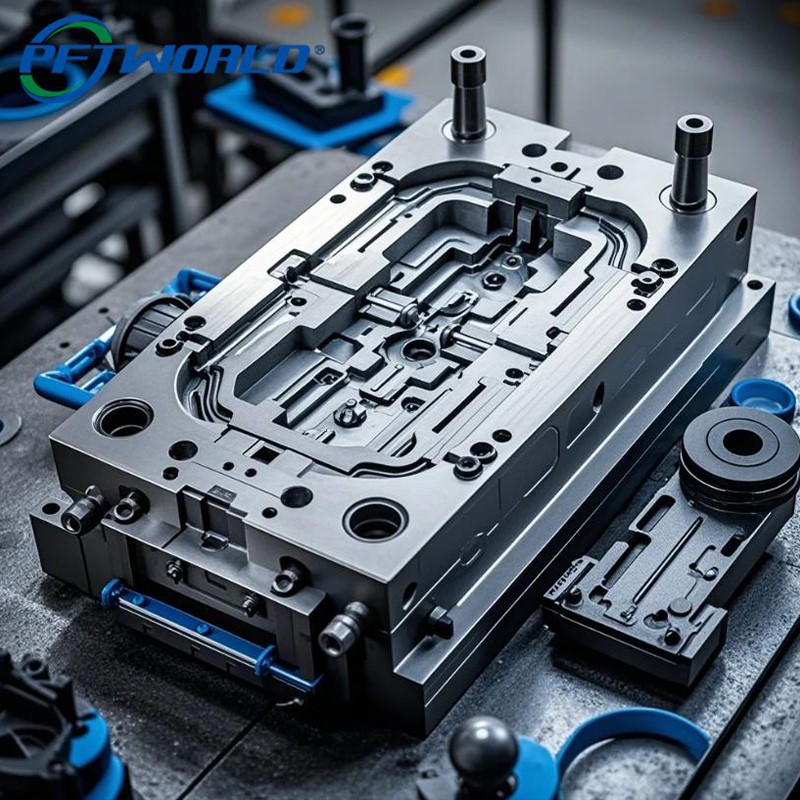
High-precision plastic injection and compression tooling engineered for durability and reliable thermal cycles.
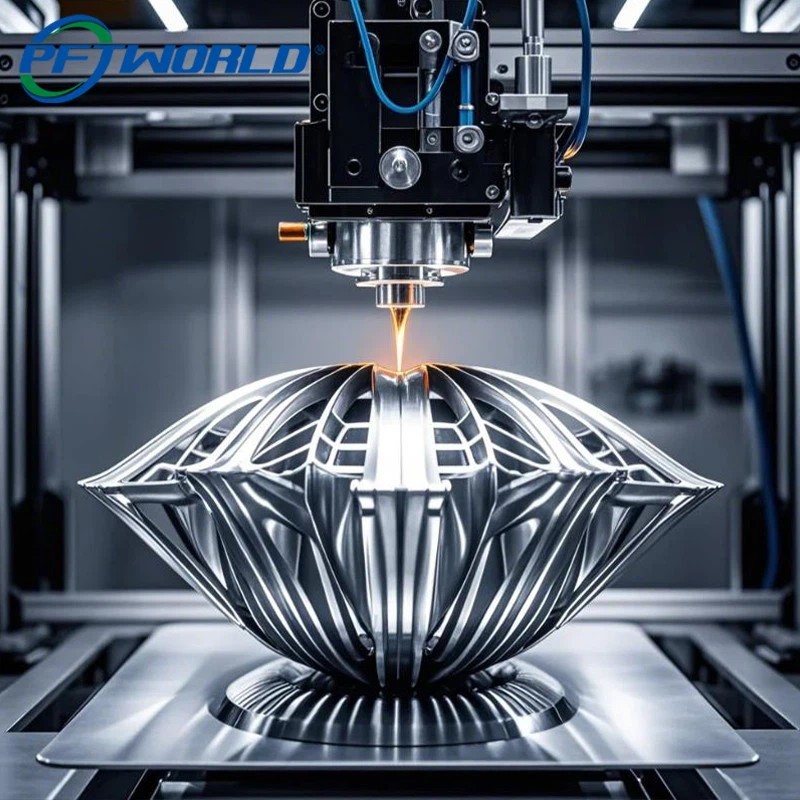
Rapid stereolithography and metal sintering technologies for iterative validation and specialized components.
Under the ISO 9001:2015 and IATF 16949 standards, we utilize a multi-tiered inspection protocol. Accuracy is not just measured; it is integrated into the manufacturing run. Our quality assurance lab maintains temperature and humidity control to eliminate thermal drift during optical measurements.
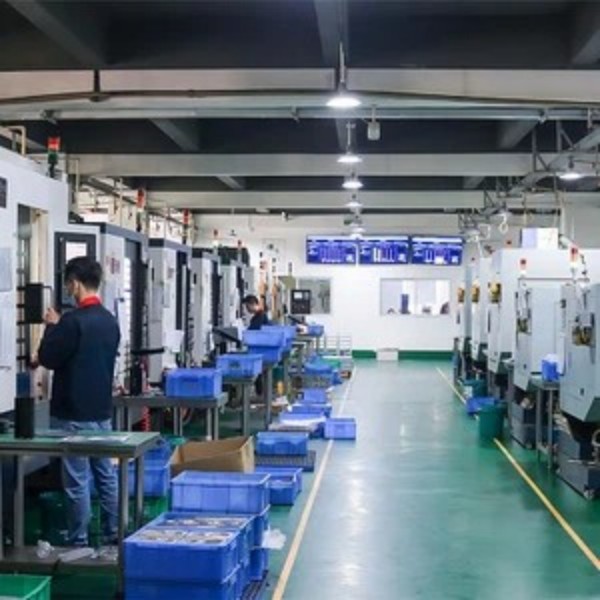 CNC Machining Control
Real-time on-machine tool setting and optical measurement during cycle runs.
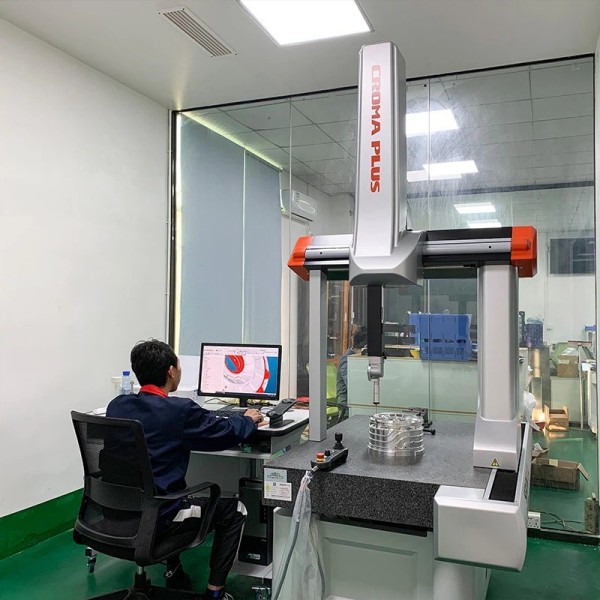 Automated CMM Lab
Coordinate measuring machine for checking dimensional layout deviations.
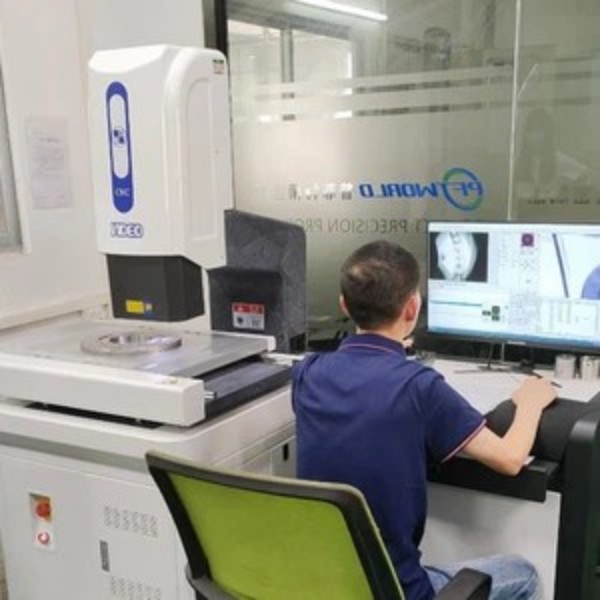 2D Profile Metrology
Microscopic edge analysis, contour inspection, and projection measuring.
 ERP Traceability & Service
Batch raw-material tracing, inspection reports, and responsive online engineering support.
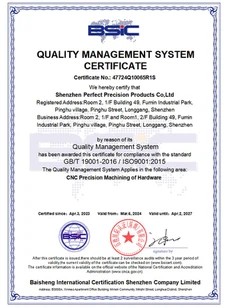
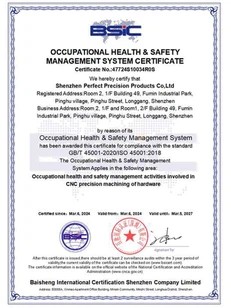
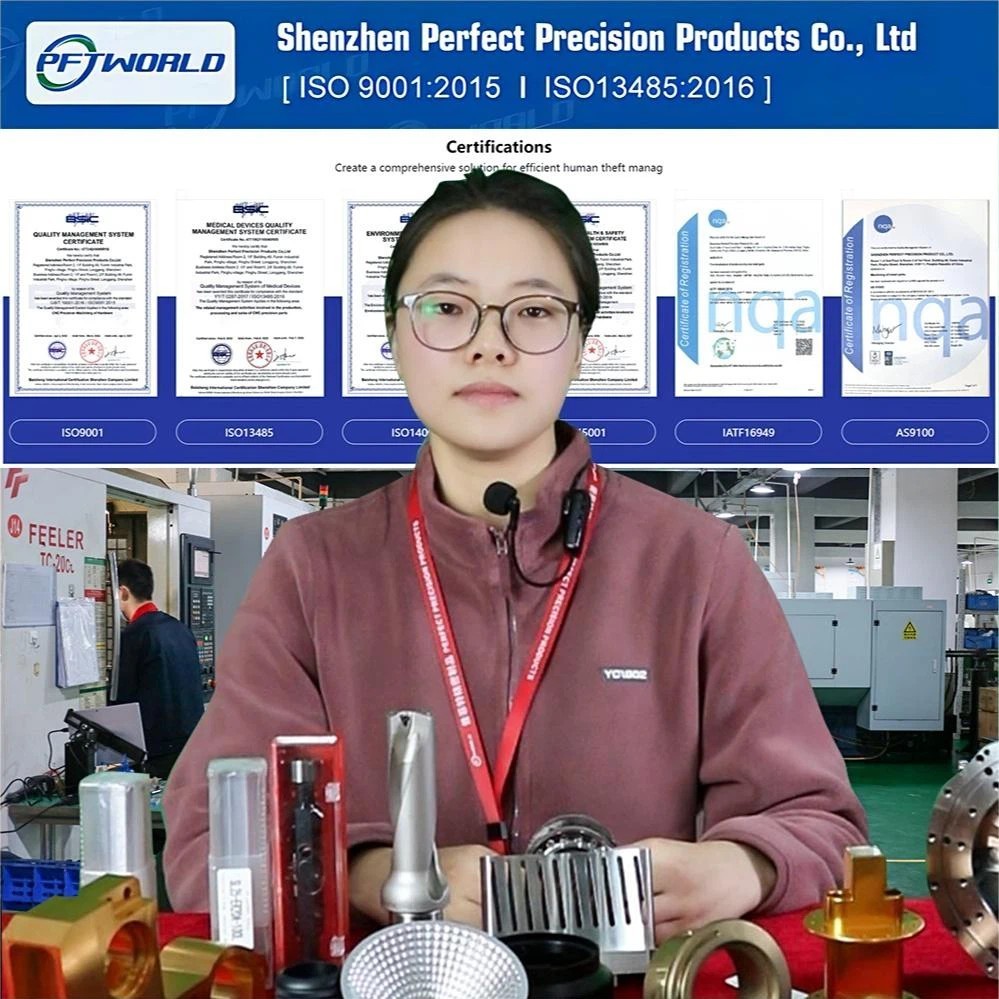
Compliance is critical in high-specification manufacturing. Our facilities are audited by international registrars to ensure adherence to global standards.
Precision turning is evolving beyond standard turning codes. Modern production is guided by smart technology, integrated automation, and carbon-reduction initiatives.
We are integrating real-time laser scanner feedback loops inside our CNC turning centers. This allows the machine to dynamically compensate for tool wear on critical dimensions during continuous operation, keeping process index capability ($C_{pk}$) levels above 1.67.
To support global environmental targets, our technical team is implementing Minimum Quantity Lubrication (MQL) protocols. MQL reduces clean-water consumption and residual oil contamination while extending cutter life on aluminum and plastic (POM, PTFE) turning cycles.
Our upcoming operations combine selective laser melting (SLM) with standard CNC multi-axis turning. This approach allows us to create complex, internally baffled components from specialized metals and machine them to tight tolerances on key mating surfaces.
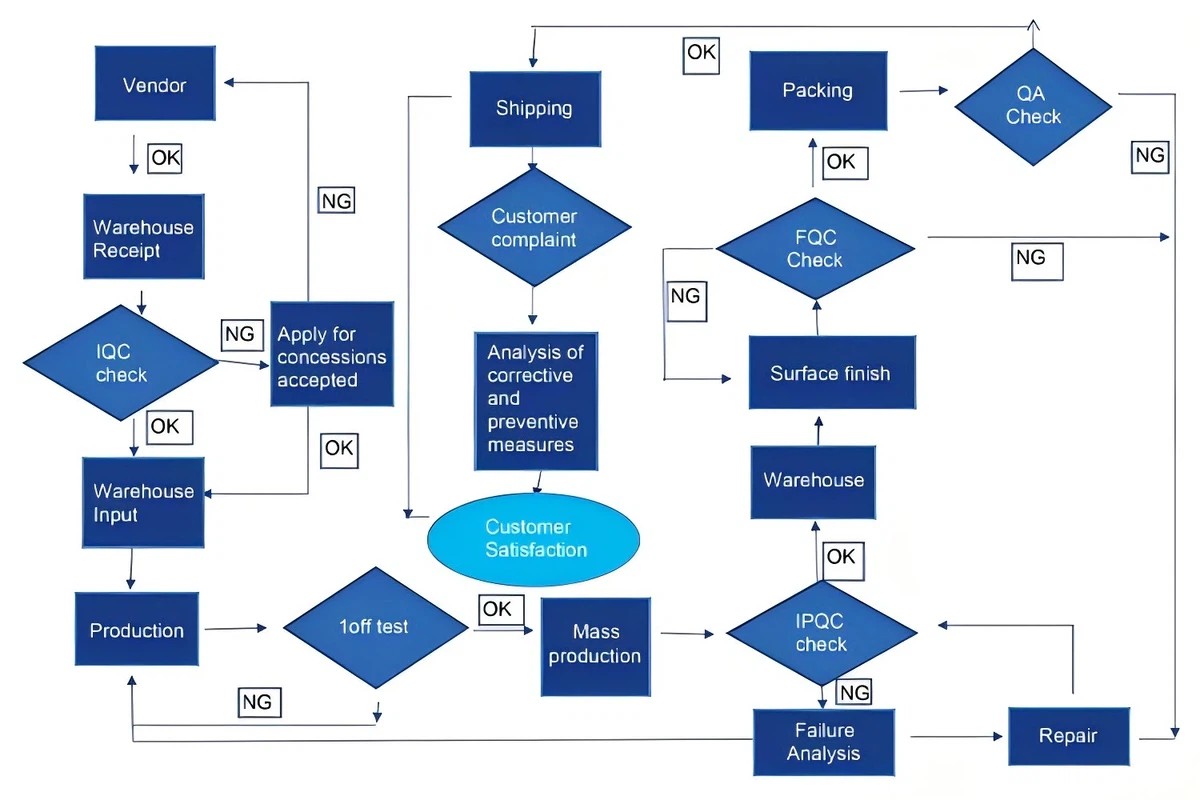
Our operations leverage custom visual tracking to maintain visibility over production processes. We utilize an ERP system that traces parts from raw material receipt through machining, surface treatment, quality control, packaging, and final logistics.
This systematic tracking helps ensure consistent quality and delivery performance, allowing us to manage lead times effectively across automotive, aerospace, and medical production runs.
Customer validation is a key metric of our service. Our clients provide performance reviews on quality control, dimensional stability, and lead-time reliability.
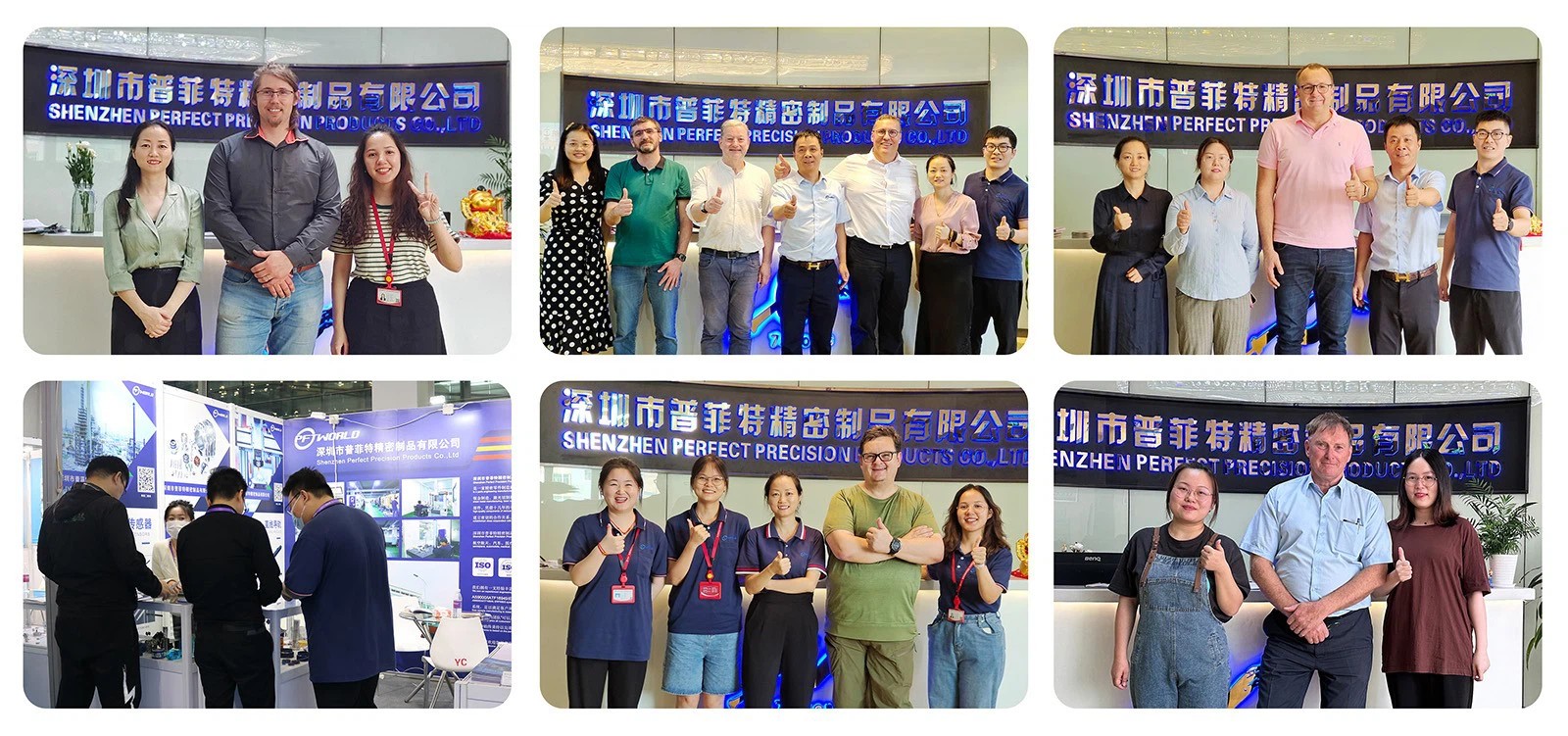
"Perfect Precision's quality documentation met all AS9100D requirements for our aerospace components."
- Aerospace Procurement Director, EUZero Defect Rating
99.87% First-Time-Right (FTR)"Our medical components require sub-micron precision, and PFT has delivered reliable parts for three straight years."
- QA Lead, Medical Device OEM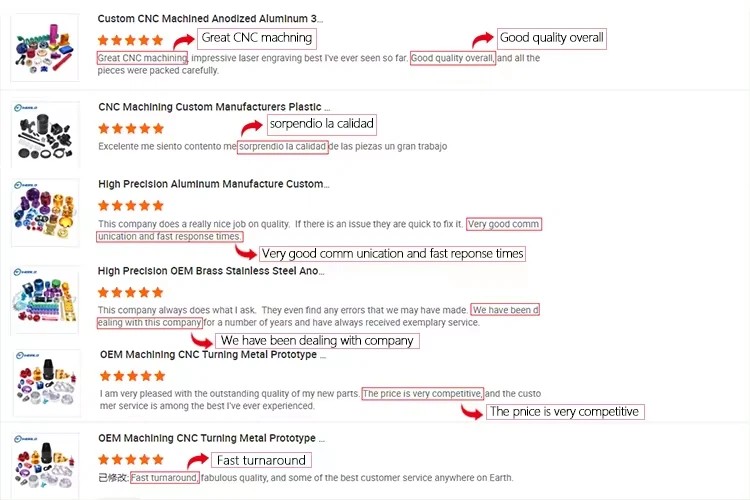
"Their multi-axis turning capabilities eliminated secondary mill setups, cutting lead times by 35%."
- VP of Supply Chain, Industrial Robotics Co.Answers to common engineering and procurement queries regarding precision lathe turning operations.
Our technical sales engineers are available 24/7 to support your global procurement schedules, evaluate DfM designs, and process quote requests.
We deliver high-precision CNC machining solutions tailored to your exact specifications. From prototyping to mass production, we handle everything with strict quality control, fast turnaround, and competitive pricing. Equipped with advanced CNC machines and a skilled engineering team, we serve industries like automotive, aerospace, medical, and electronics with accuracy and reliability.
Send Inquiry Now