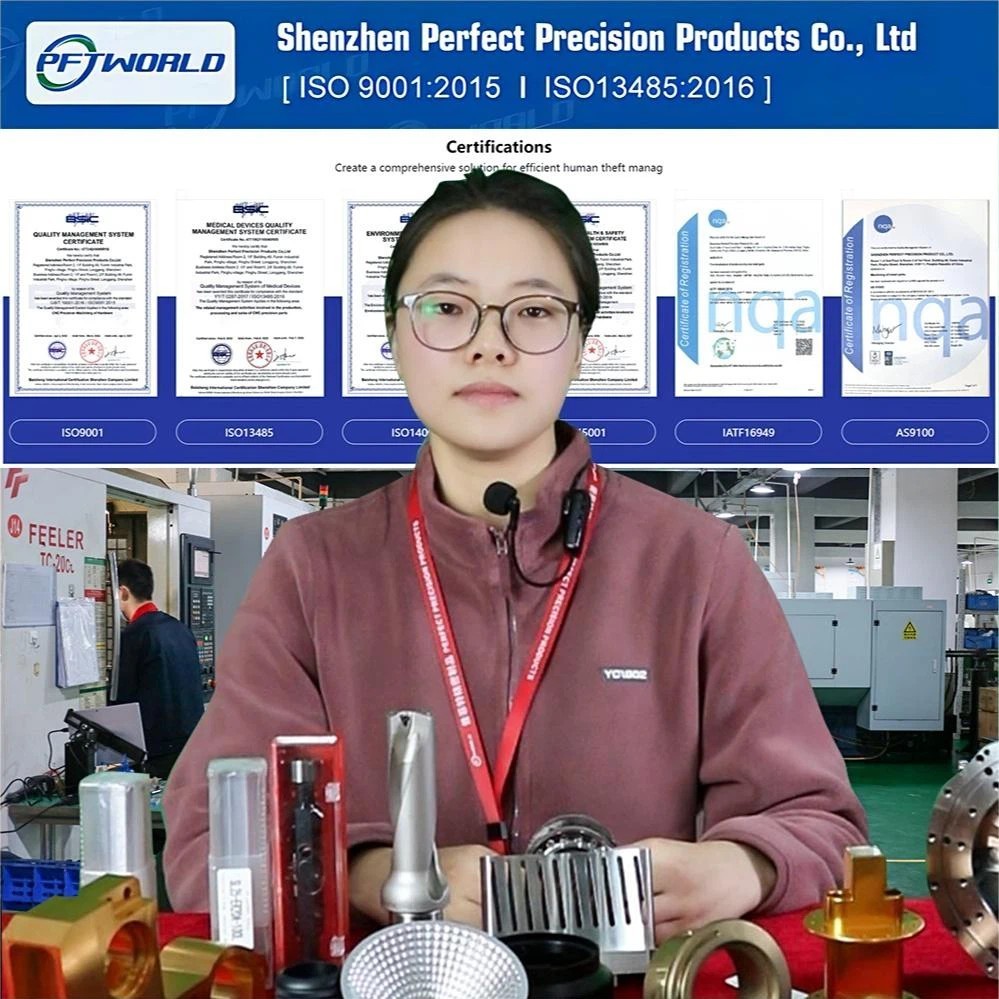
High-fidelity components configured for mission-critical industrial applications
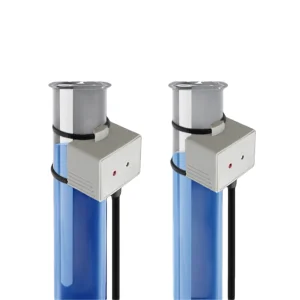
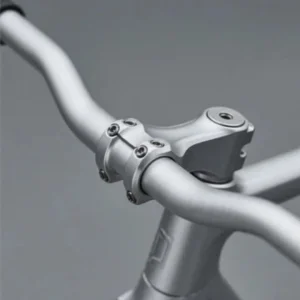
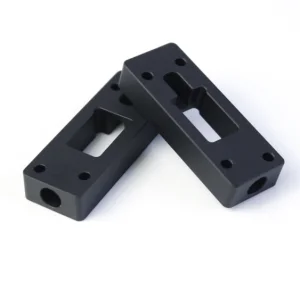

The global precision machining landscape is undergoing a structural paradigm shift driven by high-complexity designs, shrinking component lifecycles, and rigorous material requirements. Today’s industrial procurement leaders are no longer looking for raw manufacturing capacity; they demand integrated solutions built on advanced engineering capabilities, strict geometric dimensioning and tolerancing (GD&T), and comprehensive quality assurance protocols.
Key global growth drivers include:
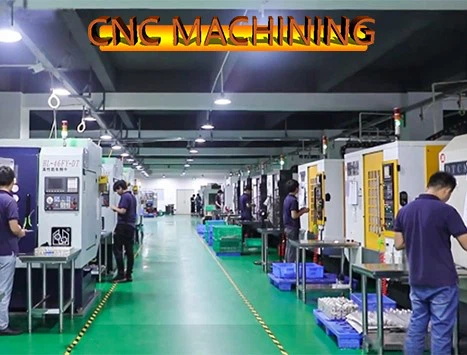
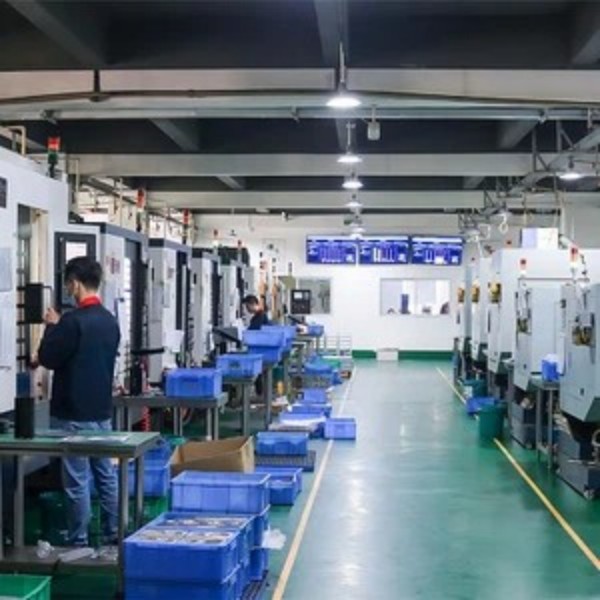
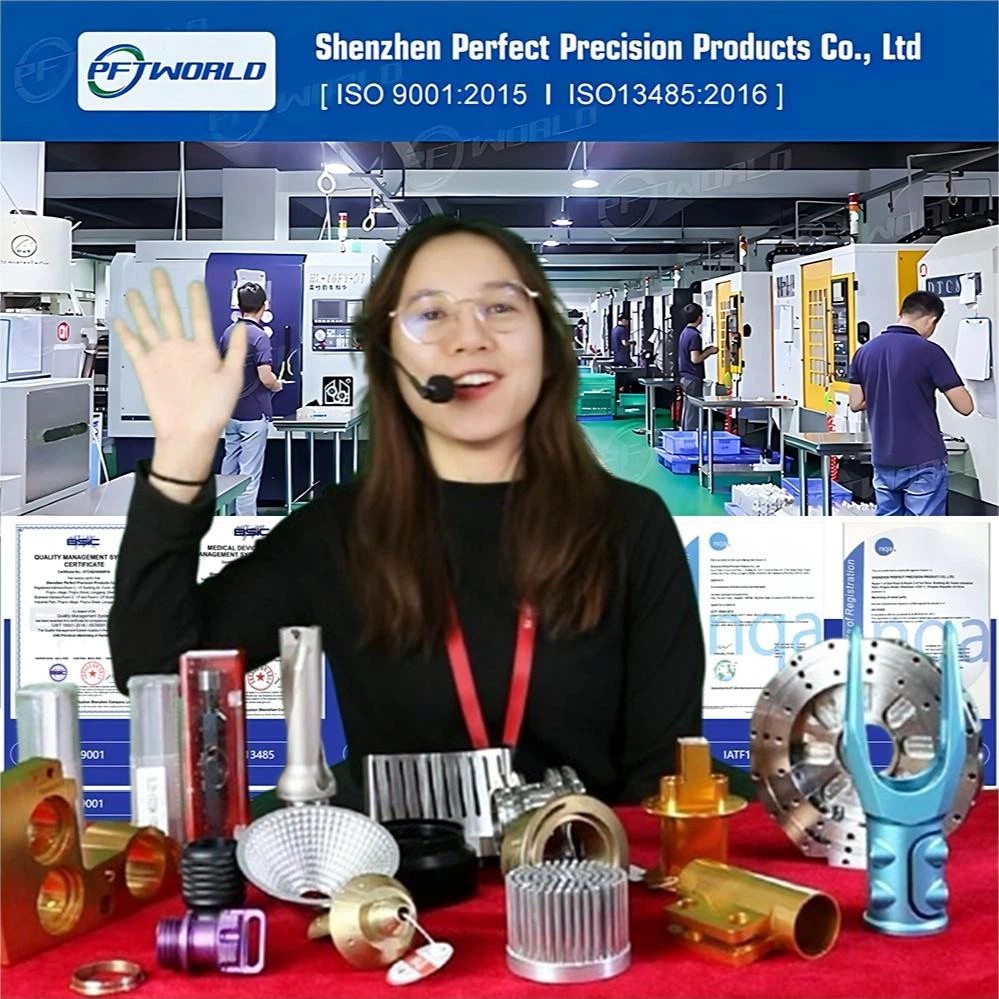
Established as a pioneering foreign trade manufacturing force in 2014, Shenzhen Perfect Precision Products Co., Ltd has consistently set the benchmark for global CNC machining excellence. Strategically situated in Shenzhen, the silicon valley of hardware, we passed the rigorous ISO9001 quality system certification early in our corporate lifecycle. By 2018, our dedication to integrity earned us the official title of "Guangdong Contract and Trustworthy Enterprise."
In 2019, our investment in engineering innovation culminated in our high-tech enterprise accreditation and intellectual property management system certification. Responding to soaring global demand, we expanded our office and manufacturing footprint to 10,000 square meters in 2020, scaling our professional workforce. In 2021, we successfully transitioned into a highly synchronized, digital chemical plant powered by customized ERP infrastructure, ensuring absolute control over production schedules and raw materials.
Transparent, component-driven pricing frameworks that align raw material yields, toolwear, and labor metrics.
Precision component pricing is determined by a complex combination of physical, chemical, and design parameters. Understanding how OEM machining prices are built enables procurement departments to optimize design specifications (DFM) and control unit costs. We employ a scientific cost estimation model detailed below:
| Cost Component | Primary Technical Drivers | Optimizing Strategies (DFM) |
|---|---|---|
| Raw Material Yield | Stock shape size vs finished volume; material grades (e.g. Al6061 vs Ti-6Al-4V) | Design parts to standard bar-stock shapes; select machine-friendly alloy variations. |
| Machining Cycle Time | Total material removal volume; tool paths; number of axes required (3-axis vs 5-axis) | Maximize pocket radii; avoid overly deep pockets; reduce high aspect ratio structures. |
| Setup and Tooling | Fixturing complexity; tool changing count; specialized cutters; custom jigs | Standardize tap sizes; consolidate setups to a single orientation. |
| Tolerances & Surface Roughness | Requirements below ±0.005mm; grinding or polishing requirements (Ra < 0.4) | Only specify tight tolerances for mating interfaces and high-wear contacts. |
| Post-Processing & Coating | Anodizing (Type II/III); chemical passivation; gold/nickel plating; heat treatment | Consolidate visual finishing requirements; accept standard finishes where acceptable. |
For custom engineering projects, the unit pricing is inversely proportional to production batch scale due to the distribution of fixed setup costs. Shenzhen Perfect Precision Products utilizes ERP scheduling to minimize changeovers, enabling us to offer highly competitive pricing for high-mix low-volume (HMLV) orders as well as large-scale runs.
One-stop production technologies configured for prototyping, testing, and production phases
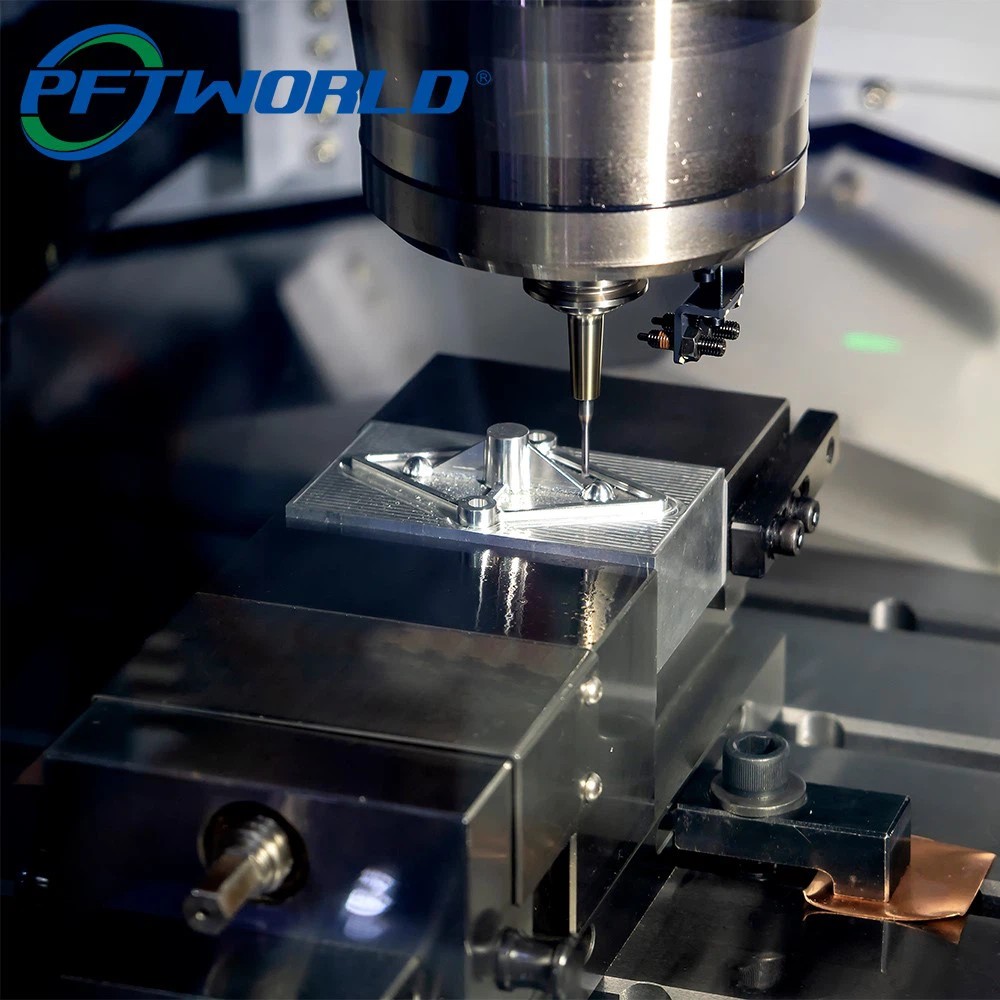
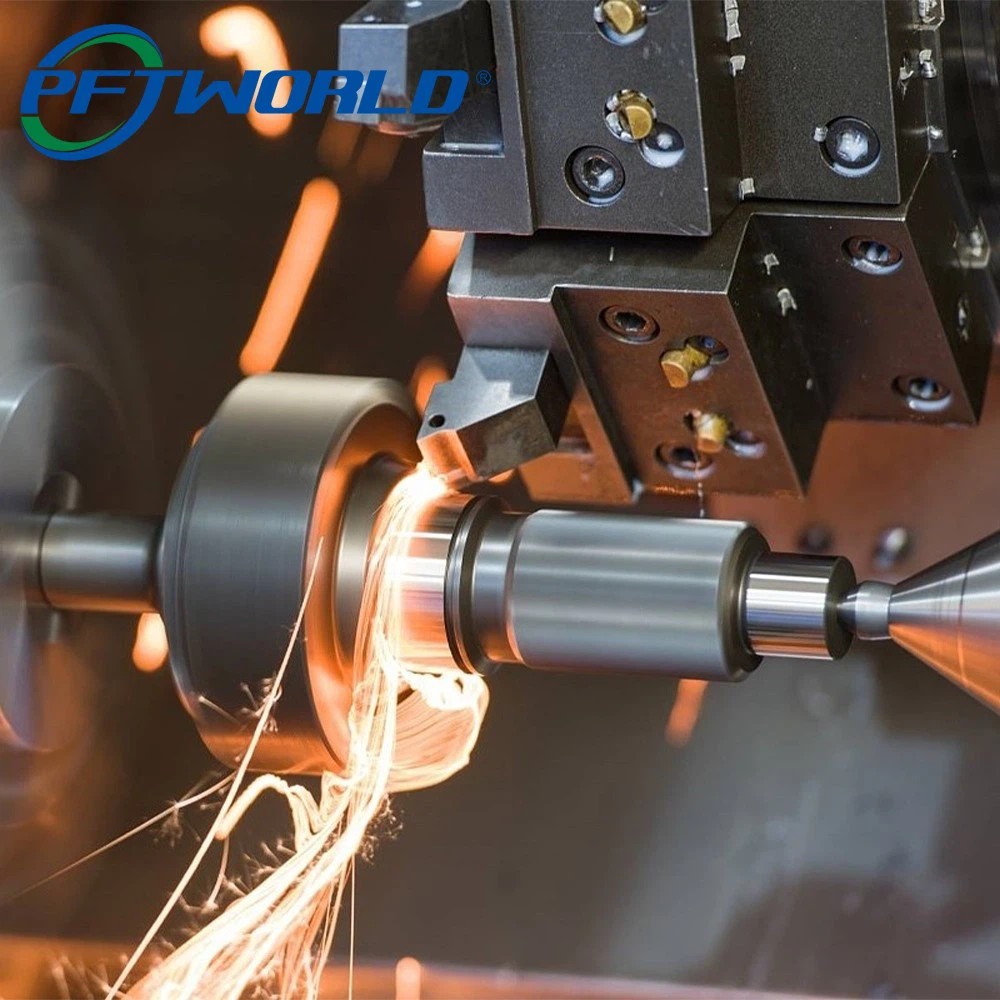
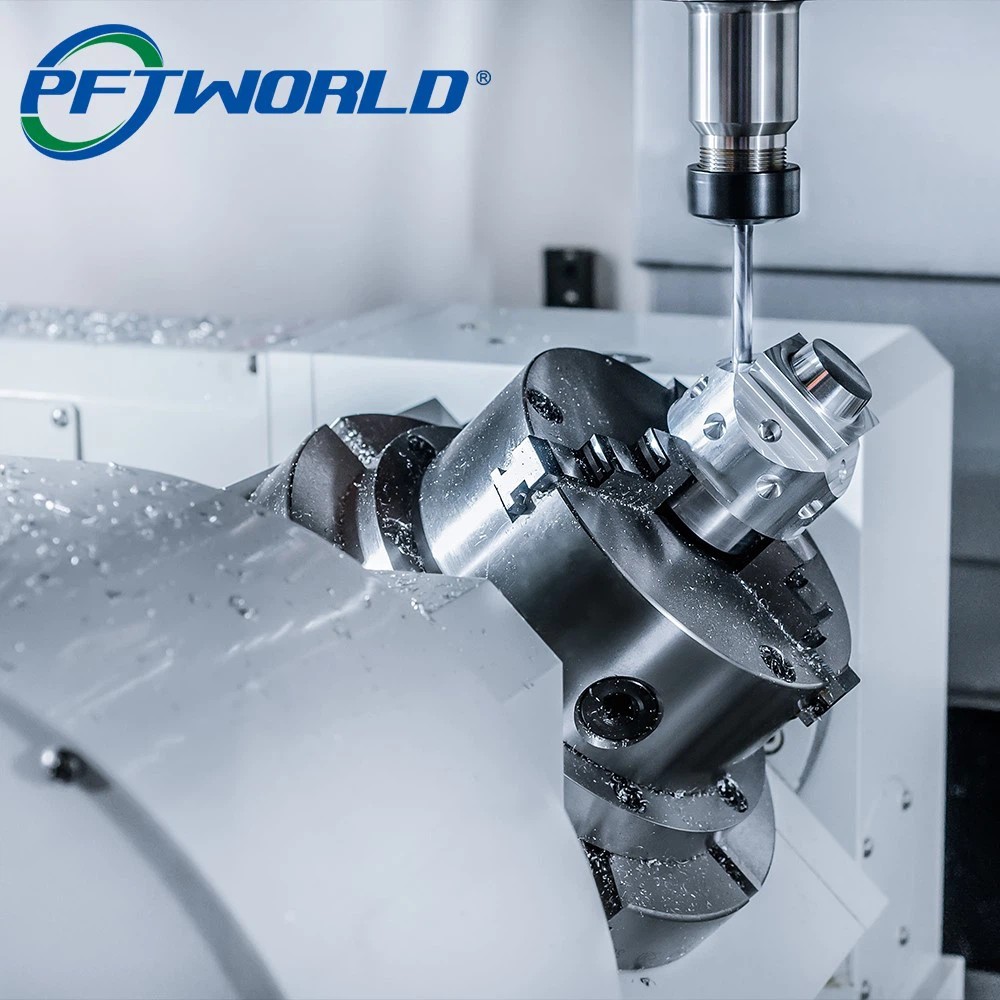
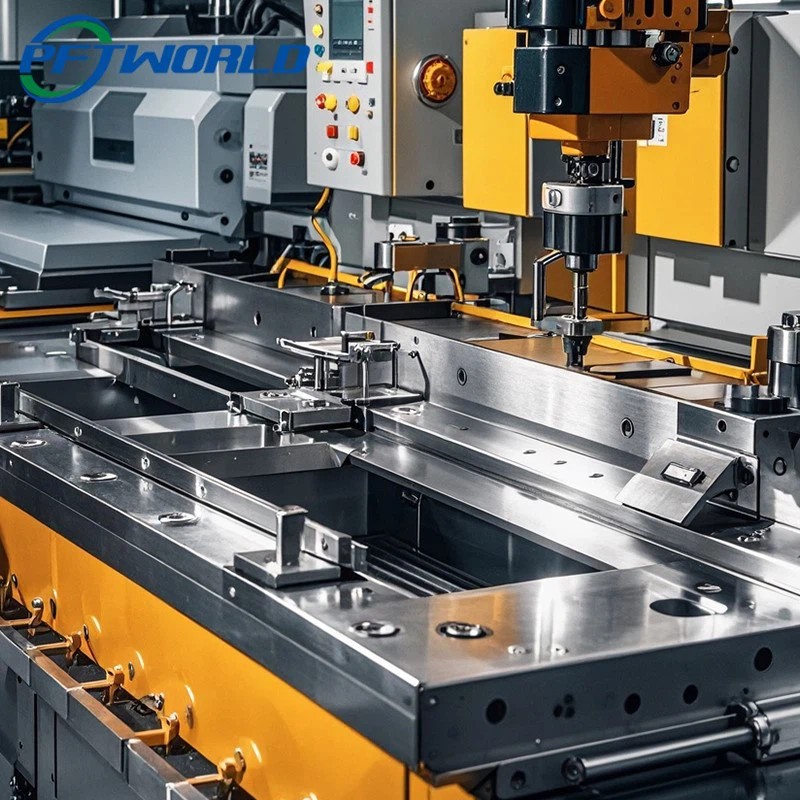
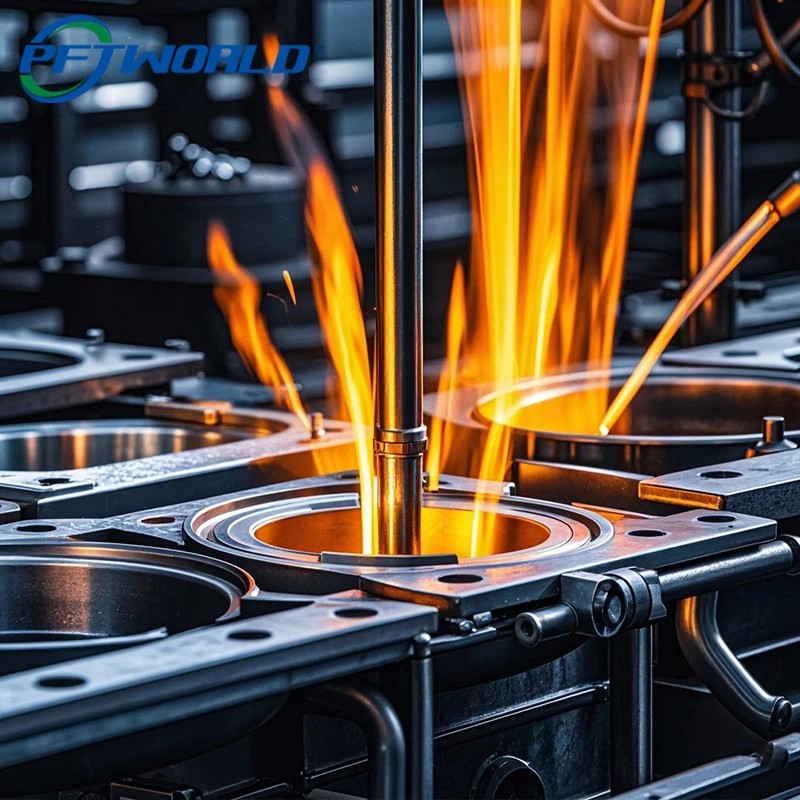
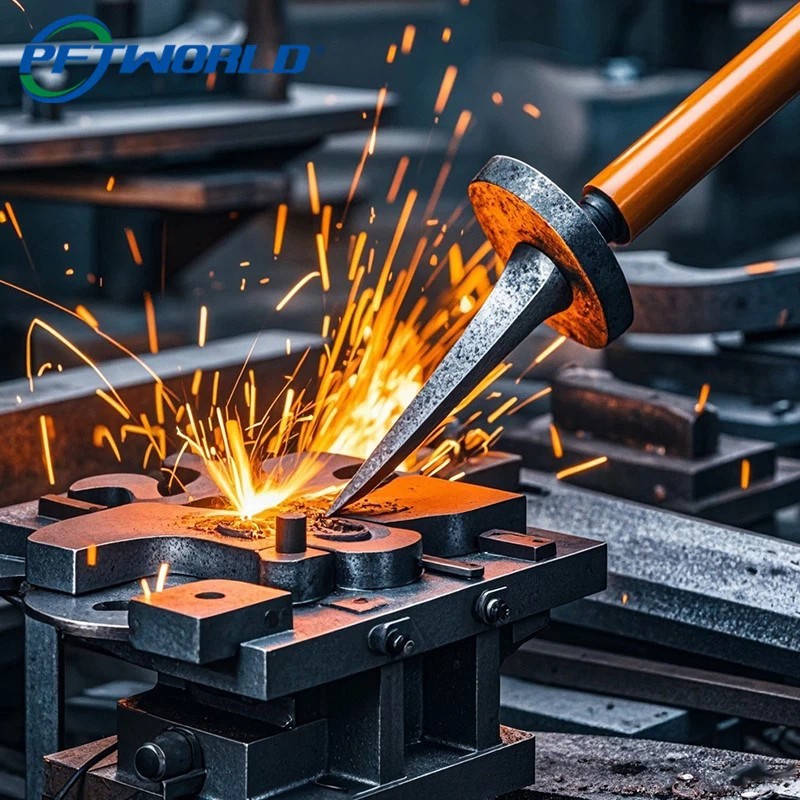
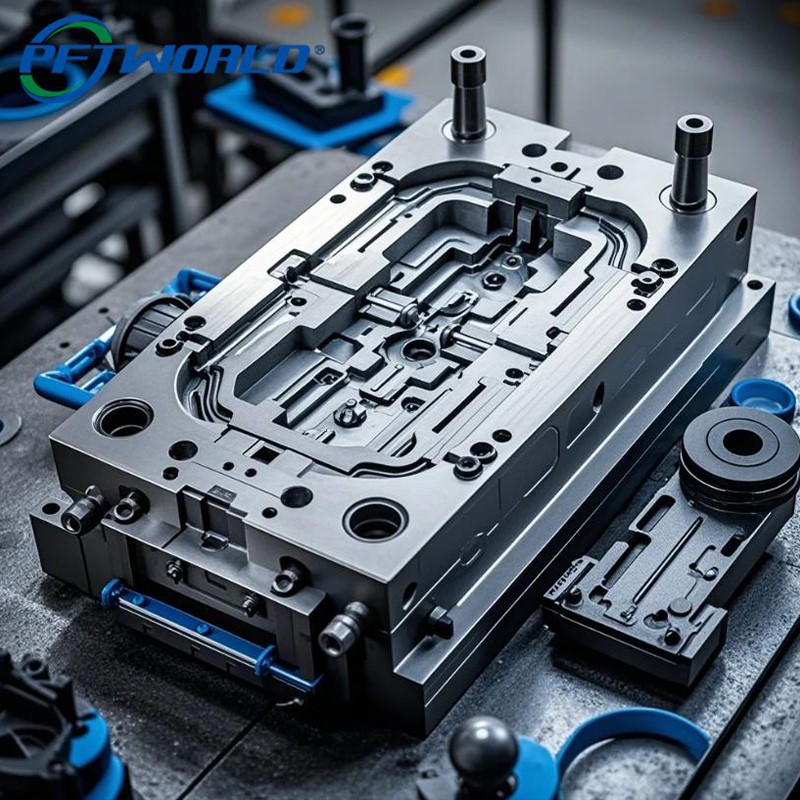
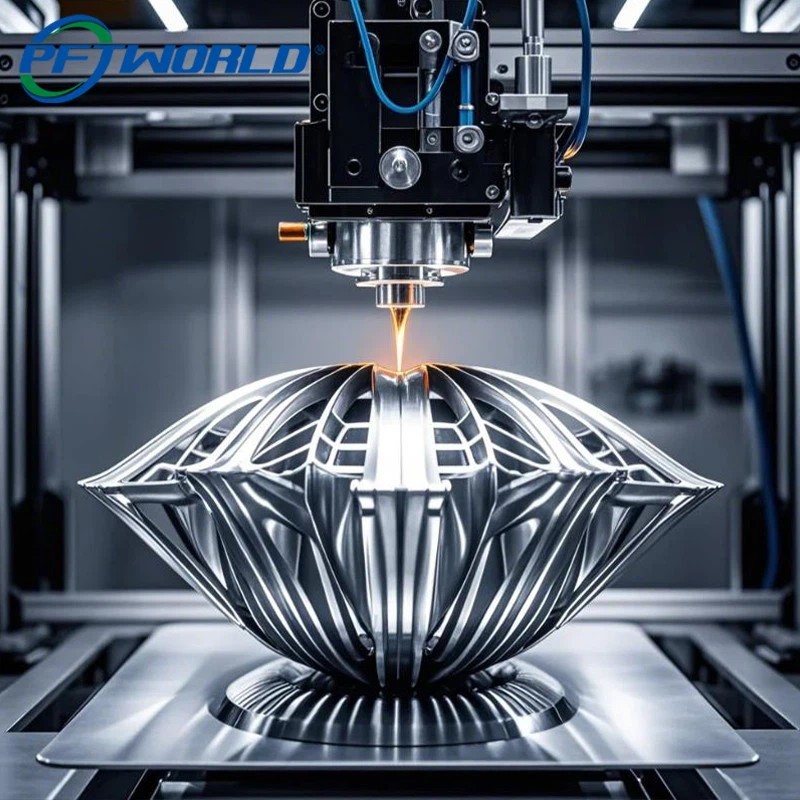
In the modern industrial context, localized speed and supply chain reliability represent the ultimate margin advantages. As a digitalized manufacturer based in Shenzhen, China, we operate within the world's most dense cluster of industrial supply chains. From raw aluminum, specialty brass, titanium ingots, and high-performance engineering plastics, to professional surface finish partners, we can source material inputs and surface coatings within hours.
We have integrated our machinery with robust Industry 4.0 practices, leveraging automation to link design interfaces, inventory control, machine queue management, and toolwear monitoring systems. This integration minimizes lead times and ensures quality, providing a strong defense against raw material bottlenecks and global shipping uncertainties.
Moreover, our ERP systems allow procurement teams to track their orders throughout the manufacturing process, offering real-time visibility into the status of their custom parts.
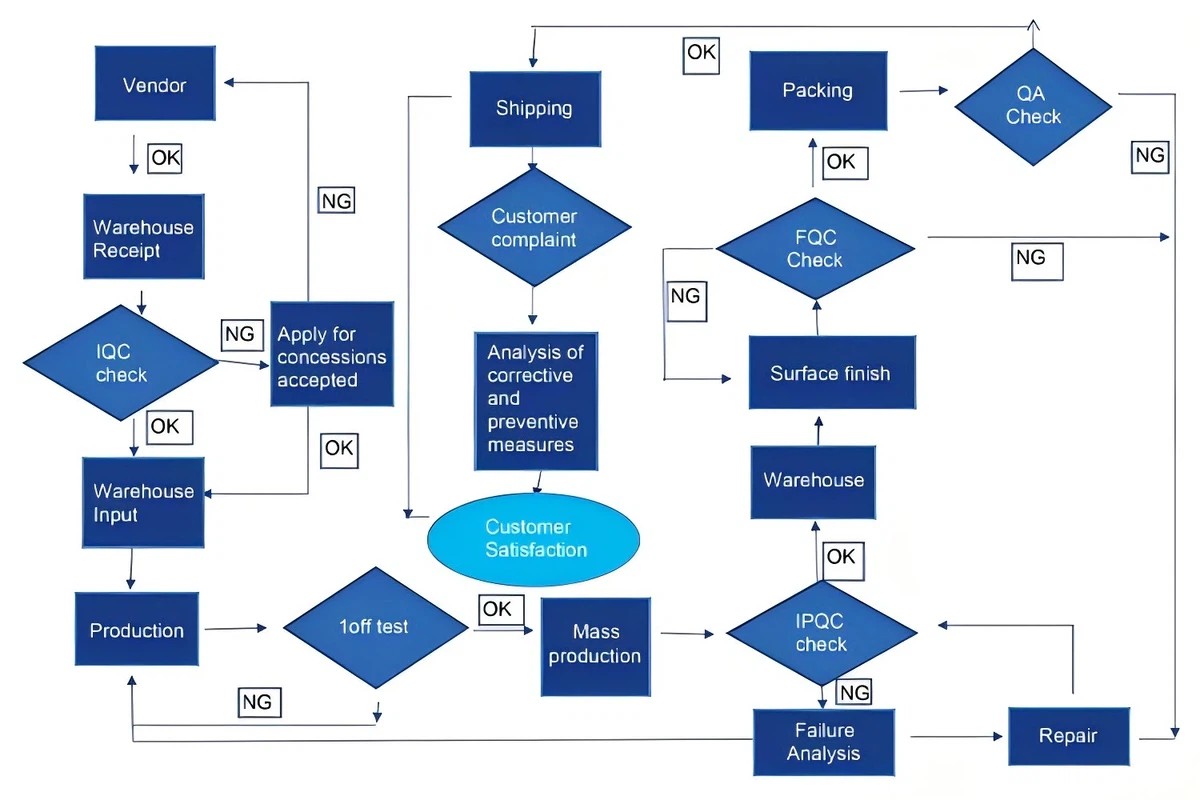
Underpinned by AS9100D, IATF16949, and ISO13485 Standards
Continuous component verification at the machine tool using probe systems, preventing deviation drift on production runs.
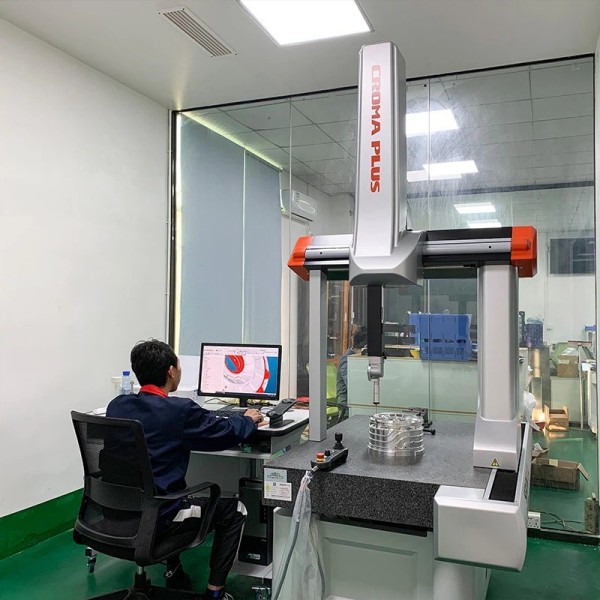
Automated inspection of complex profiles, ensuring compliance with strict GD&T tolerances down to ±0.002mm.
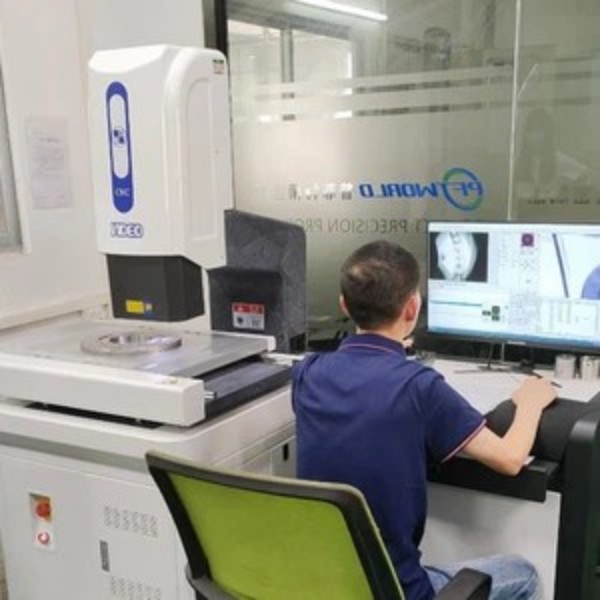
Instant optical geometry scanning for thin-wall components, stamping profiles, and complex thread structures.
Real-time monitoring, documentation, and reporting to ensure strict tracking and compliance across production cycles.
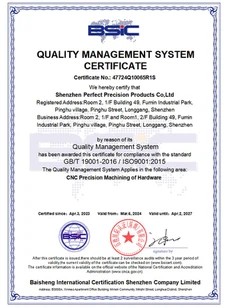
ISO9001:2015
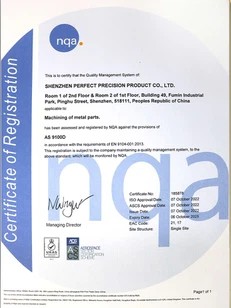
AS9100D
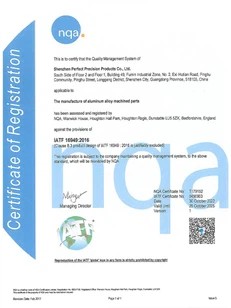
IATF16949:2016
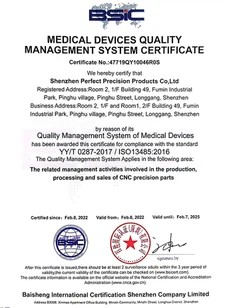
ISO13485:2016
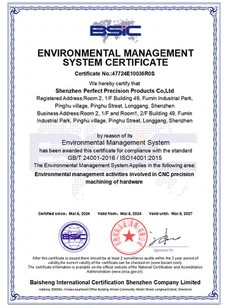
ISO14001:2015
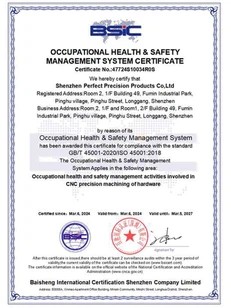
ISO45001:2018
A comparative breakdown of key material properties and applications across high-tech industries.
Different industrial applications require specific material properties. The matrix below outlines how engineering requirements dictate the selection of materials for precision components.
| Material Class | Key Grades Supported | Material Performance Characteristics | Target Industrial Applications |
|---|---|---|---|
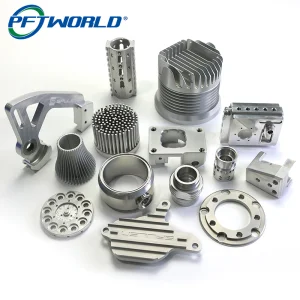
| Aluminium Alloys | Al 6061-T6, Al 7075-T6, Al 2024, Al 5052 | High strength-to-weight ratio, excellent thermal conductivity, easy to anodize. | Aerospace structural brackets, EV cooling plates, robotics manifolds, lightweight casings. |
| Stainless Steel | SS 304, SS 316L, 17-4 PH, SS 430 | High tensile strength, superior corrosion and pitting resistance, excellent weldability. | Surgical instruments, chemical fluidic manifolds, marine structural components, valves. |
| Superalloys / Titanium | Ti-6Al-4V (Grade 5), Inconel 718, Hastelloy | Excellent strength at high temperatures, high corrosion resistance, biostable. | Jet engine turbine components, orthopedic bone implants, downhole oil drilling equipment. |
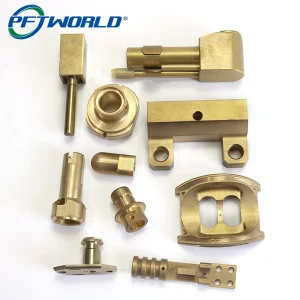
| Copper / Brass | C36000 Brass, Oxygen-free Copper, Bronze | Outstanding electrical and thermal conductivity, naturally low friction coefficient. | Proximity sensor housings, electrical contacts, fluid valves, heavy-duty machinery bushings. |
| Engineered Plastics | PEEK, POM (Delrin), PTFE, Polycarbonate | Excellent chemical resistance, electrical insulation, high impact strength. | Semiconductor vacuum chamber components, fluid handling rotors, insulators. |
Shenzhen Perfect Precision Products operates dedicated tool paths optimized for these materials to prevent cross-contamination (particularly essential for medical-grade implant components and cleanroom-destined semi-conductor parts). Our machining parameters are adapted for each raw material, reducing internal stresses and preventing dimensional distortion during finishing cycles.
Answers to common technical, commercial, and operational questions about precision machining.
We are a direct manufacturing factory located in Shenzhen, China. Our facilities span 10,000 square meters, operating a fleet of over 100 CNC machining tools. With more than 20 years of experience, we provide direct OEM and ODM manufacturing services, along with full material certification, first article inspection (FAI) reports, and structural testing data.
To request a detailed quote, please send us your 3D CAD models (in STEP, IGS, or Parasolid formats) along with 2D engineering drawings showing tolerance annotations (PDF, DWG). Please include specifications for raw materials, finishing requirements, order quantities, and target delivery windows.
Yes. Our engineering team can perform reverse engineering using coordinate scanning tools to translate your physical parts or sketches into detailed 2D and 3D technical drawings, which are then used to generate a detailed quote.
Our standard machining tolerance is ±0.01mm. For critical mating surfaces and custom applications, we can consistently achieve tolerances down to ±0.002mm depending on the part geometry and material.
We can deliver standard prototype samples within 1 to 3 days. Production run times vary by complexity but generally complete within 7 to 14 days, supported by our round-the-clock shift schedule.
Our quality management system comprises four main stages: 1) Incoming inspection of raw materials to verify grade and dimensions; 2) First Article Inspection (FAI) on production starts; 3) In-process inspections; 4) Final pre-shipment inspections using coordinate measuring machines (CMM) and optical measuring tools.
We offer a wide range of surface treatment services, including anodizing (Type II, Type III, clear, or color-matched), bead blasting, chemical passivation, electropolishing, powder coating, nickel plating, chrome plating, and custom laser etching.
Yes. We hold active certifications for AS9100D (aerospace), ISO13485:2016 (medical devices), and IATF16949:2016 (automotive). Our facility operates under strict process controls to meet the traceability requirements of these industries.
We stand behind our production quality. If a part deviates from your engineering drawings, please notify us within 30 days of receipt. Our technical team will review the issue and, if verified, expedite a replacement batch within a week.
Transparent production reporting and client success feedback
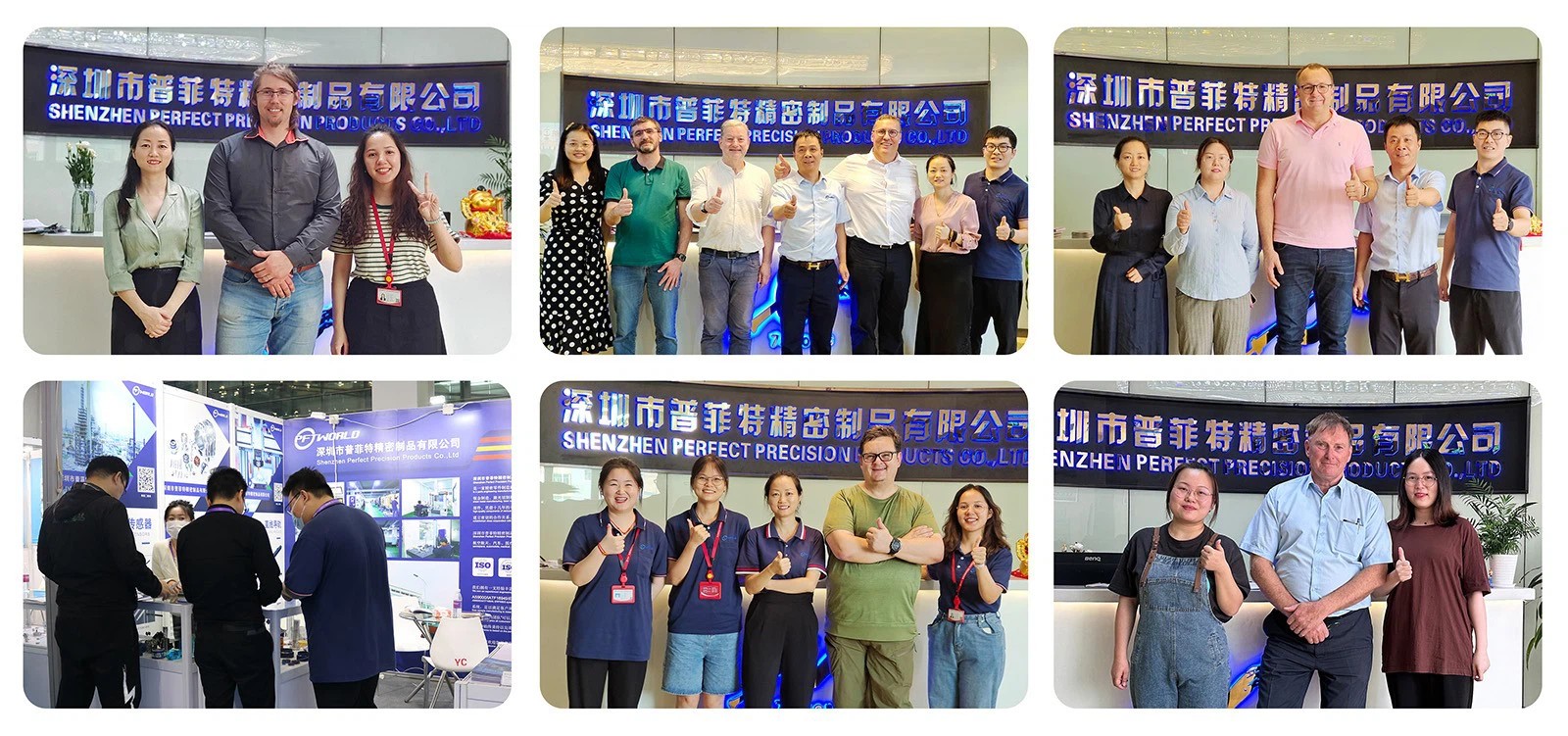
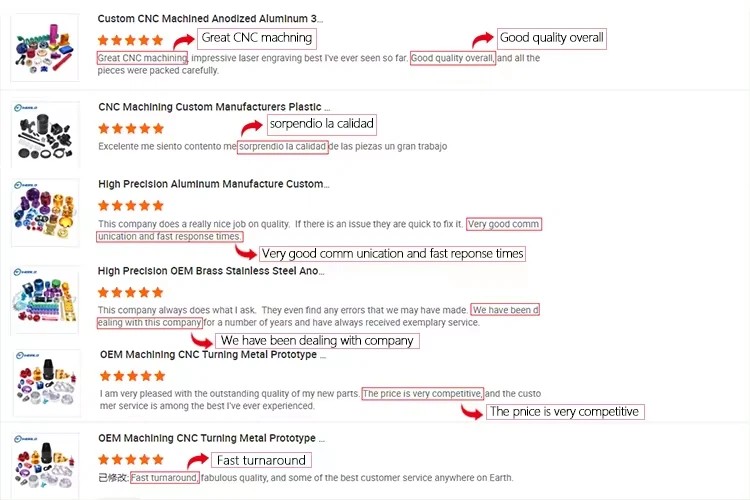
Connect with our engineering and procurement team for direct support and quotes
Partner with Shenzhen Perfect Precision Products for reliable, high-tolerance CNC machining solutions.
Send Inquiry NowDiscover components and parts configured for diverse industrial sectors