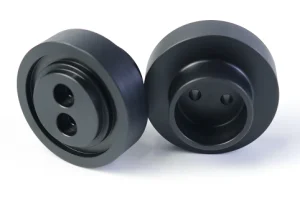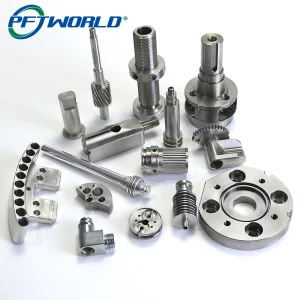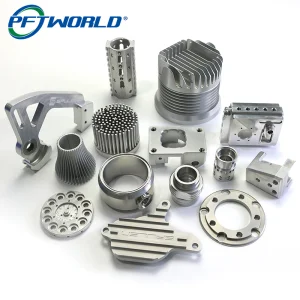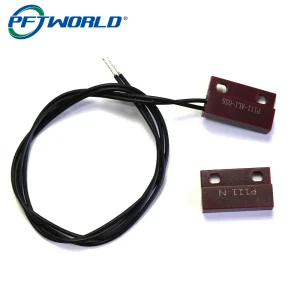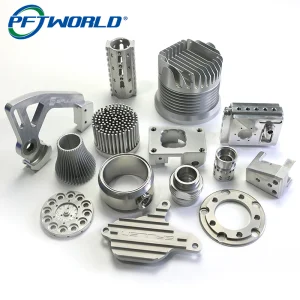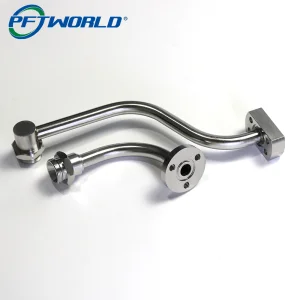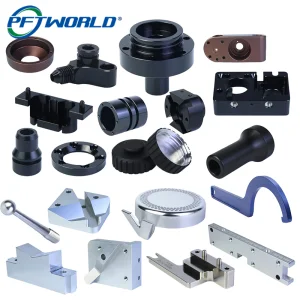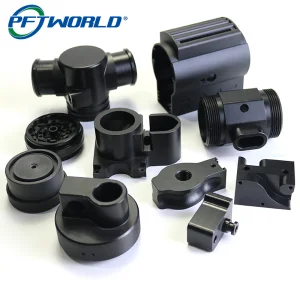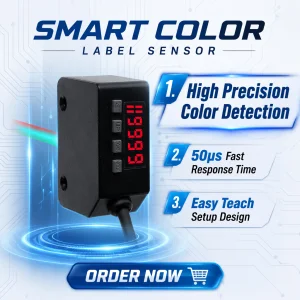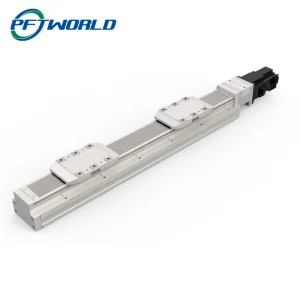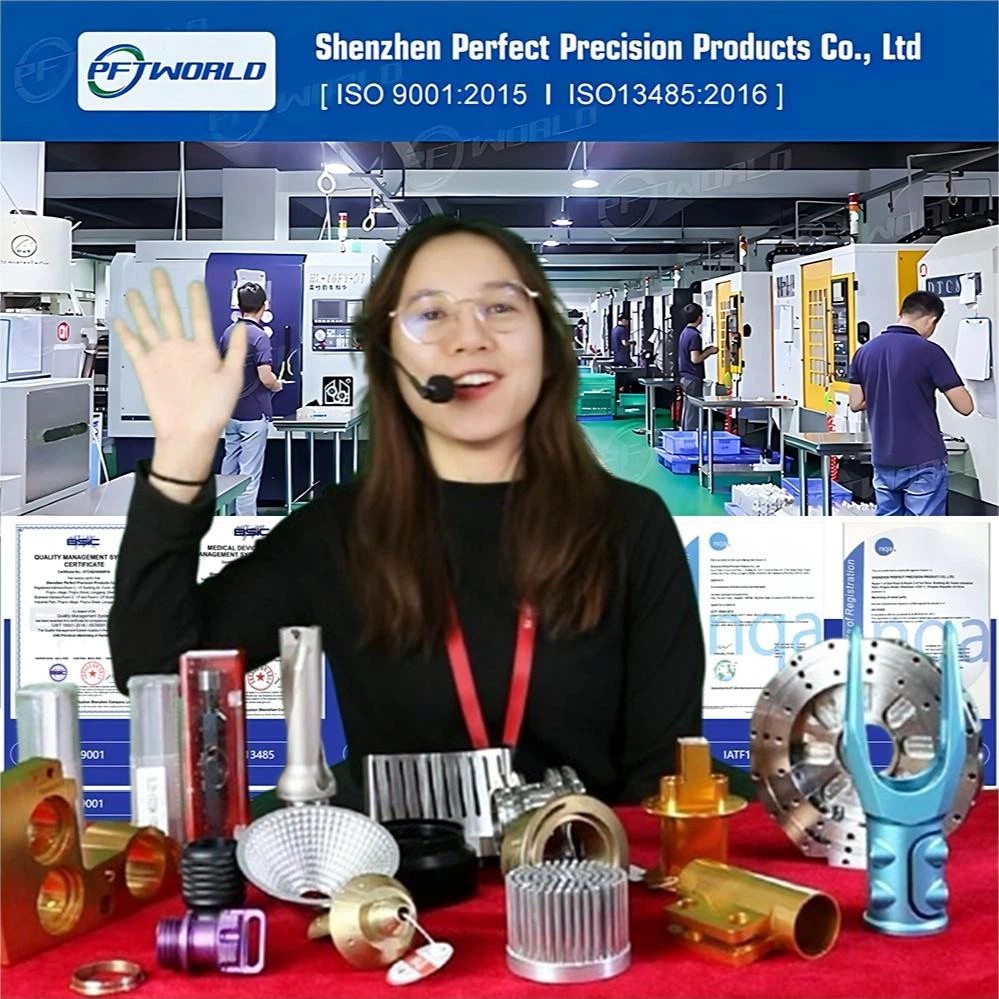
Browse our precision engineered sensors and high-accuracy mechanical assemblies constructed for leading global industrial applications.
An in-depth analysis of the current market trajectory, technological convergence, and macro-economic factors driving precision liquid management.
The global liquid level sensor market is experiencing unprecedented demand, projected to surpass USD 6.5 Billion by 2028 with a CAGR of 7.2%. The driving force is the integration of Industrial Internet of Things (IIoT) protocols into municipal water grids, chemical process vessels, and heavy manufacturing machinery. Modern facilities require real-time, remote telemetry level measurements to eliminate downtime and prevent ecological discharge incidents.
To survive hostile chemical environments, high-temperature boilers, and hygienic food-grade operations, level sensor housings must utilize custom alloy components. Standard alloys fail under exposure to sulfuric acid, saline, or CIP (Clean-in-Place) sterilization cycles. Our production facilities specialize in machining premium materials such as Stainless Steel 316L, Hastelloy, Titanium, and medical-grade engineering plastics like PTFE and PVDF.
The sensor industry is pivoting rapidly from traditional mechanical float switches to non-contact and solid-state sensors. While float switches remain a staple for basic bilge pumps and low-cost applications, their moving parts are prone to wear, mechanical jamming, and bio-film encrustation. This technical transition calls for different OEM methodologies:
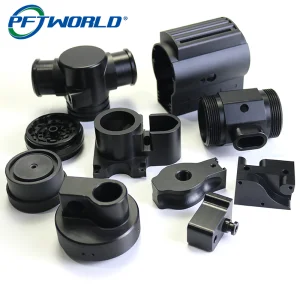
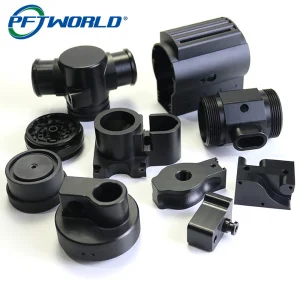
Delivering premium CNC machined components and assembly casings for world-class OEMs and sensor developers.
Established a dedicated foreign trade team in 2014, Shenzhen Perfect Precision Products Co., Ltd passed the ISO9001 quality system certification. Our steadfast dedication to absolute quality led to the award of *Guangdong Contract and Trustworthy Enterprise* in 2018. In 2019, we successfully cleared certifications for high-tech enterprises and the intellectual property management system.
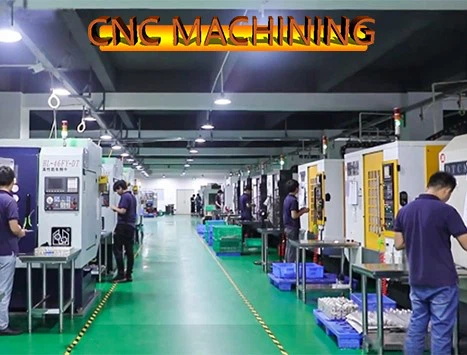
By 2020, the office and facility floor area expanded dynamically to 10,000 square meters, with total employee capacity reaching 70 skilled specialists. By 2021, the facility successfully transitioned into a fully optimized, state-of-the-art digital chemical plant, optimizing our manufacturing routing from CAD ingest to quality inspection.
Standard Machining Tolerance: +/- 0.01 mm
Critical Geometric Areas: +/- 0.002 mm
Achievable Surface Finish: Ra 0.1 ~ 3.2
Prototyping Lead Time: 1-3 Days
Production Lead Time: 7-14 Days
Available Machine Configurations: 3-Axis, 4-Axis, 5-Axis, 6-Axis CNC
We provide full-spectrum engineering capabilities to produce the structural outer housings, probes, and threads needed for sensor integration.
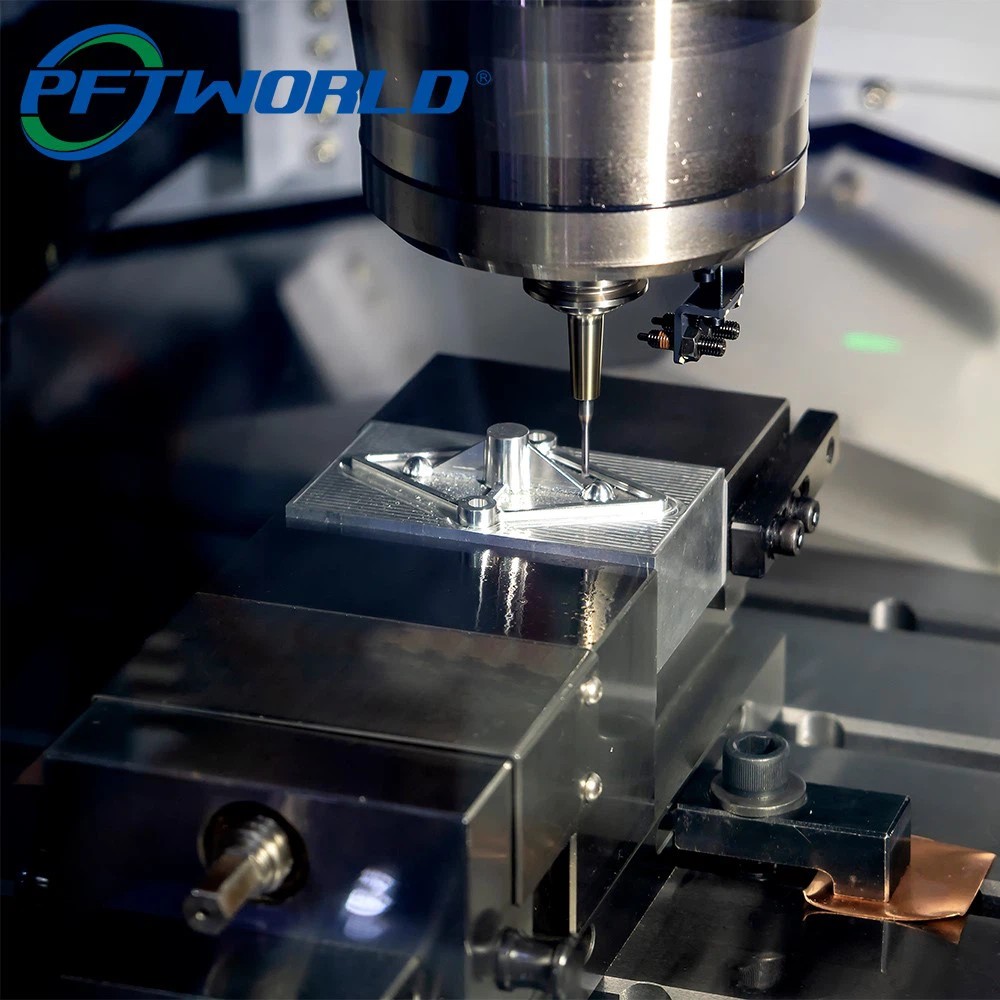
CNC Milling Machining
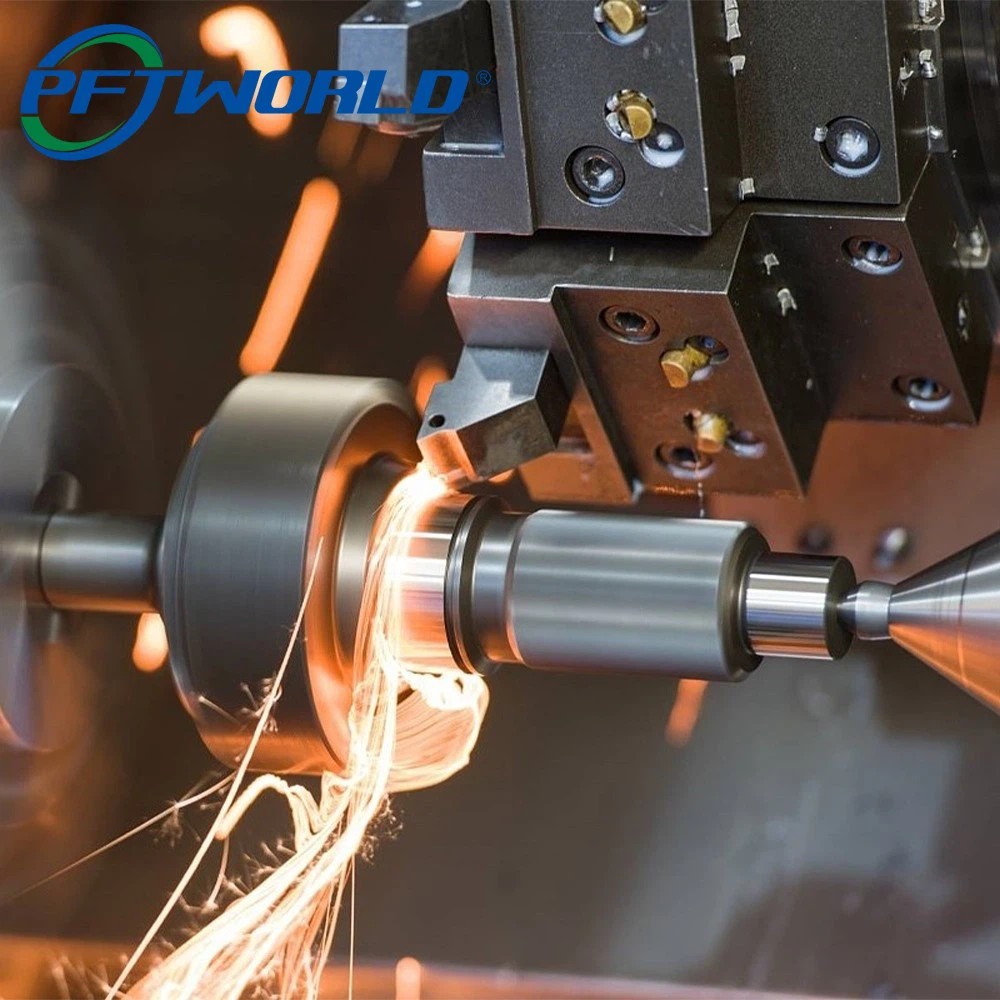
CNC Turning Machining
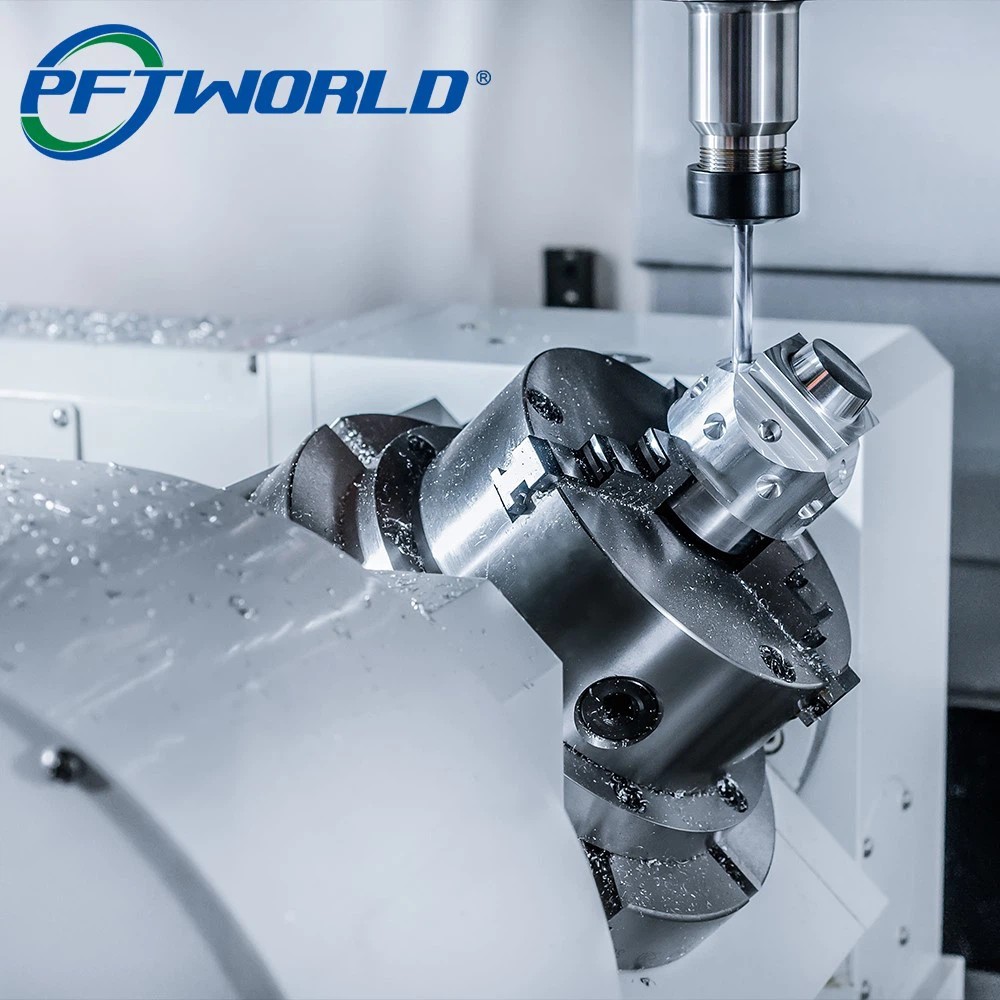
CNC Mill-Turn Machining
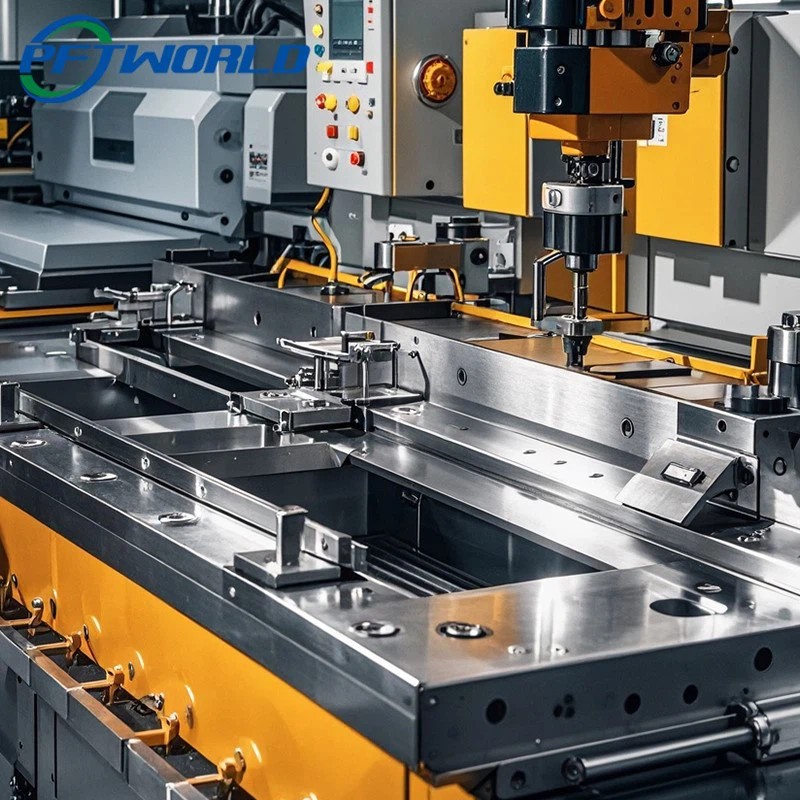
Sheet Metal Fabrication
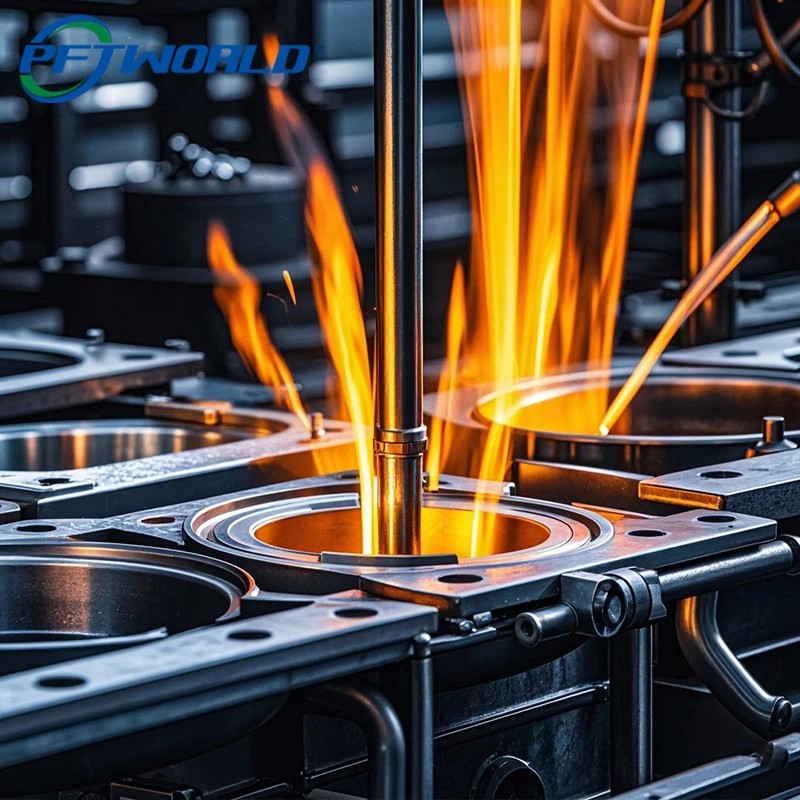
Casting
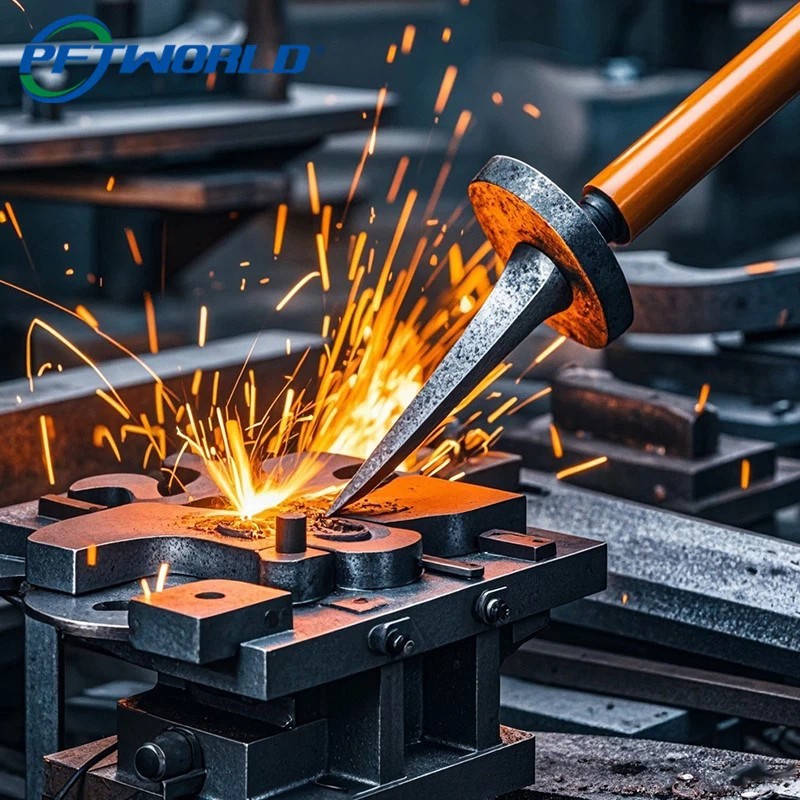
Forging
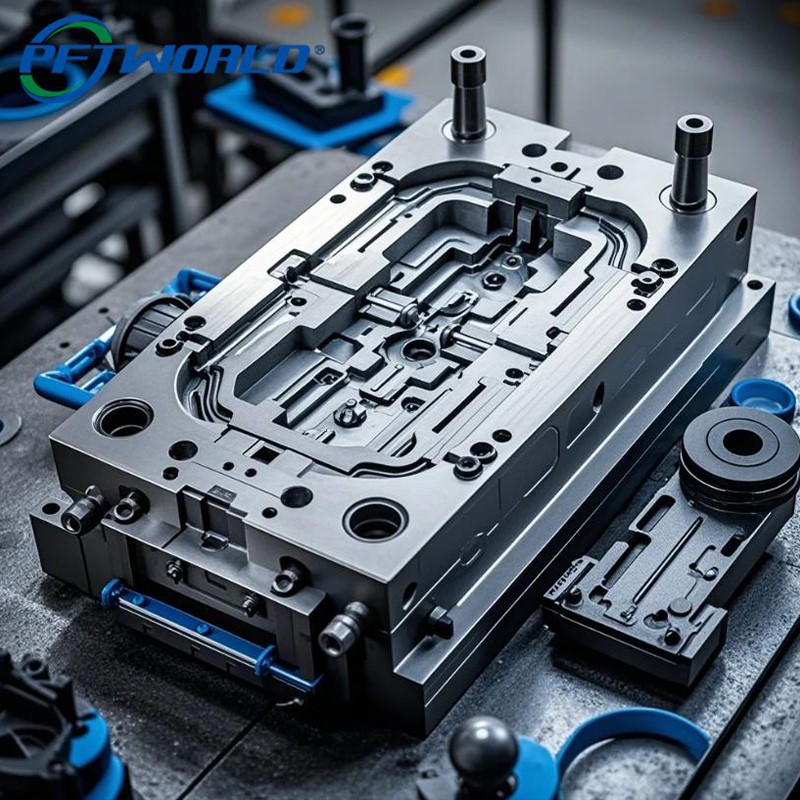
Moulds
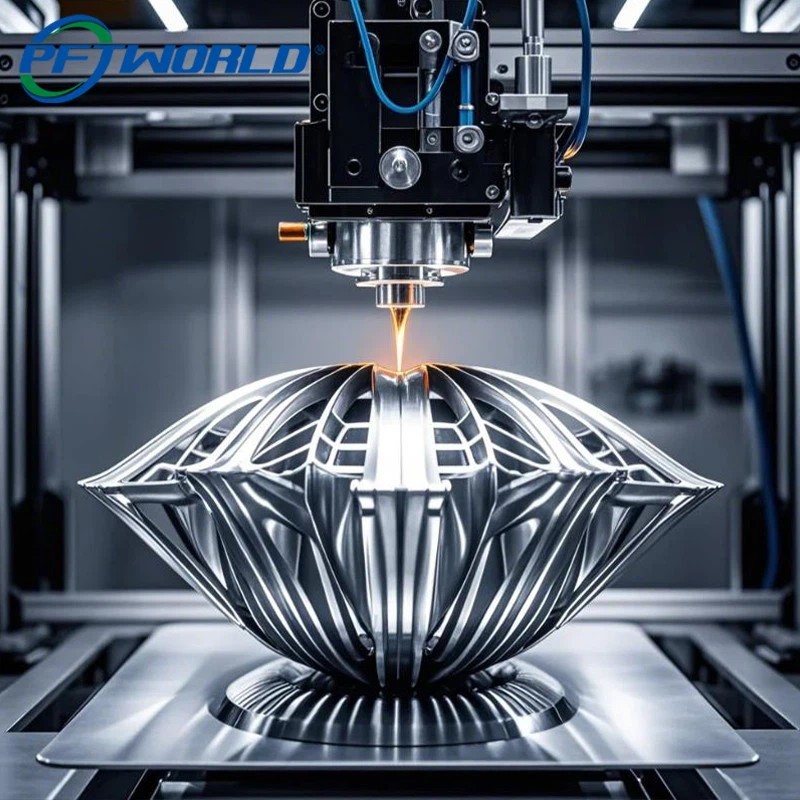
3D Printing
Industrial applications require sensor hardware that can stand up to high-stress, corrosive, or high-purity fluid interfaces.
Thermal management is vital for high-voltage battery packs. Custom machined fluid level sensors monitor glycol cooling loops to prevent thermal runaway. Housings must feature lightweight, high-performance plastics or anodized aluminum with chemical resilience against cooling media.
In hemodialysis or automated chemical analyzer units, reagents must be controlled with tight volume precision. Micro-optical and ultrasonic sensor housings manufactured under ISO 13485 standards ensure zero chemical leaching and zero bacterial growth pockets inside flow lines.
Level telemetry in wastewater basins faces mud, debris, and extreme pH shifts. High-precision guided wave radar and hydrostatic sensor sleeves made from Stainless Steel 316L and PVDF prevent scale formation, physical probe degradation, and corrosion.
Hygienic tanks demand level sensors with high surface smoothness (Ra < 0.4 microns) to meet sanitization protocols. Eliminating micro-grooves avoids biofilm build-up during cleaning phases, securing regulatory compliance.
Analyzing custom dielectric specs & physical casing requirements.
Sourcing SUS316L, Titanium, PTFE, or custom industrial alloys.
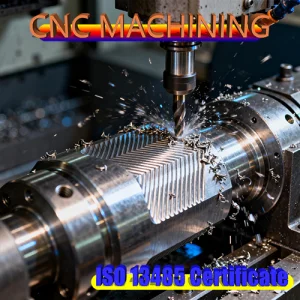
Multi-axis turning and milling down to tolerances of +/-0.002mm.
Ensuring IP68 sealing surfaces and thread integrity before delivery.
We leverage industrial-grade measuring and testing systems to guarantee that every sensor housing meets the exact geometrical tolerances of your engineering designs.
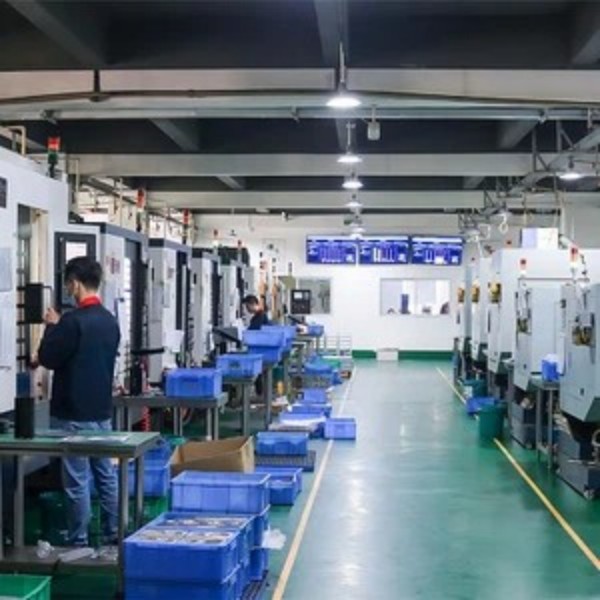
PFT CNC Machining Center
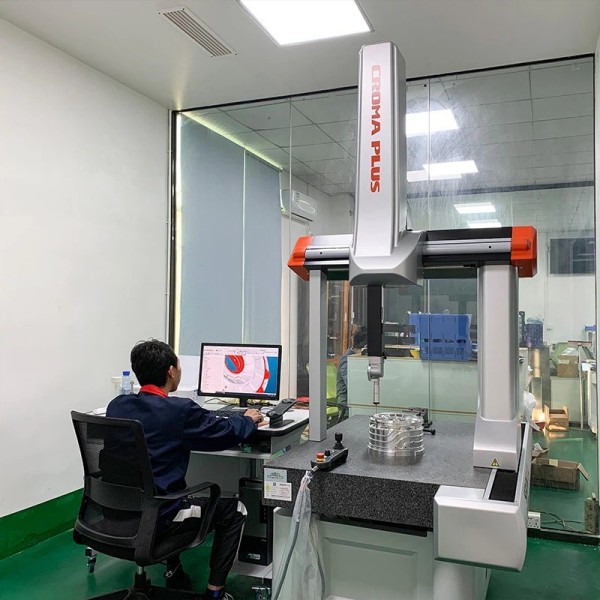
PFT CMM
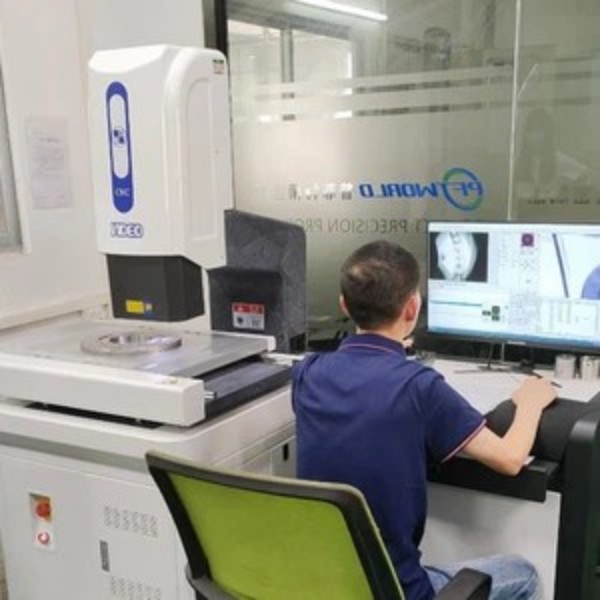
PFT 2-D Measuring Instrument

PFT 24-H Online Service
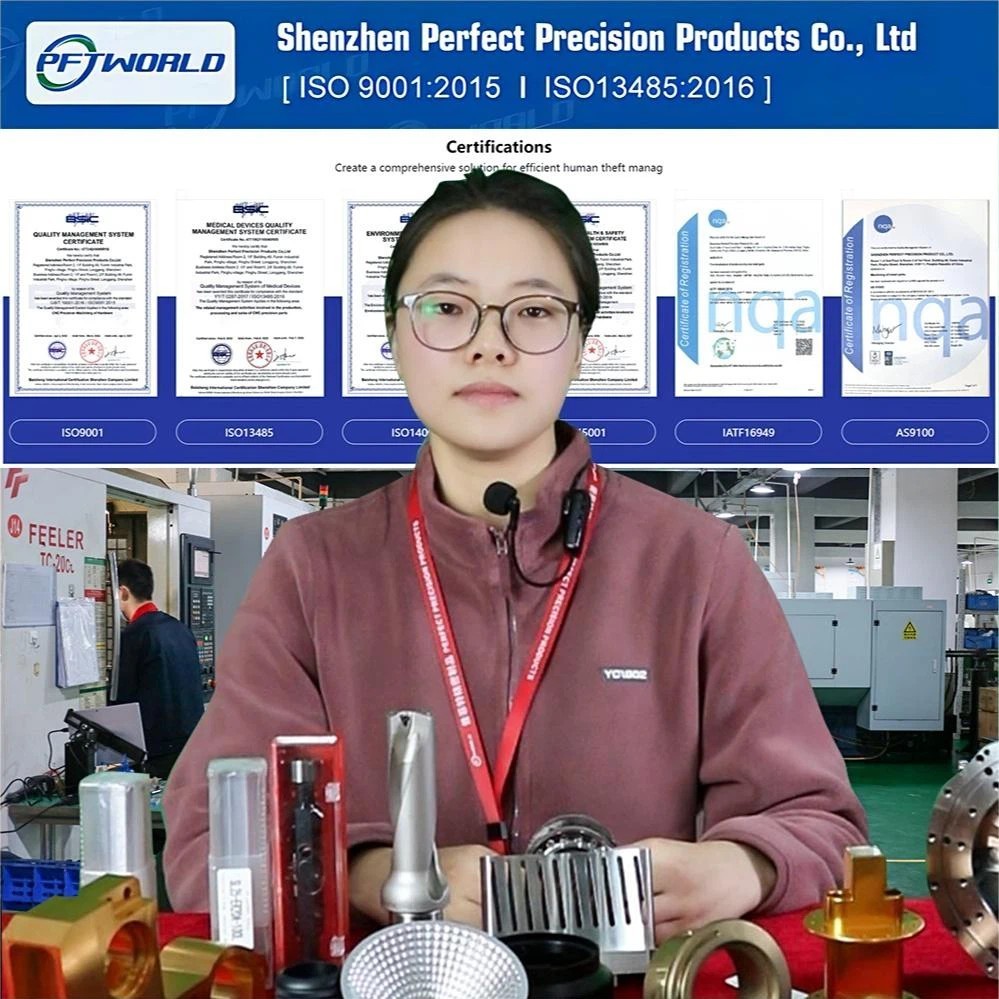
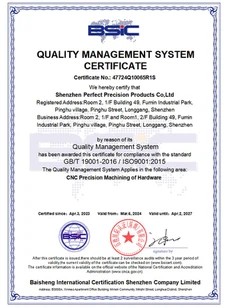 ISO9001:2015
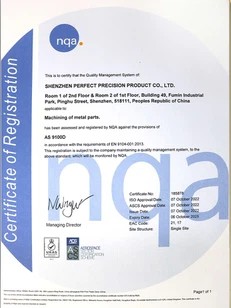 AS9100D
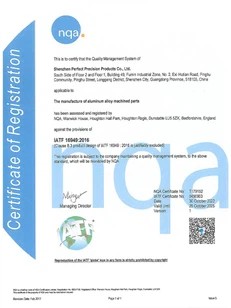 IATF16949:2016
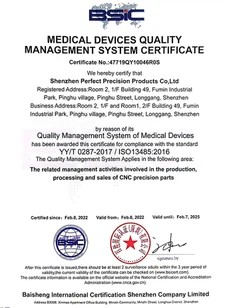 ISO13485:2016
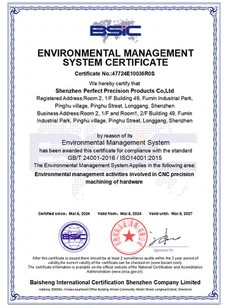 ISO14001:2015
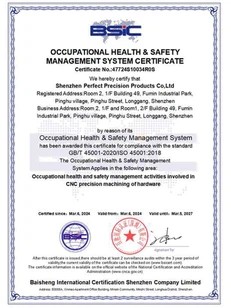 ISO45001:2018
Explore our highly integrated sensors, proximity limit switches, and precise CNC milled components.
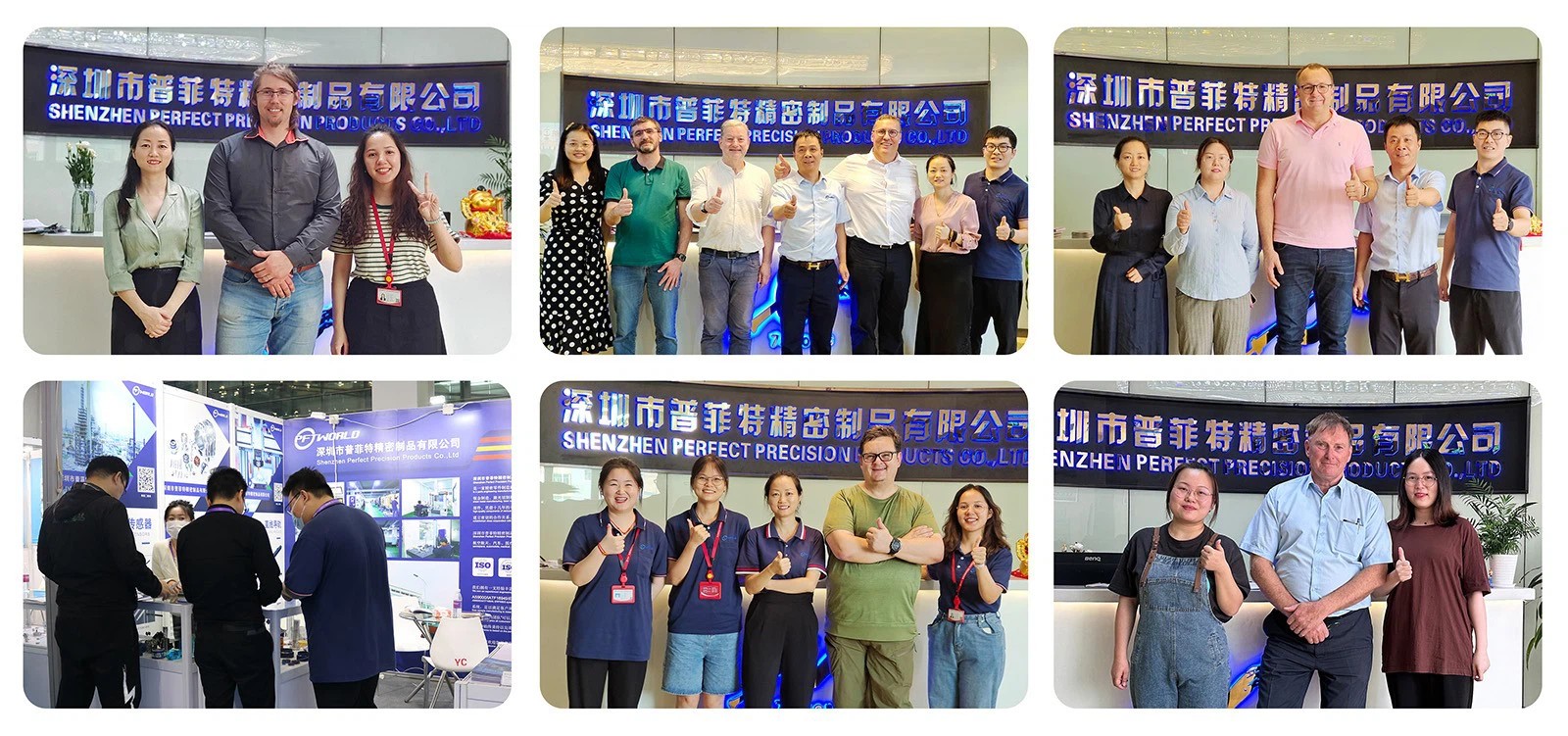
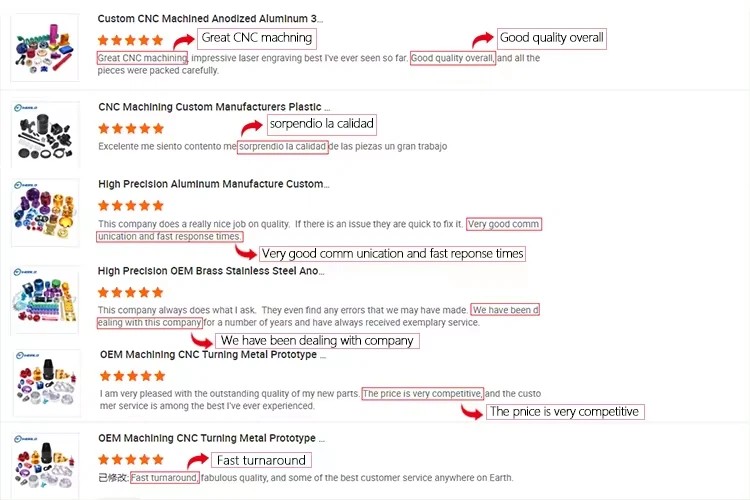
See why global system integrators and water equipment manufacturers choose our manufacturing expertise.
Understanding the future of fluid measurement: smart diagnostic integrations, energy harvesting, and ultra-durable materials.
Next-generation level sensing relies on 80GHz and 120GHz radar frequencies. These shorter wavelengths yield narrow beam angles, minimizing physical interference from vessel internal obstructions (such as agitators and heating coils). Additionally, on-sensor microprocessor chips compute FFT (Fast Fourier Transform) algorithms locally on the device, reporting clean level data via IO-Link directly to the automation PLC.
With wireless mesh networks expanding rapidly, deploying external power drops to remote level monitoring reservoirs is cost-prohibitive. Future solutions focus on low-power sensor microcontrollers paired with integrated thermoelectric generators (TEGs) or kinetic energy harvesters that extract power from localized temperature differentials and fluid flows, allowing maintenance-free operation for over a decade.
Sensors are exposed to scaling, calcium buildup, and residue accumulation, leading to signal loss. Future OEM designs integrate piezoelectric transducers into probe tips to periodically emit ultrasonic micro-vibrations, shedding scaling and biofilm automatically. Diagnostic algorithms monitor signal attenuation rates to predictively warn technicians of cleaning requirements before critical failures occur.
Detailed engineering answers covering both general machining operations and specific level sensor housing customization protocols.
We are a factory located in Shenzhen, China, with 20 years of rich experience, covering 6,000 square meters. Complete facilities, including 3D quality inspection equipment, ERP system, and 100+ machines. If necessary, we can provide you with material certificates, sample quality inspection, and other reports.
Please send us detailed engineering drawings (PDF/STEP/IGS/DWG...) including dimensional limits, material specs, surface finishes, quantity requirements, delivery timelines, and special quality certifications needed.
Of course. We are glad to receive physical samples, clear photos with critical dimensions, or concept sketches to help generate accurate quotes. Our design engineers can translate your concepts into standard CAD layouts.
Yes, we provide sample prototyping to verify design tolerances and functionality before committing to mass production. Prototyping setup fees apply, which are typically credited back to the customer upon large-scale manufacturing orders.
Generally, sample turnaround is 1-2 weeks, and batch mass production runs require 3-4 weeks, depending on design complexity and production scheduling.
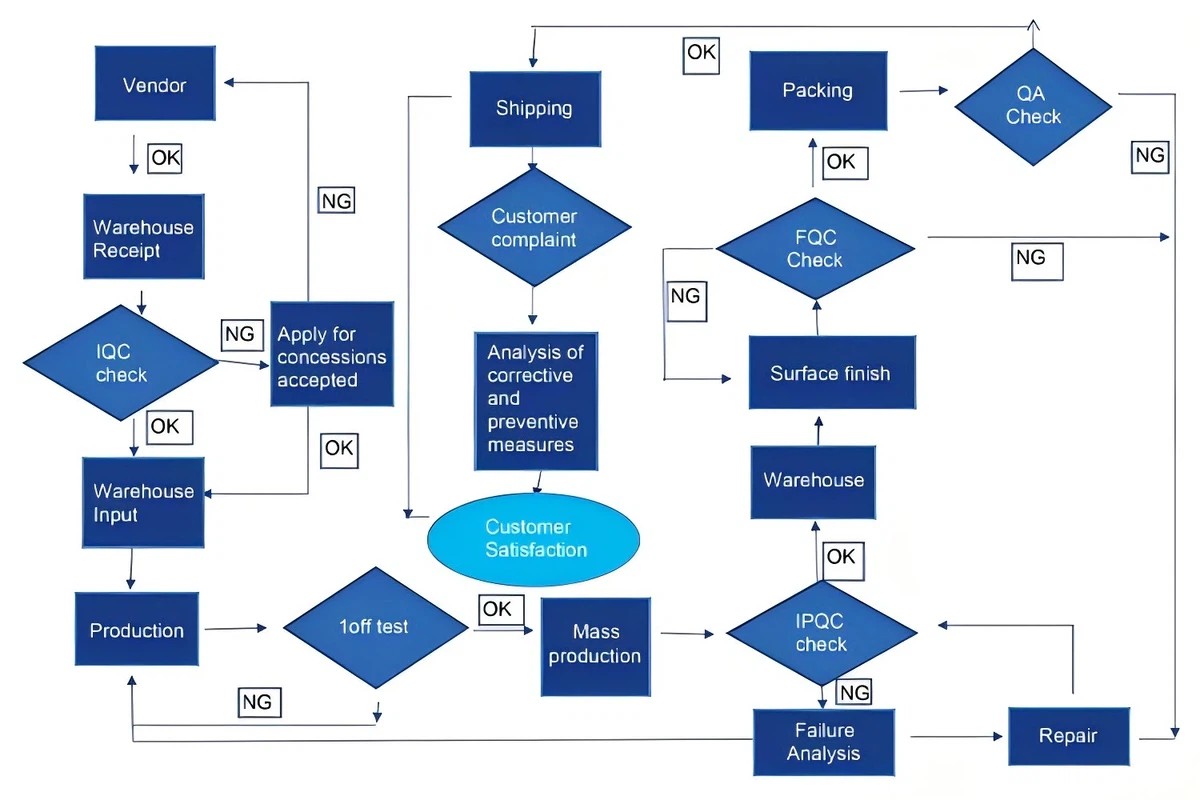
We enforce a comprehensive multi-stage inspection loop:
If you discover quality variations or performance deviations after receiving the product, you can provide feedback via email, voice, or video conference within one month. Our team will review the issue and provide troubleshooting support or manufacturing solutions within one week.
For high-pressure boilers or chemical reactors, Stainless Steel 316L (standard choice) or Super Duplex alloys are ideal. For extremely corrosive environments (such as acid baths or brine systems), PVDF or PTFE plastic is preferred. We machine these materials with precise wall thicknesses to ensure high pressure resistance without affecting the signal transmission of internal sensor electronics.
To prevent water ingress, we machine internal threads with precise concentricity and smooth surface finishes (Ra 0.8 or lower) for O-ring seats. We also design dual-gasket grooves and assist client engineers in selecting appropriate sealing compounds or overmolding components to prevent leakage under high-pressure washdowns.
Get in touch directly with our dedicated project engineering team to start your custom manufacturing run.
We deliver high-precision CNC machining solutions tailored to your exact specifications. From prototyping to mass production, we handle everything with strict quality control, fast turnaround, and competitive pricing. Equipped with advanced CNC machines and a skilled engineering team, we serve industries like automotive, aerospace, medical, and electronics with unmatched accuracy and reliability.
Send Inquiry Now