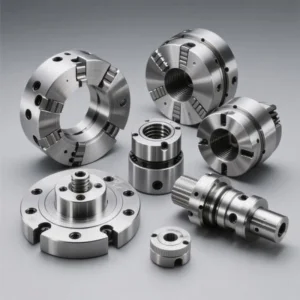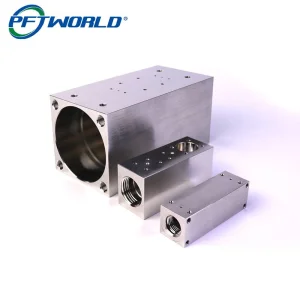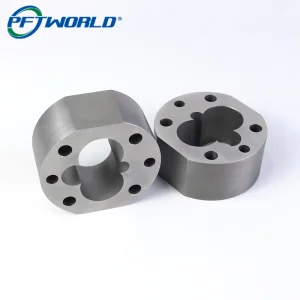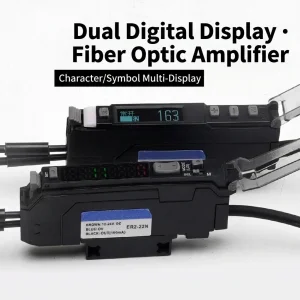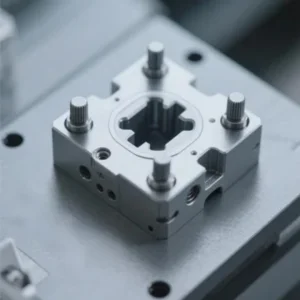
Explore our high-precision CNC mechanical components, specialized sensors, and custom engineered solutions.
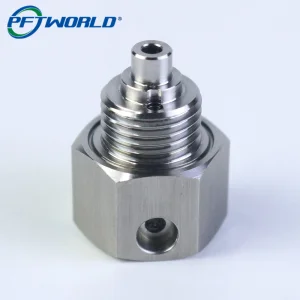
In modern industrial automation, the demand for reliability has pushed sensing technologies to their absolute limits. Conventional inductive proximity sensors, featuring plastic facecaps or multi-part glued bodies, consistently fail when exposed to the mechanical stress, aggressive chemicals, and thermal shock common in heavy-duty manufacturing environments. To combat premature component wear and costly unplanned downtime, modern industrial systems rely on Full Metal Housing Inductive Proximity Sensors.
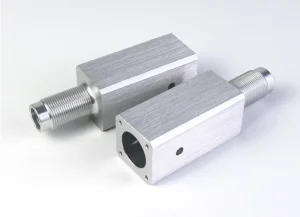
Unlike standard designs, a full metal housing sensor is precision-machined from a single block of stainless steel (often SUS303 or surgical-grade SUS316L) or chemically-resistant brass. By removing the glued junction line between the metal cylinder and plastic face, engineers create a hermetically sealed, one-piece structure. This design delivers several key benefits:
Choosing the right housing material dictates the lifecycle cost of automation equipment. Standard plastic sensors offer low initial cost but suffer frequent failures in severe operating environments. Over time, recurring replacement costs and labor expenses quickly wipe out those initial savings.
Our engineered stainless steel housings balance electromagnetic transparency with mechanical strength. Through precise wall thickness optimization, we ensure magnetic field attenuation remains low enough to allow accurate metal detection while maintaining structural resistance to crushing pressures and impacts.
| Performance Factor | Standard Plastic Cap | Full Metal Housing (SUS316L) |
|---|---|---|
| Impact Resistance | Low (Prone to cracking) | Excellent (Deformation resistant) |
| Washdown Rating | IP67 maximum | IP68 & IP69K hermetic seal |
| Chemical Protection | Degrades over time | Resists acids, bases, solvents |
| Operating Pressure | < 5 Bar | Up to 500 Bar (specialty lines) |
Years of Machining Experience
Advanced Production Machines
Global Industrial Clients
Monthly Production Capacity
Manufacturing a single-piece metal sensor housing requires tight control over dimensional tolerances and material wall thickness. Because inductive sensors rely on high-frequency electromagnetic fields, the thickness of the metal sensing face must be carefully controlled. A face that is too thick will block the electromagnetic field, reducing or eliminating the sensing distance. A face that is too thin will compromise the sensor's mechanical strength and resistance to high pressures.
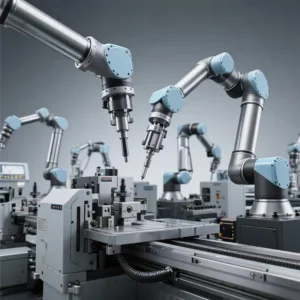
At Shenzhen Perfect Precision Products Co., Ltd, we resolve this engineering challenge through state-of-the-art CNC turn-mill systems. Our multi-axis machines can control tolerances down to micron levels, ensuring consistent sensor performance and robust mechanical protection.
Our standard machining processes deliver tolerance control of +/- 0.01 mm. For critical sensing faces, we achieve ultra-precise tolerances of +/- 0.002 mm to prevent variations in electromagnetic attenuation.
We target surface roughness values ranging from Ra 0.1 to 3.2. Smooth, polished finishes prevent bacterial growth in food applications and reduce friction wear in hydraulic environments.
We run 3-axis, 4-axis, 5-axis, and 6-axis CNC machining centers. This allows us to cut complex geometries, internal threads, and integrated mounting flanges in a single manufacturing setup.
When introducing a solid metal face over an inductive sensor coil, the sensor designer must account for the reduction factor of the target metals. Traditional inductive sensors detect ferrous metals (iron, steel) at 100% of their rated distance, while non-ferrous metals like aluminum or copper drop the sensing range to 30%-40%. However, with modern Factor 1 full metal sensors, advanced internal electronics run multi-coil systems that maintain identical sensing distances for all metals. Our machining facility works closely with sensor designers to ensure that housing wall thicknesses are customized to support either standard or Factor 1 internal electronics.
Equipped with advanced manufacturing technology to handle custom orders from initial prototyping through high-volume production runs.
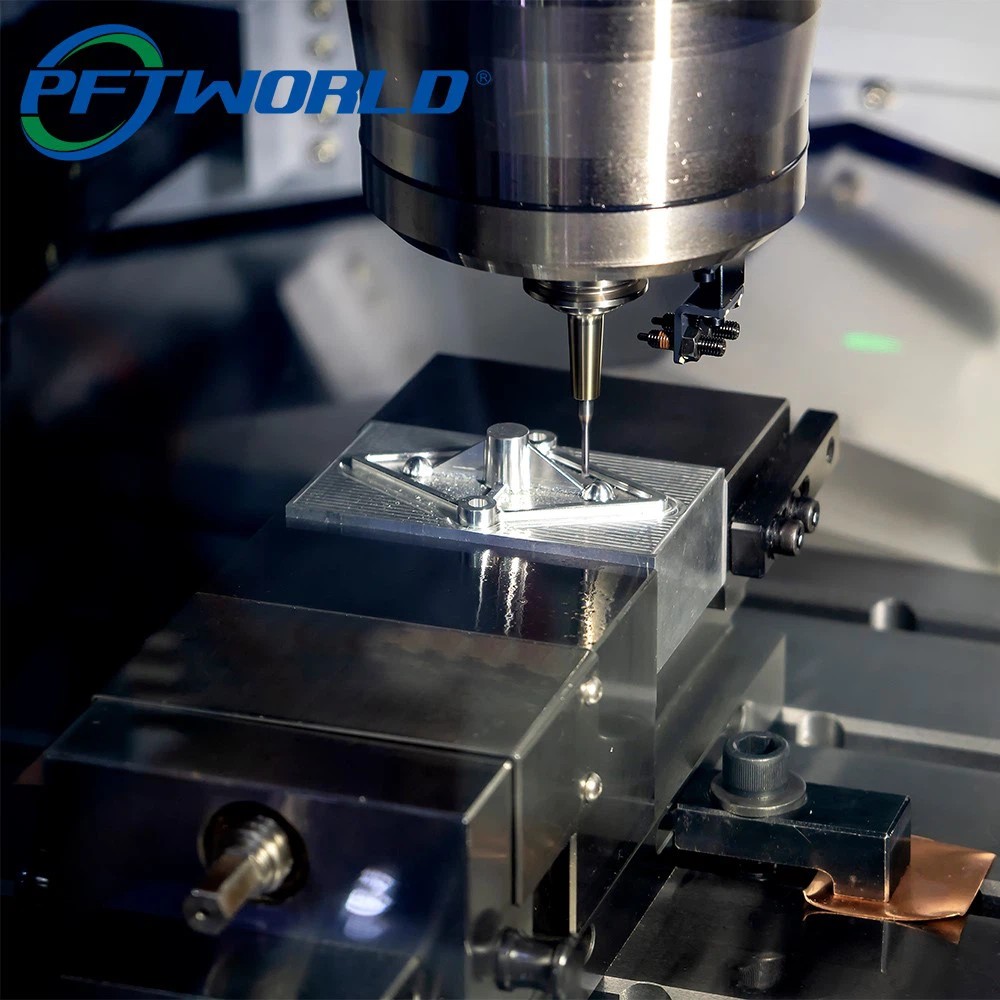
CNC Milling Machining
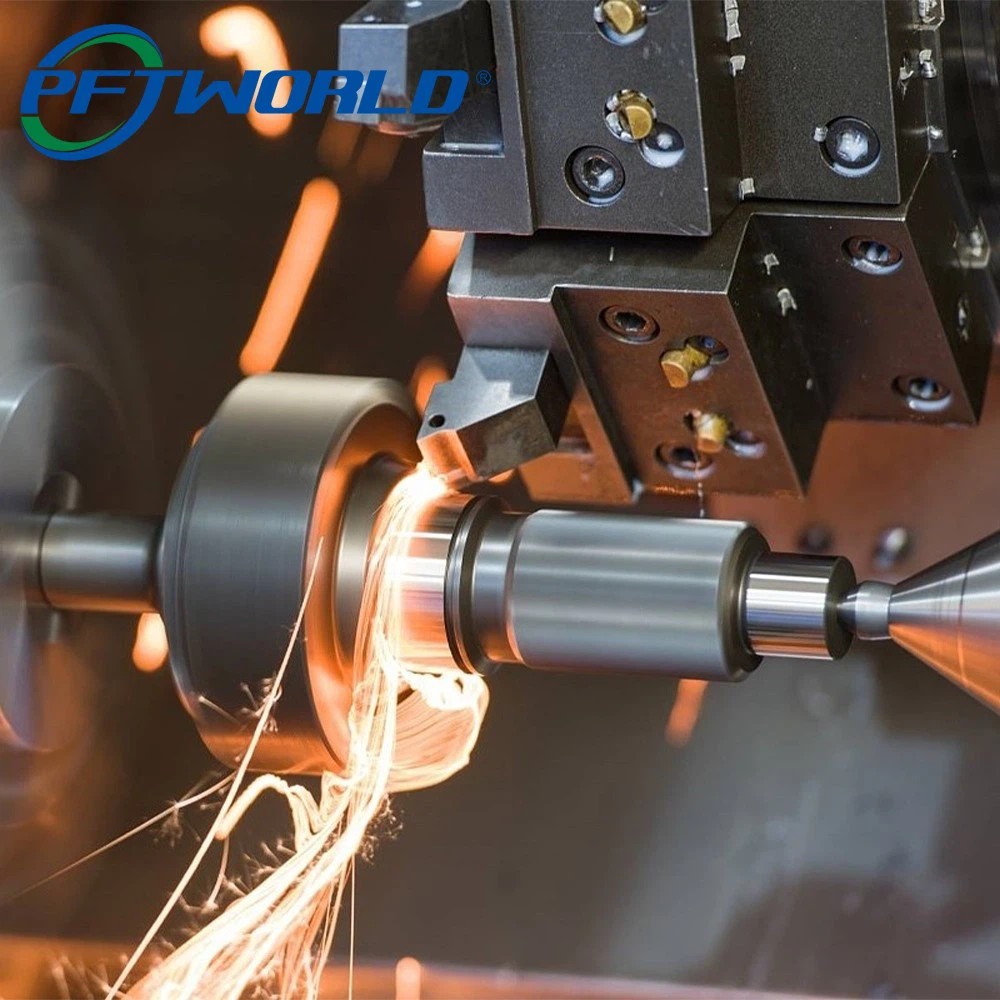
CNC Turning Machining
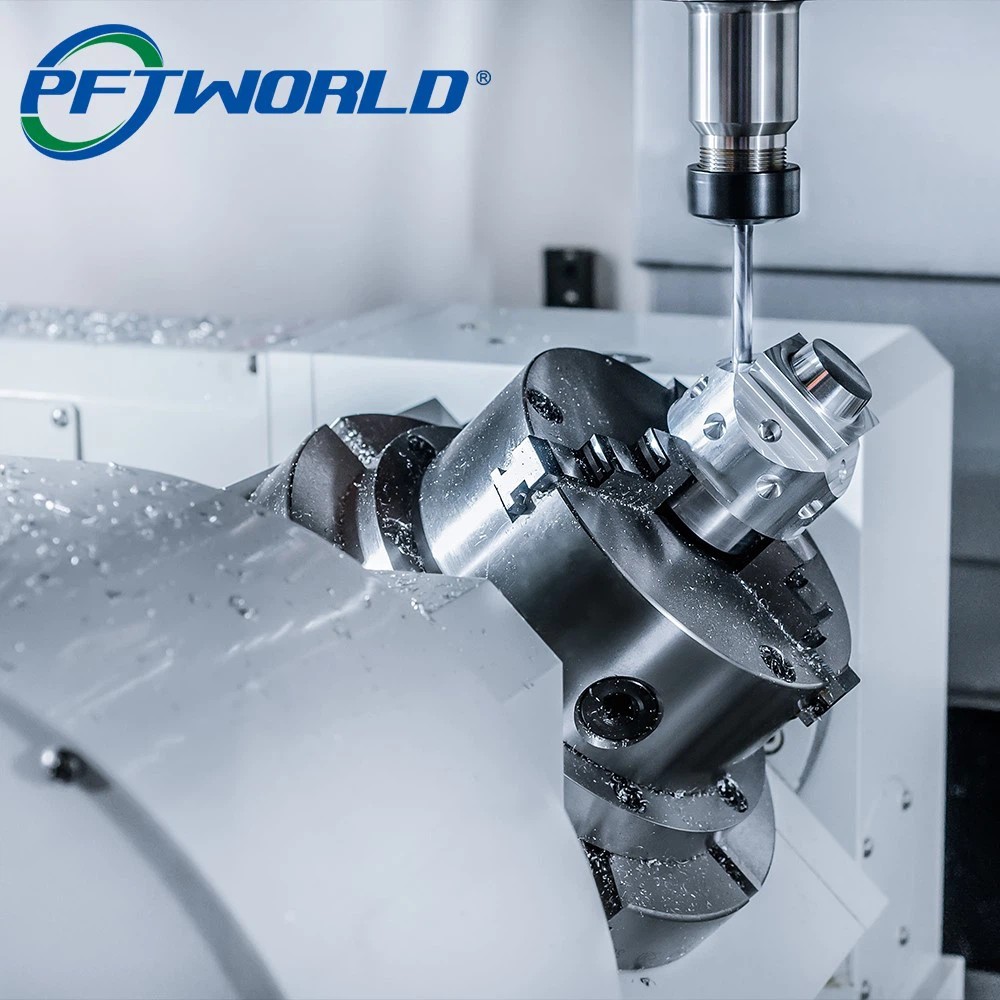
CNC Mill-Turn Machining
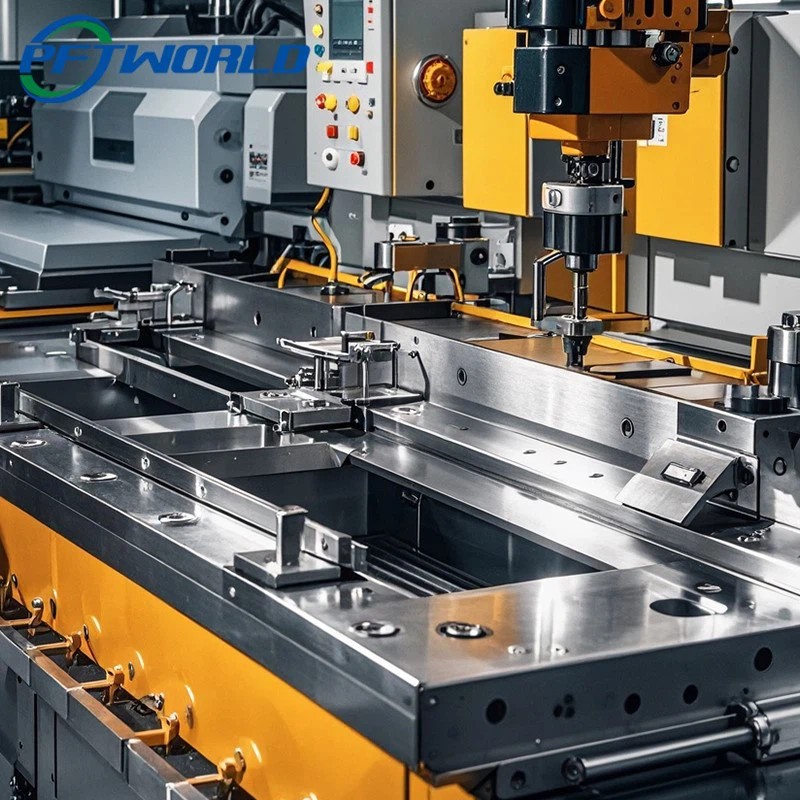
Sheet Metal Fabrication
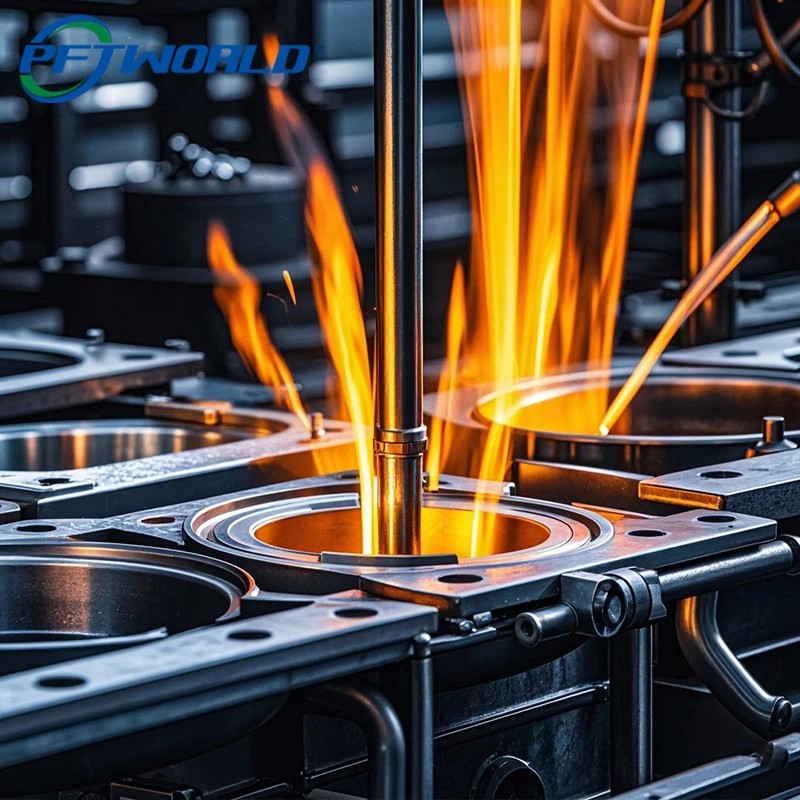
Casting & Processing
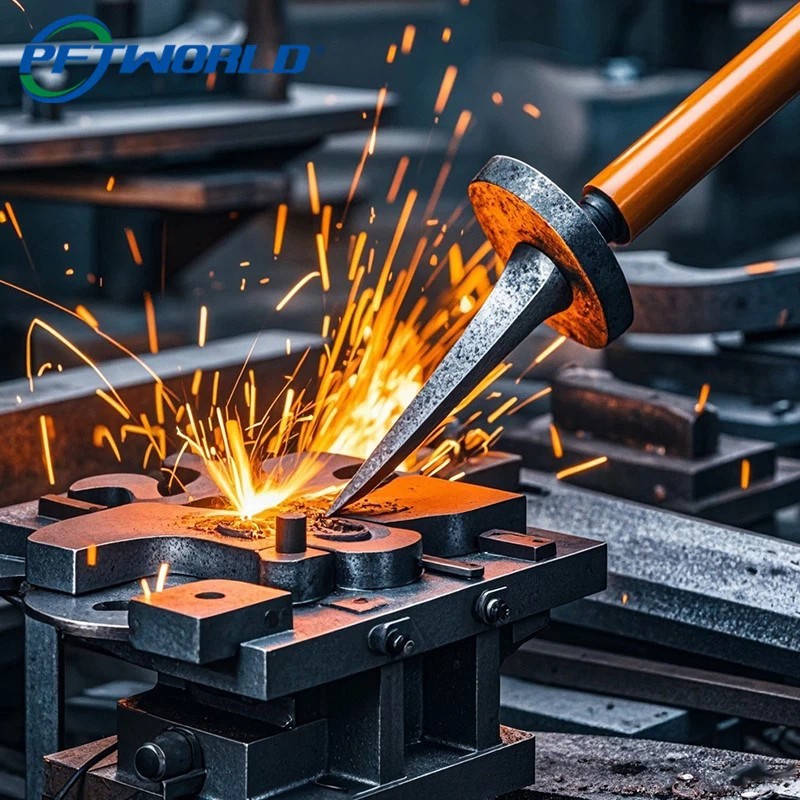
Industrial Forging
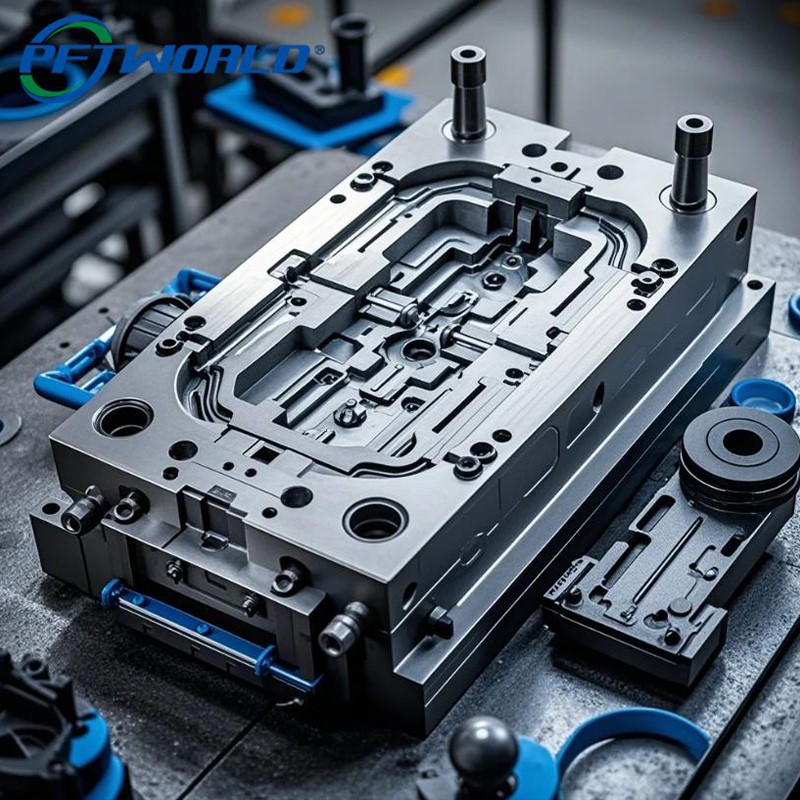
Precision Mold Tooling
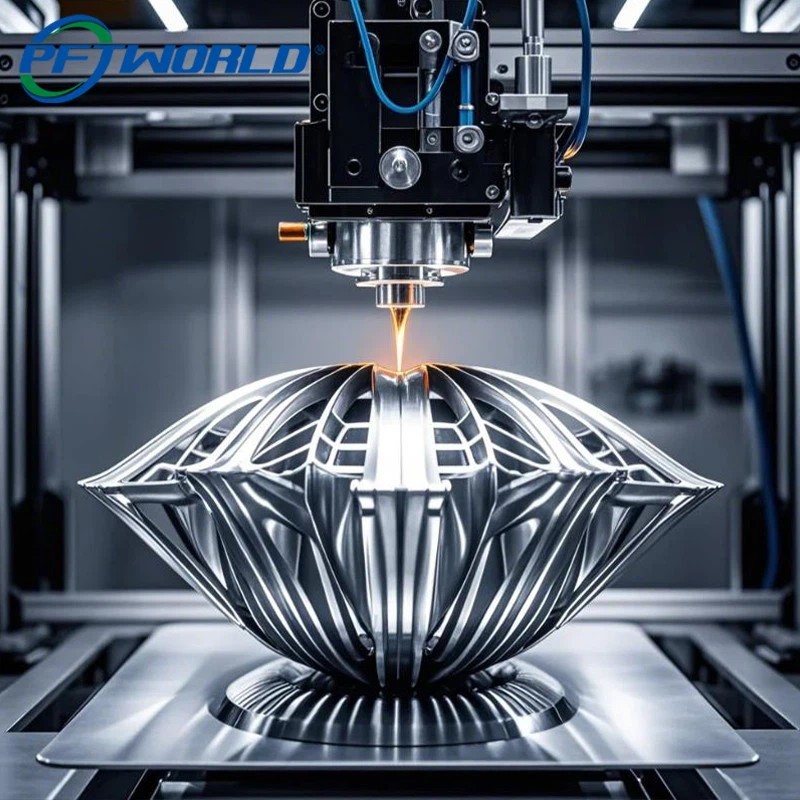
Industrial 3D Printing
Industrial production is shifting globally toward higher automation, predictive maintenance, and the Industrial Internet of Things (IIoT). Modern smart factories run continuously, meaning any sensor failure can disrupt production lines, leading to supply chain delays and financial losses. Reliable sensing solutions are essential to keep these automated systems running smoothly.
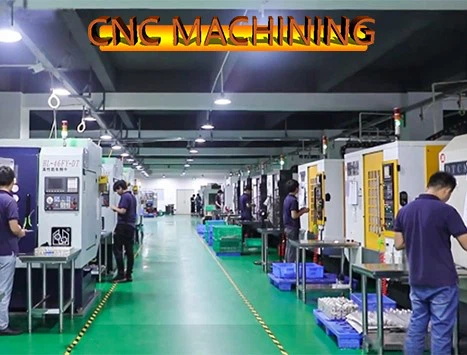
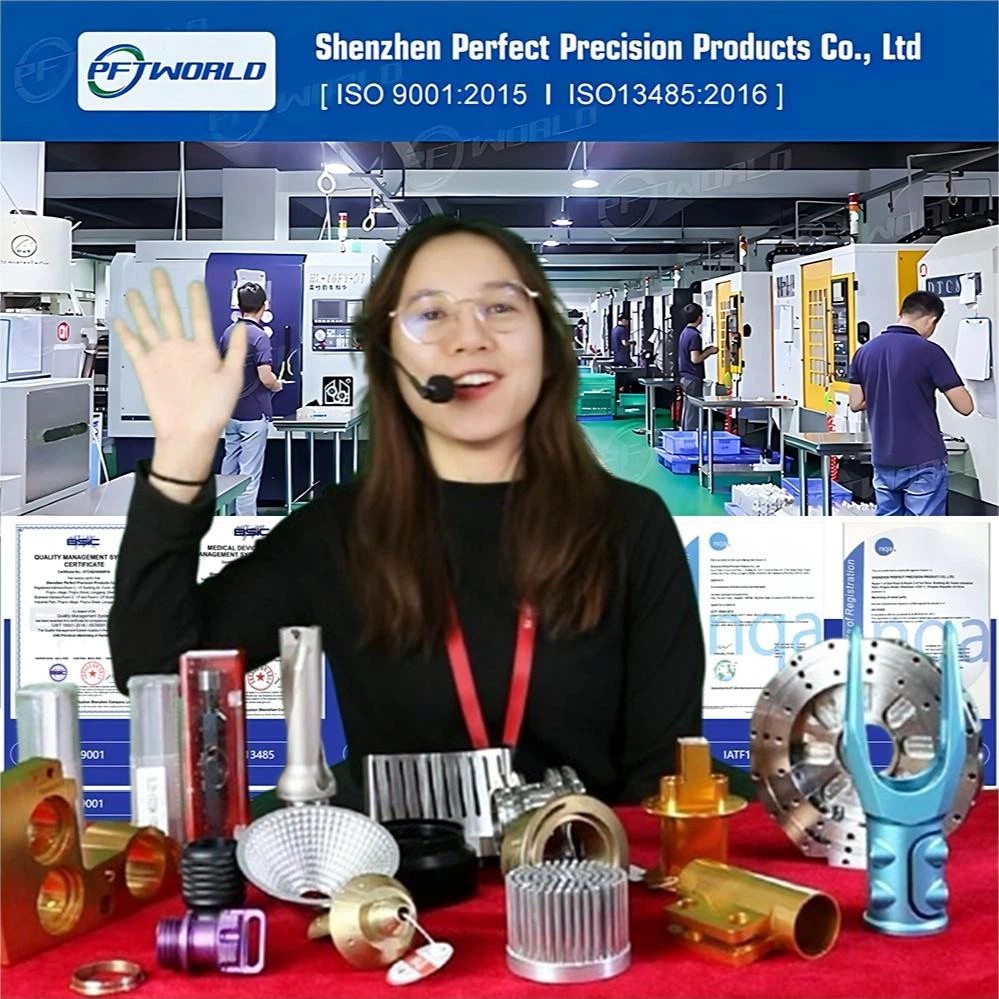
Founded in Shenzhen, China, our company has grown to occupy a 10,000 square meter digital manufacturing plant. We support global industrial distributors, sensor manufacturers, and automation OEMs with high-precision custom parts and components.
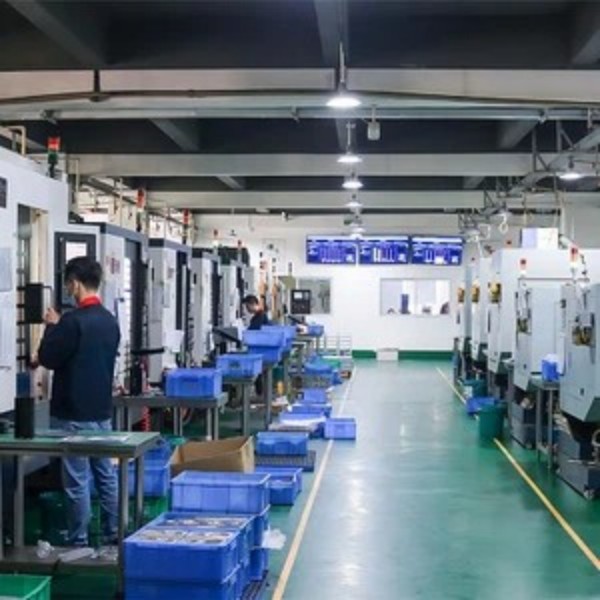
Our operation integrates modern ERP tracking with state-of-the-art multi-axis CNC machines and automated inspection tools. This enables us to maintain tight quality standards across high-volume production orders. We help our customers bring durable, high-performance sensing products to market efficiently.
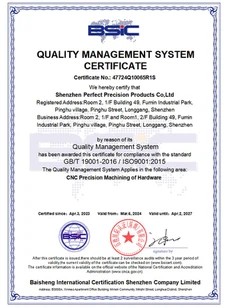
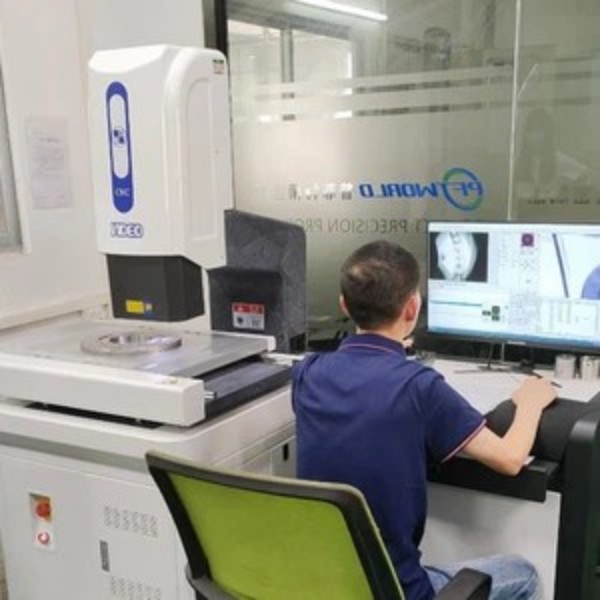
Our facility runs under structured ISO quality controls, using advanced measurement tools to verify that every component matches your exact design specifications.
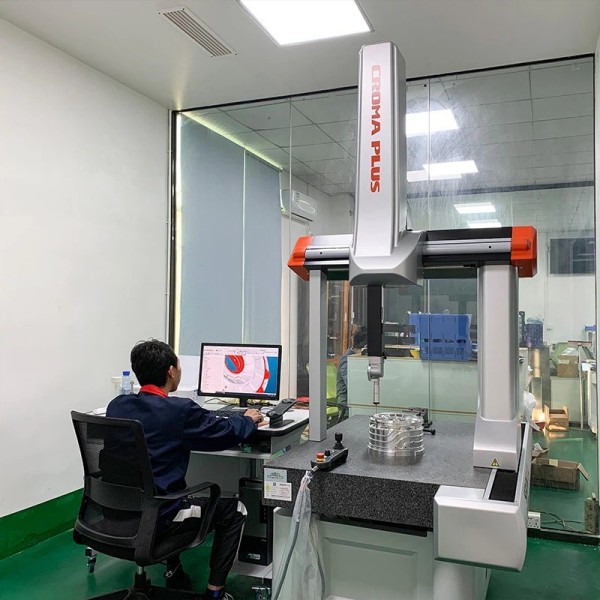
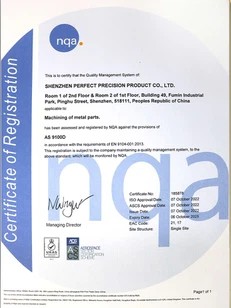
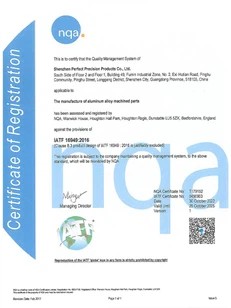
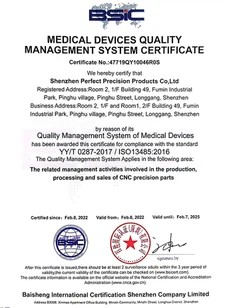
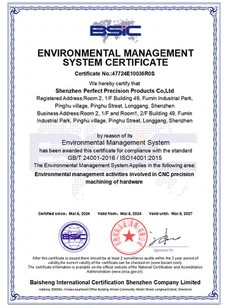
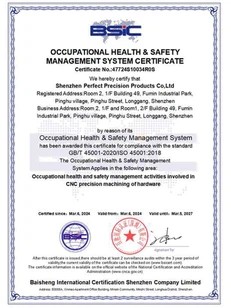
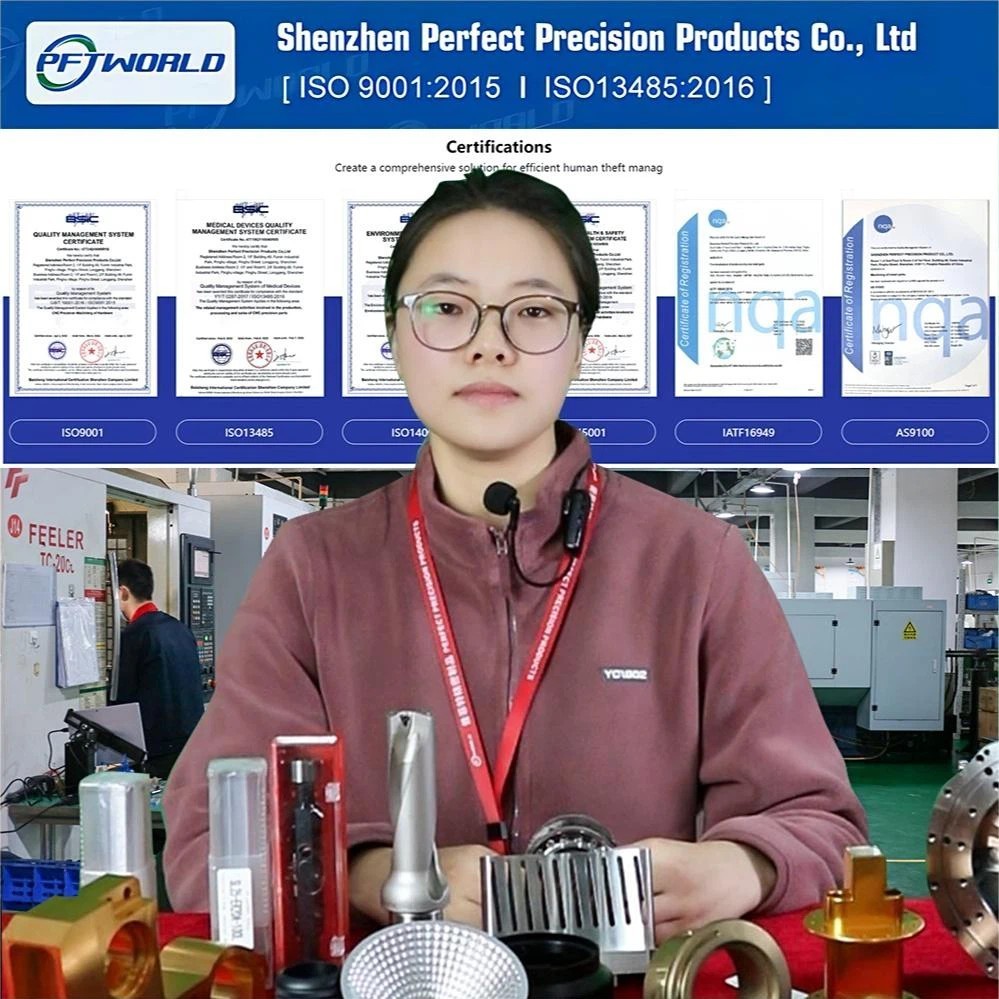
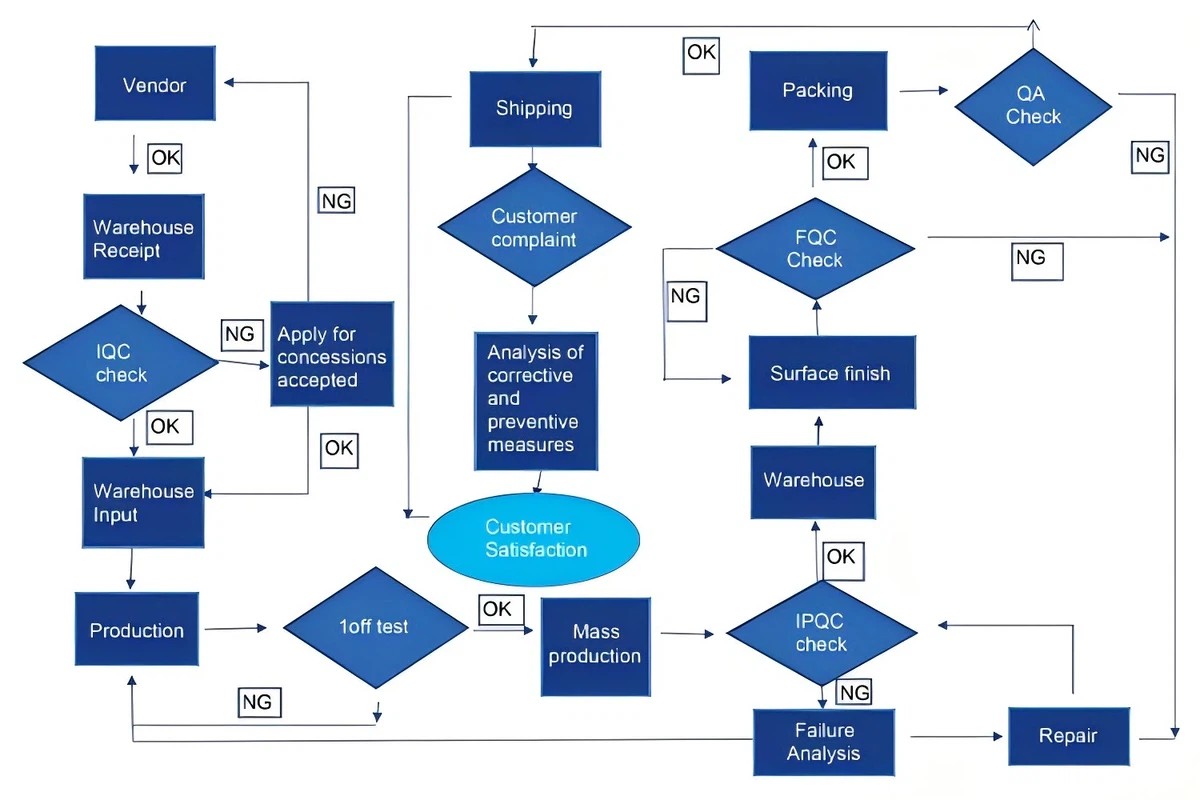
Our manufacturing and quality systems are independently audited and certified to meet global aerospace, automotive, medical, and industrial standards.
We work to build long-term trust with our global clients. Through our digital factory systems, we offer real-time tracking of production orders, from material sourcing and milling cycles to coordinate metrology inspection and export shipping.
We supply material test reports, dimensional inspection certificates, and performance validation documentation for every production batch. This documentation guarantees that our metal sensor housings meet quality requirements before shipping.
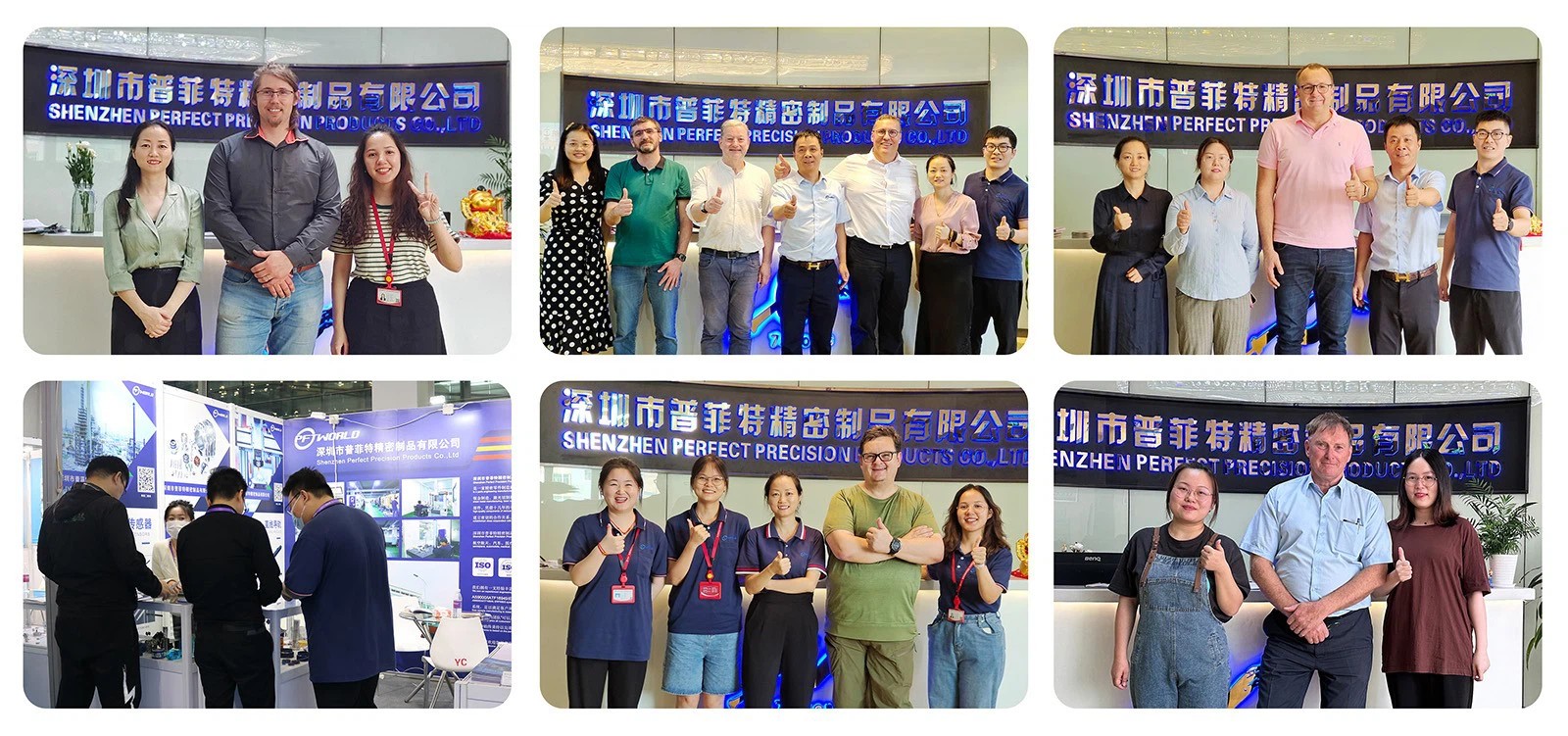
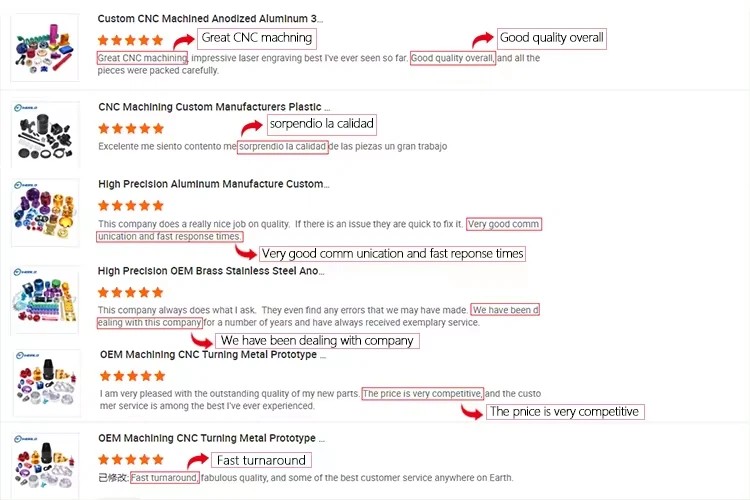
Our dedicated customer success team is available 24/7. We help engineers and sourcing professionals select materials, optimize manufacturing profiles, and plan cost-effective shipping schedules.
Whether you require standard M8, M12, M18, or M30 threaded sensor bodies, or specialized custom housings for high-temperature and high-pressure applications, our engineering staff can quickly convert your 3D models and drawings into production-ready designs.
As factories transition toward Smart Industry 4.0 standards, industrial sensors are evolving from simple on/off switches into intelligent network nodes. Our engineering roadmap matches these developments by focusing on advanced sensor housing designs:
Get answers to common design, manufacturing, and sourcing questions about custom metal sensor housings and high-precision CNC parts.
Explore our complete manufacturing services and precision automation subassemblies.
We deliver high-precision CNC machining solutions tailored to your exact specifications. From prototyping to mass production, we handle everything with strict quality control, fast turnaround, and competitive pricing. Equipped with advanced CNC machines and a skilled engineering team, we serve industries like automotive, aerospace, medical, and electronics with unmatched accuracy and reliability.