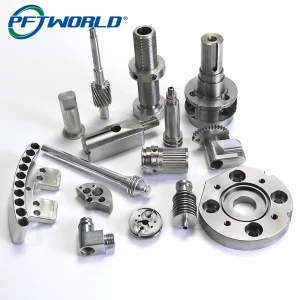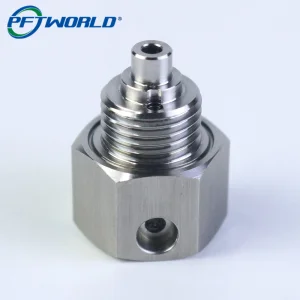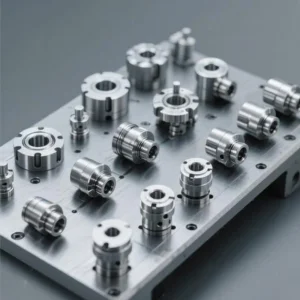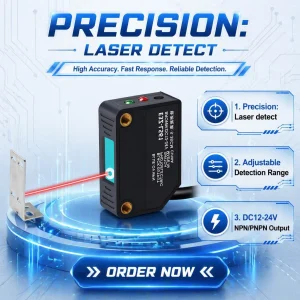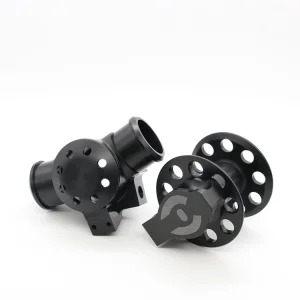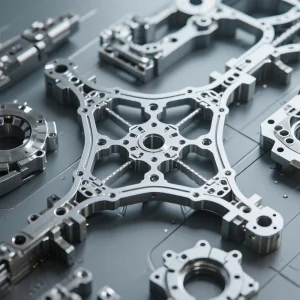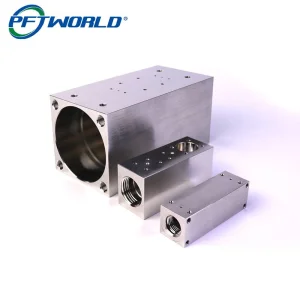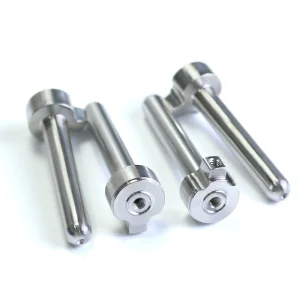
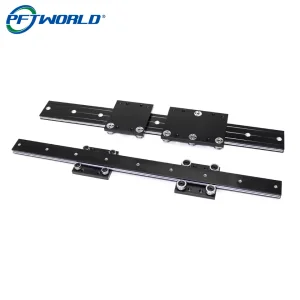
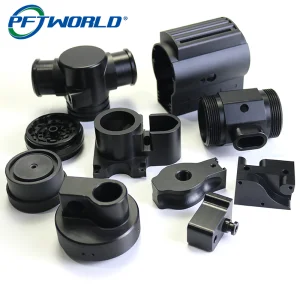
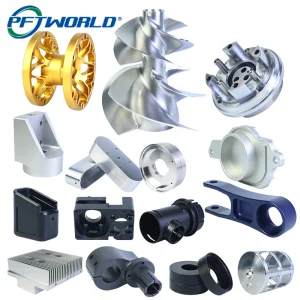
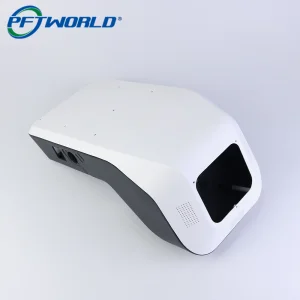
High-fidelity structural components engineered to aerospace-grade tolerances for sensor packaging and electromechanical systems.
Executive Technical Abstract:
Piezoelectric sensors operate on the conversion of mechanical stress (such as pressure, acceleration, strain, or tactile force) into electrical energy. The electromechanical transduction efficiency is highly dependent on the integrity of the physical packaging. Any micro-dimensional variance, mechanical pre-load misalignment, or surface roughness imperfection in the housing structure can introduce signal attenuation, damping issues, or high-frequency distortion. This industrial document outlines how Shenzhen Perfect Precision Products Co., Ltd applies advanced micron-level CNC machining to optimize piezoelectric sensor housings, ensuring robust signal isolation and peak structural resonance.
Piezoelectric crystals (such as Lead Zirconate Titanate [PZT], Quartz, or Lithium Niobate) generate electrical charges in response to applied dynamic stresses. Unlike static pressure sensors, piezoelectric systems are primarily optimized for dynamic, transient measurements—demanding high frequency responses ranging from a few Hertz up to megahertz levels. Therefore, the housing acts not only as a protective barrier against environmental ingress but also as a critical physical transmission line for mechanical energy.
For high-frequency vibration sensors or ultrasonic transceivers, the mechanical coupling between the sensor base and the contact surface must be mathematically precise. Any micro-gap or deviation in flatness on the contact interface acts as a high-pass filter, attenuating high-frequency signals and distorting acoustic emission profiles. The production tolerance must be kept within +/- 0.002mm to ensure the mechanical impedance matching remains absolute across wide operating temperature bands (-55°C to +250°C).
The global demand for piezoelectric sensors is experiencing rapid growth, driven by Industrial IoT (IIoT), structural health monitoring (SHM), and automotive electrification. According to modern industrial market analyses, key growth vectors include:
As standard architectures converge on miniaturization, manufacturers face the challenge of sourcing structural metal casings that combine lightweight profiles, superior electromagnetic shielding, and high corrosion resistance. Specialized alloys such as Titanium Grade 5, Inconel 718, and Stainless Steel 316L have become the default material choices, necessitating advanced high-performance cutting strategies to mitigate work hardening during manufacturing.
A premier Chinese manufacturing hub bringing precision machining and advanced sensor engineering to the global marketplace.
Established with a dedicated foreign trade division in 2014, Shenzhen Perfect Precision Products Co., Ltd has continuously pushed the boundaries of manufacturing technology. We passed the rigorous ISO9001 quality system certification early in our journey, establishing ourselves as an industry benchmark. Our commitment to commercial integrity and engineering prowess earned us the prestigious title of "Guangdong Contract and Trustworthy Enterprise" in 2018. Continuous investment in research and development culminated in our recognition as a National High-Tech Enterprise and the acquisition of our intellectual property management system certification in 2019. By 2020, our state-of-the-art office and production facility expanded to over 10,000 square meters. Today, with a highly trained workforce, we run a fully digitalized chemical and mechanical manufacturing plant that guarantees traceablity and consistency across thousands of product lines.
Leveraging multi-axis manufacturing configurations to build complex structural geometries for sensor systems.
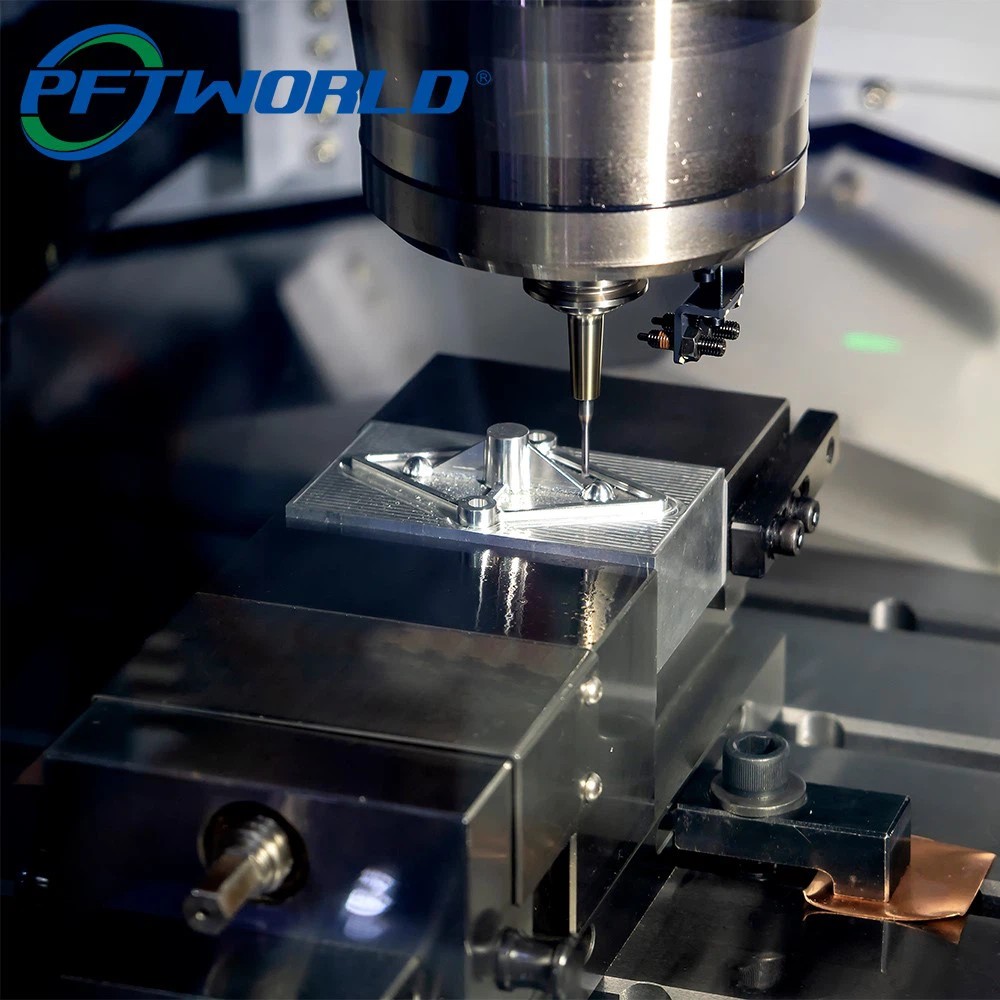
High-speed 3-axis, 4-axis, and 5-axis vertical/horizontal milling centers configured for complex prismatic sensor housings and internal structural cavities.
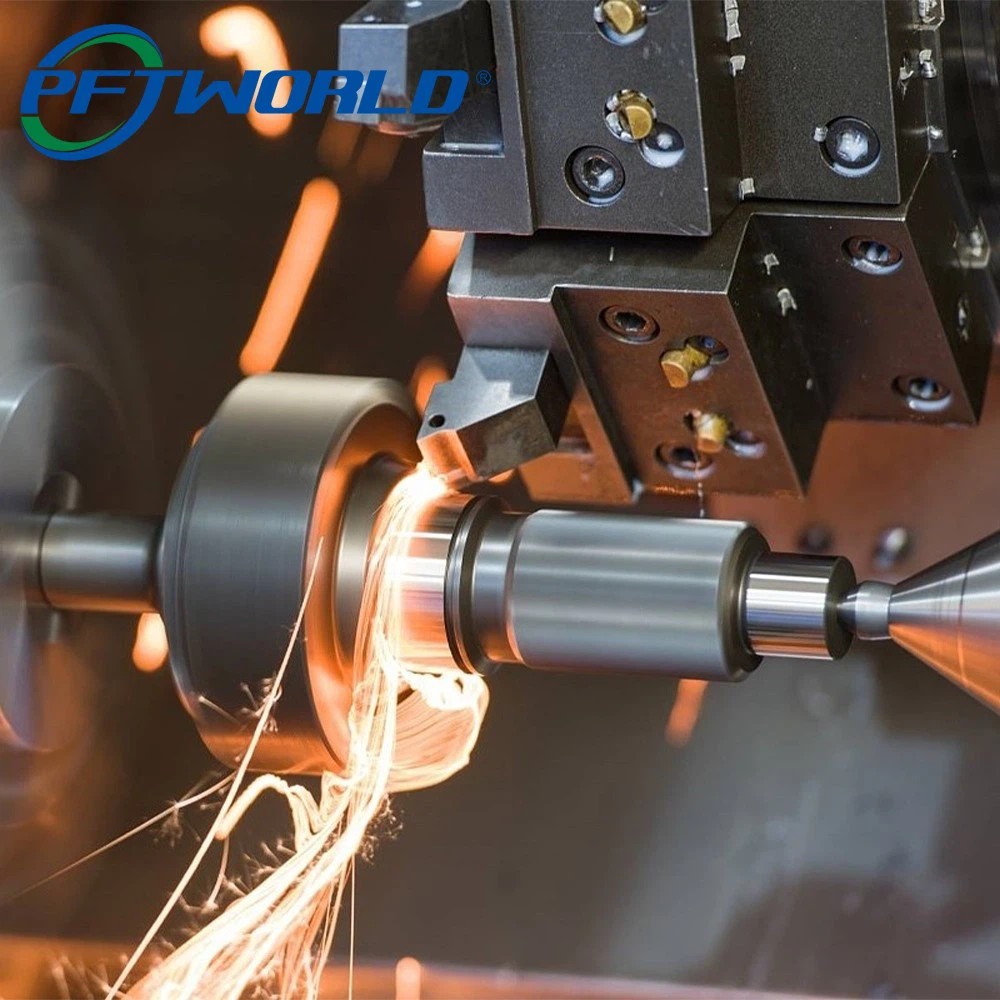
Ultra-precise rotational machining for cylindrical sensor envelopes, outer shells, and base-plates with sub-micron surface finish achievements.
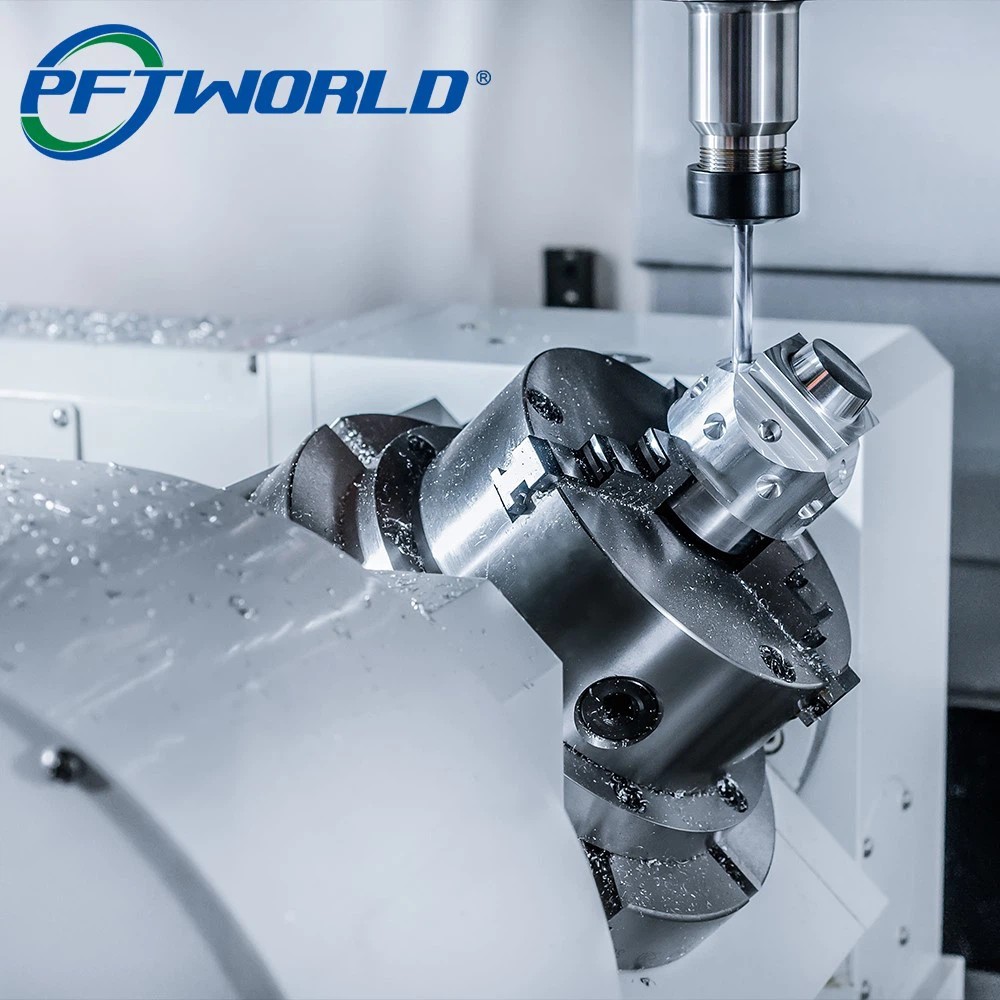
Hybrid mill-turn systems for single-setup processing of complicated sensor structures, eliminating alignment errors from multiple setups.
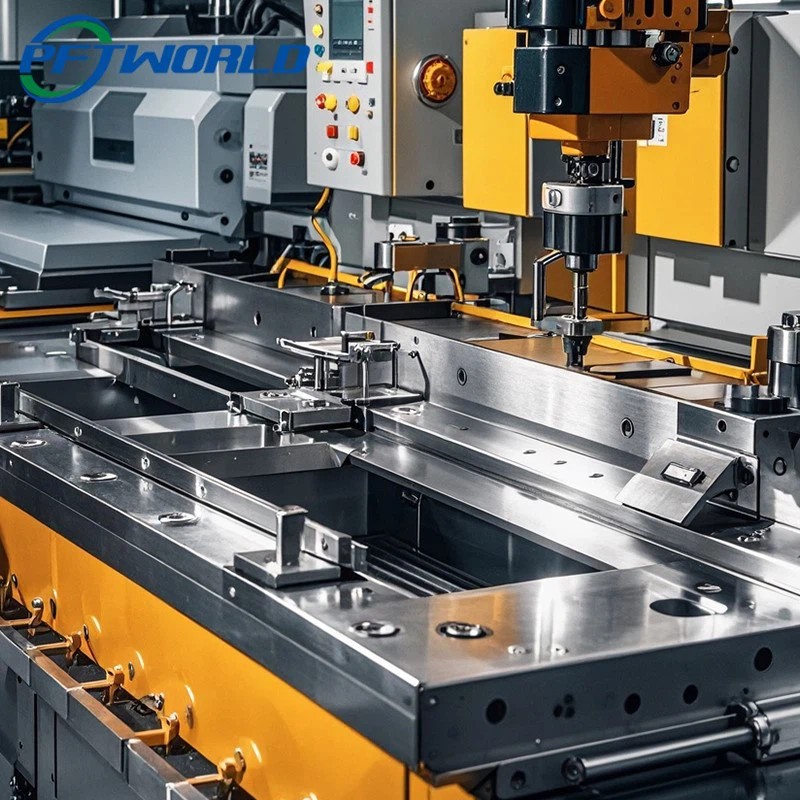
Precision forming, laser cutting, and bending for auxiliary sensor mounting plates, protective brackets, and electrical shielding junction boxes.
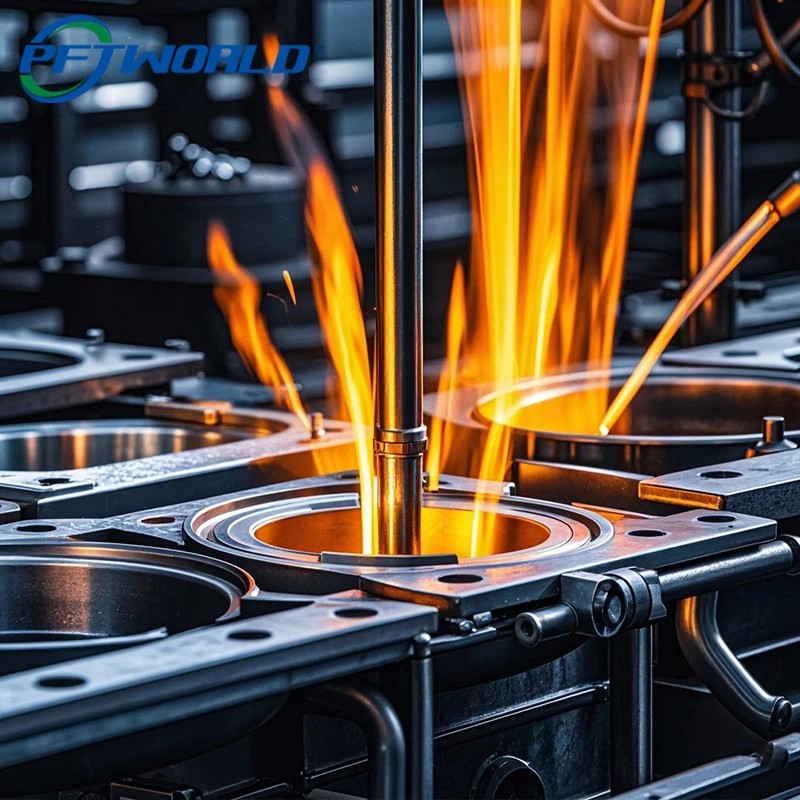
Investment and die casting routes optimized for high-volume structural mounts and housings, followed by precision CNC finishing.
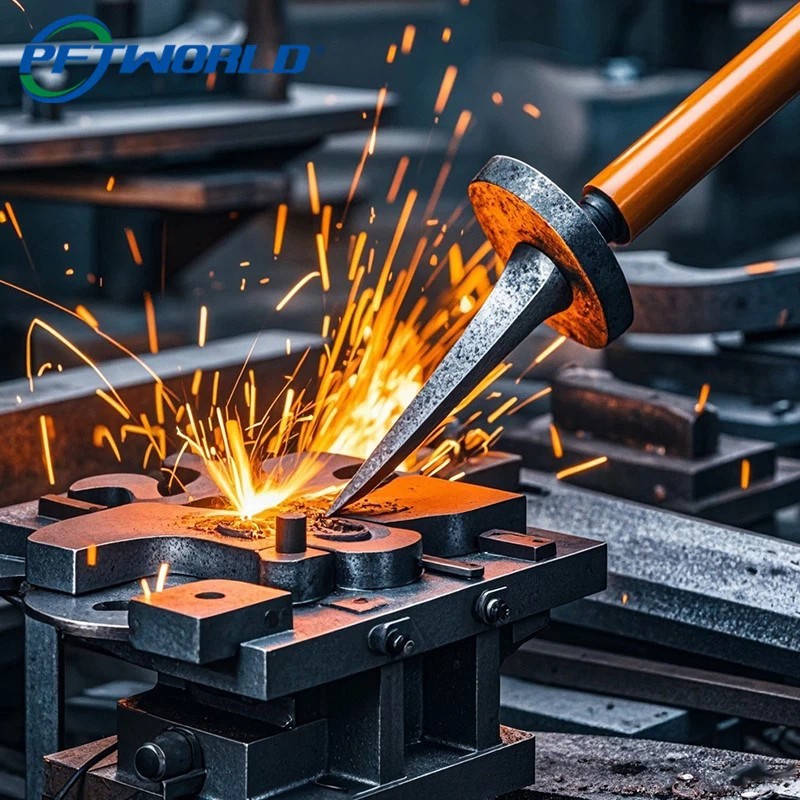
Hot and cold forging processes to enhance the mechanical properties and density of structural metal parts subject to high fatigue loading.
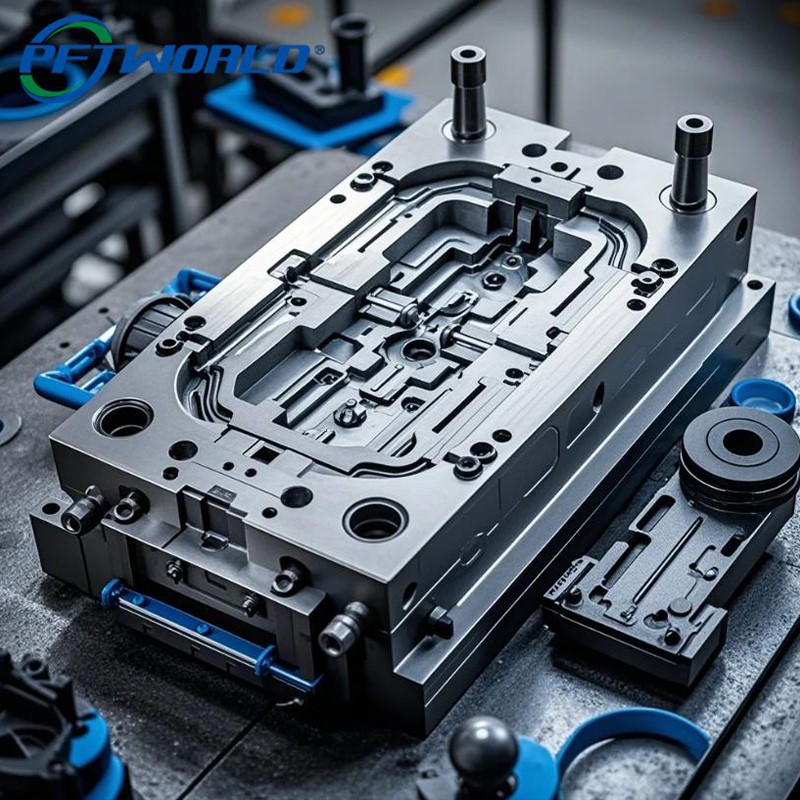
Design and development of custom plastic injection molds and die casting dies, matching complex interior sensor geometries.
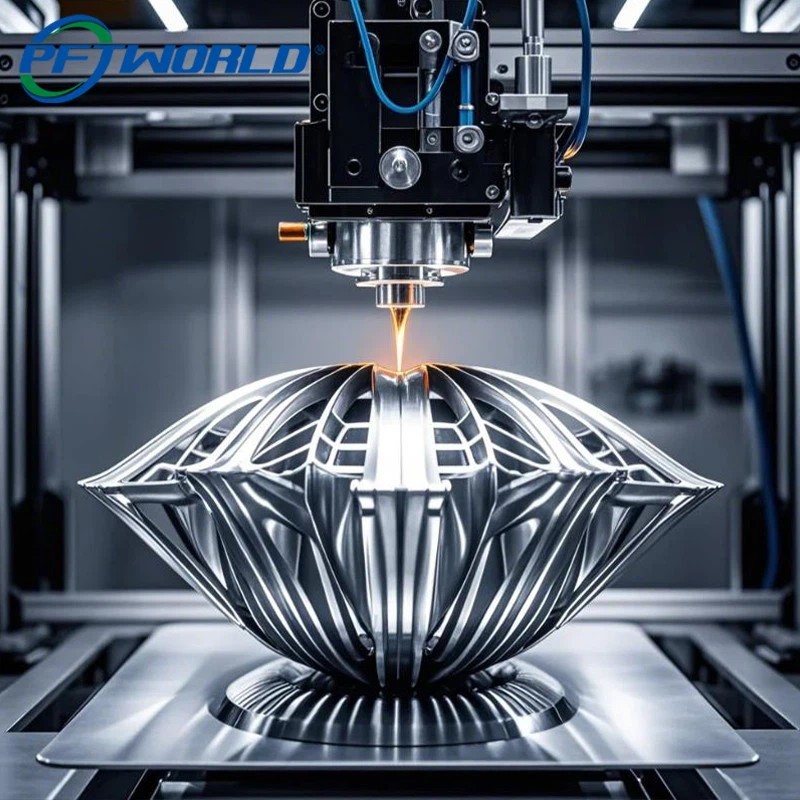
Rapid additive prototyping utilizing selective laser sintering (SLS) and metal powder printing to test complex geometries prior to mass production.
Precision-machined piezoelectric sensors operate across severe environments. Our manufacturing services support customized mechanical interfaces matching unique regional industrial operations:
For piezoelectric housings, selecting the right material involves balancing physical strength, density, thermal expansion coefficients, and acoustic impedance. Our engineering division consults with clients to select the optimal material profile:
As the sensor market shifts toward smart, wireless, and energy-harvesting designs, PFT's roadmap focuses on supporting integration technologies. Future sensor designs integrate micro-energy harvesting modules directly with the piezoelectric element, eliminating battery replacements. This shift requires even tighter machining tolerances to accommodate complex internal double-cavity housings that isolate the sensitive sensing element from raw excitation currents.
In response, PFT is expanding its multi-axis milling configurations to include hybrid laser-CNC machines. This technology allows us to machine composite structures and conduct fine-tolerance post-machining on thin-walled enclosures, enabling the production of miniature, low-profile sensors with wall thicknesses under 0.15mm.
Our zero-defect methodology incorporates real-time calibration, multi-axis dimensional verification, and high-performance instrumentation.
Calibrated monthly to ensure high repeatability and consistent performance across production runs.
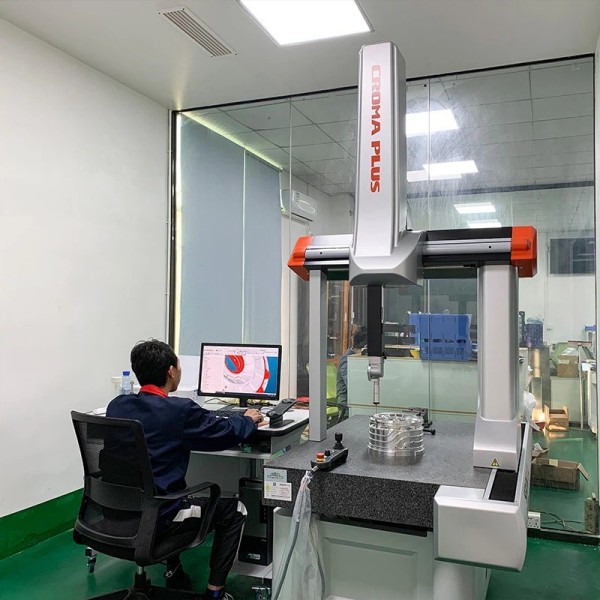
Validates multi-axis spatial geometries to tolerances within 2 microns, ensuring consistent production runs.
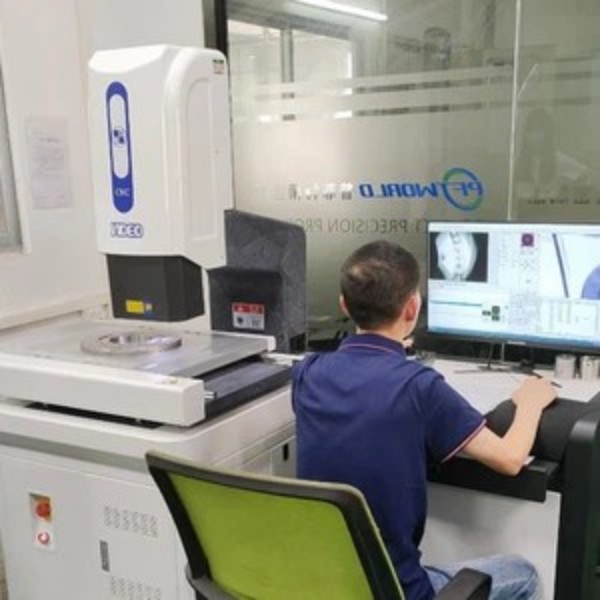
Enables non-contact measurement of micro-machined parts and small threads to verify profiles without deformation.

Integrated ERP tracking system maps raw materials directly to physical parts for complete traceablity.
Our operations comply with global quality standards, ensuring our components are qualified for aerospace, medical, and automotive applications.
 ISO9001:2015
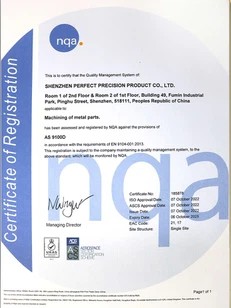 AS9100D
 IATF16949:2016
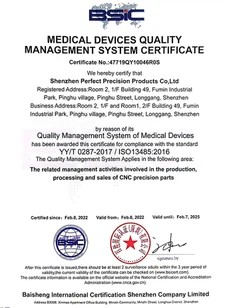 ISO13485:2016
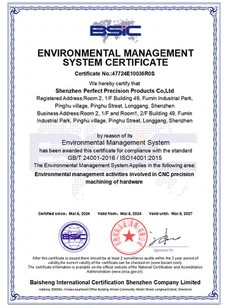 ISO14001:2015
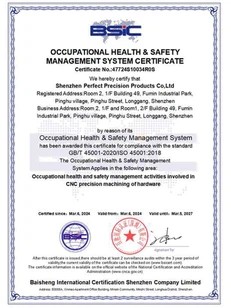 ISO45001:2018
Transparent process documentation and satisfied reviews from industrial engineering divisions worldwide.
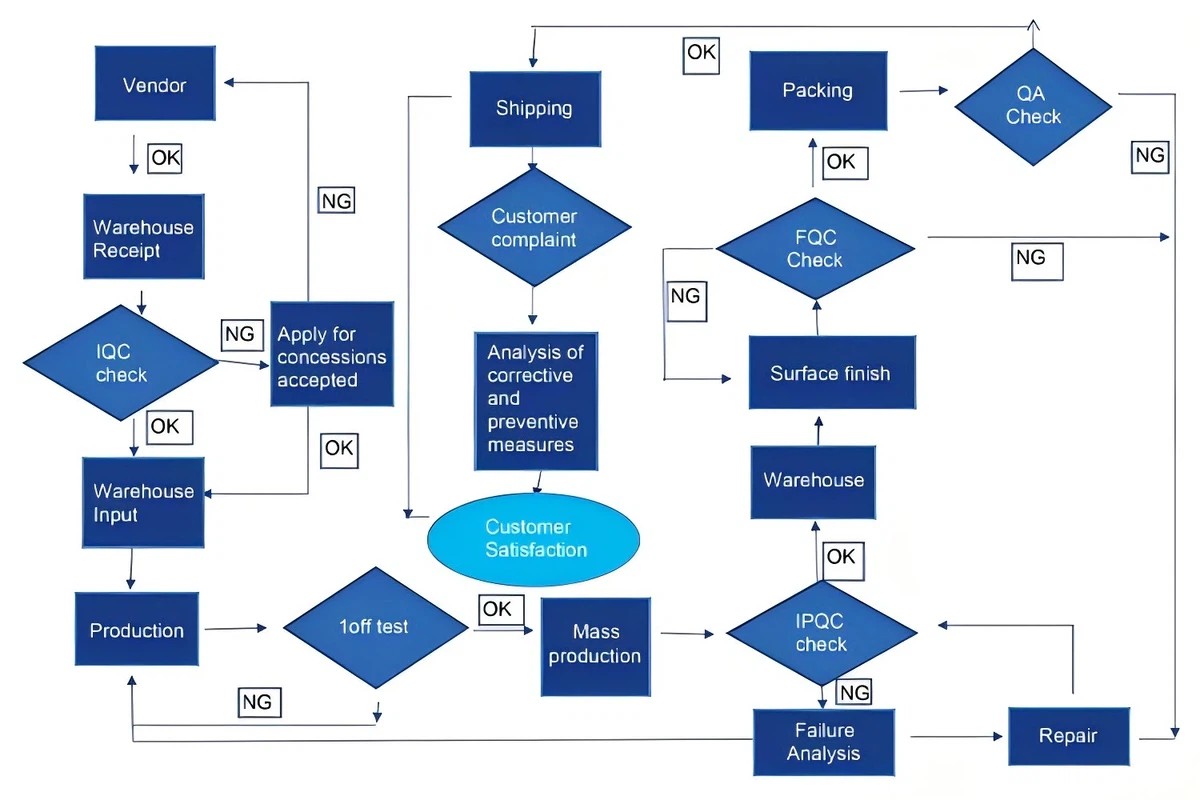
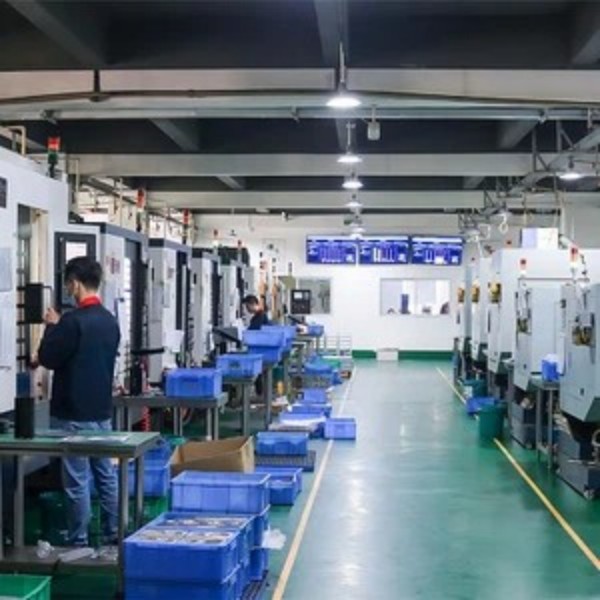
Real-time monitoring on our production floors provides clients visibility into order status and manufacturing parameters.
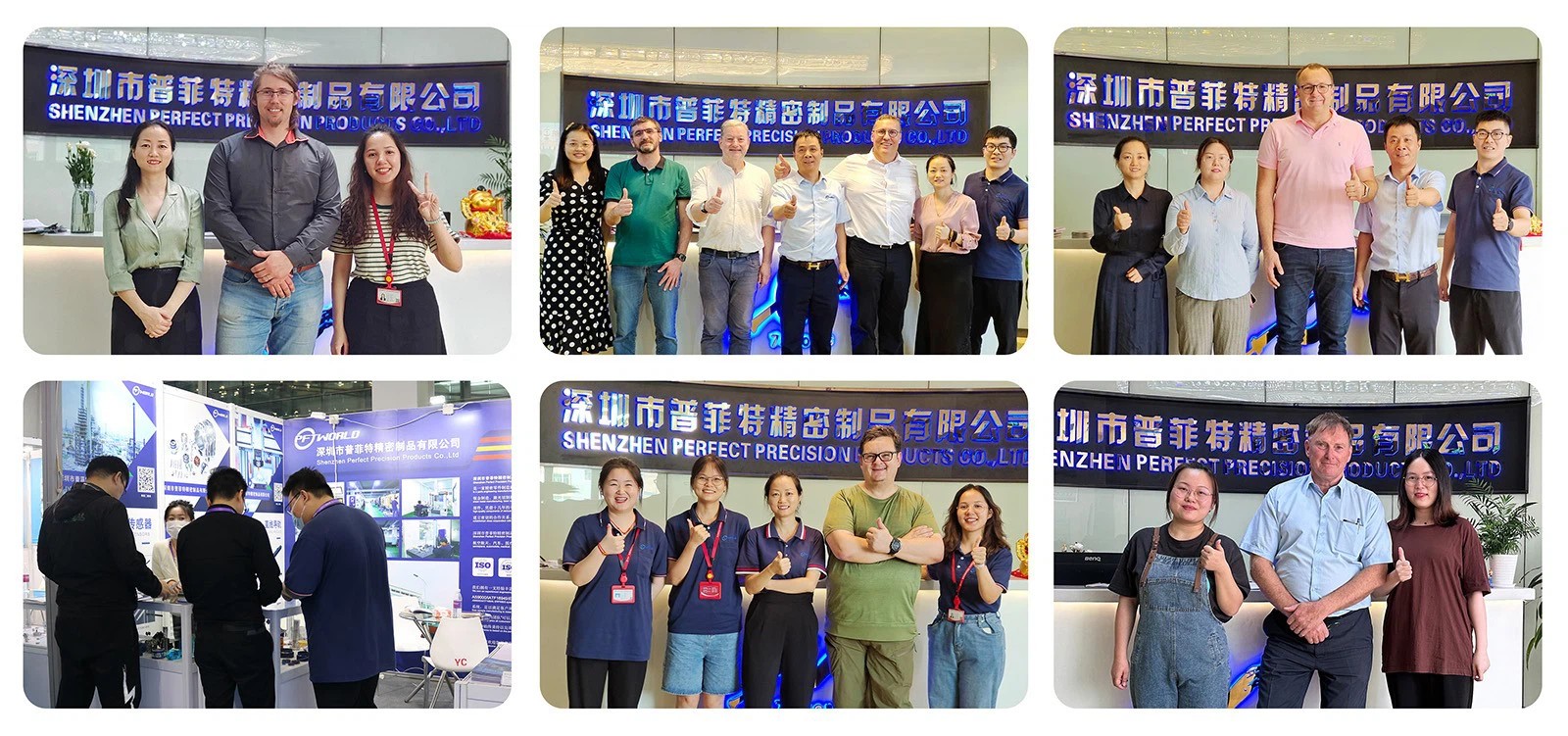
Over 6,000 global entities trust PFT for critical tolerances, acknowledging our performance and defect-free supply rate.
Answers to key technical questions about our manufacturing services and precision capabilities.
We are a dedicated manufacturing factory located in Shenzhen, China. Our facilities cover over 6,000 square meters with over 20 years of experience. Our operations are supported by high-precision quality inspection equipment, an integrated ERP tracking system, and more than 100 industrial CNC machines.
Please submit your detailed engineering drawings (in PDF, STEP, IGS, or DWG formats) including the required tolerances, materials, expected quantity, and any secondary operations (such as plating, thermal hardening, or anodizing).
Yes, we accept clear physical samples, hand sketches with precise dimensions, or detailed component photo files. Our engineering division can generate 3D CAD geometries based on your physical parts.
Yes. We offer rapid prototype machining runs (typically 1 to 3 days delivery). The tooling fees paid for prototyping can be credited back to your account during large-scale manufacturing runs.
Standard prototype runs take 1 to 2 weeks. Production batches are typically completed within 3 to 4 weeks depending on geometry and material requirements.
Our multi-stage quality control system includes: (1) Material Ingress Inspection to verify chemistry and dimensions. (2) First-Article Inspection at production launch. (3) Statistical process control (SPC) during run cycles. (4) 100% pre-shipment inspections conducted by our QC department.
If you encounter any issues within one month of receiving your components, please contact us with photos or measurements. Our customer support team will investigate and provide corrective action or replacement parts within one week.
We routinely achieve machining tolerances of +/- 0.01mm. For critical dimensions, such as transducer faces or bearing mount seats, we can achieve tolerances down to +/-0.002mm with surface roughness down to Ra 0.1.
Connect with our technical representatives for quick responses and project evaluations.
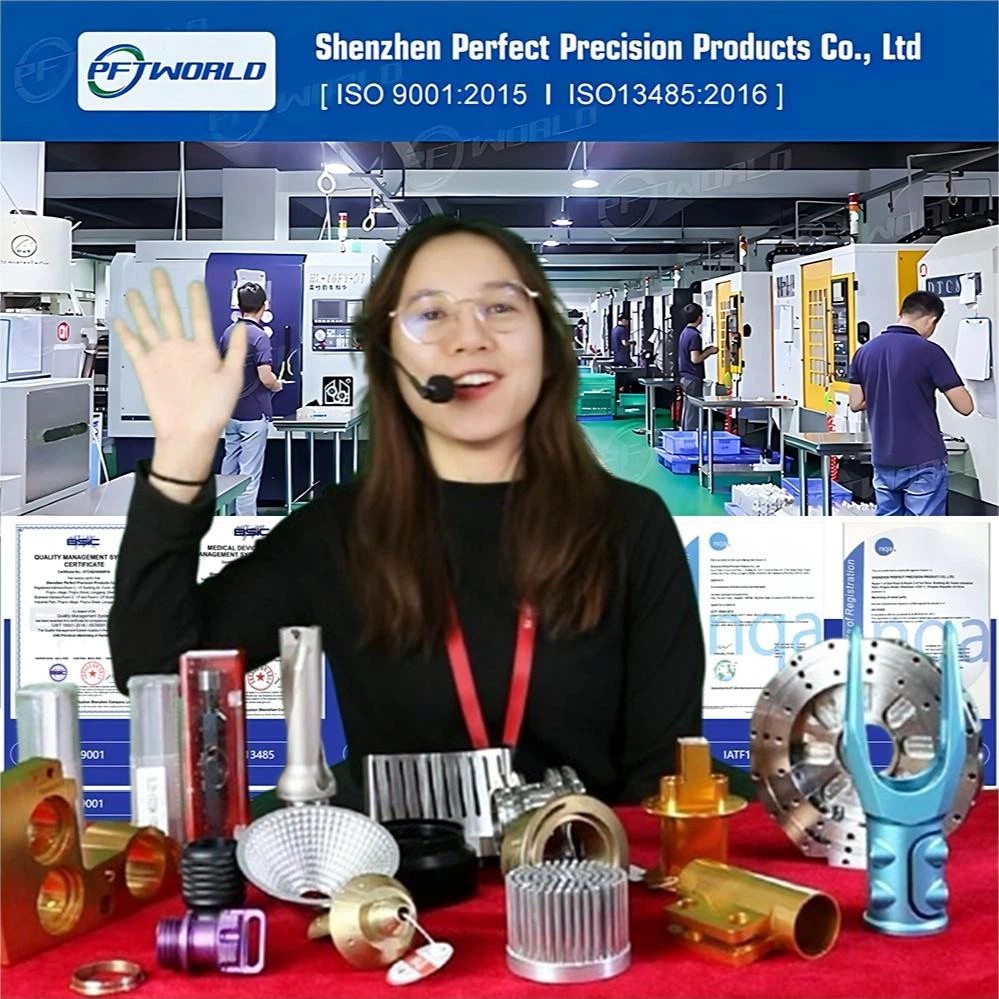
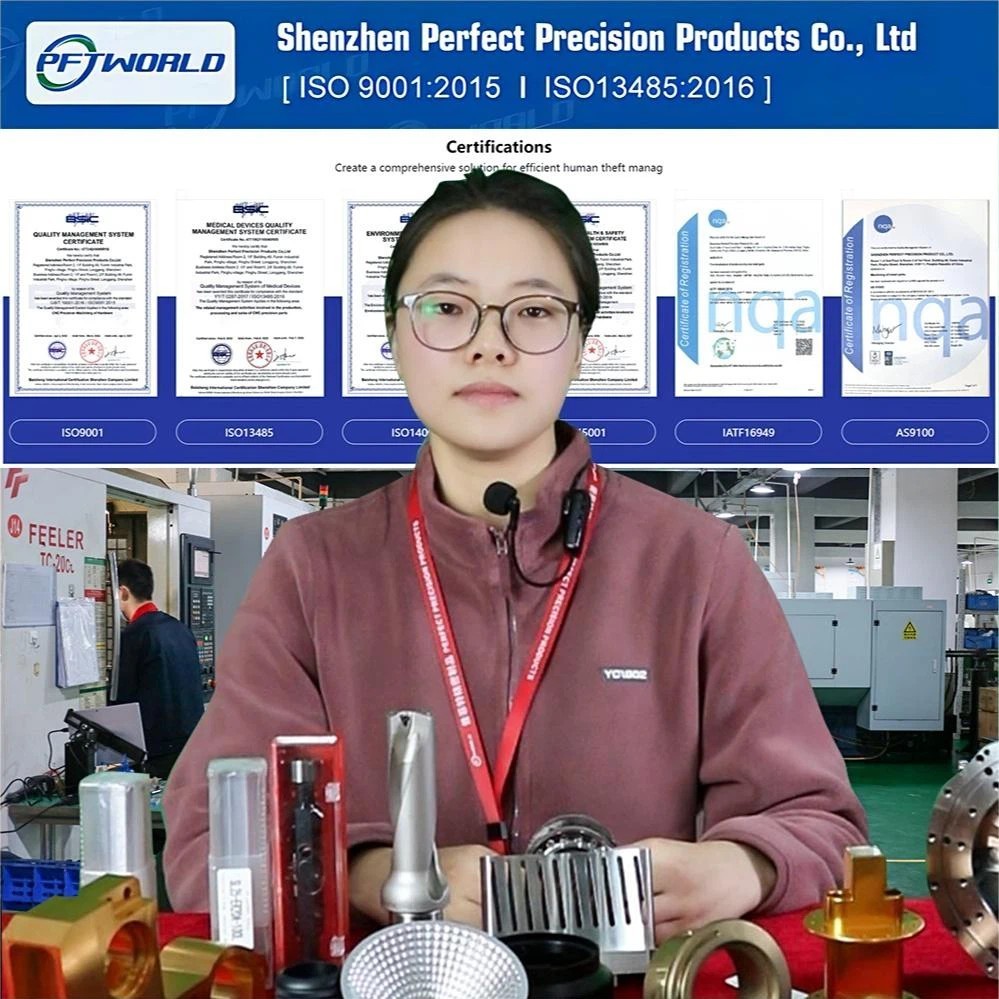


Partner with Shenzhen Perfect Precision Products Co., Ltd for your next high-tolerance CNC machining project.
Send Inquiry NowAdditional precision parts and assemblies engineered for industrial, medical, and automotive applications.