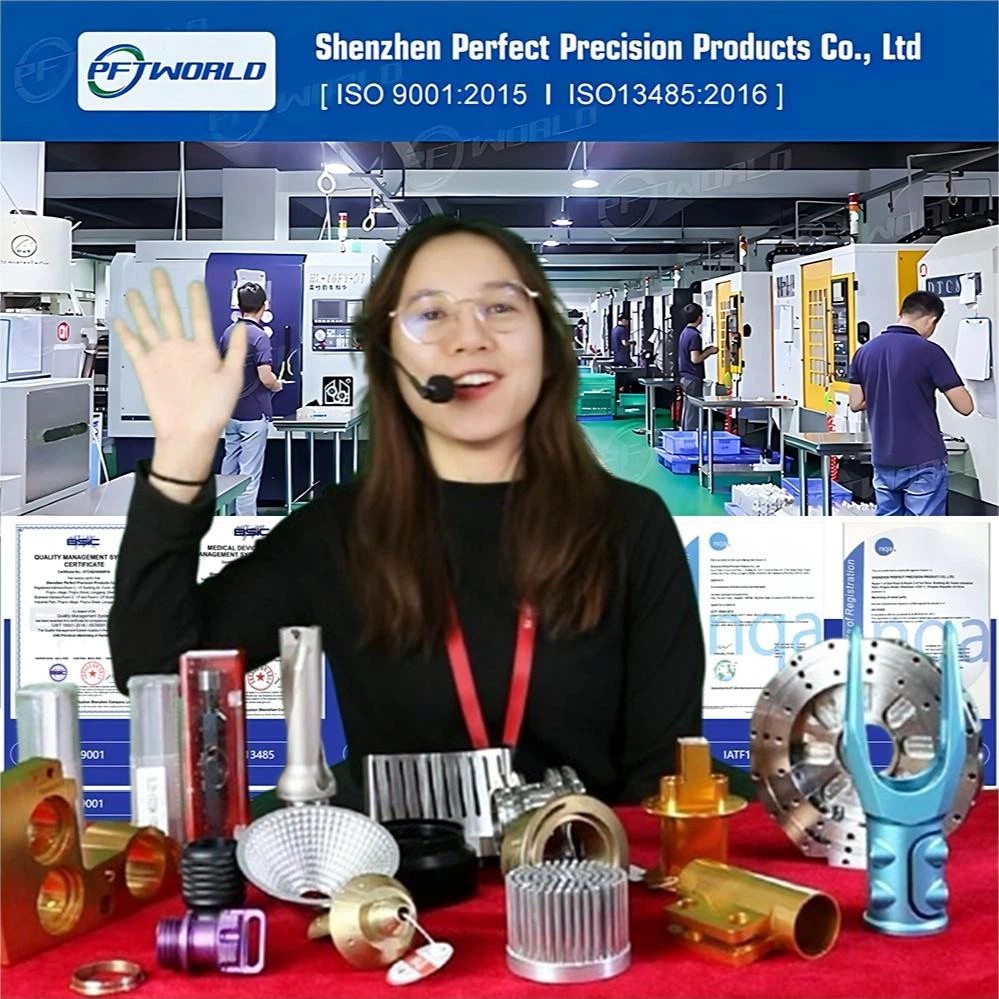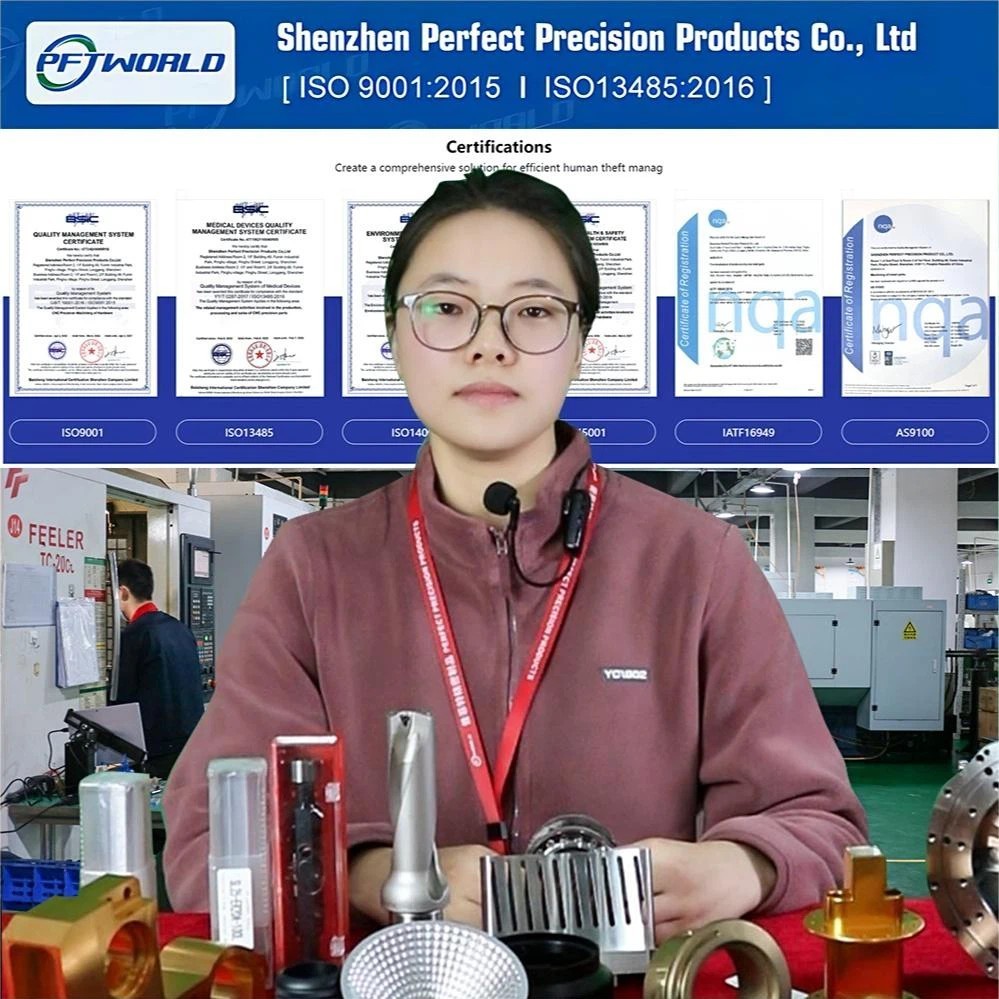
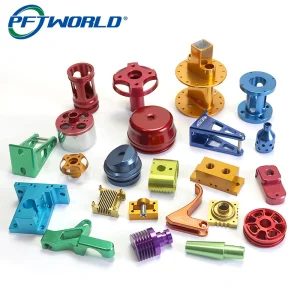
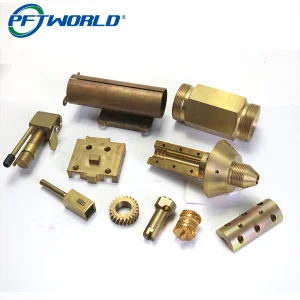
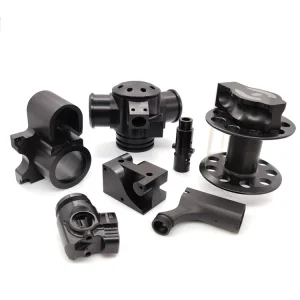
Explore our key manufacturing portfolio, ranging from custom multi-axis CNC components to IP67/IP69K certified measurement and speed detection solutions.
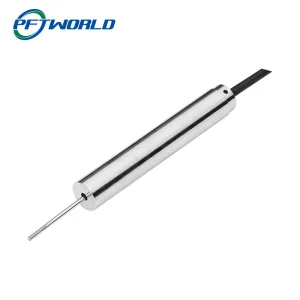
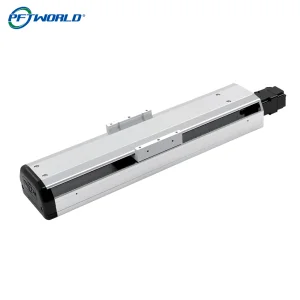
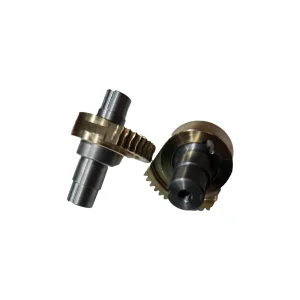
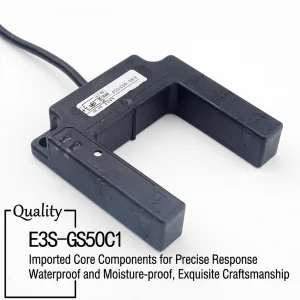
In modern automotive architecture, the Wheel Speed Sensor (WSS) is no longer just a passive component serving anti-lock braking systems (ABS). Today, WSS serves as the foundational data node for Advanced Driver Assistance Systems (ADAS), Electronic Stability Programs (ESP), regenerative braking dynamics in electric vehicles (EVs), and automated park assist modules. As vehicles transition from internal combustion engines (ICE) to software-defined autonomous EVs, the requirements for data accuracy, microsecond transmission latencies, and mechanical resilience have risen exponentially.
Global Tier-1 system integrators and automotive OEMs demand sensors that operate seamlessly under extreme temperature cycles (-40°C to 150°C), continuous high-frequency vibrations, and caustic exposure to road debris, salt, and water. Securing the best wheel speed sensor suppliers who understand both the electro-magnetic physics of signal generation and the structural engineering of precision enclosures is essential to mitigate recalls and warranty liabilities.
Modern active sensors utilize Hall-effect or anisotropic magnetoresistive (AMR) principles to read magnetic poles with zero-speed detection capabilities, requiring zero-interference magnetic housings.
With tolerances down to +/- 0.002mm, the physical integration of sensors into the wheel hub assembly demands absolute geometric alignment and dimensional stability.
WSS components are subjected to chemical road treatments and thermal shocks, demanding anti-corrosive stainless steel (e.g., 316L) or high-performance PEEK/PPS-GF40 overmolded structures.
Evaluating the two primary technical paradigms of wheel speed detection to match global application environments.
| Specification Parameter | Active Wheel Speed Sensors (Hall/AMR/GMR) | Passive Wheel Speed Sensors (Inductive Coil) |
|---|---|---|
| Signal Output Type | Digital Square Wave (Constant Amplitude output) | Analog Sine Wave (Voltage varies by speed) |
| Zero Speed Detection | Yes (Capable of detecting absolute stationary state) | No (Requires minimum threshold speed to output signal) |
| Excitation Ring Interface | Magnetic Encoder Rings (Multi-pole alternating) | Ferromagnetic Toothed Wheels (Gear-like structures) |
| Sensitivity to Air Gap | Highly resilient to fluctuating air-gap clearances | High vulnerability (Strict mechanical gap required) |
| CNC Housing Complexity | Needs integrated chip retention cavities, precise shielding | Standard round metallic casing with magnetic core mounts |
Your High-Precision Strategic Supply Chain Partner in China
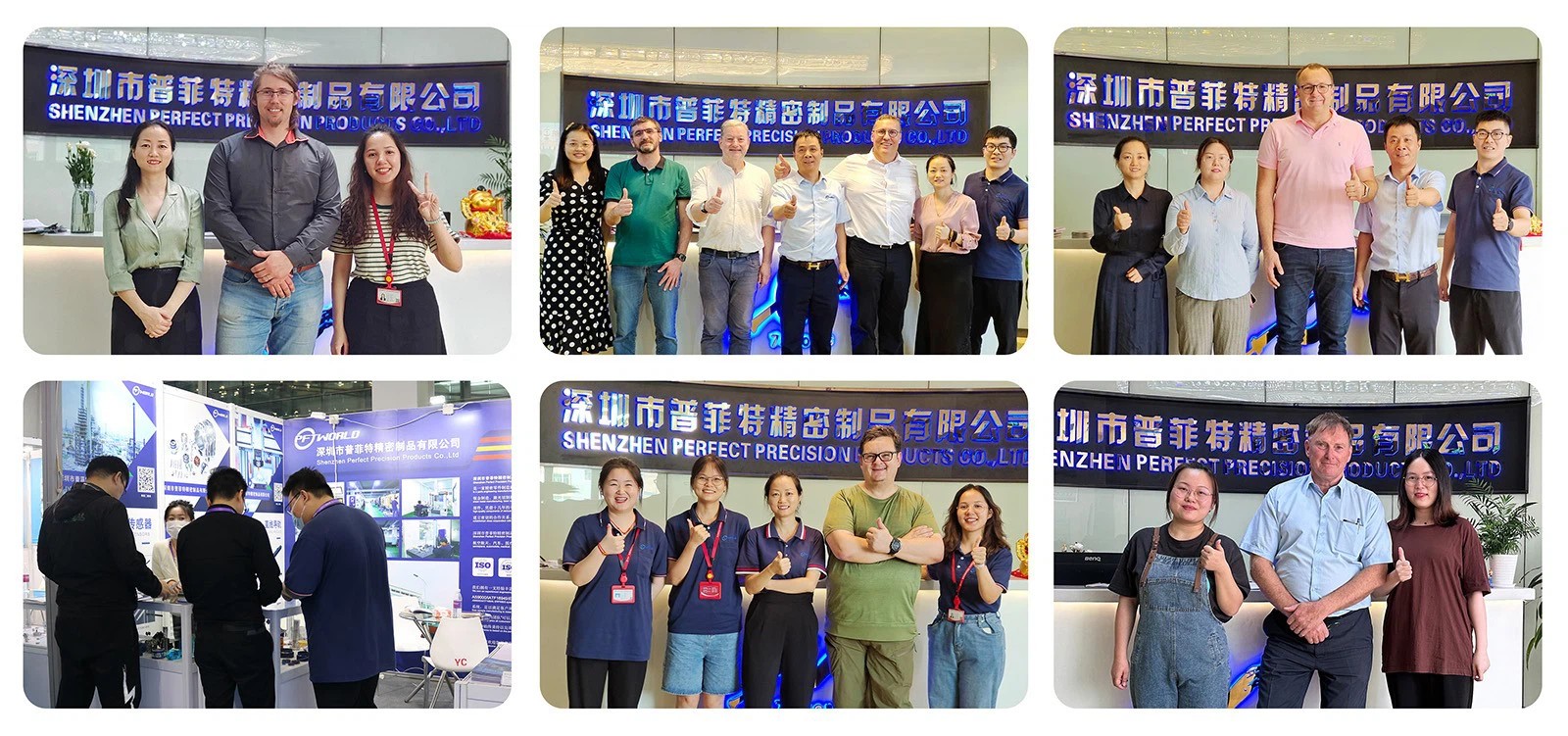
Established in 2014, Shenzhen Perfect Precision Products has evolved from a dedicated foreign trade team into a certified global industry powerhouse. Having achieved the prestigious ISO9001 Quality System Certification, and subsequently expanding to a state-of-the-art 10,000 square meter digital factory, our facility is engineered to support the zero-defect standards of the automotive and medical sectors.
With an active operational workforce, our fully integrated digital plant utilizes enterprise-level ERP resource scheduling to maximize supply efficiency. Our core engineering team guarantees sub-micron precision for challenging metal and polymer designs, supporting high-tech projects across Europe, North America, and the Asia-Pacific region.
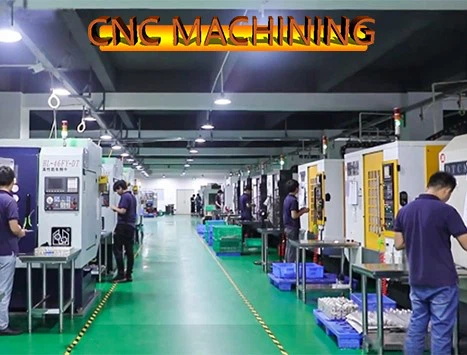
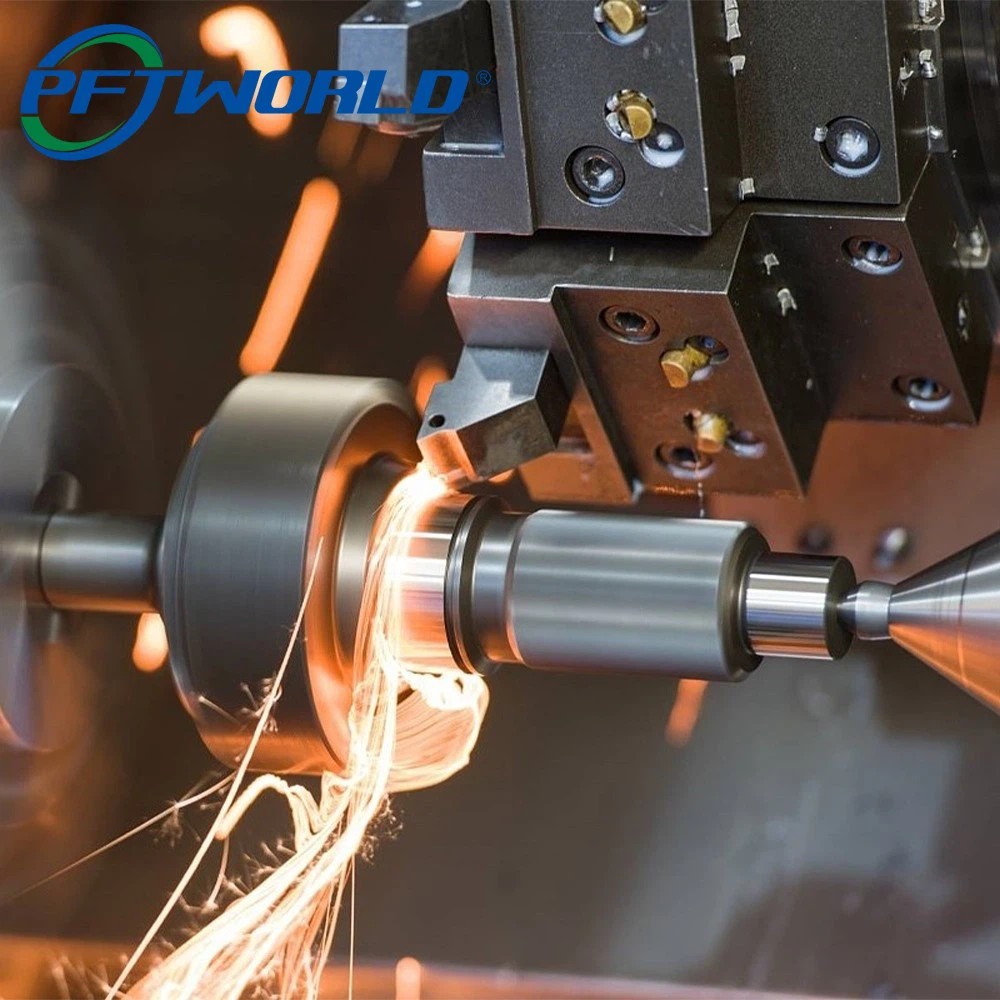
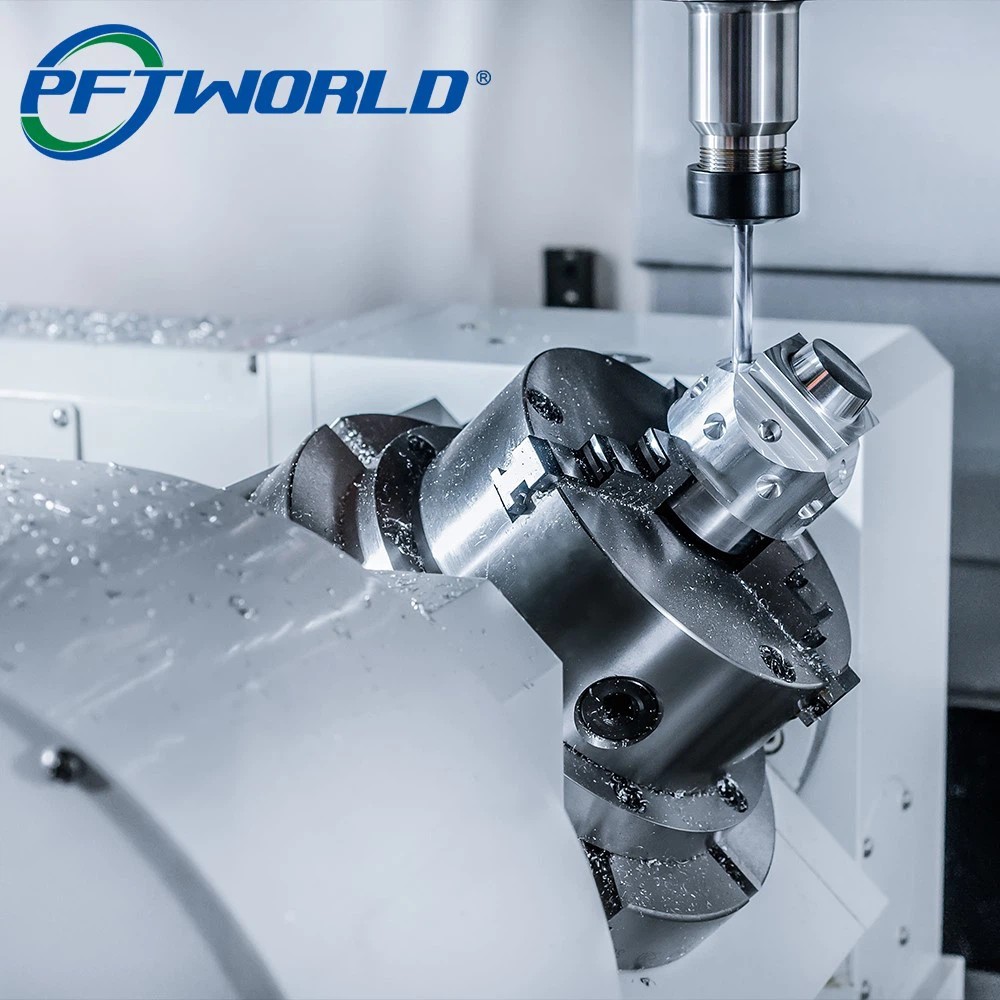
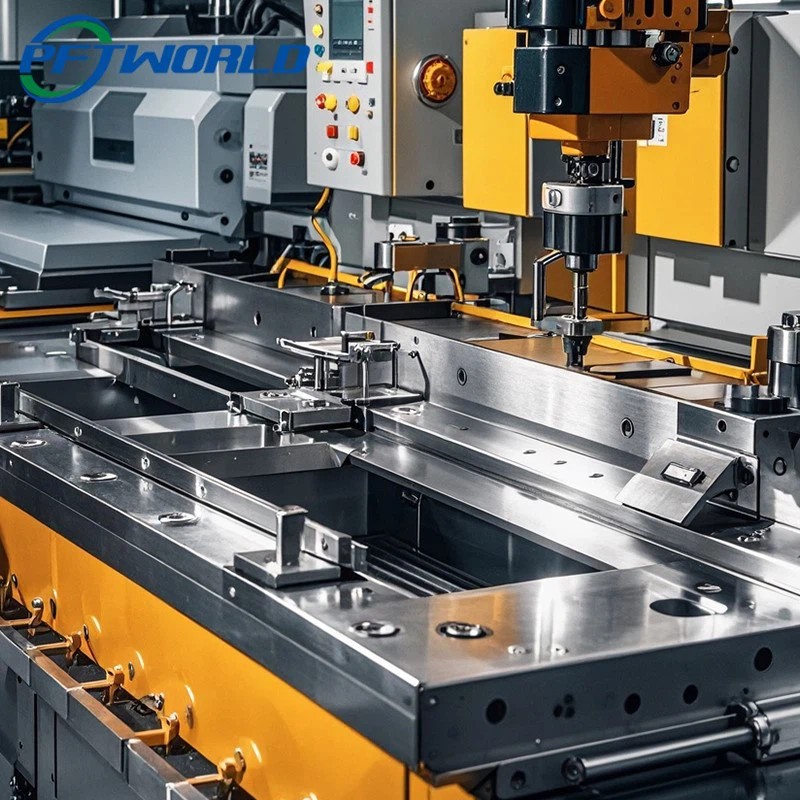
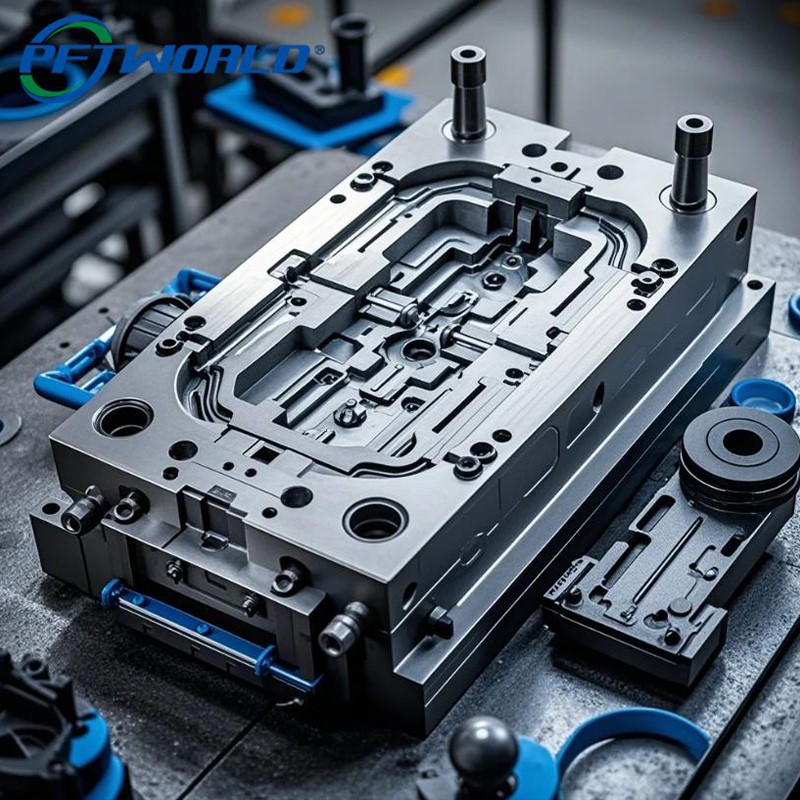
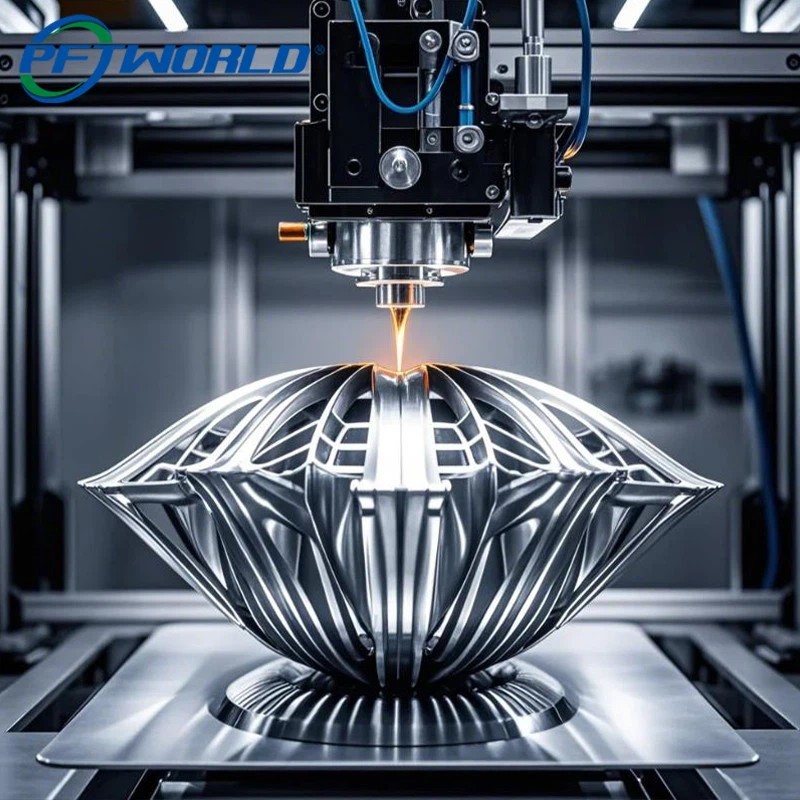
From prototype verification to heavy industrial production volumes, our machine shop houses multi-axis milling, turning, casting, and advanced mold-making solutions.
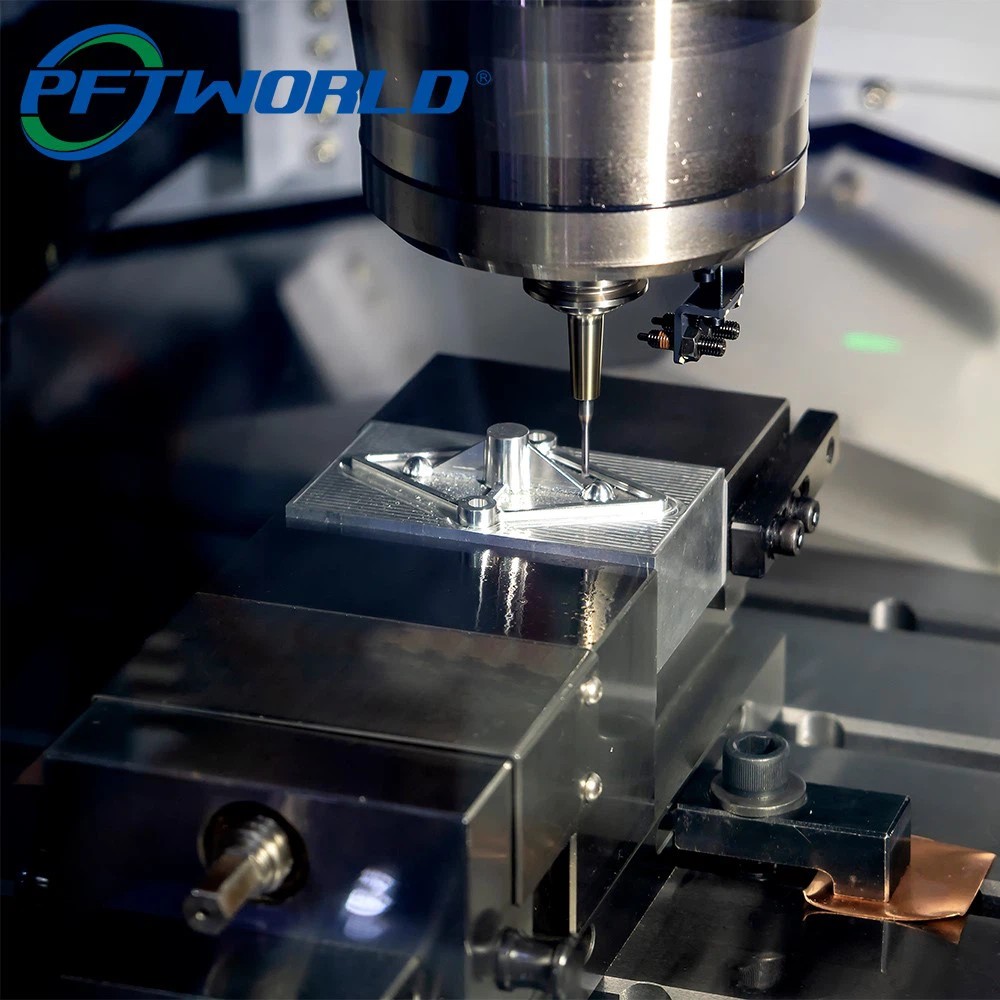

Procuring wheel speed sensors for automotive, military transport, or industrial heavy vehicles requires verification of raw materials and protective coatings. When sourcing sensor components, engineers focus on three core variables: galvanic isolation, magnetic permeability, and long-term environmental sealing. An standard inductive or Hall sensor housing must withstand micro-cracking from stones and thermal expansion mismatches between the inner electronics and the outer metal jacket.
Housings machined from customized non-magnetic stainless steel alloys ensure that external stray magnetic fields do not distort the pulse train signal going to the engine control unit (ECU). We achieve precise dimensional internal cavities so target magnets fit with absolute zero-drift retention.
To survive deep water, ice slush, and continuous salt spray, the sensor housing assembly must support IP69K liquid ingress ratings. Our turning centers produce precision thread profiles and O-ring grooves that ensure airtight hermetic seals when assembled with plastic overmolding.
Unsprung mass on wheel hubs experiences continuous mechanical shock up to 50G. Machined housings must lack stress concentrations. Perfect Precision's 5-axis CNC machining removes micro-burrs and sharp internal corners, preventing stress cracks over millions of load cycles.
Depending on the operating market, speed sensor specifications vary considerably. For instance, in European and North American winter climates, wheel speed sensors must show absolute resistance to chemical salts used on icy roads. In mining zones (such as Australia and South America), heavy dust and abrasive silica particles dictate the addition of structural metal guards over the sensors. Meanwhile, in high-density urban electric vehicle applications, preventing electromagnetic interference (EMI) from high-voltage batteries is the primary design focus.
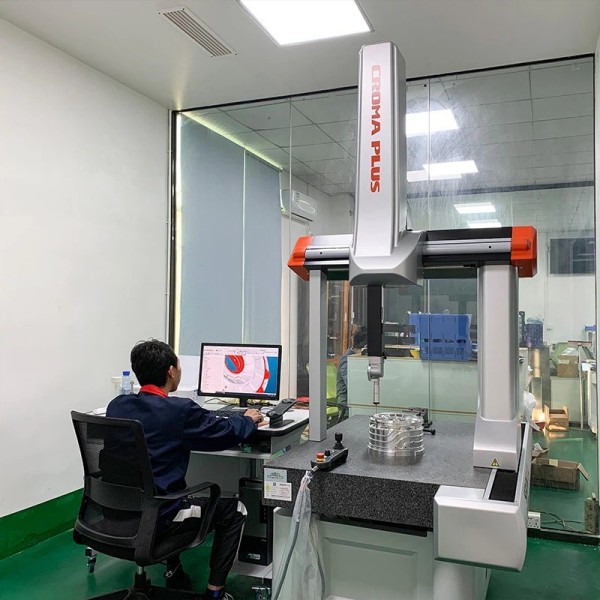
We believe that high-precision manufacturing is validated through inspection. Shenzhen Perfect Precision Products utilizes a closed-loop quality control workflow, integrating modern CMM instruments, 2-D optical measuring projectors, and material spectrometry tools to verify that every raw material block matches customer drawings before toolpath generation starts.
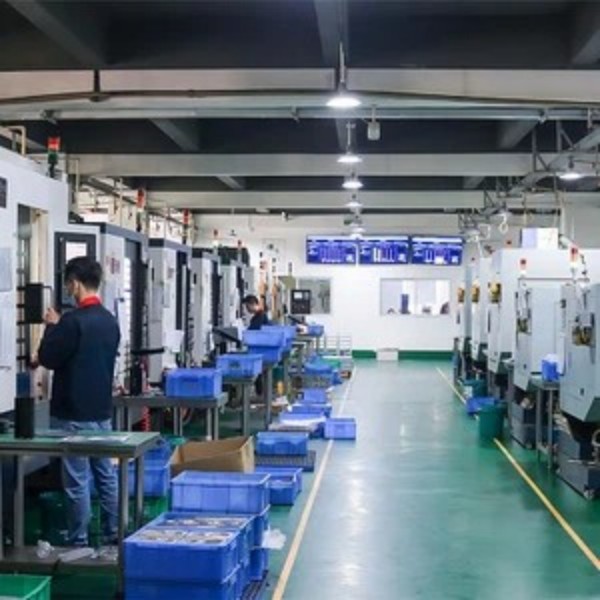
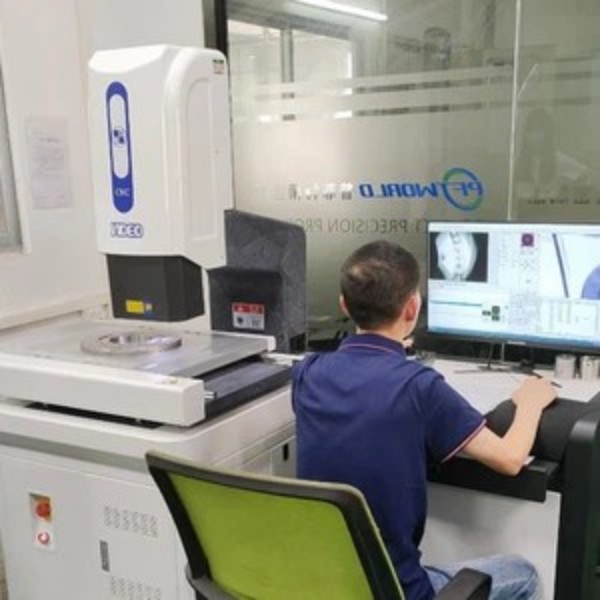

Our production floor leverages digital plant connectivity. Each CNC station is linked via a centralized manufacturing execution system (MES), displaying tooling life cycles, machine run times, and scrap rates in real time. For global automotive procurement managers, this digital framework delivers unmatched supply line transparency. You receive automatic production logs and visual verification steps, ensuring that complex orders remain on schedule.
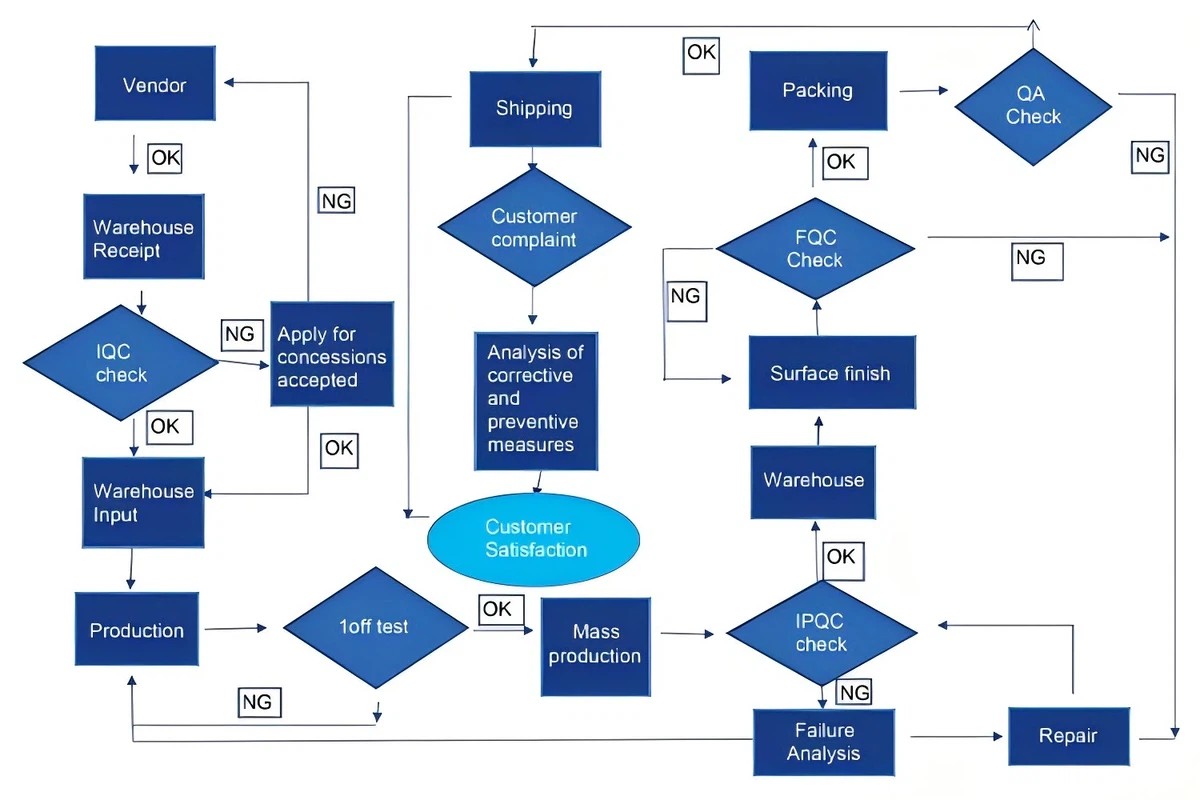
Our manufacturing systems are audited and certified to meet the demanding requirements of automotive, medical, and aerospace markets.

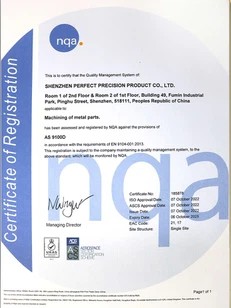



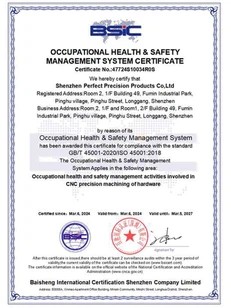
Our parts run in over 6,000 customer assembly lines globally. We guarantee manufacturing transparency through video verification and detailed measurement documentation before shipment.

Take a Virtual Tour
See our digital CNC floor and Metrology department in real-time operations.
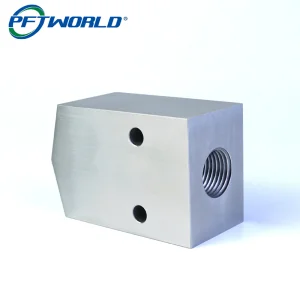
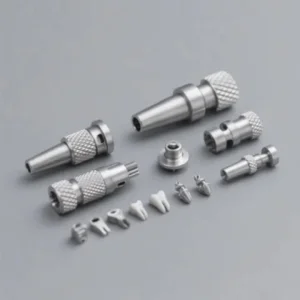
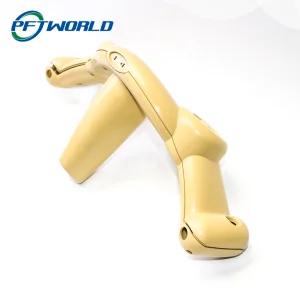
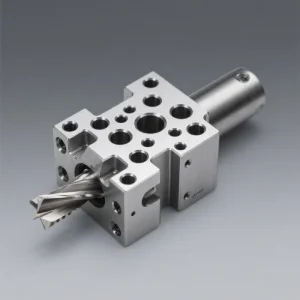
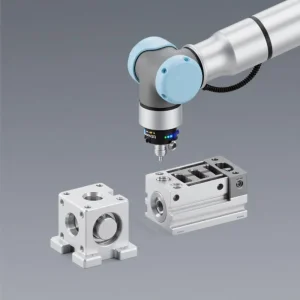
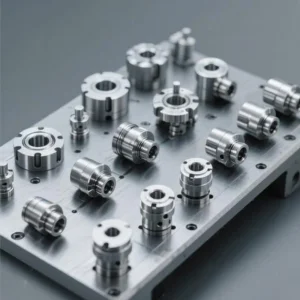
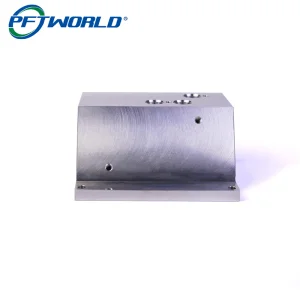
Additional components manufactured in our CNC centers for medical, robotics, and heavy industry applications.
Contact our key technical consultants for design-for-manufacturability feedback, quotation updates, or material analysis reports.
Get in touch with our team of multi-axis machining experts today to discuss your wheel speed sensor components, precision tolerances, and structural design configurations.
Send Inquiry Now