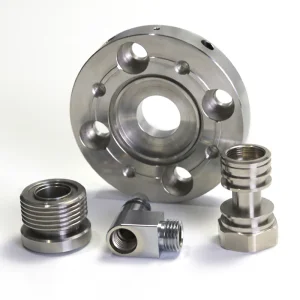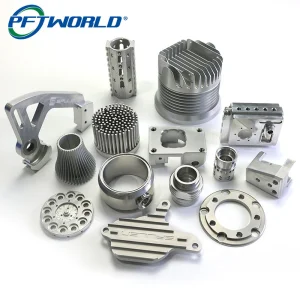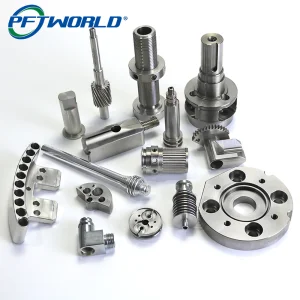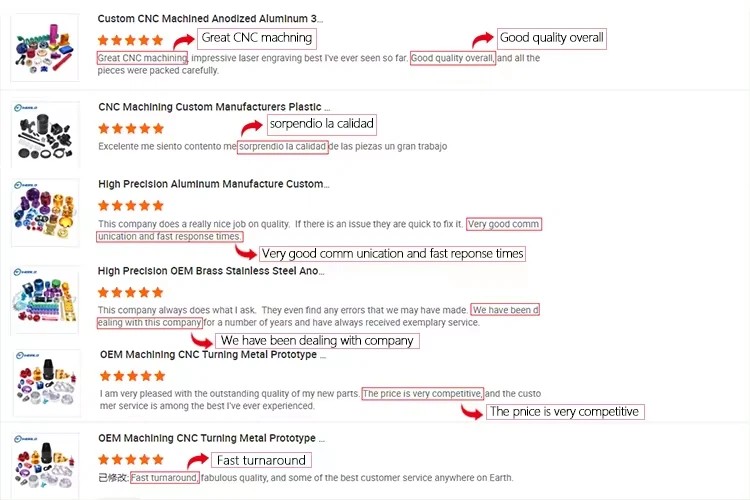
Explore our state-of-the-art precision instruments, assemblies, and high-tolerance customized parts engineered for global exporters.
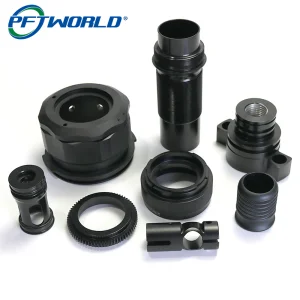
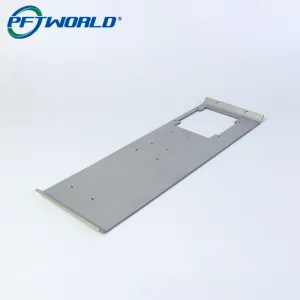

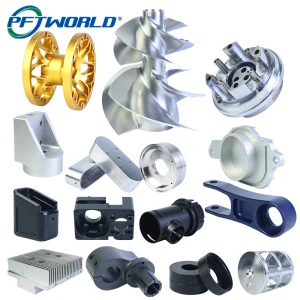
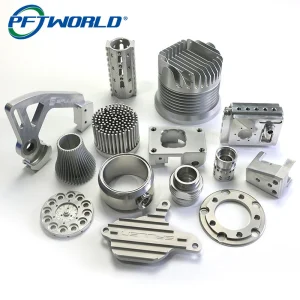
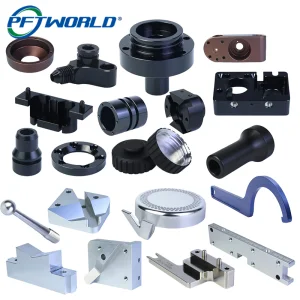
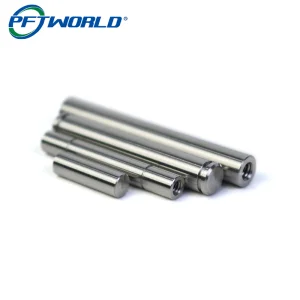
In modern industrial manufacturing, brass turned parts serve as vital components across countless high-precision sectors, including aerospace, medical engineering, automotive electronics, and sanitary fluid systems. Brass, primarily an alloy of copper and zinc, is favored for its exceptional machinability, excellent thermal and electrical conductivity, high corrosion resistance, and sparks-resistant characteristics. The integration of high-speed CNC turning machines allows manufacturing to push tolerances to sub-micron levels, satisfying the ever-stringent specifications demanded by engineering designs.
From a metallurgical perspective, the grade of brass selected fundamentally influences the turning operation. Free-cutting brass, such as C36000 (standard alloy with lead inclusion), sets the benchmark for machinability (rated at 100%). Lead acts as an internal lubricant and a chip breaker, enabling high spindle speeds and minimizing tool wear. However, modern environmental and health standards, such as Europe's RoHS, REACH directive, and California's Proposition 65, have driven the development of lead-free brass formulations. Silicon brasses (e.g., C69300 / Eco Brass) and bismuth brasses are replacing legacy materials, requiring tool geometries and CNC machining parameters to adapt. Cutting angles, chip flow management, and cooling lubricants must be optimized dynamically to manage the higher shear forces and thermal loads associated with lead-free variants.
Transitioning to lead-free brass turning requires an optimization of tool coatings (such as DLC or CVD diamond-like structures) and customized chip breakers to avoid "continuous wire chips" that can damage the turned components' surface finishes.
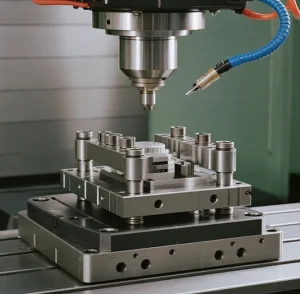
Precision turning process reliability depends on rigid tooling systems, advanced chip control, and vibration damping. High-frequency vibrations in the spindle or workpiece lead to micro-imperfections on the surface. To achieve the required surface roughness of Ra 0.1~3.2, programmers and CNC lathe technicians strategically compute feeds, speeds, and cut depths to minimize deflections. Multi-axis CNC mill-turn machines combine simultaneous rotating turning and milling actions, allowing complete multi-featured geometry fabrication within a single setup, eliminating positional errors caused by secondary handling.
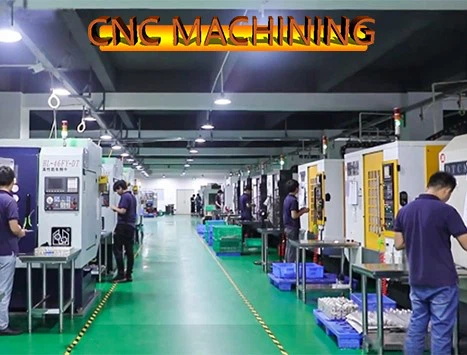
Purchasing agents and supply chain directors globally face the continuous challenge of balancing quality stability with cost-efficiency. Sourcing brass turning parts from leading Chinese manufacturers, particularly those situated in highly specialized industrial clusters like Shenzhen, offers unmatched competitive advantages. The reasons extend beyond raw labor cost-arbitrage into deep ecosystem strengths: advanced vertical supply chains, raw material accessibility, concentrated tooling expertise, and high automation density.
Firstly, the industrial supply chain in South China is highly integrated. Within a short radius, a manufacturer can access high-purity brass alloys (including specialty lead-free blocks), advanced heat treatment facilities, electroplating specialists (offering nickel, gold, silver, tin, and chrome plating, or passivation), and rapid custom tool makers. This proximity minimizes logistical bottlenecks, enabling rapid prototyping turnarounds of 1-3 days and bulk production cycles of 7-14 days. Sourcing from fragmented or remote geographic regions, by contrast, introduces shipping latencies at each processing stage.
Secondly, the digital transformation of Chinese manufacturing plants has elevated quality output to parity with European and North American counterparts. By combining premium Japanese and German CNC tooling centers (such as Tsugami, Citizen, or DMG Mori) with homegrown intelligent manufacturing execution software (MES), plants like Shenzhen Perfect Precision Products Co., Ltd achieve continuous 24/7 machining consistency. High volume raw material procurement contracts further shield international buyers from sudden copper and zinc commodity price spikes, maintaining price predictability throughout long-term supply agreements.
From additive modeling to multi-axis mechanical cutting, we deliver end-to-end component manufacturing.
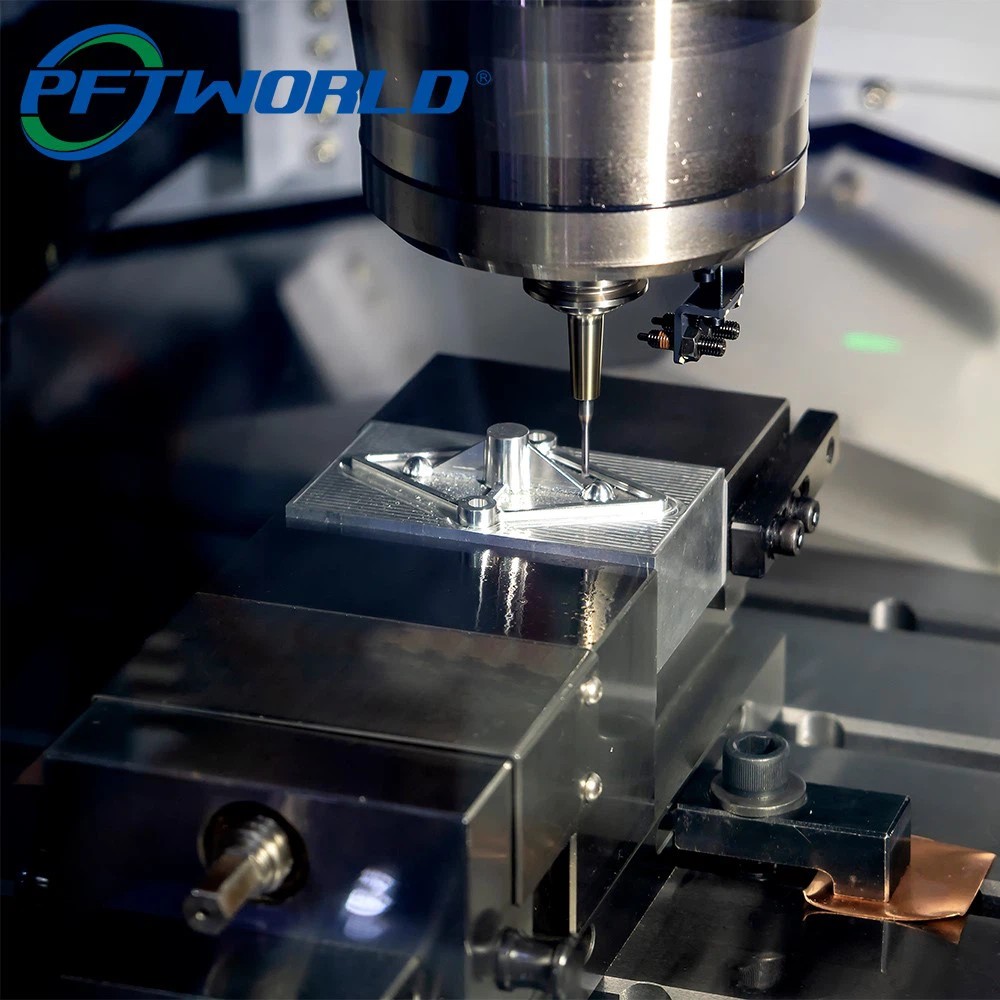
CNC Milling Machining
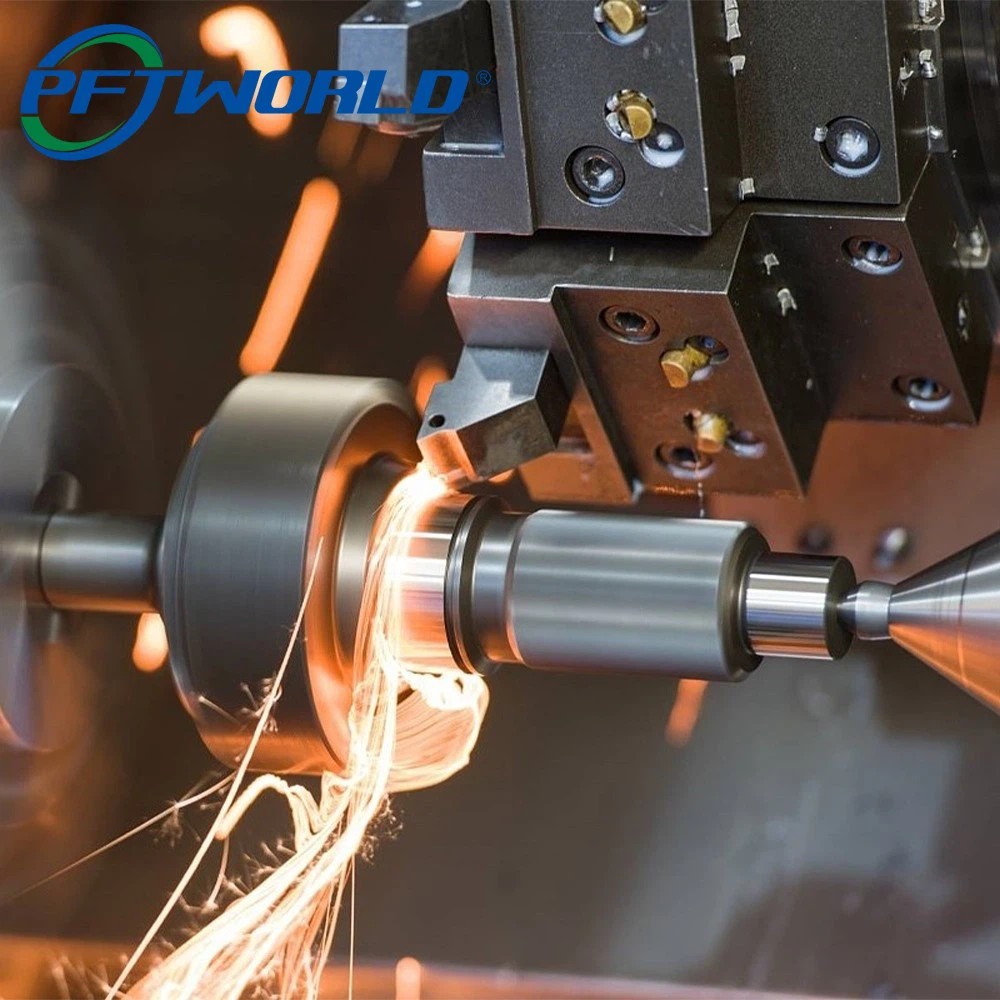
CNC Turning Machining
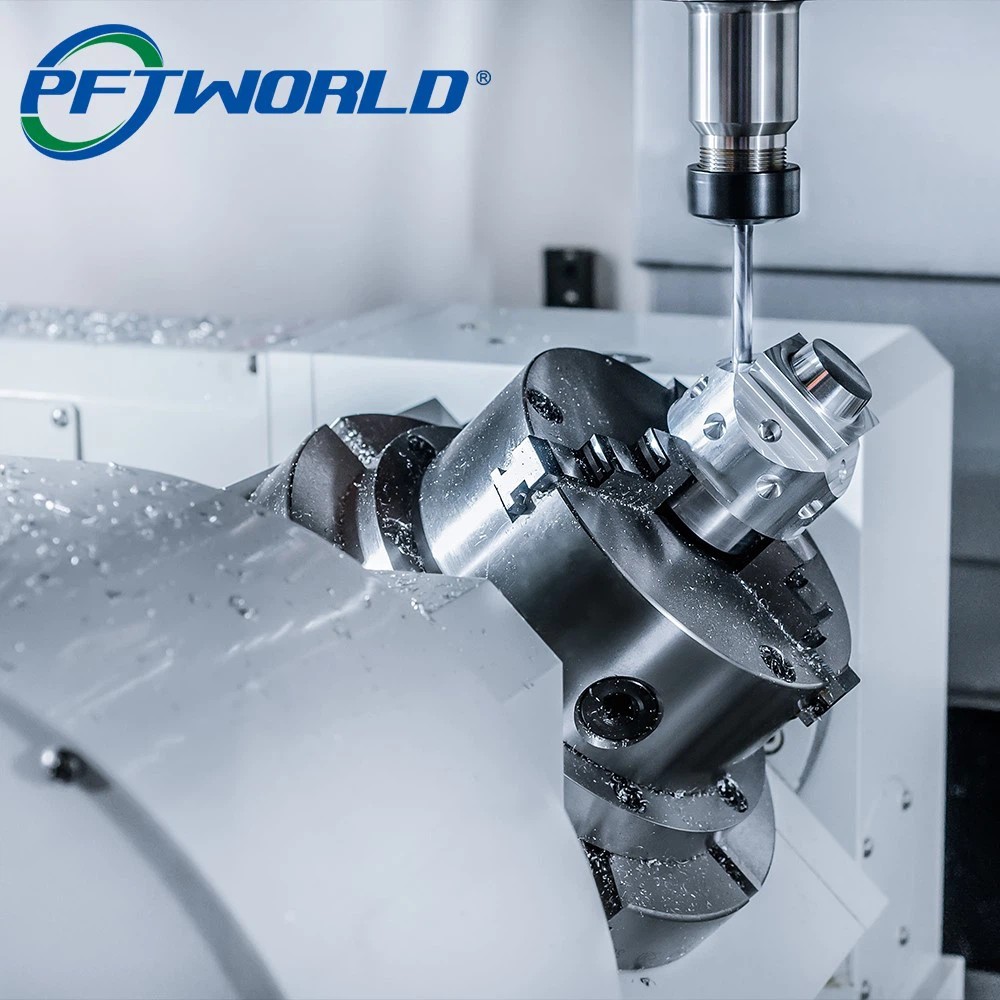
CNC Mill-Turn Machining
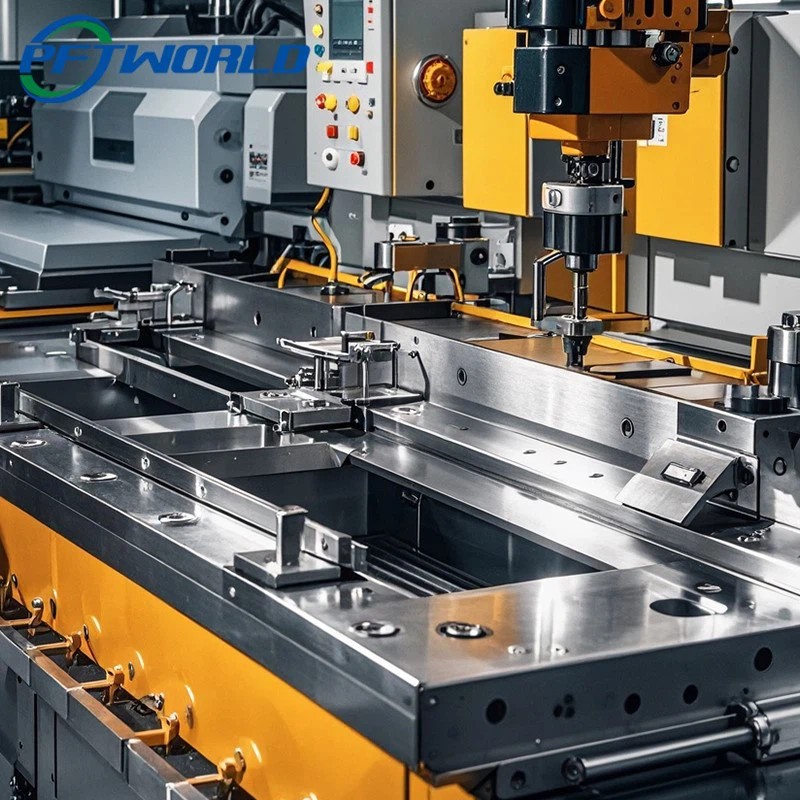
Sheet Metal Fabrication
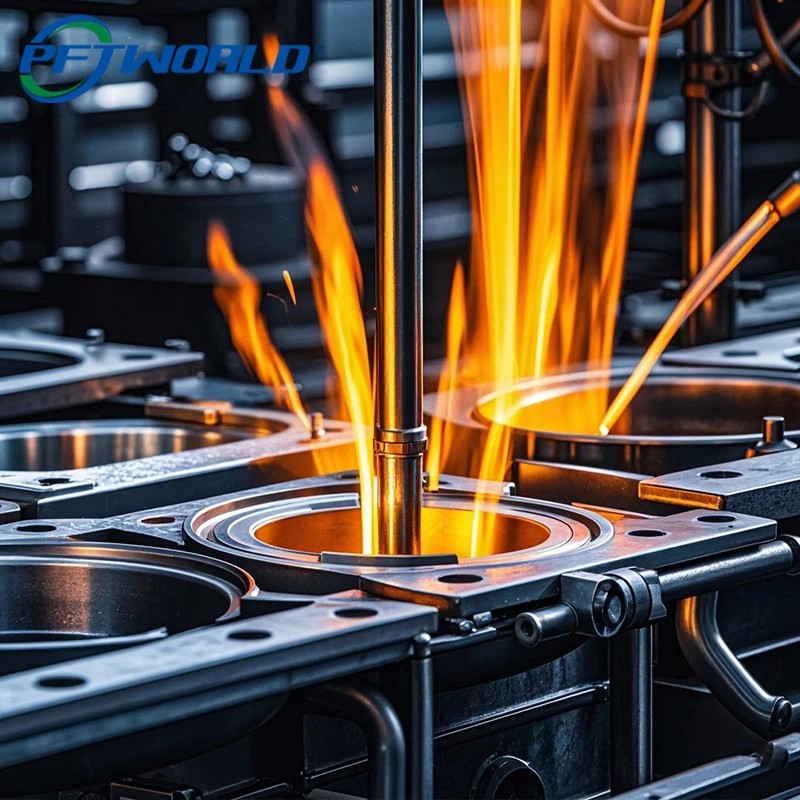
Casting
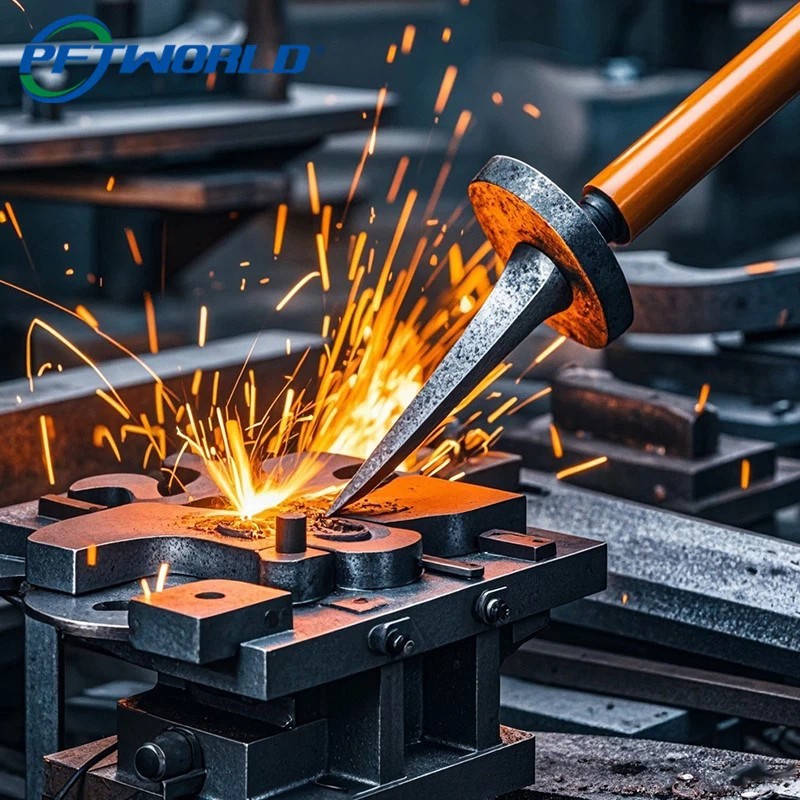
Forging
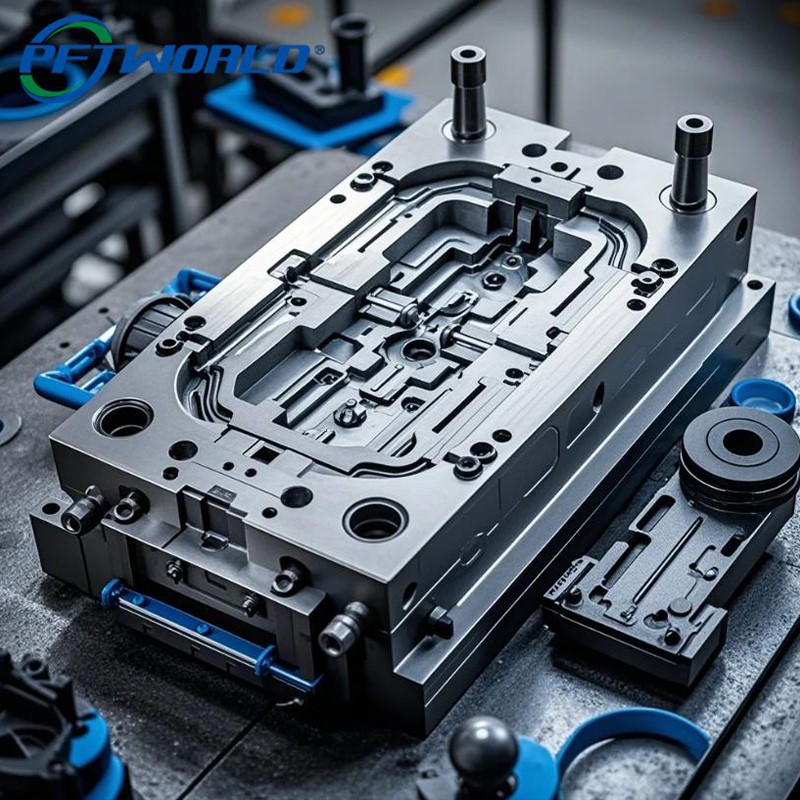
Moulds
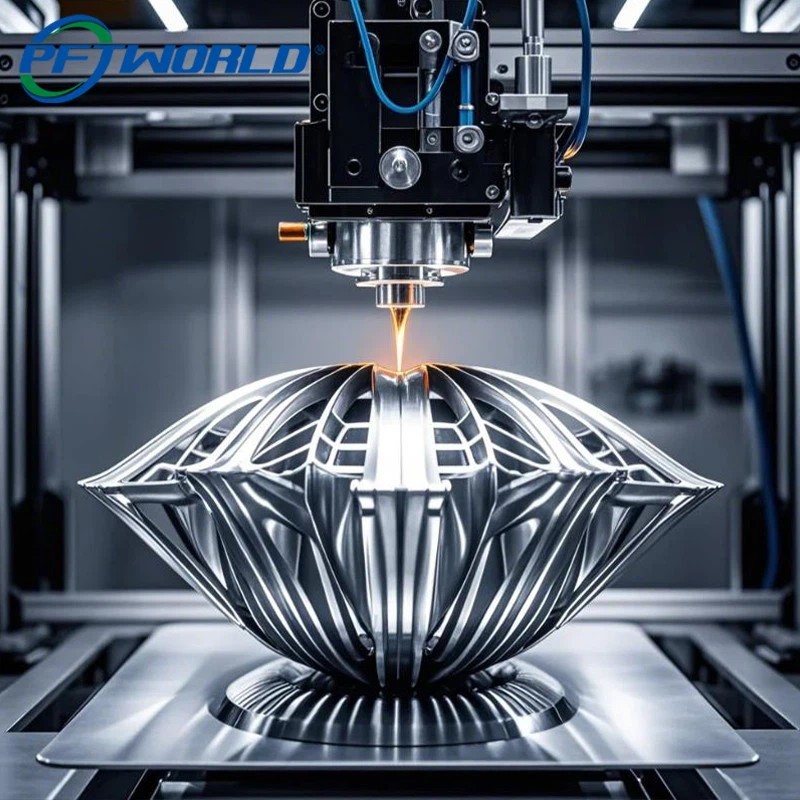
3D Printing
The applications for brass turned components span multiple demanding industries, each requiring specific design and performance criteria. Brass's unique mix of low friction, electrical conductivity, corrosion resistance, and non-magnetic behavior makes it indispensable for critical systems.
Sensors deployed in industrial automations (e.g., proximity sensors, pressure transducers) and under-the-hood automotive electronics require rugged, corrosion-resistant housings. Turning brass parts provides excellent electromagnetic shielding, precise thread integration for IP67/IP69K sealing, and physical durability under thermal cyclic loads. Specialized sensor bodies often undergo nickel-plating to prevent oxidation in harsh chemical environments.
Medical ventilators, surgical instruments, and laboratory diagnostic tools rely on high-precision brass components to route gases and biological liquids. Lead-free brass (e.g., C69300) is highly valued here due to its natural antimicrobial characteristics. Additionally, tight tolerances (such as +/- 0.002 mm) ensure leak-proof, zero-dead-volume fluid pathways that prevent contamination and ensure consistent delivery of oxygen or medication.
In electronic applications, brass terminal pins, RF connectors, and coaxial jacks are turned in high volumes. Since copper and zinc exhibit low signal loss, turned brass electrical contacts sustain high signal fidelity and resist mechanical wear over repeated mating cycles. In heavy industrial settings, actuators and mechanical gears utilize the self-lubricating properties of brass to minimize wear on mating steel components, prolonging assembly service life.
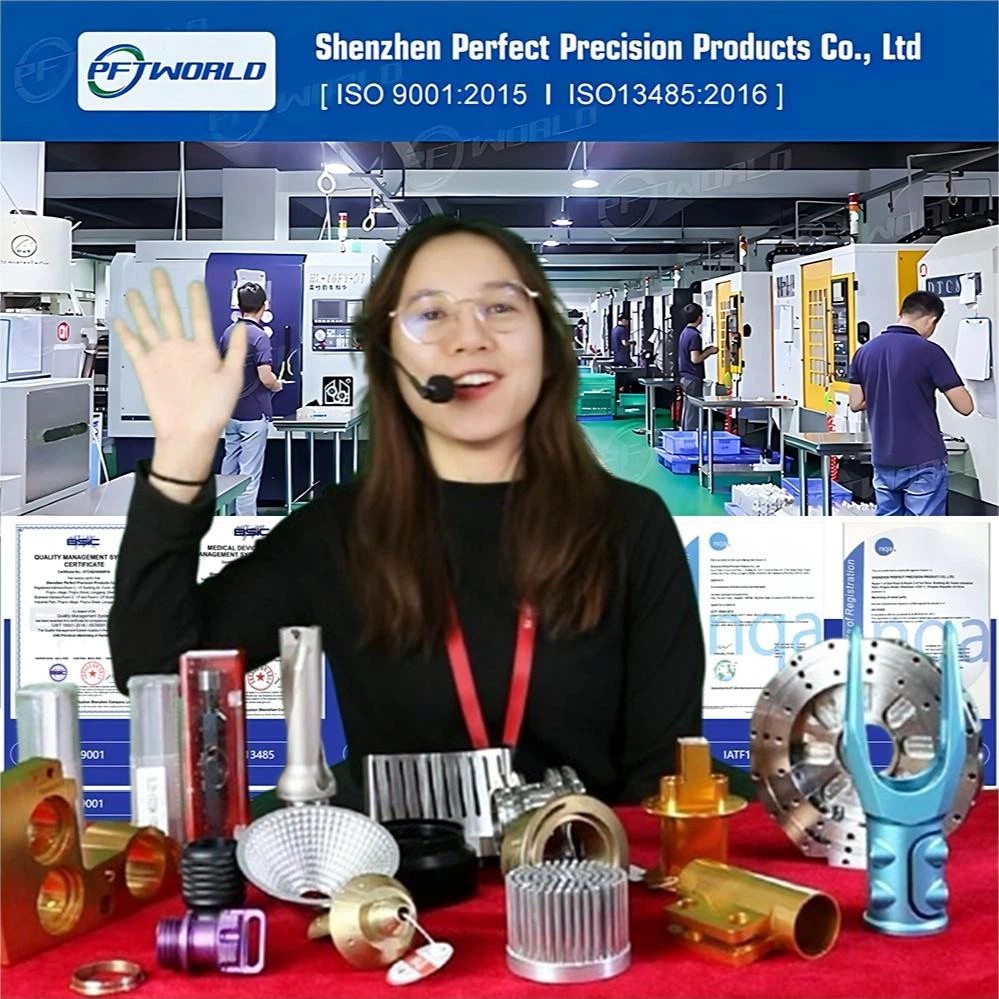
We operate dedicated, climate-controlled QA inspection rooms to verify every dimensional tolerance and surface specification.
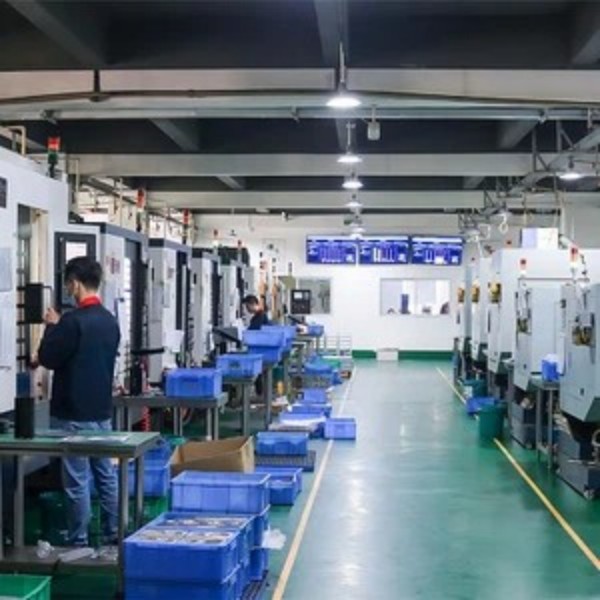
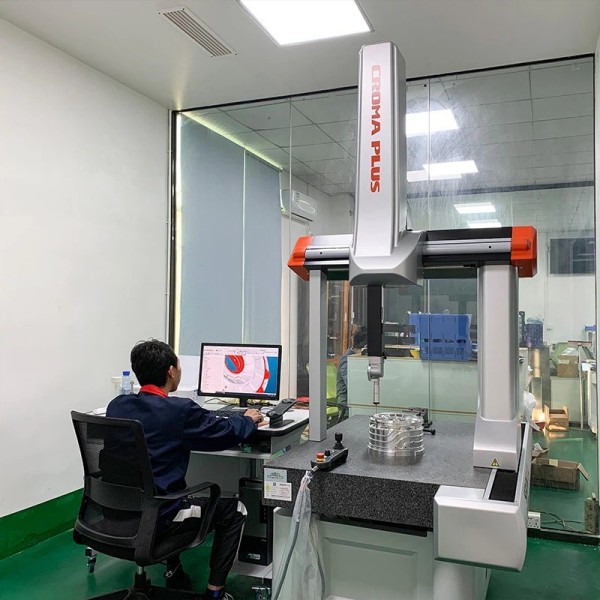
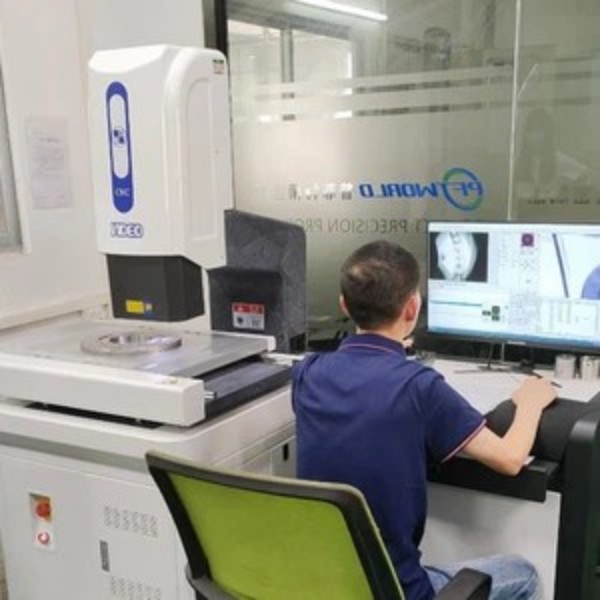

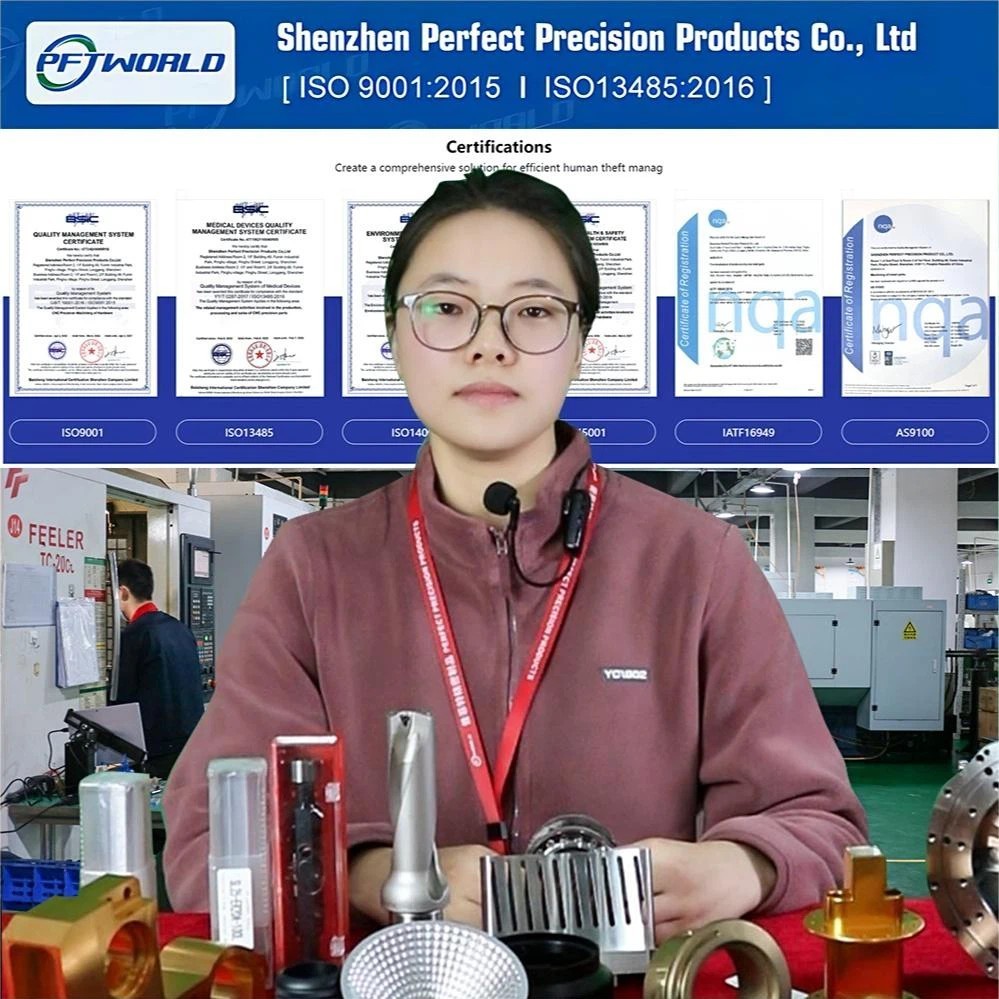
Our systems comply with major global regulatory framework structures to support high-risk applications in medical, aerospace, and automotive markets.
 ISO9001:2015
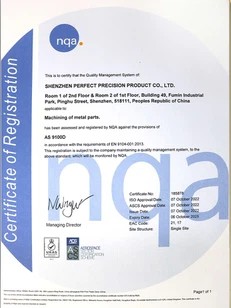 AS9100D (Aerospace)
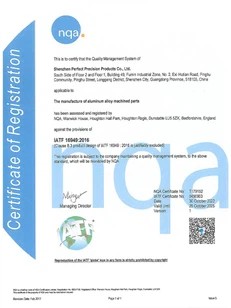 IATF16949 (Automotive)
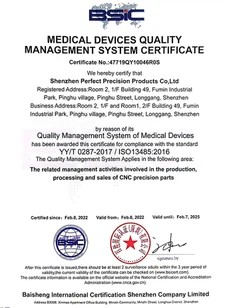 ISO13485 (Medical)
 ISO14001:2015
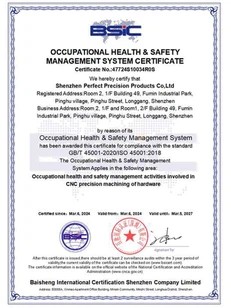 ISO45001:2018
Sourcing and procurement practices are shifting rapidly in response to macroeconomic pressures, sustainability demands, and technological progress. In this section, we analyze three primary trends reshaping the turned brass components landscape.
Modern CNC lathes are increasingly integrated with edge computing IoT sensors. By monitoring tool wear and spindle vibrations in real-time, machines can predict tool failures before they occur. For buyers, this translates to minimal production downtime, reduced dimensional drift, and exceptional quality consistency across high-volume runs of turned parts.
Traceability is no longer exclusive to aerospace. For medical, automotive, and consumer-contact products, buyers must trace their brass components back to the raw material ingot heat number. Having ISO9001 and IATF16949 certification structures provides this chain of custody, ensuring that chemical compositions (including copper-to-zinc ratios) remain within strict specifications.
Brass is highly recyclable. Advanced factories implement chip centrifugation and separation systems to collect, dry, and melt down brass chips for secondary raw material formulation. Circular loops reduce material waste costs, enabling manufacturers to offer stable component pricing even in volatile metals markets.
Transparent processes and visual progress reporting build strong buyer trust throughout production cycles.
We provide weekly video updates and visual inspections, allowing clients to monitor production as if they were on-site. This level of transparency guarantees that dimensional checks are conducted correctly, surface finishes meet quality criteria, and packaging standards protect items during transport.
Over 6,000 international companies have qualified our facilities. From initial samples to scale production runs, our quality team collaborates directly with client engineers to resolve technical challenges.
Review detailed engineering answers regarding our production processes, metal grades, and quality controls.
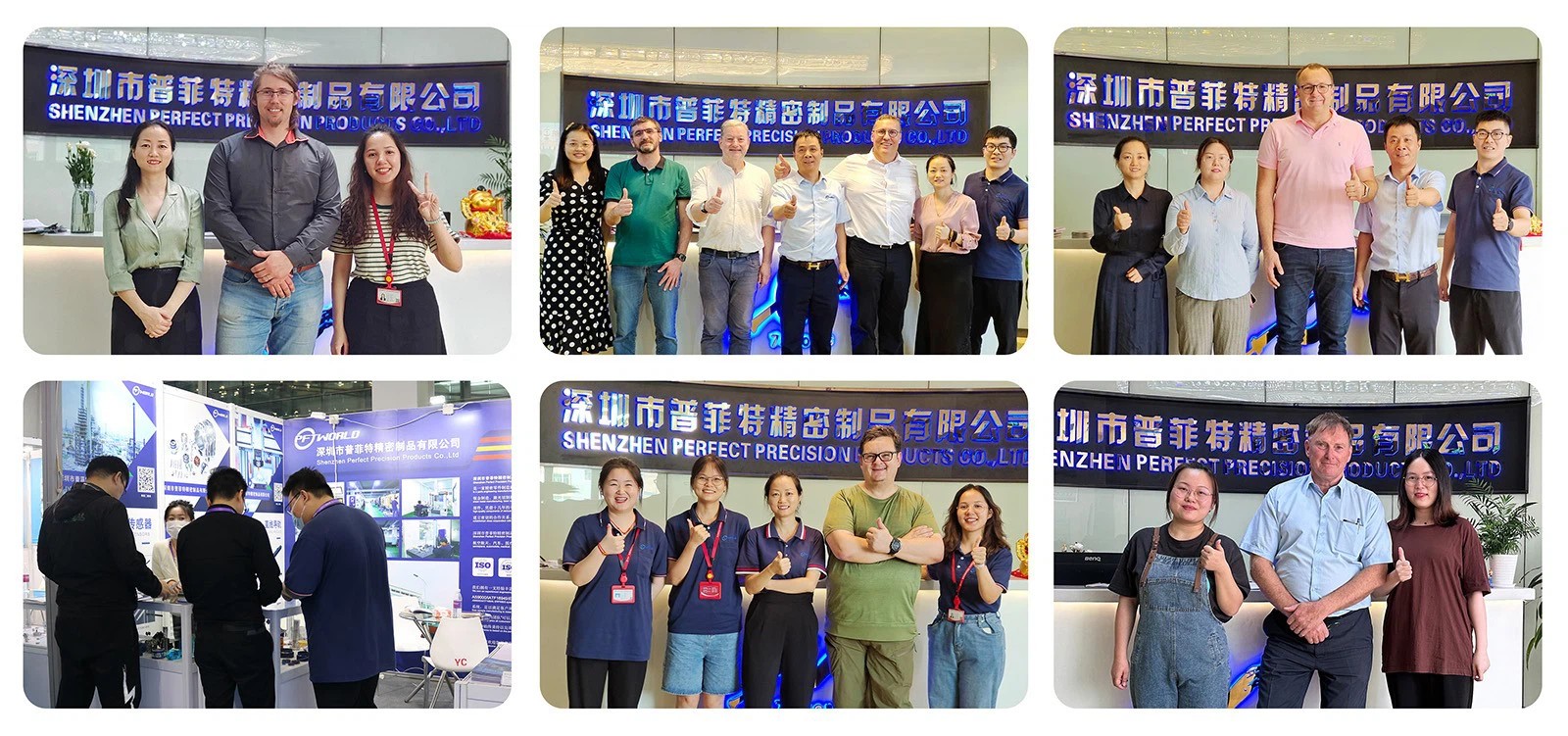
We are an established factory located in Shenzhen, China, with over 20 years of custom engineering experience. Our facility covers 6,000 square meters (office area expanded to 10,000 square meters), equipped with 100+ precision machines, specialized CMM inspection labs, and a fully integrated ERP management system. Material traceability records and inspection certificates are provided with every delivery.
To receive an accurate and timely quotation, please provide detailed 2D and 3D engineering drawings (such as PDF, STEP, IGS, DWG) indicating material grades, dimensional tolerances, required quantities, surface finish values, and secondary operations. Our sales engineers typically return quotations within 24 hours.
Yes, we can generate a quotation based on physical samples, photos, or detailed dimensional sketches. If you choose to move forward, our internal design team can generate the corresponding 2D and 3D CAD models for your technical approval prior to production.
Yes. Sample production is standard practice to verify tooling paths and fit. While sample tooling charges may apply, these costs are typically refunded or offset once mass production meets the contract volume threshold.
Lead times depend heavily on geometry complexity and volume. Standard prototyping runs are finished in 1 to 2 weeks, while typical production orders take 3 to 4 weeks. Expedited schedules are reviewed on a case-by-case basis.
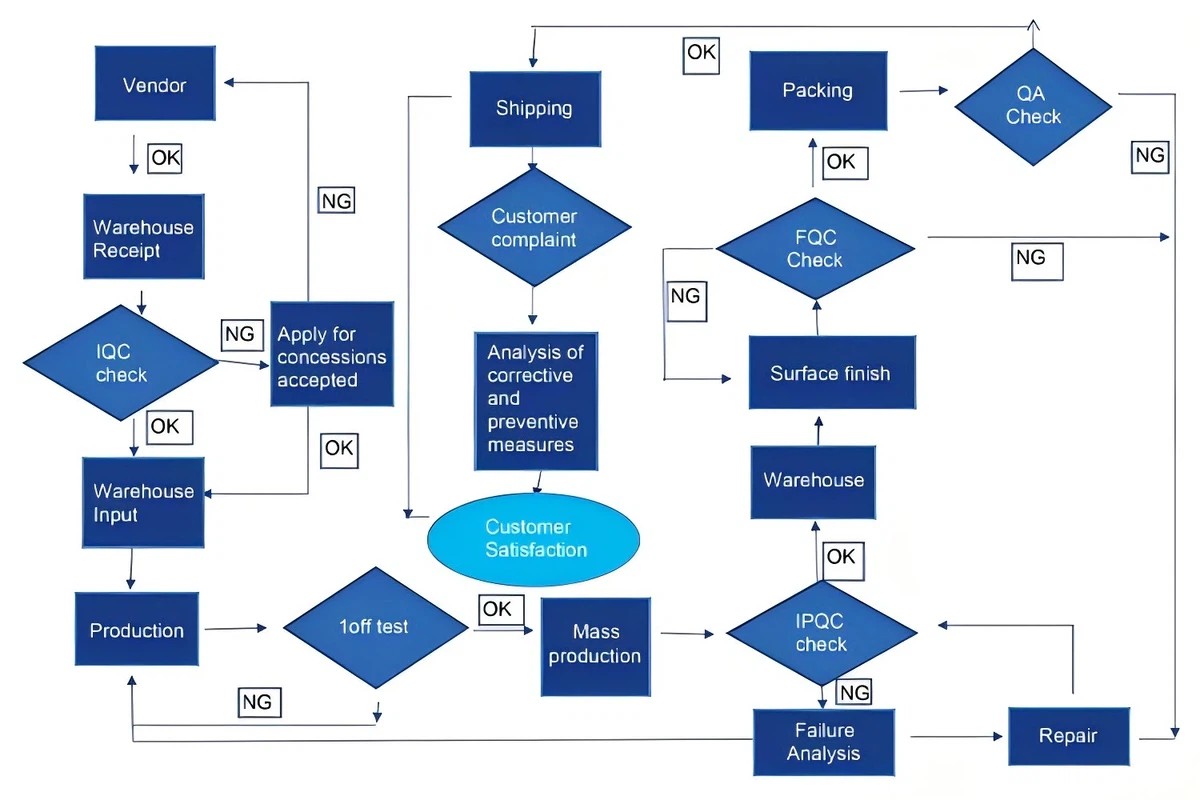
We implement a rigorous, four-step inspection process: (1) Raw Material Verification to check composition and size, (2) First Article Inspection (FAI) to approve dimensional setups, (3) In-Process Quality Checks (IPQC) to monitor dimensions throughout the production run, and (4) Pre-Shipment Inspection (100% final checks) by QC staff to ensure compliance before packaging.
If you discover quality discrepancies after receiving your components, please contact us within one month. We support voice, video, and email reviews to analyze the issue. If the error is verified as a manufacturing defect on our part, we will provide replacement parts or store credits within one week.
We work with a wide range of brass alloys. For high-speed free-cutting applications, C36000 and C3604 are standard. For plumbing, medical, and environmental regulations, we machine lead-free alloys such as Eco Brass (C69300) or silicon-based alternatives. We also handle specialized marine naval brass (C46400) for maritime projects.
Our standard production tolerances are ±0.01 mm. For high-precision applications in aerospace or instrumentation, we can hold critical linear and diametrical features as tight as ±0.002 mm under temperature-controlled monitoring.
We deliver high-precision CNC machining solutions tailored to your exact specifications. From prototyping to mass production, we handle everything with strict quality control, fast turnaround, and competitive pricing. Equipped with advanced CNC machines and a skilled engineering team, we serve industries like automotive, aerospace, medical, and electronics with unmatched accuracy and reliability.
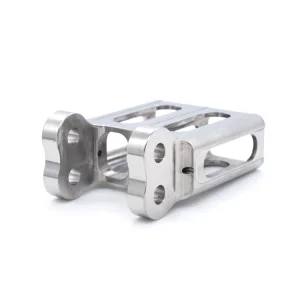
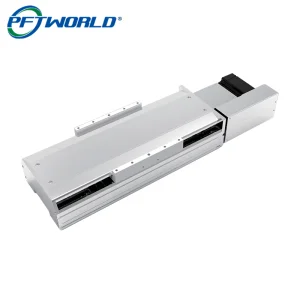
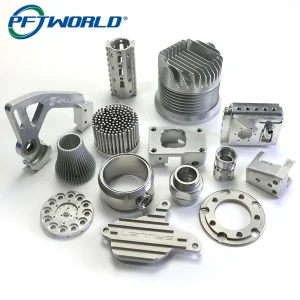
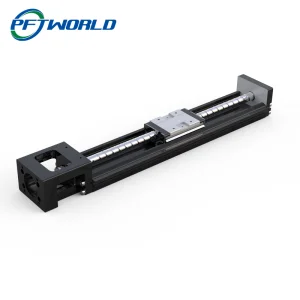
Explore our broad engineering capabilities, spanning specialized aerospace brackets, wear bushings, and linear stages.