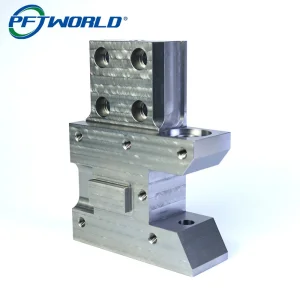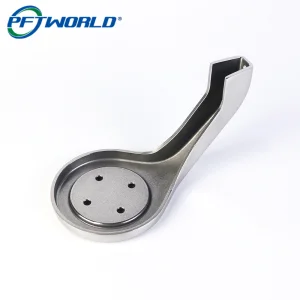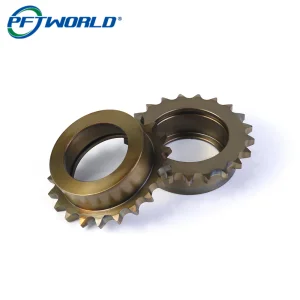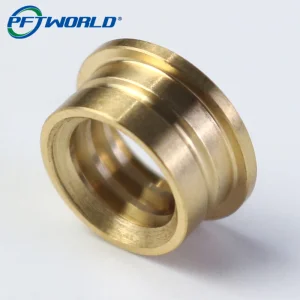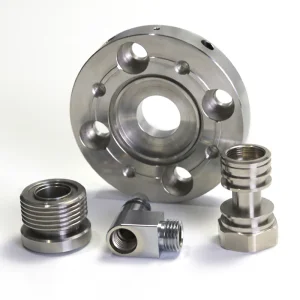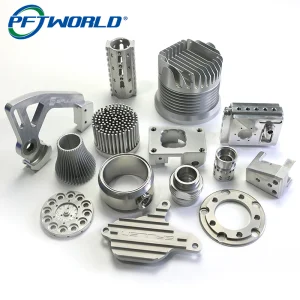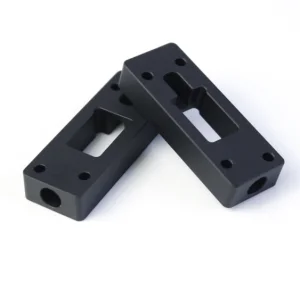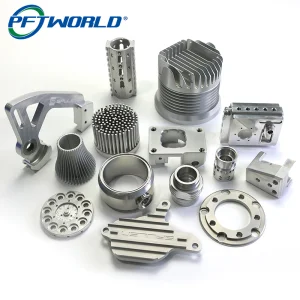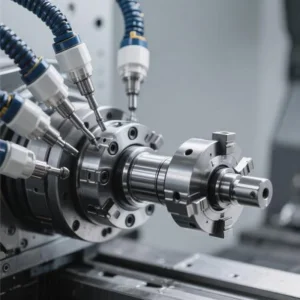
Explore our engineering capabilities represented through high-precision products deployed across demanding industries.
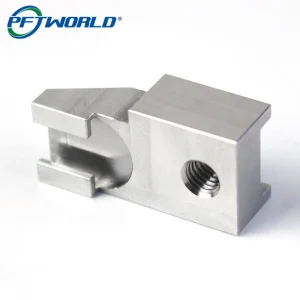
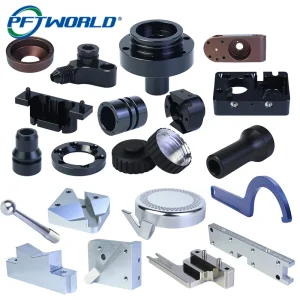
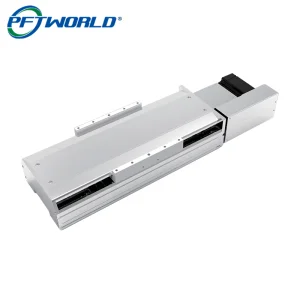
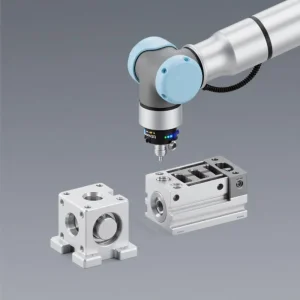
Analyzing global supply chain movements, micro-tolerances, and advanced mechanical integrity inside milling machine parts manufacturing.
In the modern industrial landscape, milling machine parts act as the bedrock for global manufacturing systems. Whether for heavy industrial machinery, precision robotics, or next-generation energy production, the quality of a component's mechanical characteristics directly defines the failure rates and efficiency metrics of the larger assembly. Global industrial output is increasingly adopting High-Mix, Low-Volume (HMLV) parameters, requiring custom components that feature both high complexity and zero-defect structural integrity.
The demands of modern aerospace, collaborative robotics, and semiconductor equipment require factories to abandon traditional dimensional tolerances in favor of sub-micron precision. This shift highlights the need to utilize materials that exhibit superior thermal, tribological, and structural performance under extreme stress conditions. Metals such as D2 Tool Steel, 40CrNiMoA, and high-performance Grade 5 Titanium are no longer reserved for specialty environments—they are now required across mainstream production lines.
Furthermore, manufacturing centers must transition from simple subtractive machining to intelligent, connected cyber-physical systems. These systems combine high-speed multi-axis milling with real-time dimensional verification, automated tool path adjustment, and comprehensive documentation to meet international standards.
Achieving structural durability relies heavily on the raw material selection and heat treatment optimization. For instance, in mold and tool manufacturing, utilizing D2 Tool Steel ensures exceptional wear resistance due to its high carbon and chromium content. However, machining such materials requires high-rigidity CNC setups to mitigate tool deflection and surface hardening.
In the field of high-load mechanical drive systems, components like sprockets and planetary carriers are machined from 40CrNiMoA (a high-strength alloy steel). This alloy delivers high fatigue strength and toughness after hardening and tempering processes, protecting dynamic parts against sudden shock loads.
Meanwhile, stainless steel applications (specifically SS304 and SS316) require tight controls over corrosion resistance and geometric tolerances. The implementation of high-precision investment castings with machined features bridges the gap between raw dimensional accuracy and net-shape efficiency, ensuring robust performance in marine, medical, and process automation industries.
At Shenzhen Perfect Precision Products Co., Ltd (PFT), we translate these industry challenges into highly structured operational protocols. Our engineering team routinely produces parts matching a geometric dimensional variation of less than +/-0.002 mm in critical operational zones.
Through state-of-the-art multi-axis machining cells and coordinate metrology, we eliminate cumulative error stack-ups, allowing components to interface seamlessly with complex automated systems. Our digital facility operates with strict quality management protocols, providing comprehensive material traceability, dimensional mapping, and certificate compliance for global deliveries.
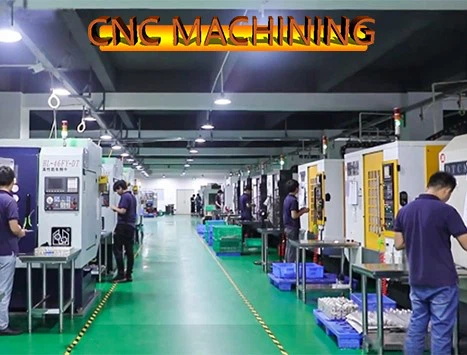
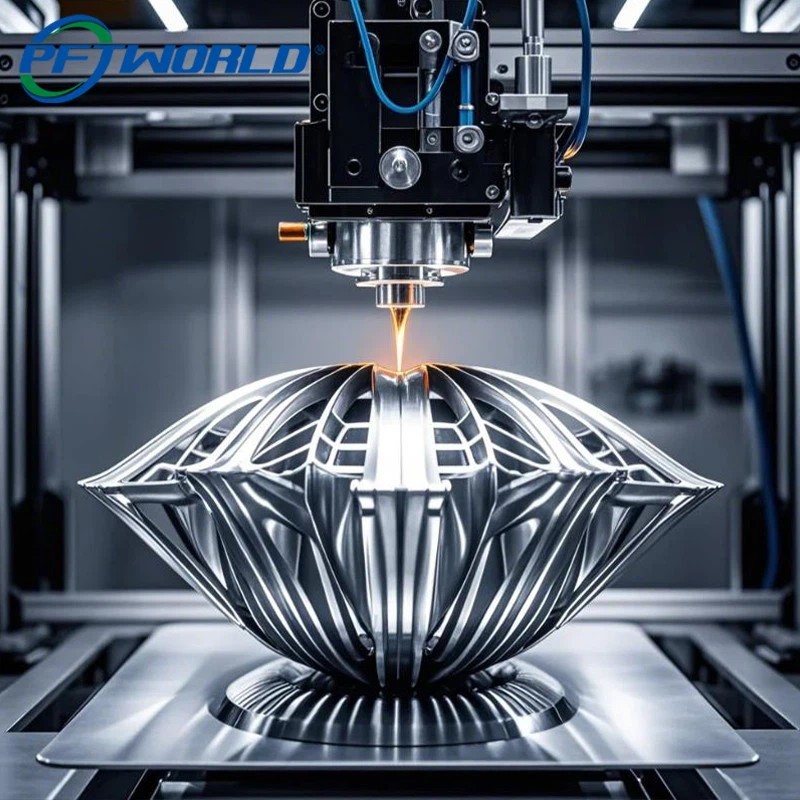
Providing one-stop contract manufacturing, from multi-axis CNC milling to casting, forging, and additive manufacturing.
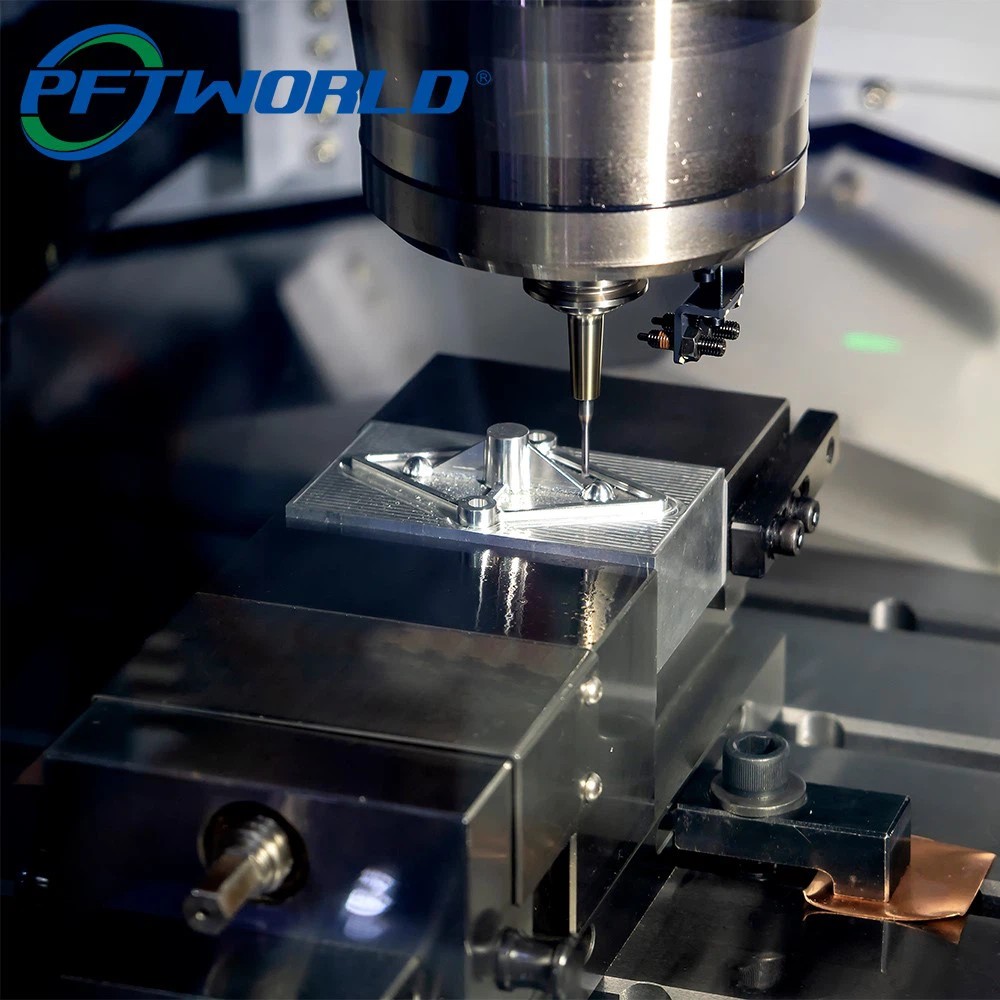
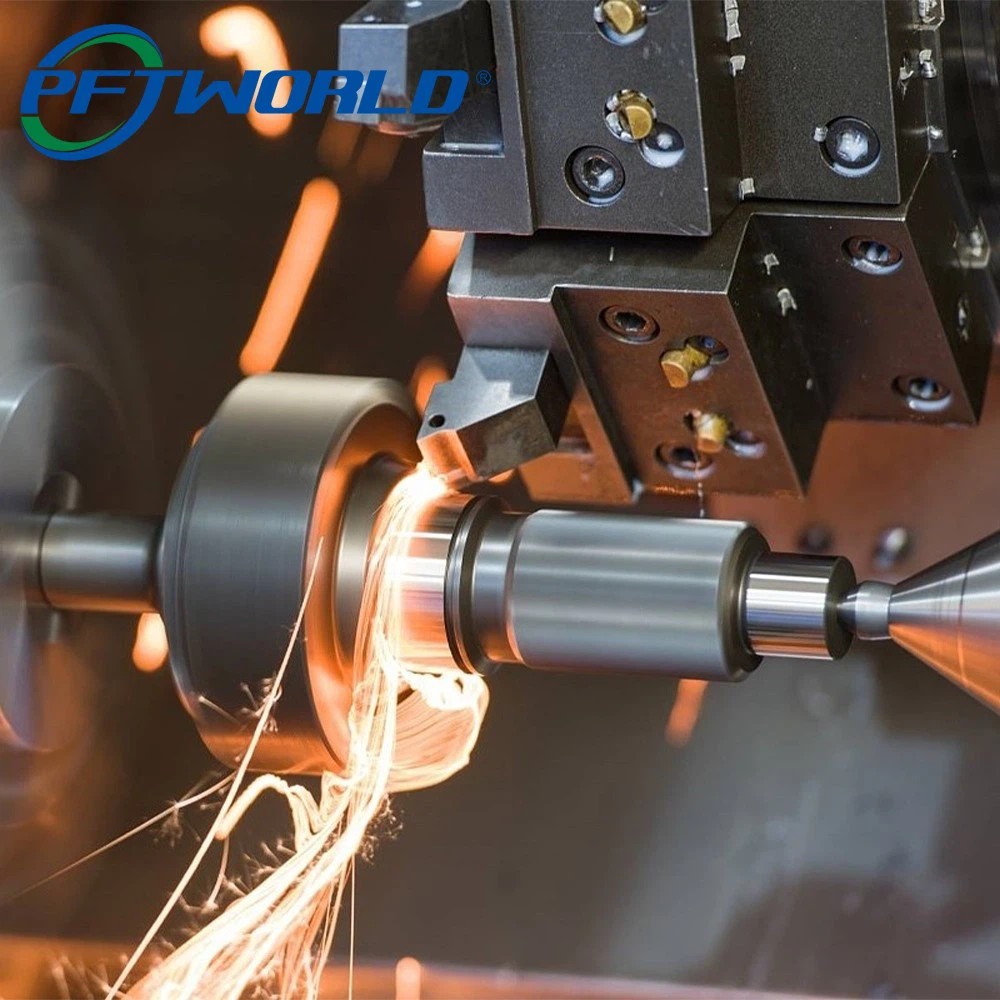
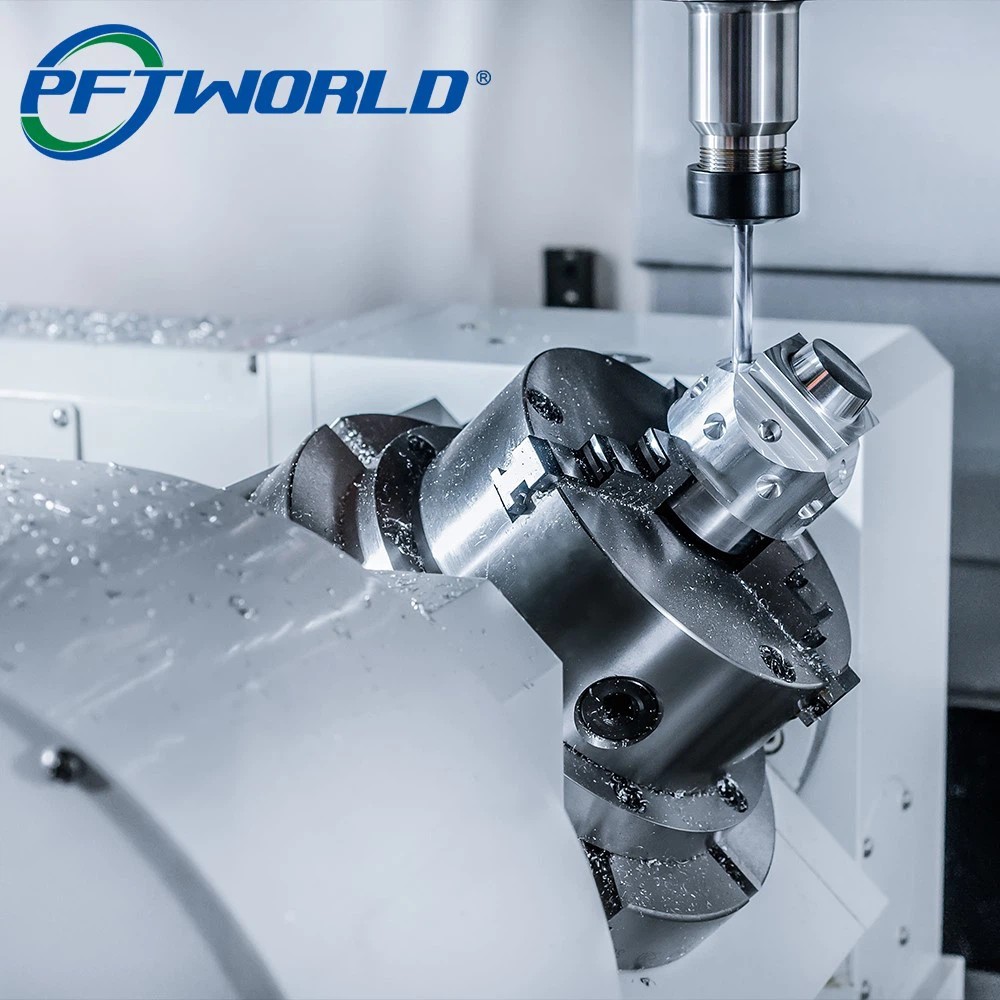
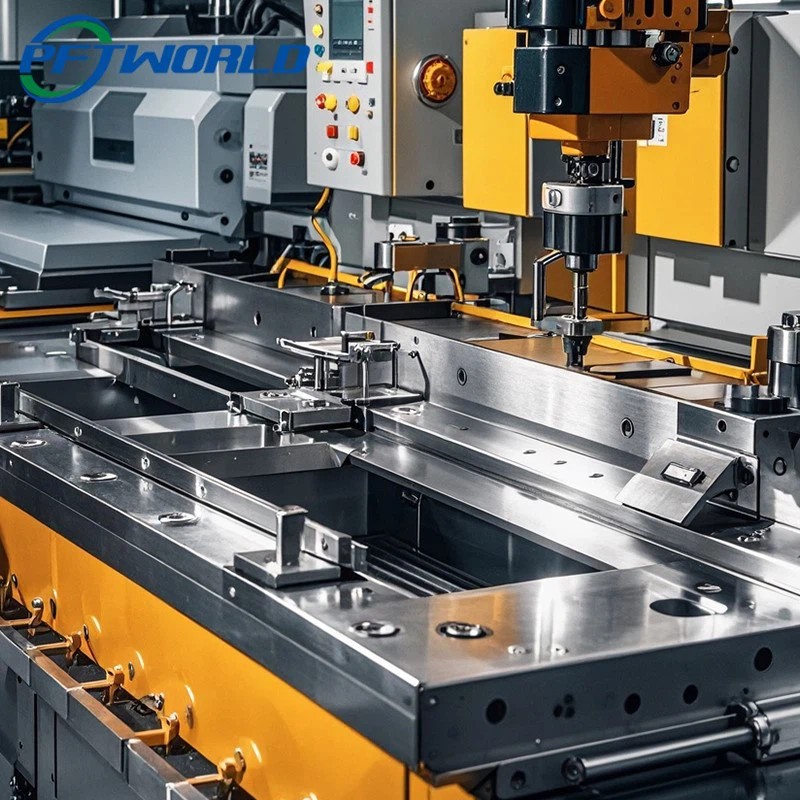
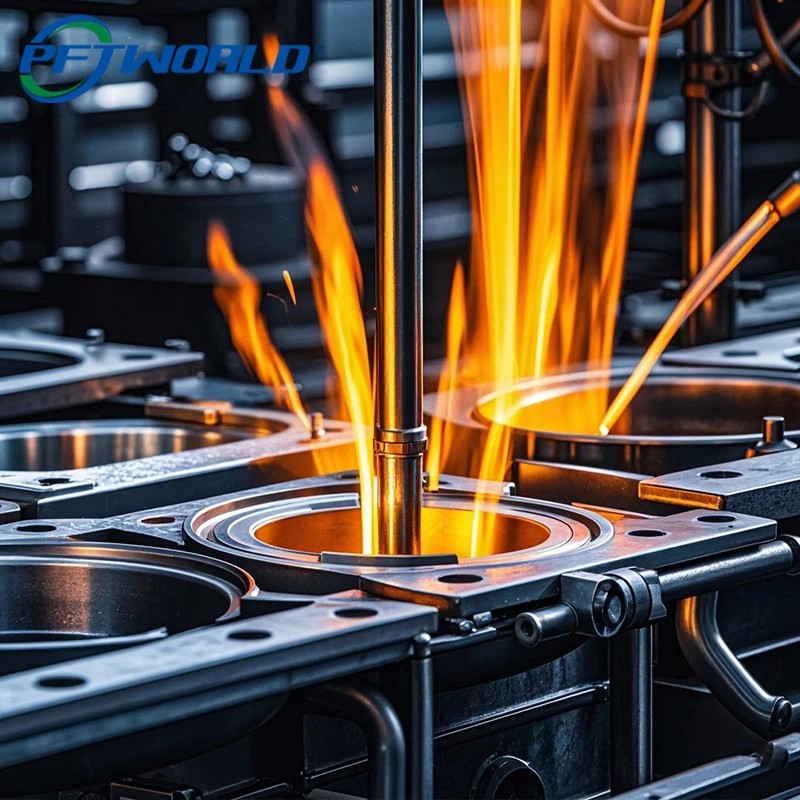
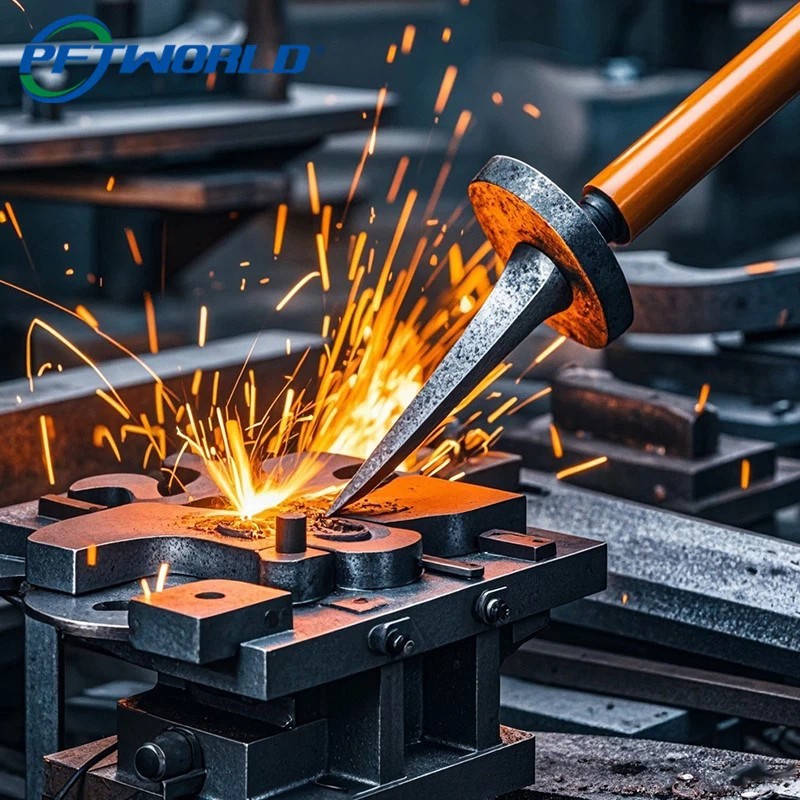
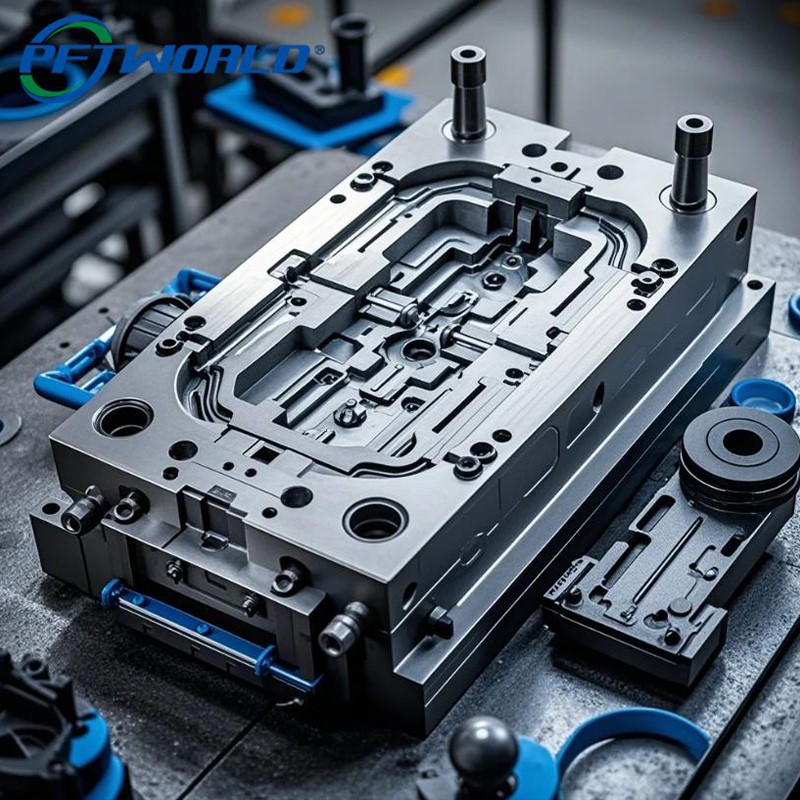
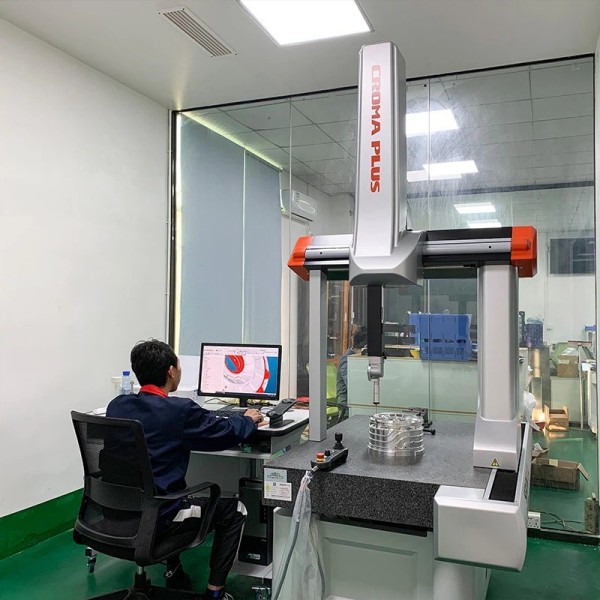
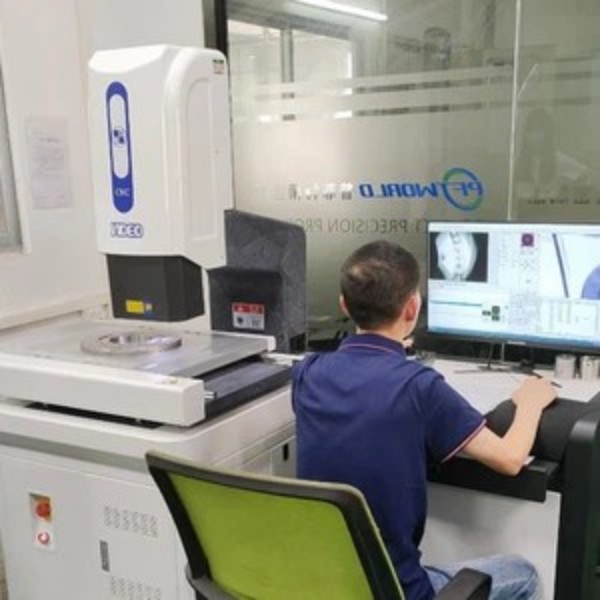
How we achieve zero-defect reliability across micro-tolerance parts through coordinate measurement (CMM) and optical inspections.

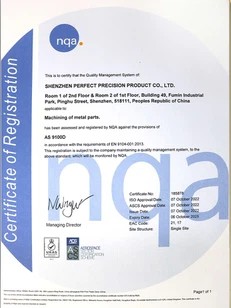
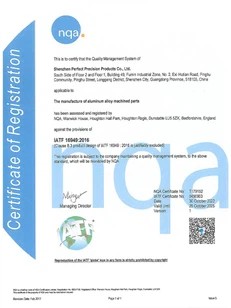
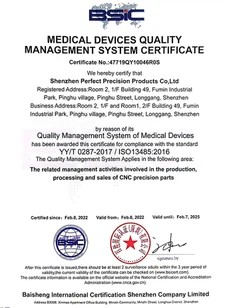
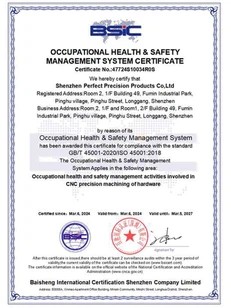
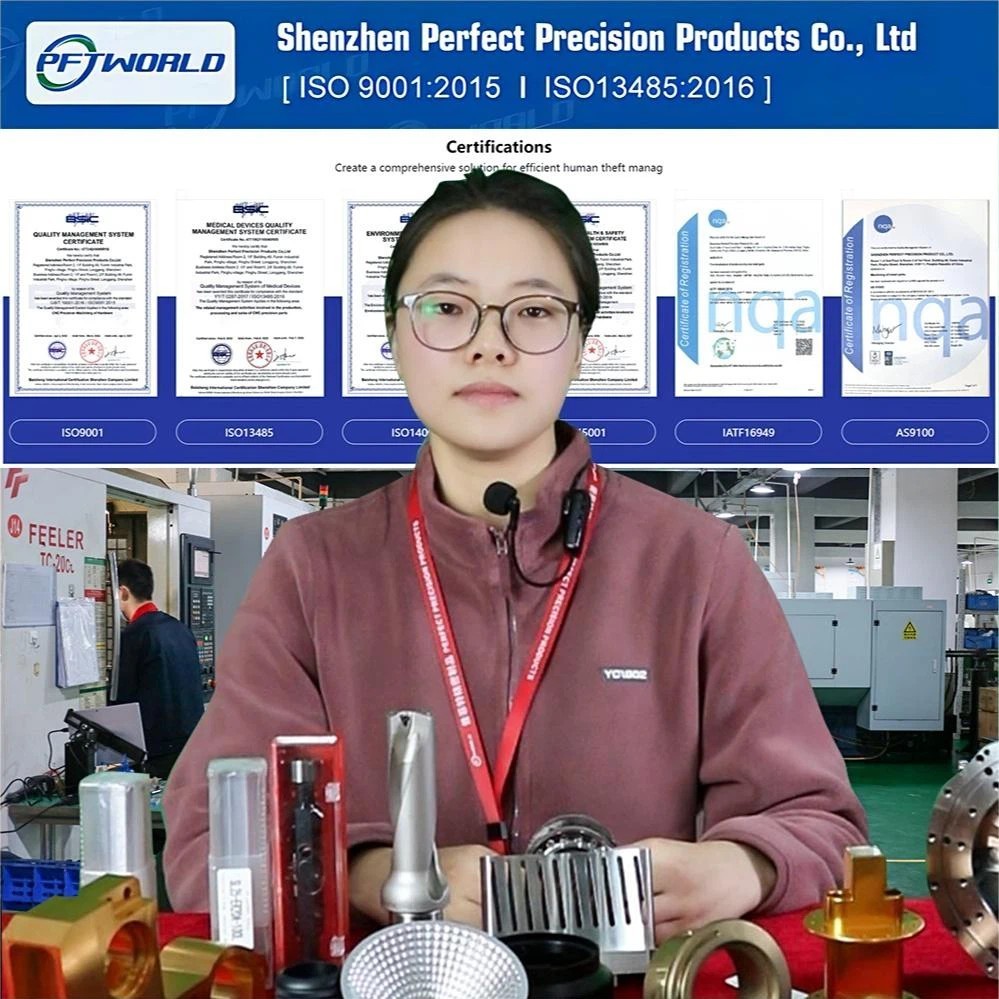
Our operations comply with international quality, aerospace, medical, automotive, and ecological regulations.
How our custom manufactured components are integrated across target regions and specialized sectors.
Meeting the strict demand for fast-turnaround prototyping and high-reliability components. We design and deliver custom brackets, clamp blocks, and linear slide actuator plates directly to robotic integrators and automotive assembly lines across North America, ensuring minimal downtime.
Complying with environmental and ISO medical device directives, we supply surgical-grade stainless steel fixtures, lightweight manipulator links, and precise optical sensor housings to medical equipment manufacturers and green technology developers in the EU.
Providing high-density component processing with sandblasted anodized coatings. We manufacture heat-dissipating casings, drive gears, and custom structural parts for next-generation automated optical inspection (AOI) lines and collaborative robot setups.
Witness our engineering processes and view verified project outcomes from global industrial clients.
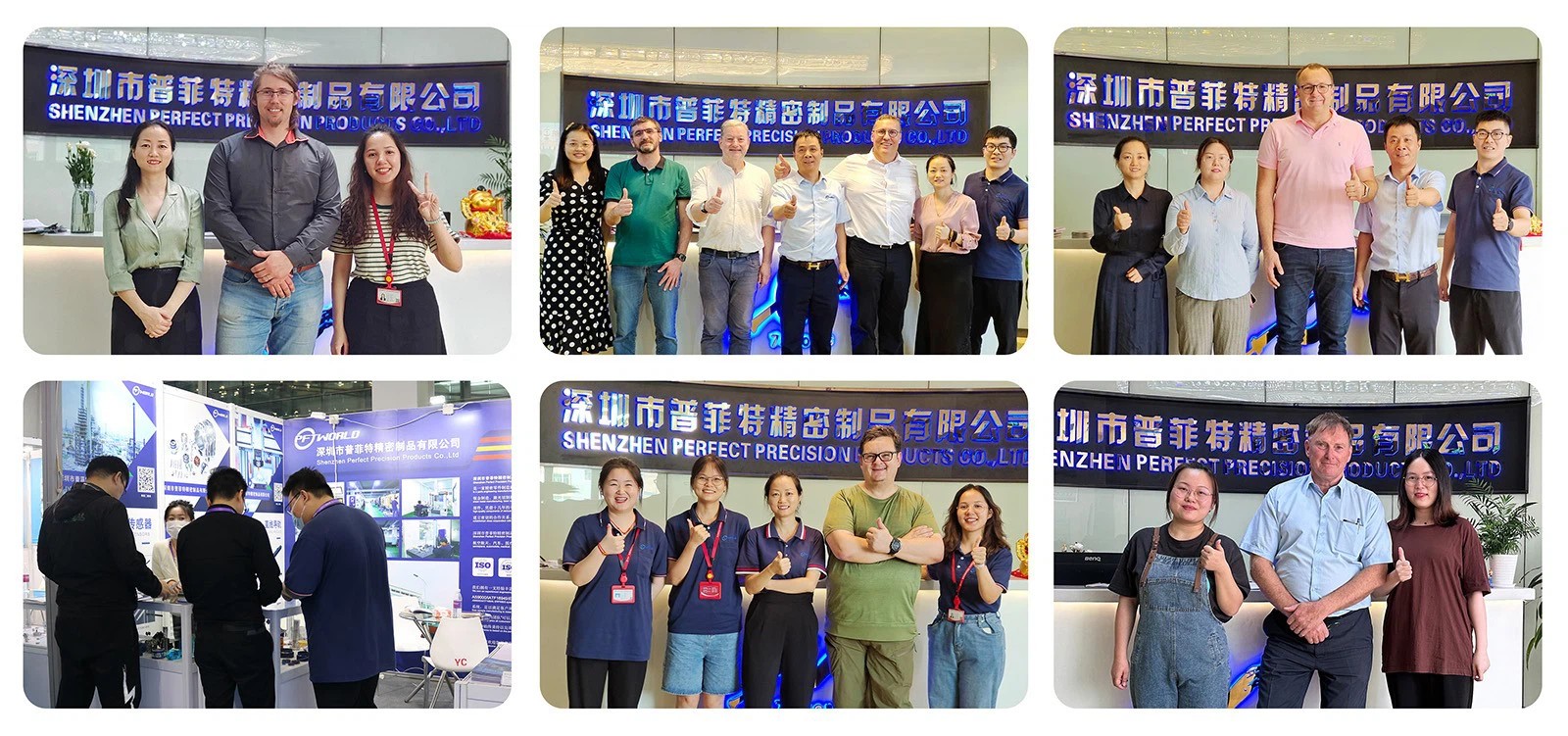
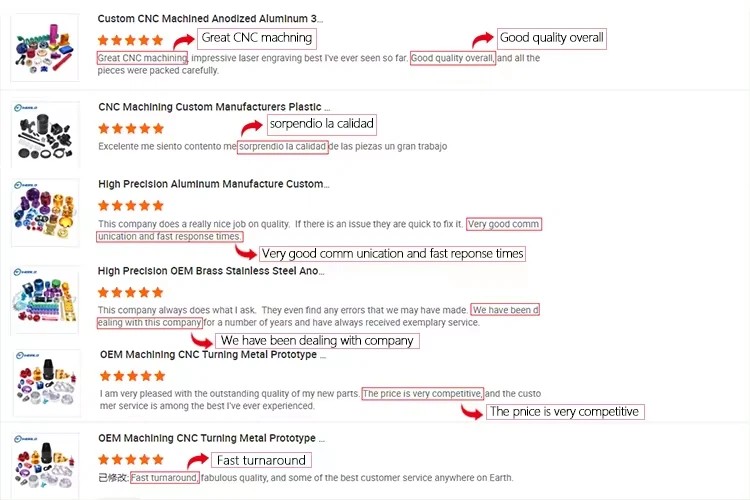
Over 6,000 global enterprises trust PFT for engineering execution. Our digital factory links physical operations directly to transparent progress reports, providing clients with tracking from purchase orders to delivery.
Technical guidance and standard operating procedures for custom contract manufacturing.
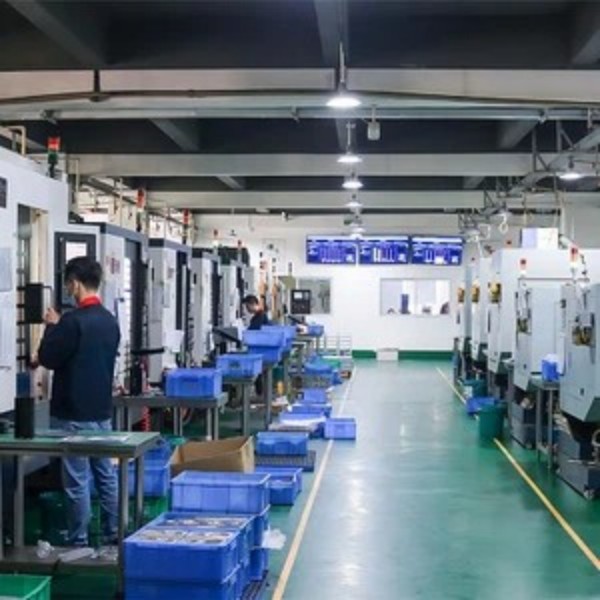
We are a certified manufacturing factory located in Shenzhen, China. With 20 years of experience, our facility covers over 6,000 square meters. Our operations are managed via an ERP platform, utilizing a fleet of 100+ advanced CNC machines, 3D measurement gear (CMM), and optical inspect devices. We provide raw material certificates, heat treatment profiles, and dimensional verification reports upon request.
To generate a quote, submit a packet containing detailed 3D CAD files (STEP, IGS, Parasolid) alongside matching 2D engineering drawings (PDF, DWG) indicating strict tolerances, thread callouts, surface roughness (Ra), secondary coatings, raw materials, and required quantities.
Yes. We can work with dimensional drawings, hand sketches, or physical reference samples. Our application engineers can translate your physical parts or concepts into clean CAD parameters, generating production-ready design files for approval.
Yes. We provide prototype runs to verify fit and function. The production cost for standard sample runs is calculated on a part-by-part basis, and we offer options to credit these setup costs toward subsequent full-scale production orders.
Standard prototype runs and simple geometries are completed in 1 to 2 weeks. Production runs involving multi-axis milling, complex assembly, or specialized heat-treatment processes typically require 3 to 4 weeks, depending on order size.
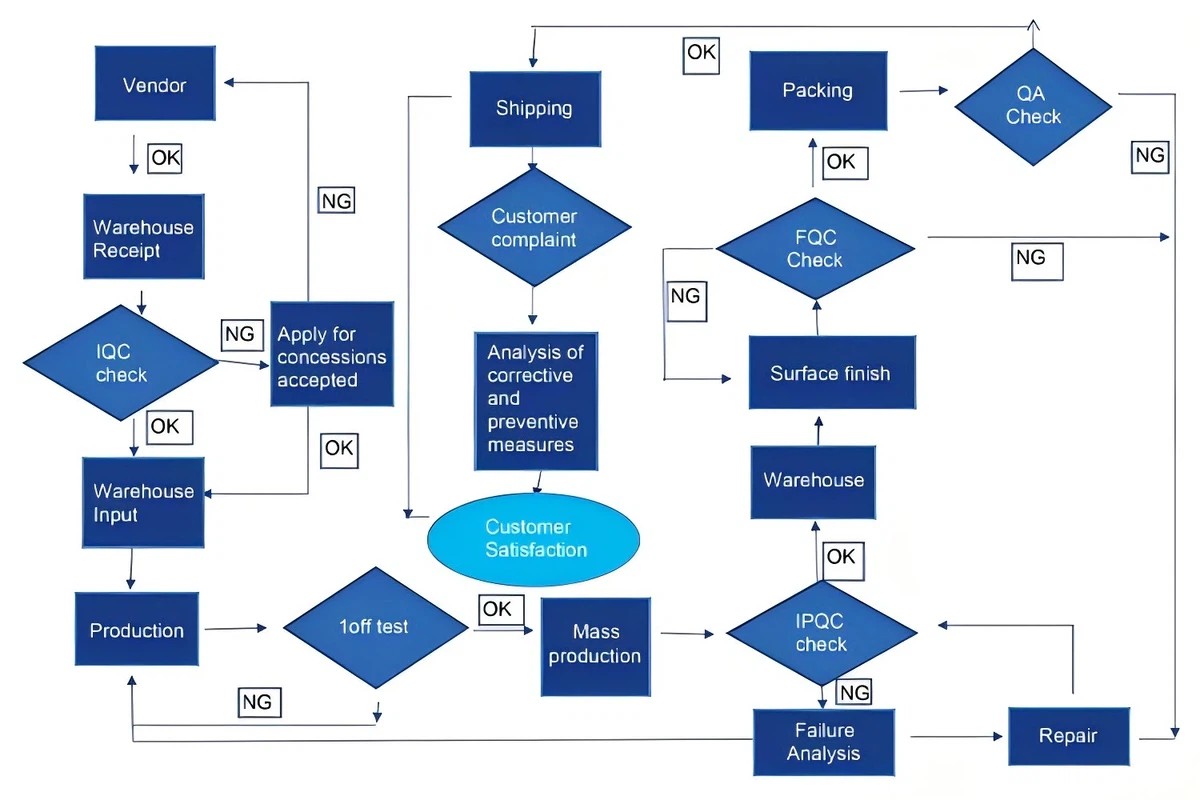
We enforce strict quality control at every phase: (1) Material Verification (checking chemical composition, hardness, and dimensions); (2) First Article Inspection (verifying key dimensions before running batch production); (3) In-Process Sampling (maintaining dimensional consistency during manufacturing); and (4) 100% Pre-shipment Inspection (final dimensional check, packaging review, and certification logging by our QC inspectors).
We offer post-delivery support for all components. If any deviations are found within 30 days of receiving your order, our engineers will evaluate your feedback (via video calls, photos, or CMM data) and implement corrective actions, including remachining or replacement, within a week.
Yes. We regularly machine hard tool steels (like D2 and H13) and titanium alloys (such as Ti-6Al-4V). Our facilities are equipped with rigid multi-axis machining centers and carbide tooling, allowing us to maintain tight tolerances and fine surface finishes on hard materials.
Get in touch with our engineering team for DFM reviews, material selection guidance, or custom quotes.
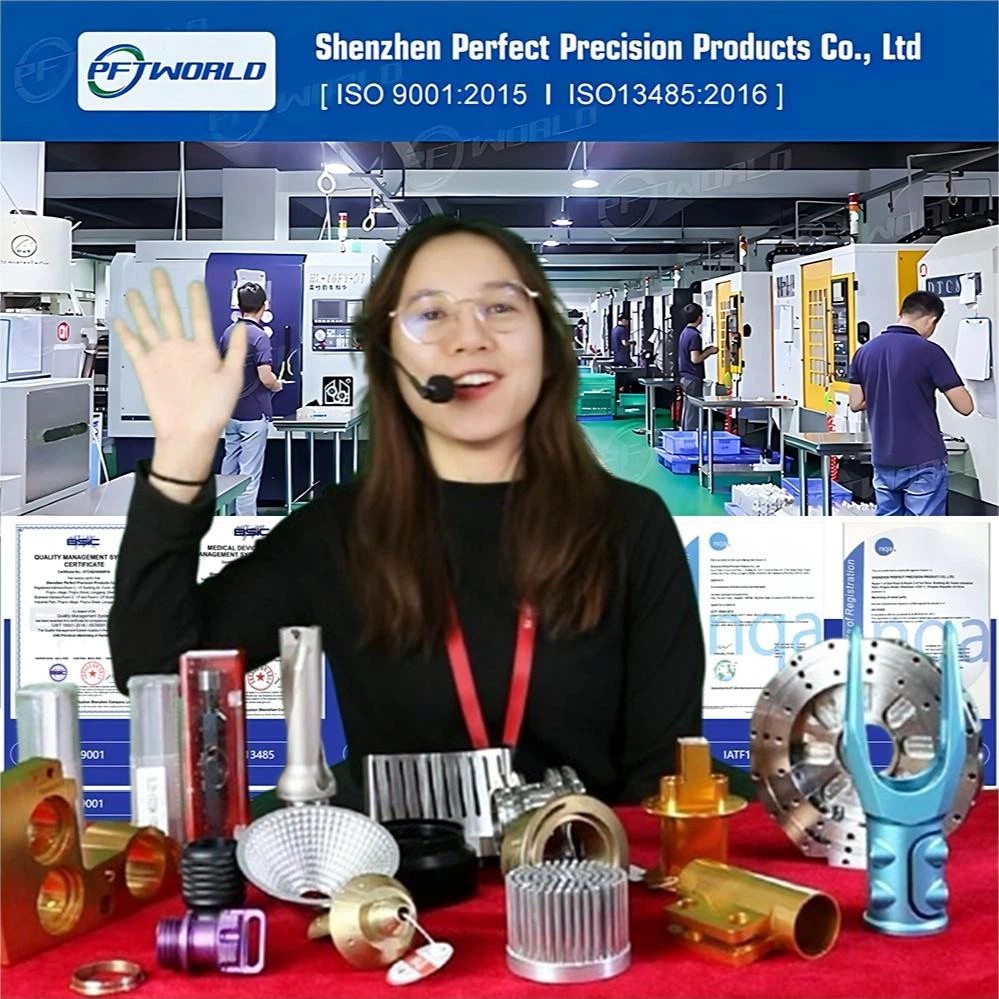

Submit your CAD models to receive a detailed Design for Manufacturability (DFM) review and quotation within 24 hours.
Send Inquiry NowExplore our wider range of high-precision assemblies, specialty materials, and motion-control parts.