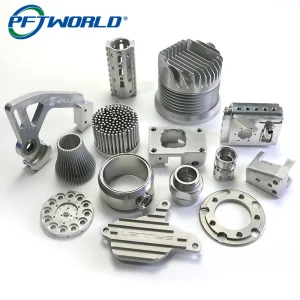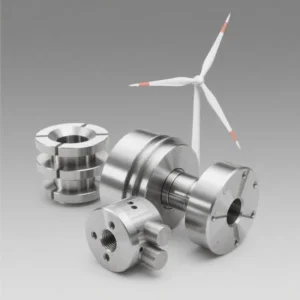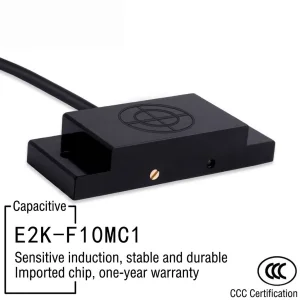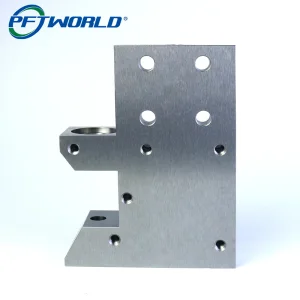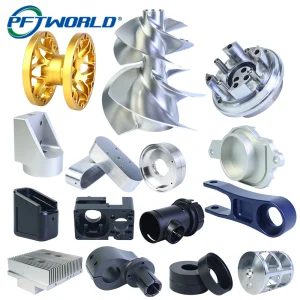
Explore our core engineering catalog featuring advanced background suppression laser sensors, capacitive switches, and aerospace-grade structural components.
Analyzing critical developments in global industrial automation, optical performance metrics, and optoelectronic alignment technologies.
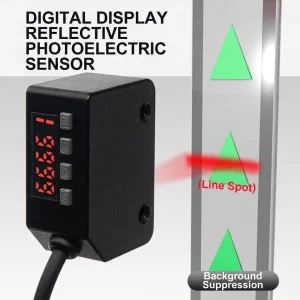
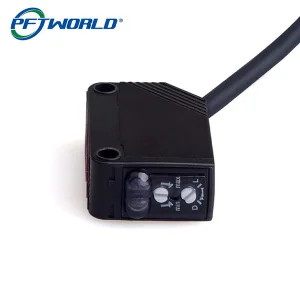
Industrial automation is undergoing a rapid transition from basic contact detection to advanced, non-contact optical inspection. The current standard for precision photoelectric sensing relies on optical alignment structures combined with state-of-the-art background suppression (BGS). BGS technology utilizes triangulation principles to calculate target distances, rendering sensor performance independent of color variations, reflectivity, or surface conditions.
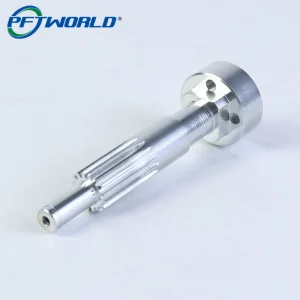
In modern factory settings, photoelectric sensors are tasked with operating under harsh environmental conditions: high temperatures, continuous vibrations, and chemical cleanings. By designing and manufacturing sensors with specialized optoelectronic housing, manufacturers guarantee structural integrity. High-precision CNC machining supplies the necessary housings, alignments, and mounting frames, ensuring light paths remain true down to the micrometer level.
Why do photoelectric sensor exporters focus heavily on structural manufacturing? Even the most advanced laser transmitter or receiver circuit will fail if the optical cavity experiences thermal deformation. Implementing 17-4PH and 303 stainless steel housings with tolerances restricted to +/- 0.002 mm ensures that the focal point of the laser diode does not shift, maintaining consistent detection even at heights exceeding 2000 mm.
Procurement engineering and operations departments in Europe, North America, and Japan face continuous pressure to build resilient supply chains. The sourcing of industrial sensors involves assessing not only electrical specifications but also mechanical certifications.
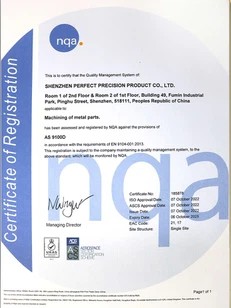
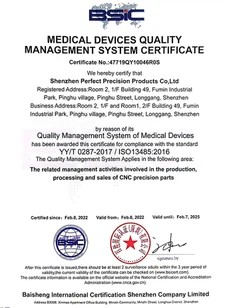
Exporters must satisfy stringent compliance standards, including AS9100D for aerospace applications, IATF 16949 for automotive production lines, and ISO 13485 for medical cleanrooms. The ability to supply a integrated mechanical and optical assembly directly reduces lead times, improves sensor housing quality, and ensures compatibility with standard DIN mounts.
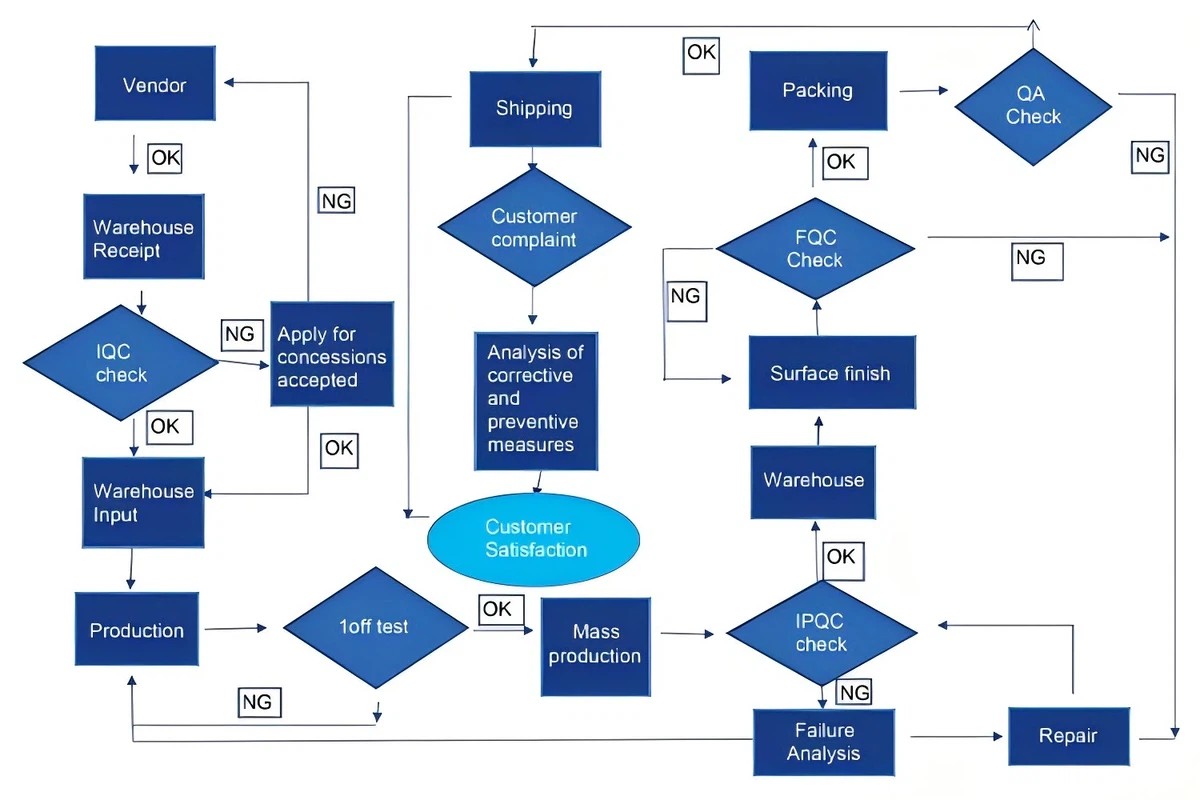
An ISO-certified manufacturing partner providing high-tolerance machining, assembly, and quality verification services.
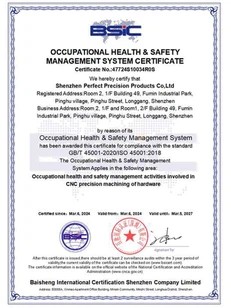
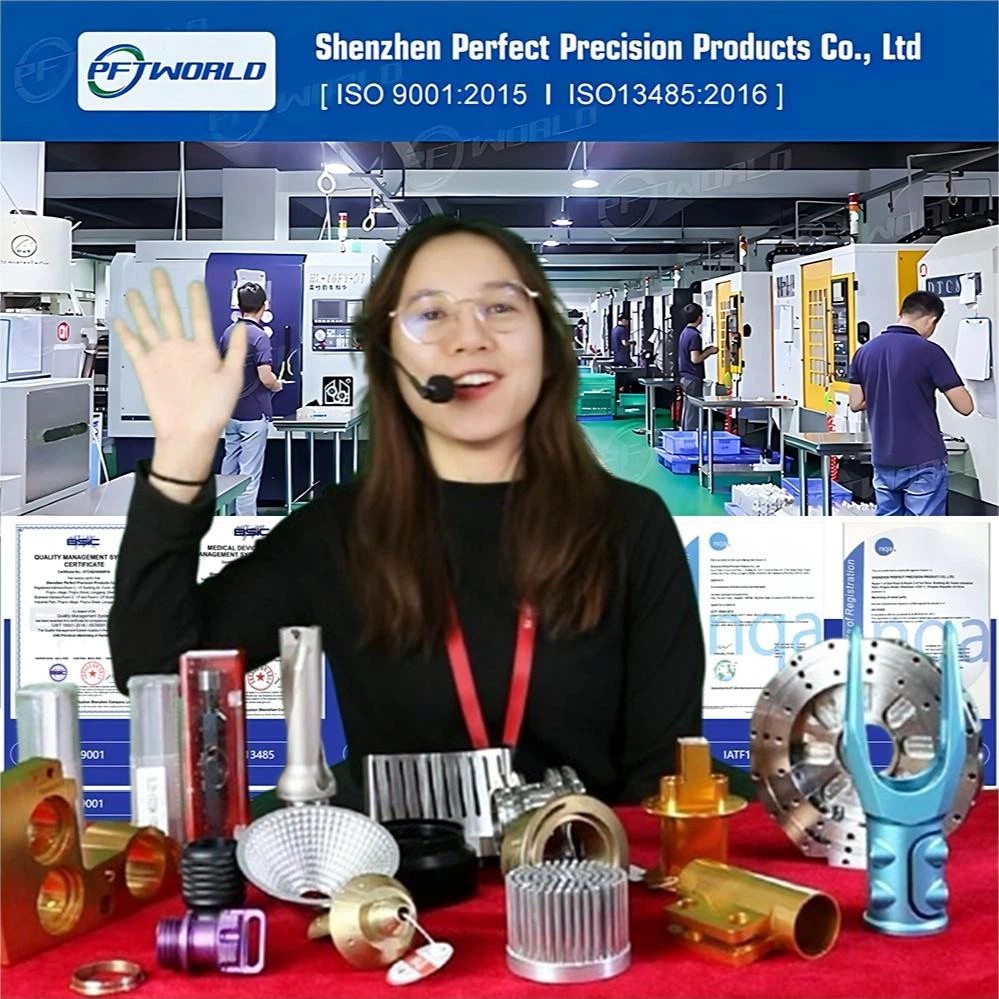
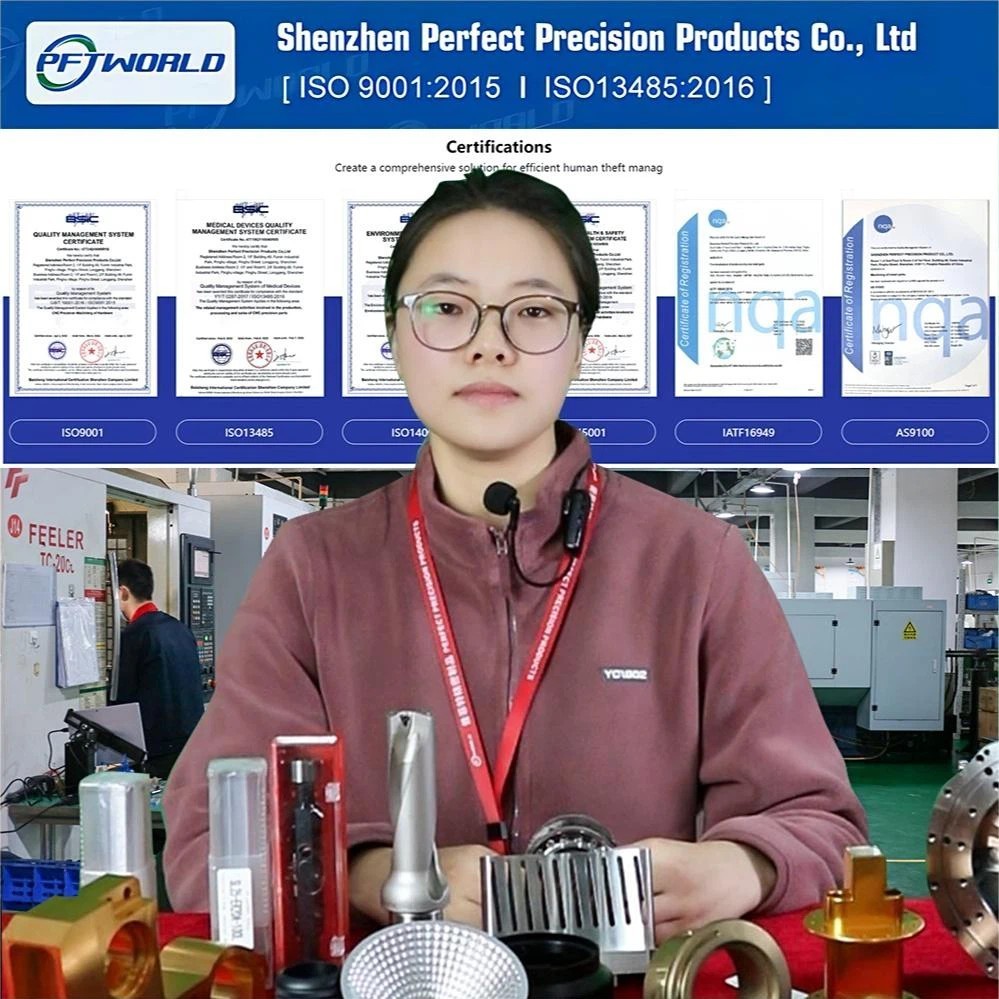
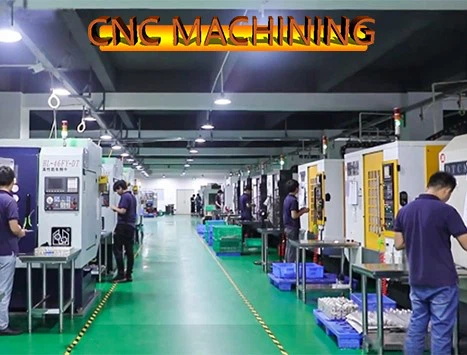
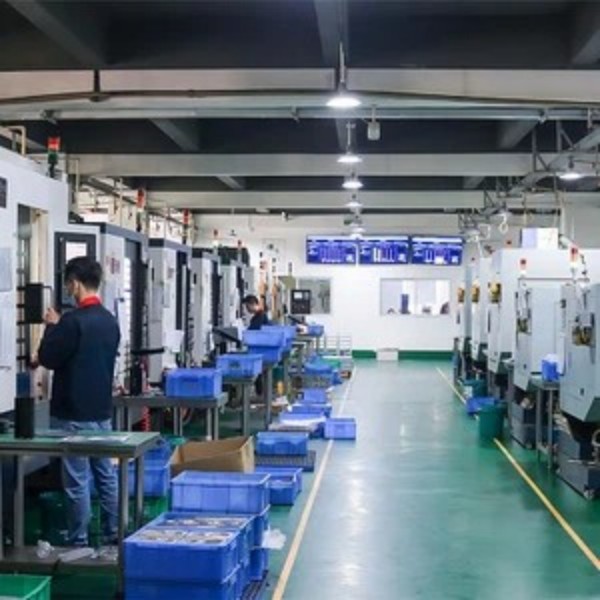
Established with a dedicated foreign trade team in 2014, Shenzhen Perfect Precision Products Co., Ltd has built its reputation on supplying sub-micron tolerance components to medical, aerospace, automotive, and industrial sensor industries. Our facility has achieved certification across various sectors, validating our commitment to quality, environment, and occupational health. Our 10,000-square-meter facility features automated CNC milling, turning, mill-turn, casting, and sheet metal fabrication lines.
CNC Milling Machining
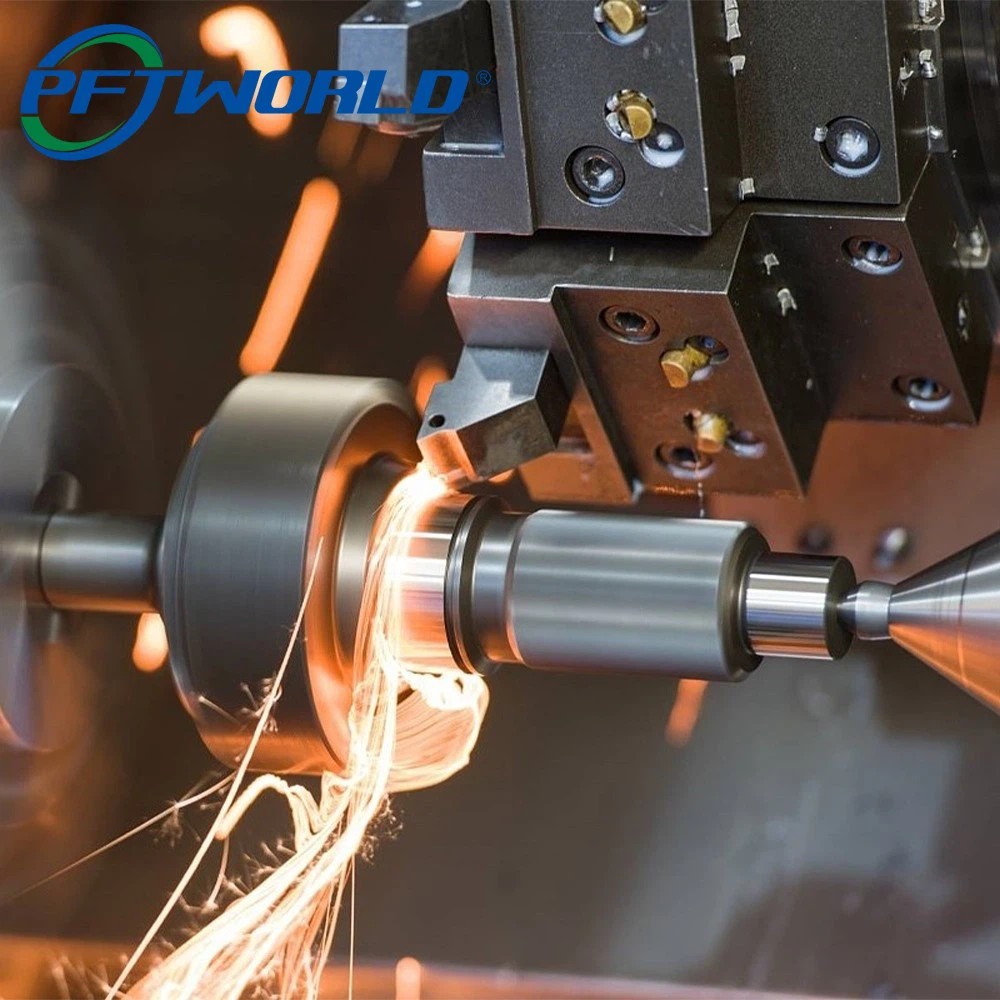
CNC Turning Machining
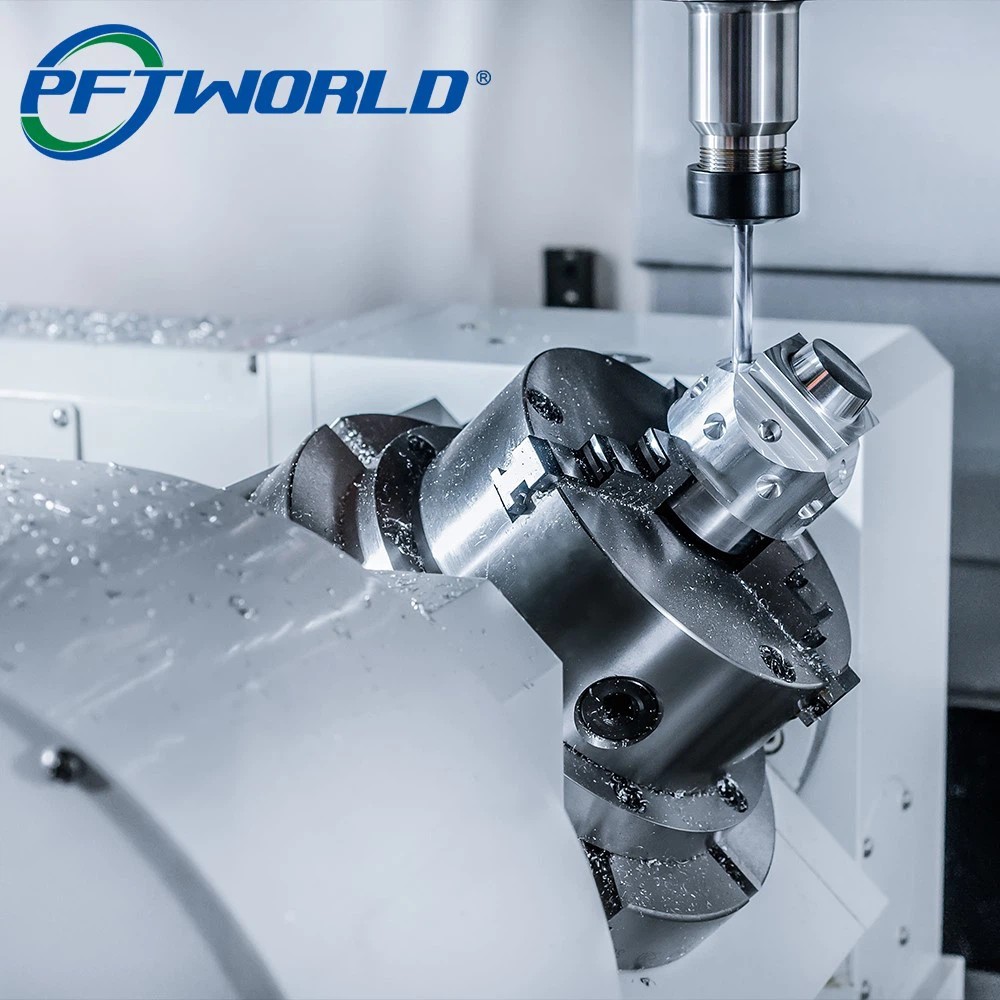
CNC Mill-Turn Machining
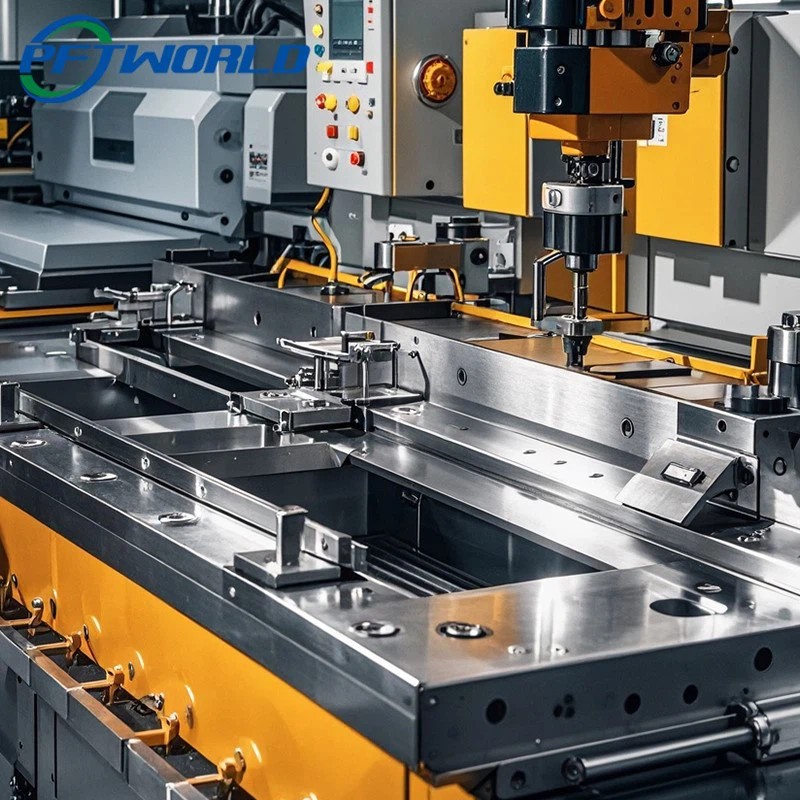
Sheet Metal Fabrication
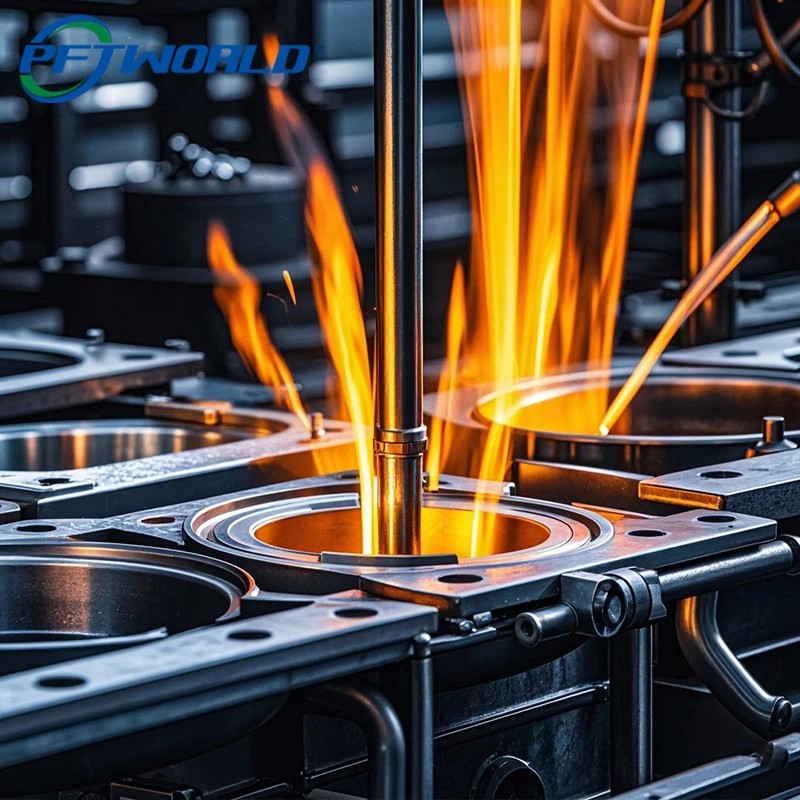
Casting
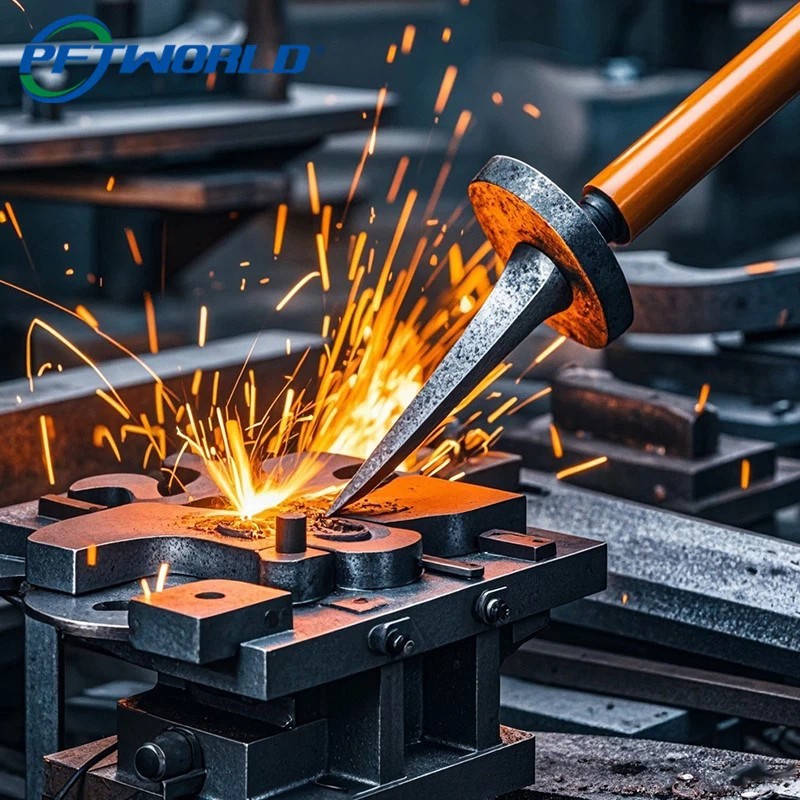
Forging
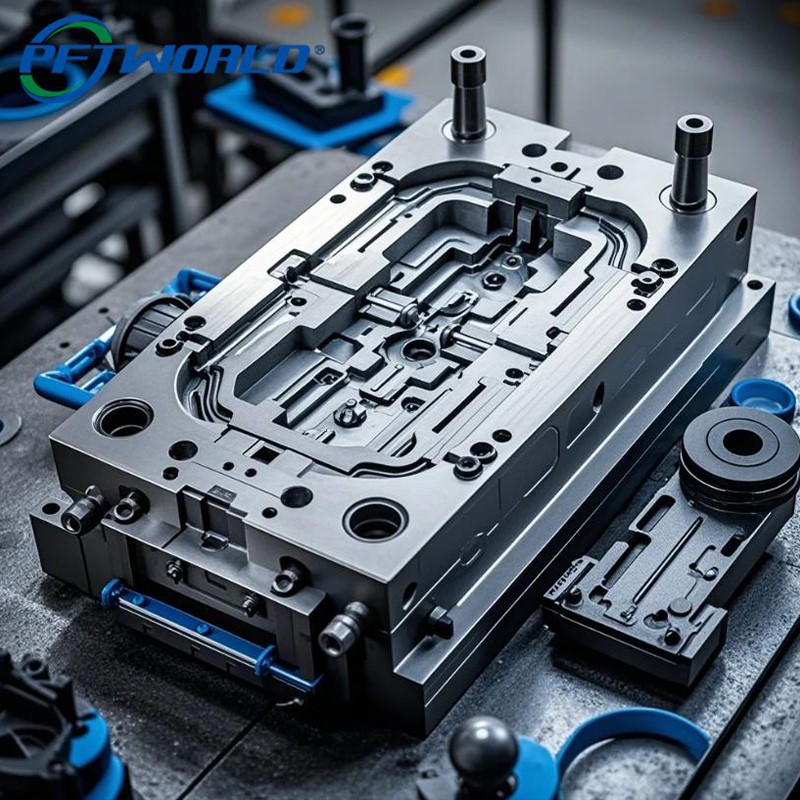
Moulds
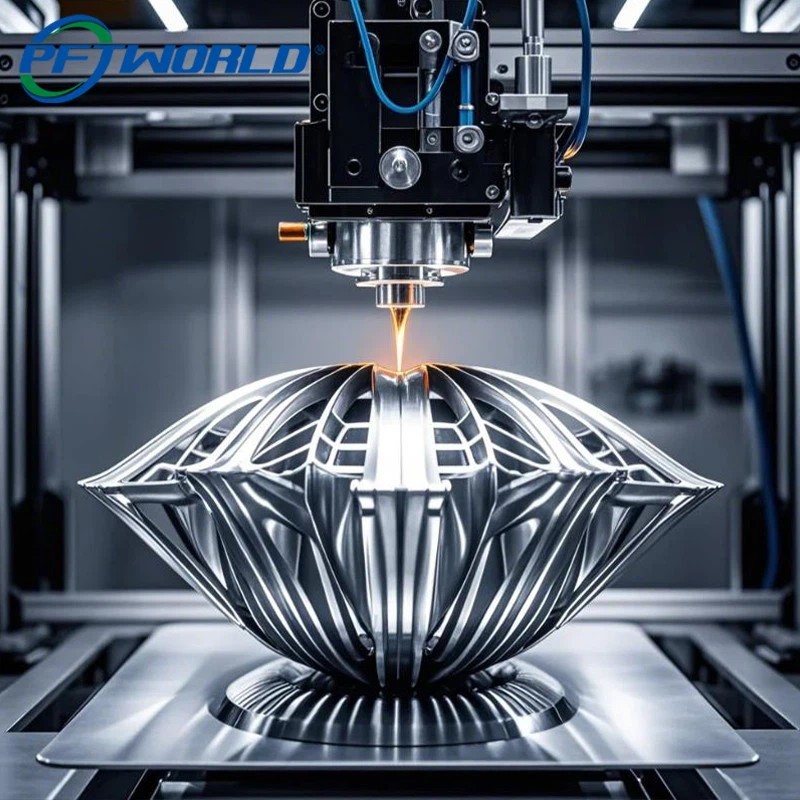
3D Printing
Investigating the intersection of precision manufacturing, automation, and global supply chain strategies.
The modern industrial manufacturing footprint demands high flexibility. Under the "Factory 4.0" framework, production runs are transitioning from high-volume, low-mix models to dynamic configurations. Fast prototyping of custom optical sensor brackets, sensor reflector mounts, and connector interfaces is critical to keep assembly lines moving.
China-based exporters leverage comprehensive vertical ecosystems, sourcing everything from raw aluminum extrusions to surface finishing services locally. Shenzhen's electronics ecosystem enables short design-to-delivery loops, turning custom mechanical prototypes around in 1 to 3 days, and shifting to full production orders in under two weeks.
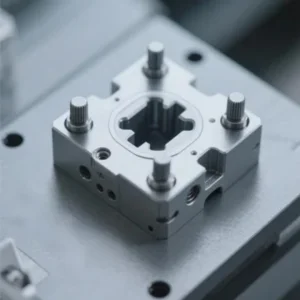
To maintain light path consistency in background suppression sensors, mounting hardware must exhibit flat planarity. We use advanced CMM (Coordinate Measuring Machines) and 2-D measuring instruments to verify that mounting dimensions are within tolerance, preventing parallax errors and sensor misalignment.
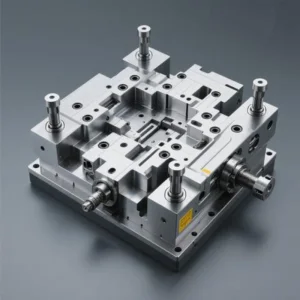
When sensors are deployed in harsh environments—such as marine wind turbines or automated food processing washdown stations—their electronic circuits must be completely protected. We produce durable enclosures using specialized tooling and processes to ensure IP67, IP68, and IP69K sealing ratings.
Precision milling removes micro-imperfections that could compromise O-rings or flat gaskets, maintaining hermetic seals against pressurized water and dust ingress. Exporters utilize specialized post-machining finishes, such as clear and black anodizing or passivation, to resist corrosion and wear.
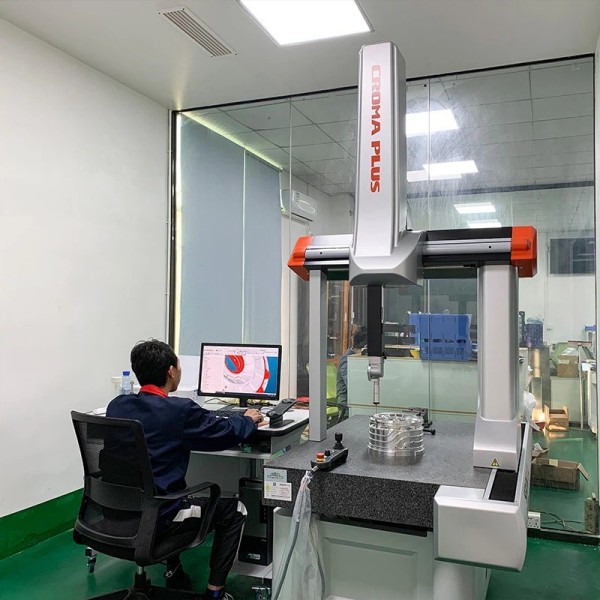
Ensuring compliance with international standards through advanced inspection processes and metrology tools.
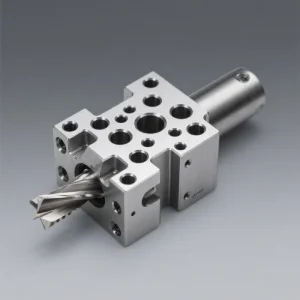
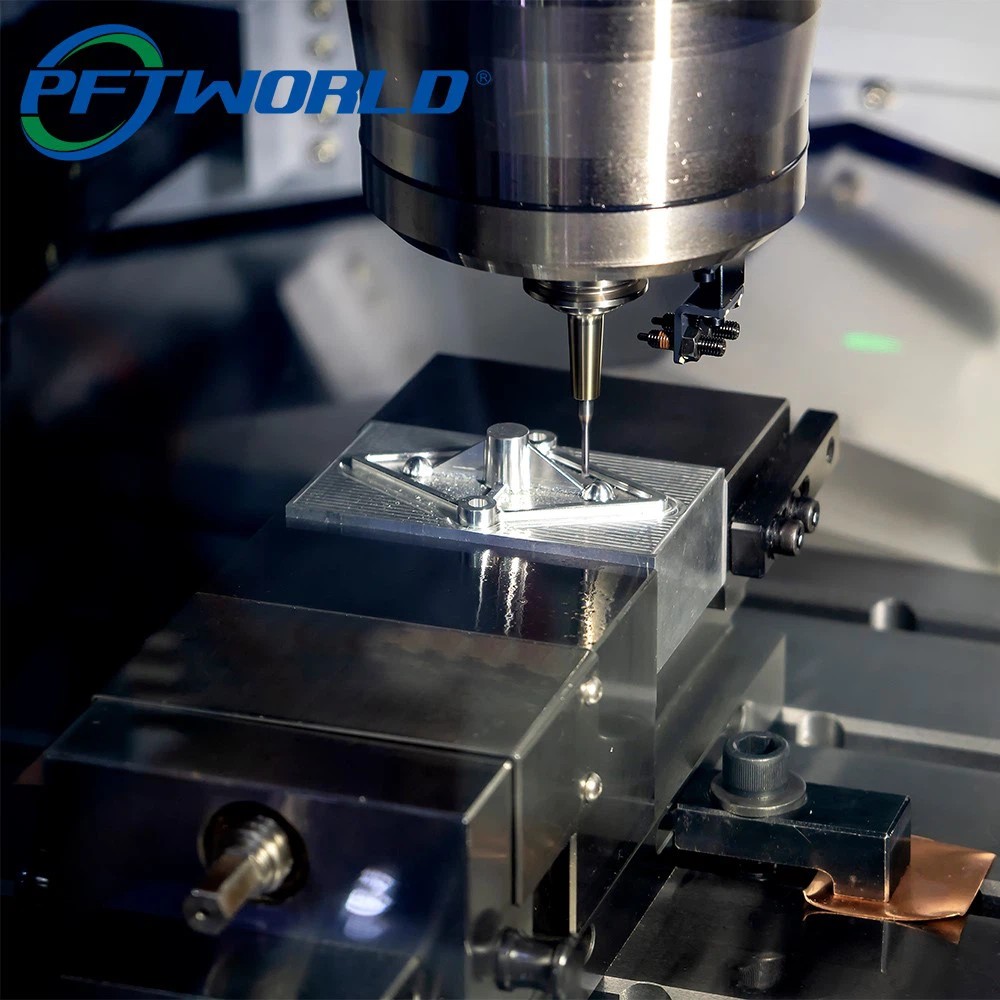
Our machining centers handle high-speed milling and turning, ensuring consistent dimensions across production batches.
CMM testing provides automated dimensional measurement, verifying tight tolerances for complex geometry.
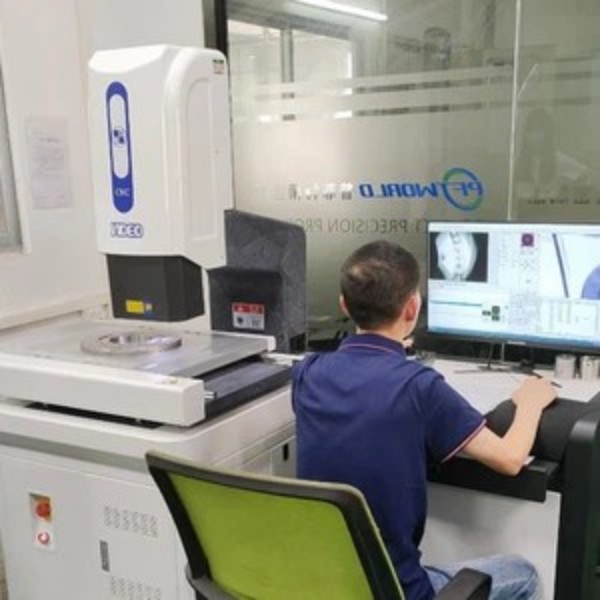
Optical projectors inspect thread forms, chamfers, and profile details to confirm geometric compliance.

Our engineers provide round-the-clock technical feedback, supporting product design adjustments and production planning.
Analyzing key materials, processing techniques, and structural design choices in modern photoelectric sensor housings.
Modern background suppression (BGS) sensors rely on optical triangulation. An emitter shoots light at a target, which reflects back onto a position-sensitive device (PSD) or CMOS array. The angle of return determines the target's distance, ignoring color fluctuations. This requires precise component alignment, as even a minor deviation in the optical window can affect distance calculations.
Material selection is vital for industrial sensor performance. 6061-T6 aluminum offers an excellent strength-to-weight ratio and heat dissipation, ideal for high-power laser mounts. For chemical washdowns, 316L and 303 stainless steels resist corrosion from cleaning agents. Plastics like POM (Polyoxymethylene) are used in electrically isolated structures.
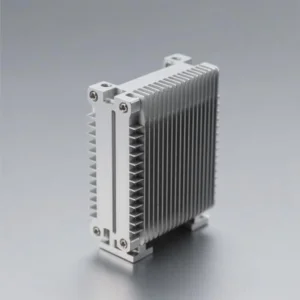
High-output laser sensors generate substantial heat in their laser diodes. Unchecked thermal accumulation shifts emission wavelengths, causing detection drift. Exporters design custom aluminum heat sinks with optimized cooling fins to dissipate thermal energy. Passivated surfaces protect the raw metal from environmental oxidation.
Find answers to common technical, material, and logistical questions regarding our sensor manufacturing and export processes.
We deliver high-precision CNC machining solutions tailored to your exact specifications. From prototyping to mass production, we handle everything with strict quality control, fast turnaround, and competitive pricing. Equipped with advanced CNC machines and a skilled engineering team, we serve industries like automotive, aerospace, medical, and electronics with unmatched accuracy and reliability.
Send Inquiry NowConnect with our technical sales representatives for instant engineering support, quotations, and project updates.
Discover our specialized optical switches, heat sinks, and customized mold making machinery designed for modern automation platforms.