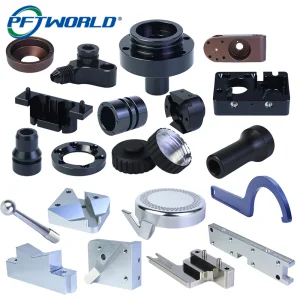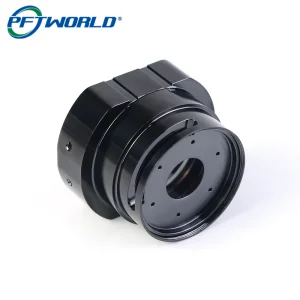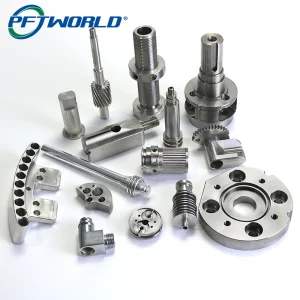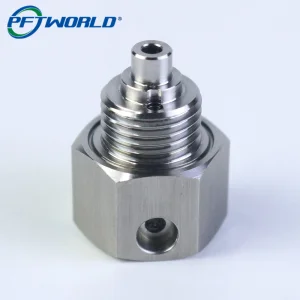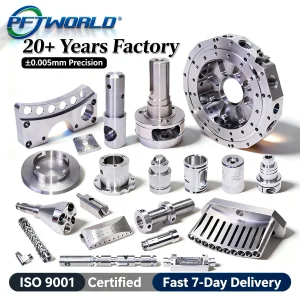
High-performance CNC components engineered for automotive, electronics, aerospace, and high-frequency systems.
How manufacturing automation, aerospace compliance, and micromachining are shaping the pricing and technology landscape of turning operations globally.
The global precision turning manufacturing sector is undergoing an aggressive structural shift. Driven by the demands of next-generation electric vehicles (EVs), sub-millimeter medical devices, and high-frequency 5G/6G signal connectors, the definition of a standard machining tolerance has fundamentally changed. Standard industry setups are migrating rapidly from traditional 3-axis operations toward integrated 5-axis and 6-axis CNC mill-turn machines to avoid cumulative fixtures errors.
In terms of cost structure and the global Precision Turning Parts Pricelist, pricing is no longer determined simply by raw weight or basic machine time. It is driven by material yields, complex geometry execution, micro-surface finishing, and multi-sensor automated inspection cycles. Components that once required secondary grinding and heat treatment can now be produced in a single operation on modern mill-turn platforms, significantly decreasing cost while improving concentricity and roundness tolerances down to the sub-micron scale.
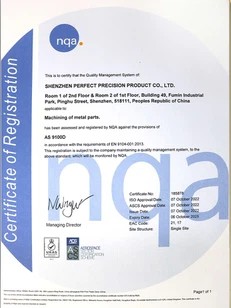
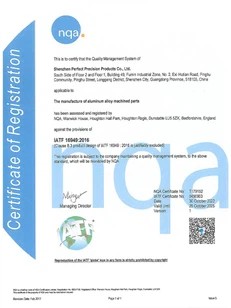
Understanding these macroeconomic variables helps engineering procurement managers balance unit costs and quality assurance. By structuring production inside highly digitized facilities, suppliers mitigate raw material waste, maintain strict compliance profiles (such as AS9100D for aerospace and IATF16949 for automotive), and provide clear cost breakdowns for long-term production contracts.
Established in 2014, Shenzhen Perfect Precision Products Co., Ltd began with a vision to streamline manufacturing logistics by establishing an expert foreign trade team. Through aggressive quality system development, the company passed the ISO9001 quality system certification and earned the prestigious title of Guangdong Contract and Trustworthy Enterprise in 2018.
In 2019, our operations achieved official High-Tech Enterprise certification alongside an integrated intellectual property management system. By 2020, our facility footprint expanded to 10,000 square meters. By 2021, the integration of an enterprise resource planning (ERP) platform enabled us to realize a fully digitized, smart chemical-machining plant. Today, with a dedicated staff of over 70 engineering specialists, we service complex industrial demands globally.
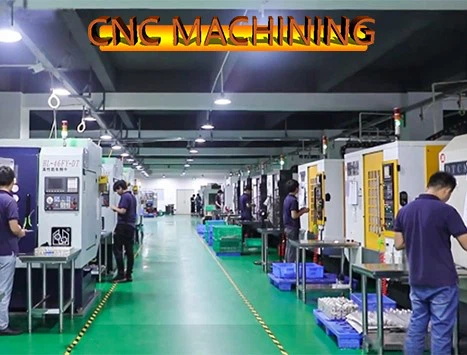
Standard CNC Tolerance
Achieved consistently across general turning runs
Specialized Target Tolerances
Maintained on critical aerospace & sensor components
Surface Finish Range
Controlled surface roughness to meet application specifications
From initial fast prototyping (1-3 days) to serial production scales, we align advanced machining tools with strict production control.
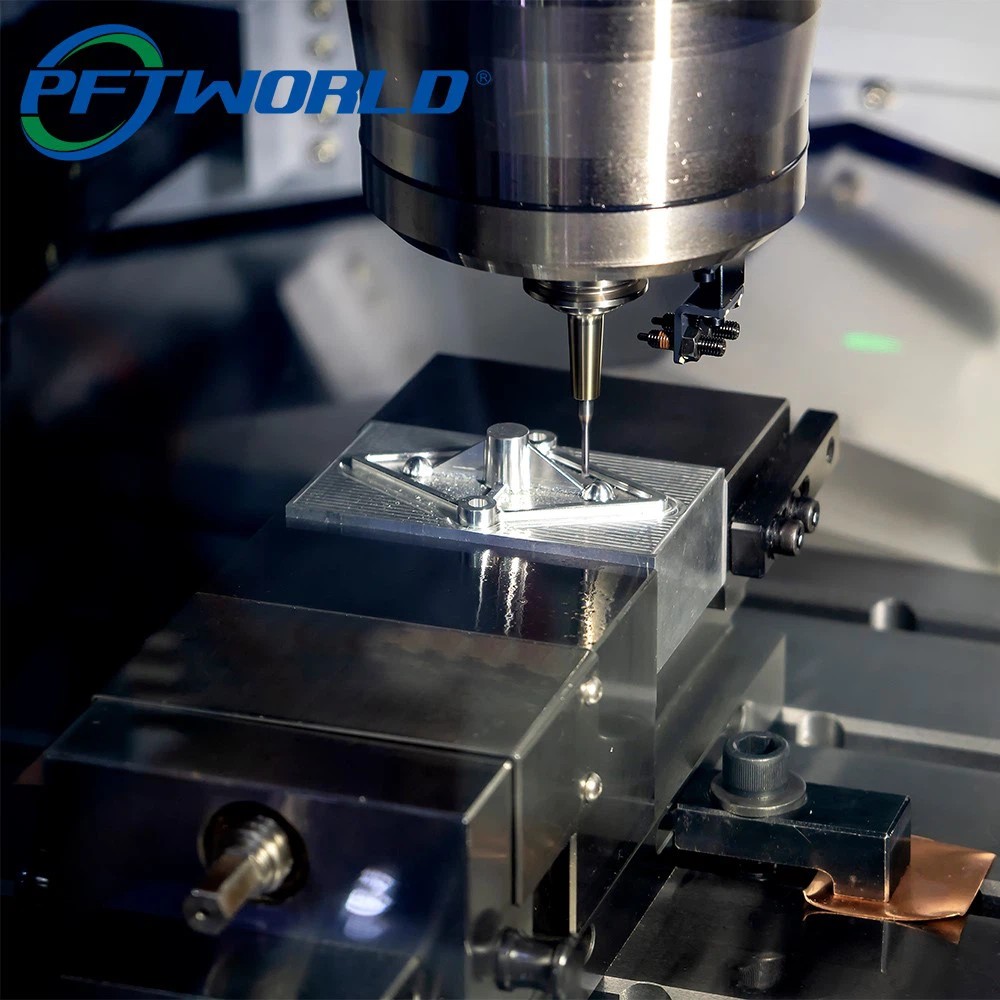
Multi-axis vertical and horizontal milling for intricate complex geometry.
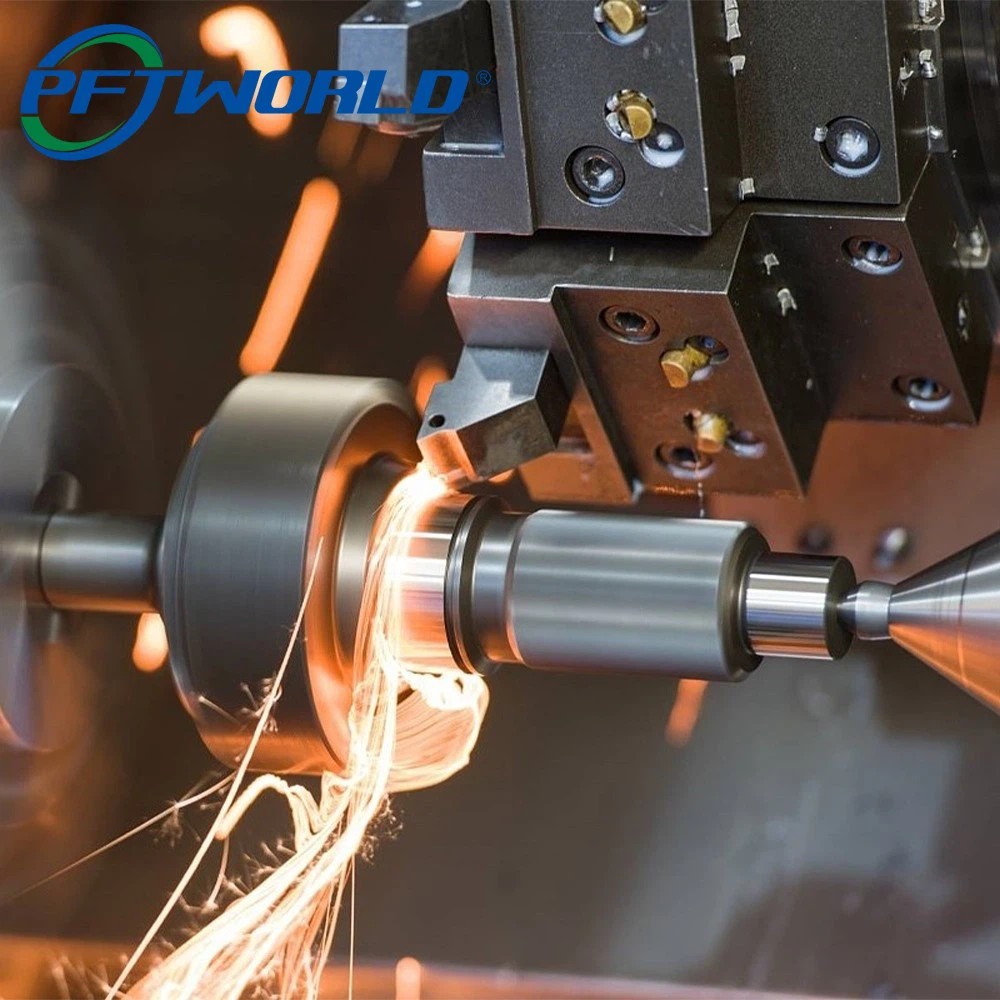
High-speed lathes turning cylindrical parts with precision concentricity.
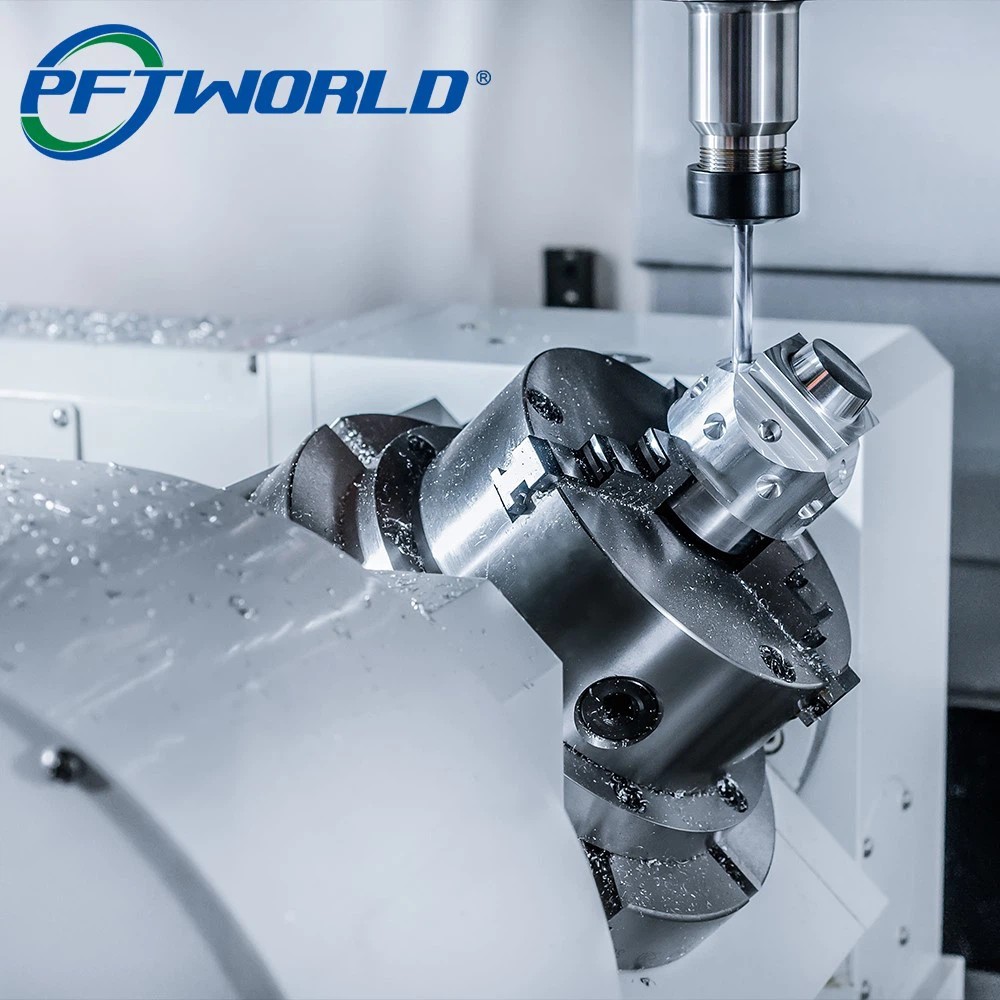
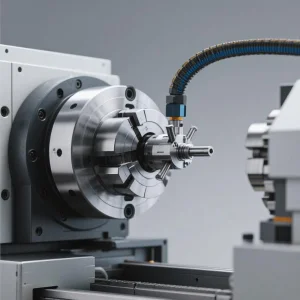
Integrated tooling setups that combine turning and milling in one operation.
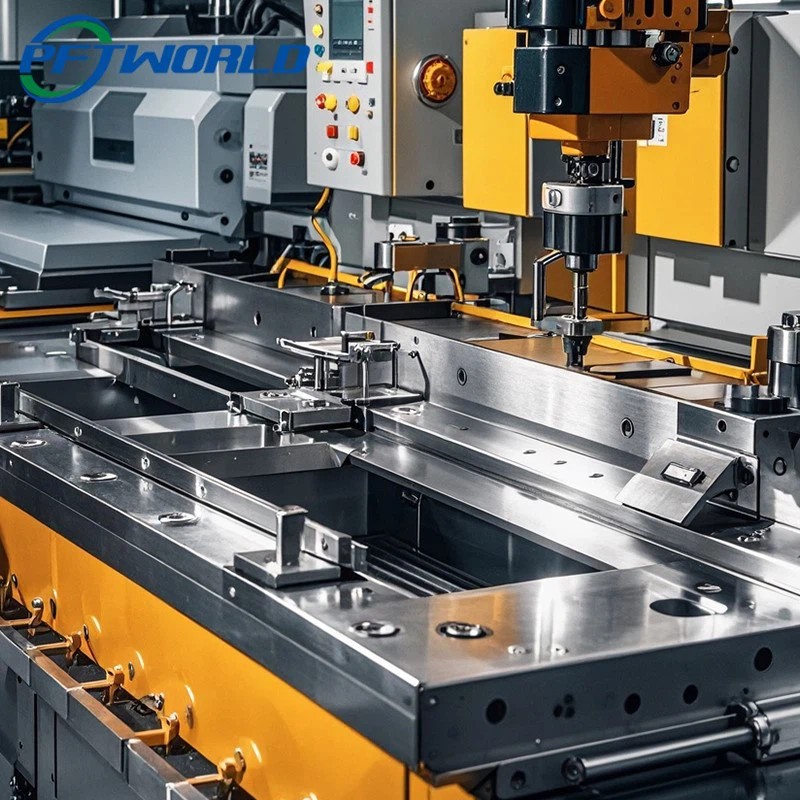
Laser cutting, bending, and punching with high structural durability.
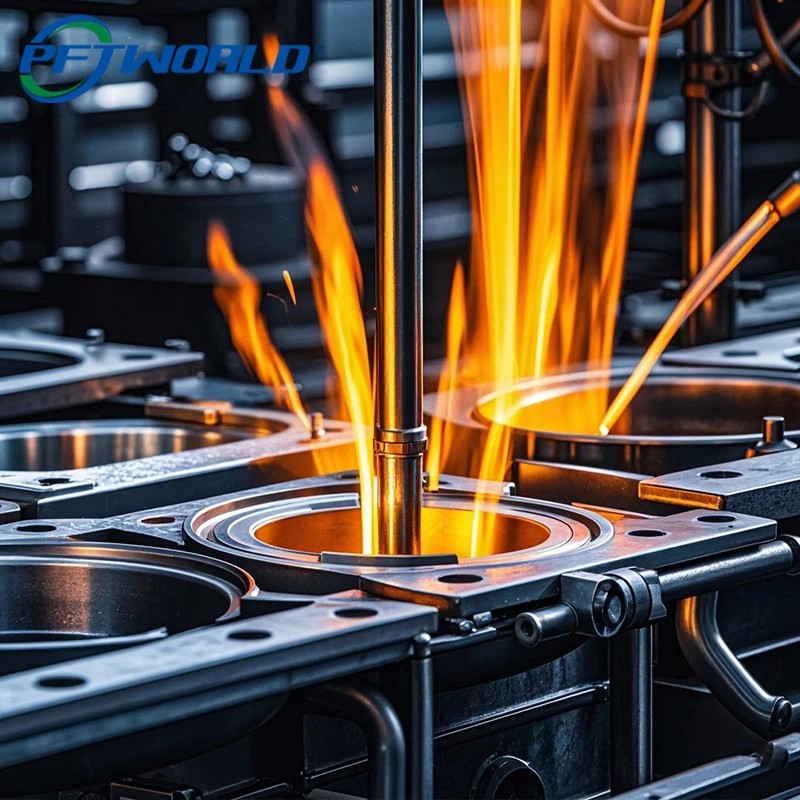
Die casting and investment casting for high-volume structural chassis.
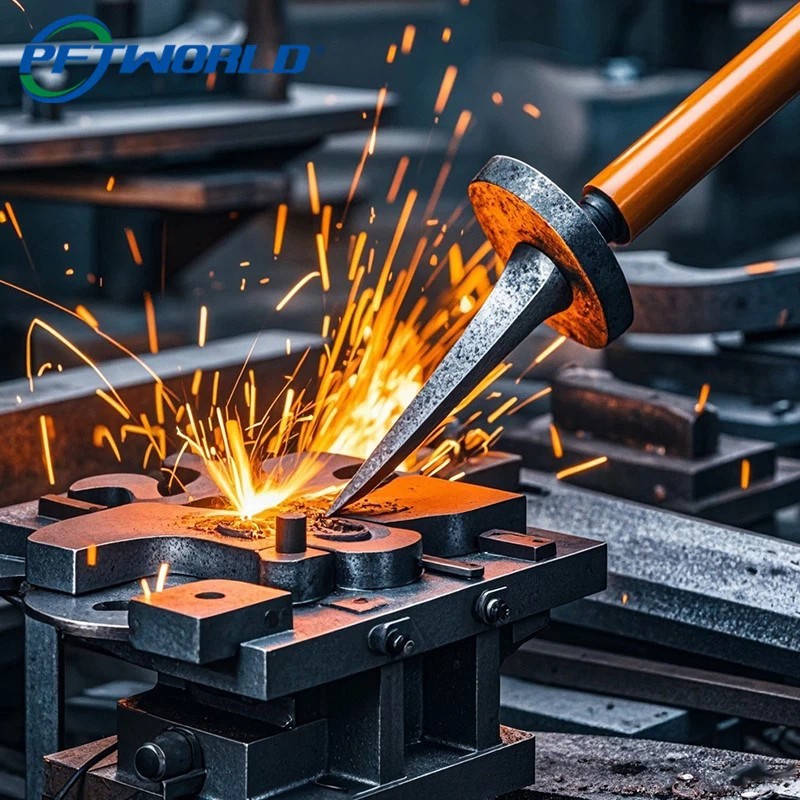
Hot and cold forging configurations for structural aerospace parts.
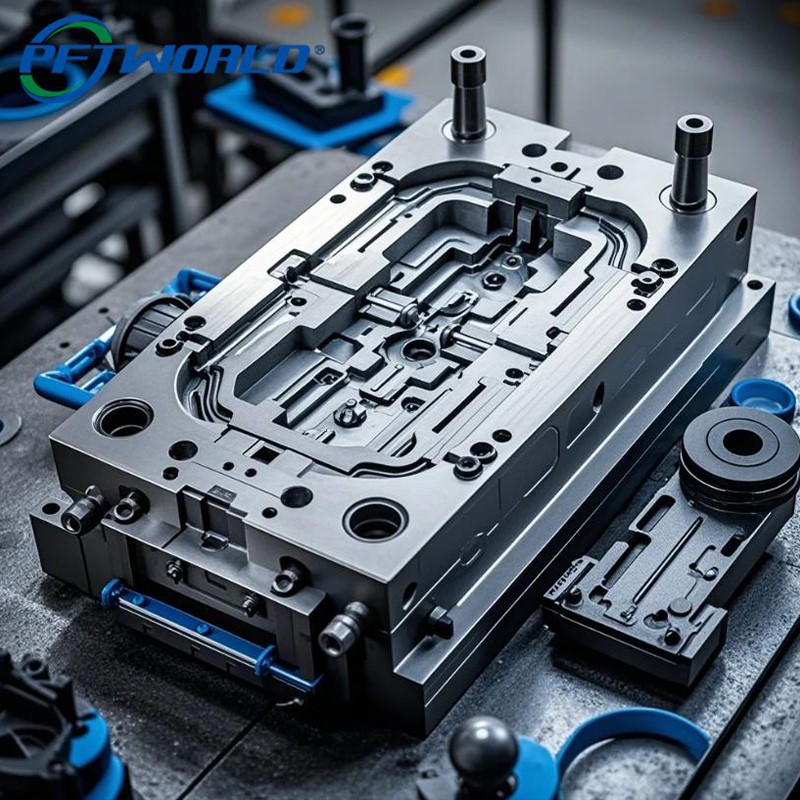
Custom tooling design and fabrication for injection molded products.
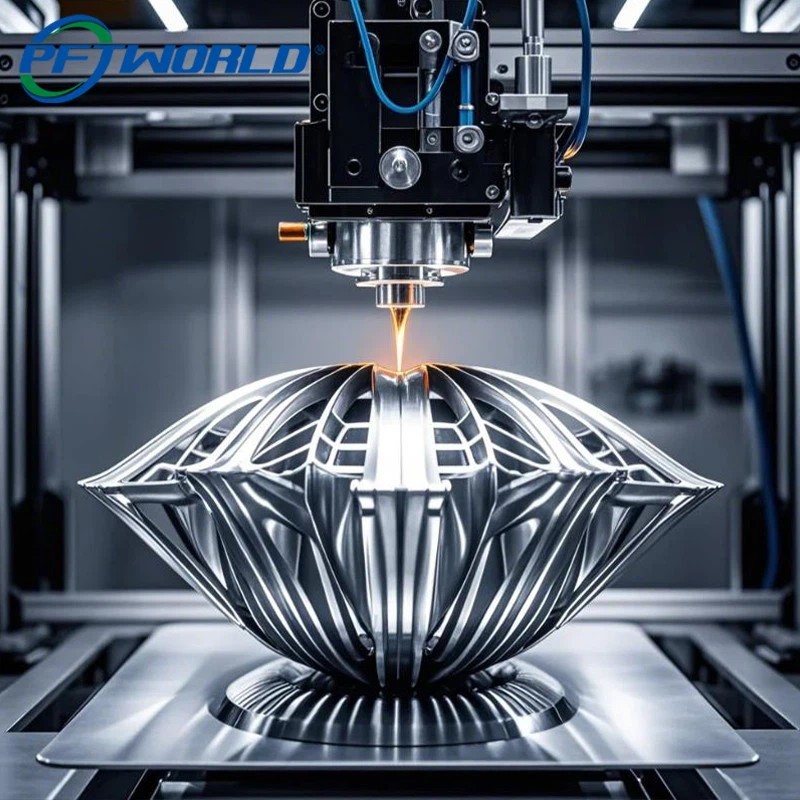
Additive manufacturing for complex geometric models and initial testing.
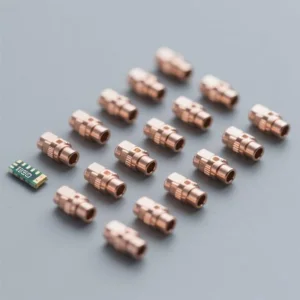
Maximizing yield rates across challenging raw materials, including aerospace titanium, engineering plastics, and high-conductivity copper.
When engineering and sourcing departments ask for a precision turning parts pricelist, they often seek standardized pricing structures. However, true cost-efficiency is determined by custom optimization parameters:
By leveraging an integrated digital setup utilizing high-efficiency multi-axis lathes, Shenzhen Perfect Precision Products reduces cycle-time footprints by up to 25%. This optimization allows us to pass these cost reductions directly to our partners in the automotive, electronics, and medical fields.
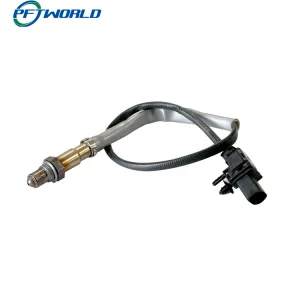
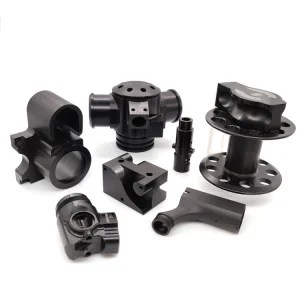
LSU4.9 oxygen sensor housings, transmission valves, and fuel system parts.
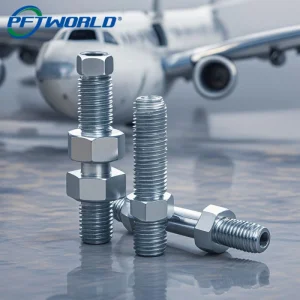
Aviation structural bolts, flight-control linkages, and internal sensor hardware.
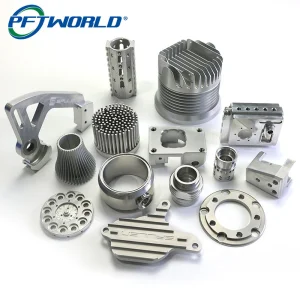
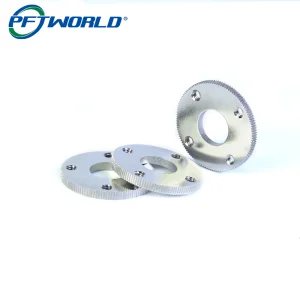
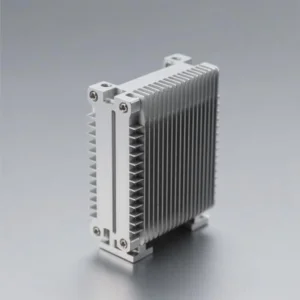
Aluminum heat sinks, RF connectors, and specialized vacuum chamber fittings.
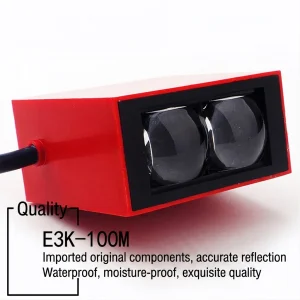
Diffuse sensor switches, optic lens barrels, and fiber connection interfaces.
Zero-defect manufacturing supported by advanced inspection and calibration systems.
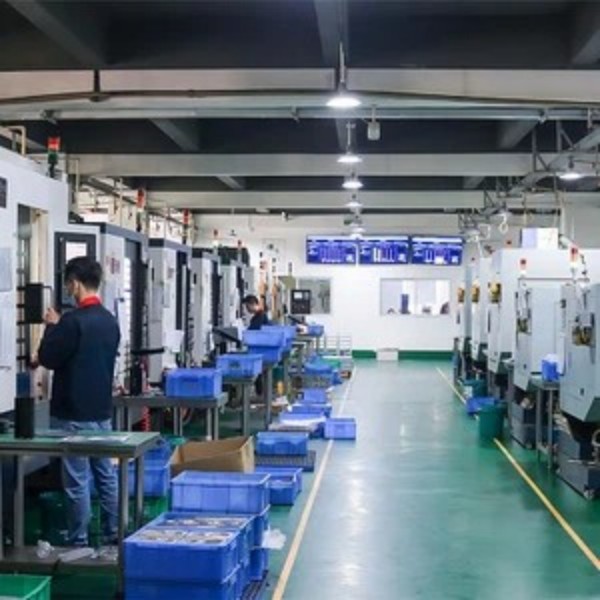
PFT CNC Machining Center
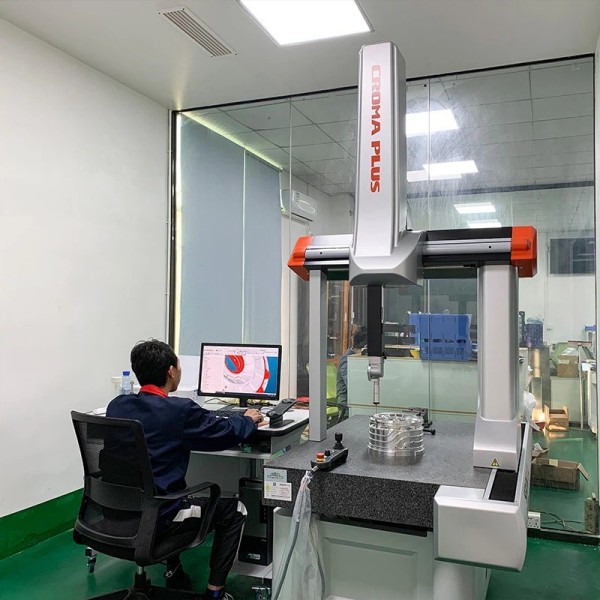
PFT CMM (Coordinate Measuring Machine)
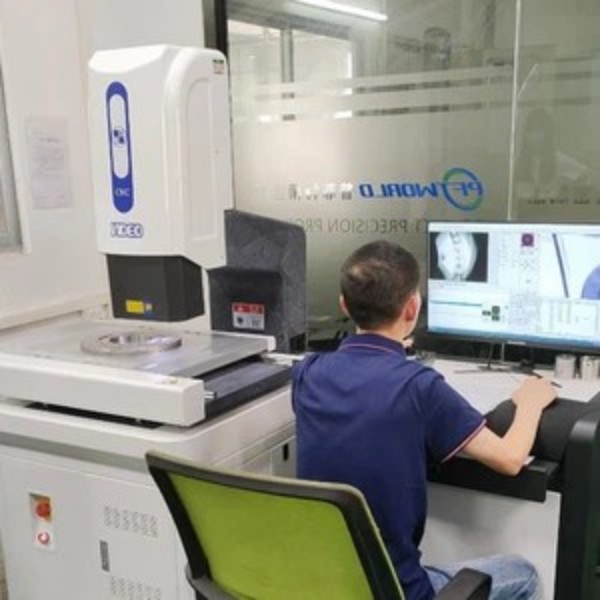
PFT 2-D Measuring Instrument

PFT 24-H Online Service Support
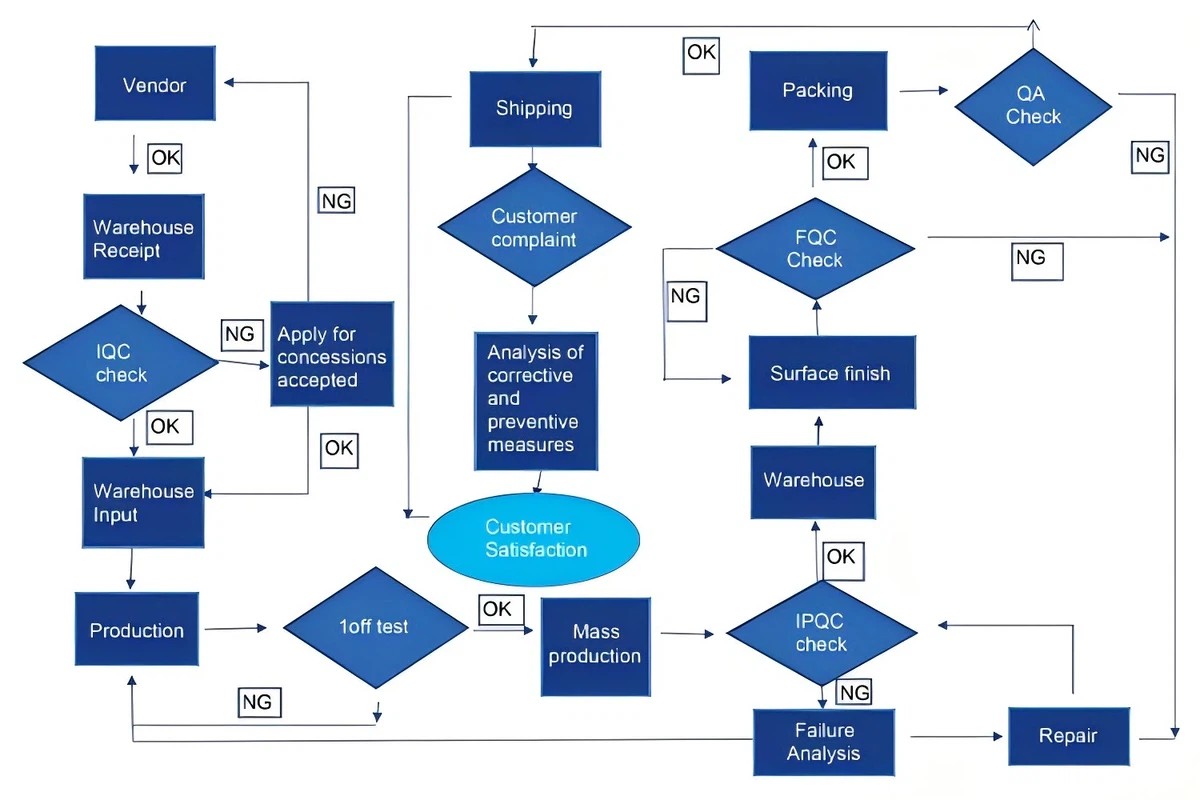
Our quality verification processes run continuously during production. The process begins with raw material verification, verifying chemical composition and dimensional tolerances against factory certifications. First-Article Inspections (FAI) are completed to verify programming variables, followed by in-process sampling checks to monitor tool wear. Prior to final packaging, our quality control team completes a 100% inspection using CMM and 2D vision systems to ensure dimensional compliance before shipment.
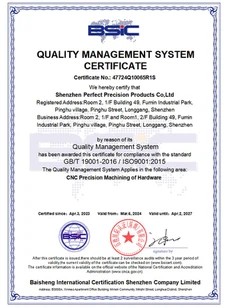
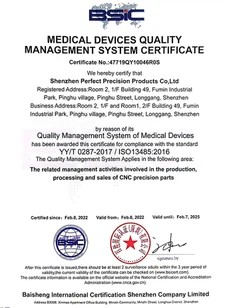
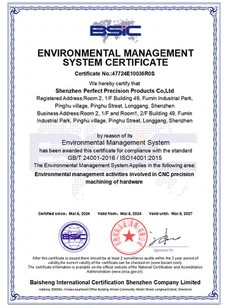
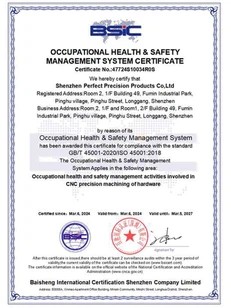
Manufactured in an ISO-certified facility, meeting global aerospace, medical, and automotive standards.
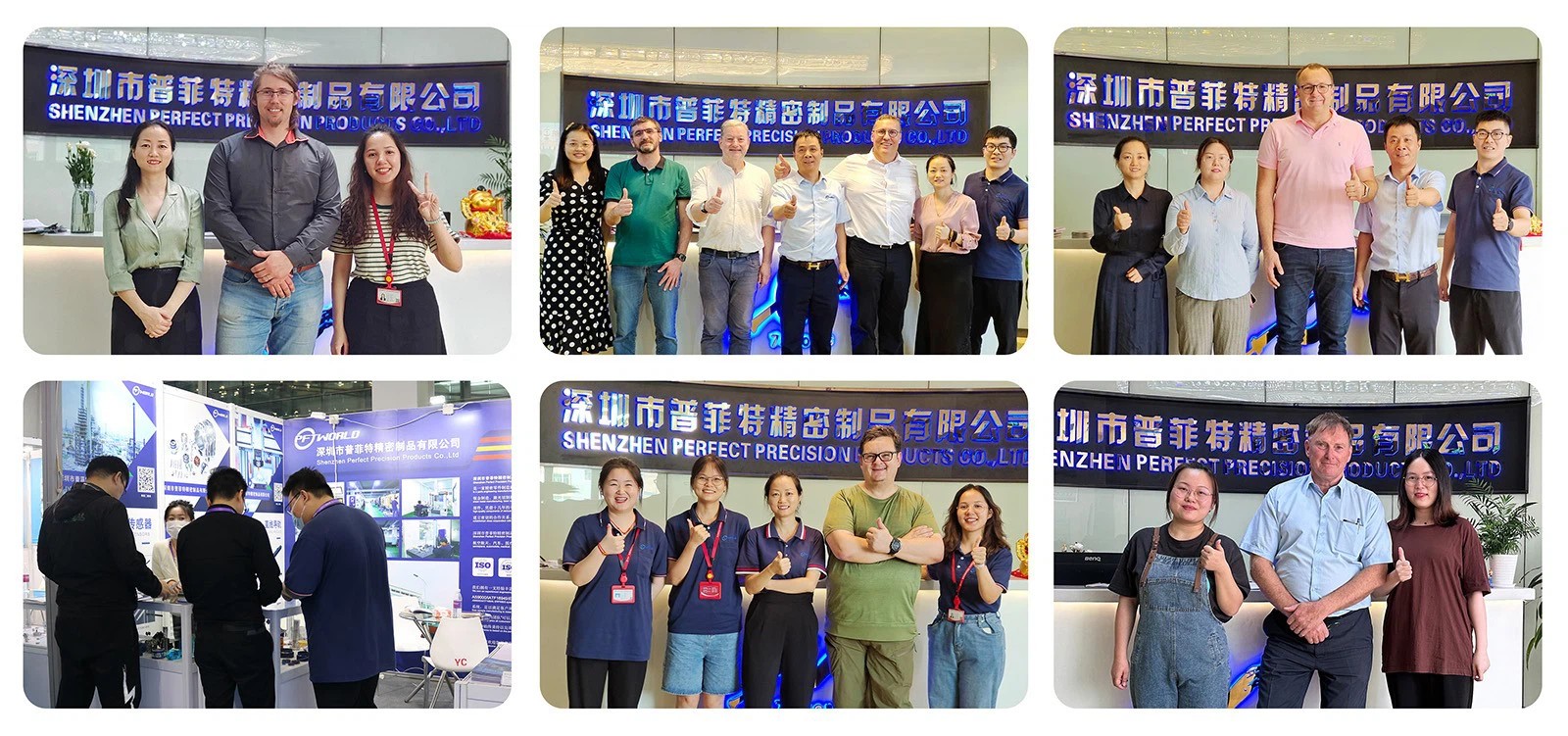
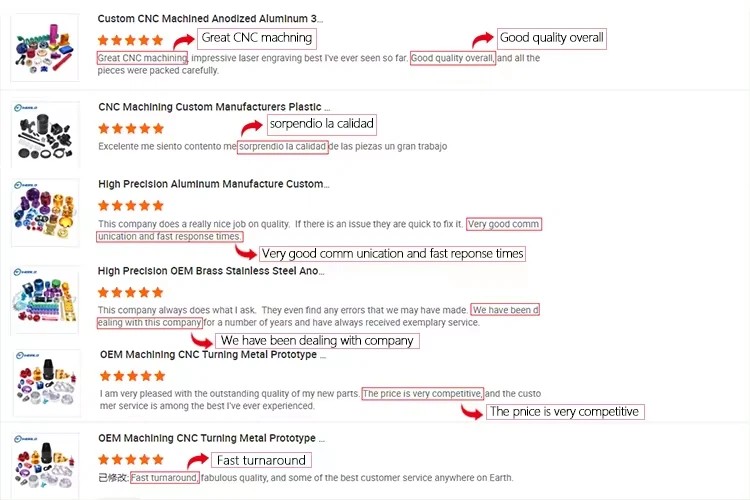
Full production transparency, backed by documented verification steps and global feedback.
Through our visual production model, clients can review fabrication progress at key milestones. Production records, CMM measurement logs, and material certifications are tracked and compiled in our ERP system, ensuring accountability and compliance.
With automated multi-axis equipment, we minimize human intervention in critical setups. This approach stabilizes tool paths, decreases dimensional variance, and keeps unit pricing competitive.
"Perfect Precision delivered our custom LSU sensor housing prototypes in 3 days. The concentricity of the internal channels matched our specifications exactly, and the transition to serial production went smoothly."
- Lead Sensor Development Engineer, Munich Automotive Systems
Balancing global cost efficiency with local engineering support, customs clearance compliance, and risk mitigation.
We maintain compliance with international regulatory frameworks, including REACH, RoHS, and Conflict Mineral reports. This ensures our components can be integrated into consumer electronics, aerospace systems, and medical devices without compliance issues.
We secure raw metal billets through long-term supplier agreements. This protects our clients from market price fluctuations and secures production lines against material shortages.
Our dedicated customs team handles HS classification, shipping documentation, and tariff filings. We offer DDP, FOB, and CIF shipping options to simplify international trade.
Our manufacturing integration plan to transition towards smart factory operations between 2025 and 2030.
We are integrating multi-sensor vibration and acoustic emission analyzers into our multi-axis CNC machines. By detecting micro-scale tool wear before failure, we can prevent dimensional deviation and surface finish variations on high-speed turning runs.
This system links inline coordinate measurement feedback directly to the CNC machine's controller. When tool wear begins to shift dimensions toward tolerance limits, the controller automatically adjusts tooling offsets in real time, reducing scrap rates.
We are deploying simulated programming environments that model tool paths and chip clearing mechanics before cutting metal. This virtual testing process eliminates mechanical crashes, reduces prototype turn-around times, and optimizes tool setups.
Detailed answers regarding tolerances, materials, lead times, and global shipping operations.
We are a professional CNC manufacturing factory based in Shenzhen, China. Our facilities cover 6,000 square meters and are backed by over 20 years of industry experience. Our plant houses over 100 advanced machines, including 3D metrology equipment, integrated CMM setups, and a centralized ERP digital tracking system. Upon request, we provide full material certifications, dimensional quality reports, and chemical analysis certificates.
For a detailed and accurate quote, please provide 2D and 3D technical drawings (such as STEP, IGS, PDF, or DWG formats) specifying the raw material grades, target dimensional tolerances, surface treatment requirements (e.g. anodizing, passivation, plating), shipment quantity, and delivery timeline. For complex assemblies, please include a complete Bill of Materials (BOM).
Yes. Our engineering department can complete reverse engineering on physical parts, generating detailed CAD models and dimensional drawings to assist with design and prototyping.
Yes. We offer quick-turn prototyping services, typically in 1-3 days depending on complexity, to verify component design and fit before scaling up to serial production.
Prototyping orders are typically completed in 1 to 2 weeks. High-volume serial production runs generally require 3 to 4 weeks depending on component complexity and secondary finishing requirements. Expedited production routes are available for time-sensitive projects.
We verify quality at four stages: (1) Raw Material Verification checks material dimensions and grade certifications; (2) First-Article Inspection confirms programming offsets before starting the run; (3) In-Process Sampling monitors tool wear and dimensional stability; (4) Pre-Shipment Inspection involves a final 100% check by the QA team before parts are cleared for shipping.
We provide a one-month post-delivery warranty. If you encounter any issues, please submit details along with photos or videos. Our engineering team will review the issue and provide a solution (which may include rework or replacement) within one week.
We deliver high-precision CNC machining solutions tailored to your exact specifications. From prototyping to mass production, we handle everything with strict quality control, fast turnaround, and competitive pricing. Equipped with advanced CNC machines and a skilled engineering team, we serve industries like automotive, aerospace, medical, and electronics with unmatched accuracy and reliability.
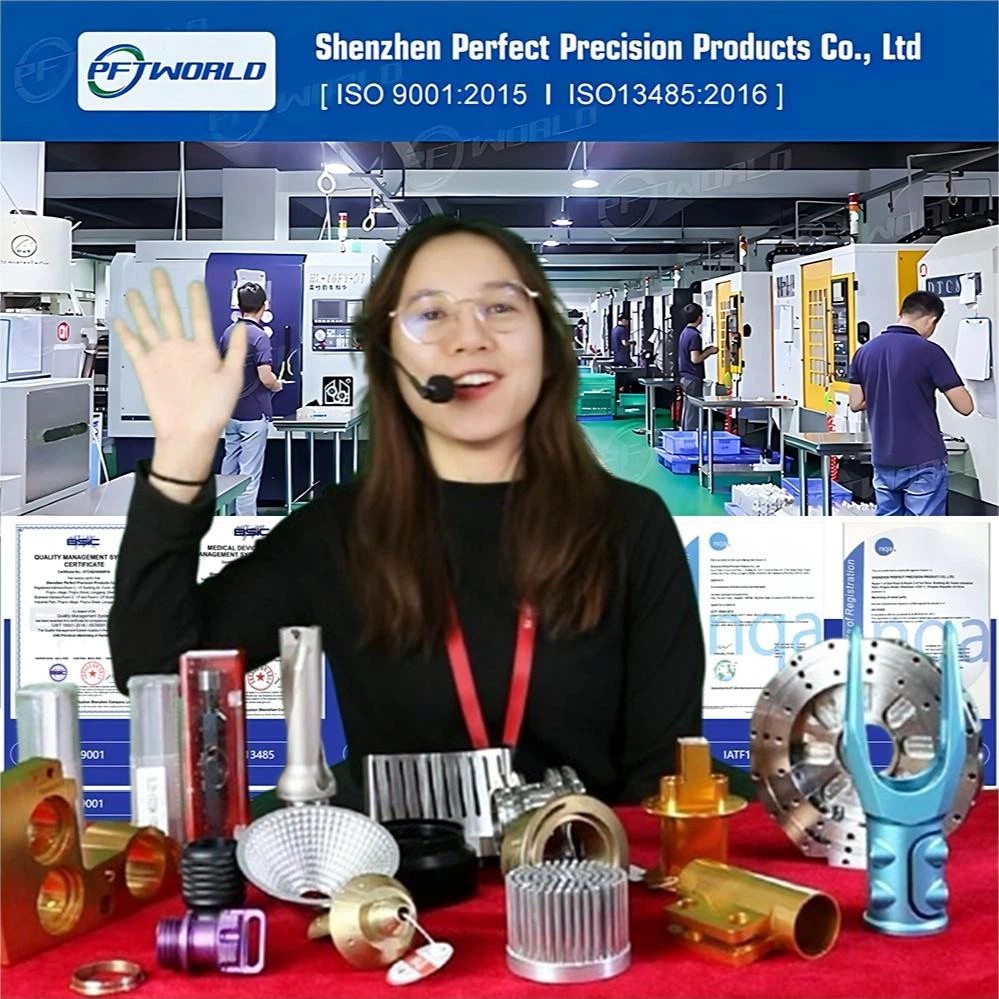
Senior Technical Sales
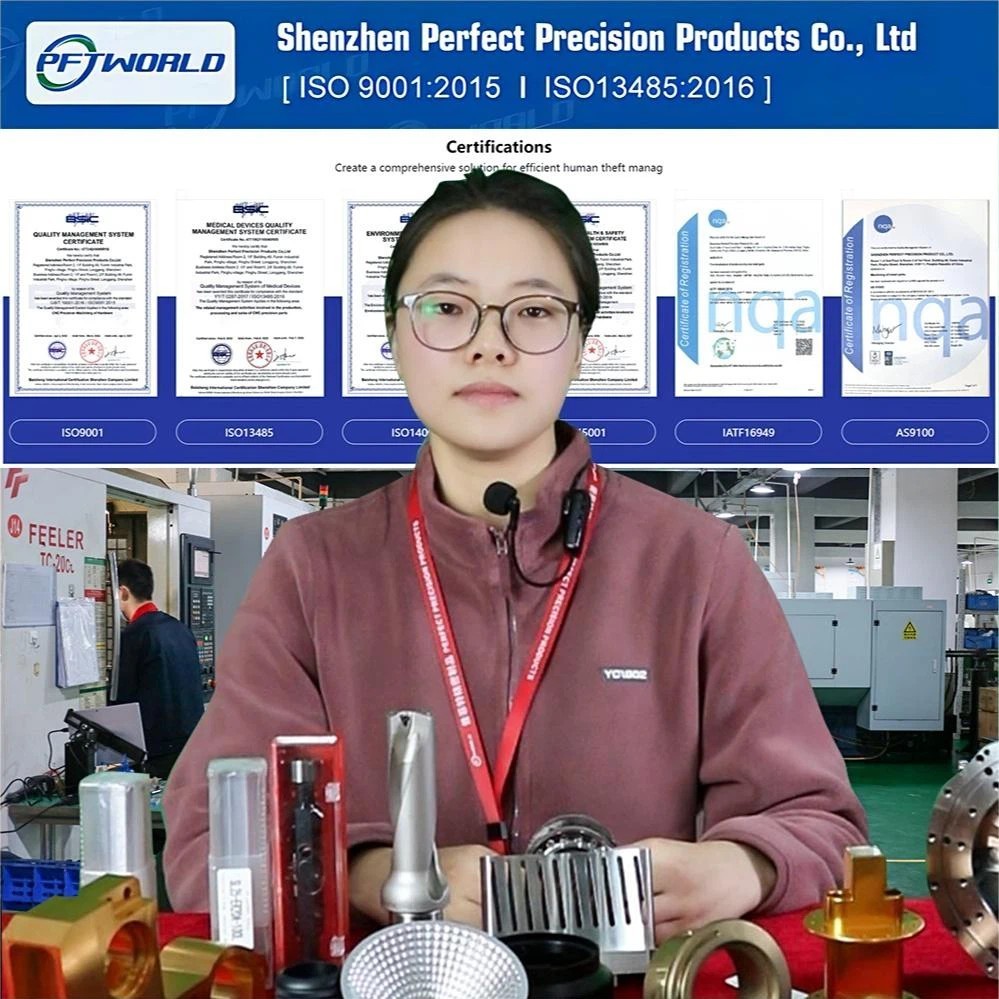
Project Consultant
Export Logistics Lead

Customer Account Manager
Explore our specialized components developed for high-frequency electronics, sensors, and structural assemblies.