Industry Whitepaper: The Evolution & Sourcing of Reed Switch Actuators
Magnetic reed switch actuators represent foundational building blocks in modern automated monitoring, automotive positioning systems, medical instrumentation, and smart security apparatus. In these specialized setups, the precise alignment between the reed switch and its associated magnet assembly determines the reliability and responsiveness of the sensor loop.
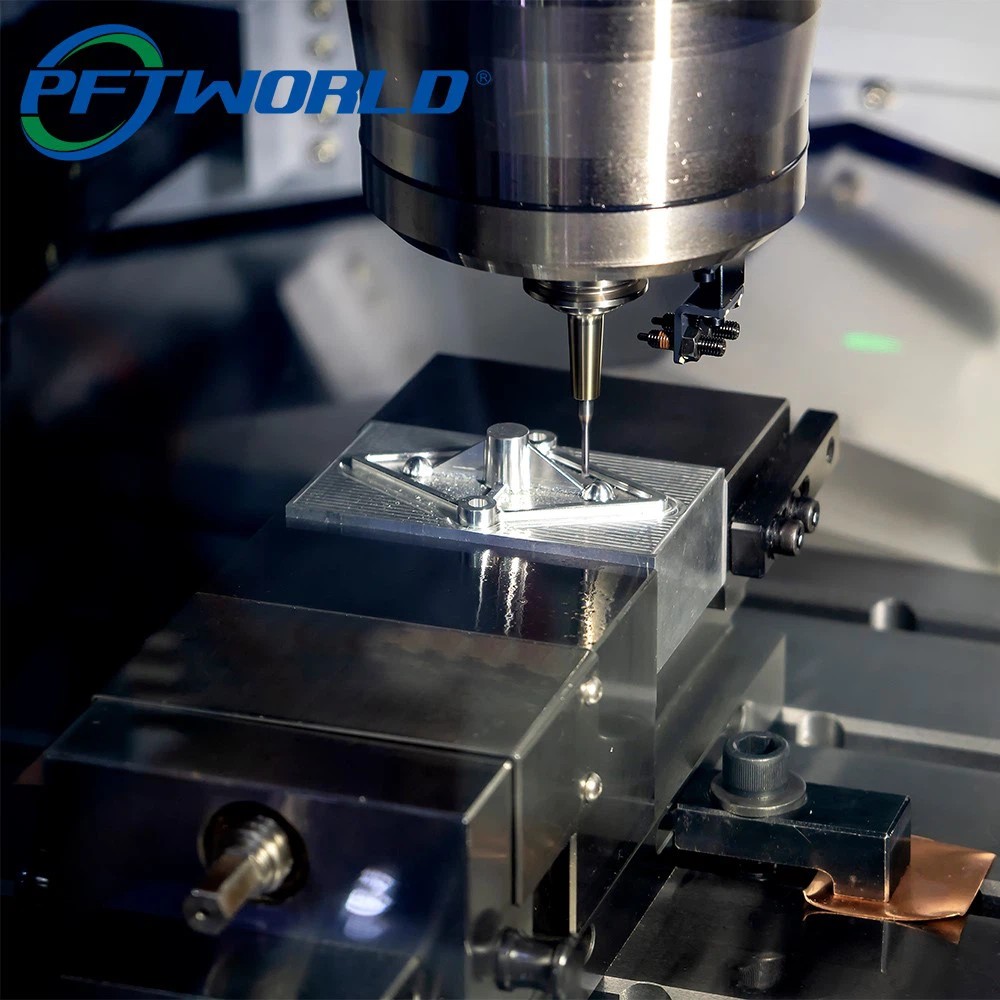
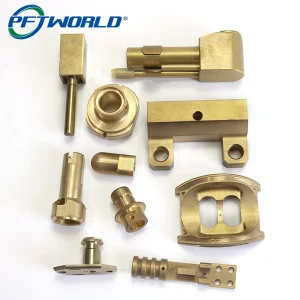
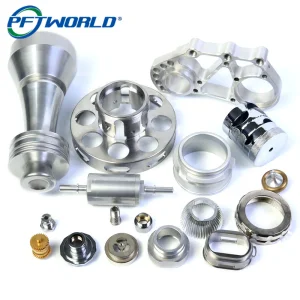
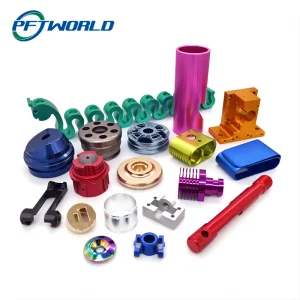
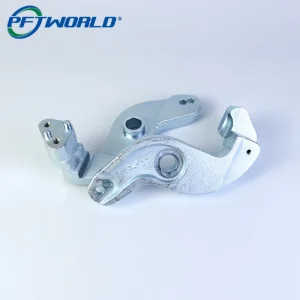
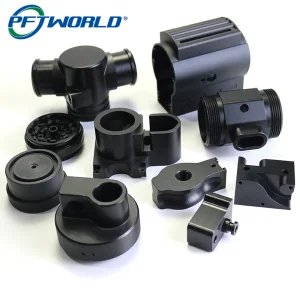
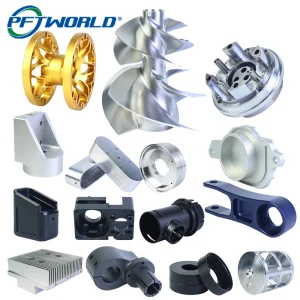
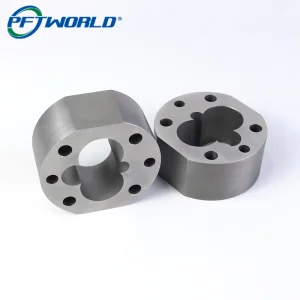
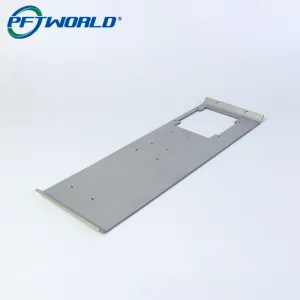
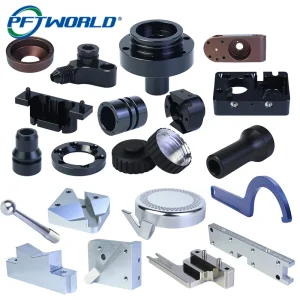
As prominent reed switch actuator exporters, Shenzhen Perfect Precision Products Co., Ltd provides custom-machined structural mounts, magnetic containment housings, and precision physical brackets essential to ensure repeatable activation zones. In automated frameworks, even a microscopic deviation in component geometry can cause erratic magnetic flux density profile displacement, resulting in functional failures.
"Providing high-precision mounting interfaces and structural brackets is paramount. In advanced sensor arrays, the physical housing must protect magnetic actuators from external interference while ensuring strict dimensional integrity down to the micron."
Technical Selection of Magnetic Actuator Materials
Selecting the appropriate permanent magnet for a reed switch actuator assembly demands a thorough understanding of temperature drift coefficients, coercivity metrics, and magnetic energy output. The table below highlights key performance differences between common magnetic actuator alloys machined and integrated within our components:
| Magnet Material Type | Maximum Temp (°C) | Corrosion Resistance | Machining & Housing Complexity | Primary Application Environment |
|---|---|---|---|---|
| Neodymium (NdFeB) | 80 - 220 | Low (Requires coating/plating) | High (Needs hermetic encapsulation) | Miniature high-output automated relays |
| Samarium Cobalt (SmCo) | 250 - 350 | Excellent | High (Brittle, requires protection) | Aerospace & engine-bay proximity sensors |
| Alnico (Al-Ni-Co) | 450 - 550 | Excellent | Moderate | High-temperature industrial control loops |
| Ferrite (Ceramic) | 250 | Excellent | Low (Cost-efficient design) | Automotive seatbelt and door lock actuators |
Global Procurement Strategy for Actuator Components
Global supply chain managers face multifaceted challenges when sourcing electro-mechanical accessories. Sourcing must balance strict geometrical compliance with reliable lead times. Key strategic vectors include:
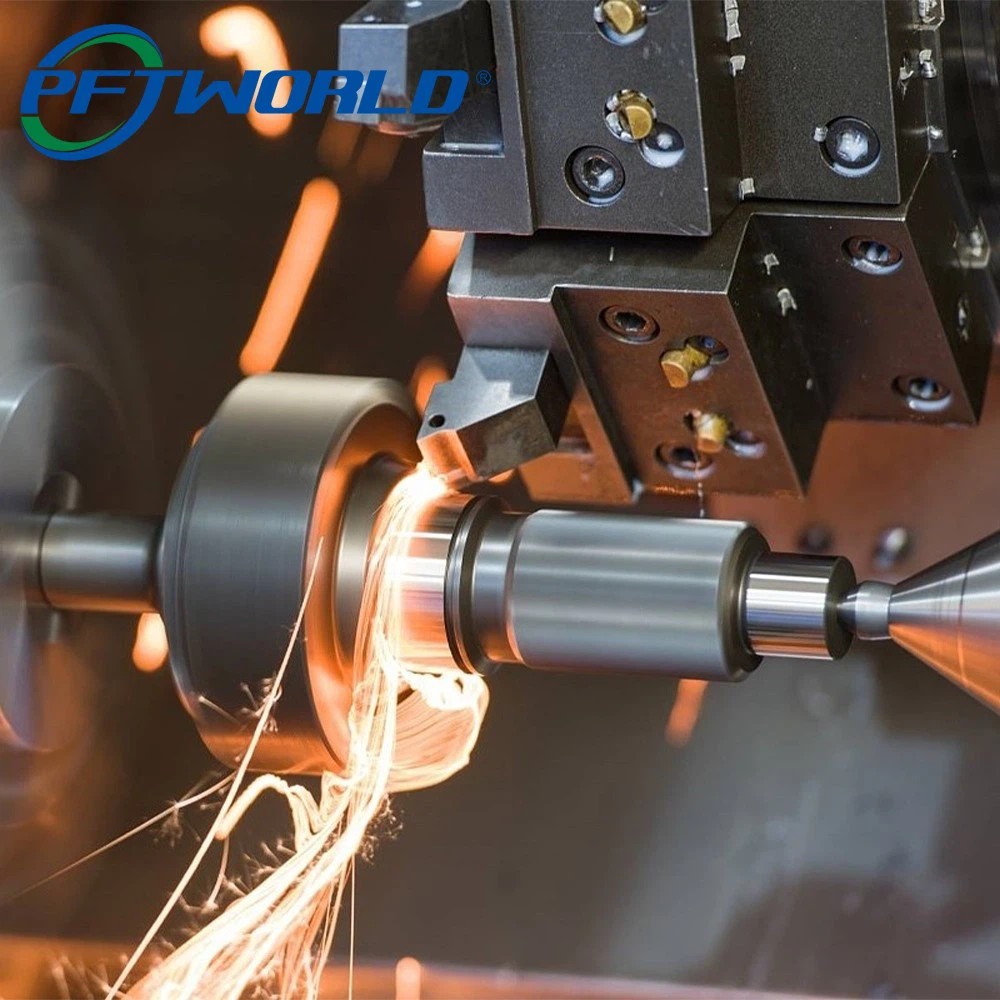
- Material Traceability: Ensuring structural raw metals (e.g., Al5052 aluminum, D2 tool steel, 316 Stainless Steel) possess authentic metallurgical mill sheets to prevent deformation under continuous thermal cycles.
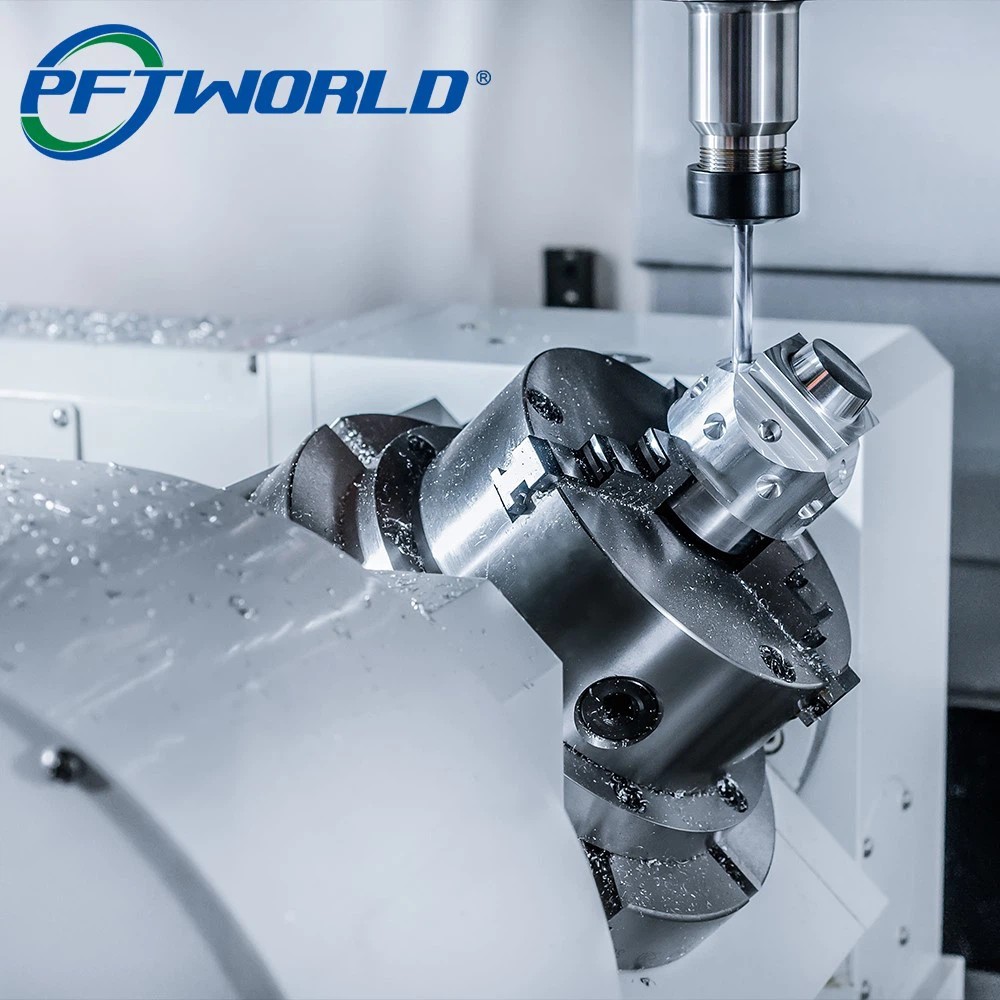
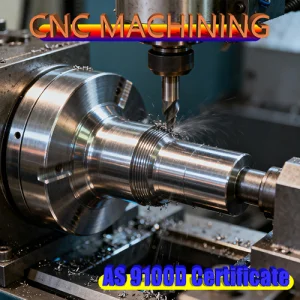
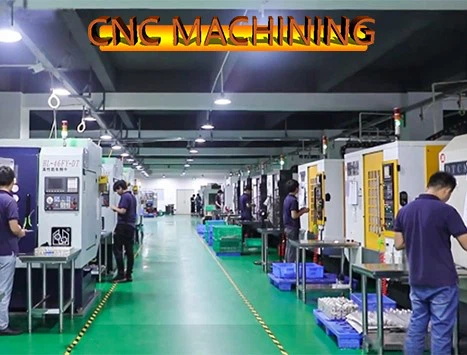
- Multi-Axis Surface Consistency: Actuator brackets must preserve tight alignment. Multi-axis CNC milling prevents multi-setup tolerances from cascading.
- Surface Treatment Integrity: Anodizing, blue zinc passivation, and chemical sandblasting must exhibit uniform thickness profiles to avoid interference with the critical air gap between magnet and switch.
Macro Industry Solutions and Applications
Modern applications require custom integrations across distinct industrial landscapes:
- Automotive and Transportation: Sensors monitoring brake fluid, fuel levels, and safety belts utilize encapsulated reed switch actuators that must endure continuous vibration and chemical contact.
- Medical Equipment: Fluid delivery systems, MRI machinery doors, and clinical diagnostics demand non-contact magnetic switches that offer complete hygienic isolation.
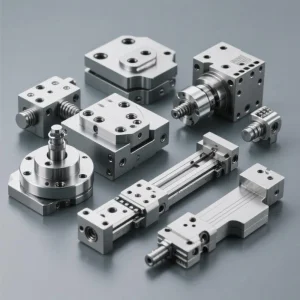
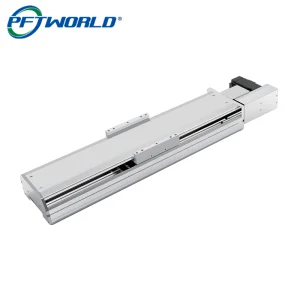
- Industrial Smart Automation: Multi-axis CNC linear slide modules (such as our PFTB14 Belt Driven Actuator) utilize precise magnetic limit switches to calibrate absolute system homing coordinates and boundary positioning.
Technology Roadmap: The Future of Smart Magnetic Sensing
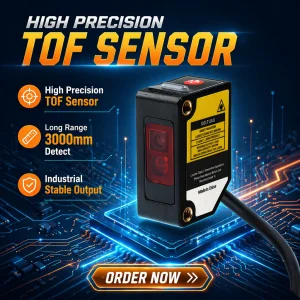
The next generation of sensor integration points to a convergence of passive magnetic switches and active distance measurement technologies. Combining physical reed switch actuators with advanced optical systems like TOF (Time-of-Flight) Laser Sensors establishes redundant safety mechanisms in high-reliability industrial automation networks. Our engineering roadmap focuses on micro-machined enclosures that house both magnetic components and active transceivers, delivering unprecedented accuracy and spatial awareness.