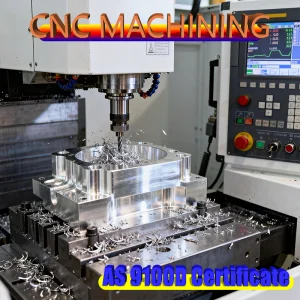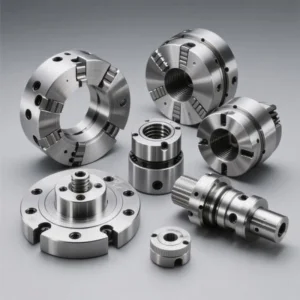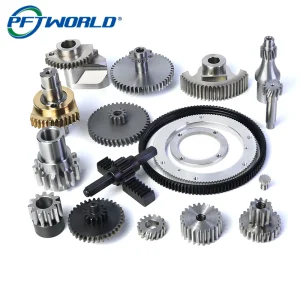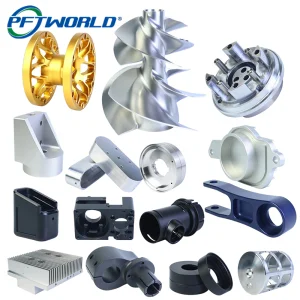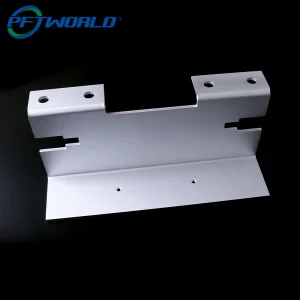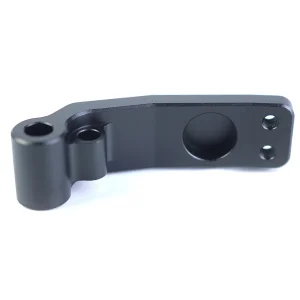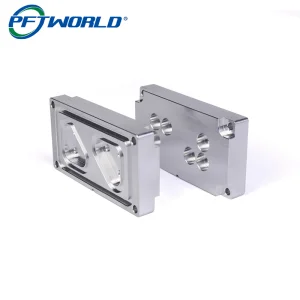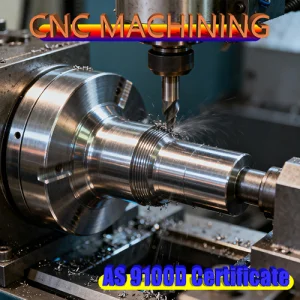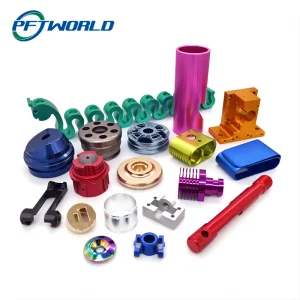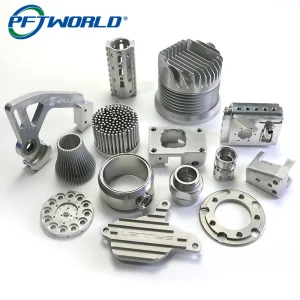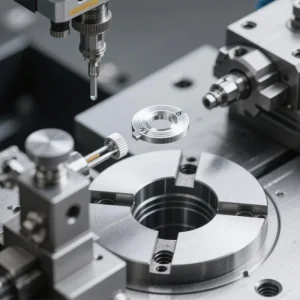
Custom engineered parts engineered to meet sub-micron tolerance requirements for advanced automation, aerospace, and medical engineering.
Modern industrial supply chains demand more than raw manufacturing; they require strategic partnerships built on E-E-A-T (Experience, Expertise, Authoritativeness, and Trustworthiness). Brass, dynamic in its copper-zinc ratios, remains a foundational material for high-stress applications such as fluid dynamics, electrical grounding terminals, pneumatic connectors, and complex medical instruments. Its natural corrosion resistance, high electrical conductivity, and exceptional machinability make it the prime choice for precision components.
The Evolution of Brass Sourcing: Global enterprises are shifting from basic component sourcing to integrated co-design and localized compliance validation. Choosing a manufacturing partner that understands the nuances of material grades (e.g., C36000 Free-Cutting Brass, lead-free C69300 Eco-Brass) and keeps tight tolerances is essential to maintaining high production quality and preventing field failures.
Choosing the correct brass alloy determines mechanical durability. High-speed automation systems rely on alloys like C36000 for its low friction coefficient and optimal chip control during milling. Alternatively, naval applications require tin-modified alloys like C46400 (Naval Brass) to withstand marine corrosion and prevent dezincification in harsh chemical environments.
Our engineering team performs detailed material verification, checking chemistry profiles and surface finishes before starting production. This thorough validation process ensures your brass parts meet critical functional requirements, from electrical conductivity to mechanical shear strength.
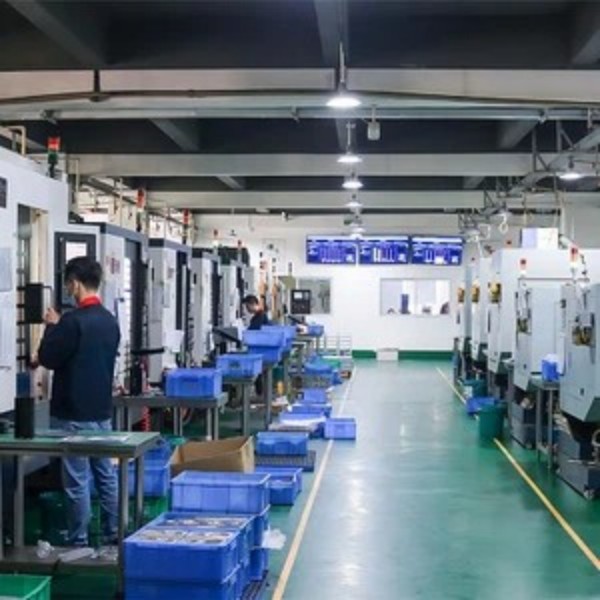
Achieving tight tolerances on complex geometries is where engineering expertise pays off. With temperature changes affecting brass expansion, our climate-controlled production floors utilize advanced high-precision tooling to hold dimensional values down to +/- 0.002mm.
Using coordinate measuring machines (CMM) and laser optics, we inspect every profile feature. This ensures perfect alignment and fitment during assembly, helping our clients avoid costly downtime and production delays.
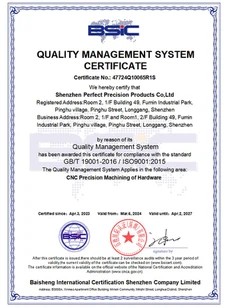
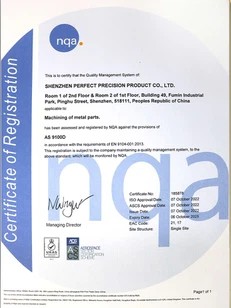
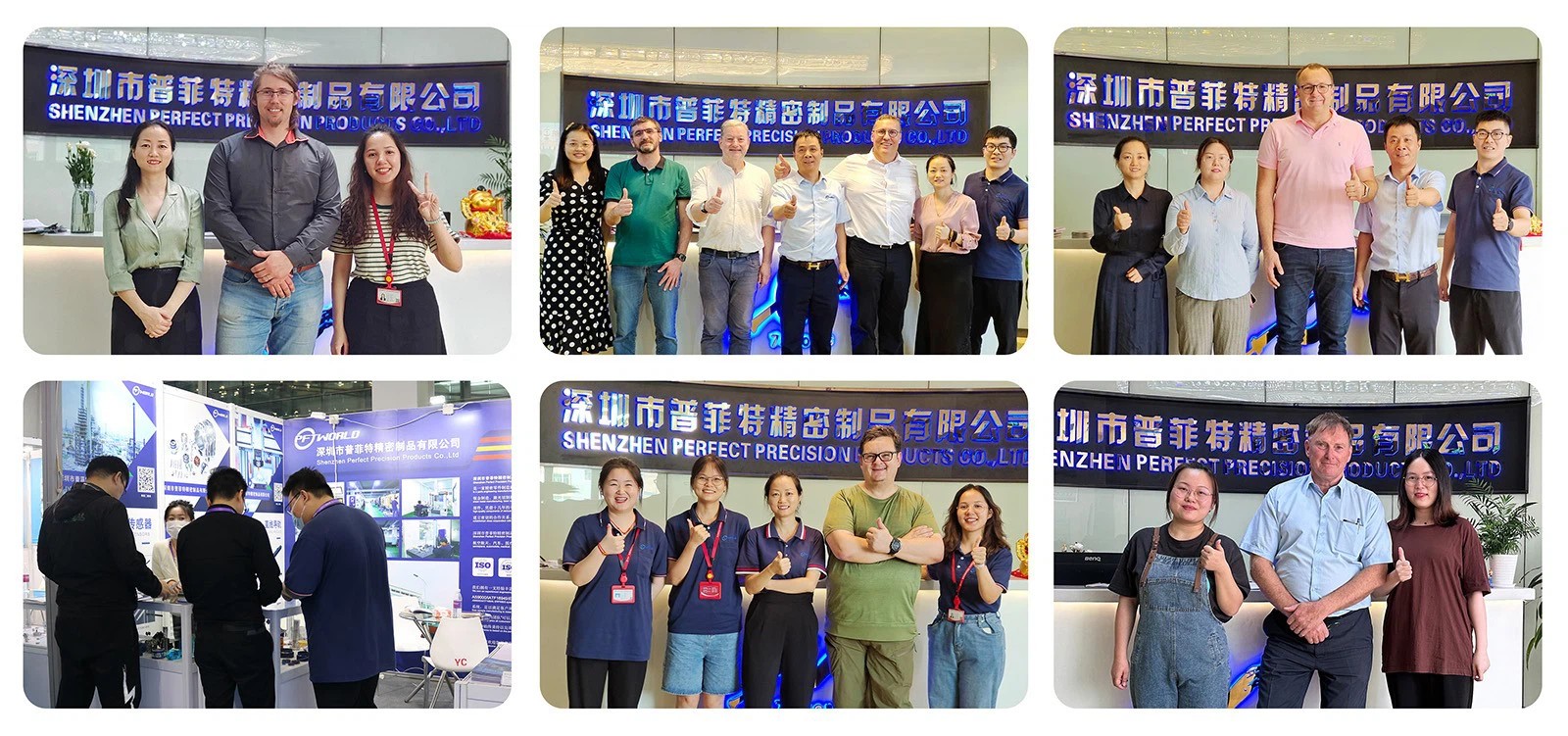
Established in 2014 with a dedicated foreign trade team, Shenzhen Perfect Precision Products Co., Ltd has built a strong reputation as an industry-leading machining provider. We successfully passed the ISO9001 quality system certification early in our journey, ensuring quality remains at the heart of our operations.
Recognized as a Guangdong Contract and Trustworthy Enterprise in 2018, we went on to achieve high-tech enterprise certification and pass our intellectual property management system audit in 2019. Responding to growing global demand, we expanded our office and manufacturing footprint to 10,000 square meters in 2020. Today, our team of 70 skilled professionals leverages a fully digitized chemical and physical plant layout realized in 2021 to deliver reliable, high-precision machining services.
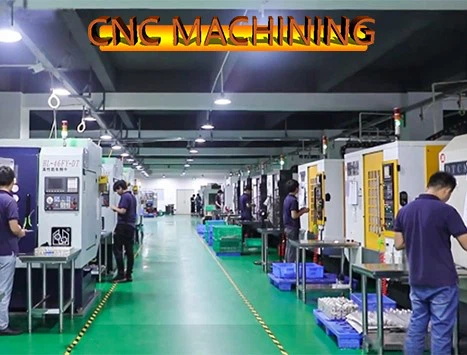
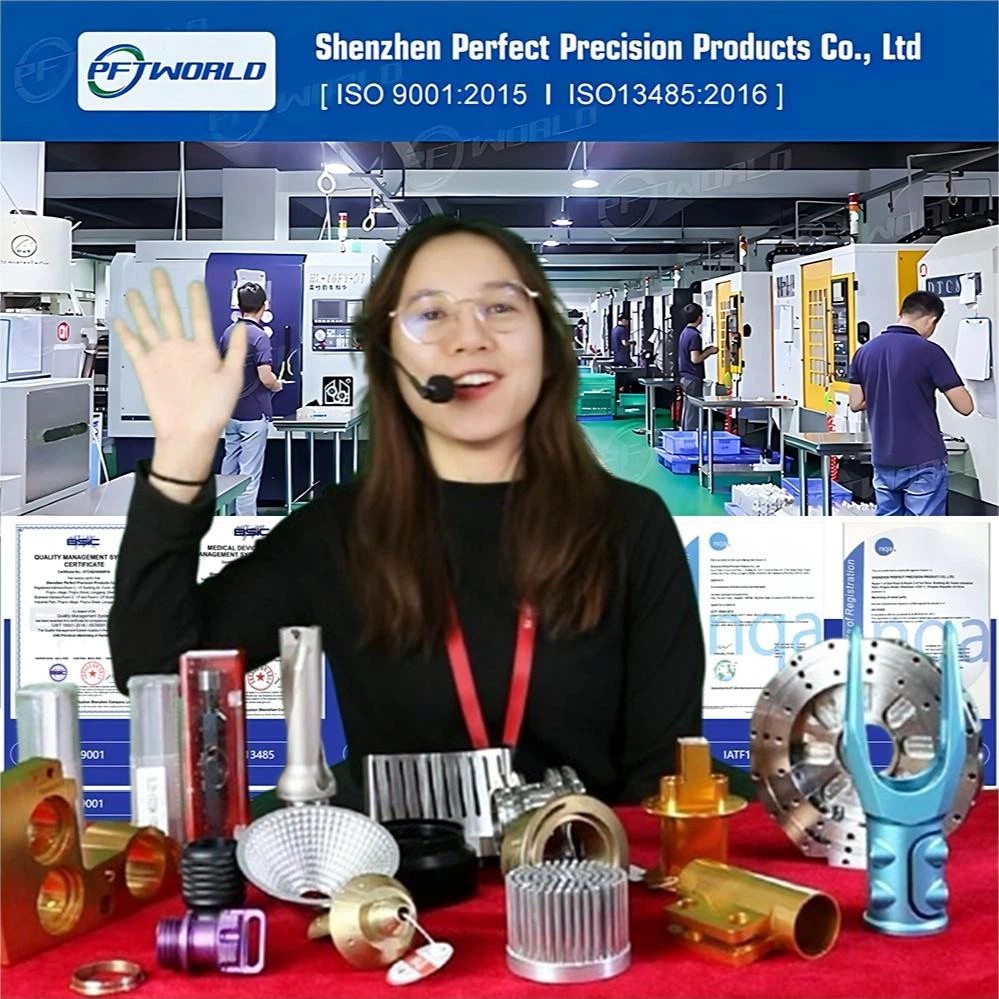
Comprehensive manufacturing capabilities under one roof. From rapid prototyping to high-volume production, we support all your precision design requirements.
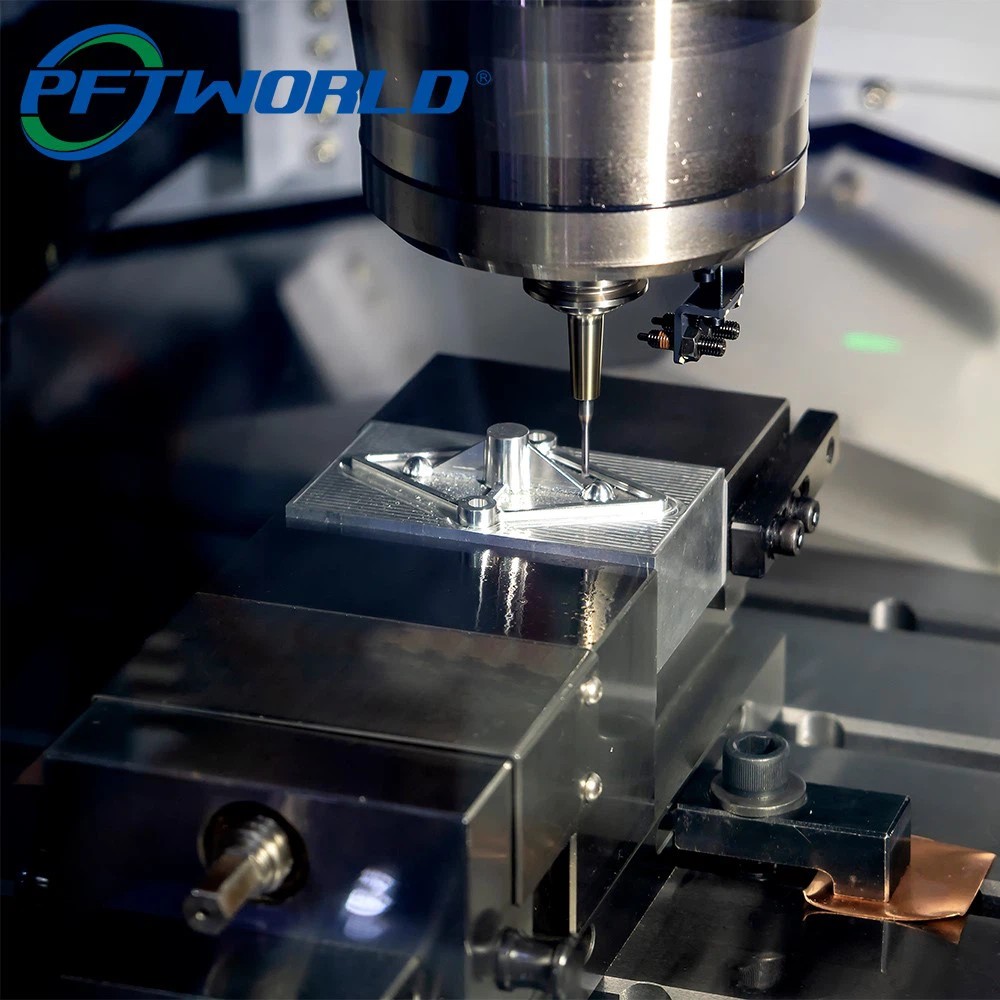
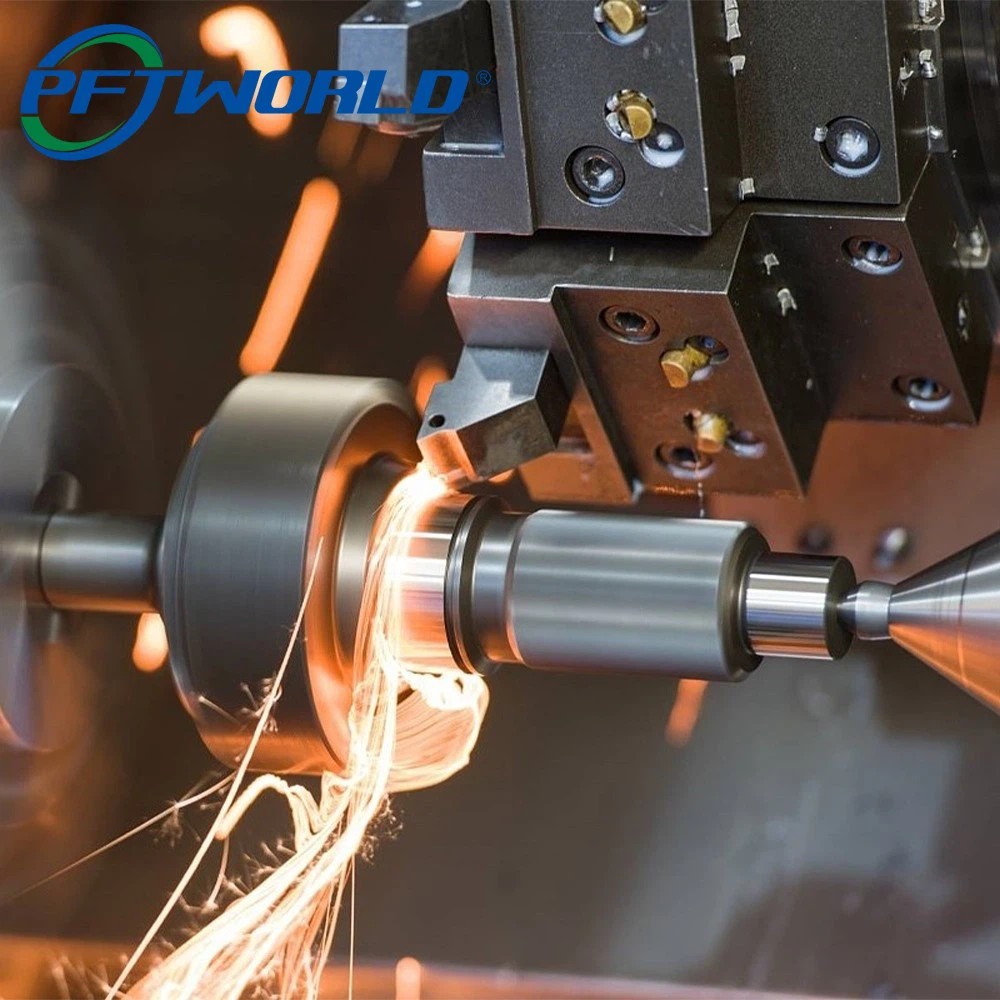
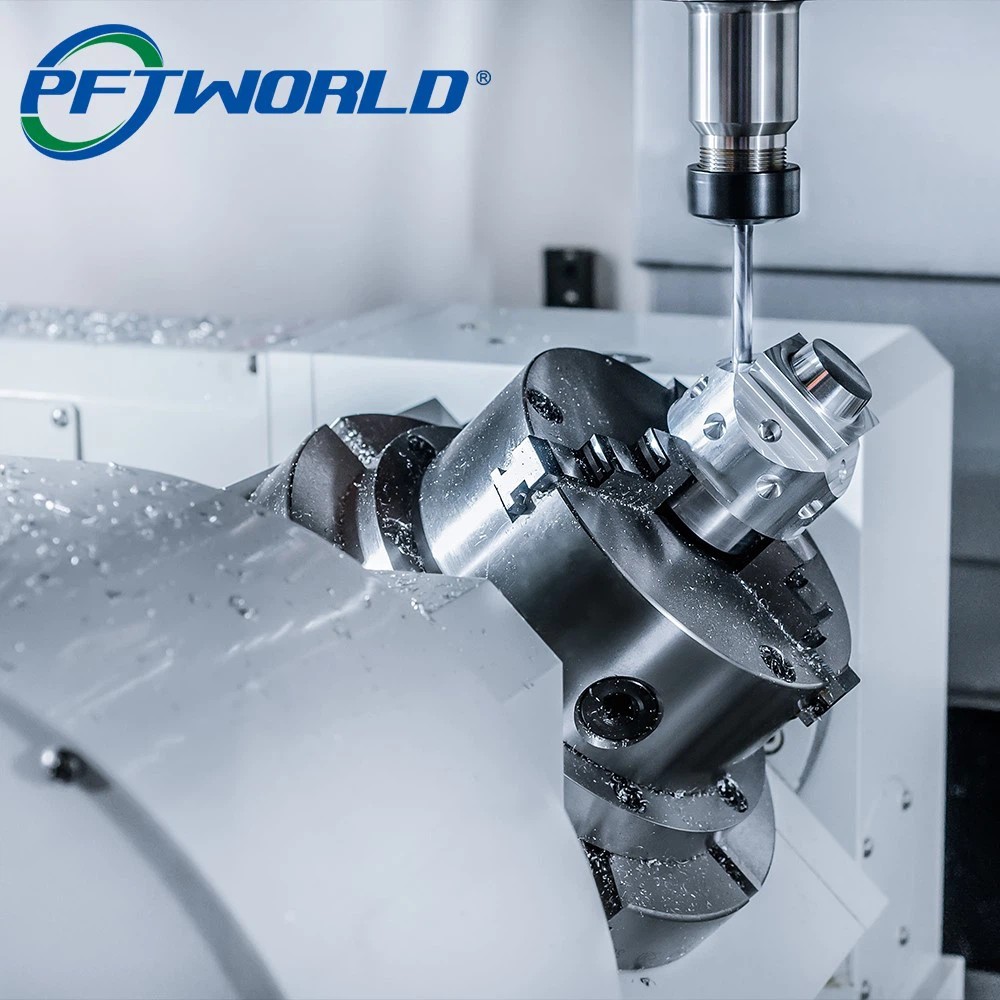
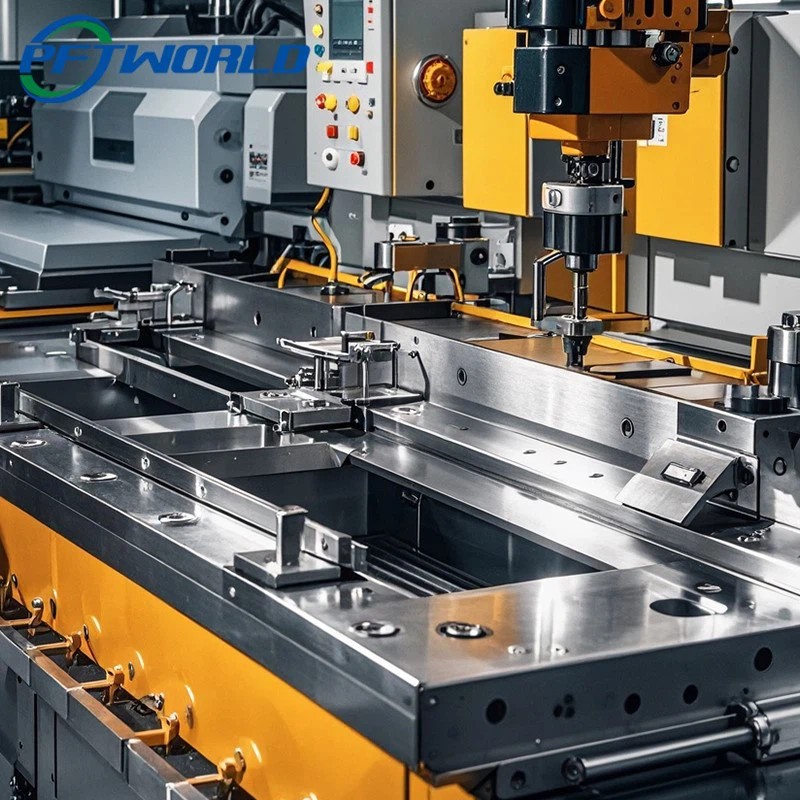
Sourcing precision brass components from a partner in China's manufacturing clusters offers clear supply chain benefits. By integrating material suppliers, surface finish specialists, and modern logistics systems in Shenzhen, we minimize cycle times and lower costs, passing these efficiencies directly to our clients.
We source certified brass alloys quickly, allowing us to start new machining runs with minimal lead times. Having local access to specialized testing facilities means we can verify material purity and physical properties in-house before starting mass production.
Our proximity to Shenzhen’s transport networks ensures faster ocean and air shipping, keeping your projects on schedule. This enables us to offer typical lead times of 7 to 14 days, compared to industry averages of 4 to 6 weeks.
To help clients navigate import regulations, we provide full compliance documentation for global markets. This includes RoHS and REACH declarations, custom tariff classifications, and detailed country-of-origin certificates.
We operate overlapping engineering shifts, giving our clients in Europe and North America real-time access to technical support. This allows us to resolve design questions, verify DFM guidelines, and provide quotes quickly, keeping your project moving forward without timezone-related delays.
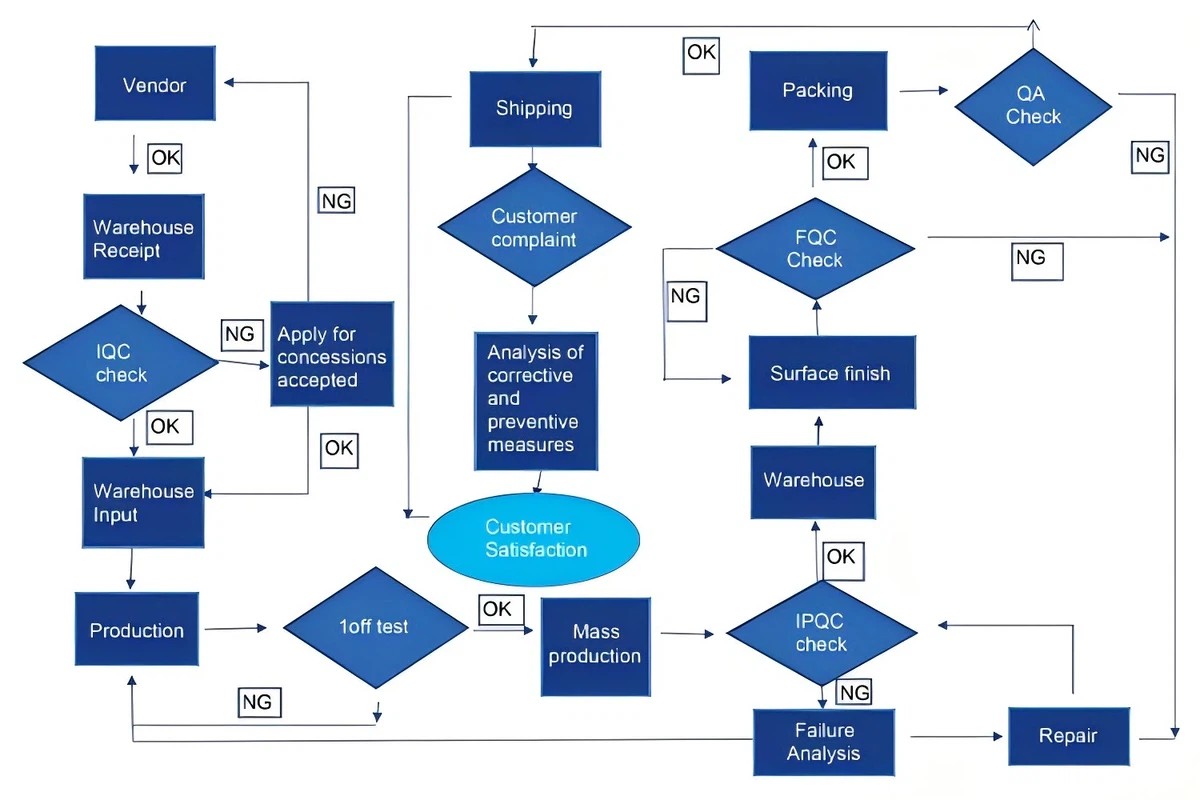
Quality control is built directly into our production processes. From material validation to final post-machining audits, our inspection teams ensure every part meets your precise tolerances and surface finish standards.
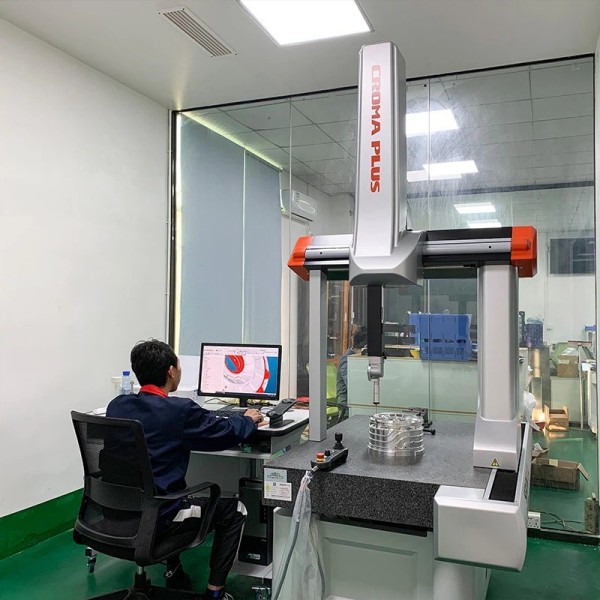
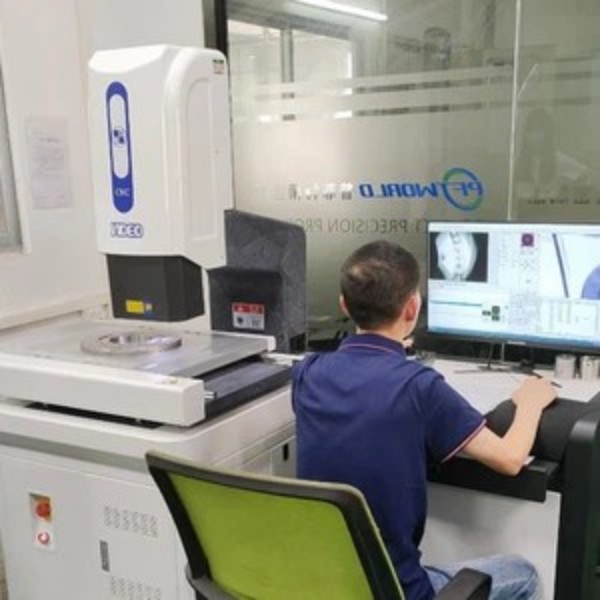

We verify the dimensional accuracy and structural integrity of machined parts through a multi-stage quality control process:
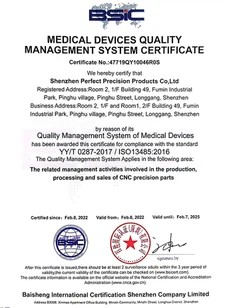
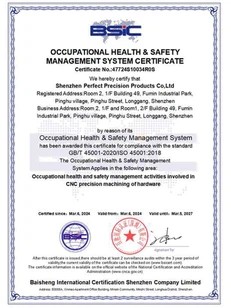
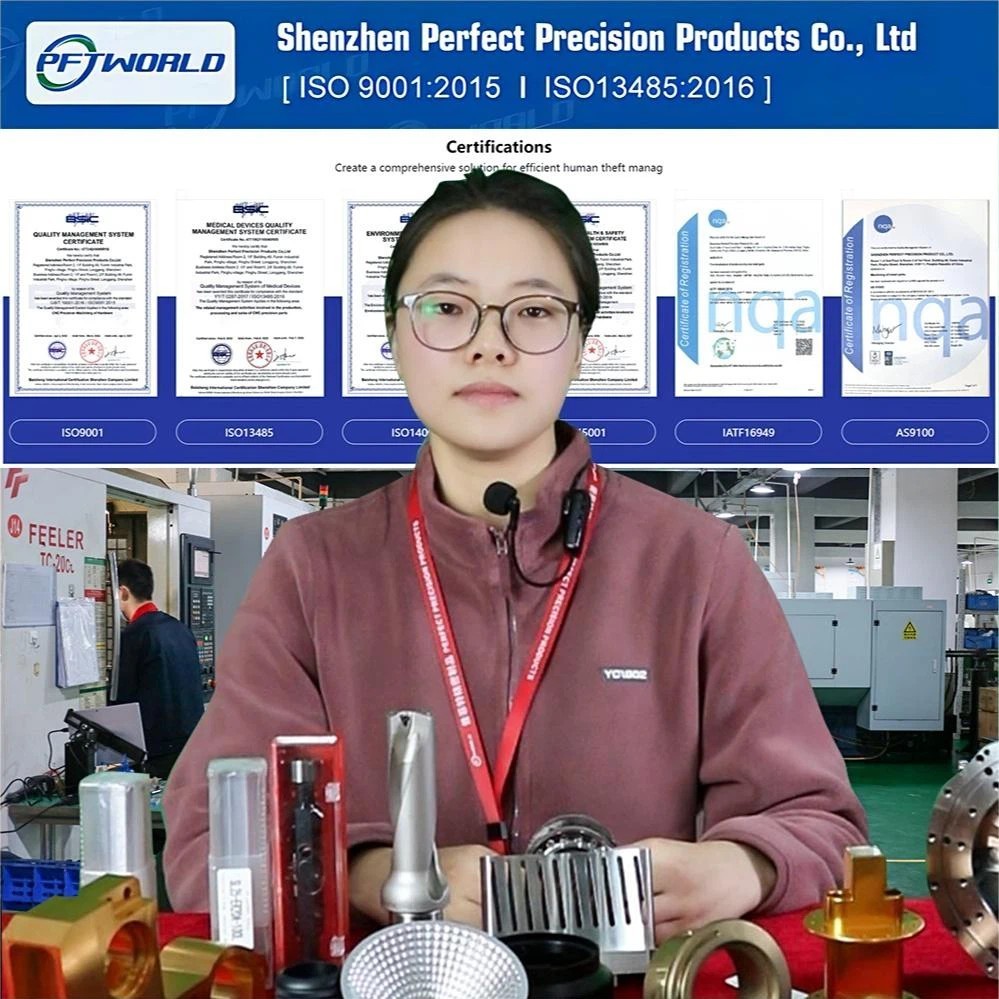
Our certified facilities manufacture brass components that meet the requirements of international regulatory, safety, and performance standards.
We provide full visibility into our production operations. Utilizing integrated ERP systems, we track the progress of every machining order from raw material preparation to final export shipping.
We serve international clients across aerospace, automotive, medical device fabrication, and oil & gas extraction industries, delivering reliable tolerances and consistent part-to-part quality.
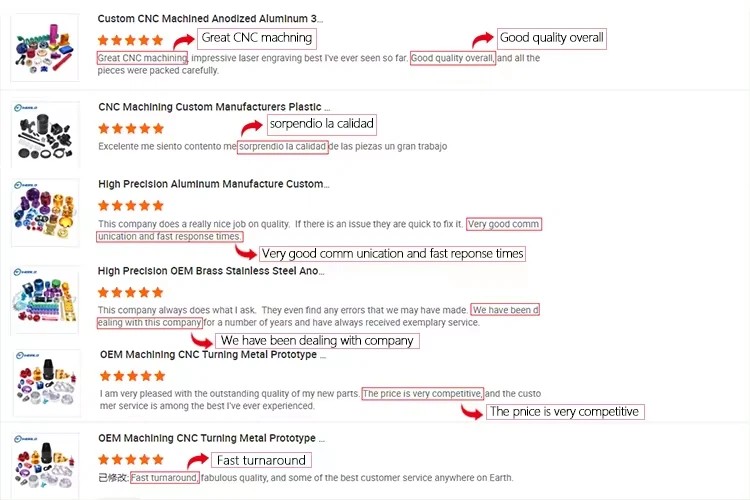
Successful component design requires matching material properties to application requirements. Here, we outline key considerations for optimizing your designs for brass machining.
Brass is characterized by its high machinability, corrosion resistance, and thermal and electrical conductivity. We work with a variety of grades, each tailored to specific engineering needs:
While brass is generally easier to machine than carbon steels, its ductility requires specific tooling setups to prevent tool chatter and thread distortion. High-speed steel (HSS) or carbide tools with positive rake angles help produce clean chips and prevent work-hardening on the part surface.
For fine threaded parts, keeping consistent pitch and thread depth requires precise spindle control. We utilize multi-axis turn-mill machinery to complete complex turning and off-center cross-drilling operations in a single setup, minimizing fixture error and improving concentricity.
Depending on the environment the component will face, post-machining finishes can improve performance and service life:
Review answers to common questions about our manufacturing capabilities, quality controls, and quoting processes.
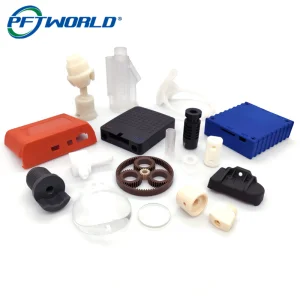
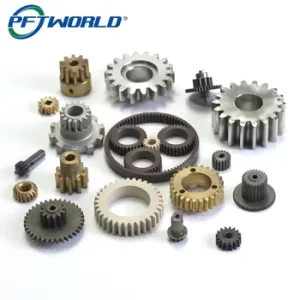
A selection of precision components manufactured for global industrial applications.
We deliver high-precision CNC machining solutions tailored to your exact specifications. From prototyping to mass production, we handle everything with strict quality control, fast turnaround, and competitive pricing. Equipped with advanced CNC machines and a skilled engineering team, we serve industries like automotive, aerospace, medical, and electronics with unmatched accuracy and reliability.
Send Inquiry Now