High-Quality Linear Actuator Belt Suppliers & Companies

Next-Generation Linear Motion Technology: High-Speed Precision Modules & Custom CNC Engineered Systems for Global Automation

Technical Whitepaper: Understanding the Mechanics of Linear Actuator Belt Systems

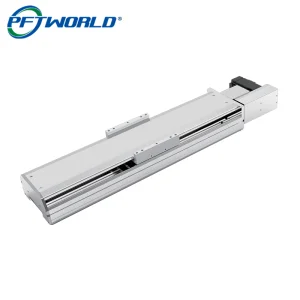
In modern industrial automation, the demand for throughput speed, positioning repeat accuracy, and high travel configurations has driven mechanical engineers to shift from conventional lead screw designs to advanced belt-driven linear actuator modules. Timing-belt linear actuators utilize a polyurethane or neoprene belt reinforced with high-tensile steel or Kevlar tension cords to convert rotary motor torque into high-speed linear travel along a precision aluminum extrusion profile.

Unlike ball screws, which are physically limited by critical rotational speeds and length-dependent deflections, belt-driven actuators maintain uniform dynamic properties even over travel distances exceeding 3000mm. Selecting the right linear actuator belt manufacturer requires evaluating core physical metrics, raw material integrity, pulley configuration, and structural housing stability. This documentation covers the material sciences, alignment tolerances, and sourcing economics of top-tier linear actuator belts and complete multi-axis positioning systems.

Key Engineering Metric: High-performance belt linear modules achieve dynamic speeds up to 2000mm/s, with positioning repeat accuracy calibrated down to ±0.04mm. This makes them ideal for high-throughput pick-and-place automation, logistics sorting, and high-speed packaging applications.

Polyurethane (PU) Steel-Reinforced vs. Neoprene Belts

The selection of the belt material directly influences the actuator’s life cycle, stretch resistance, and mechanical efficiency. Neoprene timing belts with fiberglass cords offer excellent flexibility but exhibit low elastic modulus and are prone to wear debris, making them unsuitable for cleanrooms or heavy-duty cyclic loading. Conversely, polyurethane belts reinforced with parallel-running steel cords provide maximum tensile strength, negligible elongation under load, and excellent resistance to chemicals, oils, and abrasive environments. The chemical structure of PU prevents tooth wear and minimizes friction against the hard-anodized aluminum timing pulley, preserving the internal alignment tolerances over millions of cycles.

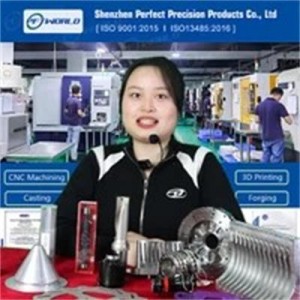
Shenzhen Perfect Precision Products Co., Ltd
A Digital Chemical Plant delivering aerospace-grade CNC machining and automated linear modules

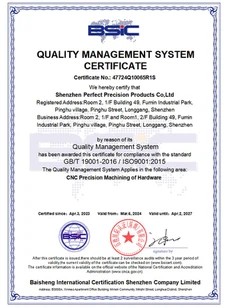
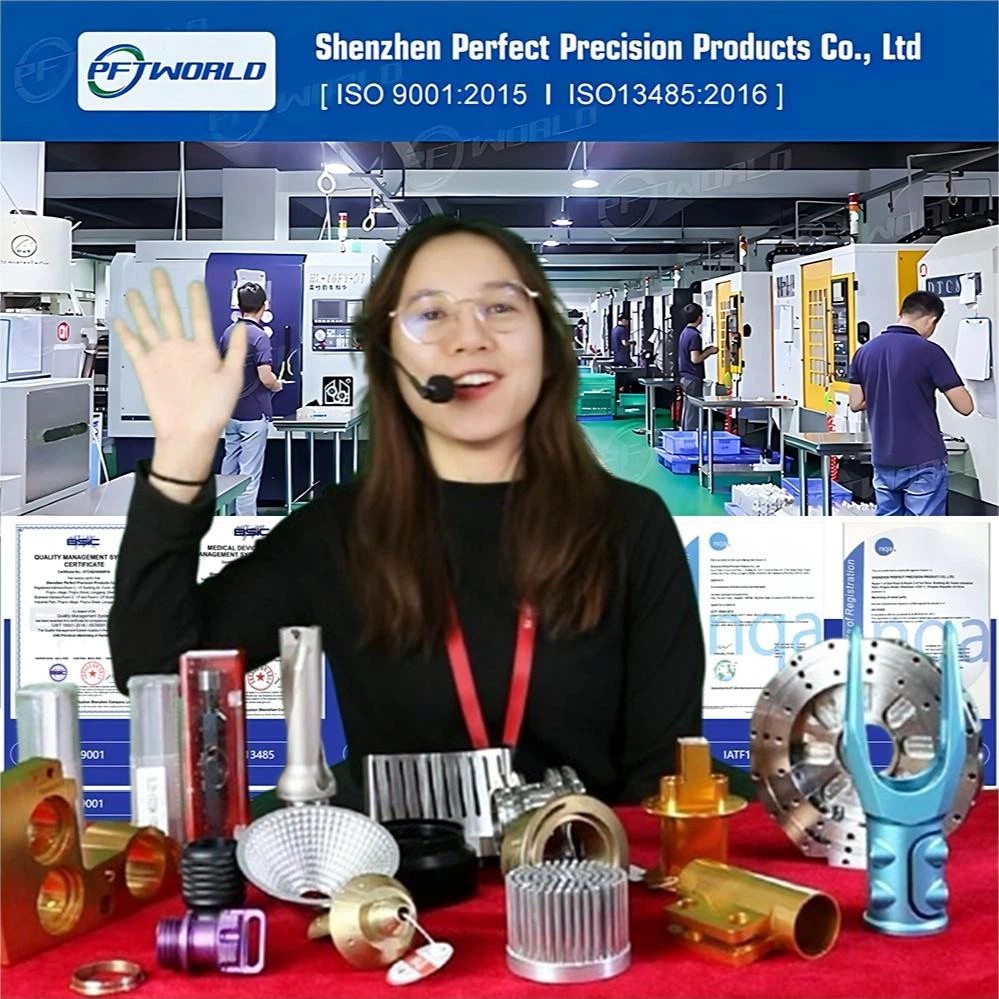
Established as a global trade force in 2014, Shenzhen Perfect Precision Products Co., Ltd has pioneered the engineering and supply of high-precision components and custom linear modules. Having passed the rigorous ISO9001:2015 quality system certification, we specialize in high-tolerance manufacturing that forms the backbone of global automation systems.

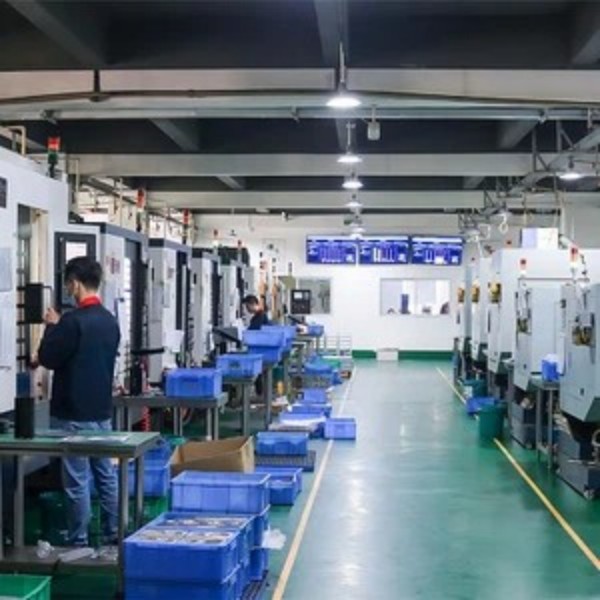
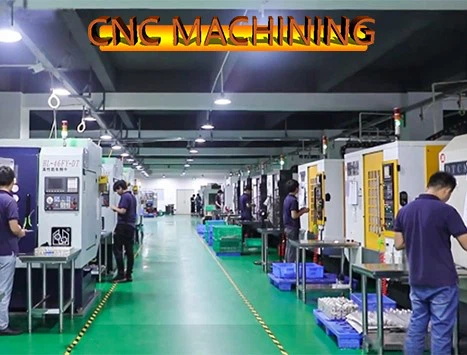
In 2018, our facility was awarded the prestigious title of "Guangdong Contract and Trustworthy Enterprise," followed by our certification as a National High-Tech Enterprise and IP Management system award in 2019. Over the past decade, we have expanded our production footprint to a 10,000 square meter digitized chemical plant, housing over 70 dedicated engineering professionals and 100+ state-of-the-art multi-axis CNC machines.
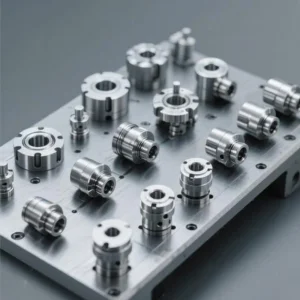
Key Manufacturing Tolerances:
  • Standard Tolerance: +/- 0.01 mm
  • Specialized High-Precision: +/- 0.002 mm
  • Surface Roughness Range: Ra 0.1 ~ 3.2
  • Sampling Lead Time: 1 - 3 Days
  • Mass Production Lead Time: 7 - 14 Days
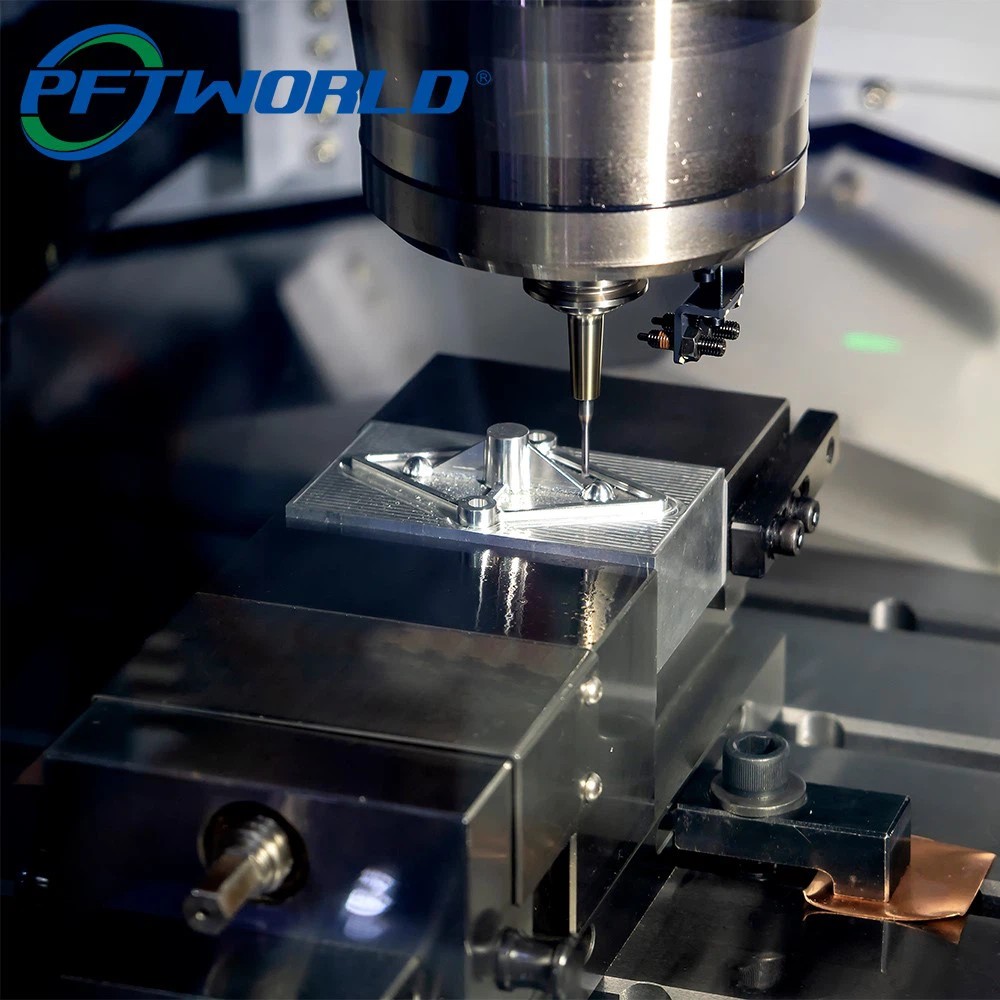
  • Machining Axis Capabilities: 3, 4, 5, and 6-Axis CNC
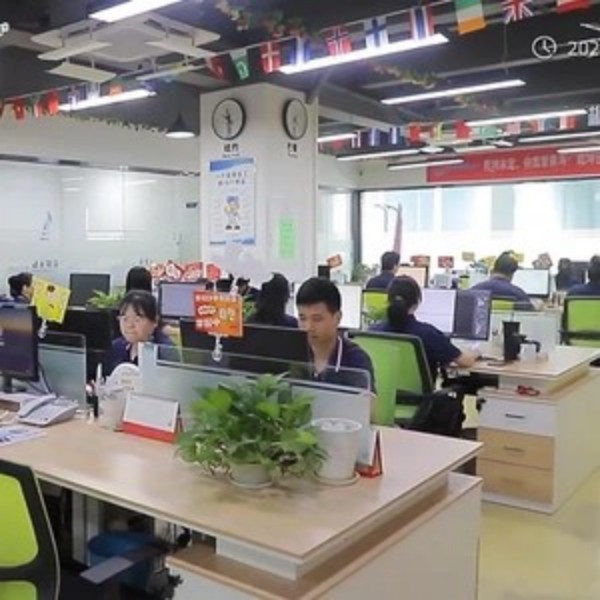
Shenzhen Perfect Precision Products Facility
20+
Years Industry Experience
100+
Advanced CNC Machinery
6,000+
Global Companies Choose Us
500,000+
Supply Ability / Month
Our Manufacturing Services
From prototyping complex linear actuator end plates to mass producing custom robotic accessories
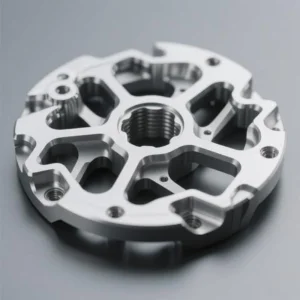
CNC Milling Machining
CNC Turning Machining
CNC Mill-Turn Machining
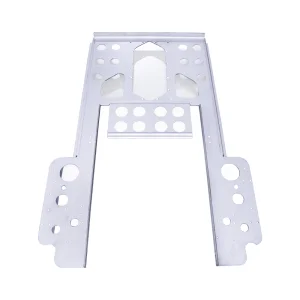
Sheet Metal Fabrication
Casting Service
Casting Solutions
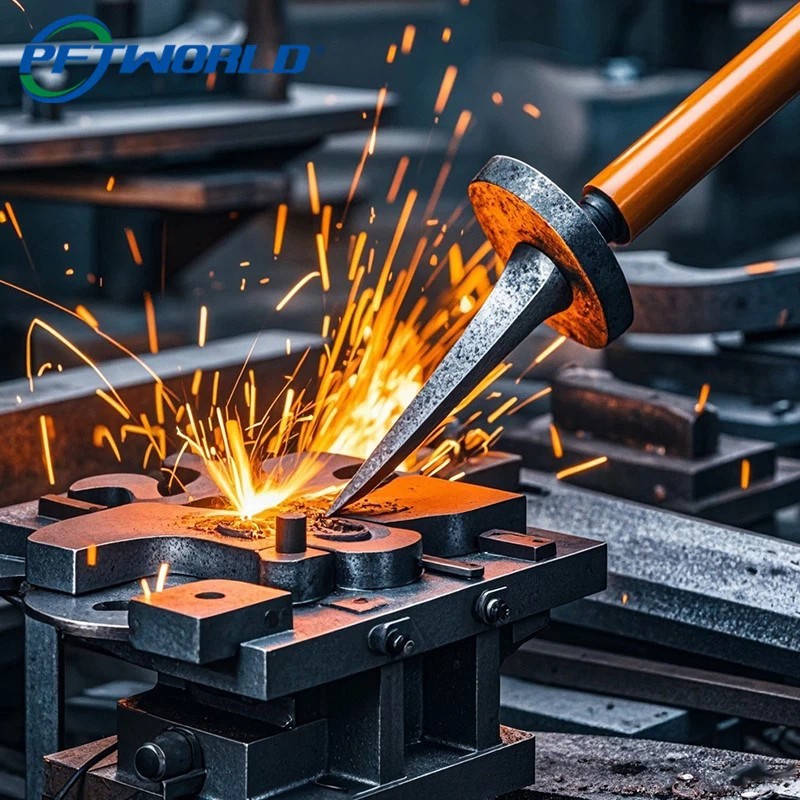
Forging Service
Forging Technology
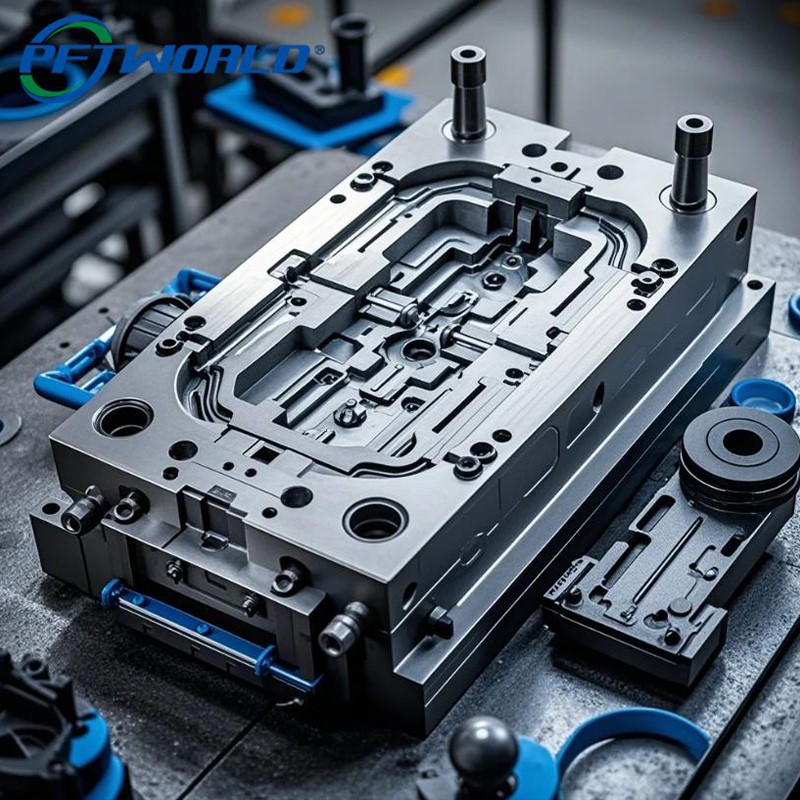
Moulds Tooling
Precision Mould Design
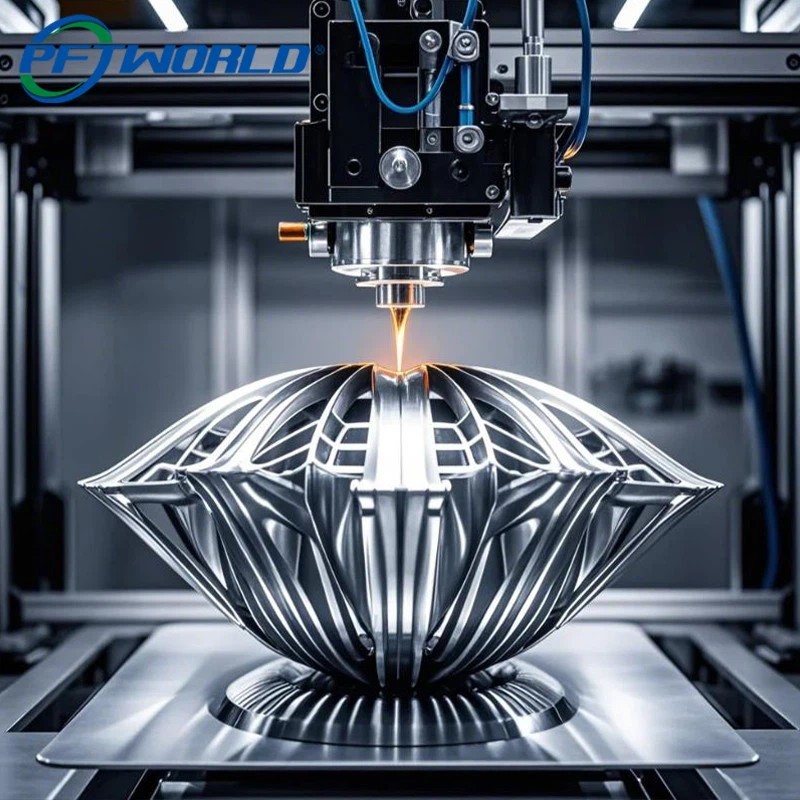
3D Printing Additive Manufacturing
3D Printing Prototyping
Metrology & Quality Assurance Systems
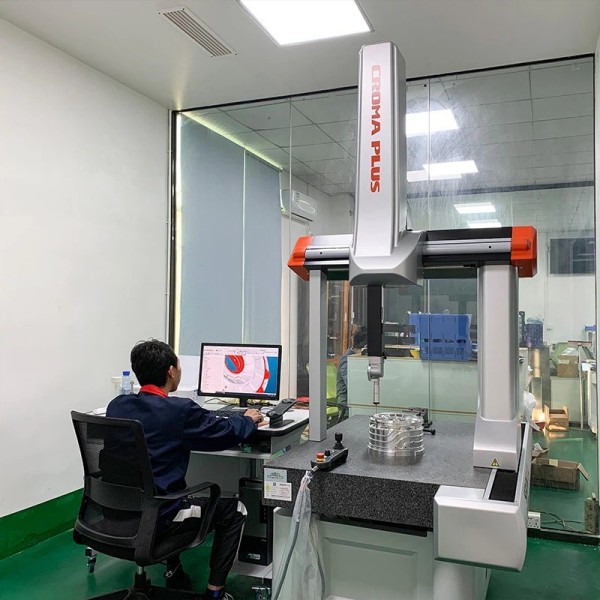
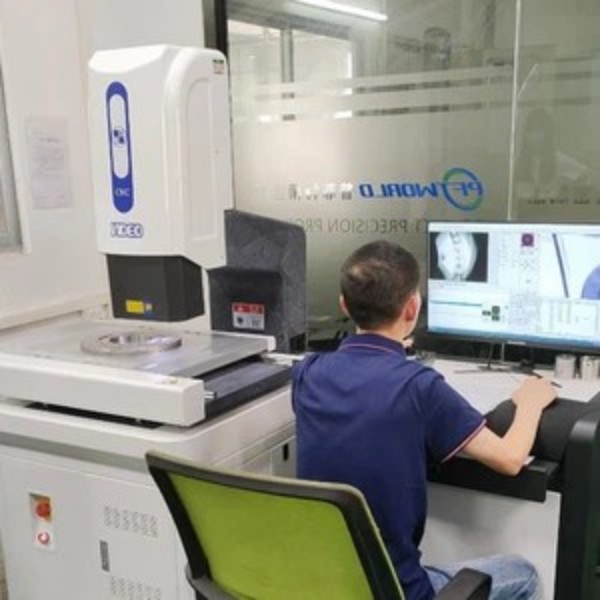
No product leaves our factory floor without passing 100% inspection using advanced metrology
PFT CNC Machining Center
PFT Coordinate Measuring Machine (CMM)
PFT Coordinate Measuring Machine
PFT 2D Measuring Instrument
PFT 2D Optical Projector
PFT 24H Service
24-H Engineering Support

Industrial Advantages of timing belt linear actuator Manufacturing in Shenzhen

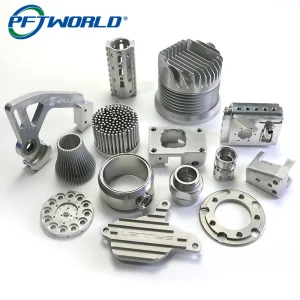
Shenzhen represents the apex of the global high-precision manufacturing cluster. Sourcing timing-belt linear actuators and corresponding components from this region provides multi-tiered advantages across the supply chain. When sourcing custom actuator assemblies, structural elements such as end plates, carriages, and timing pulleys must be milled to strict tolerances to avoid timing-belt tracking errors and localized wear.

1. Dynamic Supply Chain Proximity
Raw materials (such as 6000-series aerospace-grade aluminum, customized PU belts, and linear guides) are sourced within a 50-mile radius, cutting material acquisition times down to 24 hours.
2. Advanced Multi-Axis Machining
Our facility operates 3, 4, 5, and 6-axis CNC milling centers, allowing single-setup machining of complex carriage bodies, reducing error accumulation.
3. Comprehensive Certification Paths
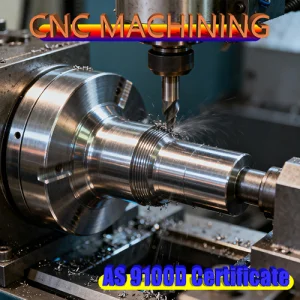
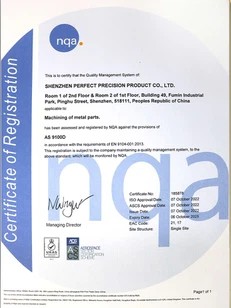
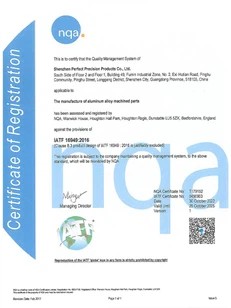
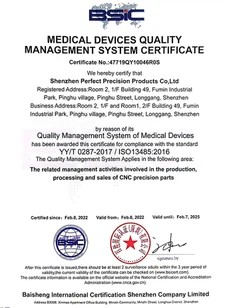
We manufacture according to aerospace (AS9100D), medical device (ISO13485), and automotive (IATF16949) standards to ensure structural safety.

Macro Industry Solutions and Critical Applications

Linear actuator belts are utilized globally across key industrial paradigms:
  • Automotive Assembly: Linear belt modules provide rapid transport of sheet metal parts between welding bays where cycle times are measured in milliseconds.
  • Medical Packaging & Liquid Handling: ISO13485 certified high-speed linear slides guide microfluidic pipettes with absolute consistency, avoiding cross-contamination.
  • Aerospace Manufacturing: Custom aluminum milled chassis assemblies are integrated into satellite testing arrays, requiring non-magnetic components and high positioning accuracy.
  • Logistics and Sorting Centers: Heavy-duty timing-belt driven carriage arrays drive sorter systems under continuous 24/7 duty cycles.
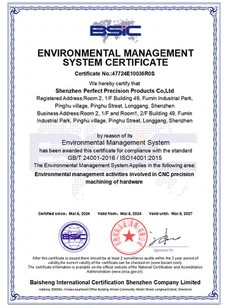
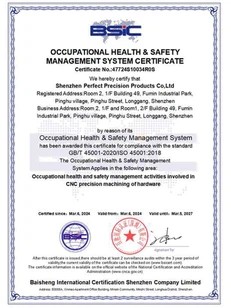
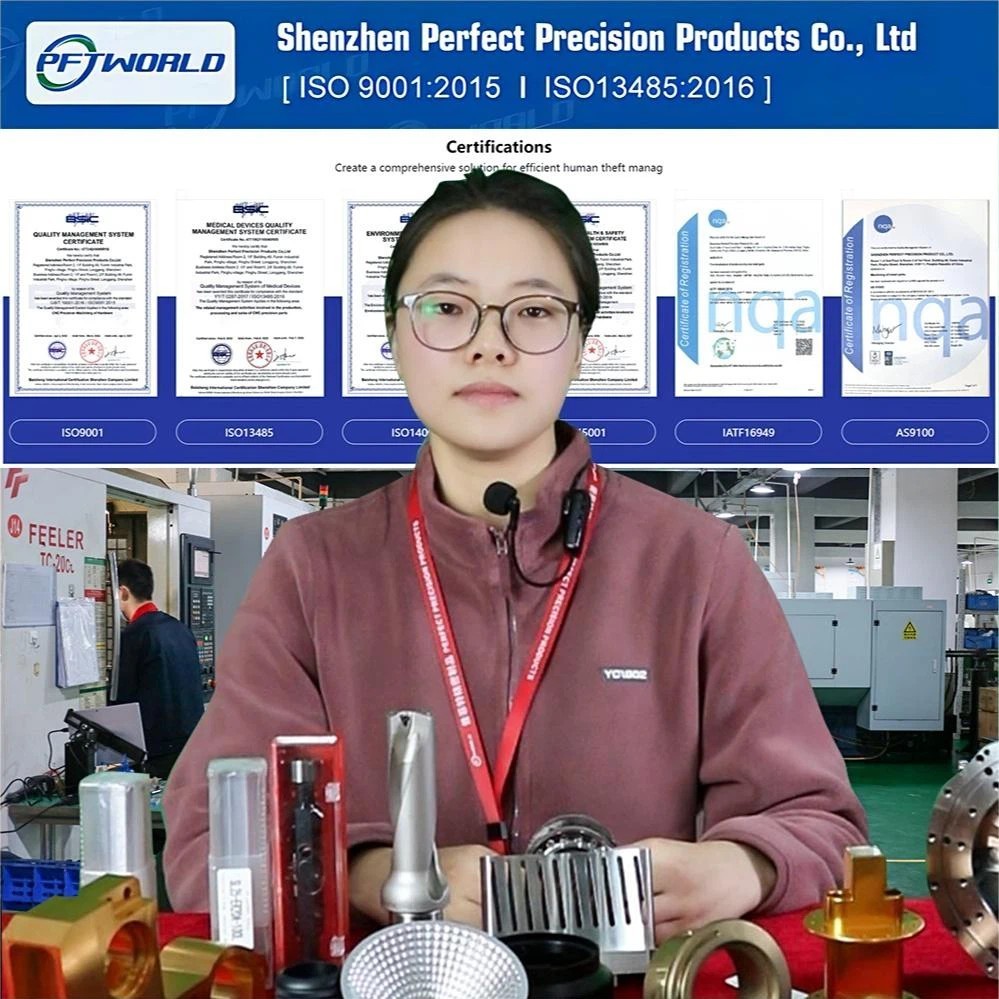
International Certifications
ISO Certified Factory, Globally Recognized Quality Standards
Visual Production & Client Feedback
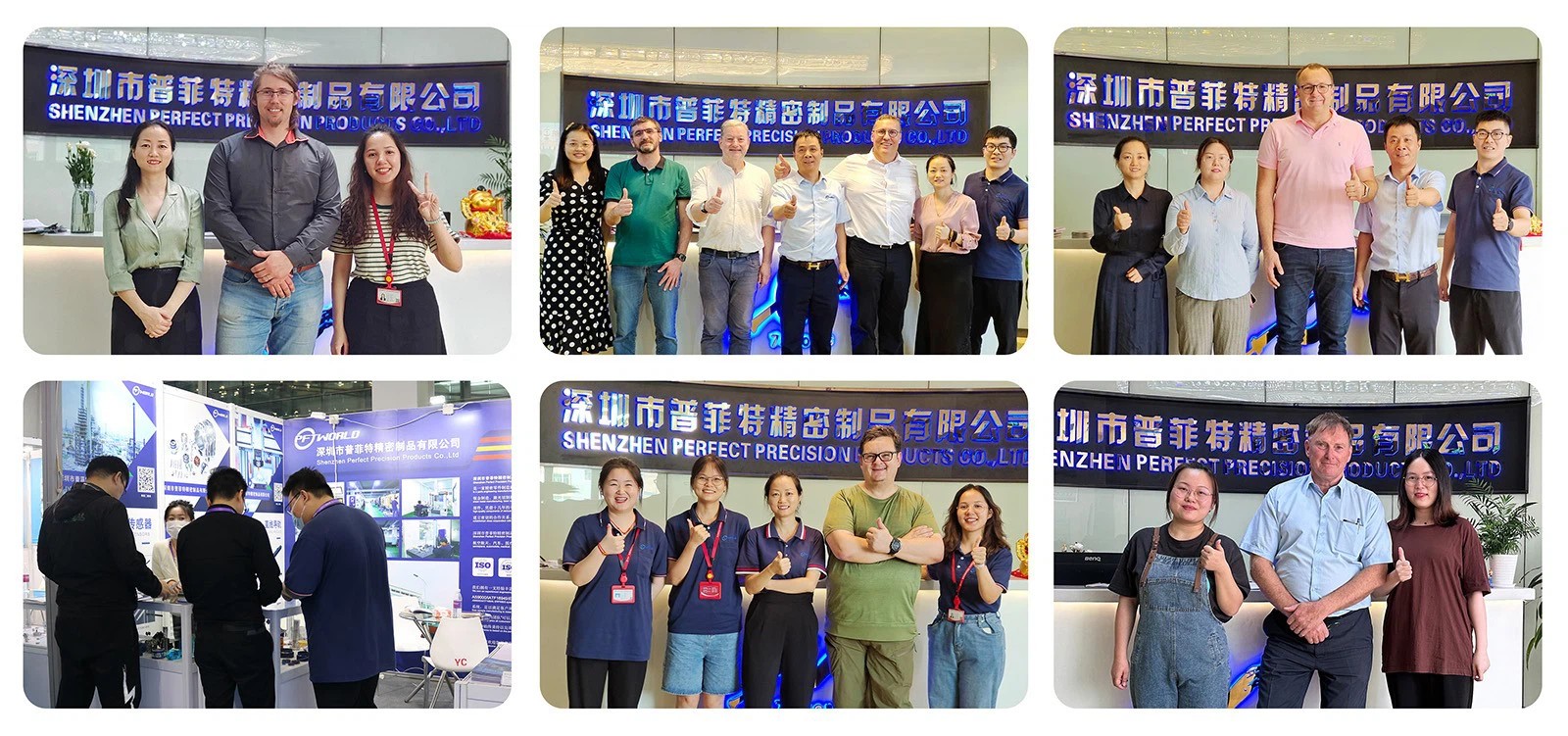
Full transparency through digitized plant updates, step-by-step assembly tracking, and client reviews
Visual Production Process
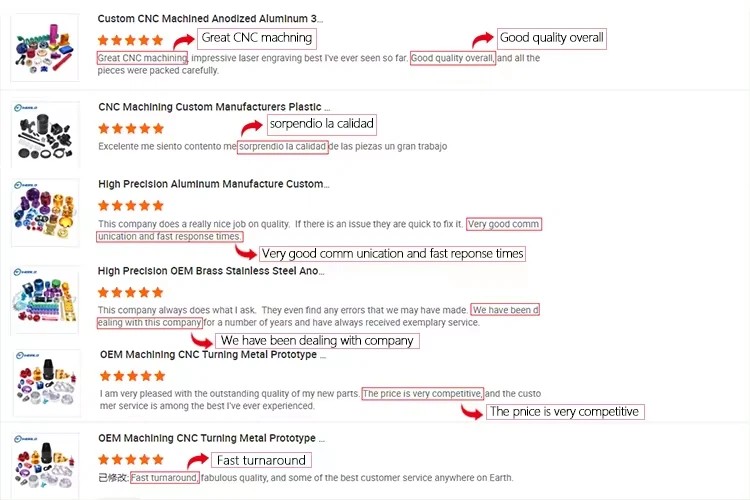
Positive Feedback System
Finished Product Testing Video Still
Frequently Asked Questions (FAQ)
Detailed technical and commercial answers regarding procurement, quality checks, and product specs
1. Are you a manufacturer or a trading company?
We are a direct-manufacturer located in Shenzhen, China, with over 20 years of rich experience in precision CNC machining and linear guide components. Our physical facilities cover 10,000 square meters, integrating complete quality inspection setups (including 3D Coordinate Measuring Machines and optical projectors), an integrated ERP resource system, and over 100 high-end milling, turning, and testing machines. We offer material certifications, dynamic sample quality reports, and detailed structural analytics reports for every batch.
2. What information is required to get a comprehensive quote?
To provide an accurate engineering and manufacturing quote, please share detailed 3D/2D engineering drawings in file formats such as STEP, IGS, PDF, DWG, or DXF. Please specify the material grade (e.g., Aluminum 6061-T6, 7075-T6, Polyurethane steel-core belt specifications), required quantities, critical tolerance values (e.g., ±0.01mm or special ±0.002mm requests), surface treatments (anodizing, sandblasting, black oxide coating), and target delivery window.
3. Can you draft engineering designs or drawings based on my ideas?
Yes, our engineering team can convert your ideas, functional descriptions, basic hand-sketched layouts, or physical mock-up samples into detailed CAD models. We work collaboratively to outline timing belt specifications, choose structural linear profiles, and calculate support plate load constraints, ensuring your conceptual idea can be successfully machined and integrated.
4. Can I request product samples before initiating mass production?
Absolutely. We recommend sample verification for customized design units. We charge a reasonable prototype sample fee to cover setup processes and specialized configurations. If the subsequent mass production run reaches our set volume threshold, the initial sample cost can be credited back to your account.
5. What are the standard delivery dates for samples and batches?
For standard CNC parts and prototype modules, the typical lead time is 1 to 3 days. Complex custom assembly systems and multi-axis belt linear modules take 1 to 2 weeks for prototype builds. Full mass production batches are delivered within 3 to 4 weeks depending on the configuration and volume.
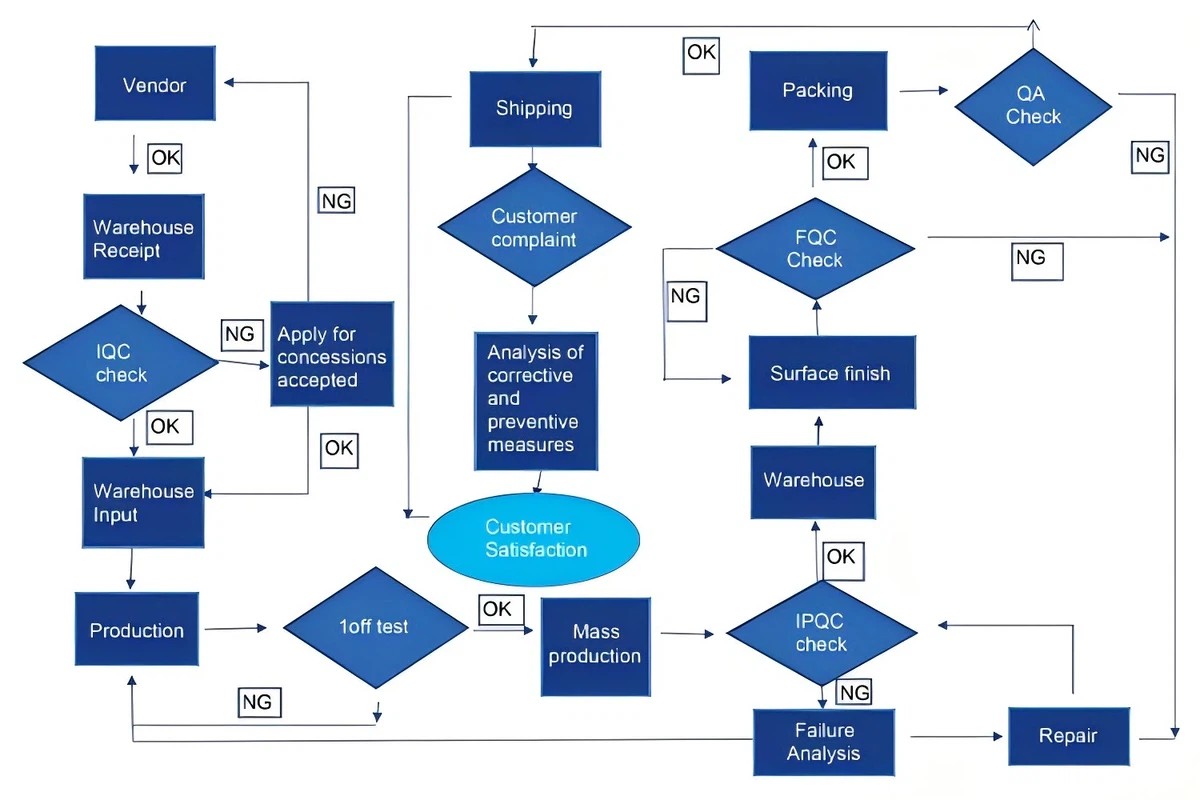
6. What is your Quality Control protocol for linear actuator parts?
Our quality control comprises a four-stage system:
(1) Incoming Raw Material Inspection: We verify chemical composition certificates, dimensions, and surface condition of incoming alloys and belts.
(2) In-Process First-Article Inspection (FAI): We verify critical machine tolerances right at the setup stage of production.
(3) In-Process Quality Control (IPQC): We run periodic, randomized sampling checks during milling operations.
(4) Pre-Shipment Inspection (PSI): We conduct a comprehensive 100% check on structural measurements, alignment accuracy, and cosmetic appearance prior to custom packaging.
7. How does your after-sales team handle performance issues?
If you encounter any tolerance variances or mechanical errors after receipt, please contact us within 30 days. Our engineers can schedule video diagnostic calls or exchange data via email to analyze the issue. If the defect originated in our factory, we will supply replacement components or corrected assemblies within one week at our expense.
8. How do you adjust and maintain timing belt tension in linear actuators?
Proper timing-belt tensioning is essential to eliminate backlash and prevent pulley tooth skipping. Our belt-driven linear modules are designed with integrated, easily accessible adjustment screws situated on the tensioner end blocks. Using a sonic tension meter or checking mechanical deflection, engineers can tune the belt tension to match recommended specs, ensuring optimal tracking, low noise, and minimal guide rail wear.
24-H Online Consulting Support
Get in touch directly with our senior application engineering representatives
Winnie - Customer Service Representatives
Senior Sales Engineer
Heidi - Customer Service Representatives
Key Account Manager
Larenia - Customer Service Representatives
Project Coordinator
Molly - Customer Service Representatives
Technical Sales Support

One-stop CNC Machining Factory in China

We deliver high-precision CNC machining solutions tailored to your exact specifications. From prototyping to mass production, we handle everything with strict quality control, fast turnaround, and competitive pricing. Equipped with advanced CNC machines and a skilled engineering team, we serve industries like automotive, aerospace, medical, and electronics with unmatched accuracy and reliability.