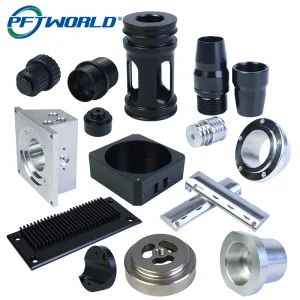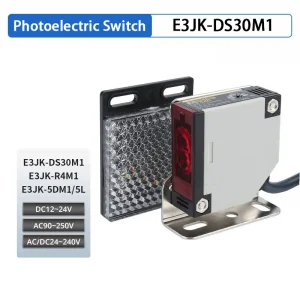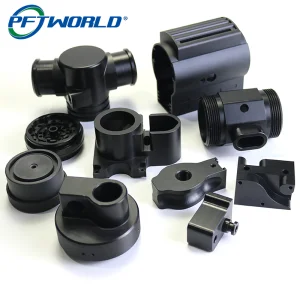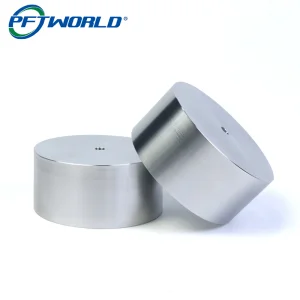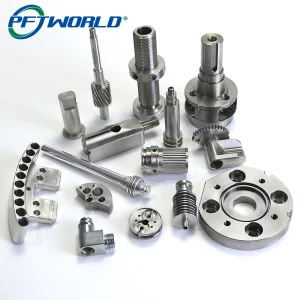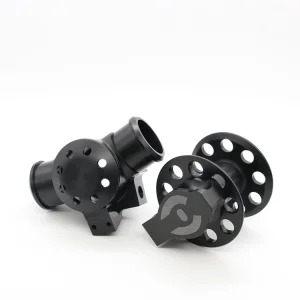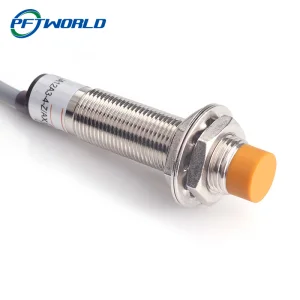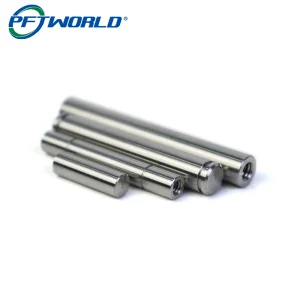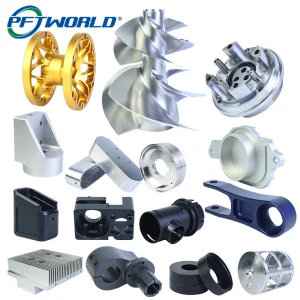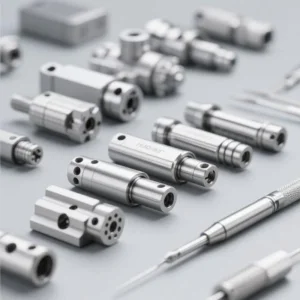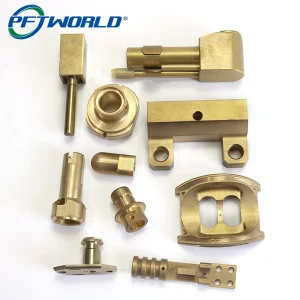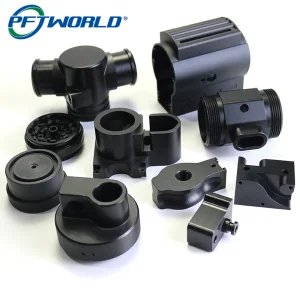
Explore our precision-machined components and sensor assemblies built for high-reliability industrial applications.
Evaluating commercial realities, technological integration, and high-precision tolerances in today's industrial economy.
In the hyper-competitive global manufacturing landscape, the ability to bridge the gap between design and physical validation determines product survival. Original Design Manufacturers (ODM) and rapid prototyping specialists serve as critical partners in this cycle. High-mix, low-volume (HMLV) environments demand fast iteration cycles without compromising geometrical accuracy or metallurgical integrity.
By leveraging advanced subtractive methods (like 5-axis and 6-axis CNC milling) alongside industrial additive manufacturing (such as DMLS and SLS), modern manufacturers reduce the time-to-market from months to hours. This technological convergence ensures that physical components behave identically to design simulations, mitigating functional risks in structural aerospace, life-critical medical devices, and high-performance automotive assemblies.
Furthermore, the geographic shift towards resilient, digitized supply chains highlights the importance of highly certified partners. Companies are no longer evaluating prototyping partners solely on piece-part price; rather, they analyze comprehensive data validation, traceability, quality management systems (QMS), and information safety protocols.
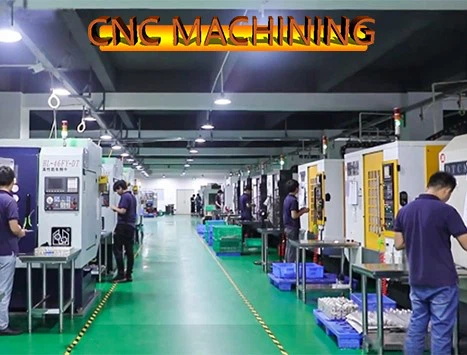
To meet modern engineering specifications, a modern ODM facility must achieve extreme precision across challenging materials. The following table showcases our technical envelope across varying production modes:
| Manufacturing Process | Standard Dimensional Tolerance | Critical Geometry Tolerance | Surface Finish Profile (Ra) | Applicable Material Spectrum |
|---|---|---|---|---|
| 5-Axis CNC Milling | ±0.01 mm | ±0.002 mm | 0.4 μm to 1.6 μm | AL6061/7075, Stainless Steel 316, Titanium, PEEK |
| Precision CNC Turning | ±0.01 mm | ±0.002 mm | 0.1 μm to 0.8 μm | POM (Acetal), Brass, Copper, Mild Steel, Inconel |
| High-Speed Mill-Turn | ±0.01 mm | ±0.005 mm | 0.2 μm to 1.6 μm | Alloy Steel 4140, Titanium Grade 5, Tool Steels |
| Additive Manufacturing (3D) | ±0.10 mm | ±0.050 mm | 3.2 μm to 6.3 μm | Nylon 12, PA12-CF, ABS, Photopolymers |
Enterprise statistics defining our global supply capacity, engineering capabilities, and historical growth.
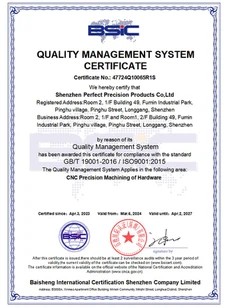
Established in 2014 with our dedicated foreign trade operations, Shenzhen Perfect Precision Products Co., Ltd has rapidly evolved. Our manufacturing framework achieved ISO9001 certification in 2018, followed closely by provincial recognition as a Guangdong Contract and Trustworthy Enterprise. In 2019, our commitment to innovation resulted in our certification as a National High-Tech Enterprise alongside the formalization of our Intellectual Property Management System.
By 2020, our headquarters expanded to over 10,000 square meters of localized space to accommodate modern processing facilities and a skilled team of 70+ technical personnel. In 2021, we successfully realized our vision of a digital manufacturing facility, integrating real-time ERP/MES monitoring systems to track quality and supply lines globally.
Leveraging state-of-the-art subtractive, additive, and shaping technologies to deliver functional end-use prototypes.
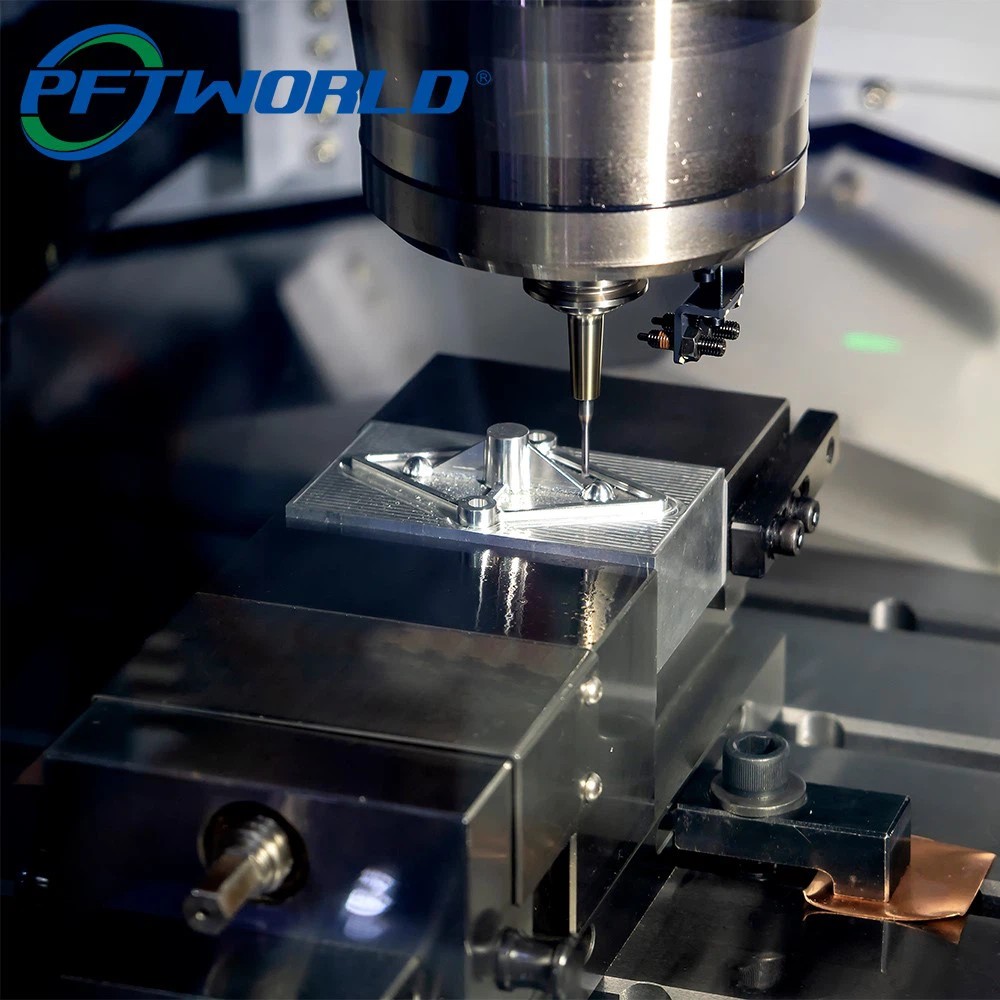
Multi-axis processing (3, 4, 5, and 6-axis configurations) for complex geometry, achieving dimensional stability across high-performance metals and polymers.
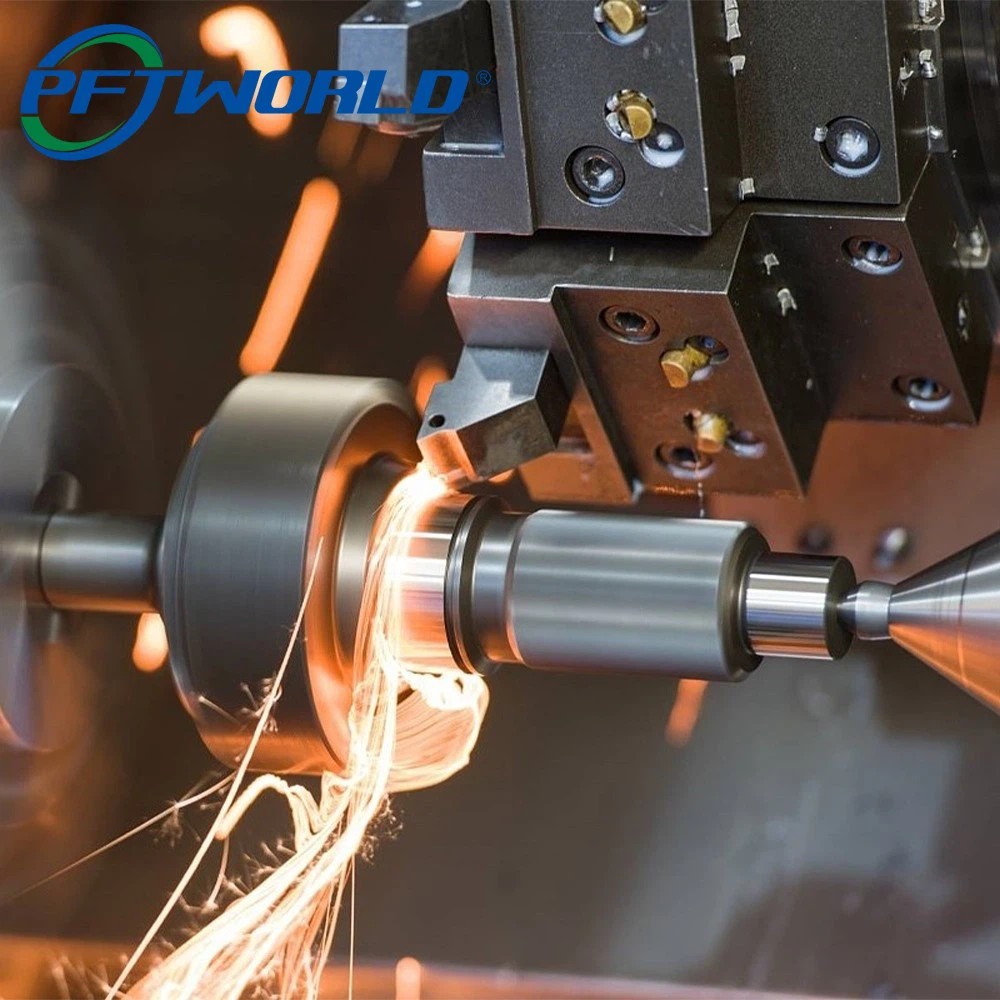
High-speed rotational setups designed for cylindrical profiles, tight concentricity requirements, and micro-grooving with minimal surface roughness.
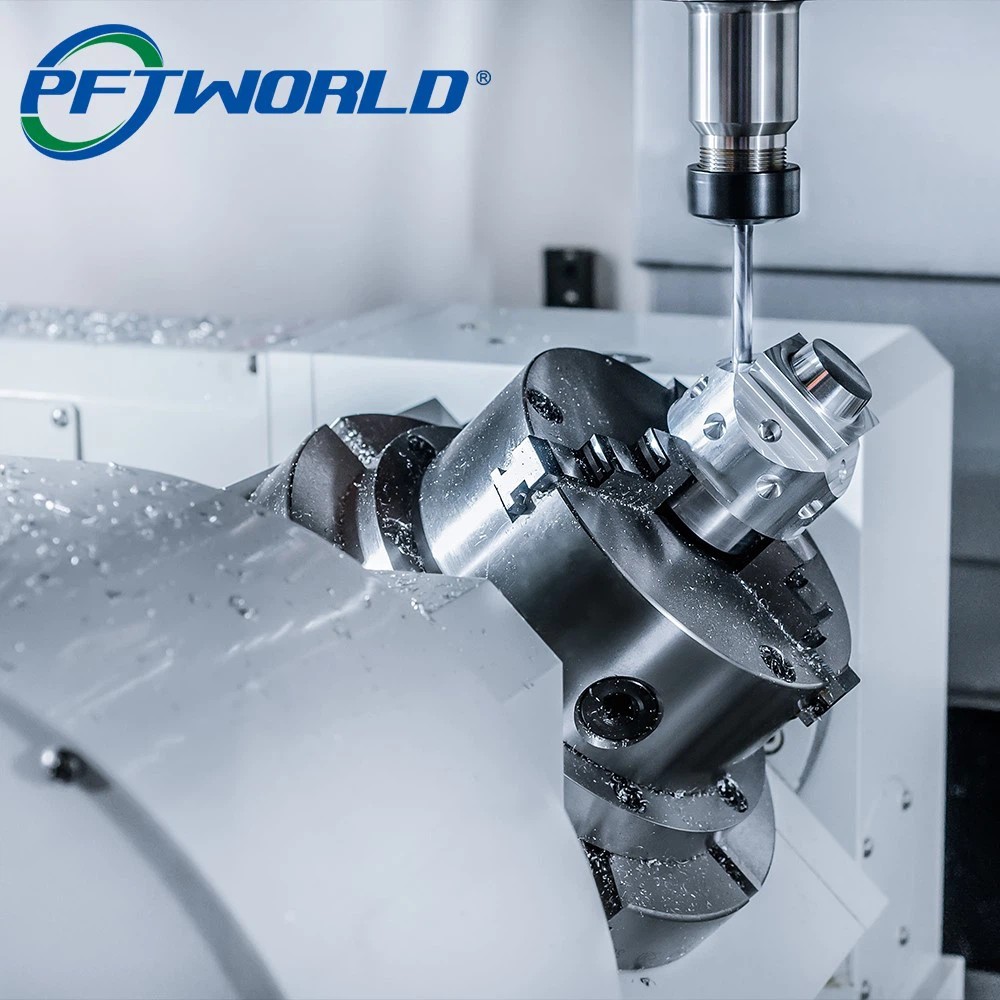
Simultaneous milling and turning operations in a single setup. Reduces error stacking, cuts labor steps, and ensures structural consistency.
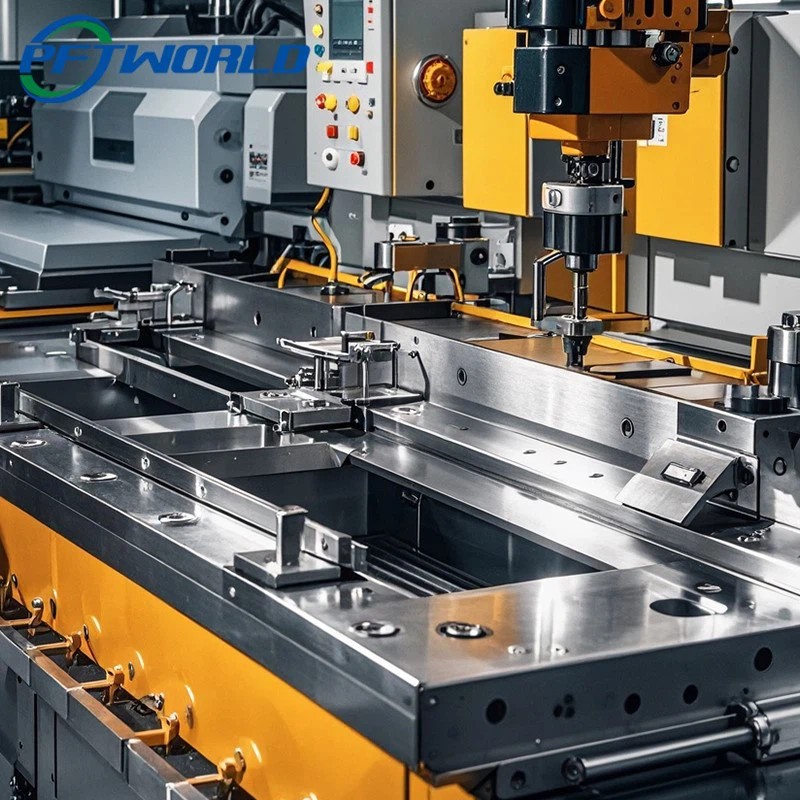
Precision shearing, forming, stamping, and automated folding operations to create robust enclosures, chassis, and brackets.
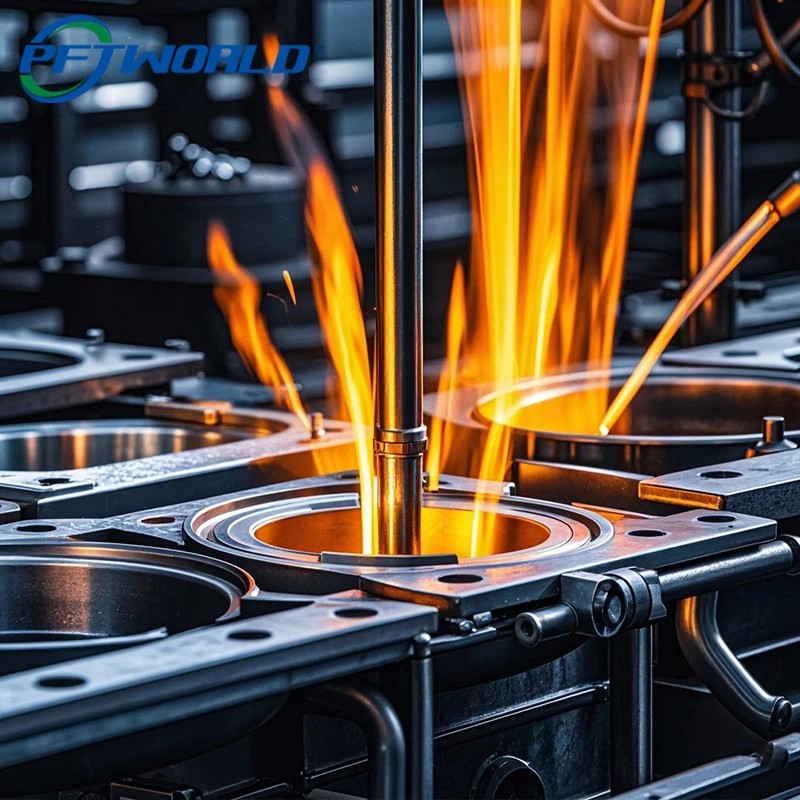
Die-casting and investment casting methods configured for scalable part delivery. Ideal for structural housings with complex internal cavities.
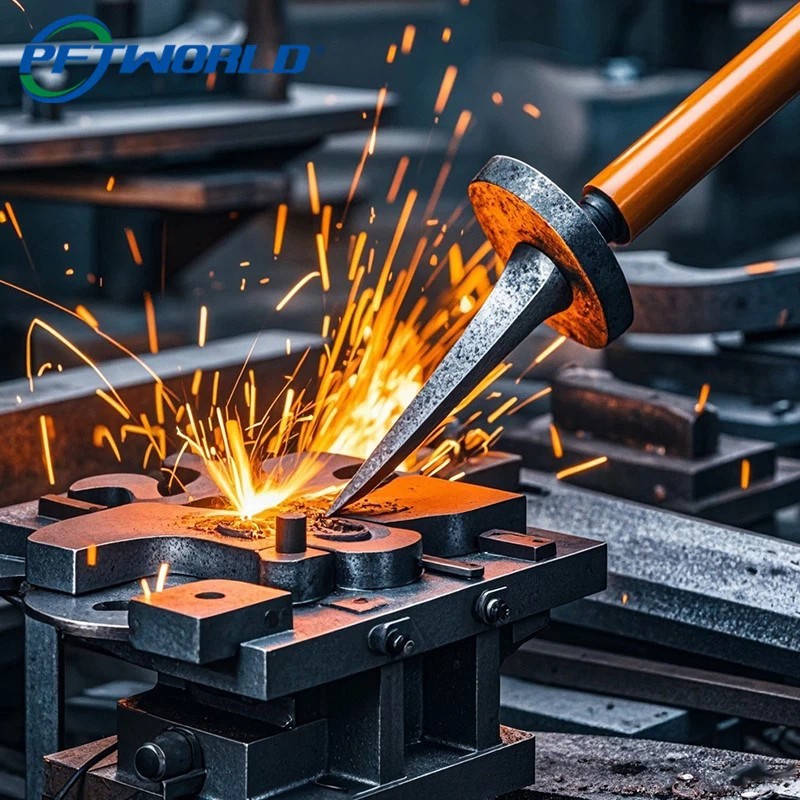
Designed for critical applications. Re-aligns internal grain structures to yield high tensile strength and impact resistance.
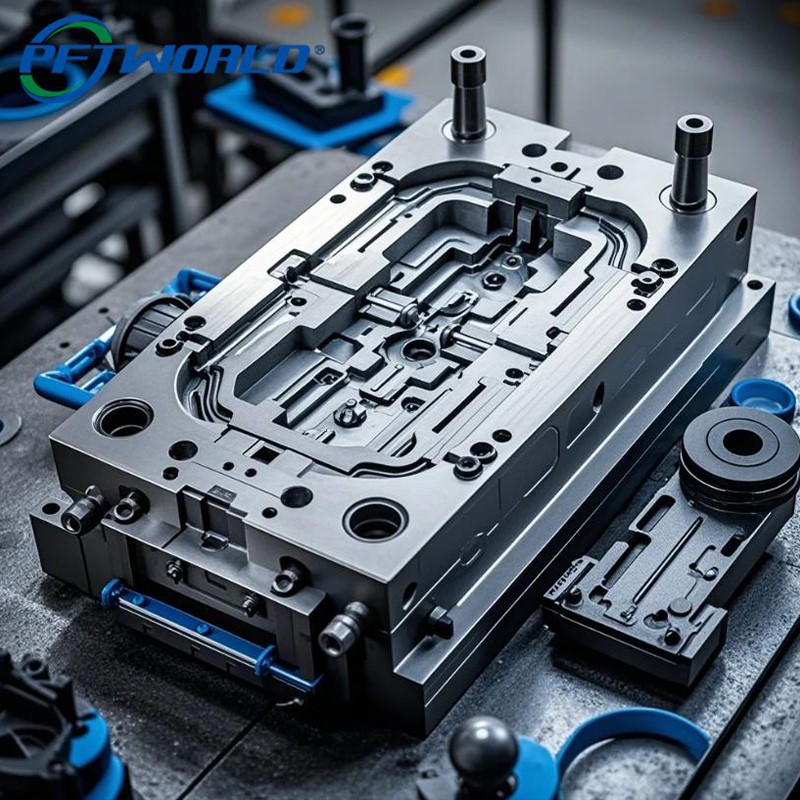
Rapid tooling and high-cavitation production moulds engineered for plastic injection, silicon casting, and overmoulding.
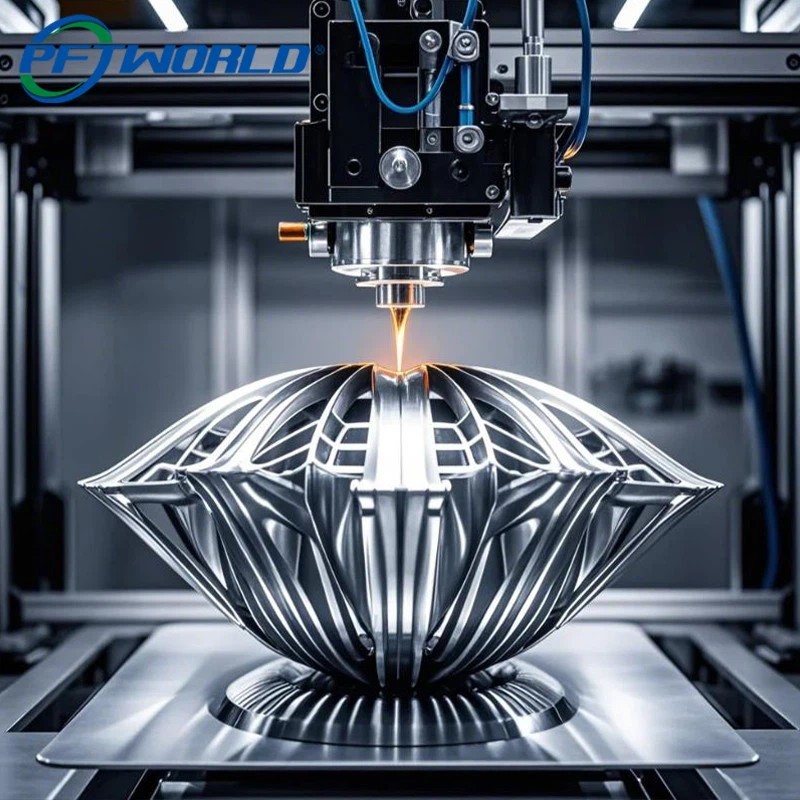
Advanced SLA, SLS, and FDM additive methods for high-fidelity concept modeling, ergonomic testing, and complex internal channels.
Verification is key to high-precision engineering. Our metrology lab ensures component accuracy down to the micron.
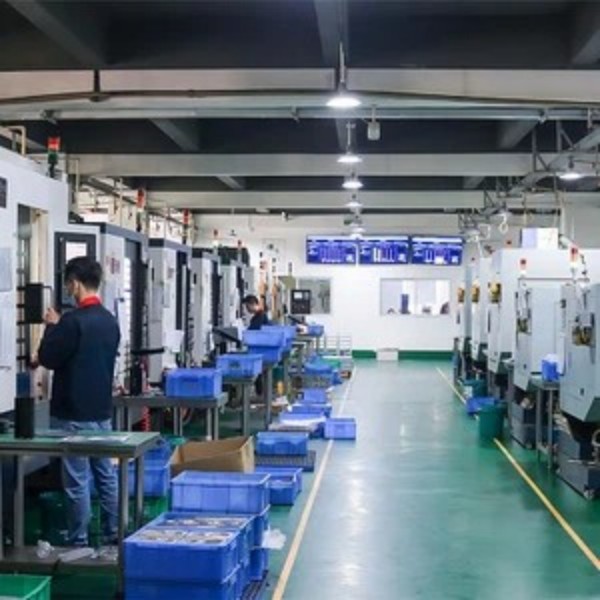
Highly rigid machinery ensures stability, consistent positioning accuracy, and minimal thermal displacement.
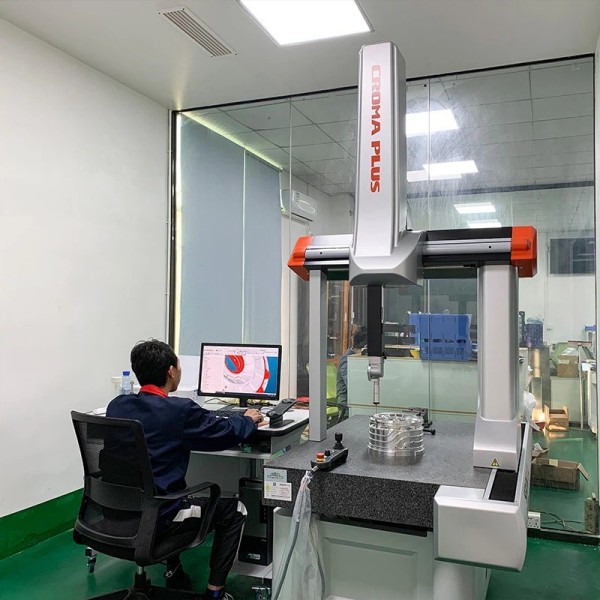
High-precision CMM platforms measure 3D geometries, dimensional values, and GD&T parameters down to ±0.001mm.
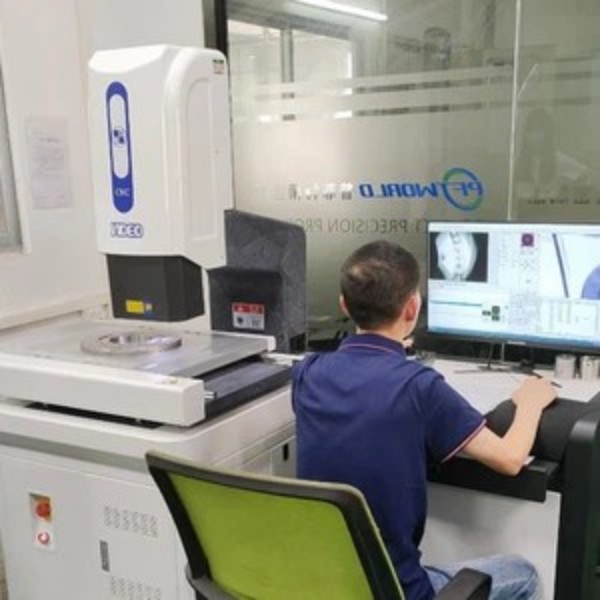
Non-contact optical inspection checks small profiles, radii, thread layouts, and delicate surfaces.

Real-time design analysis, DFM reports, material validation tracking, and digital project updates.
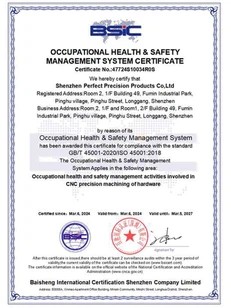
Our operations comply with global quality standards across key industry sectors, including aerospace and medical devices.
Adapting precision parameters, material selection, and inspection reports to meet demanding industry guidelines.
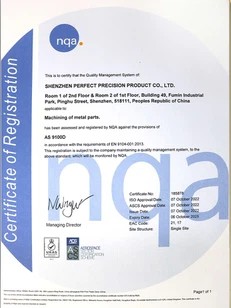
Operating under AS9100D design rules, we machine light, high-strength structural parts. Our setups routinely machine Titanium Alloys (Ti-6Al-4V), high-grade Aluminum (7075-T6), and nickel superalloys. Solutions feature tight structural tolerances (±0.002mm), thorough material trace documents, and zero surface defects. Typical components include turbine blades, aerospace instrumentation enclosures, and flight-critical linkages.
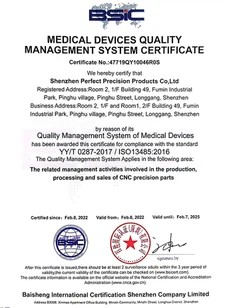
In compliance with ISO 13485 quality systems, we manufacture medical-grade surgical tooling, diagnostic device components, and implant prototypes. We focus on biocompatible materials such as PEEK, Titanium, and 316LVM stainless steel. Surfaces are optimized for cleaning (Ra 0.4 μm) and undergo ultrasonic cleaning, passivating processes, and coordinate validation before delivery.
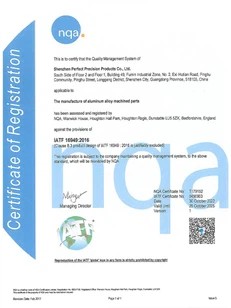
Our IATF 16949-aligned workflows support EV component development. Projects include power converter housings, transmission components, and motor shafts. Production steps feature process mapping, FMEA risk assessments, and PPAP validation data to ensure high dimensional accuracy across large assembly runs.
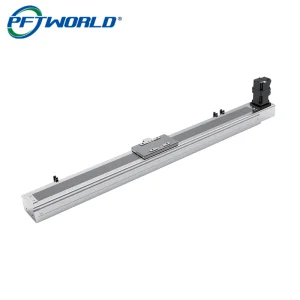
Custom joint structures and sensor housings require precision and durability. We supply robot arm castings, precision slide tables, linear modules, and IP-rated sensor frames. These parts are designed to support stable performance over millions of operational cycles.
Transparency is core to our workflow. We supply process photos, inspection logs, and documentation for every project.
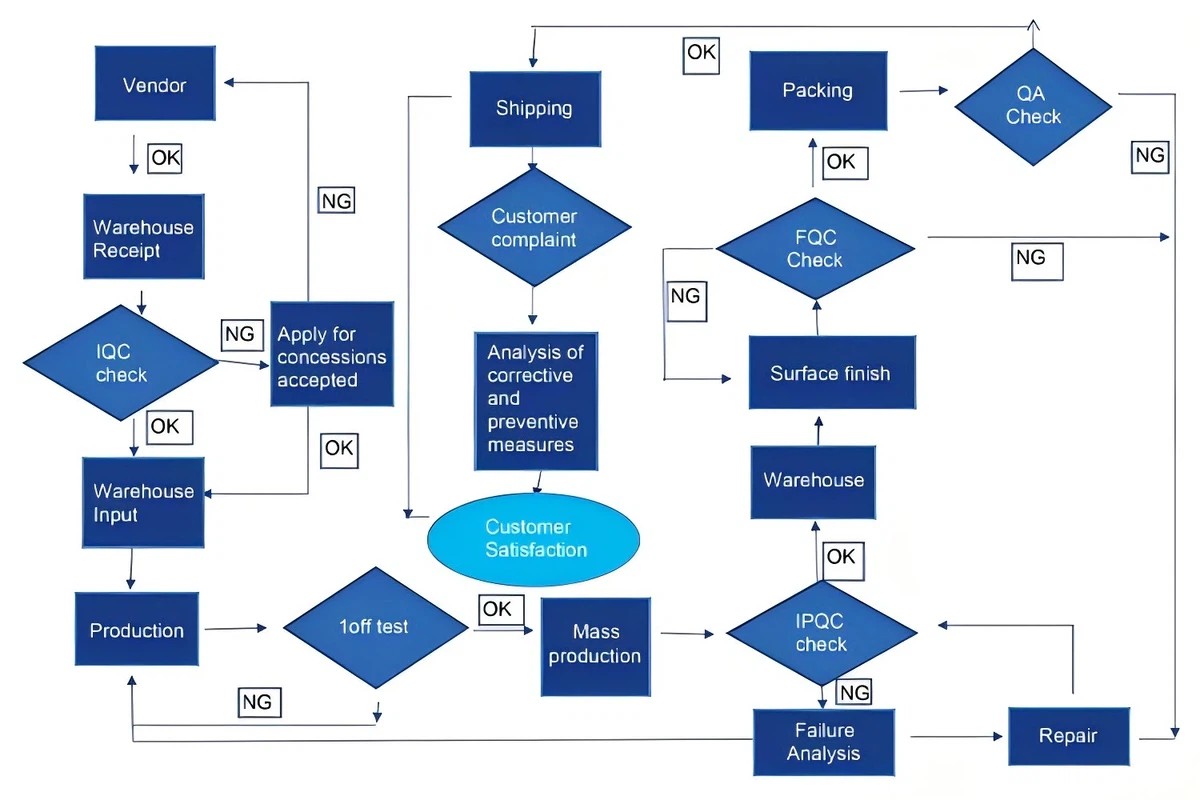
Daily tracking via internal ERP systems monitors manufacturing stages from stock material selection to final quality check.
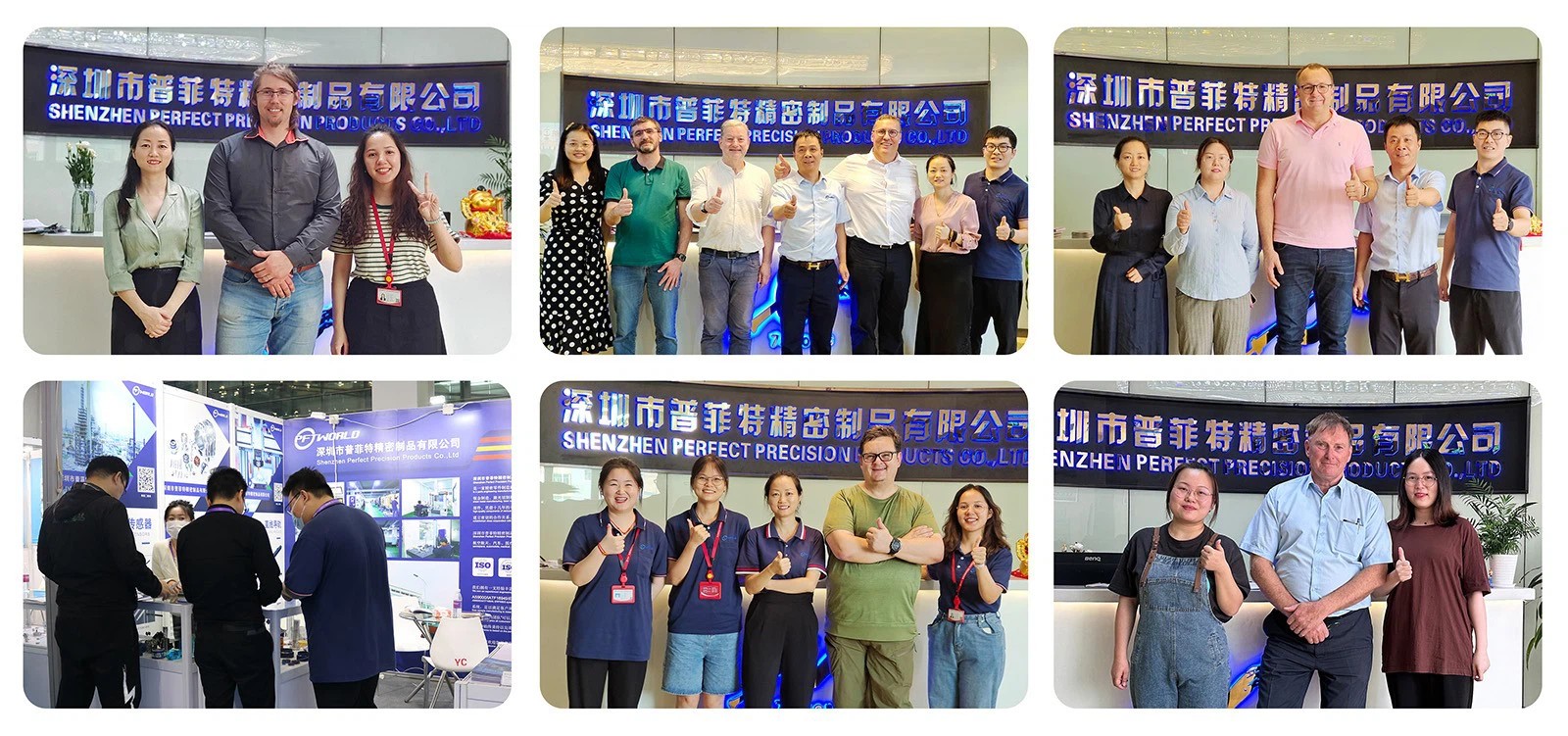
Before final shipment, we compile testing data, CMM reports, and optical scans for client review.
Engineered packaging solutions protect thin-walled components and high-finish surfaces during air and sea transport.
Detailed answers to key technical questions on tolerances, material processing, and quality systems.
Connect with our specialists for instant DFM analysis, material options, and competitive quotes.
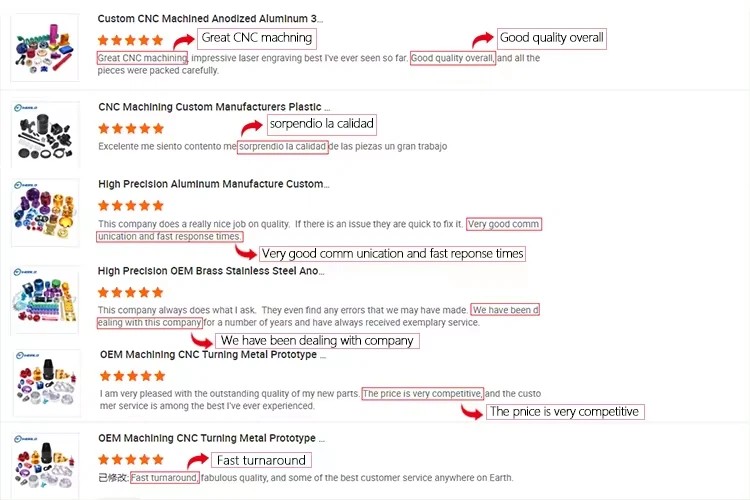
We deliver high-precision CNC machining solutions tailored to your exact specifications. From prototyping to mass production, we handle everything with strict quality control, fast turnaround, and competitive pricing.
Send Inquiry NowA look at our specialized turning parts, actuator modules, and safety induction switches.