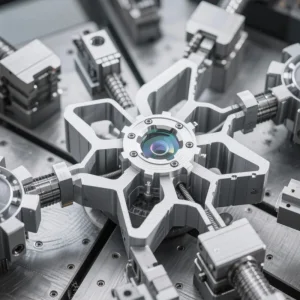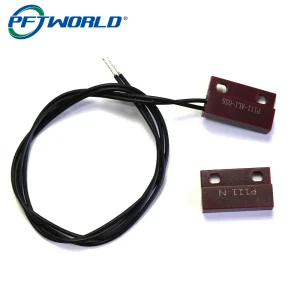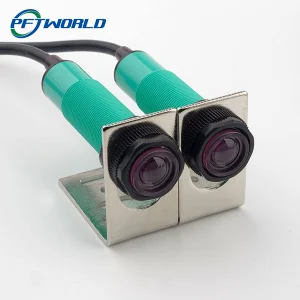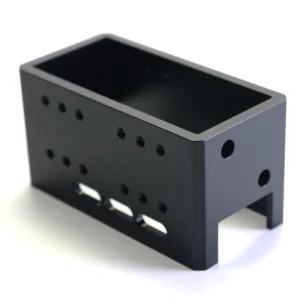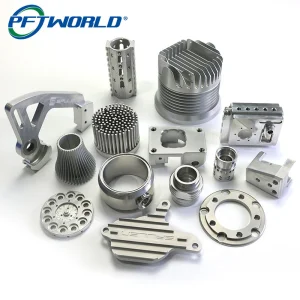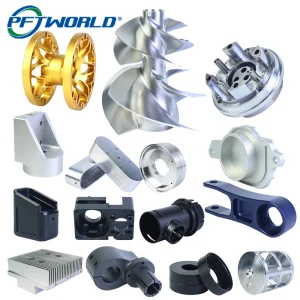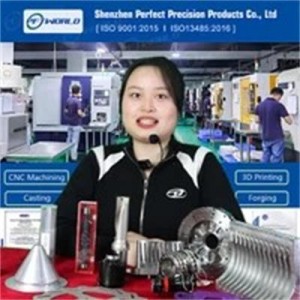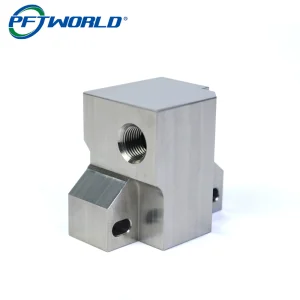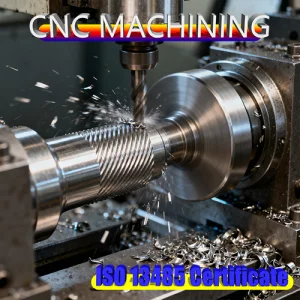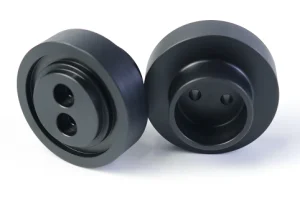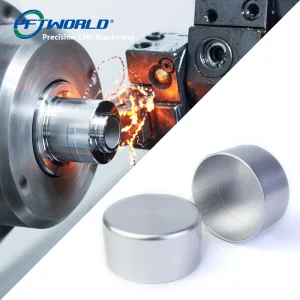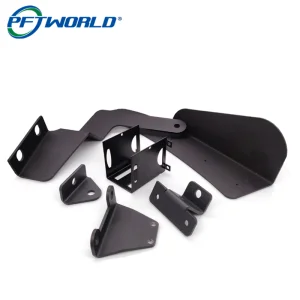
Explore our core custom CNC engineered components, tool steel solutions, and industrial-grade proximity sensory products.
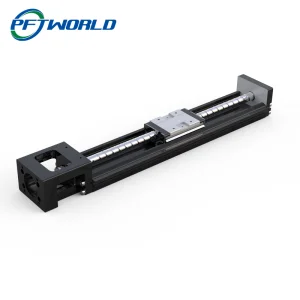
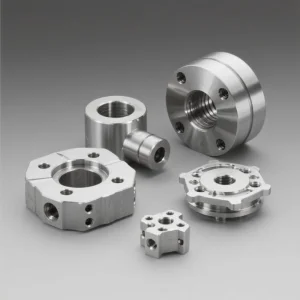
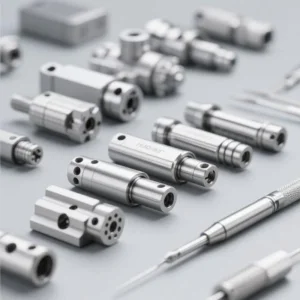
The modern automotive and heavy machinery sectors are undergoing a profound evolution driven by electrification, Advanced Driver Assistance Systems (ADAS), and Autonomous Driving (AD). At the absolute center of this transformation lies the Steering Angle Sensor (SAS). Historically designed as a simple resistive unit indicating steering wheel positions for basic Electronic Stability Control (ESC) systems, today's steering angle sensors are mission-critical sensory nodes required to feed micro-radian inputs directly to ISO 26262 ASIL-D safety loops.
As Tier-1 automotive integrators transition from traditional hydraulic layouts to steer-by-wire (SbW) and highly optimized Electric Power Steering (EPS), the demands on sensor resolution, latency, and environmental resilience have spiked. Multi-axis, high-precision machining of sensor housing housings, magnetic code rings, and mechanical gearing is paramount to prevent signal drift. A deviation of even 0.05 degrees can result in inaccurate lane-keeping correction, endangering passengers and degrading driver satisfaction.
Industrial buyers must evaluate the primary transduction principles used in modern Steering Angle Sensor design:
Through our advanced ODM manufacturing capabilities, Shenzhen Perfect Precision Products Co., Ltd. produces precision custom sensor housings, retaining rings, and internal mechanical gear systems that accommodate all three designs. By leveraging +/-0.002mm tolerances for special sensor assembly segments, we ensure perfect alignment between the sensory array and the rotating column structure, eliminating hysteresis.
Established in 2014 with a highly skilled foreign trade and technical engineering team, we have evolved from a specialized tooling facility into a premium digital chemical plant (realized in 2021). Our ISO9001 quality system certification was achieved early in our trajectory, followed by the prestigious Guangdong Contract and Trustworthy Enterprise recognition in 2018. In 2019, our investment in engineering R&D was validated by the High-Tech Enterprise Certification.
By 2020, our state-of-the-art office and production facility expanded to over 10,000 square meters. Operating over 100 high-end multi-axis CNC machines and maintaining strict certification protocols, we serve over 6,000 global companies with an average monthly supply capacity exceeding 500,000 components.
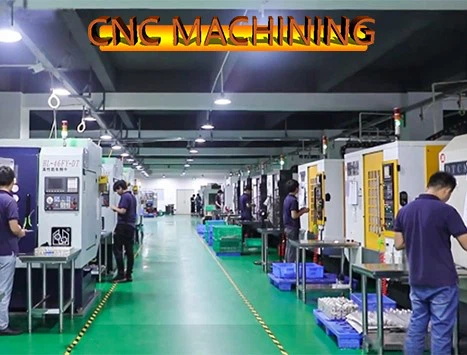
Empirical evidence of our industrial engineering footprint and continuous manufacturing throughput.
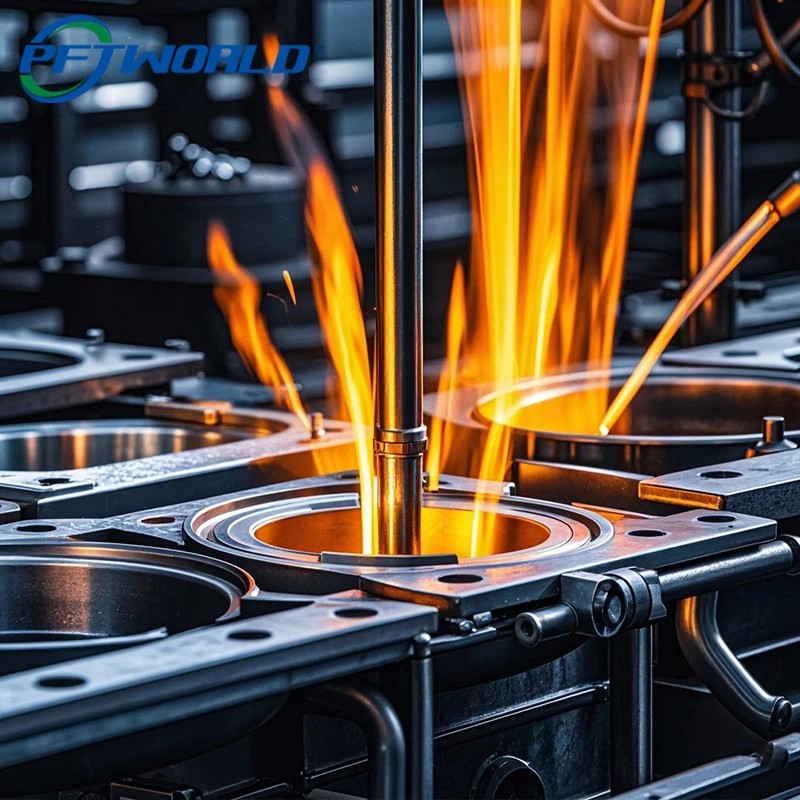
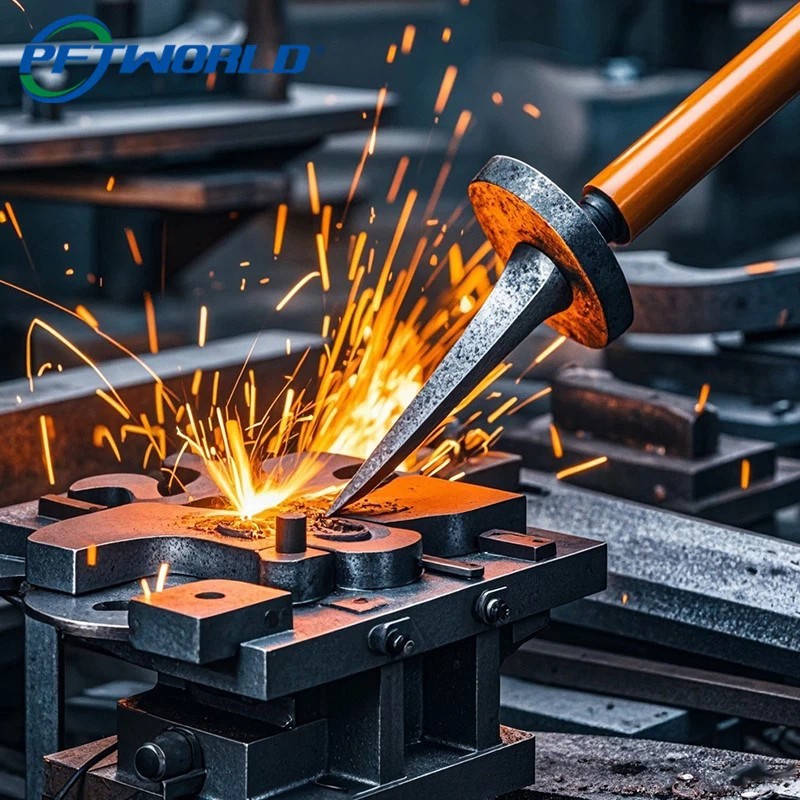
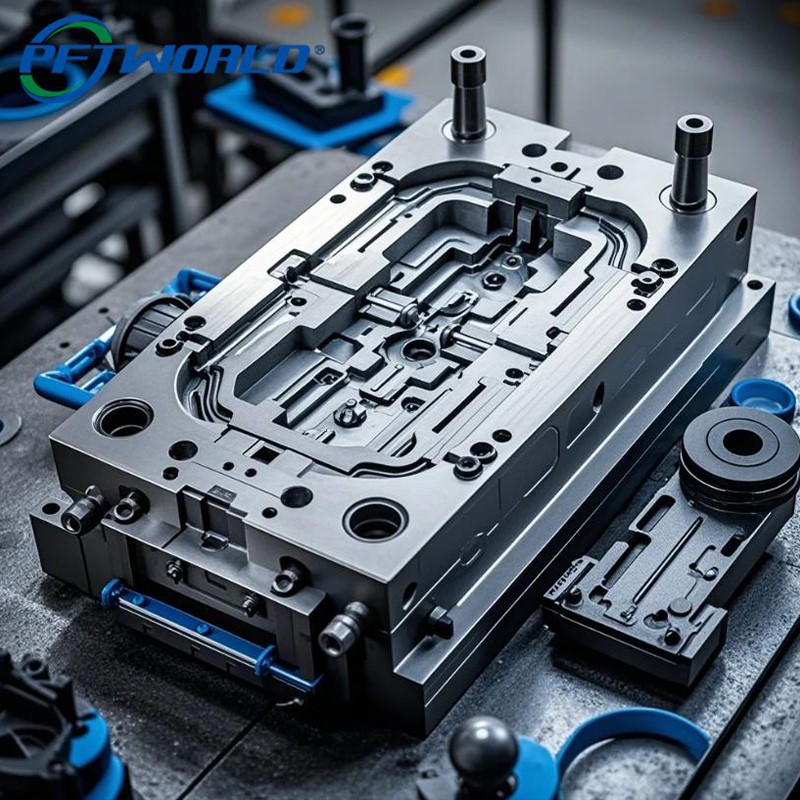
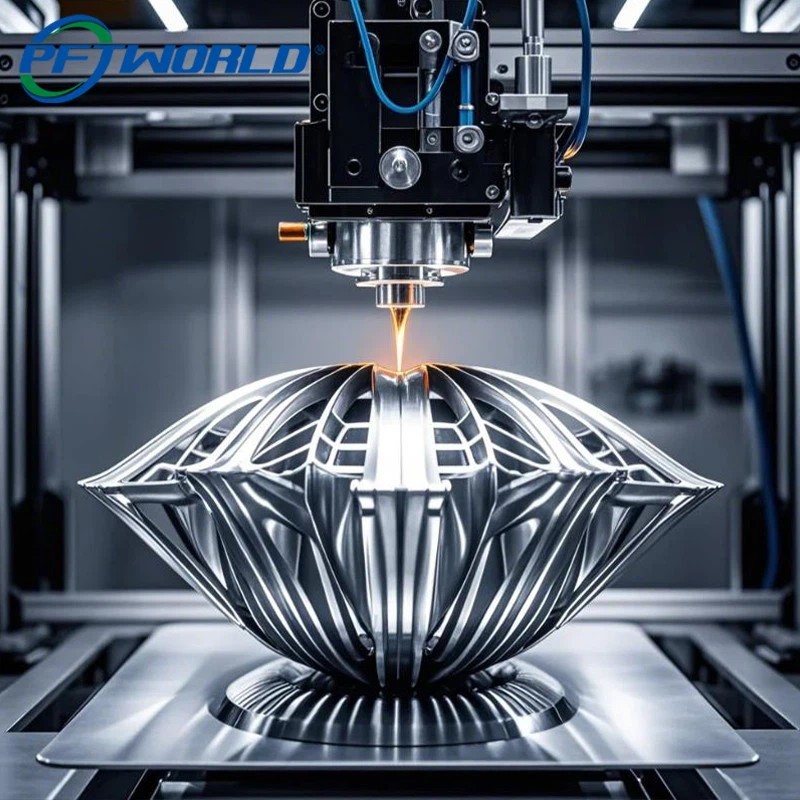
We combine advanced processing technologies to support your hardware and mechanical sensor designs from rapid prototyping to high-volume assembly.
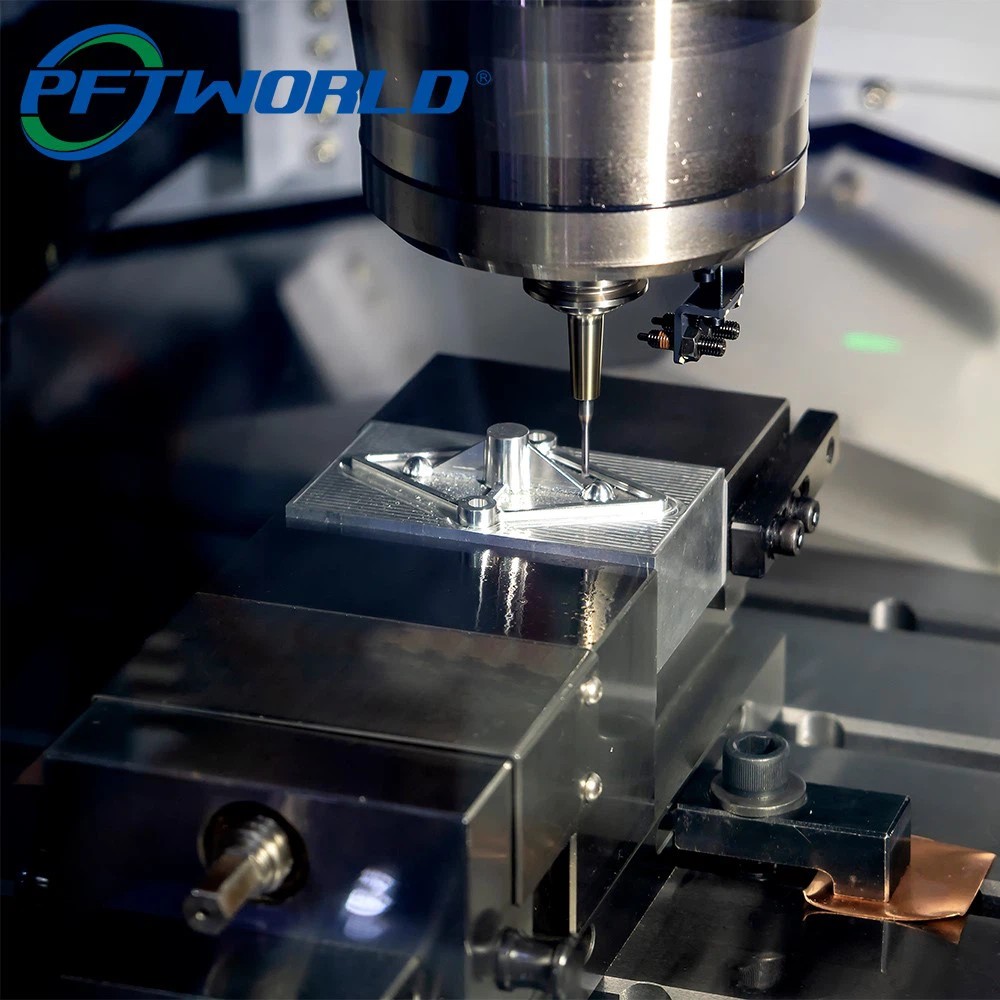
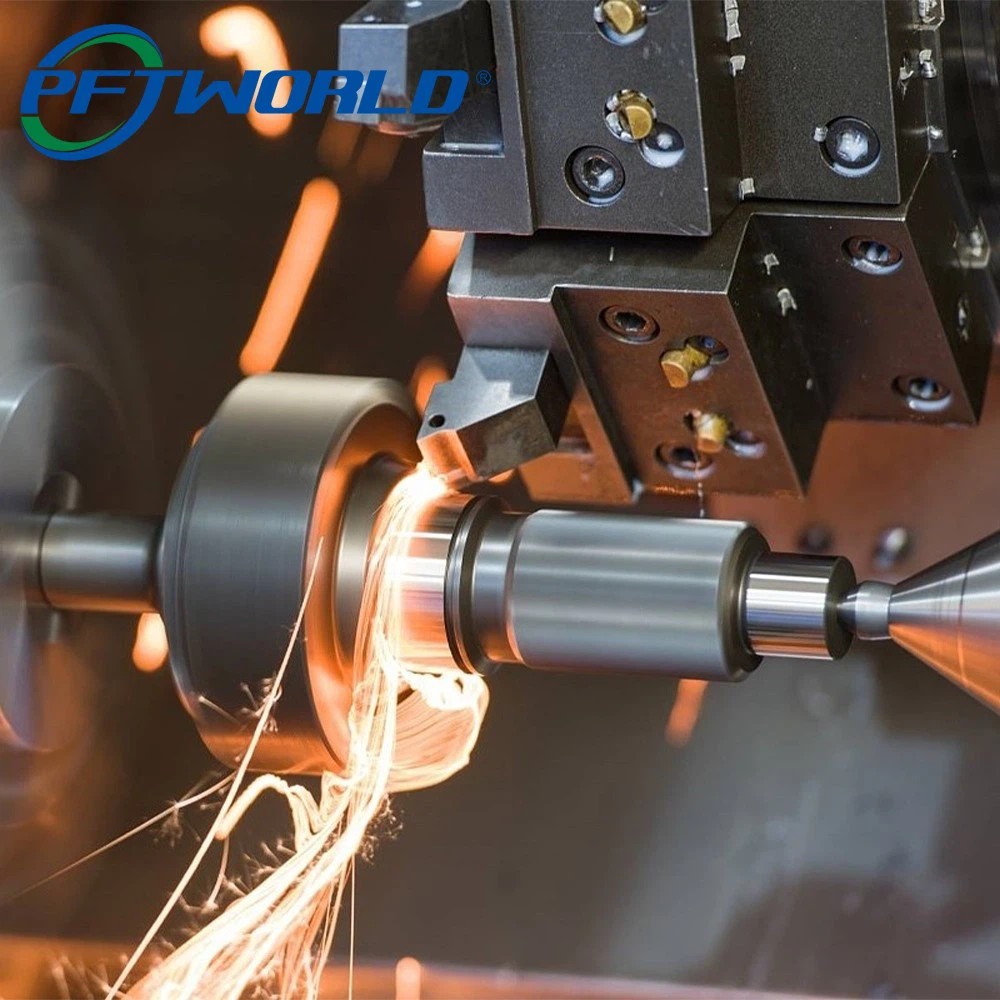
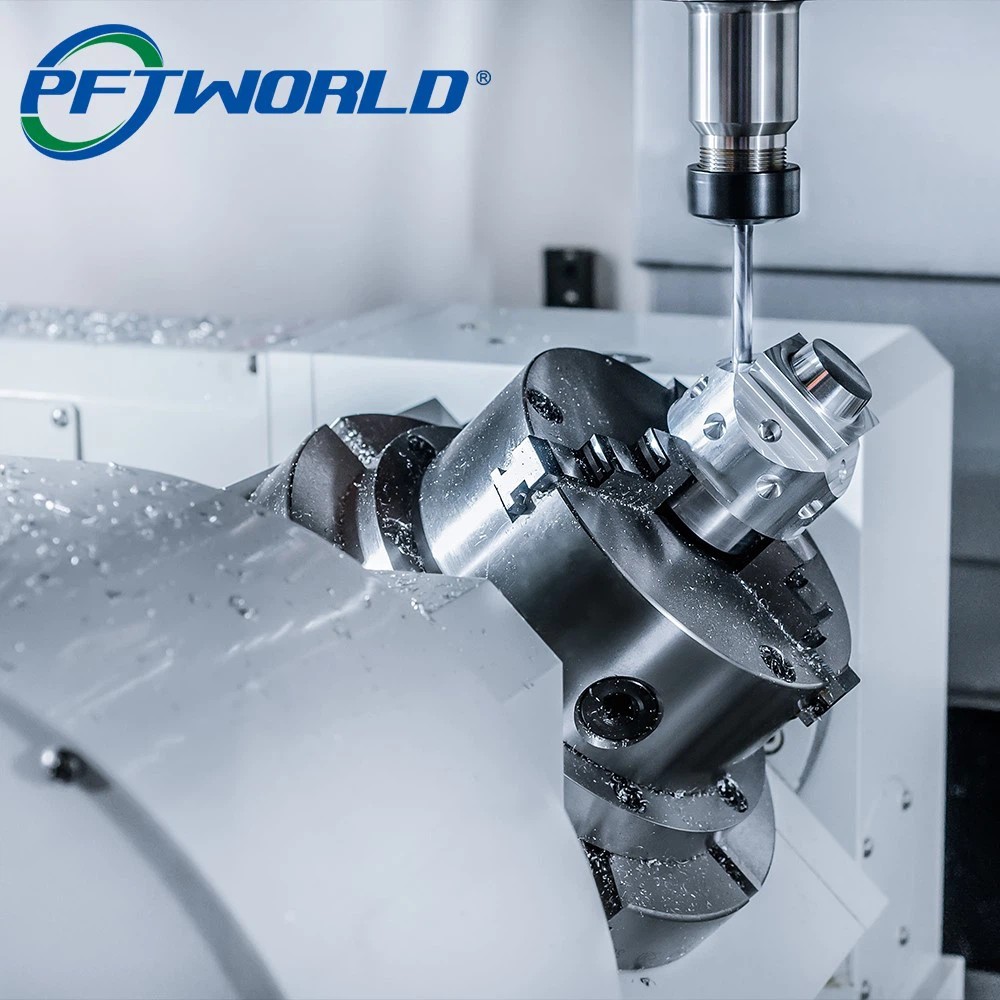
Procuring custom steering sensors from China offers structural benefits beyond cost reduction. The integration of local manufacturing clusters in Shenzhen allows for unmatched supply chain reaction speeds. For example, raw materials—ranging from specialized automotive-grade PPS plastics to electromagnetic steels—are sourced, machined, surface-finished, and quality-tested within a 50-kilometer radius.
At Shenzhen Perfect Precision Products Co., Ltd., this geographic leverage is reinforced by digital workflows. Our factory implements an ERP-driven manufacturing cycle that links raw stock inspection directly to multi-axis CNC cells. Consequently, we guarantee sample turnarounds within 1 to 3 days and complete mass production batches within 7 to 14 days. Compared to European or North American operations, this workflow represents a 40% reduction in time-to-market.
Understanding the localization demands of steering angle systems reveals a broad scope of application environments:
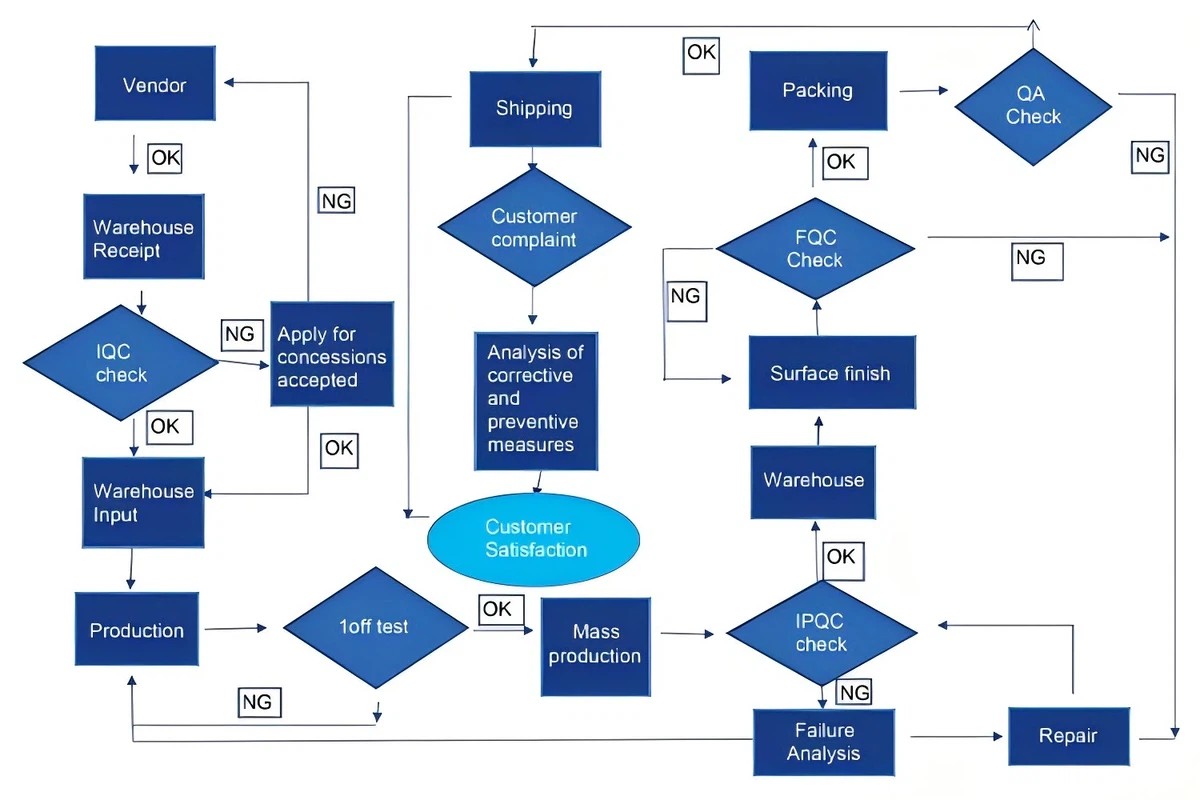
Maintaining zero-defect criteria for automotive safety components through strict dimensional validation.
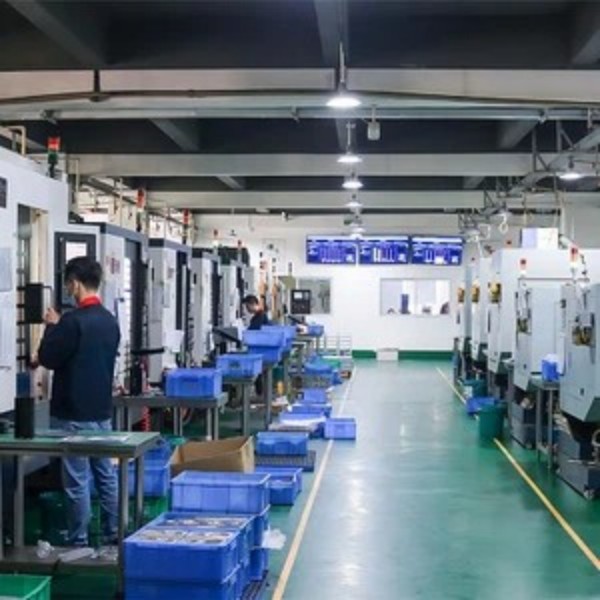
Multi-axis automated tooling cells engineered for consistency across production runs.
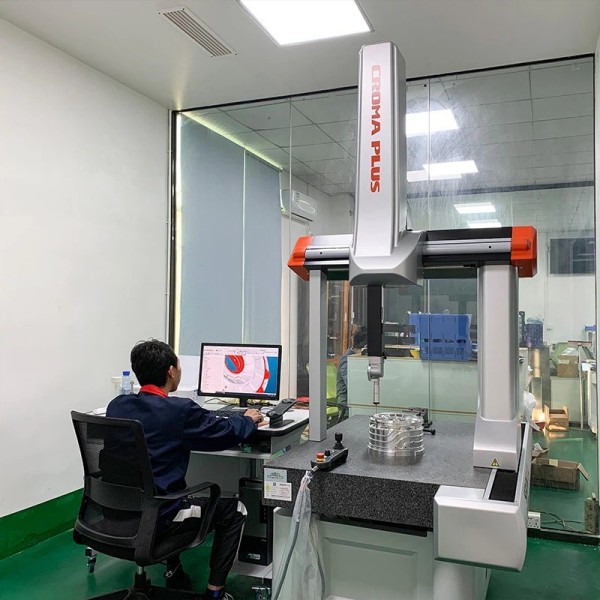
Fully programmable high-precision coordinate testing to verify geometric dimensions down to +/-0.002mm.
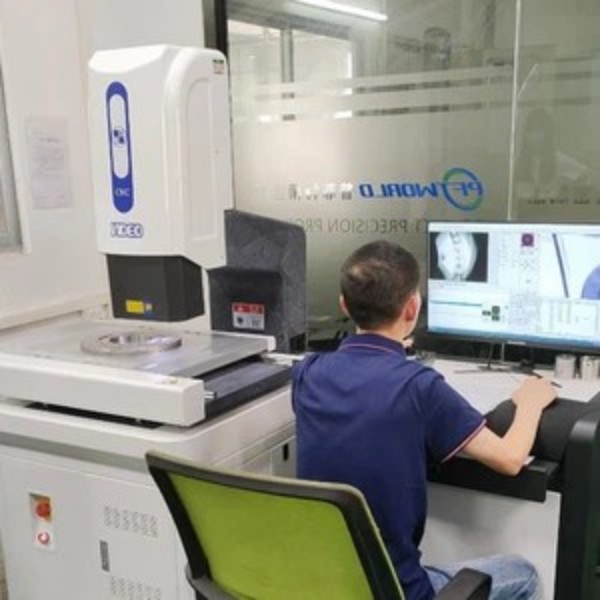
Optical profiles, mechanical comparators, and automated vision lines checking contours and bore surfaces.
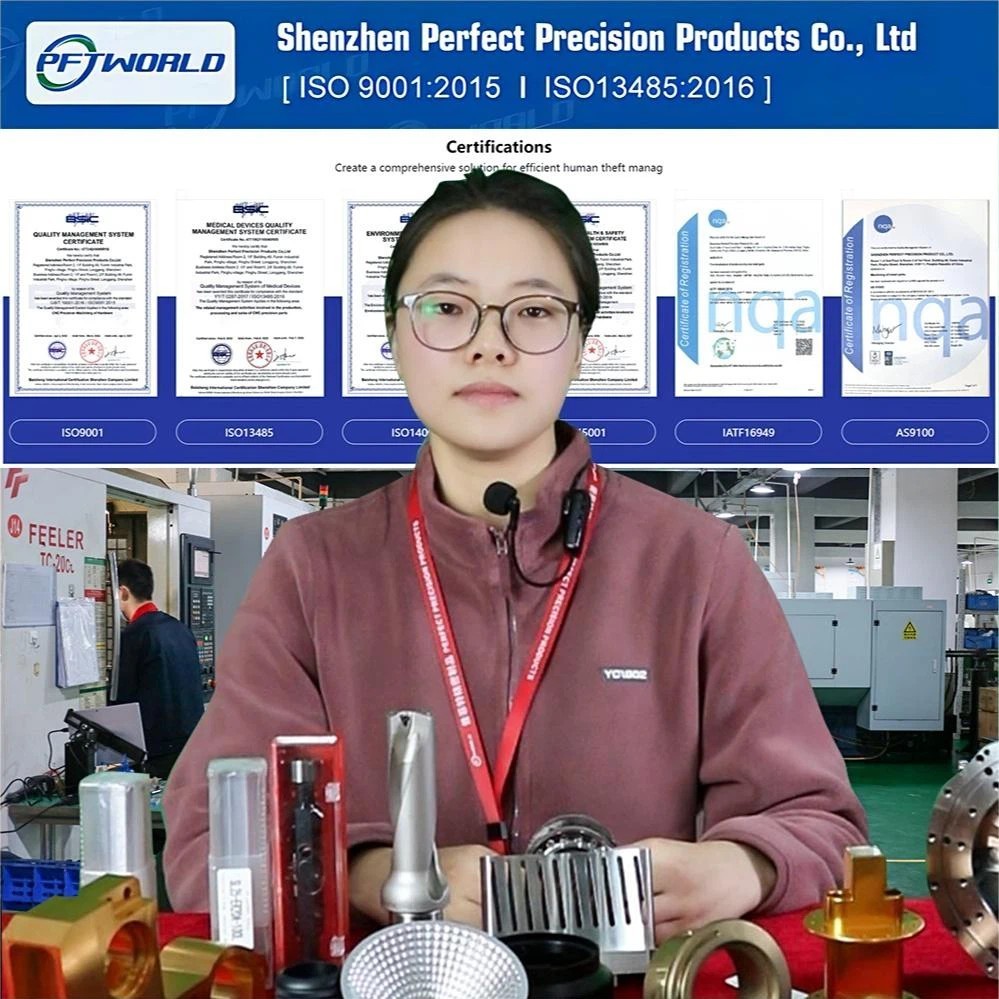
Our quality management systems meet the compliance requirements of automotive, aerospace, and medical device manufacturing.
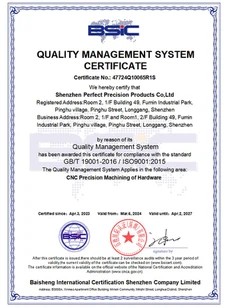 ISO9001:2015
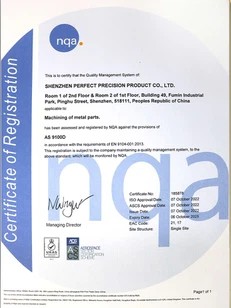 AS9100D
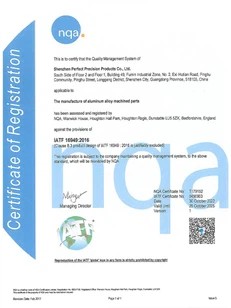 IATF16949:2016
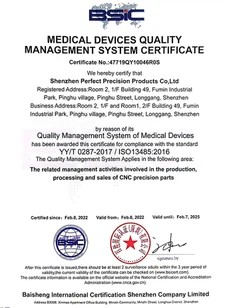 ISO13485:2016
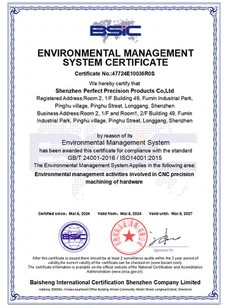 ISO14001:2015
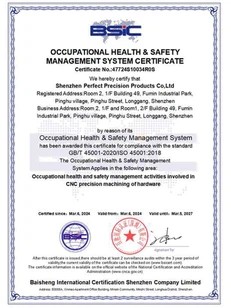 ISO45001:2018
The next step in steering technology replaces the physical steering shaft with safety-critical electrical harnesses. This steer-by-wire approach decouples driver cabins from physical steering racks, allowing cabins to be redesigned and improving safety. However, this design places the entire system's reliability on steering sensors. Without mechanical linkages, sensors must provide continuous feedback to the road-wheel actuator and feedback actuator.
Consequently, modern steering angle sensors utilize multi-sensor fusion. Hall-effect chips, magnetic rings, and torque sensors are combined on a single PCB, transmitting data via high-speed communication channels like CAN-FD or SENT. By selecting high-density engineering plastics and custom metal inserts, manufacturers can shield internal electronics from thermal shifts and electromagnetic noise, ensuring reliable sensor operation.
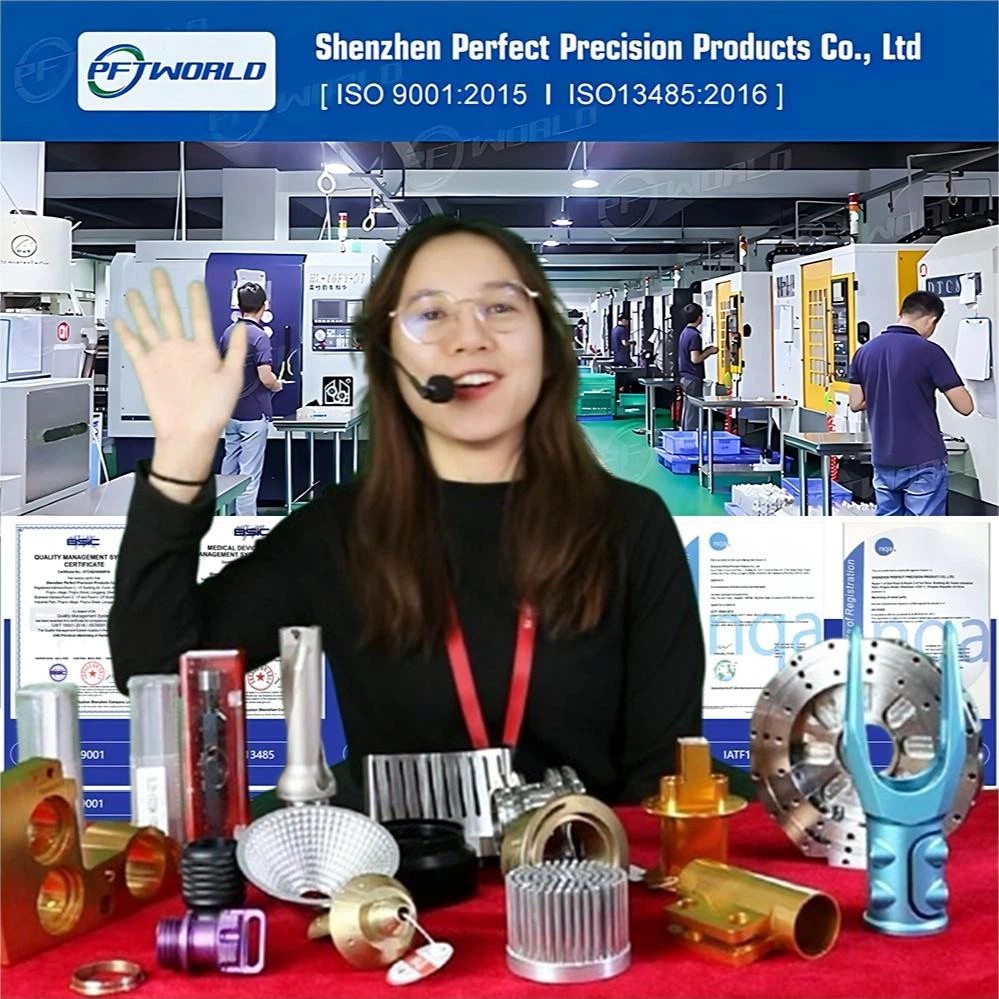
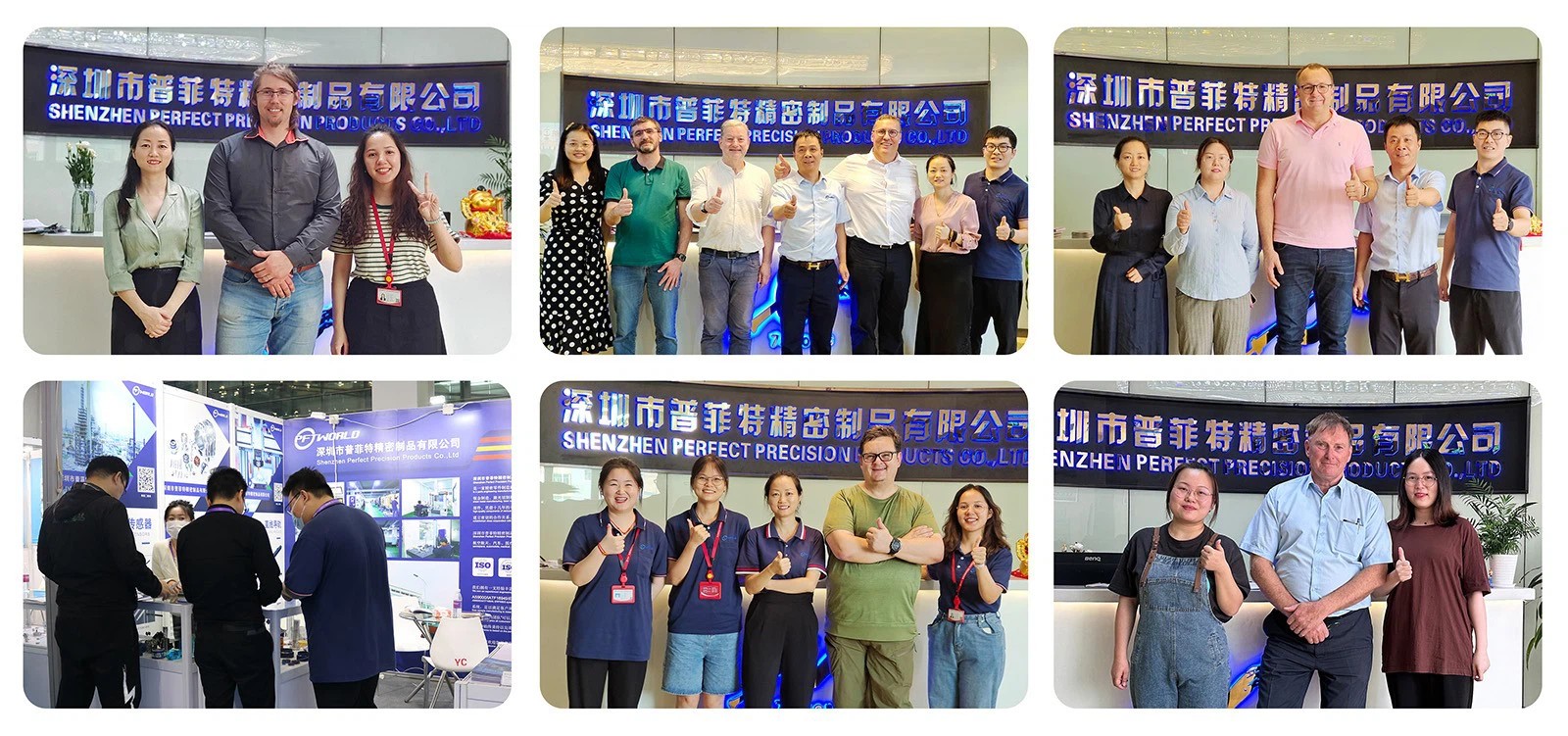
Step-by-step visibility of our processing floors, assembly lines, and global client inspections.
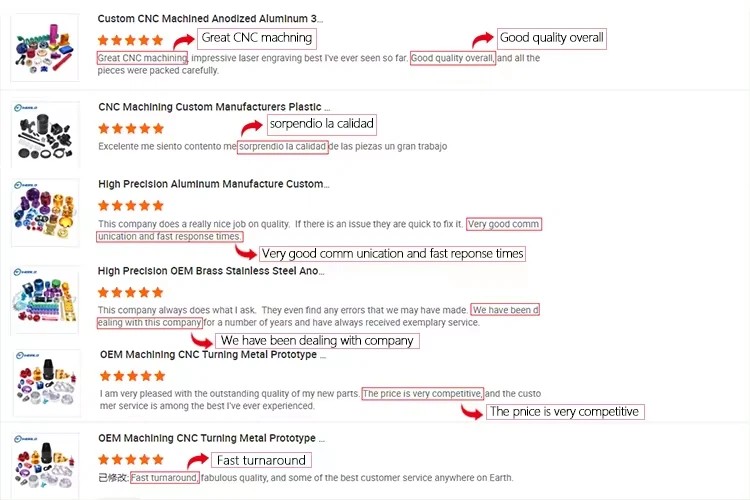
In-depth responses detailing custom ODM sensor integration, lead times, materials, and international shipping options.
We are a direct manufacturer based in Shenzhen, China. Our facilities cover 10,000 square meters, featuring 3D coordinate inspection tools, custom testing equipment, a central ERP system, and over 100 high-performance multi-axis machining units. We support customers with material certifications, inspection reports, and full production transparency.
Please provide detailed design files (PDF, STEP, IGS, or DWG) with notes on material requirements, tolerance requirements, annual volume forecasts, surface finishes, and regulatory compliance targets (such as IATF 16949 or ISO 26262).
Yes. Our engineering department can convert manual concepts, 2D sketches, or physical samples into production-ready 3D models. We also offer mechanical optimization to help reduce manufacturing costs.
Prototype samples are typically delivered in 1 to 3 days, depending on geometry. Full production runs generally ship in 7 to 14 days, supported by our local supply chain network.
Our quality assurance process consists of four stages: (1) incoming material inspections to check surface conditions and raw dimensions; (2) first-article inspections at the start of production; (3) in-process audits to monitor key tolerances; and (4) 100% pre-shipment inspections by our QC team using CMM and multi-axis optical scanners.
We offer customer support for up to one month after product delivery. If any components do not meet drawing tolerances, our team will review the issue and provide resolved replacements or adjustments within one week.
Our ODM steering sensor designs support standard automotive communication protocols, including CAN, CAN-FD, LIN, and SENT interfaces, allowing integration with stability management computers.
We use high-grade materials based on the application, including AL6061-T6 for structural housings, D2 tool steel for stamping dies, and reinforced plastics (such as PPS or PBT-GF30) to provide thermal stability and chemical resistance.
We prioritize IP protection. We sign mutual Non-Disclosure Agreements (NDAs) with all clients. Design files are stored on isolated servers, and access is restricted to authorized project engineers.
Yes. Our CNC cell structure is designed for quick setups, allowing us to support low-volume custom orders and prototype validation alongside high-volume mass production.
Connect with our technical representatives for quick project analysis and engineering support.
Upload your design specifications. Our engineering team will analyze your drawings and provide an optimized quote within 24 hours.
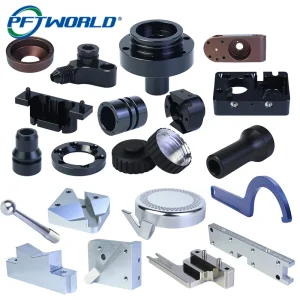
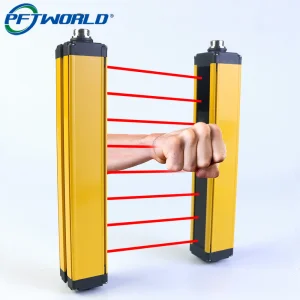
Send Inquiry NowExplore our additional inventory lines, including custom metal brackets, proximity switch modules, and plastic CNC components.