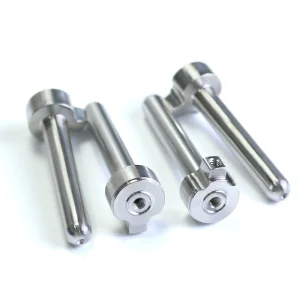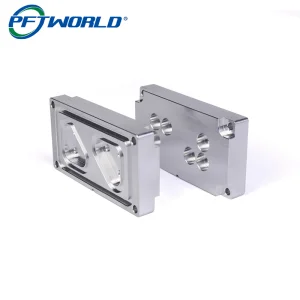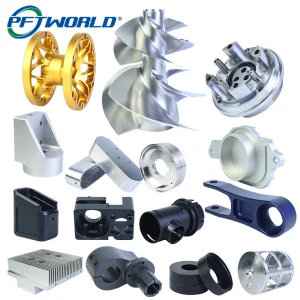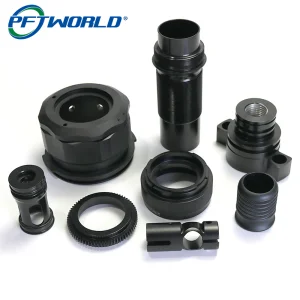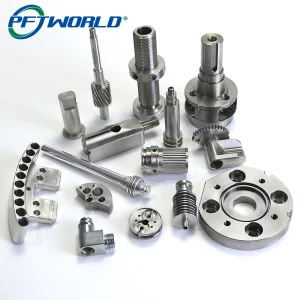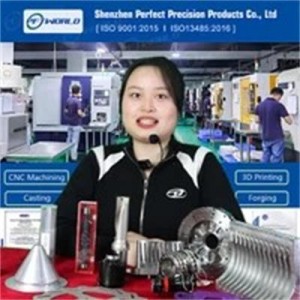
Explore our high-performance CNC turned, milled, and custom manufactured components designed for mission-critical applications.
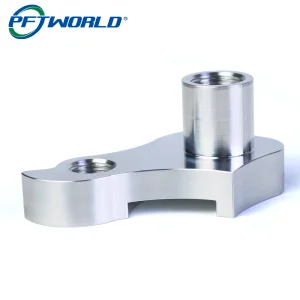
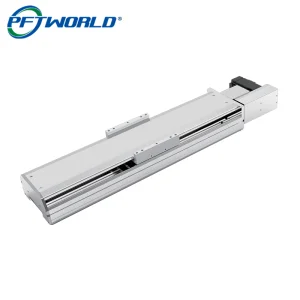
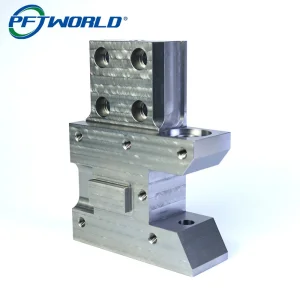
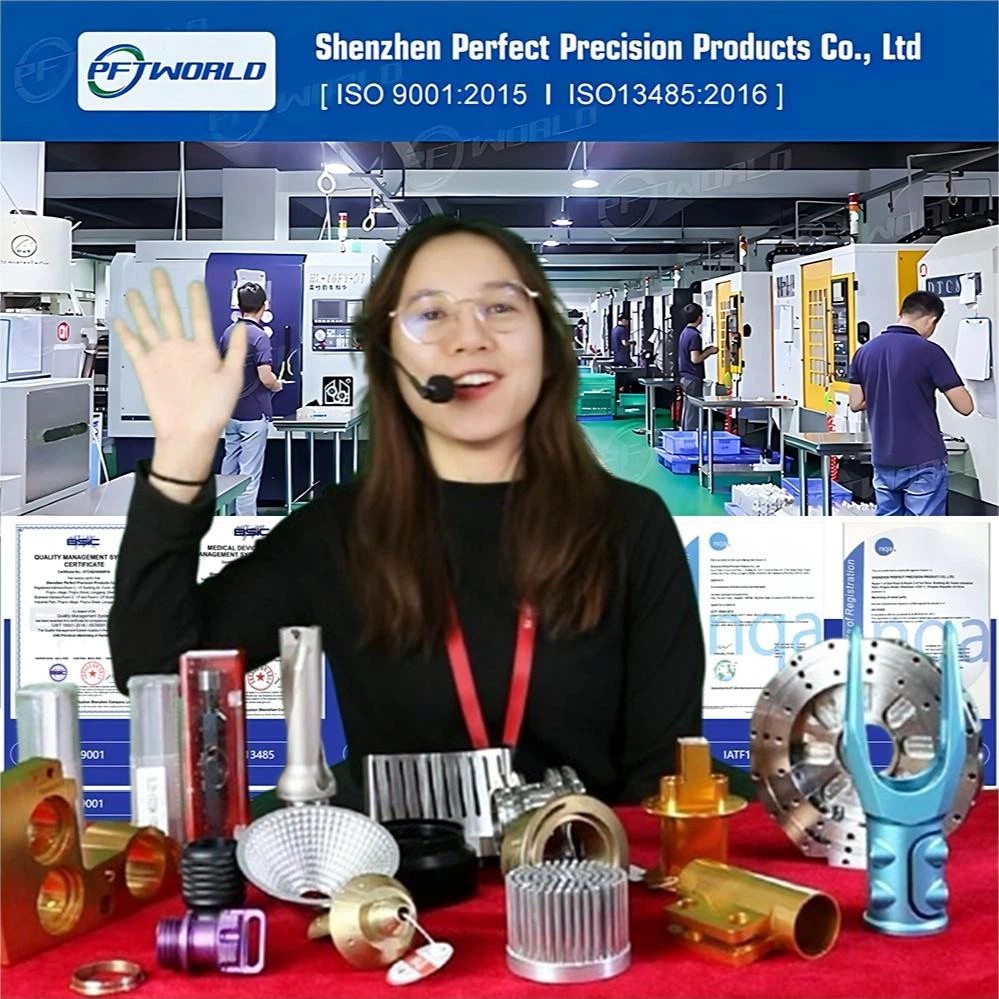
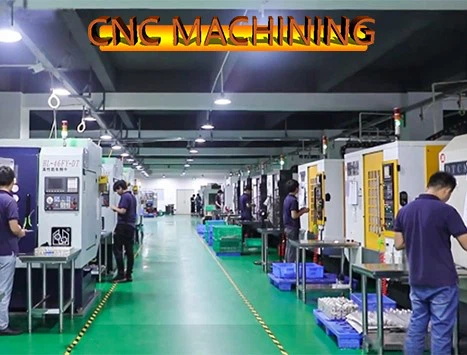
Established as a specialized manufacturer, Shenzhen Perfect Precision Products Co., Ltd. has spent over two decades developing custom-engineered manufacturing workflows. In 2014, we initiated our dedicated foreign trade framework, quickly obtaining the ISO 9001 quality management certification. Recognized as a Guangdong Province Contract and Trustworthy Enterprise in 2018, and accredited as a National High-Tech Enterprise in 2019, our digitalized fabrication capabilities reached maturity in 2021. Today, our 10,000-square-meter facility utilizes fully integrated ERP tracking, real-time process monitoring, and modern CNC equipment to manufacture highly complex titanium parts.
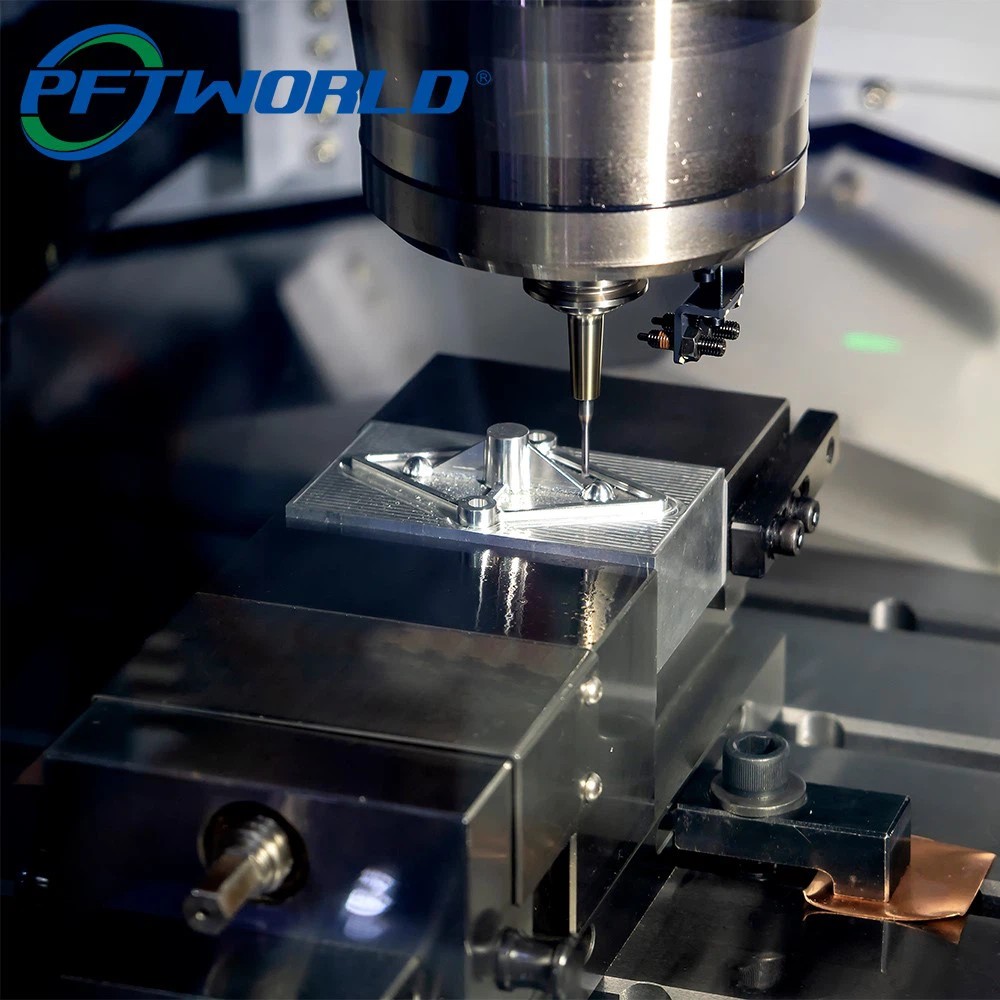
By leveraging advanced tooling and thermal management methods, we maintain dimensional control down to ±0.01 mm for standard products, and down to ±0.002 mm for custom geometries. Our production facility features multi-axis machining capabilities (3-axis, 4-axis, 5-axis, and 6-axis configurations), enabling us to machine difficult geometries without compromising material integrity.
Titanium's high strength-to-weight ratio, biocompatibility, and corrosion resistance make it an essential material for high-performance engineering. However, the physical properties that make titanium alloys desirable also present unique challenges during subtractive machining. Understanding the mechanical differences between titanium grades is essential for optimizing cutting speeds, feeds, and tool lifetimes.
Machining titanium requires addressing several key metallurgical factors:
Our machined titanium components are designed for high-stress applications across several key industries:
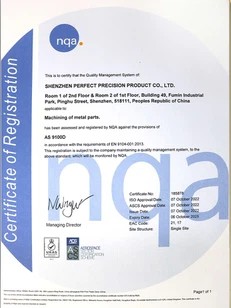
In aerospace engineering, minimizing structural weight while maintaining structural integrity is critical. Titanium parts are used in airframe structures, engine components, turbine blades, and landing gear assemblies. Our facility complies with AS9100D standards, ensuring complete material traceability and inspection reporting.
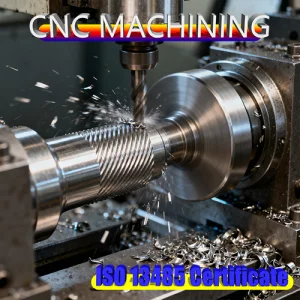
Titanium's biocompatibility allows it to interface directly with human bone and tissue. We manufacture custom orthopedic bone plates, dental abutments, spinal cages, and mechanical housings for implantable pacemakers, utilizing ISO 13485-certified manufacturing processes.
Titanium's passive oxide layer provides corrosion resistance against chlorides and sour gas environments. Typical components include subsea instrumentation housings, downhole exploration sensors, chemical valve internals, and heat exchangers.
A comprehensive overview of our production services, combining traditional machining with modern fabrication techniques.
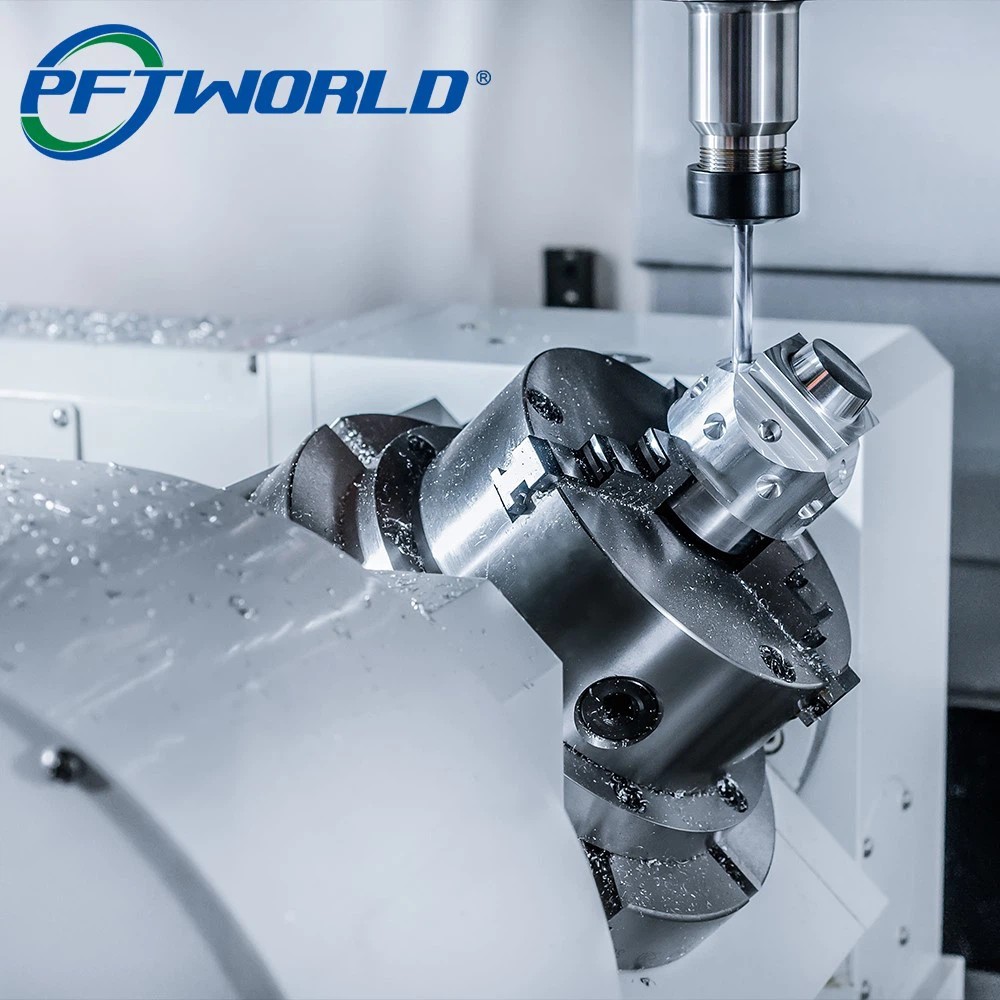
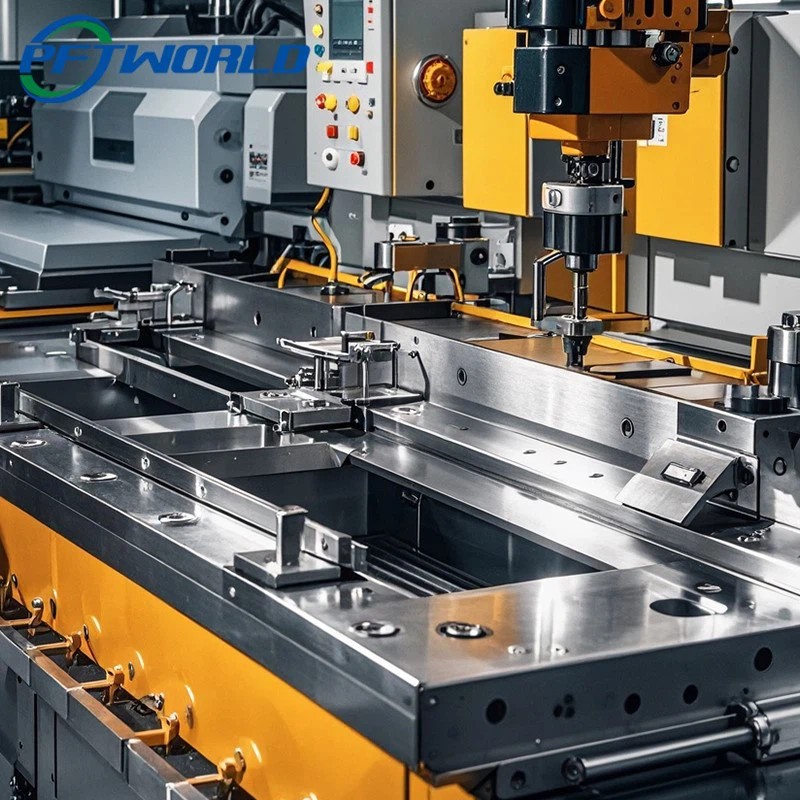
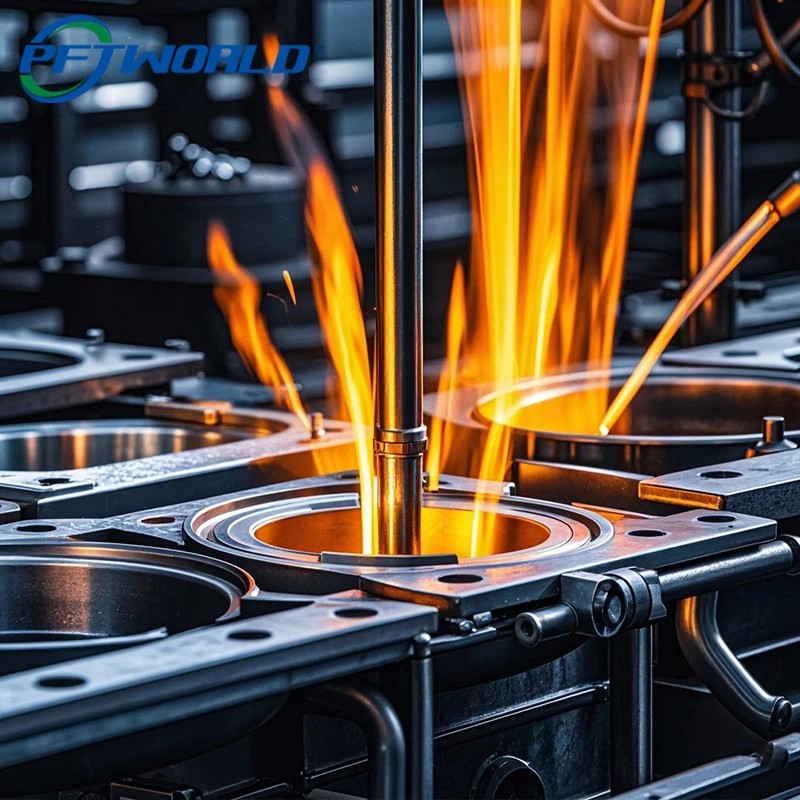
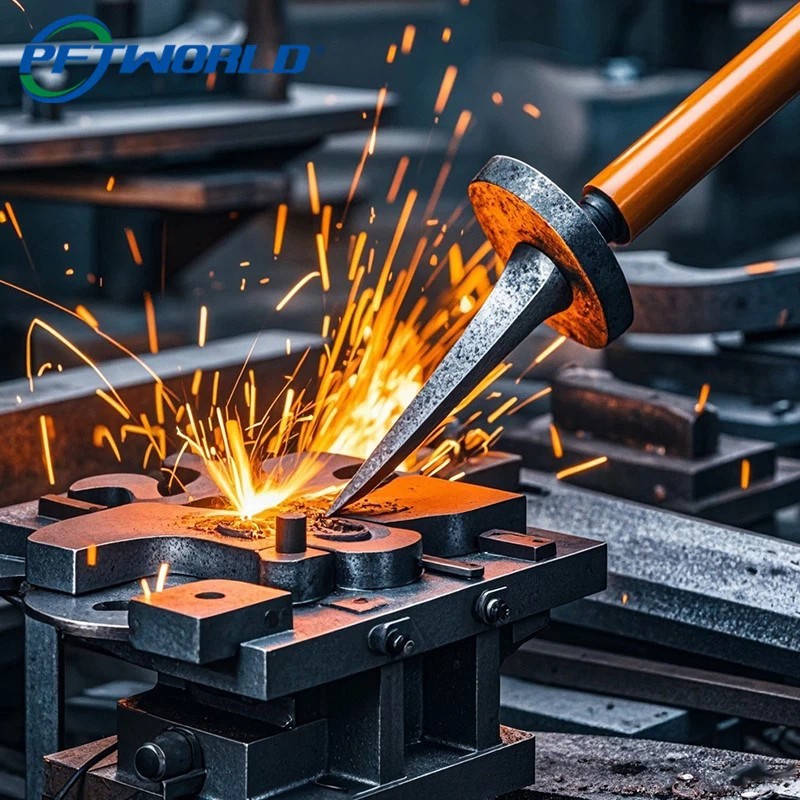
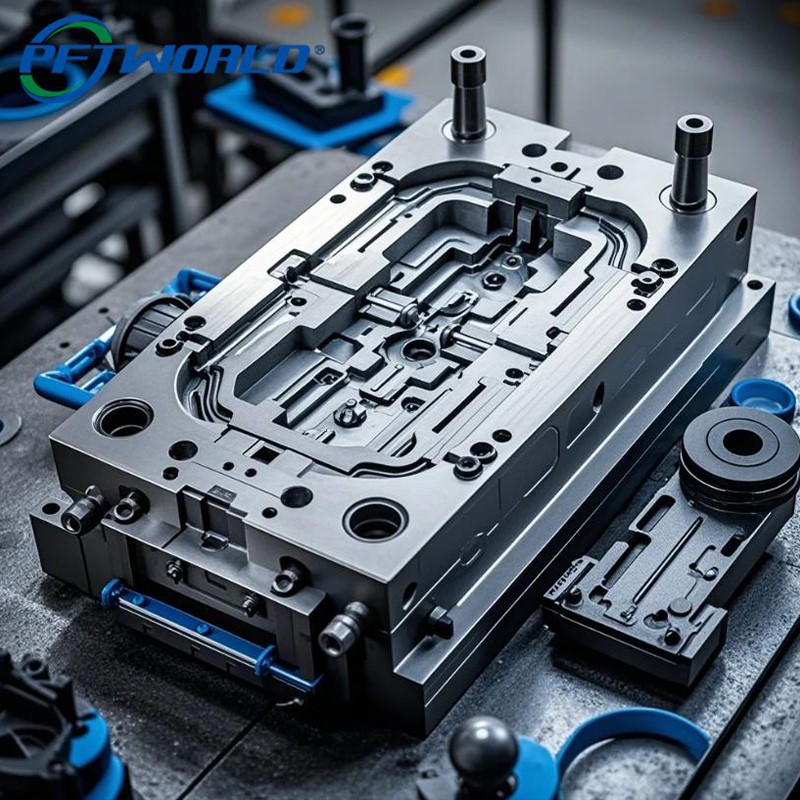
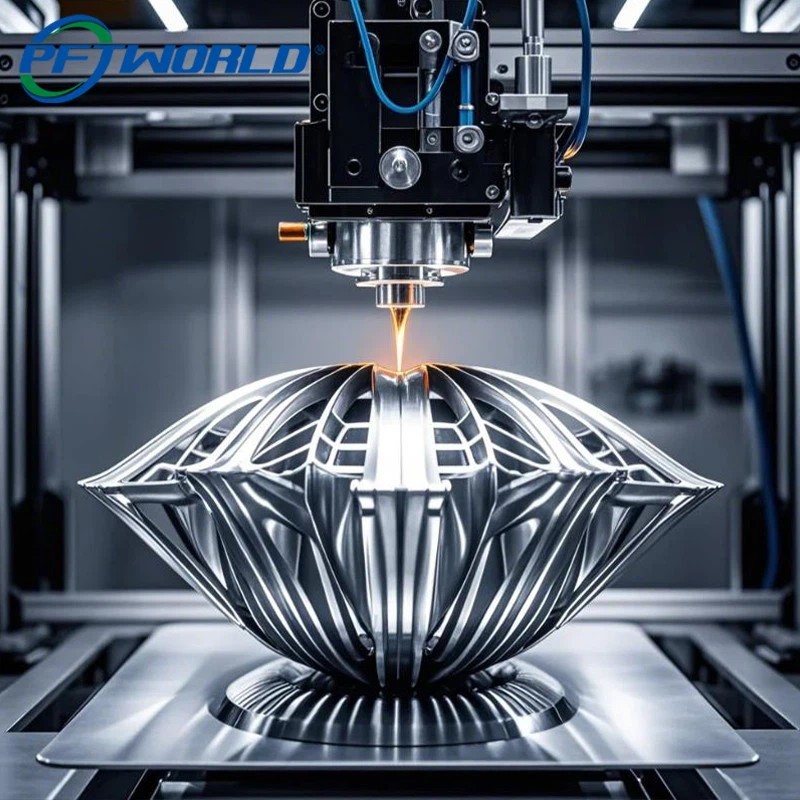
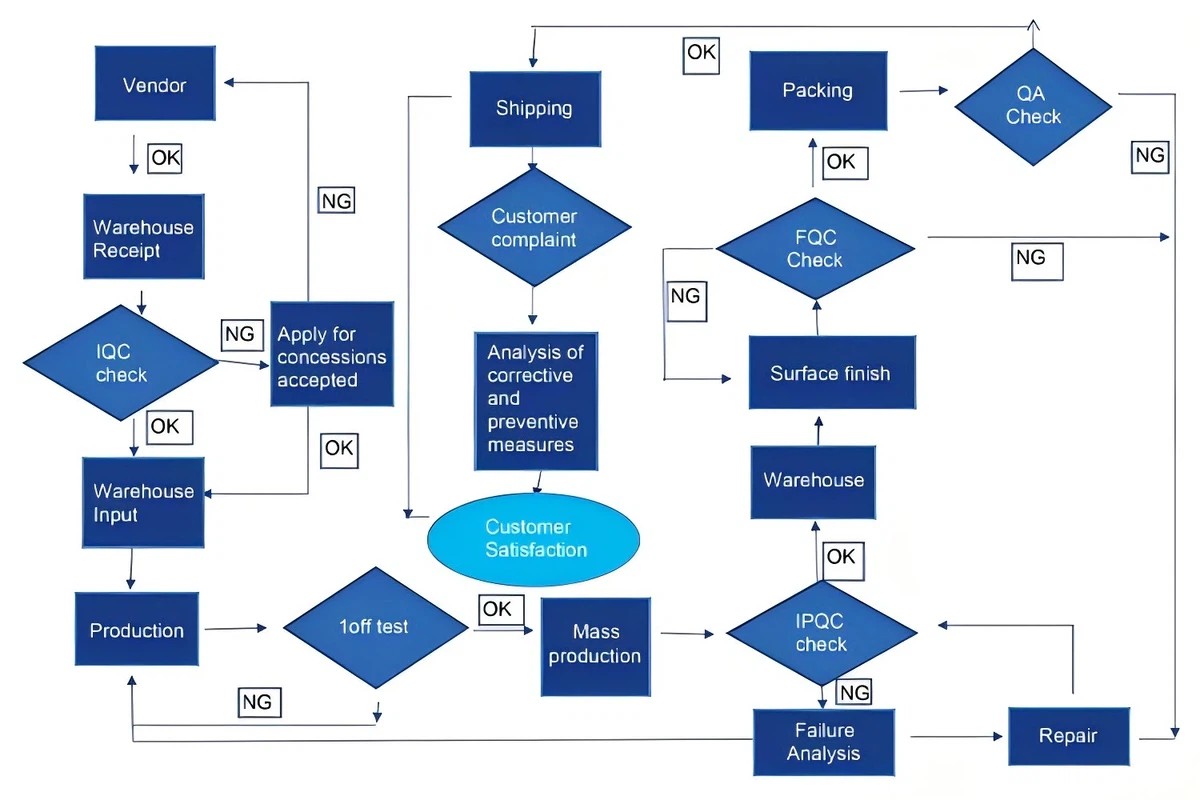
Our quality management workflow ensures every production batch conforms to the requested engineering specifications.
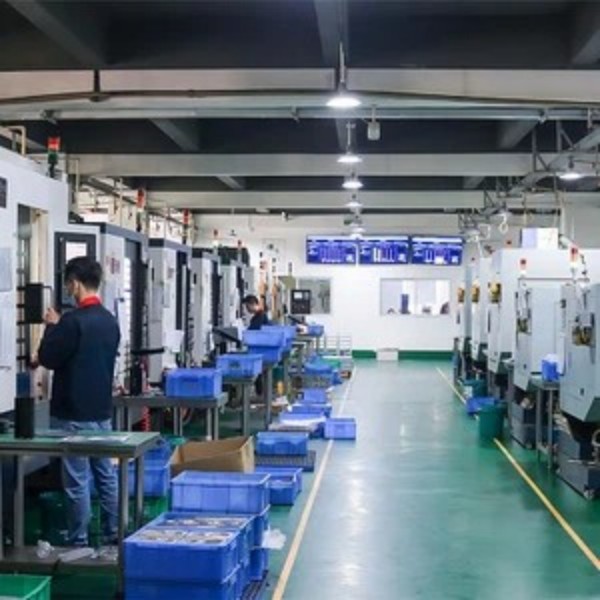
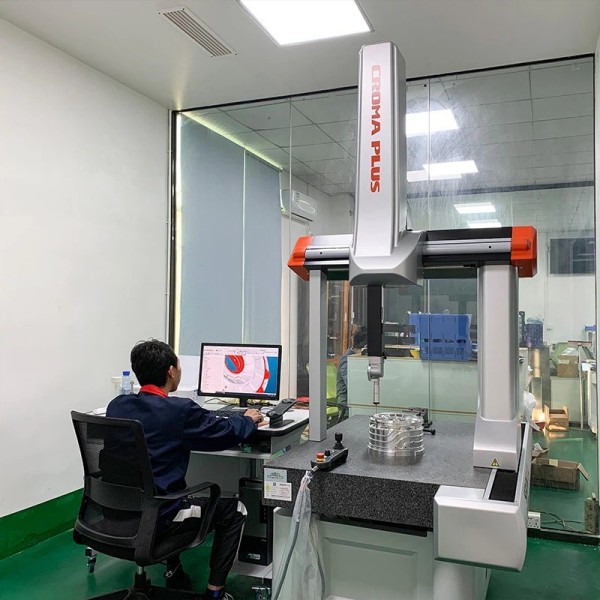
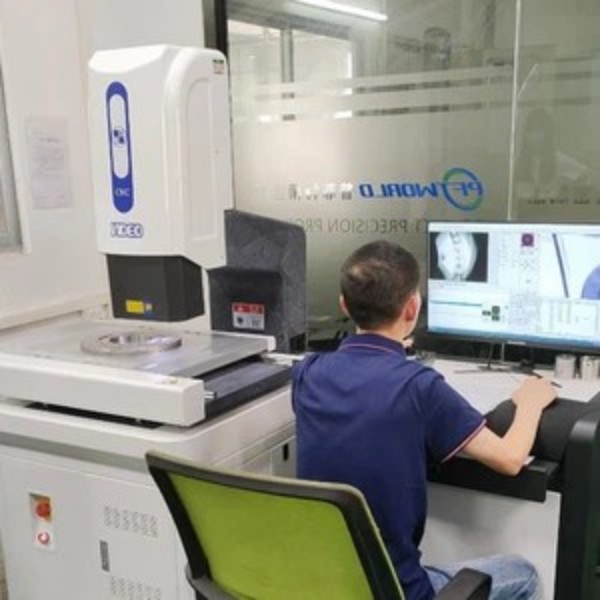

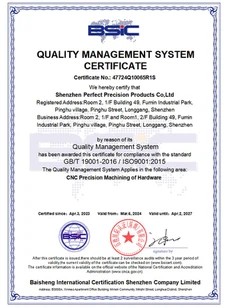
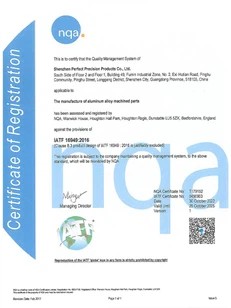
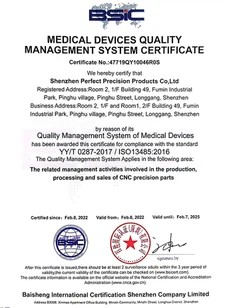
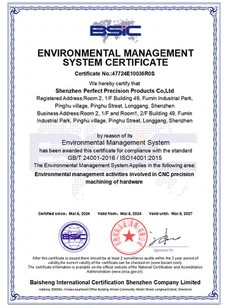
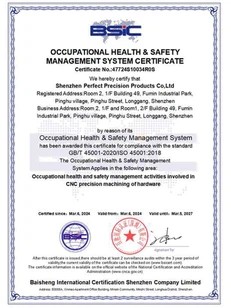
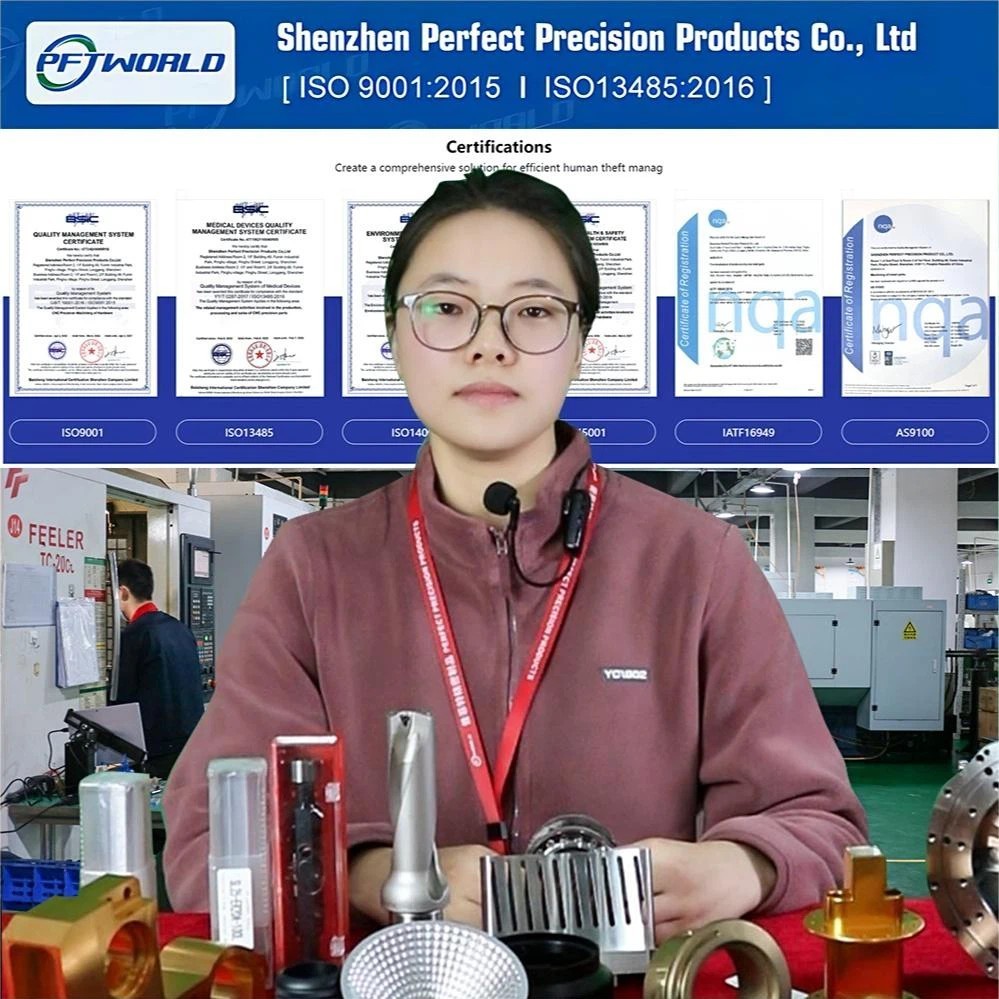
Our quality management systems comply with the certification standards required for aerospace, medical, and automotive components.
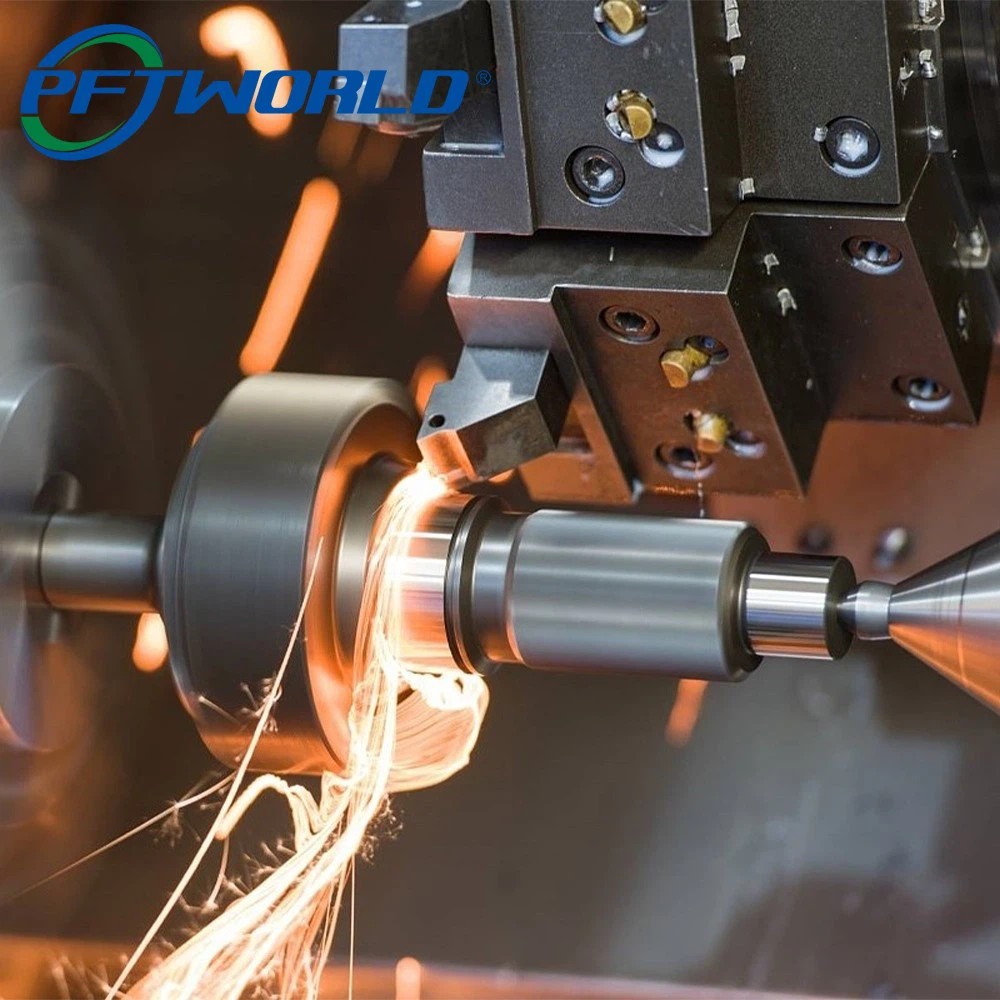
To produce high-quality machined titanium parts, our engineering team utilizes specific tool designs, cooling methodologies, and rigid setups:
Standard carbide tooling is not suitable for machining titanium. We utilize carbide cutters with sharp relief angles and positive rake geometries to minimize cutting forces and friction. Tool coatings are critical: Titanium Aluminum Nitride (TiAlN) and Aluminum Titanium Nitride (AlTiN) coatings provide an oxide layer that resists chemical diffusion at high temperatures, protecting the cutting edge.
Standard flood coolant is often insufficient for titanium machining, as the localized heat can create a vapor barrier that prevents coolant from reaching the cutting zone. Our multi-axis CNC machines utilize High-Pressure Through-Spindle Coolant (TSC) systems operating at 70 to 100 bar. This directs coolant straight to the tool-material interface, quenching the cutting zone, helping to break chips, and preventing built-up edges.
Titanium's elastic deflection properties can cause tool chatter and poor surface finishes. We design custom hydraulic fixtures that locate workpiece clamping positions close to the toolpath. This rigid setup helps minimize vibration, allowing us to maintain a consistent chip load and prevent surface micro-cracking.
The manufacturing of titanium parts is evolving beyond standard multi-axis milling:
Detailed technical answers addressing common inquiries from mechanical designers and procurement engineers.
Grade 5 titanium features an alpha-beta composite microstructure that provides high tensile strength (≥900 MPa) along with low density (4.43 g/cm³). It displays excellent fatigue resistance, low thermal expansion, and high corrosion resistance. This balance makes it the standard material for aerospace structural frames, engine components, and performance automotive applications.
We use high-pressure through-spindle coolant (TSC) systems operating at up to 100 bar, which directs coolant straight to the tool's cutting edge. In addition, we utilize custom-formulated water-soluble cutting fluids with high lubricity and thermal dissipation properties to minimize tool-part friction.
Tool chatter is caused by titanium's low elastic modulus (~110 GPa), which allows thin walls to deflect under cutting forces. We prevent this deflection by designing custom modular jigs that support the thin-walled areas, using variable helix end mills to break up harmonic vibration frequencies, and utilizing high-feed milling strategies with low radial engagement.
We utilize solid carbide tooling coated with Aluminum Titanium Nitride (AlTiN) or Diamond-Like Carbon (DLC). These coatings form a thermal barrier that reduces heat transfer into the tool substrate and prevents chemical welding at high temperatures.
For critical aerospace and medical projects, we supply full material test reports (MTR) verifying chemical composition and heat treat batches, CMM dimensional reports, coordinate scan charts, 2D optical profiles, and certificates of conformance (CoC).
We are a factory located in Shenzhen, China, with 20 years of experience, covering a facility area of 10,000 square meters. Our shop floor features over 100 machines, including 3D quality inspection equipment (CMM) and an integrated ERP system. We provide material certificates, sample quality inspection reports, and production documentation.
You can send your detailed CAD drawings (STEP, IGS, PDF, DWG, or SolidWorks formats) indicating the required material grade, tolerance requirements, quantities, surface treatments, and target delivery dates to receive an engineering quotation.
Yes, we provide pre-production samples for physical fit testing and engineering validation. A tooling/sample charge applies, which can be credited toward the subsequent mass production order.
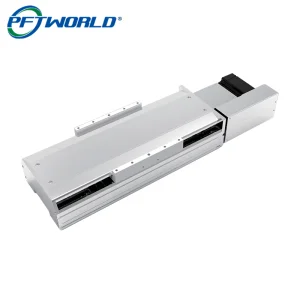
Explore our complete manufacturing portfolio, including actuators, custom optical fixtures, and structural metal components.
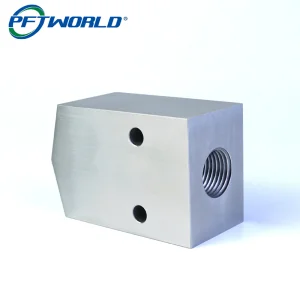
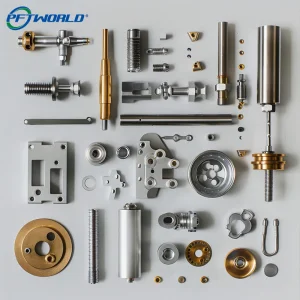
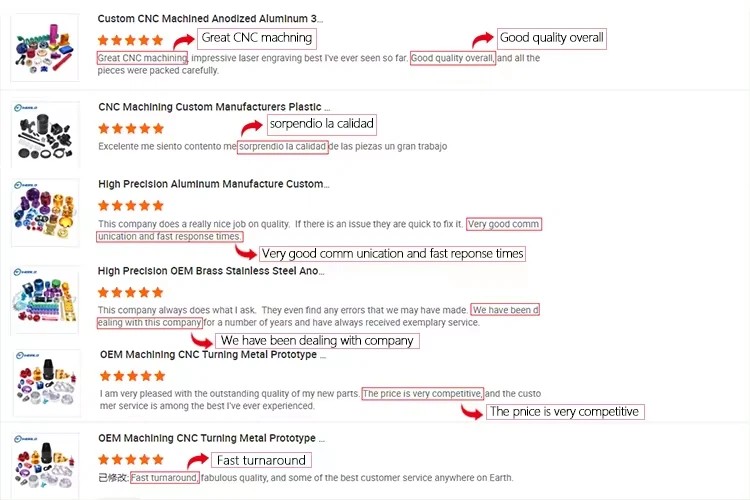
Read about the experiences of companies that rely on our precision machining services.
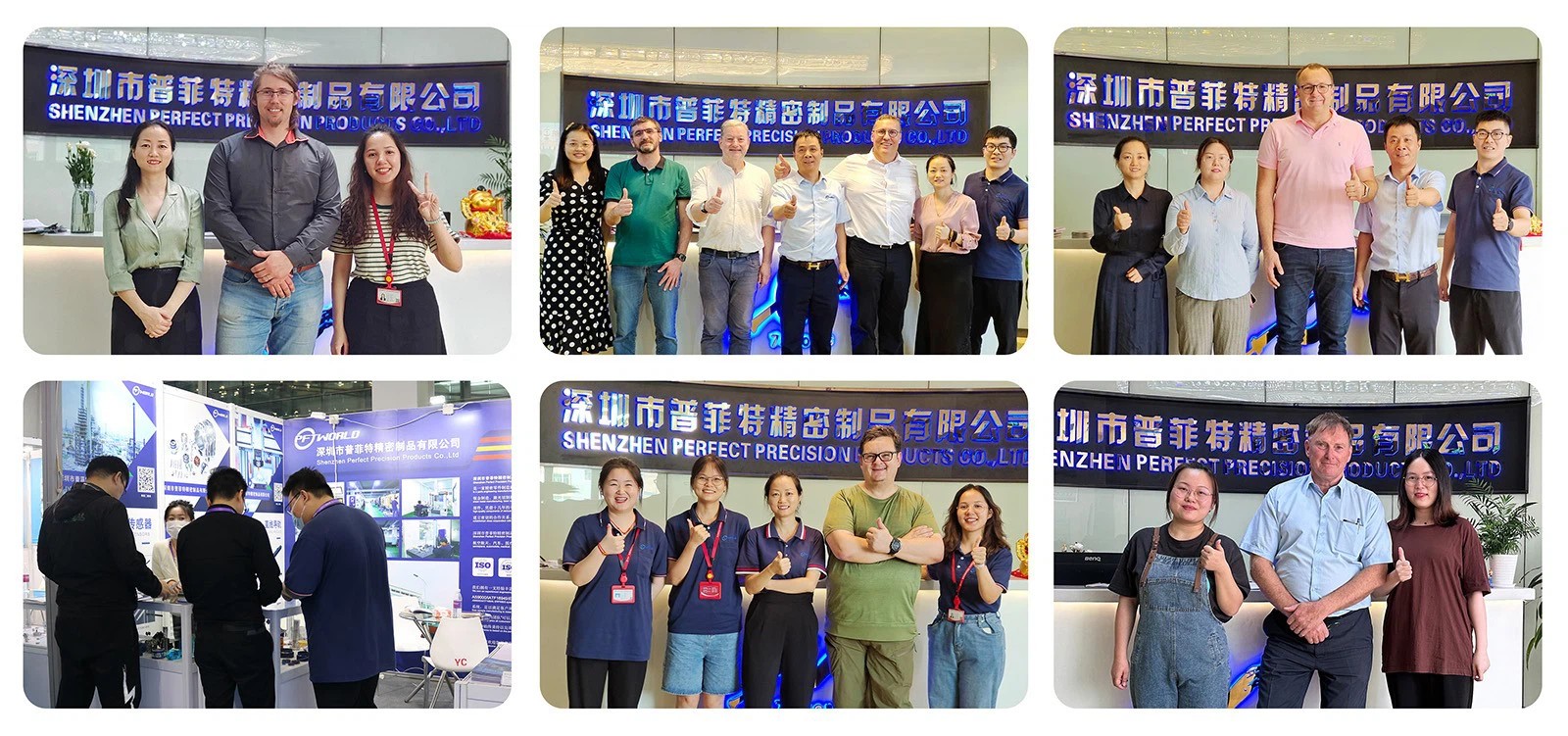
Our engineering team can assist you with material selection, geometry optimization, and multi-axis CNC programming. We handle projects from prototype batches up to serial mass production.
Send Inquiry Now