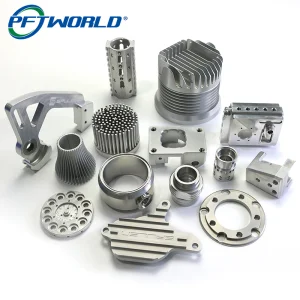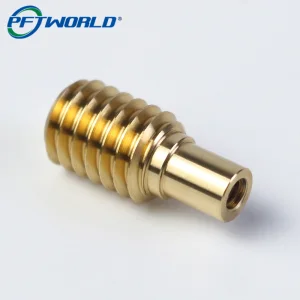
Explore our engineering excellence, custom sensor assemblies, and precise medical/aerospace microcomponents.
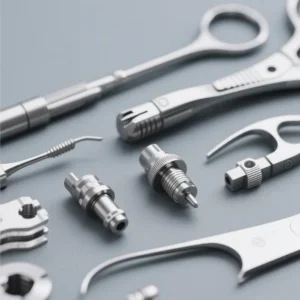
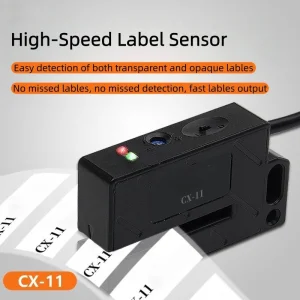
Founded on a commitment to uncompromising quality and extreme manufacturing tolerances, Shenzhen Perfect Precision Products Co., Ltd has established itself as an international benchmark for custom sensor components, advanced medical fabrication, and multi-axis CNC machining services. Initiating its dedicated international trade infrastructure in 2014, the organization has consistently achieved rigorous certifications to match the demands of global tier-one OEMs.
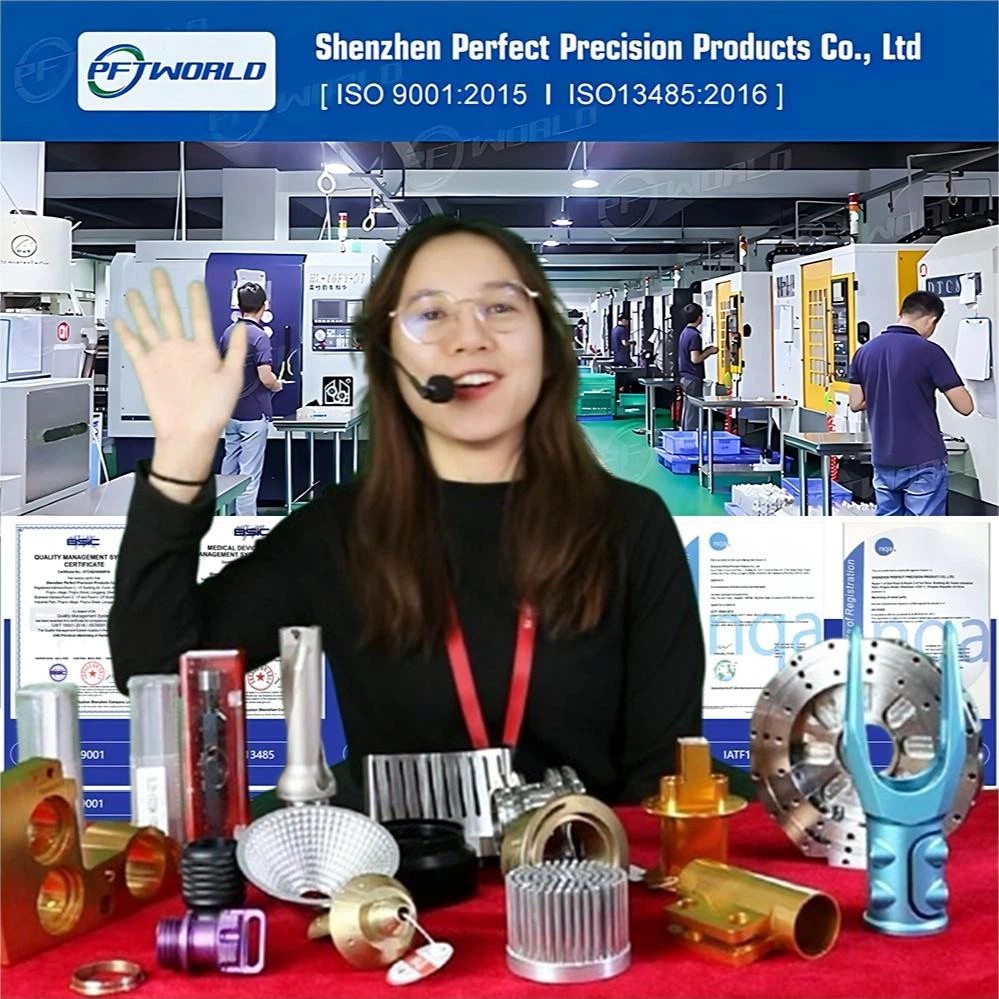
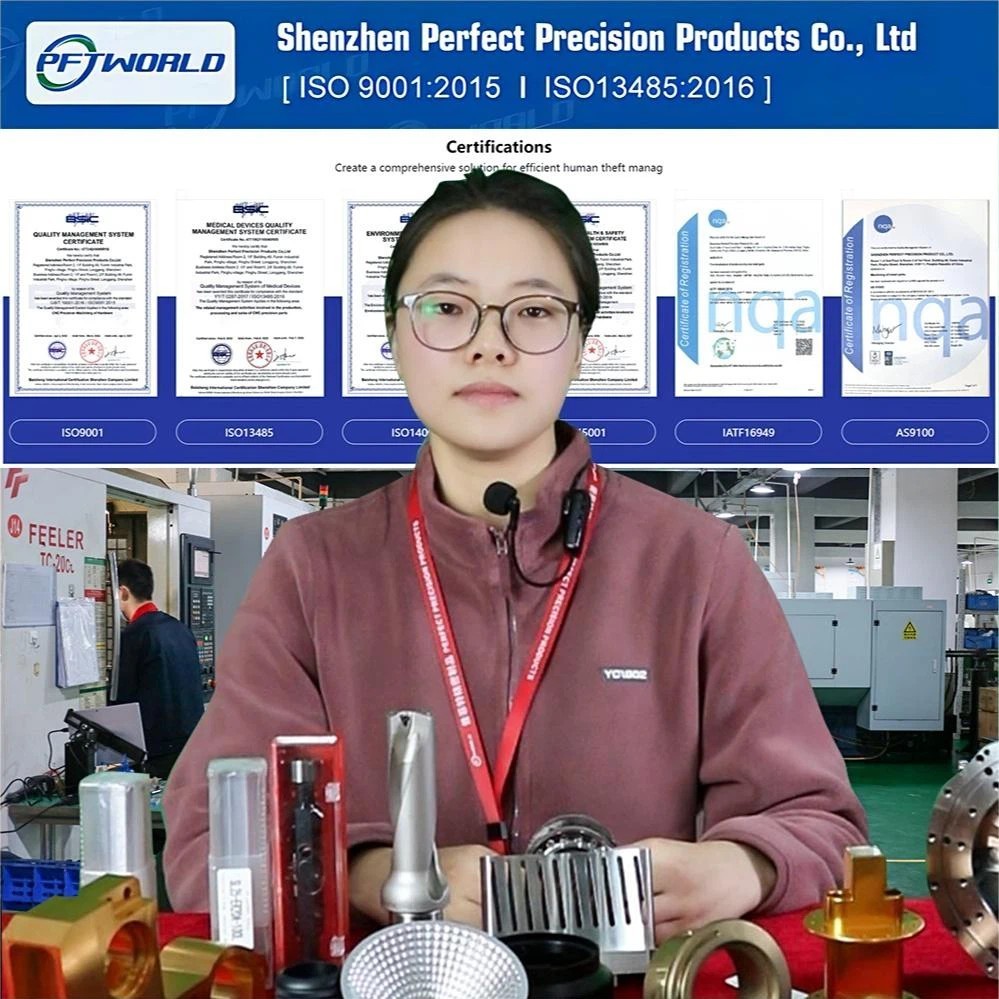
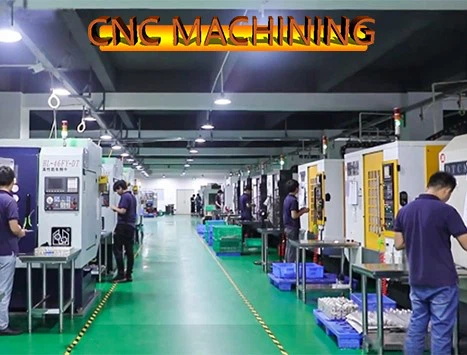
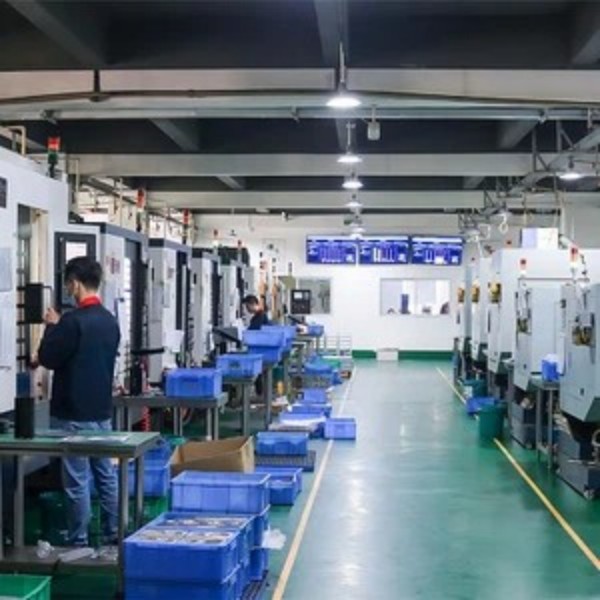
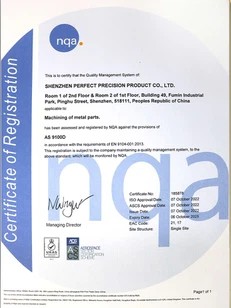
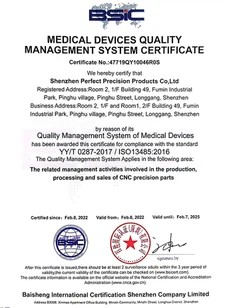
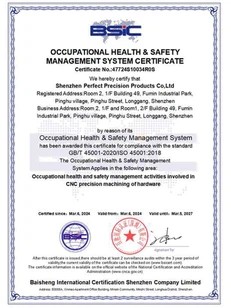
Our infrastructure holds a comprehensive array of compliance certificates including ISO9001:2015, AS9100D (Aerospace Standards), IATF16949:2016 (Automotive Quality Management), ISO13485:2016 (Medical Device Standards), ISO14001:2015, and ISO45001:2018. Operating out of a modernized 10,000 square meter digital manufacturing plant in Shenzhen, our team works with a high-capacity fleet of over 100 high-end machines to deliver components with dimensional tolerances scaling as tight as +/-0.002mm.
An in-depth exploration of technical wiring topologies, casing physics, and manufacturing dynamics.
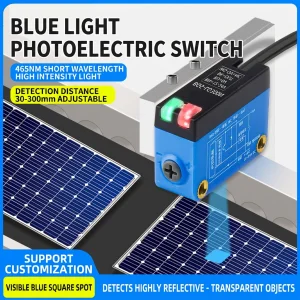
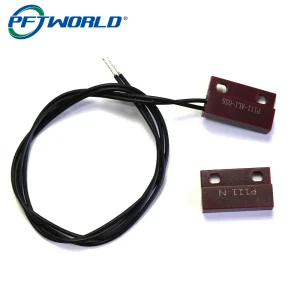
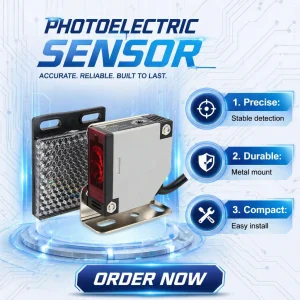
Three-wire sensors represent the baseline of modern industrial input signaling, providing dedicated pathways for supply voltage (typically brown, +24VDC), common ground (typically blue, 0VDC), and switching output (typically black). Configuring an OEM system requires detailed matching of load dynamics to either PNP (sinking load, sourcing output) or NPN (sourcing load, sinking output) switching profiles. Choosing the incorrect architecture can introduce severe leakage currents or ground-loop vulnerabilities within high-density PLC input cards.
In high-speed labeling machinery or automotive assembly lines, these sensors must transition states in microseconds. Proximity detectors, photoelectric slot switches, and retro-reflective elements utilize active semiconductor outputs (transistorized output stages) rather than mechanical relays to achieve millions of cycles. Our CNC fabrication services specialize in creating the robust brass, stainless steel, and high-performance polymer housings that shield these delicate semiconductor layers from moisture, thermal drift, and electromagnetic interference (EMI).
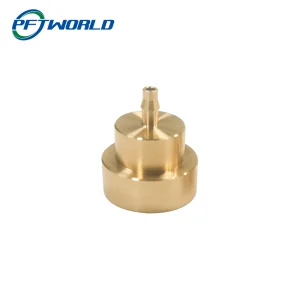
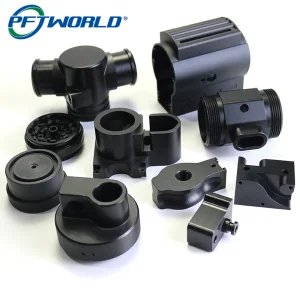
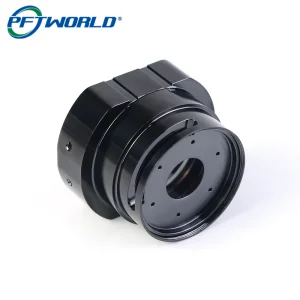
Sensor durability is directly correlated to the geometry and composition of its outer sleeve. In aggressive industrial environments—such as marine, medical sterilizers, or high-vibration engine bays—aluminum housings must give way to specialized materials like passivated 316L stainless steel, PVD black coated brass, or engineering plastics like PEEK. At Shenzhen Perfect Precision Products Co., Ltd, we employ precision turning and micro-milling to fabricate complex threads (e.g., M8, M12, M18 standards) with thread tolerances complying to ISO 6H standards.
The interior design of a custom 3-wire sensor housing often requires precise internal steps, positioning grooves, and sealing chamfers to support tight O-ring integration and epoxy potting processes. If moisture or potting compounds leak into the circuit during assembly, it leads to premature signal decay or total component failure. By maintaining tolerances down to +/-0.002mm, we ensure that our OEM clients receive housings that interface seamlessly with automatic potting machinery and mating connectors.
Empowering global OEMs with integrated, AS9100D & IATF16949-regulated production capabilities.
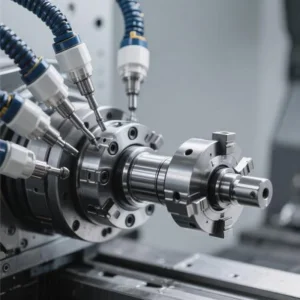
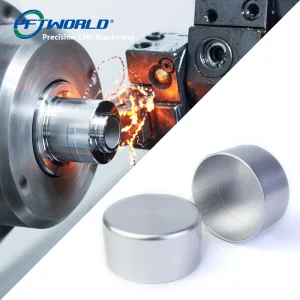
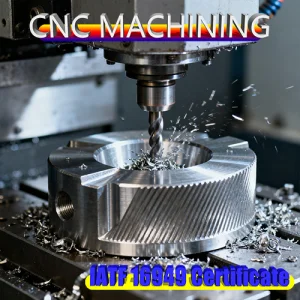
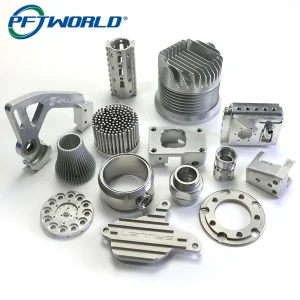
Equipped with 3-axis, 4-axis, 5-axis, and 6-axis CNC machining configurations. We handle everything from standard steel blocks to complex geometries in aerospace alloys and surgical implants.
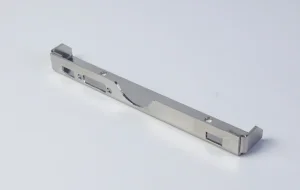
Laser cutting, precision stamping, and complex bending structures. Highly optimized for mounting brackets, sensor junction boxes, and heavy industrial enclosures.
Industrial scale raw material processing for heavy-duty structural parts. Ideal for heavy machinery components that require high load capacity and tensile strength.
Custom plastic injection molds and die casting tooling design. Perfect for volume manufacturing of composite sensor headers, connector caps, and automotive wire harnesses.
Rapid prototyping utilizing SLA, SLS, and direct metal laser sintering (DMLS). Allows engineers to perform structural verification prior to investment tooling.
Comprehensive digital factory tracking. Monitor order progress, real-time machining status, inspection cycles, and logistics milestones dynamically.
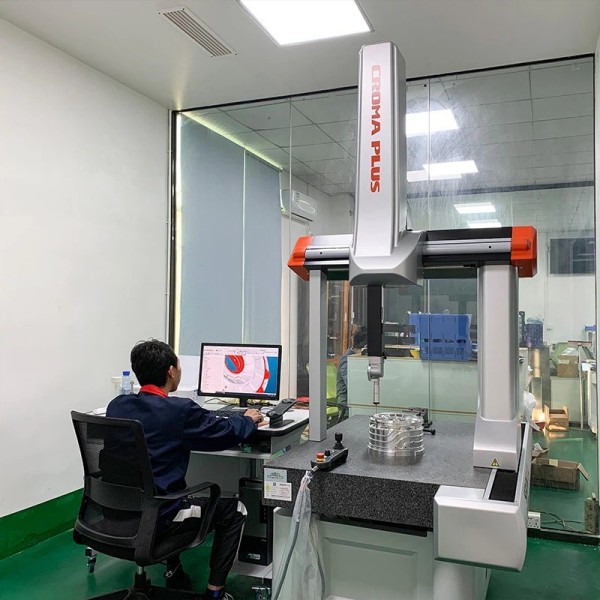
Our quality assurance workflow guarantees that every physical dimension is validated through precise metrology setups. Our facilities include climate-controlled QA laboratories equipped with coordinate measuring machines (CMM), 2D optical measuring systems, and digital thread gauges capable of sub-micron verification.
For custom 3-wire sensor housings, our inspection process is divided into four distinct phases:



Across the international automation supply chain, procurement directors are facing tightening requirements for custom sensor shells, specialized micro-turning components, and robust device enclosures. The acceleration of Industry 4.0 demands a high volume of reliable sensors to support industrial automation, smart robotics, and precision medical monitoring. This surge has directly increased the demand for precision-machined mechanical interfaces, structural brackets, and specialized housing hardware.
Additionally, geopolitical supply chain diversification has driven companies to seek out agile, highly certified manufacturing partners in Asia. Key challenges in global procurement include navigating international material standards (such as cross-referencing US ASTM, European EN, and Chinese GB specifications) and ensuring compliance with RoHS and REACH regulations. Our experienced engineering team bridges this gap by offering detailed material certifications, full traceability, and custom plating/passivation to protect metal components against corrosion in harsh environments.
As sensor footprints continue to shrink and edge-computing demands increase, sensor housing design is evolving rapidly. Next-generation smart sensors require integrated heat-dissipation zones, complex internal shielding geometries to prevent EMI, and space-saving threaded connections. Our manufacturing facilities are actively adapting to these challenges by upgrading our multi-axis CNC turn-mill machinery and scaling up high-volume micro-machining capabilities.
We are also investing in automated, in-line optical inspection technologies. By combining advanced toolpaths with continuous digital metrology, we aim to consistently achieve sub-micron tolerances for complex OEM sensor housings. This ensures our clients remain competitive as automation components demand higher integration and tighter dimensional controls.
Detailed engineering answers to assist your engineering design and global procurement decisions.
Browse our extensive manufacturing capabilities across diverse industrial applications.