Explore our industrial automation component lineup, offering high-repeatability linear motion controls, structural positioning frames, and custom CNC machined components optimized for high-performance automation assemblies.
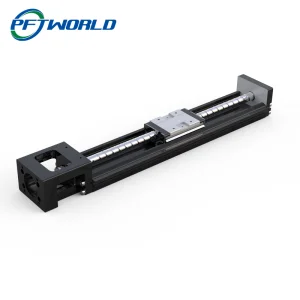
In modern industrial manufacturing, precision, repeatability, and throughput define operational profitability. Ball screw actuators represent the baseline of linear mechanical translation, converting rotational torque into linear thrust with minimal friction. As industries undergo rapid transitions under the Industry 4.0 paradigm, the global demand for high-reliability linear systems is surging across automotive assembly lines, semiconductor wafer manipulation, optical testing stations, and packaging automation systems.
Compared to belt-drive counterparts, which excel in high-speed, long-stroke, yet moderate-precision regimes, ball screw actuators serve applications demanding high load-bearing capacity, extreme positioning stiffness, and sub-micron scale resolution. Precision ball screws utilize recirculating steel ball bearings running inside spiral grooves along a hardened threaded shaft. This design translates to mechanical efficiency levels exceeding 90%, minimizing energy expenditure and reducing thermal heat generation in highly dynamic industrial setups.
Providing industry-leading structural tolerances. Under optimized conditions, positioning accuracy achieves a strict range down to ±0.002 mm, mitigating backlash errors in continuous cycling environments.
The gothic arch thread design and ball contact dynamics ensure distributed loading profile, mitigating local deformation and supporting high-axial load configurations.
Optimized for rapid integration into complex gantry configurations (XYZ Cartesians) with aligned lead-screw pitches, matching dynamic responses across axes.
The convergence of industrial automation with real-time analytics is forcing linear actuator suppliers to look beyond pure mechanical capability. Modern automation facilities need intelligent mechanical axes. Sensor integration on the ball nut assembly (measuring heat generation, vibration patterns, and localized acoustic signature) is enabling real-time telemetry feed to PLC units. By tracking high-frequency deviations in frictional torque, manufacturers can schedule preventive maintenance prior to component failure.
Material development represents another crucial design vector. We utilize induction-hardened, high-carbon chromium steel alloys (SUJ2/CF53) processed with precise grinding techniques. Surface finishing achieves micro-roughness tolerances within Ra 0.1 to Ra 0.4. This reduces frictional wear between the bearing balls and the screw races, mitigating localized heating. Elevated temperatures alter the screw's lead expansion profile, directly degrading linear positioning accuracy in closed-loop systems.
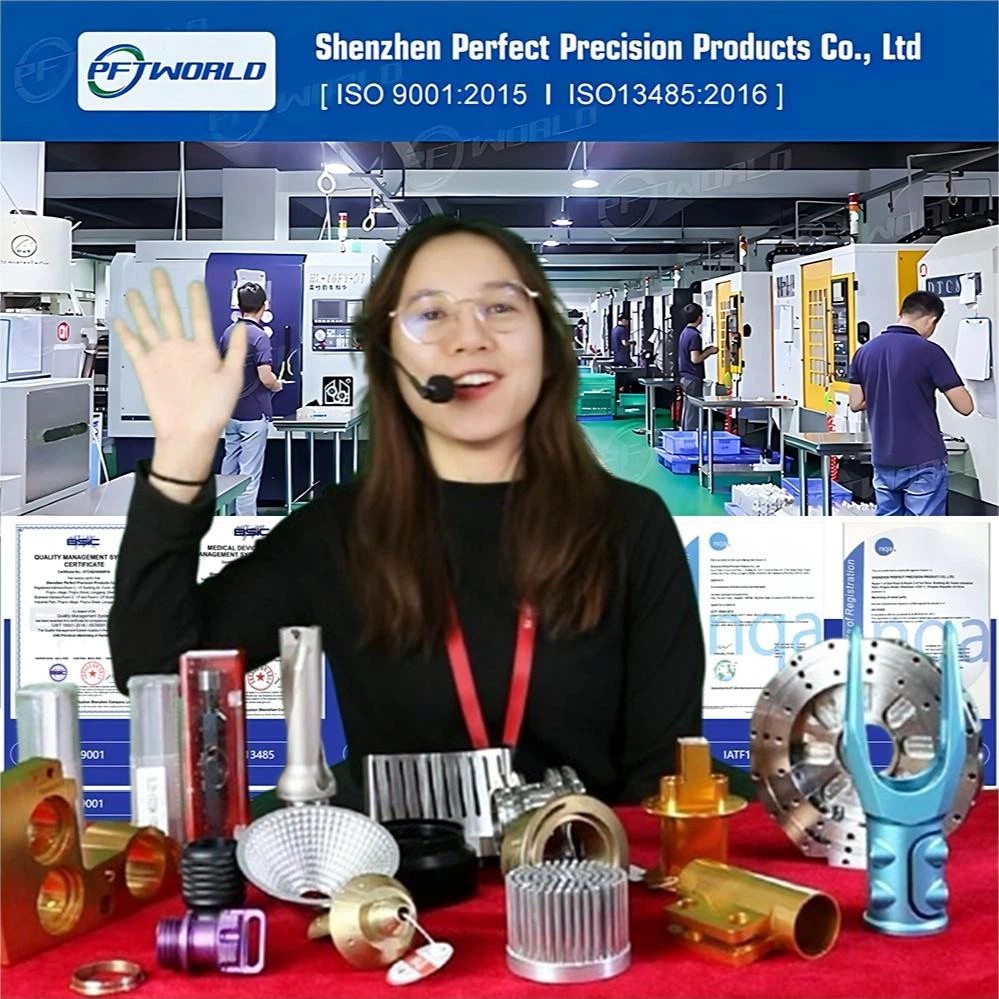
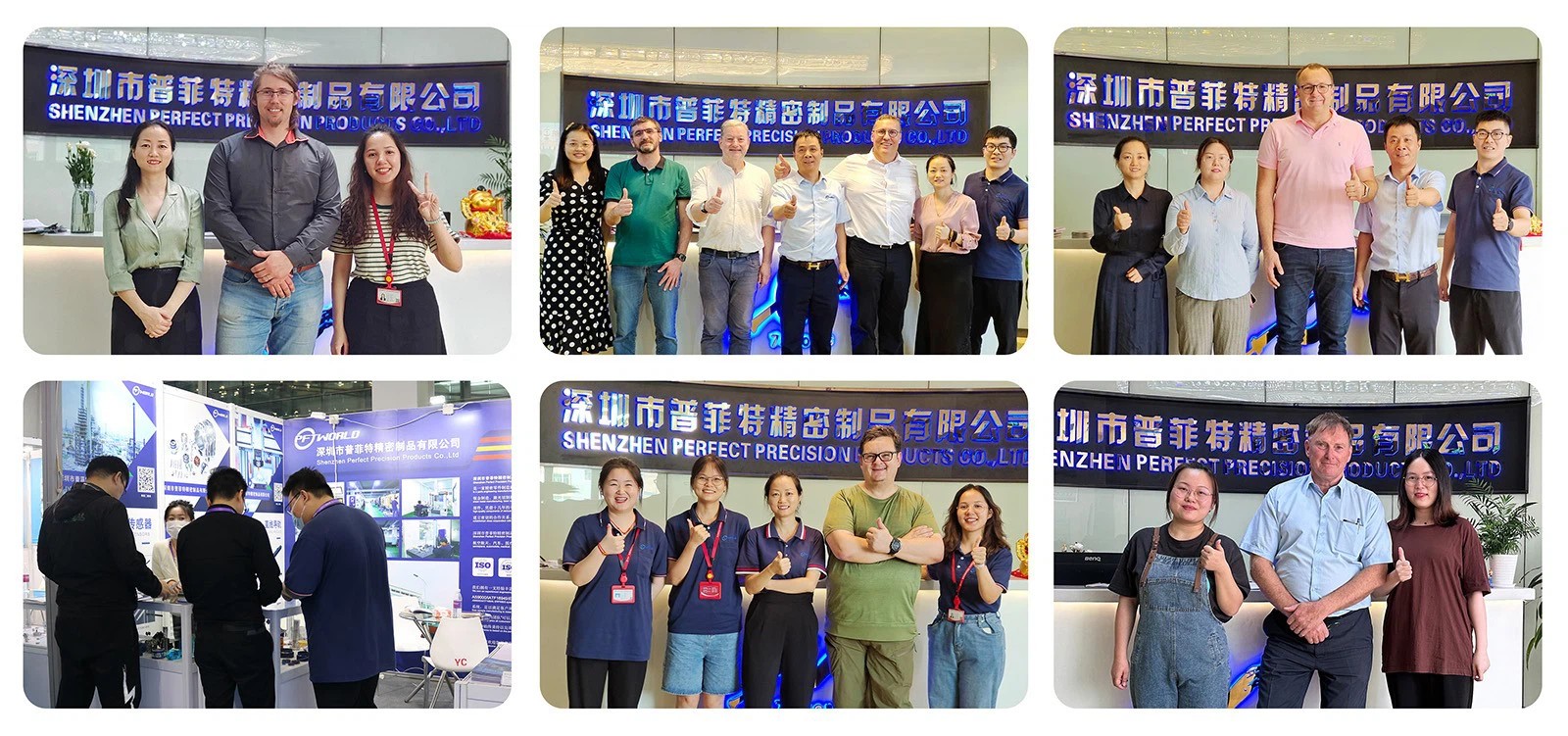
Founded with a focus on precision industrial components, Shenzhen Perfect Precision Products Co., Ltd has established itself as an engineering partner for high-precision components. Establishing our dedicated international engineering and service division in 2014, we obtained ISO9001:2015 quality management system certification, which standardizes our development processes.
In 2018, our organization was recognized by provincial regulators as a "Guangdong Contract and Trustworthy Enterprise," which highlights our commitment to supply chain transparency and commercial integrity. Further technological milestones were reached in 2019 via the acquisition of State High-Tech Enterprise and IP Management certification. Driven by rising global demand, our production facility expanded to 10,000 square meters in 2020. In 2021, we implemented digital chemical plant methodologies, connecting ERP asset tracking with real-time CNC machine monitoring to shorten manufacturing lead times and prevent variance across production runs.
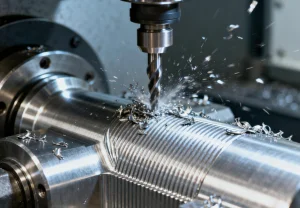
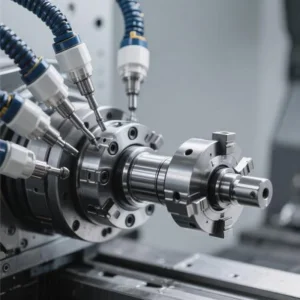
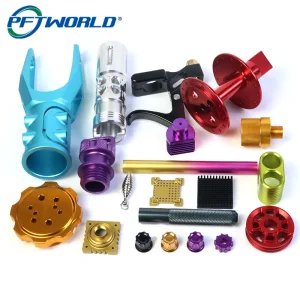
Equipped with 3-axis, 4-axis, 5-axis, and 6-axis CNC machining systems, our facility processes standard carbon steels, alloy variants, stainless steels, industrial plastics, and aerospace-grade aluminum. We align output to the following precise dimensional constraints:
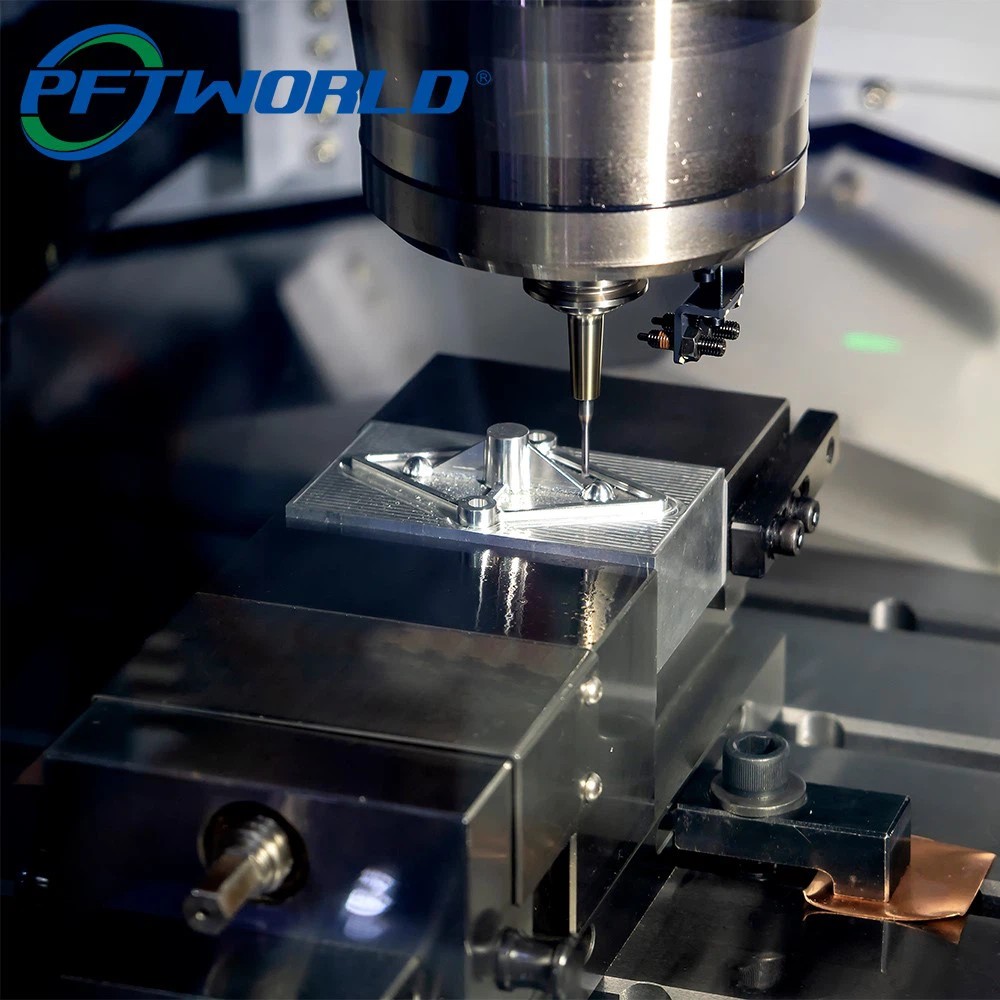
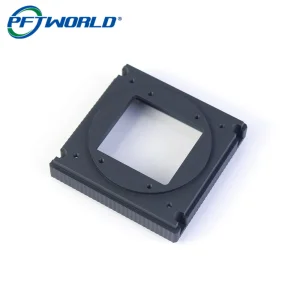
Multi-axis high-speed indexing mills producing complex structural geometries, brackets, and motor mounts.
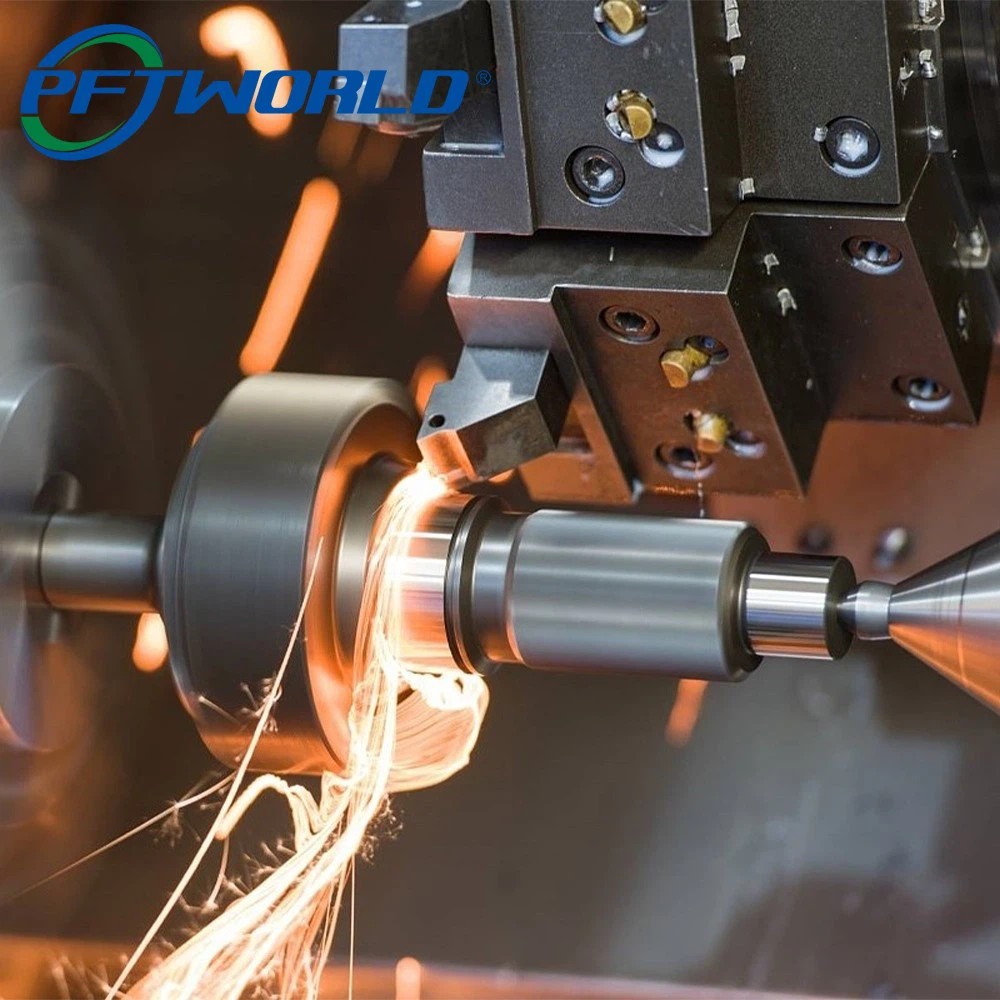
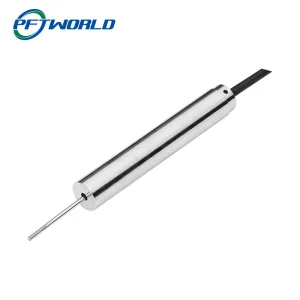
Precision lathe operations driving concentric shafts, outer guides, and precision lead-screw end-machining.
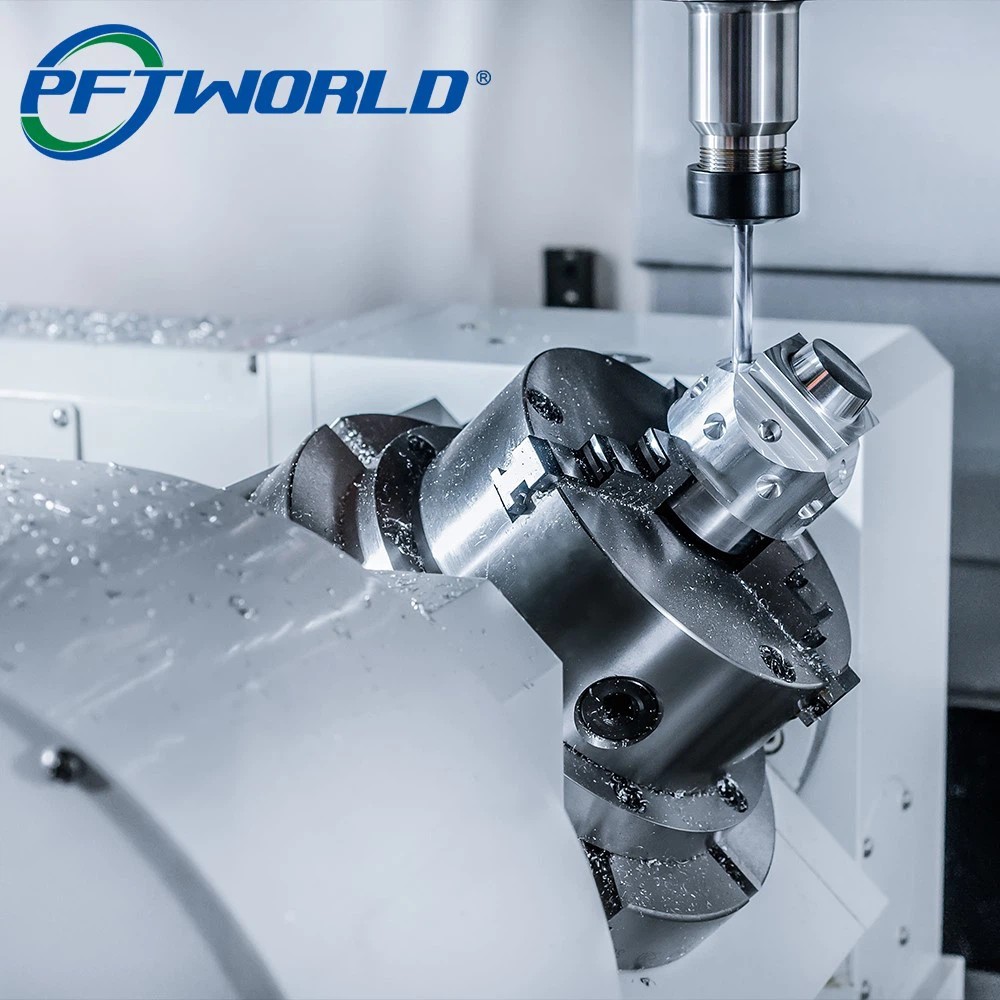
Integrated single-setup operations combining turning features and secondary cross-mill details for precision components.
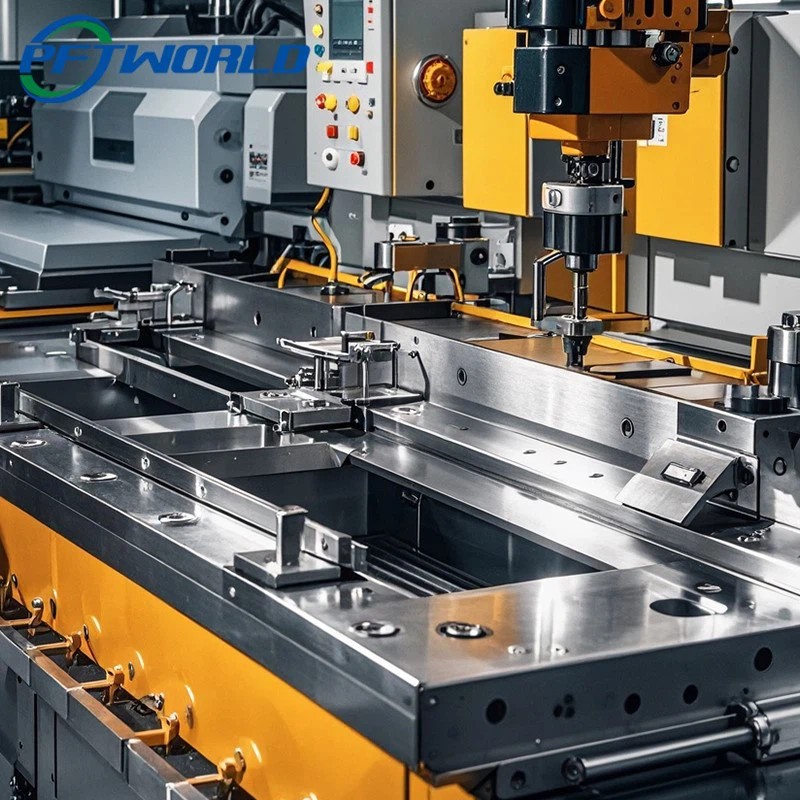
Laser cutting, precision forming, welding, and mechanical enclosures for multi-axis gantry assemblies.
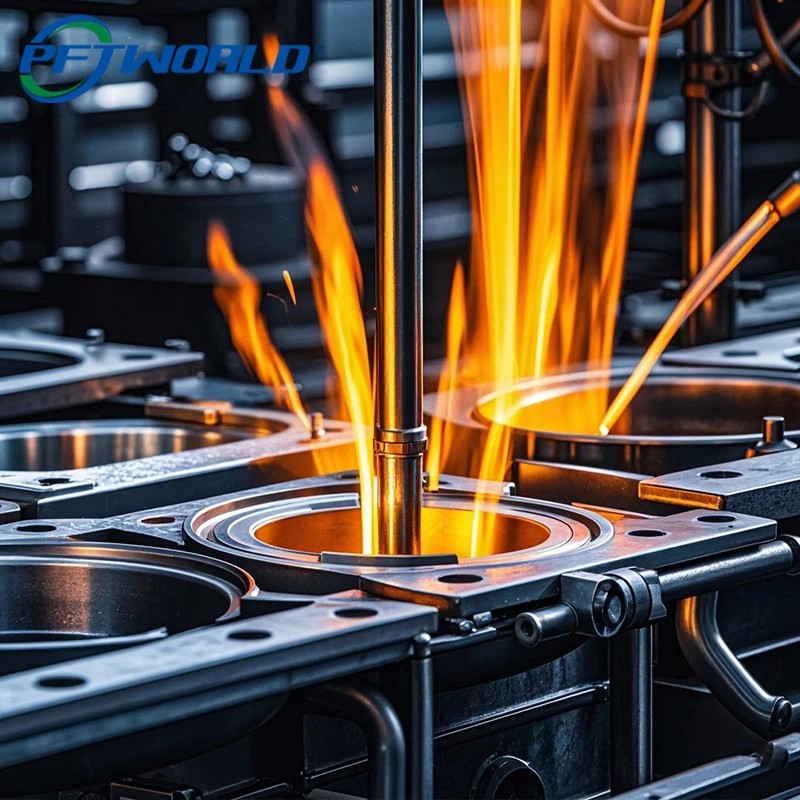
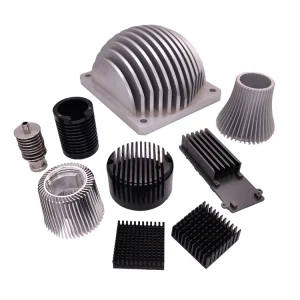
Structural frames and bases designed to support high static and dynamic forces without distortion.
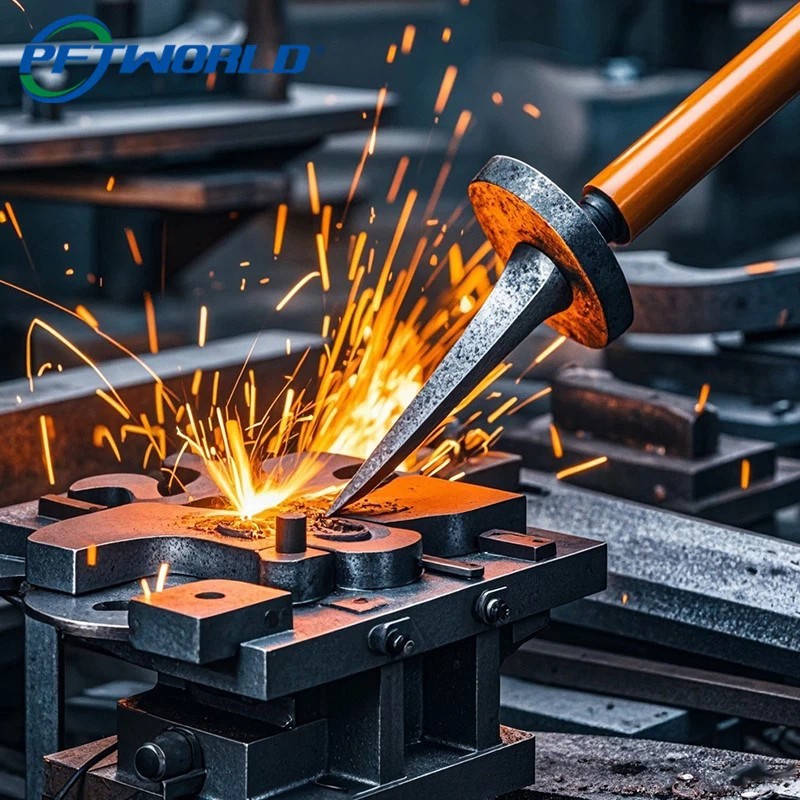
Ensuring dense grain alignment for industrial components that must withstand high cyclic stress.
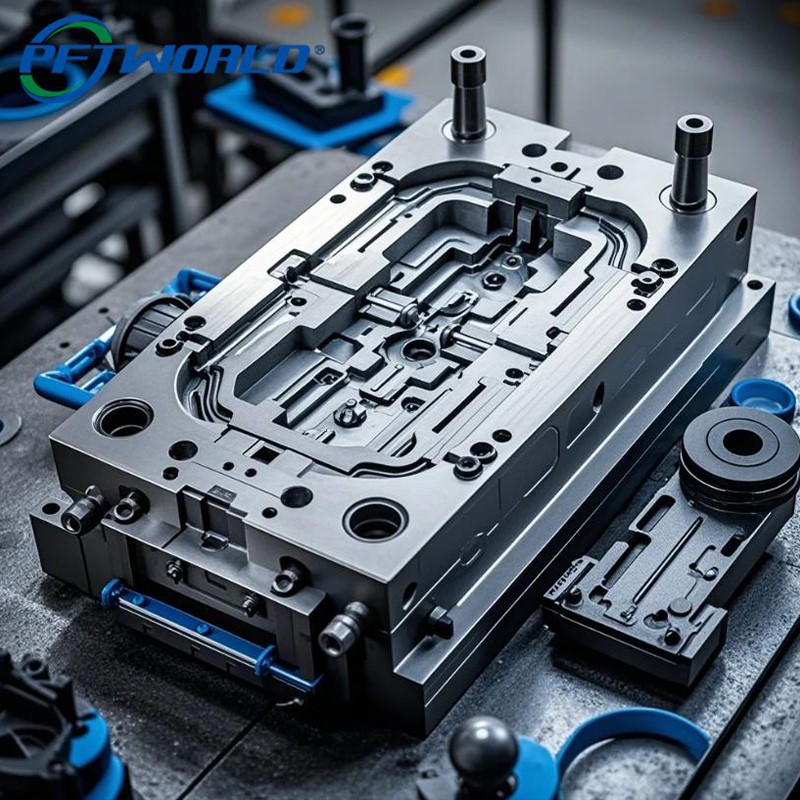
Designing long-life injection and compression molds for high-volume thermoplastic and composite structures.
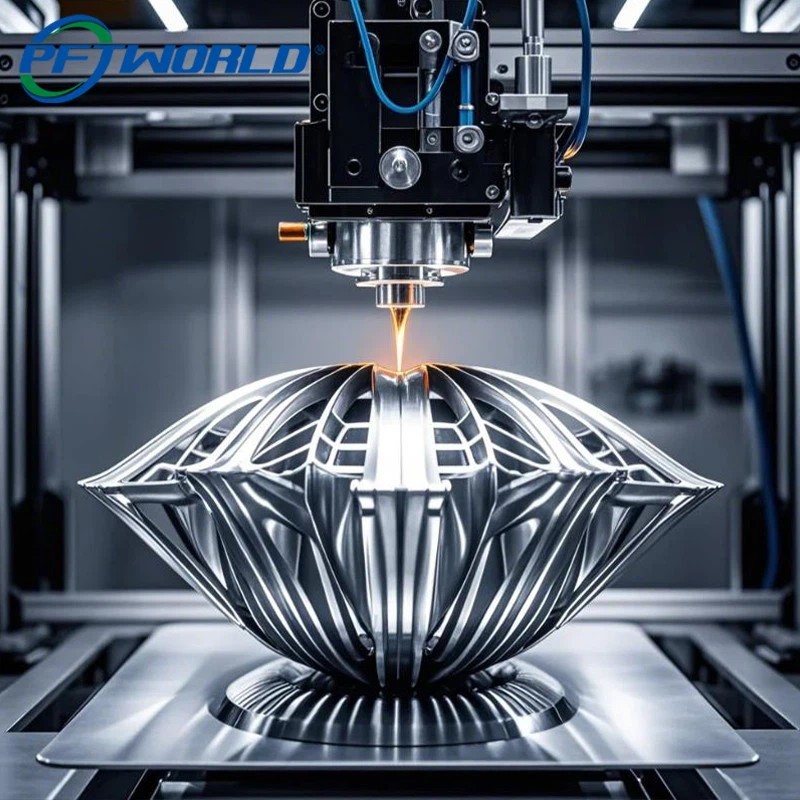
Rapid modeling and complex-geometry printing of polymer and metallic prototypes for evaluation.
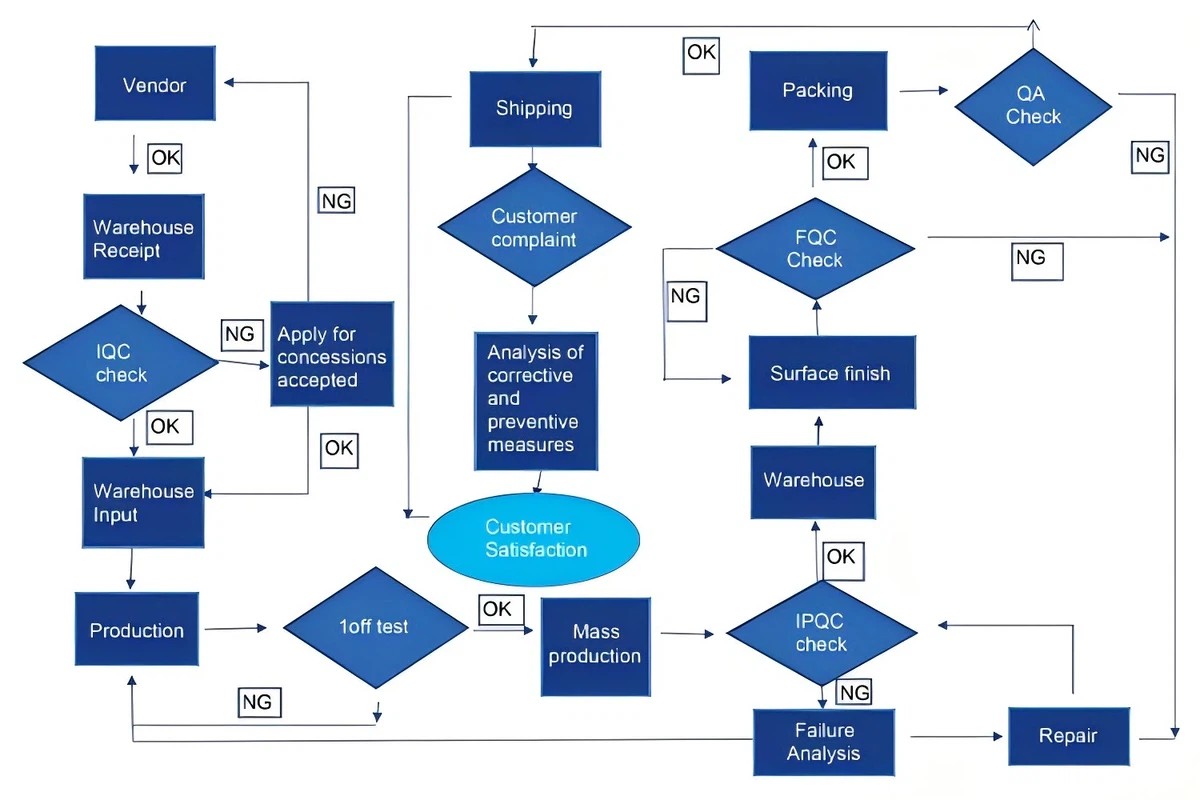
Mechanical accuracy is only as reliable as the measurements used to verify it. Our quality assurance protocol tracks raw materials from arrival to final assembly and outbound packaging. Inside our climate-controlled metrology lab, technician teams use advanced equipment to run regular inspections:
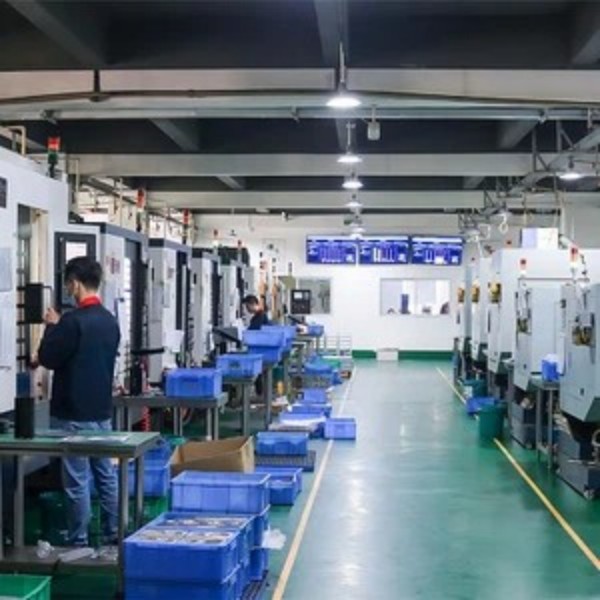
Regular calibration routines using interferometer tracking keep our machinery linear paths aligned.
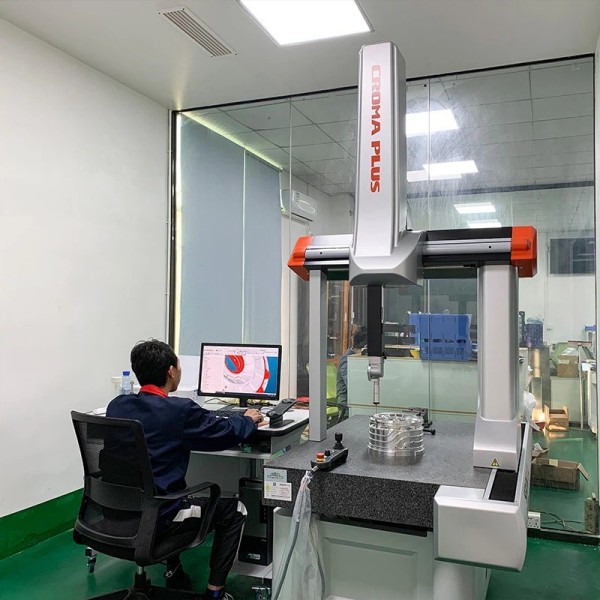
3D inspections verify complex, non-linear geometries against design files down to the micron level.
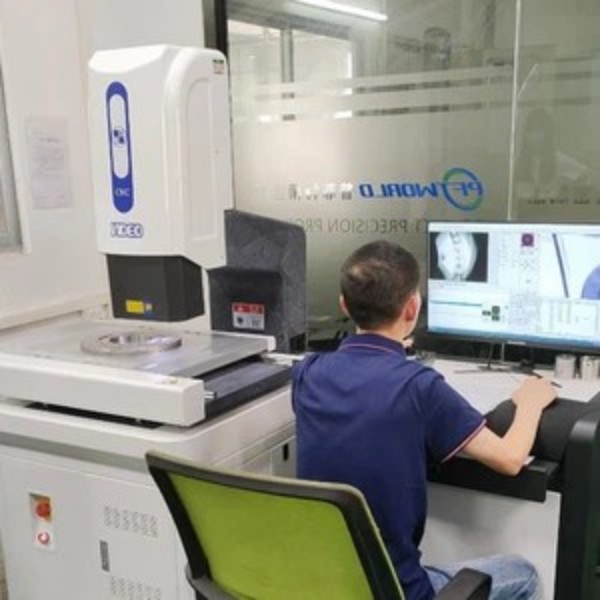
Optical measurement systems scan flat layouts, thread pitches, and radius shapes to guarantee profile accuracy.

Remote diagnostic support and design assistance align customer ideas with cost-effective manufacturing.
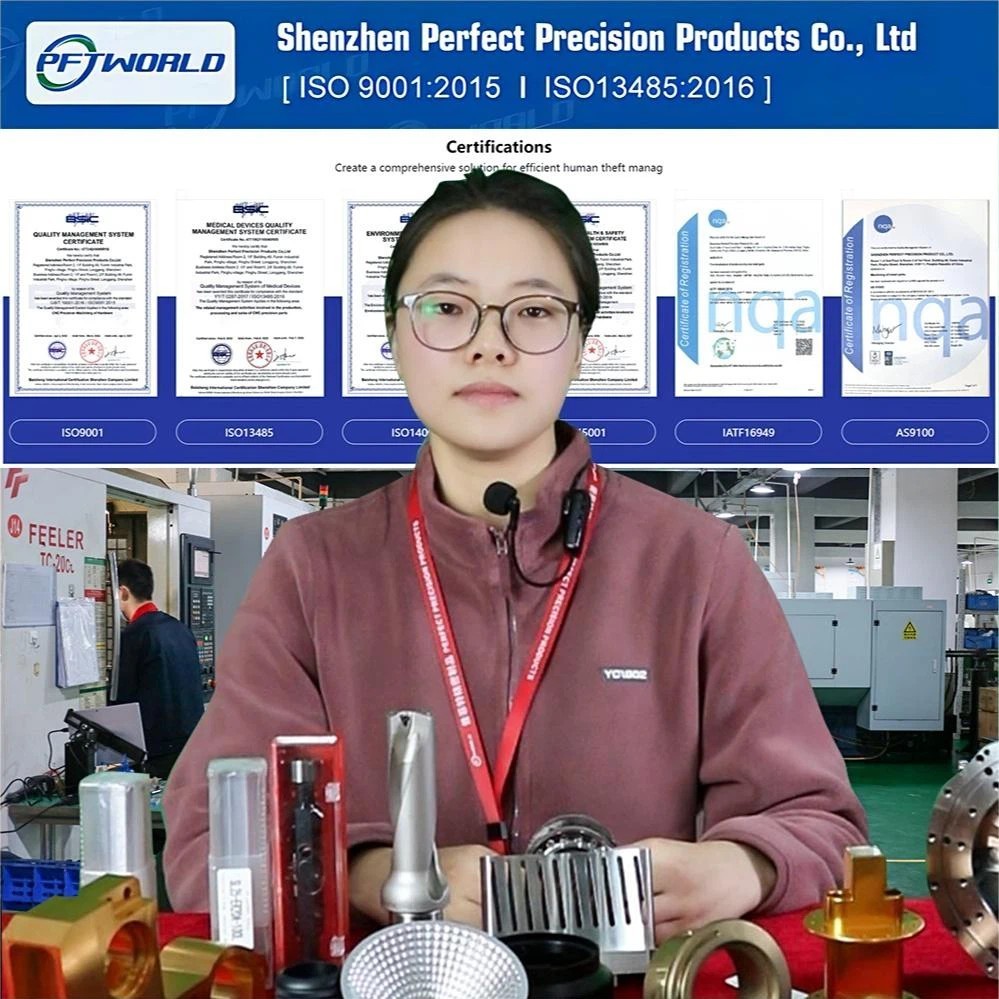
To serve highly regulated markets like medical electronics, automotive assemblies, and aerospace systems, our production facilities maintain compliance with several critical standards:
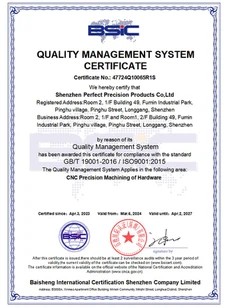
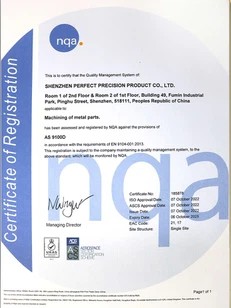

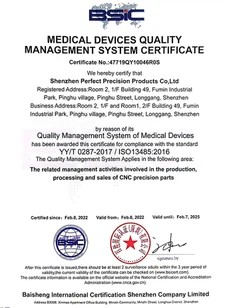

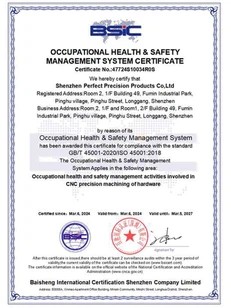
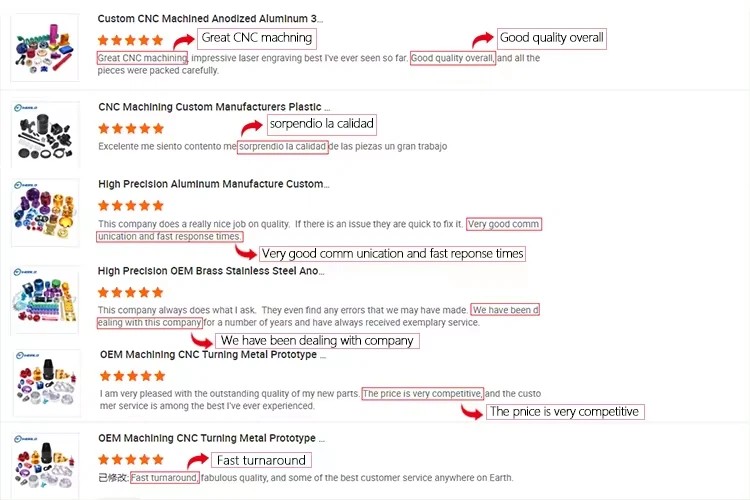
Using real-time cameras and digital workflow logs, our factory lets customers check on their jobs remotely. We provide transparency at every stage of production, from raw stock preparation and CNC multi-axis milling to 3D inspections and final packing. Our customer feedback loops keep engineering expectations aligned with finished product dimensions.
This technical FAQ section addresses common design questions, tolerances, material selection, and procurement protocols for engineering teams and sourcing specialists.
We are a specialized manufacturing factory based in Shenzhen, China. Backed by 20 years of experience, our 10,000-square-meter facility is equipped with 3D metrology equipment, integrated ERP workflow management systems, and more than 100 industrial CNC machines. We provide material traceability, sample inspection logs, and raw testing documents upon request.
Please send your design files (PDF, STEP, IGS, or DWG format) along with your project details, including material type, quantity, delivery requirements, surface treatments, and target dimensional tolerances, to our sales engineering team.
Yes. We can work from physical samples, detailed design drafts, or dimensional sketches to create accurate manufacturing quotes. Our design engineers can also help develop CAD models from your physical samples.
Yes. We provide pre-production prototyping services. Sample charges vary based on design complexity and material specifications, and we frequently credit these fees back to the project cost when transitioning to production volumes.
Standard sample cycles take 1 to 2 weeks, while typical production orders run 3 to 4 weeks, depending on design complexity and current shop capacity.
We monitor quality at four key points: (1) Incoming raw materials check for surface quality and sizing, (2) First-article inspection to verify machining programs at the start of a run, (3) In-process spot checks to catch dimensional drift early, and (4) 100% final QC inspection using our CMM and optical tools before packaging.
We offer post-delivery support for up to 30 days. Customers can contact us via email, phone, or video conference to resolve any technical questions or assembly issues. Our engineering team reviews all feedback to provide solutions within 7 business days.
Ball screw actuators use rolling-element ball bearings in a recirculating nut system. This setup minimizes backlash, supports higher axial loads, and provides positioning repeatability down to ±0.002 mm, though stroke speeds and lengths are more limited. Belt-drive systems support higher travel speeds and longer strokes, but have lower positioning accuracy and stiffness.
For high-duty applications, we recommend high-carbon chromium steel (such as SUJ2 or CF53) induction hardened to HRC 58-62. This treatment provides good fatigue resistance and protects the screw track from wear over millions of cycles.
A finer thread pitch (e.g., 2 mm or 5 mm per turn) increases mechanical advantage, which yields higher linear thrust and finer positioning resolution for a given motor input. A coarser pitch (e.g., 10 mm or 20 mm per turn) reduces motor RPM requirements for high-speed travel, but decreases torque multiplication and resolution.
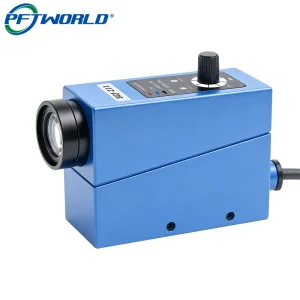
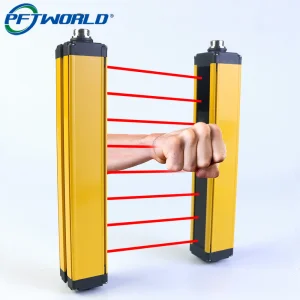
Explore our wider range of manufactured parts, featuring specialized CNC medical components, anodized aluminum frames, high-precision custom hubs, and industrial photoelectric mark sensors.
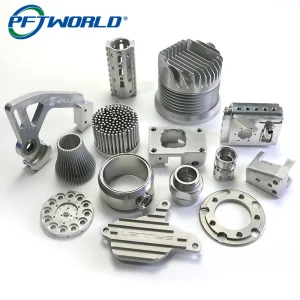
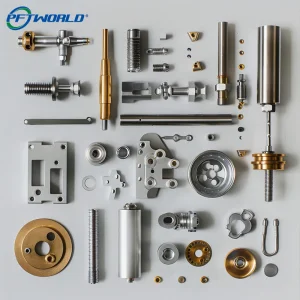
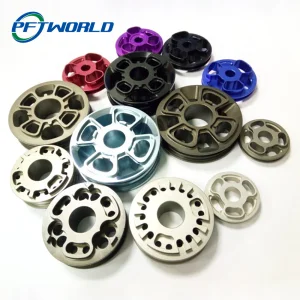
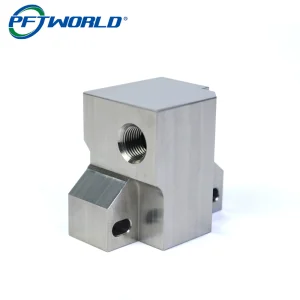
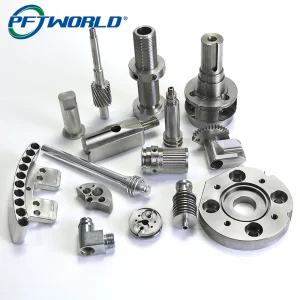
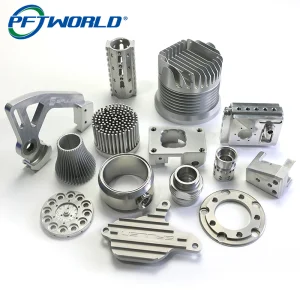
We deliver high-precision CNC machining solutions tailored to your exact specifications. From prototyping to mass production, we handle everything with strict quality control, fast turnaround, and competitive pricing. Equipped with advanced CNC machines and a skilled engineering team, we serve industries like automotive, aerospace, medical, and electronics with unmatched accuracy and reliability.
Send Inquiry Now