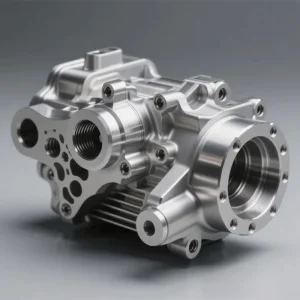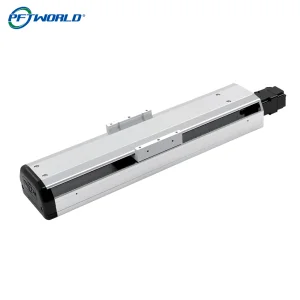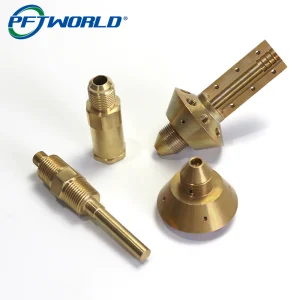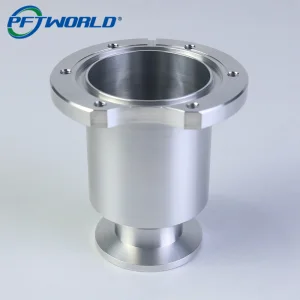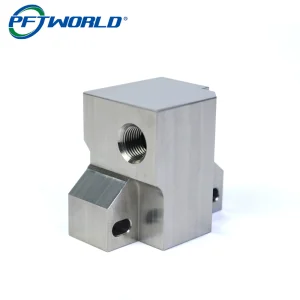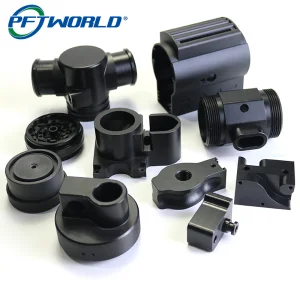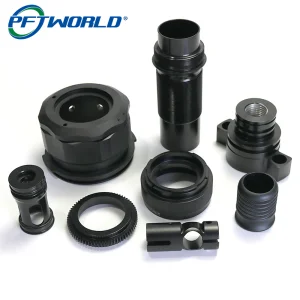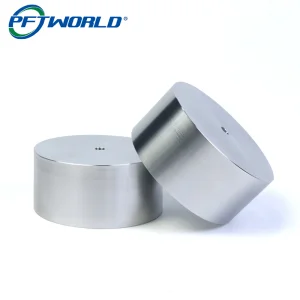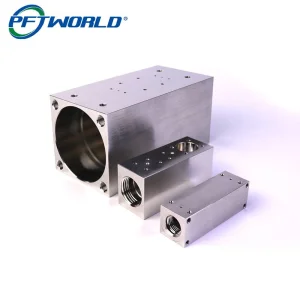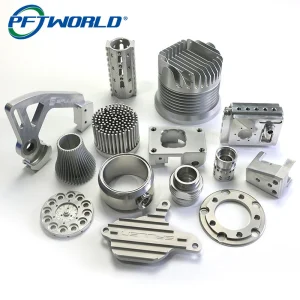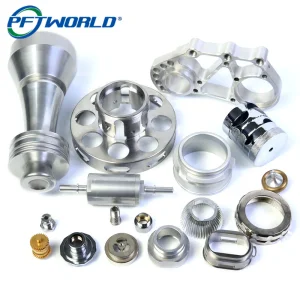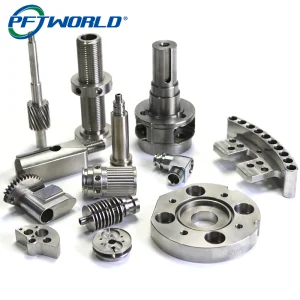
Explore our high-performance machined parts, structural modules, and custom OEM mechanical hardware.
In the rapidly evolving landscape of advanced manufacturing, the global demand for high-tolerance mechanical components has entered a paradigm shift. Procurement directors and supply chain managers in critical sectors—specifically medical device manufacturing, automotive propulsion, aerospace engineering, and industrial automation—face complex challenges. The need to optimize sourcing velocity while guaranteeing strict compliance with international standards (such as IATF 16949, AS9100D, and ISO 13485) requires partnerships with robust manufacturers that offer more than basic machine time.
This technical document highlights the manufacturing capabilities, operational procedures, and strategic quality control infrastructure of Shenzhen Perfect Precision Products Co., Ltd. (PFTWORLD). It serves as a comprehensive reference guide for engineering teams globally, facilitating informed procurement decisions.
Key Takeaway for Procurement Executives: Modern supply chains must prioritize "total value of ownership" (TVO) over simple unit price. Technical documentation compliance, dimensional traceability, material certification integrity, and robust feedback systems represent the real metrics of sustainable manufacturing performance.
The global manufacturing market faces volatile material prices, geopolitical shifts, and a push toward digital supply chains. In this environment, OEMs must secure partners capable of delivering highly repeatable component configurations. Modern engineering demands micro-level precision, often reaching sub-micron thresholds.
Sourcing managers must assess a supplier’s technological adaptability. This includes transition rates from CAD/CAM models to operational G-code, toolpath optimization for minimizing heat-affected zones in exotic alloys, and active mitigation of surface stresses. Shenzhen Perfect Precision Products Co., Ltd. addresses these challenges by integrating advanced engineering workflows with modern manufacturing technologies.
A Legacy of Precision Engineering and Technological Innovation
Established in 2012 and expanding its dedicated foreign trade team in 2014, PFT has evolved from a specialized precision shop into a high-capacity digital manufacturing facility. Our facility covers over 10,000 square meters, housing a specialized workforce of over 70 engineers, operators, and QC analysts.
In 2018, the company was awarded the prestigious title of "Guangdong Contract and Trustworthy Enterprise," confirming our focus on commercial reliability and supply chain integrity. In 2019, PFT secured its High-Tech Enterprise status and Intellectual Property Management System certification. This foundation supported our transition in 2021 to a digitalized production facility, incorporating cloud-based ERP logistics tracking, real-time machining analytics, and automated toolpath optimization.
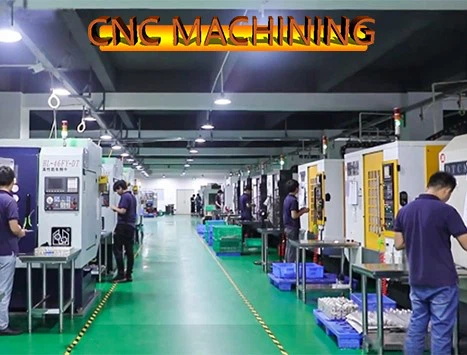
Achieving target dimensional stability in mechanical component fabrication requires matching geometric requirements with the appropriate equipment. Below is the operational technical matrix for PFT's machining operations:
| Metric Parameter | Standard Capabilities | Ultra-Precision Class |
|---|---|---|
| Dimensional Tolerance | ± 0.01 mm | ± 0.002 mm (Critical Features) |
| Surface Roughness (Ra) | Ra 0.8 μm to Ra 3.2 μm | Ra 0.1 μm (Precision Lapping/Polishing) |
| Kinematic Geometries | 3-Axis & 4-Axis Indexing | Simultaneous 5-Axis & 6-Axis Mill-Turn |
| Material Applications | Al6061, Al7075, Brass, Carbon Steel | Titanium (Gr. 5), Inconel 718, SUS316L, PEEK |
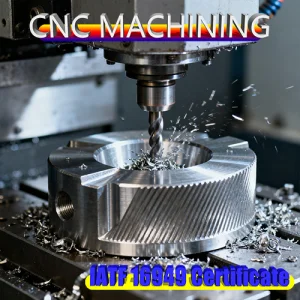
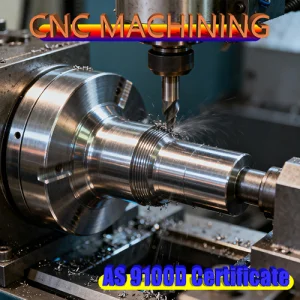
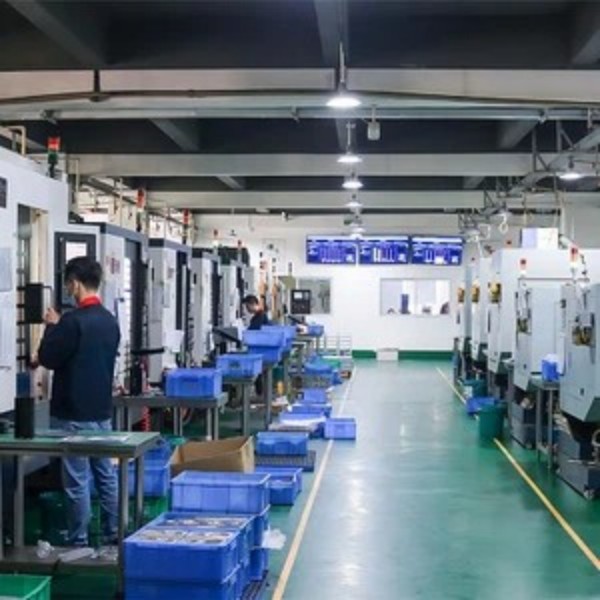
Our facilities are equipped to process complex shapes using multi-axis machining technology. PFT's capability structure includes:
Comprehensive production options from rapid prototyping to full-scale contract manufacturing.
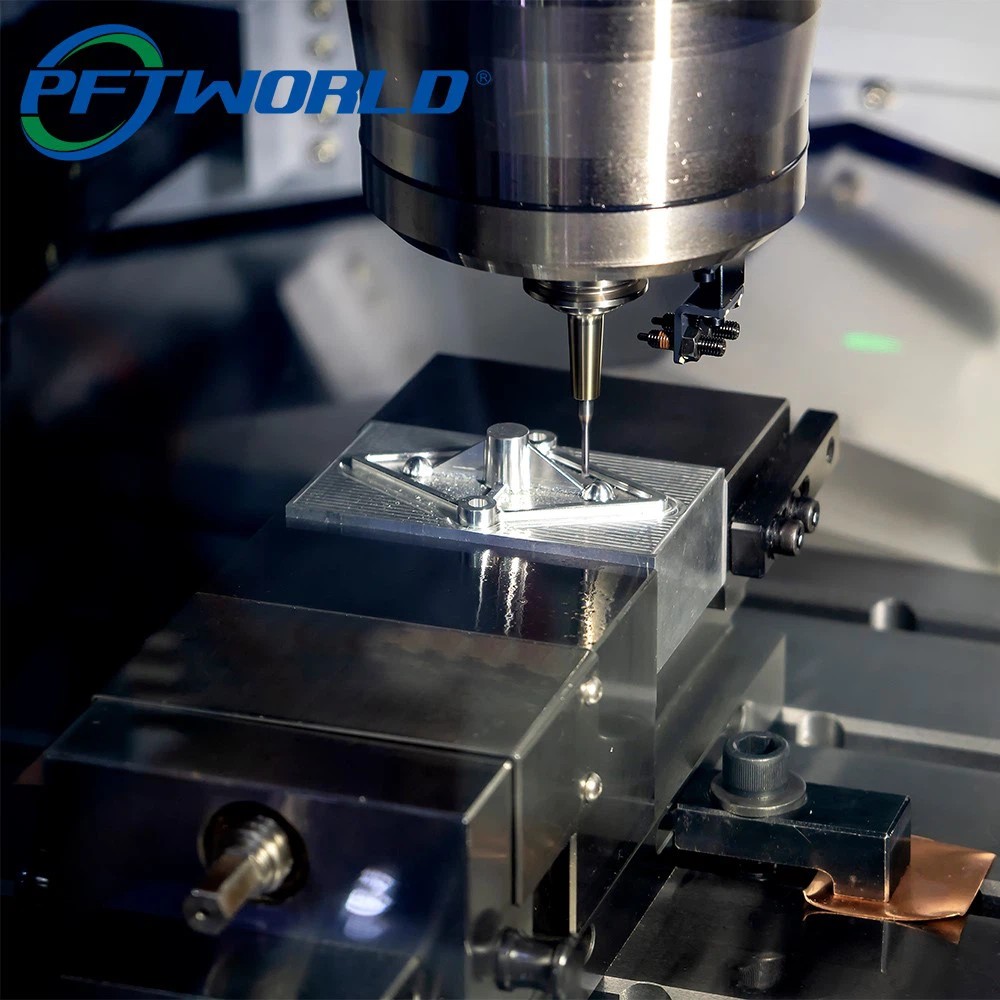
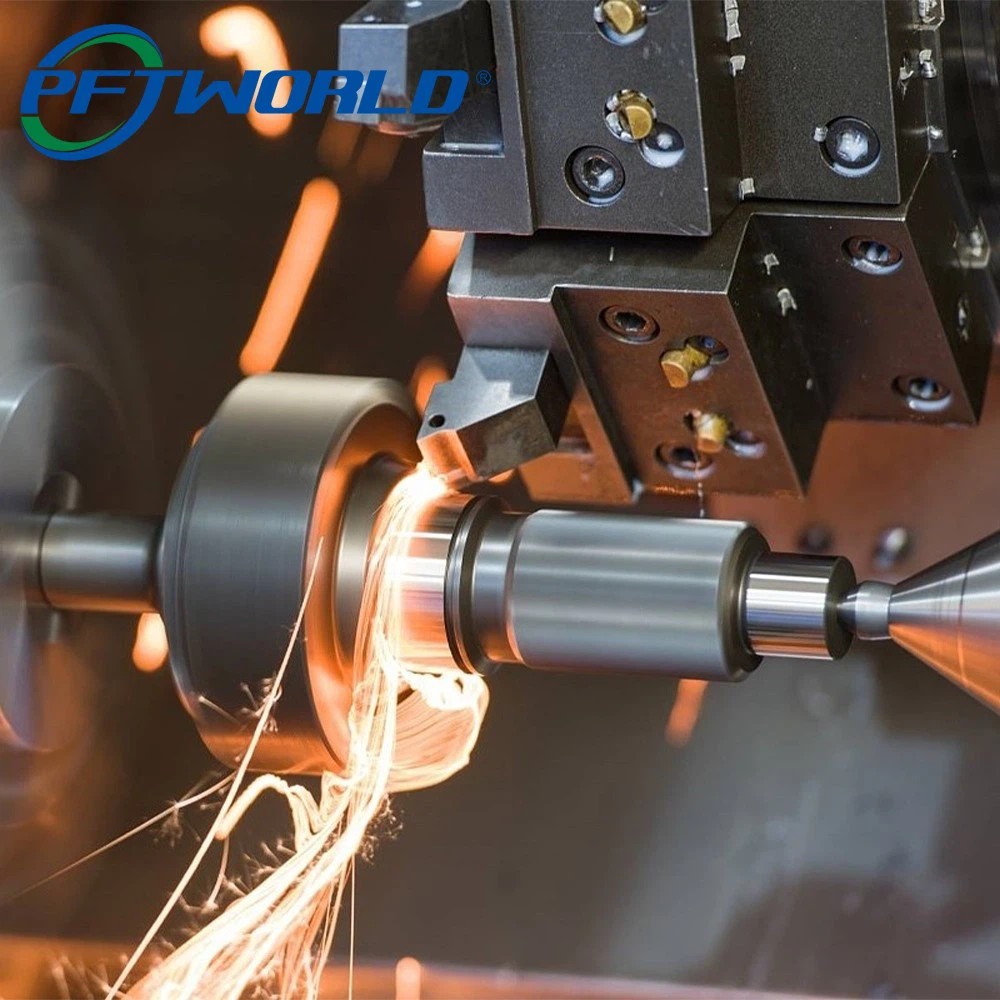
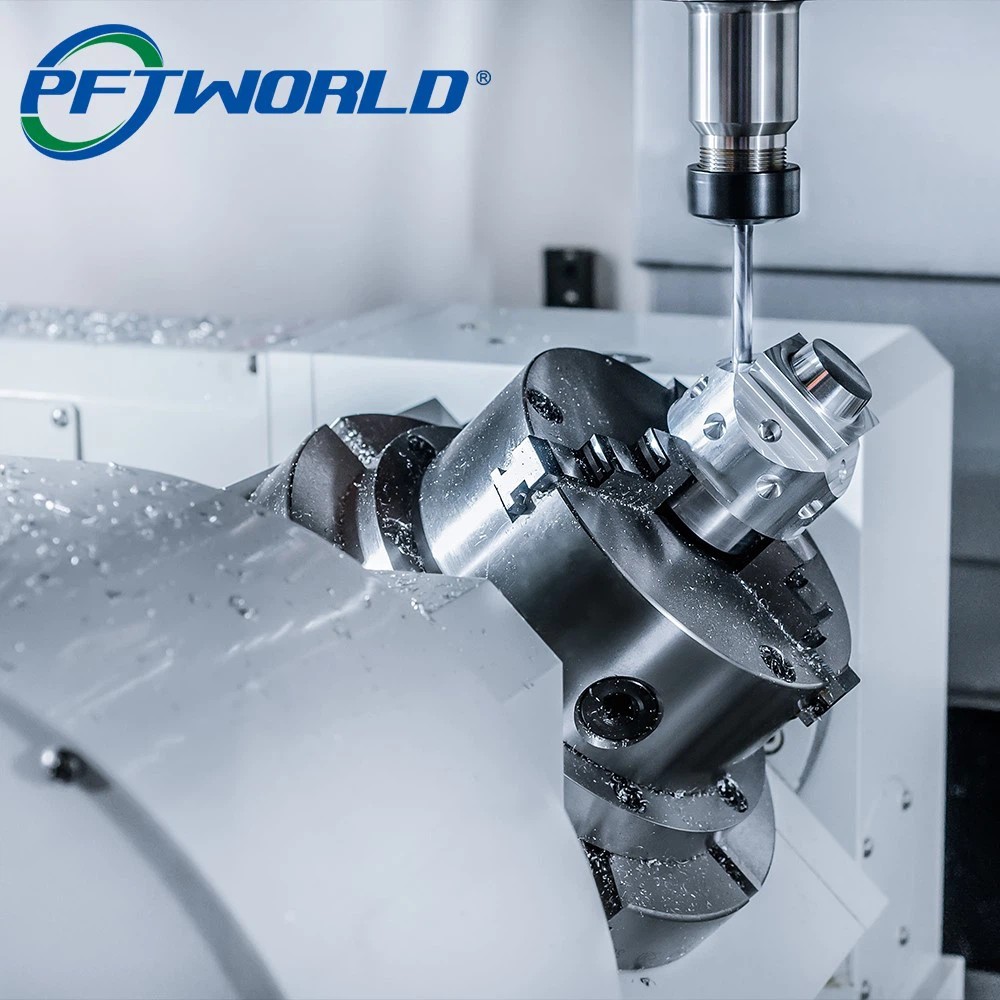
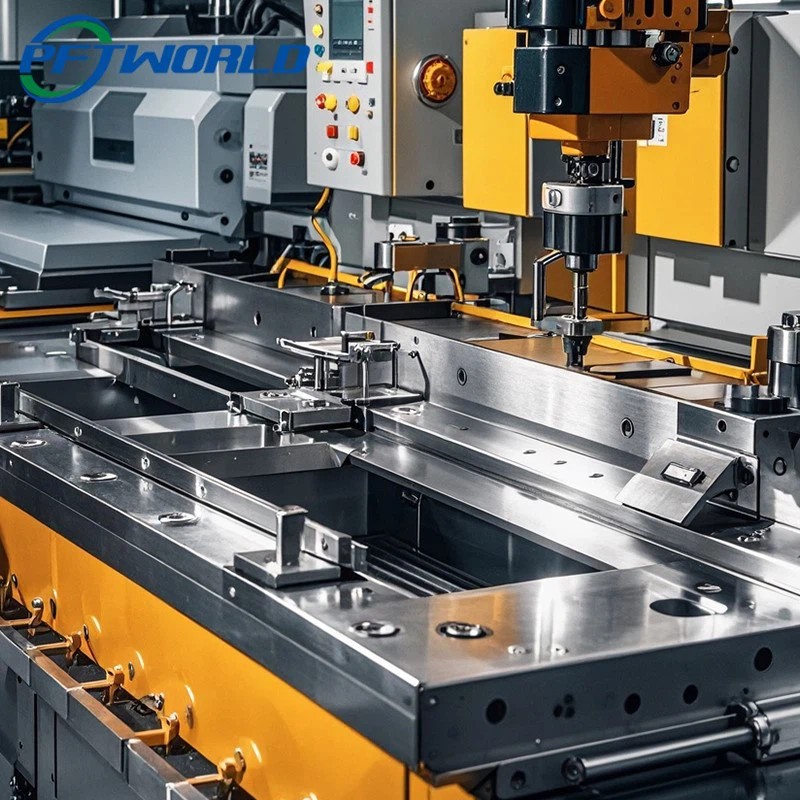
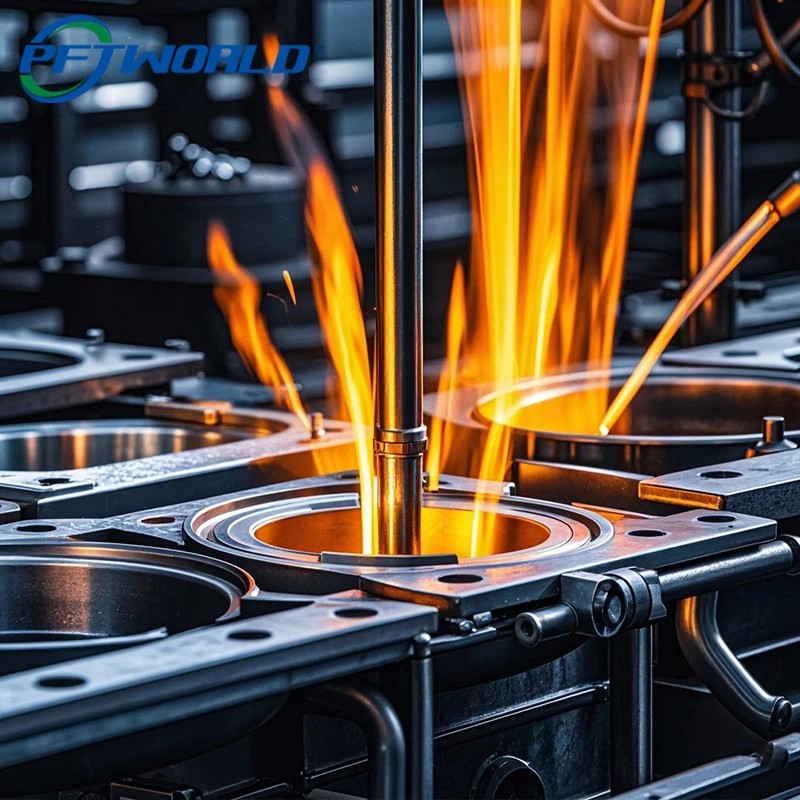
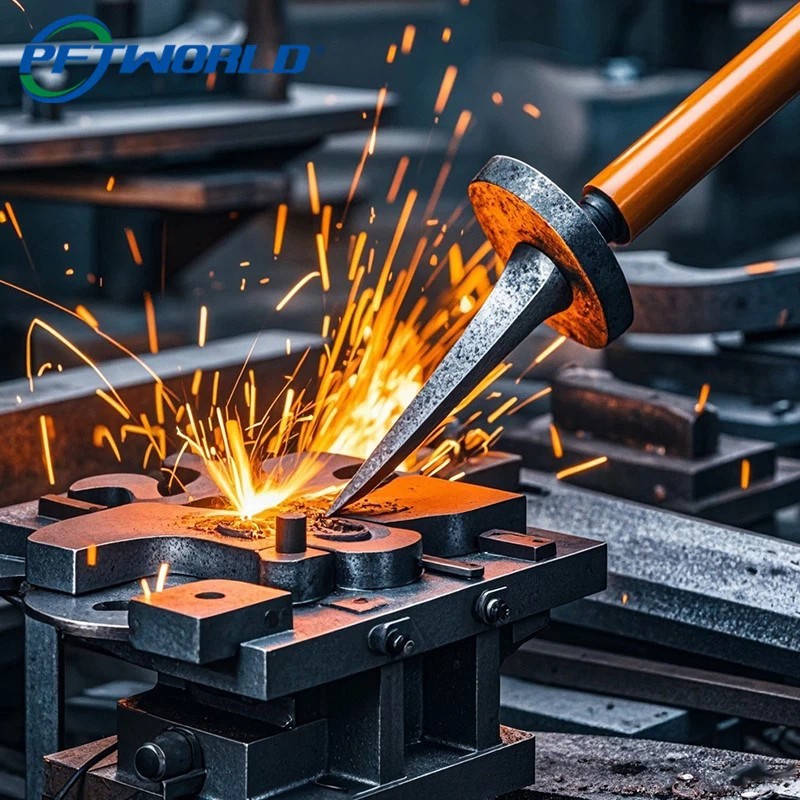
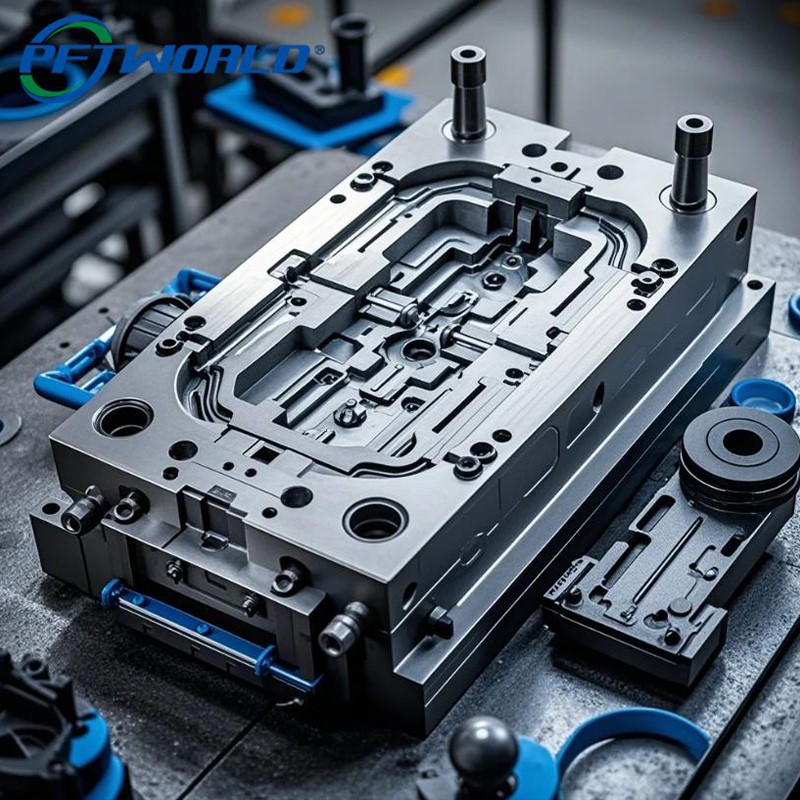
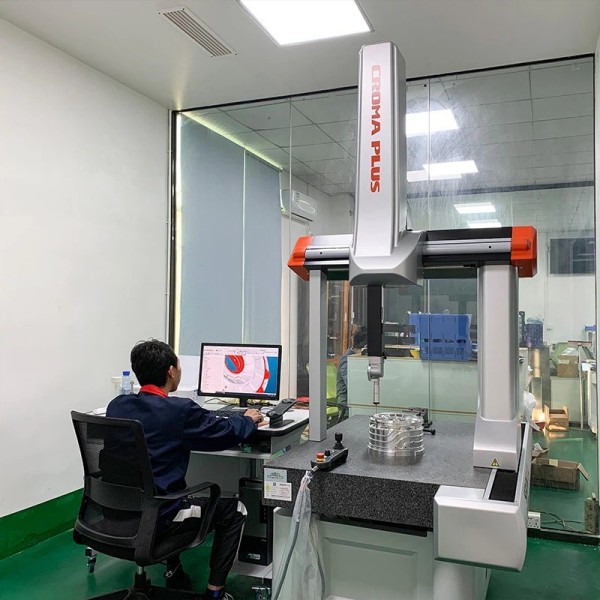
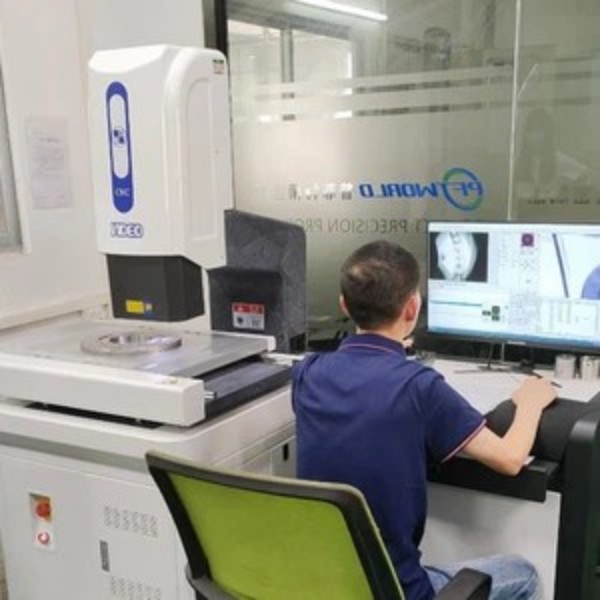
Advanced validation equipment supporting our zero-defect strategy and dimensional traceability.

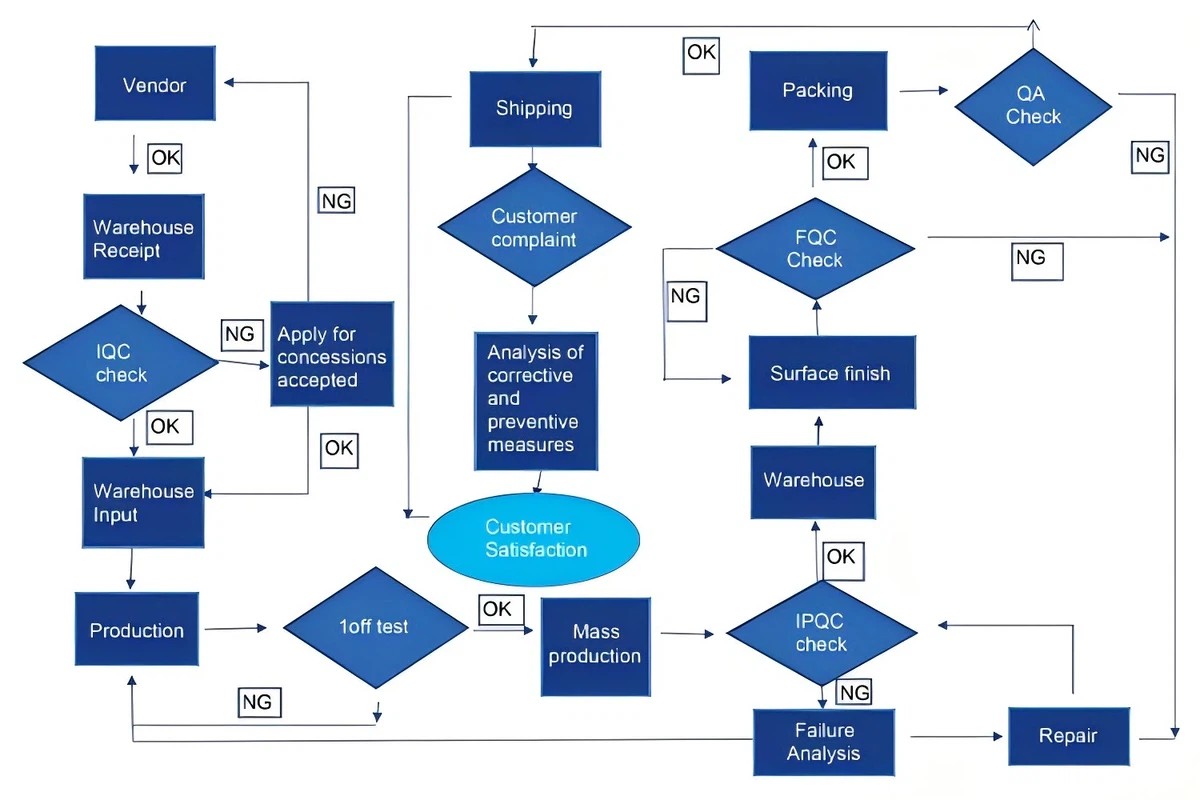
At PFT, quality control operations are integrated directly into the manufacturing process rather than handled solely as a post-production check. This approach includes:
Meeting regulatory standards for aerospace, medical, automotive, and heavy industrial applications.

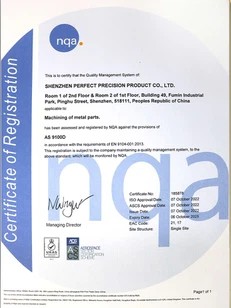
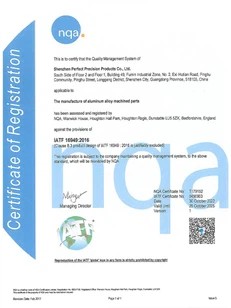
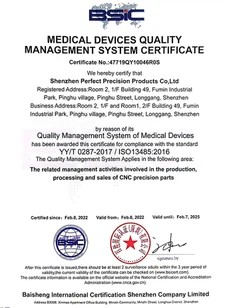

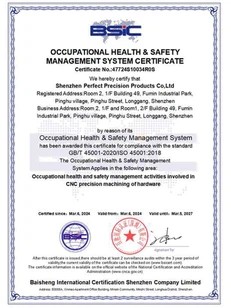
Ensuring complete process visibility through advanced imaging, CMM verification, and feedback systems.
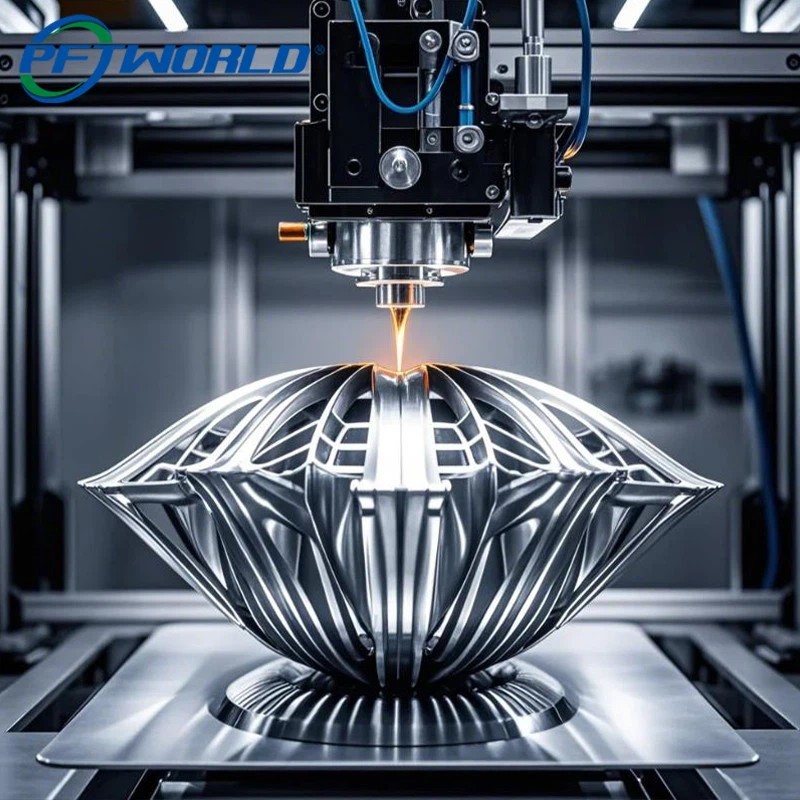
The manufacturing sector is transitioning toward hybrid systems that integrate subtractive CNC precision machining with additive 3D metal printing. This combination allows for optimized designs, reduced material waste, and the production of complex geometries that were previously difficult to machine.
Additionally, using digital twins in manufacturing helps speed up production cycles. By simulating the toolpath and kinematic behaviors of our machines, we can optimize cutting feeds, prevent tool collisions, and minimize structural vibration before any metal cutting starts. This approach helps maintain high geometric precision while reducing overall setup times.
We are also focused on implementing sustainable manufacturing processes. By using smart coolant recycling systems, choosing recyclable metals, and optimizing toolpaths to lower energy consumption, PFT aligns with global carbon-reduction initiatives. This balance of engineering accuracy and environmental responsibility supports the long-term sustainability of our clients' supply chains.
Technical guidance and sourcing insights from our engineering and sales advisory team.
Get in touch with our technical sales managers for quick project quotes, DFM support, and design reviews.
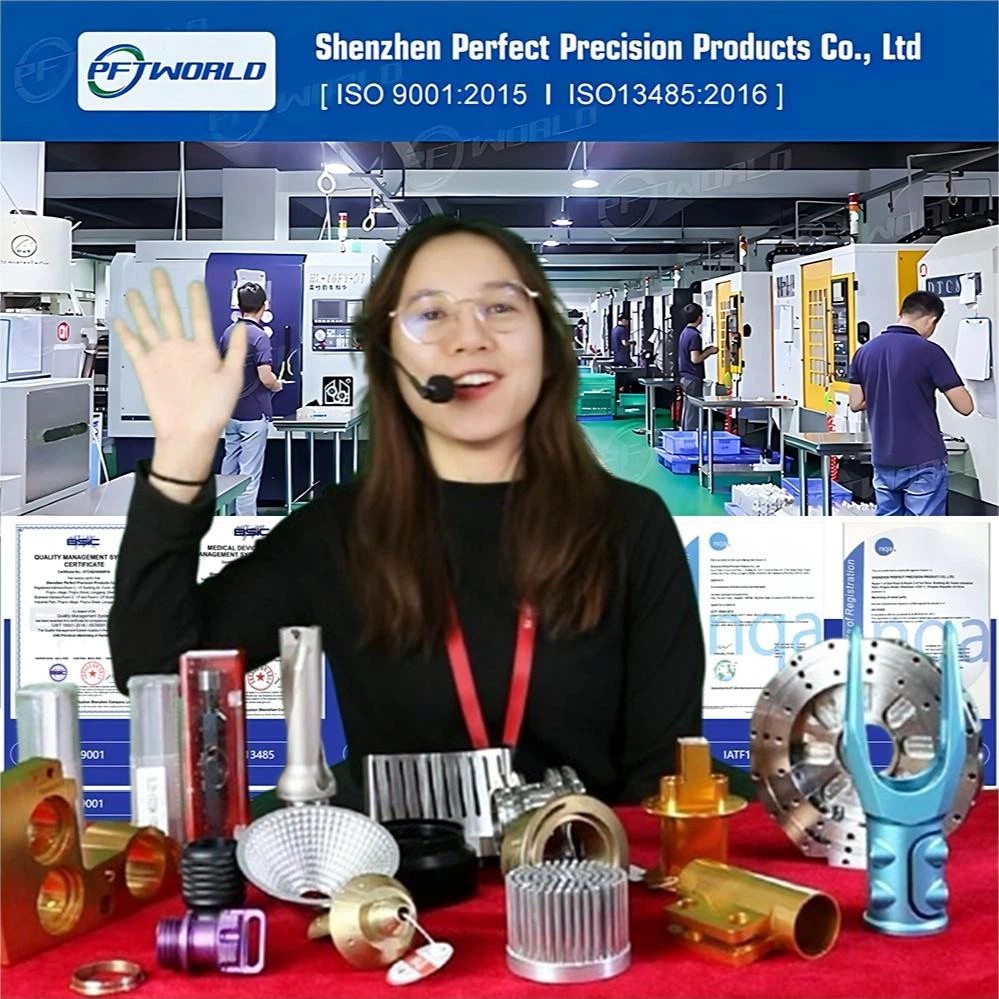
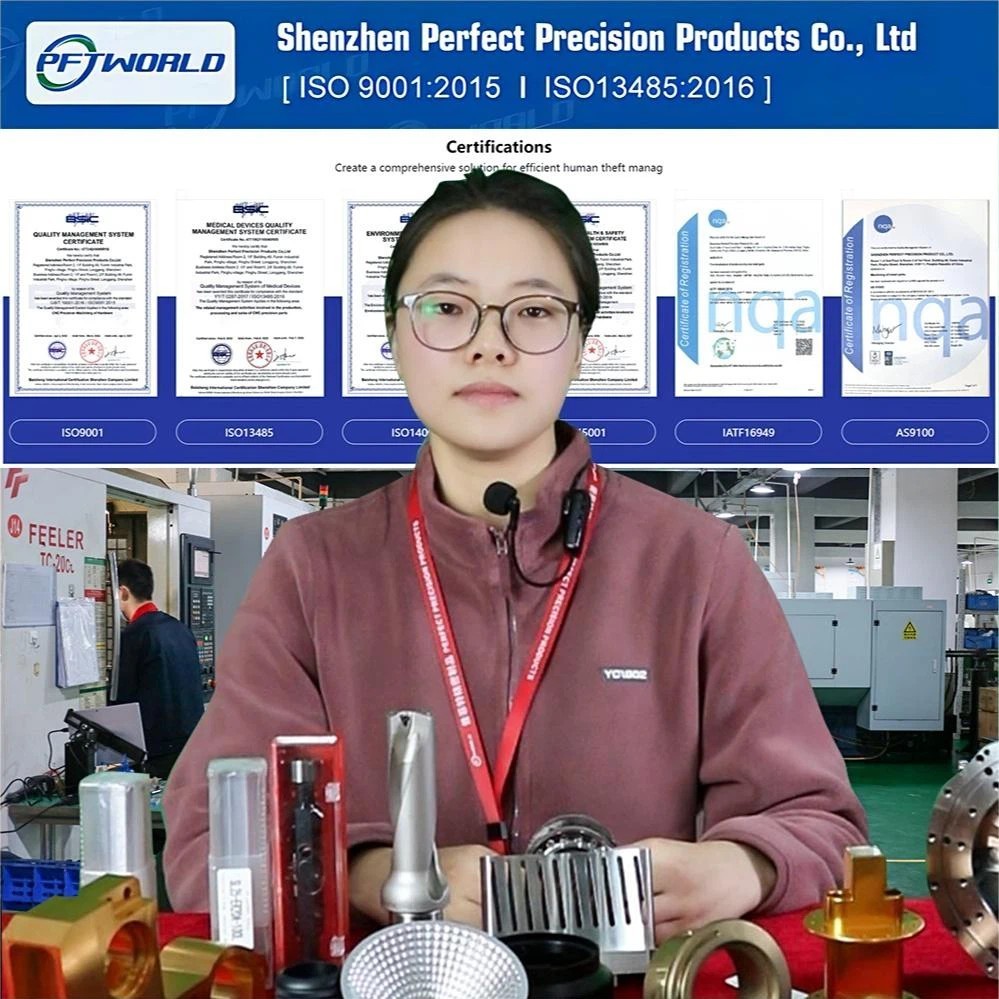


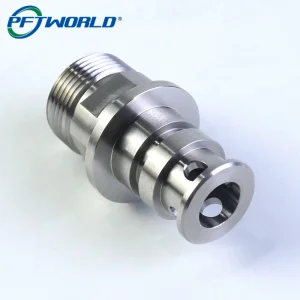
From engine components to actuator assemblies, browse our manufactured solutions.