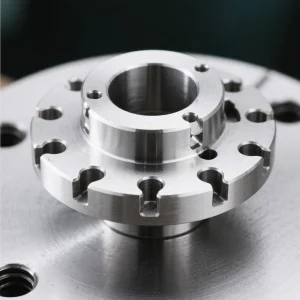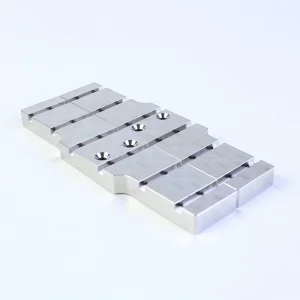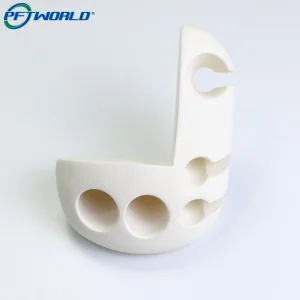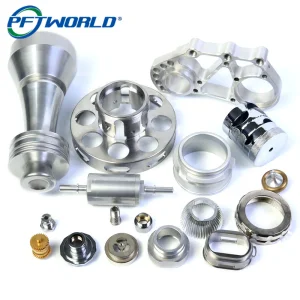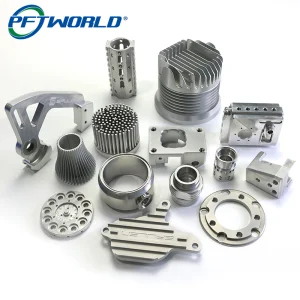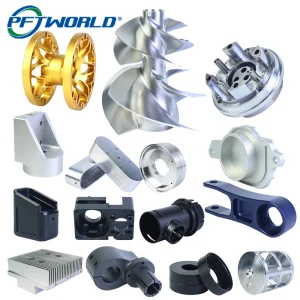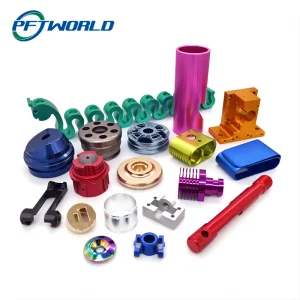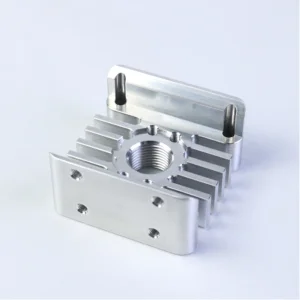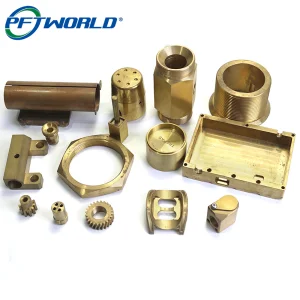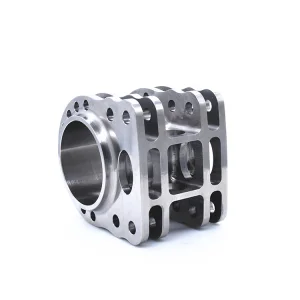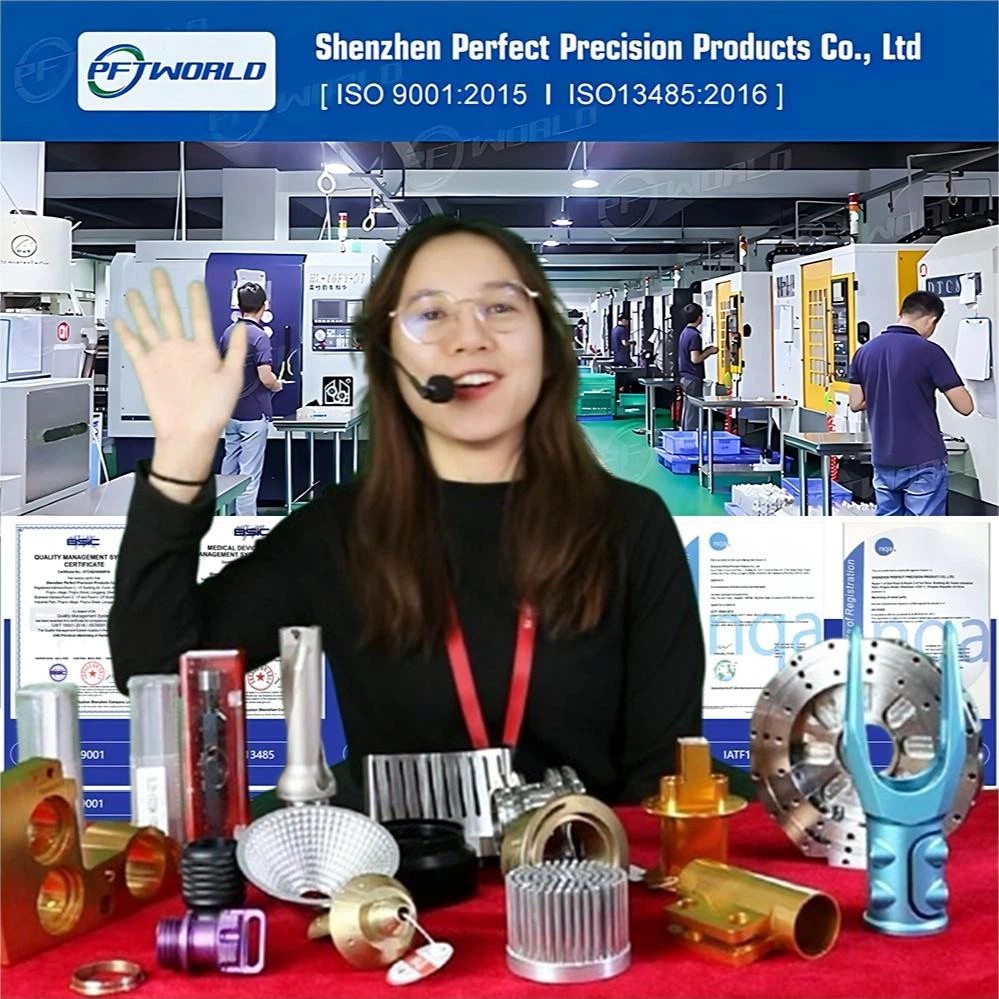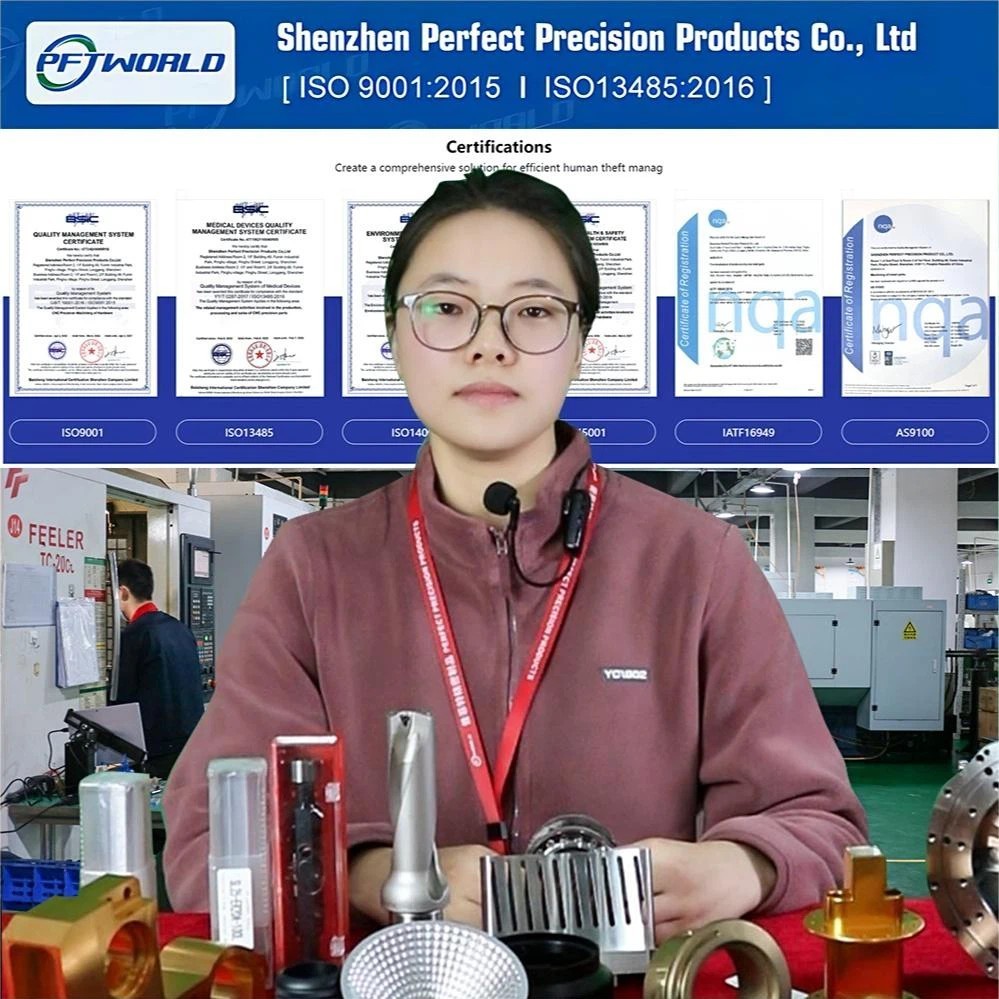
Explore our industrial portfolio of custom manufactured products, processed under strict quality controls and tailored to high-stress, technical environments.
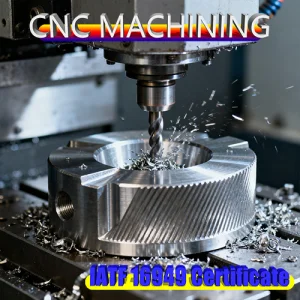
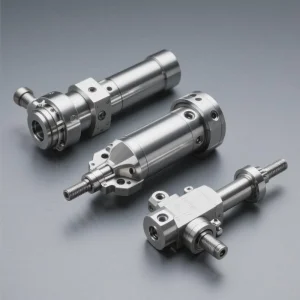
A technical analysis of materials, fluid mechanics, and wear resistance in high-temperature extrusion environments.
As the 3D printing industry transitions from rapid prototyping to end-use industrial manufacturing, the demands placed on the extrusion system—specifically the 3D printer nozzle—have escalated dramatically. Basic brass nozzles possess high thermal conductivity but fail rapidly when exposed to carbon-fiber, glass-fiber, or metal-powder filled abrasive filaments.
Today, modern 3D printer nozzle manufacturing relies on complex, wear-resistant metallurgical compositions. Engineering components must maintain absolute dimensional stability under continuous thermal gradients, often exceeding 450°C. The evolution of nozzle coatings and materials has established four core benchmarks:
The widespread adoption of CoreXY systems and high-acceleration kinematic structures demands high volumetric flow rates (measured in mm³/s). Traditional nozzles limit processing speeds due to thermal transfer thresholds, causing volumetric starvation and layer adhesion failures.
Our micro-engineered multi-channel melt cores increase the surface contact area, accelerating heat transfer into the core of the filament. This permits high-speed print pipelines without reducing physical density or mechanical properties in final components.
Addressing supply chain risks, high-tolerance validation, and multi-axis processing systems.
Global logistics and automated supply networks require parts with zero variance. Industrial procurement relies heavily on component traceability, certified raw materials, and precise, documented tolerances. PFT meets this need with automated inspection, verifying dimensional stability down to +/-0.002mm.
OEM development often demands customized orifice geometry (from 0.1mm to 2.5mm) and non-standard thread designs. Standard catalogs cannot supply components for specialized high-performance materials. Our engineers translate CAD designs into production-ready profiles, reducing engineering bottlenecks.
Prototyping schedules are highly compressed. PFT supports quick-turn iterations, sending validation samples within 1 to 3 days and fulfilling batch productions in 7 to 14 days. These timelines help customers shorten product development cycles and bring products to market faster.
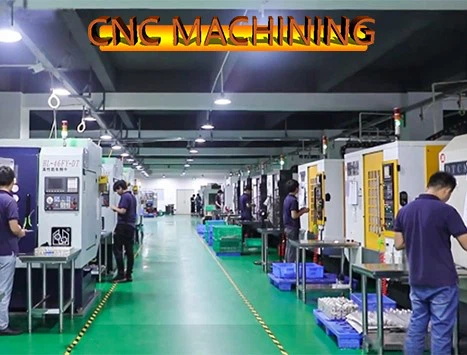
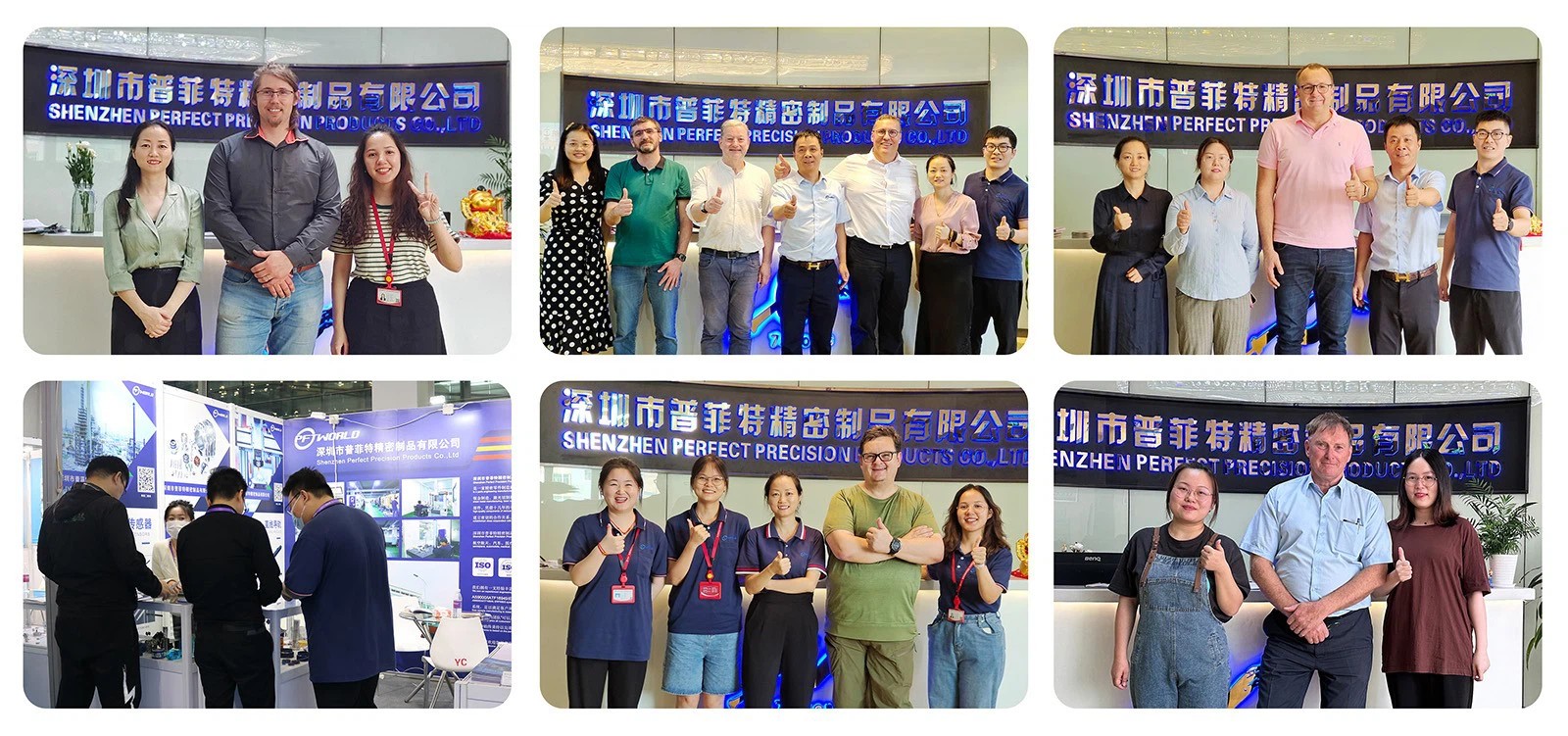
Founded in Shenzhen, China, PFT has grown to become a world-class manufacturing provider. Covering over 6,000 square meters of high-tech production area, we run digital manufacturing processes to deliver high-quality components.
How PFT custom components resolve technical pain points in demanding engineering fields.
Reducing weight while retaining structural integrity is vital. Utilizing titanium alloy (Grade 5) and specialized aluminum alloys, we manufacture ultra-light structural frames, drone supports, and critical engine bracket components capable of withstand vibrational fatigue.
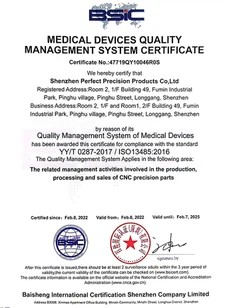
Operating under the medical standard ISO13485, PFT produces non-reactive components, brackets, and fluid manifolds for dialysis systems and surgical instruments. Our high-precision machining avoids surface flaws, reducing the risk of bacterial accumulation.
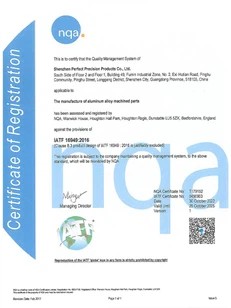
Aligning with the automotive quality system IATF16949, we supply sensor brackets, housings, high-efficiency cooling elements, and customized nozzle arrays for automated testing setups. This guarantees performance consistency through millions of thermal-mechanical cycles.
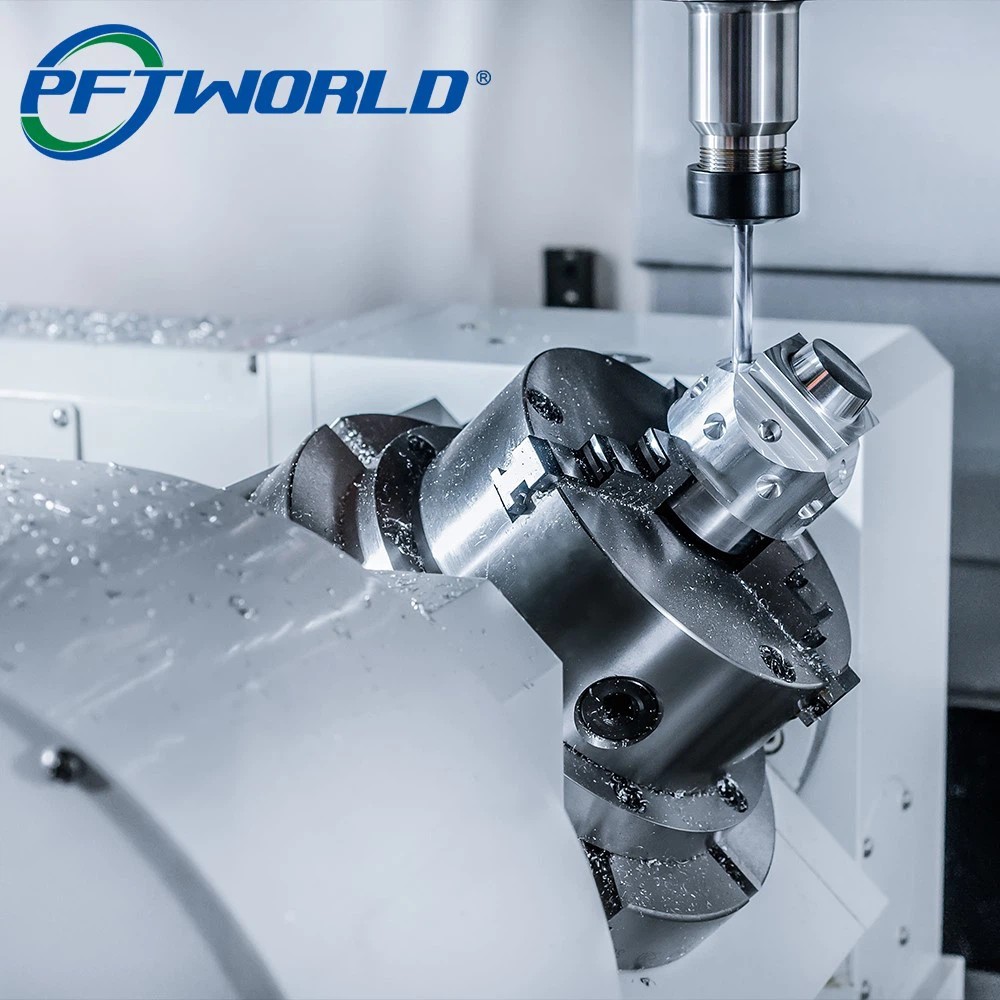
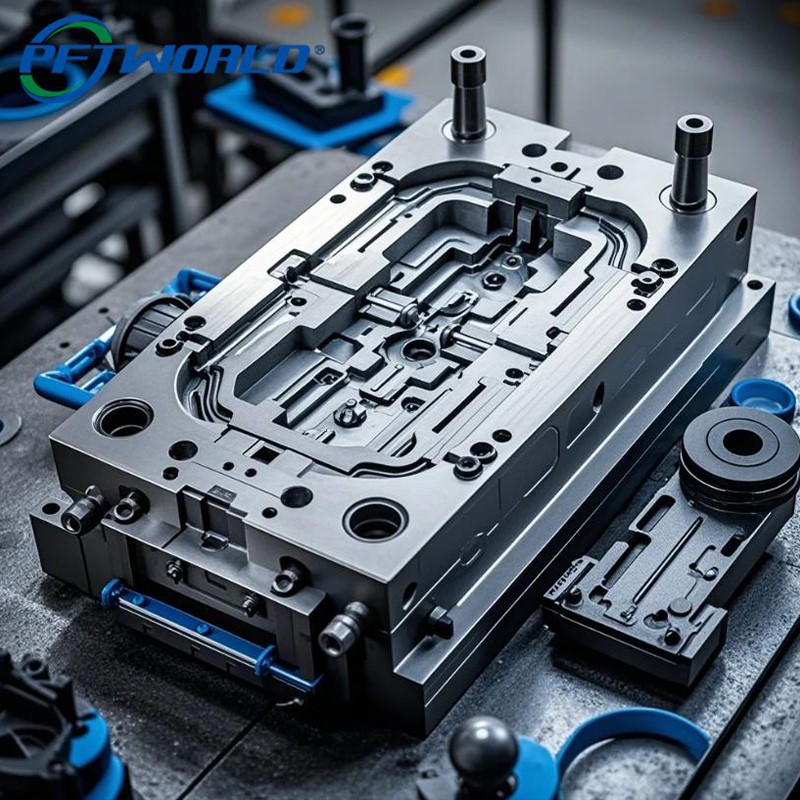
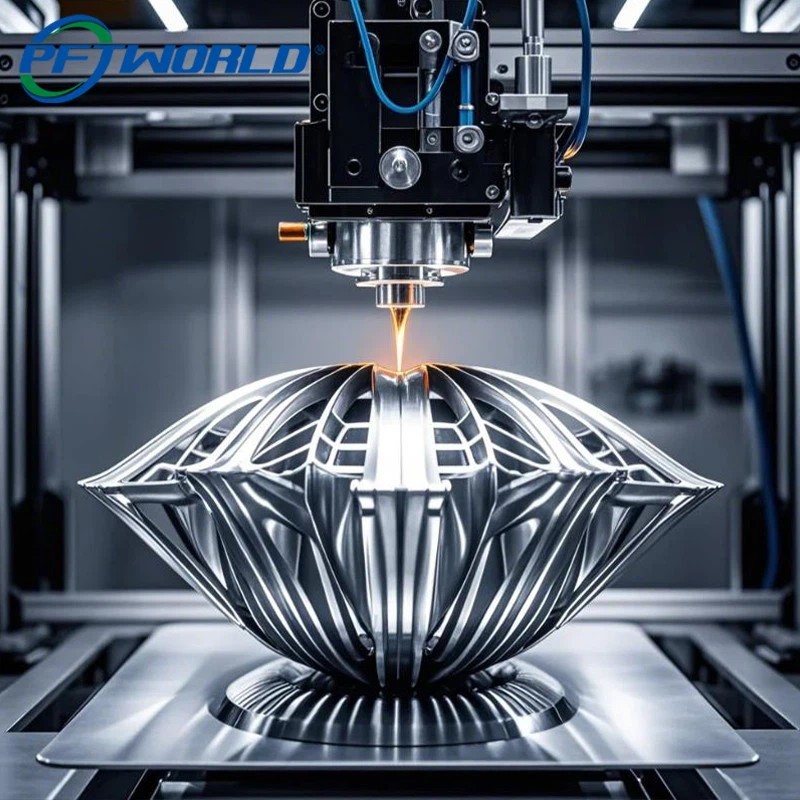
Our diverse engineering services cover everything from high-tolerance milling to structural sheet fabrication, casting, and advanced 3D printing.
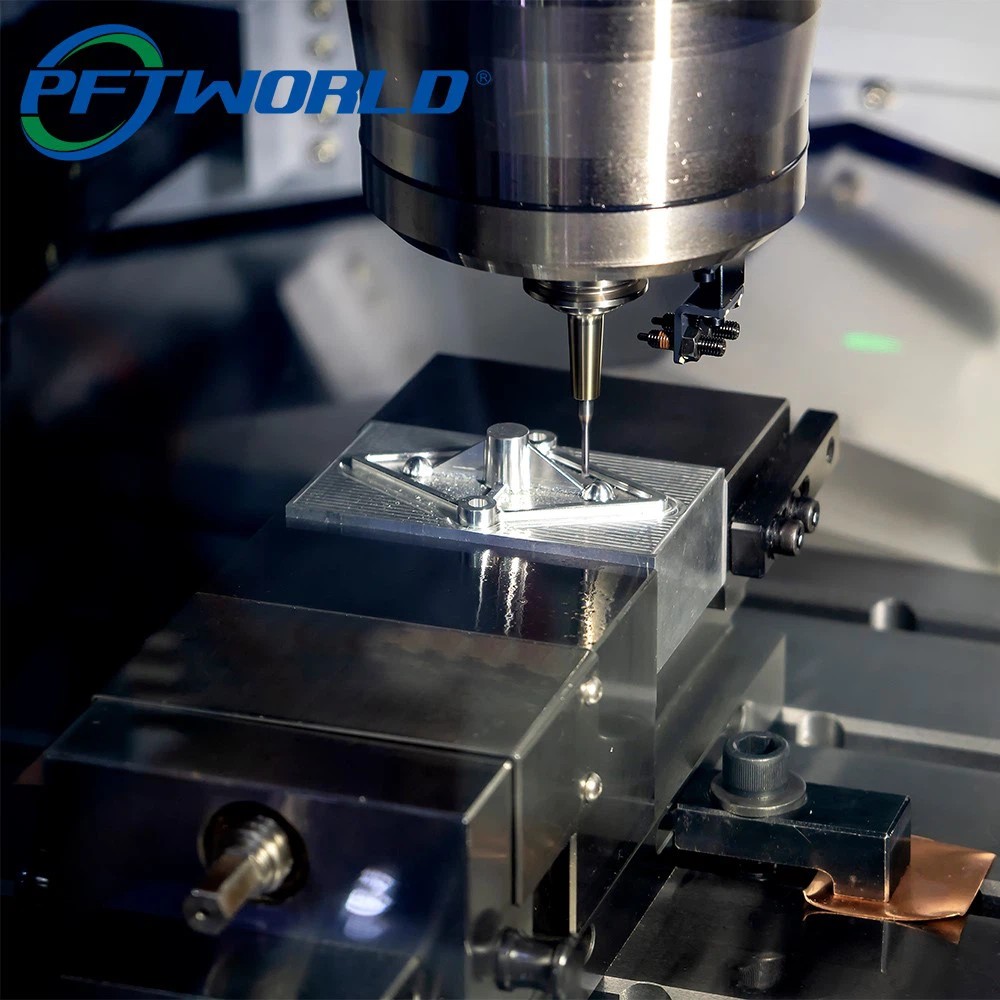
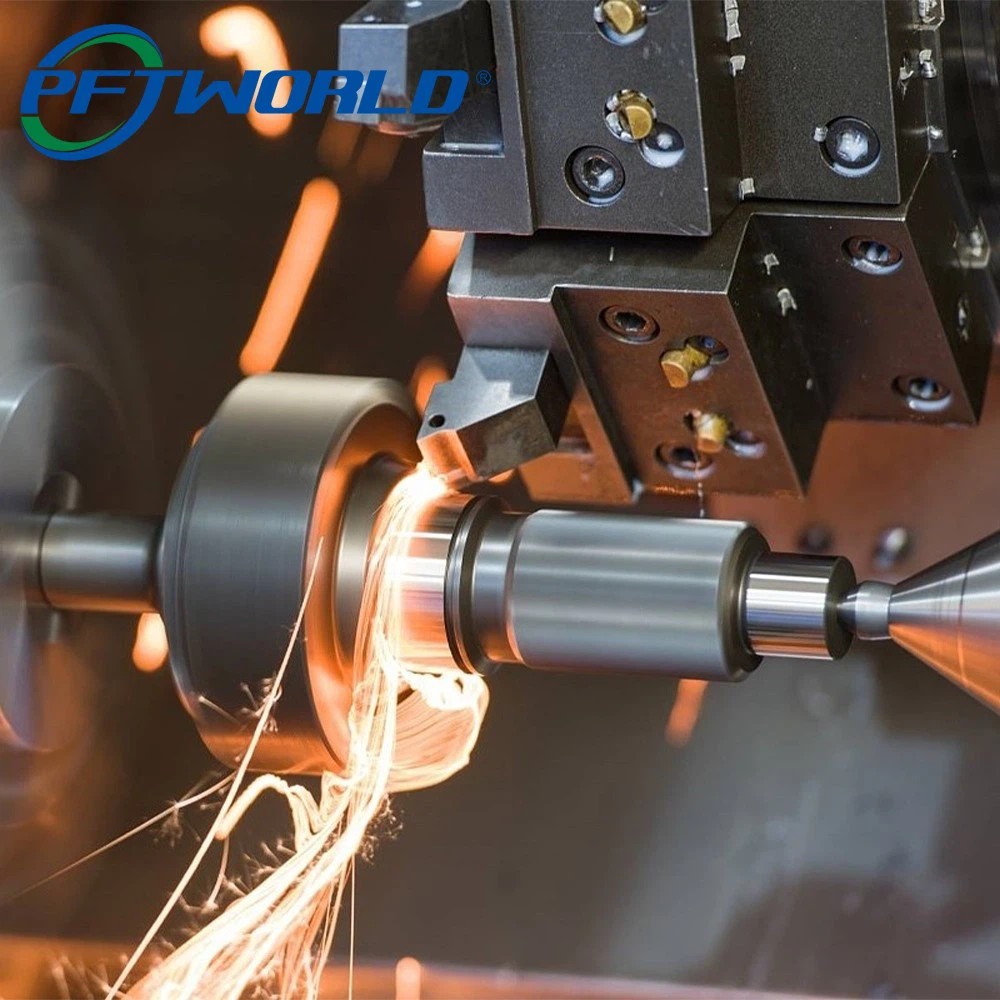
How we guarantee component validation, material safety, and environmental responsibility.
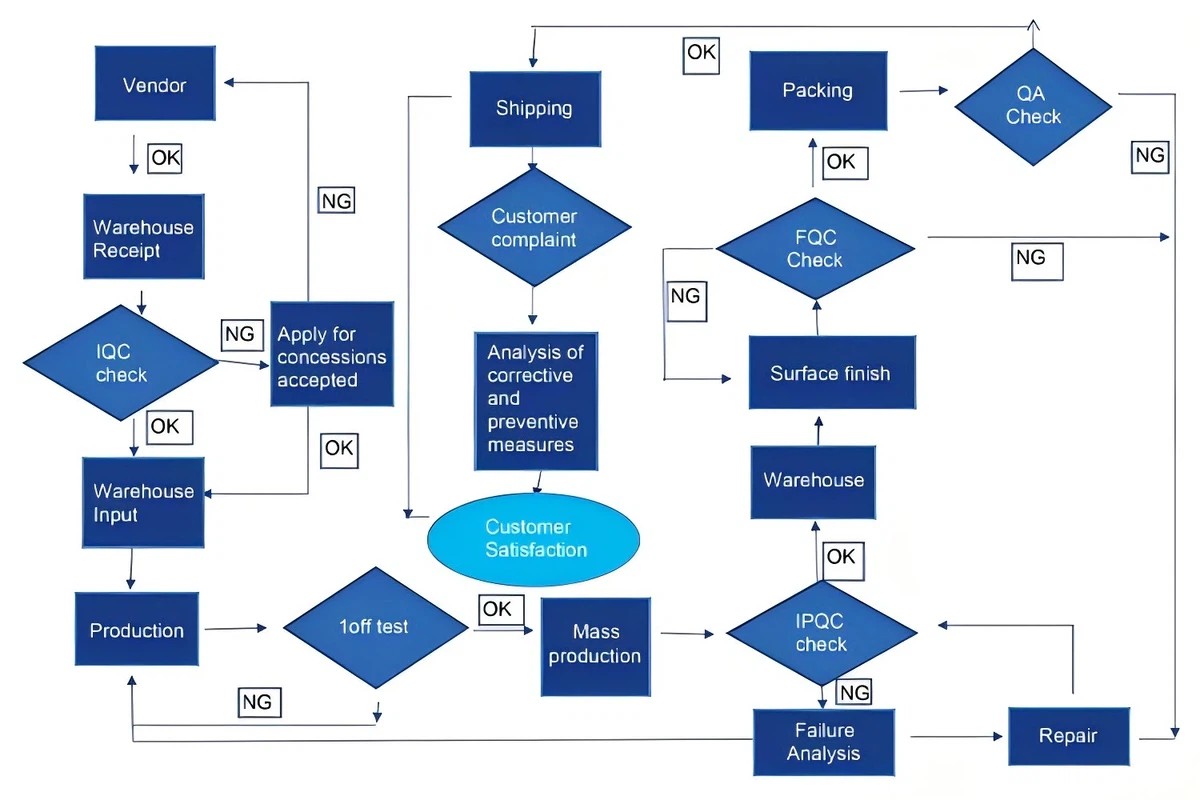
Procuring precision parts from overseas requires strict compliance protocols. PFT ensures that all shipments align with local import regulations, including RoHS, REACH, and environmental protection frameworks.
We implement digital tracking from raw material delivery to the finished product. This ensures that every nozzle, support bracket, and sensor housing is traceable to its original raw material heat lot.
Equipped with advanced Coordinate Measuring Machines (CMM) and 2D vision systems to ensure full dimensional reliability.
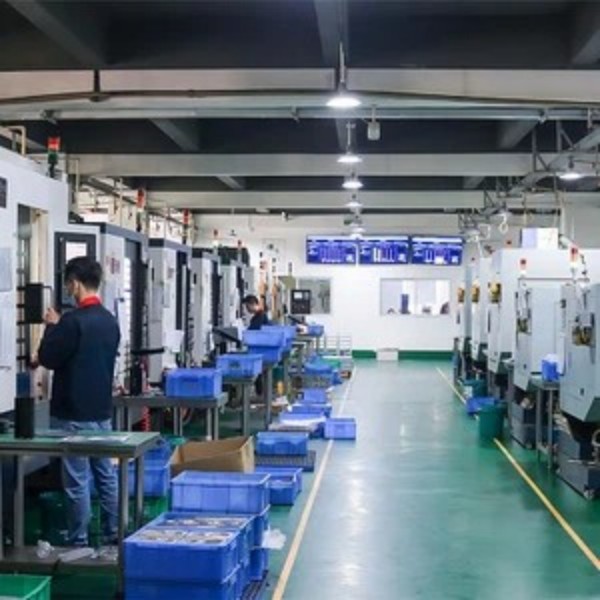
High-speed multi-axis mills for consistent dimensional accuracy.
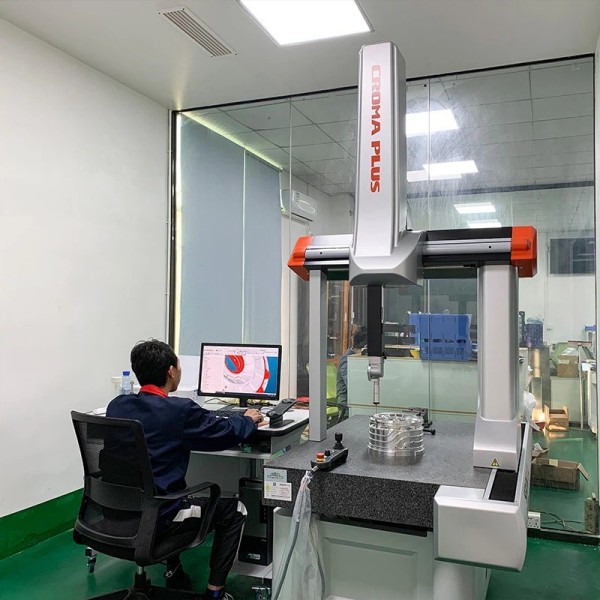
3D validation systems verifying micro tolerances.
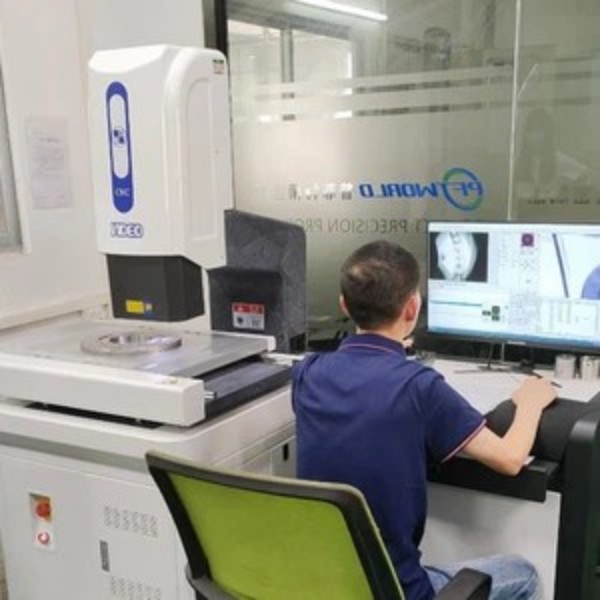
High-contrast projection systems verifying micro-orifice shapes.

Continuous engineering support across multiple time zones.
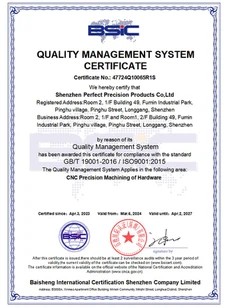
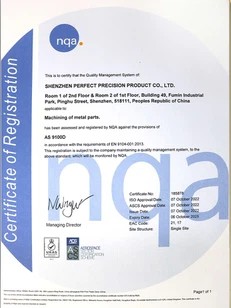

The upcoming landscape of high-performance extrusion technology and micro-machining.
Future additive manufacturing demands smaller layer heights and sub-0.1mm micro-extrusion capabilities. Extruding plastics through micro-orifices requires extremely smooth internal walls to prevent clogging. Standard drilling methods cannot produce the necessary finish, making specialized fluid processing essential.
PFT is developing advanced micro-honing processes to lower the internal surface roughness of nozzle walls to Ra 0.1. This smooth finish helps prevent carbonized polymers from sticking, reducing pressure drops inside the extruder and improving flow control.
Answers to common questions regarding machining tolerances, design optimization, and custom component orders.
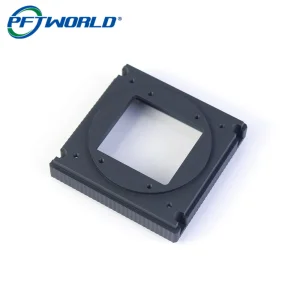
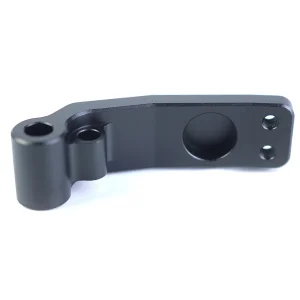
A secondary selection of custom CNC parts engineered for complex mechanical applications, electrical insulation, and precise positioning.

Transparency is key to our international partnerships. We share production milestones, dimensional audits, and project status updates.
From prototypes to large-scale production, we deliver precise, high-tolerance components to meet your project specifications. Reach out to our engineering team to request a quote.
Send Inquiry Now