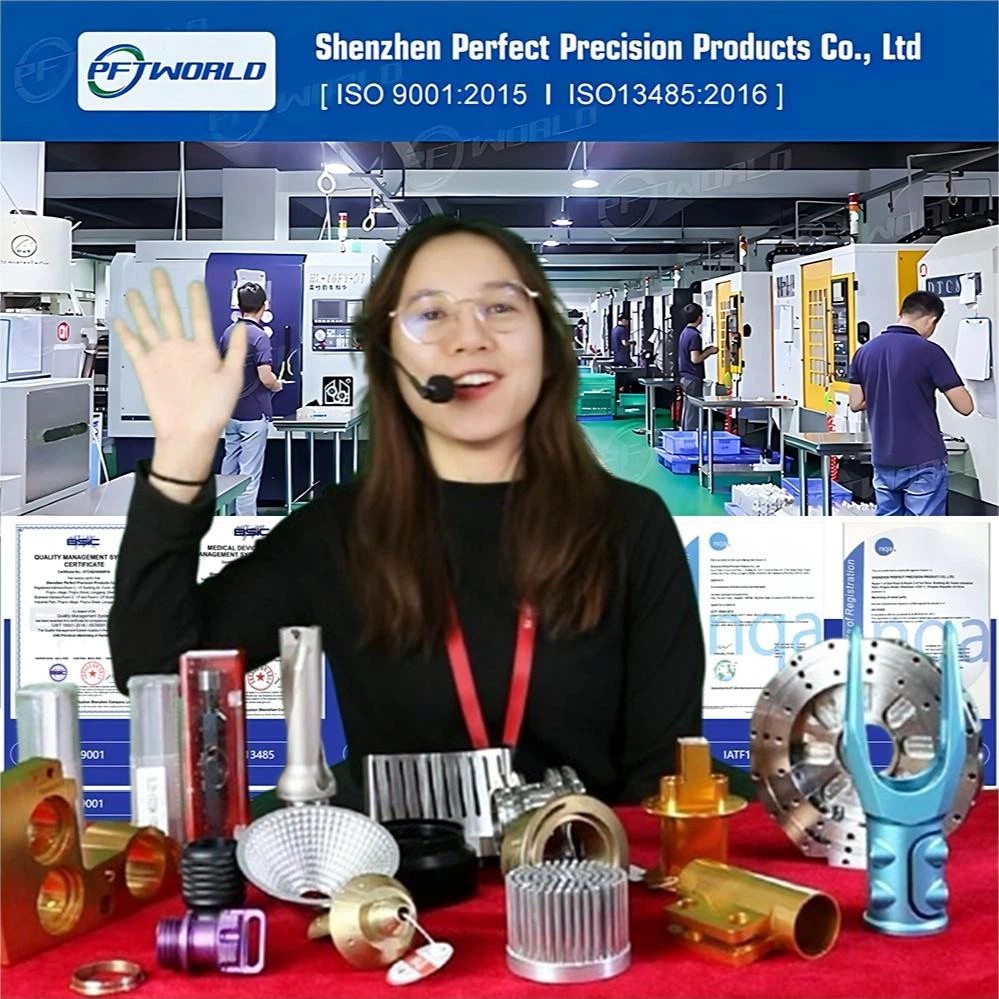
Modern industrial supply chains demand a seamless combination of high-precision tolerances, certified manufacturing protocols, and competitive structural pricing. Procurement teams are looking past unit costs to focus on Total Cost of Ownership (TCO), geometric complexity validation, and agile engineering integration. As a leading high-precision CNC machining manufacturer in Shenzhen, China, Shenzhen Perfect Precision Products Co., Ltd addresses these core requirements. We translate digital CAD blueprints into high-performance physical components for demanding sectors like aerospace, semiconductor fabrication, robotic automation, and medical instrumentation.
This whitepaper outlines the structural advantages of China's advanced manufacturing infrastructure, our proprietary 3-to-6 axis CNC machining setups, rigorous quality control frameworks, and optimized cost strategies. Our engineering methodologies are built on the principles of Design for Manufacturability (DFM). By addressing manufacturing constraints early in the design stage, we minimize tool wear, shorten production run times, and maintain tight dimensional control across complex geometries.
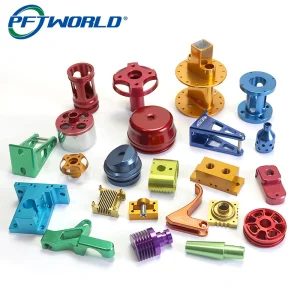
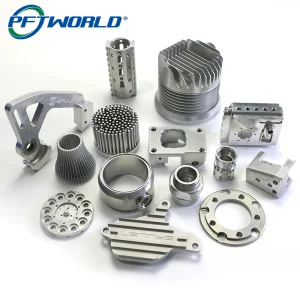
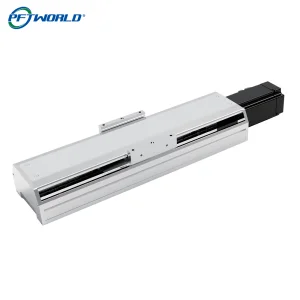
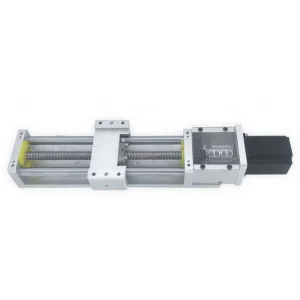
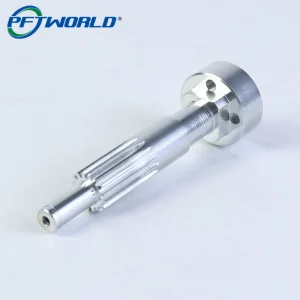
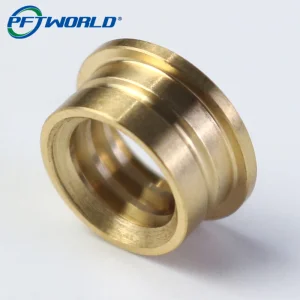
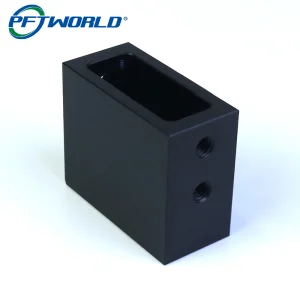
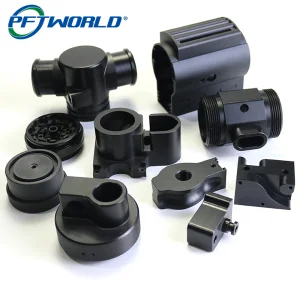
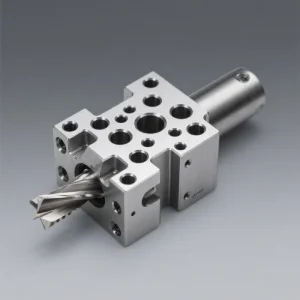
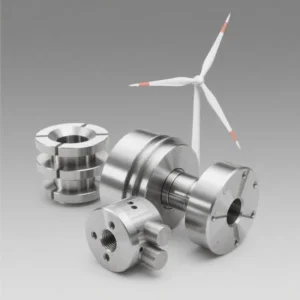
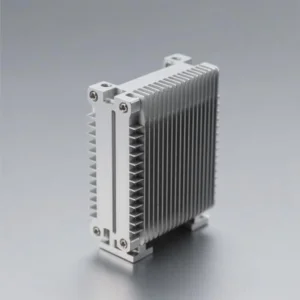
Explore our highly engineered precision assemblies. These products are manufactured to strict micro-tolerances under certified quality management systems.
The manufacturing landscape has shifted from basic mass production to high-mix, low-volume (HMLV) digital manufacturing. Shenzhen Perfect Precision Products Co., Ltd. has adapted to this shift by investing in industrial digitalization, automated production, and structured quality workflows.
Established a dedicated foreign trade team in 2014. We passed the ISO9001 quality system certification to standardize our operations. In 2018, our commitment to quality earned us the title of Guangdong Contract and Trustworthy Enterprise.
We achieved High-Tech Enterprise status and implemented our intellectual property management system in 2019. In 2020, we expanded our office and manufacturing area to 10,000 square meters, growing our workforce to support high-capacity production runs.
By 2021, we completed our transformation into a digital chemical plant. We integrated real-time production monitoring, centralized cloud programming, and automated inventory tracking to minimize lead times.
Standard geometric tolerance limit: +/- 0.01 mm
Special components and critical dimensions: +/- 0.002 mm
Surface Roughness Capability: Ra 0.1 ~ 3.2
Prototype & sample production: 1 - 3 Days
Standard batch order delivery: 7 - 14 Days
Machinery Setup: 3-Axis, 4-Axis, 5-Axis, 6-Axis CNC Workstations
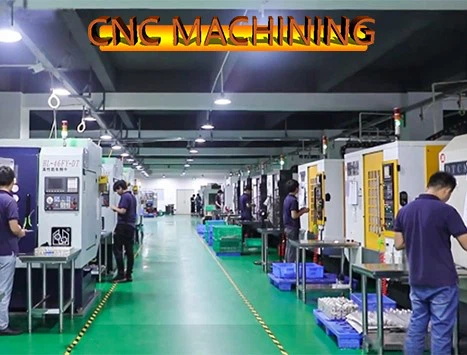
We provide comprehensive manufacturing options to support product development from initial design prototype to final volume assembly.
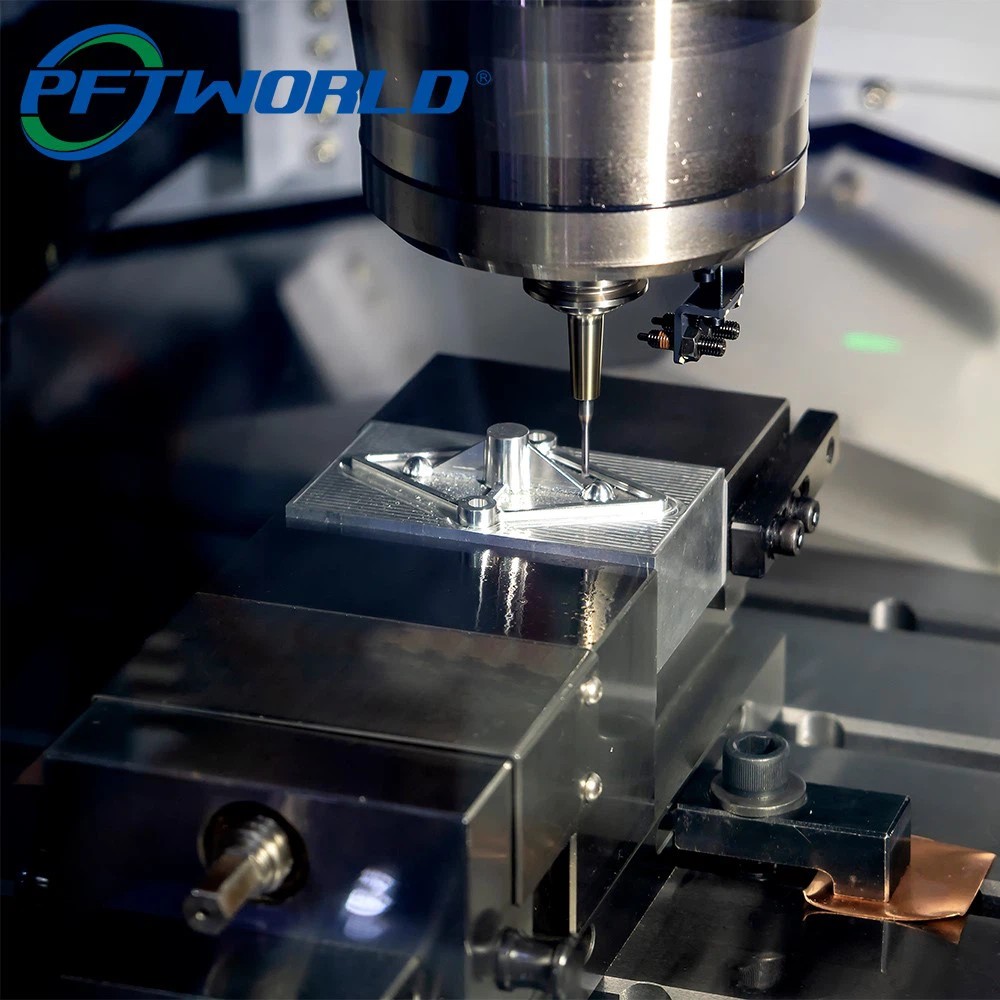
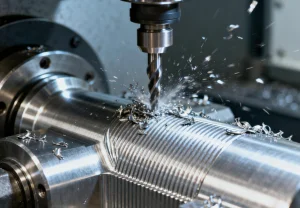
Multi-axis milling machines manufacture complex geometries by removing material with precision cutting tools.
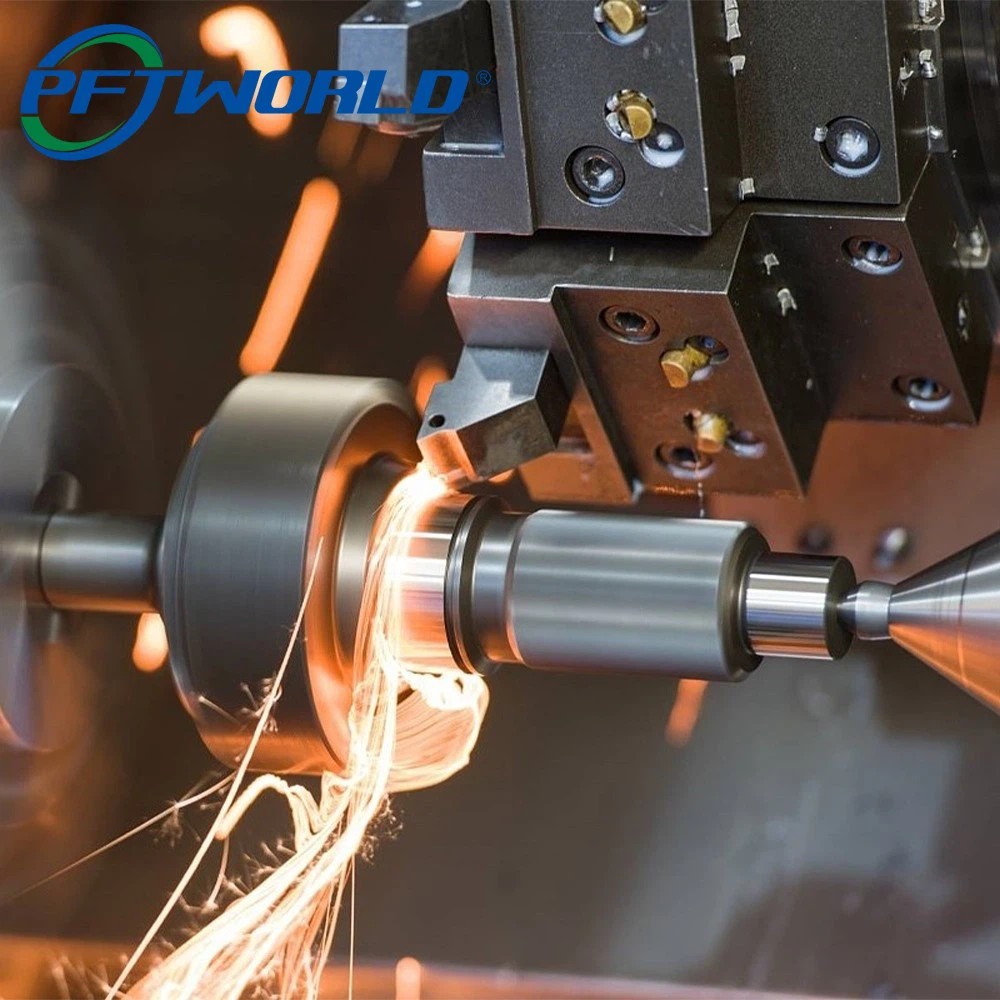
High-speed rotating lathes produce symmetrical cylindrical components with tight external and internal tolerances.
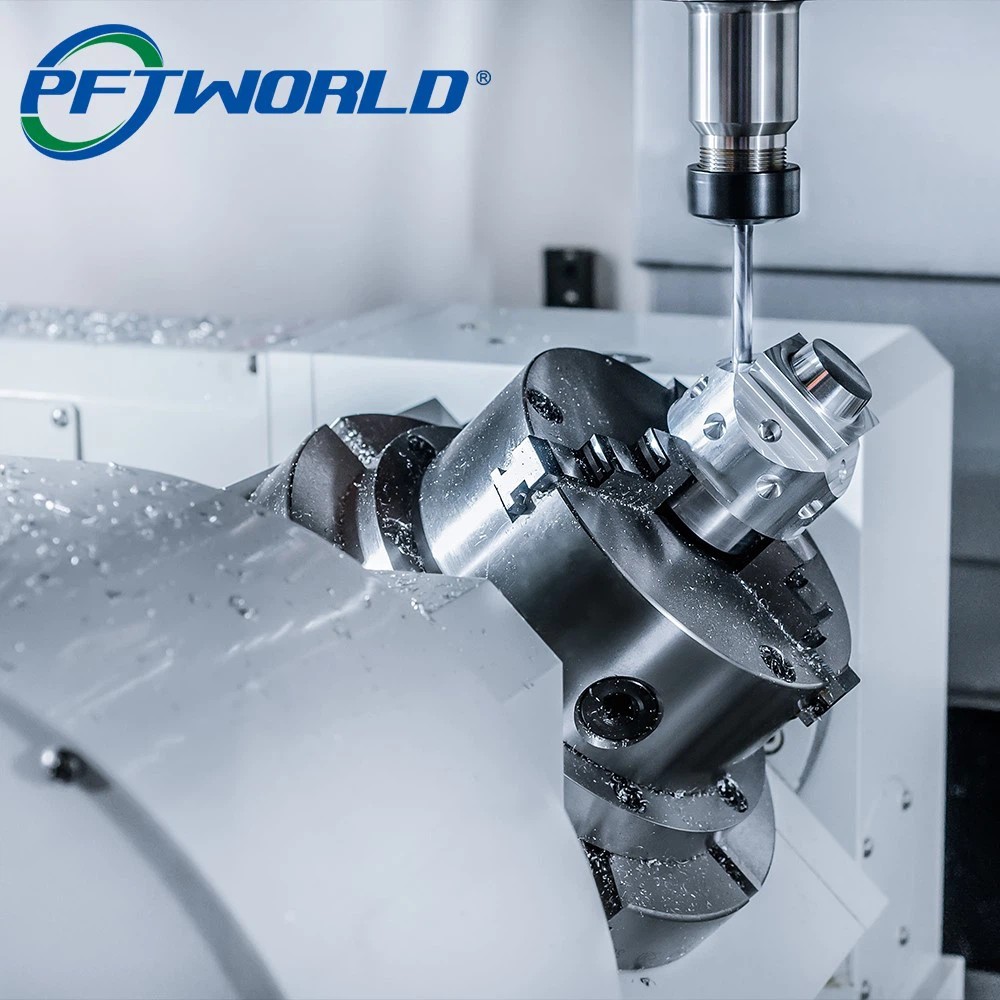
Combined mill-turn stations run multi-sided features in a single setup, improving dimensional accuracy and reducing handling errors.
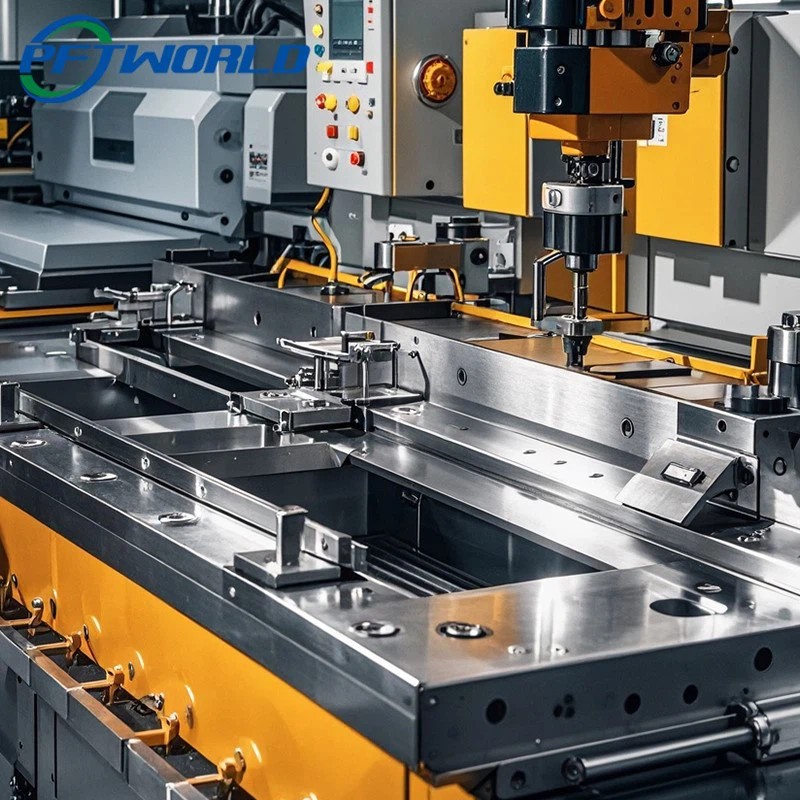
Laser cutting, hydraulic bending, punching, and structural welding produce robust enclosures, brackets, and frames.
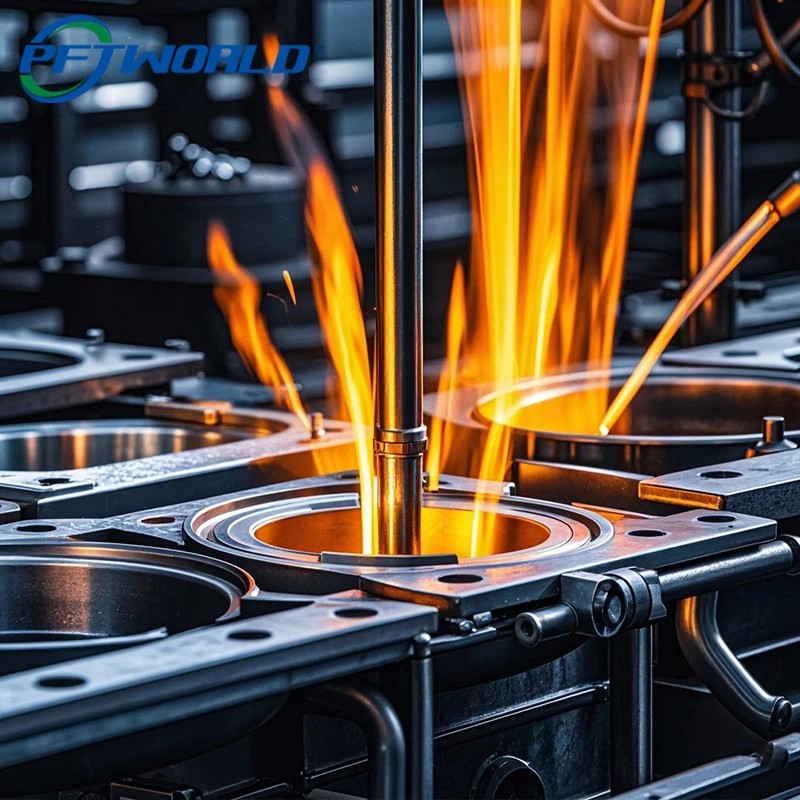
Die casting and investment casting produce cost-effective, high-volume near-net-shape components that require minimal final machining.
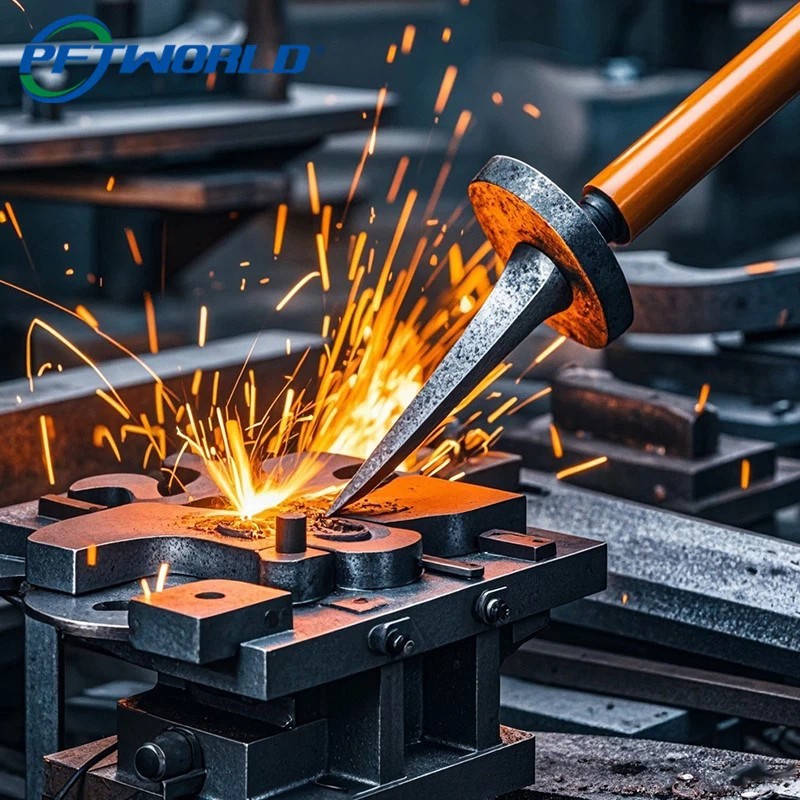
Hot and cold forging processes shape metal and align grain structures for high-stress aerospace and automotive components.
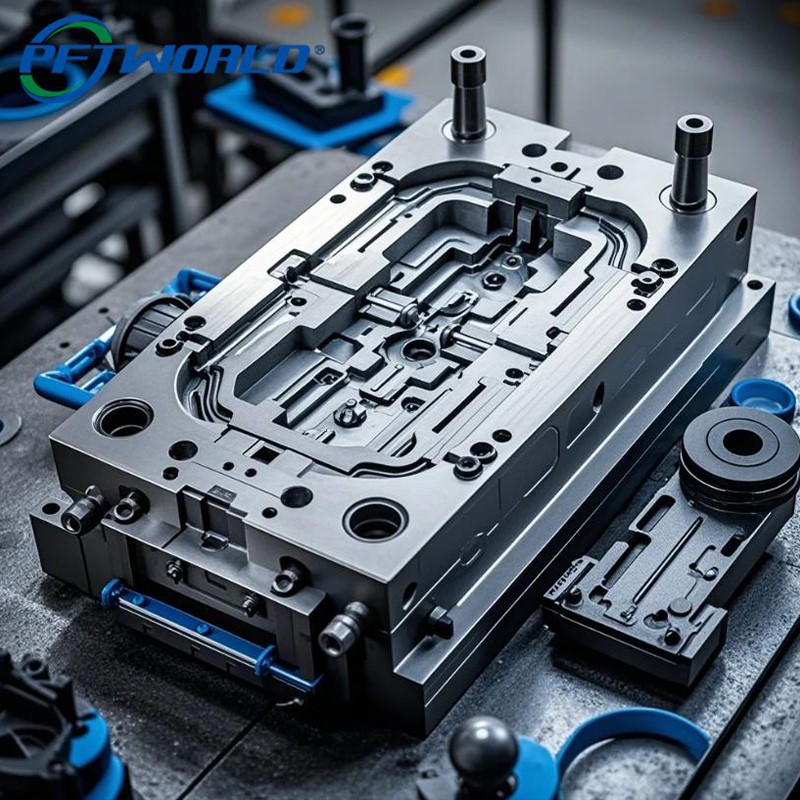
Precision injection mold tools, compression molds, and custom tooling inserts built for long-run plastic and rubber manufacturing.
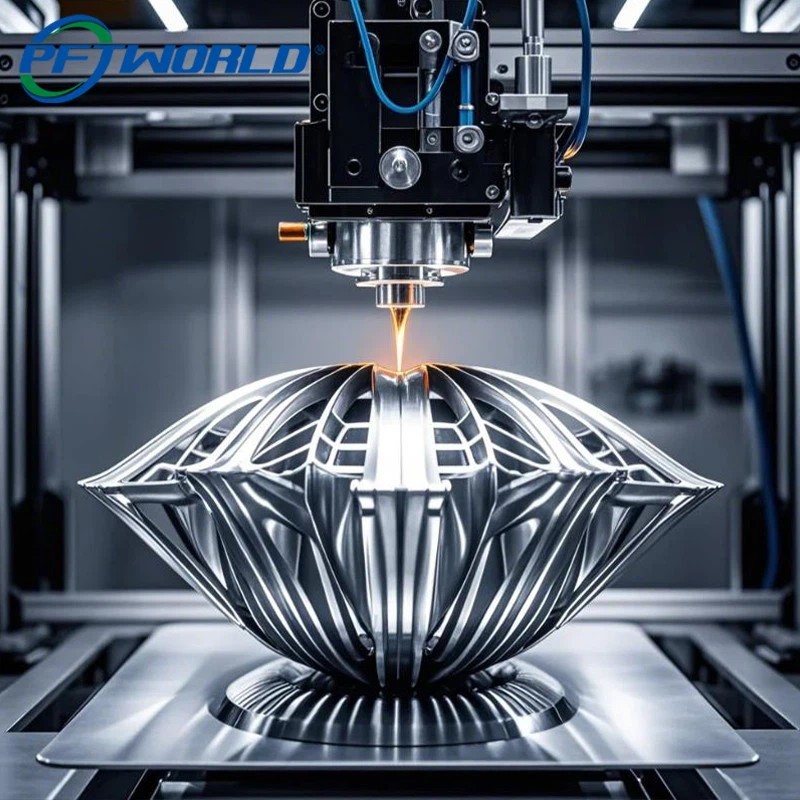
Industrial SLS, SLA, and DMLS technologies produce functional prototypes and complex end-use components directly from 3D models.
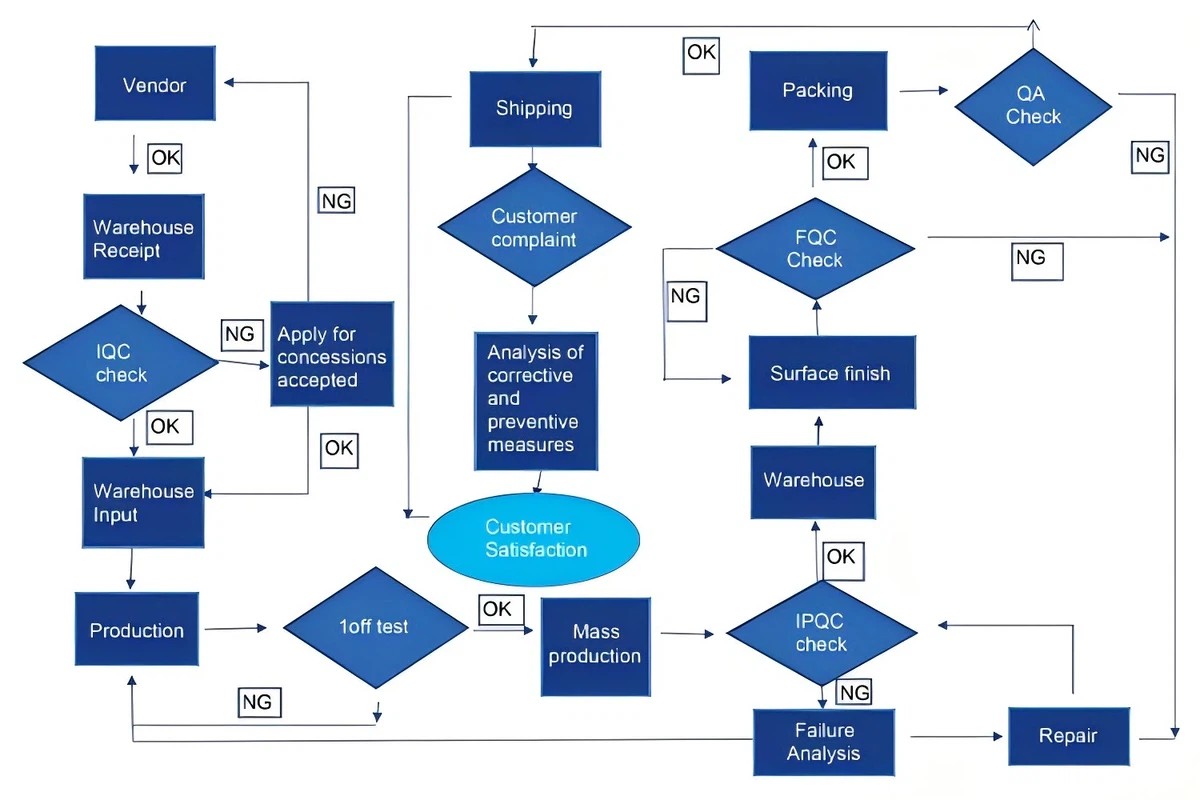
Quality assurance is integrated into every step of our manufacturing process. We maintain traceability from incoming raw materials to final shipping inspections.
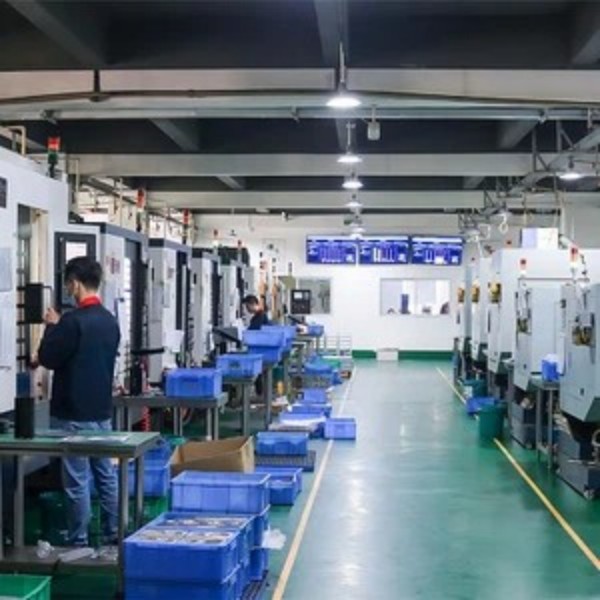
Real-time checks monitor dimensional stability directly inside the CNC machining centers.
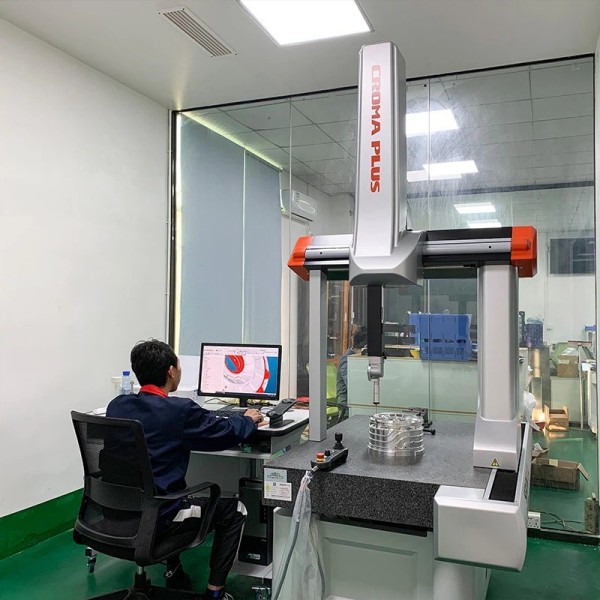
Coordinate Measuring Machines verify complex geometric tolerances and check deviations against CAD data.
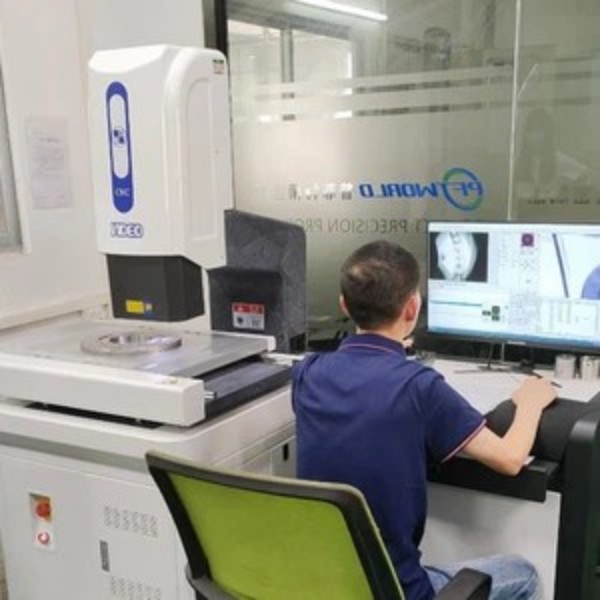
High-magnification optical comparators measure threads, internal steps, and small radii profiles.

Our quality control team performs final visual checks, dimensions reviews, and packages products for shipping.
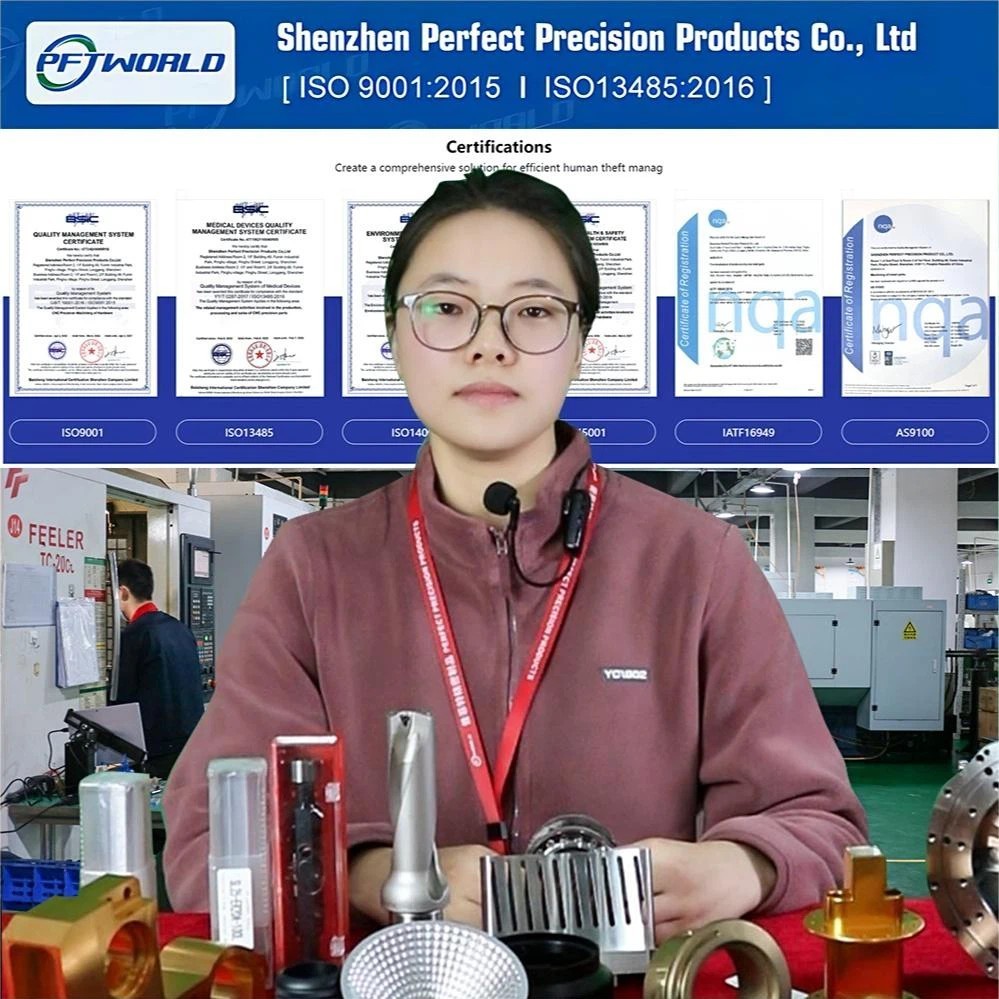
We maintain active certifications to meet the quality, traceability, and risk management requirements of regulated international industries.
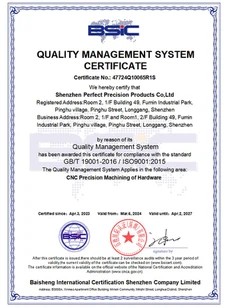
Standardizes our general manufacturing workflows, training programs, and customer feedback processes.
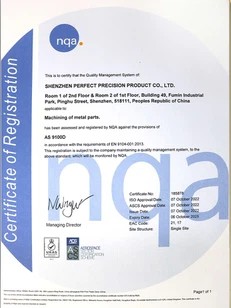
Qualifies our facility to manufacture structural components for the aerospace, defense, and aviation sectors.
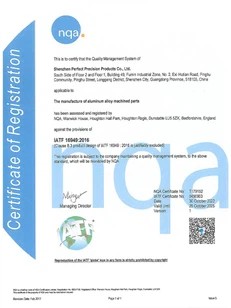
Aligns our production lines with automotive quality expectations, including PPAP submission capabilities.
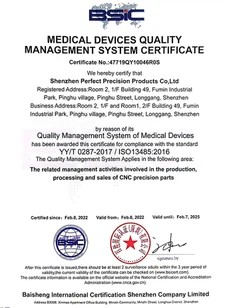
Validates our quality system for producing medical device components under cleanroom-compatible guidelines.
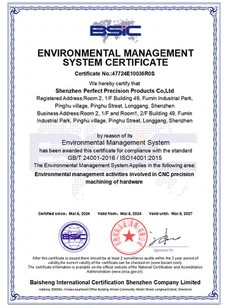
Applies environmental controls to our operations, including waste handling and energy reduction strategies.
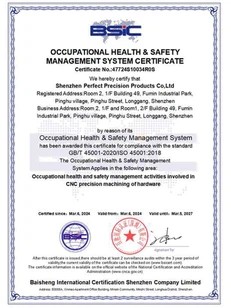
Prioritizes occupational health and safety to maintain stable manufacturing operations.
Precision parts must meet the performance demands of their specific applications. We tailor our machining approaches to the requirements of key sectors:
We work with high-strength alloys like Titanium Gr 5 and 17-4PH stainless steel. Our processes prevent mechanical stress concentrations and maintain structural integrity during critical flight operations.
We produce components for high-vacuum process environments, including specialized gas distribution manifolds and heat exchangers. Parts are machined to low surface roughness values to minimize outgassing and particle generation.
We manufacture biocompatible parts for diagnostic devices and orthopedic implants. Our processes include passivation, electropolishing, and multi-point dimensional inspections.
We machine components for multi-axis arm assemblies, rotary actuators, and motor housings. Keeping parts lightweight and rigid helps improve response times in dynamic industrial systems.
We produce parts for electric vehicle drivetrains and high-voltage distribution blocks. All parts are tracked through manufacturing steps to support serial production trace requirements.
We continuously update our capabilities to align with trends in high-precision manufacturing. Our technical roadmap focuses on three main developments:
Combining industrial metal 3D printing (DMLS) with finishing CNC mill runs allows us to produce components with complex internal cooling channels and clean mounting surfaces.
We are integrating laser scanning inspection systems directly into our multi-axis CNC machines. By measuring dimensions mid-cycle, the system can adjust offsets automatically to reduce errors.
Our ERP systems are linked to machine sensors to track spindle run time and tool life. Predictive scheduling helps prevent unplanned downtime and keeps deliveries on schedule.
| Material Class | Common Alloys Utilized | Typical Applications | Achievable Surface Finish (Ra) | Tolerance Range |
|---|---|---|---|---|
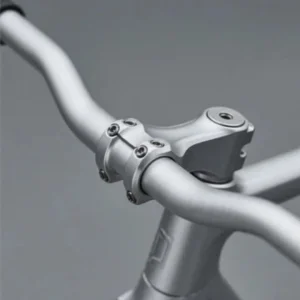
| Aluminum Alloys | Al 6061-T6, 7075-T6, 5052 | Chassis, Manifolds, Bicycle Bars | Ra 0.4 - 1.6 μm | ±0.005 mm |
| Stainless Steels | SS 303, 304, 316L, 17-4 PH | Nozzles, Fluid Connectors, Medical | Ra 0.2 - 0.8 μm | ±0.002 mm |
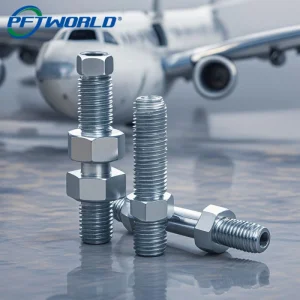
| Superalloys & Exotic | Titanium Gr 2/5, Inconel 718 | Aerospace Fasteners, Turbines | Ra 0.4 - 1.6 μm | ±0.008 mm |
| Plastics | POM (Delrin), PEEK, PTFE, PC | Electrical Insulators, Bushings | Ra 0.8 - 3.2 μm | ±0.015 mm |
| Copper & Brass | C36000 Brass, Oxygen-free Copper | Heat Sinks, Connector Terminals | Ra 0.2 - 0.8 μm | ±0.005 mm |
We provide transparent visibility into our manufacturing processes. Customers can access production logs and structural dimensional inspection records for their active orders.
Modern procurement strategies balance price competitiveness with supplier reliability, compliance, and supply chain security. For organizations sourcing precision components from China, managing these factors is essential for maintaining production schedules.
We work with buyers to establish clear stocking strategies, maintaining safety stock levels for raw materials and semi-finished parts to absorb shipping and logistics fluctuations.
Our export documentation matches international regulations. All shipments include detailed Harmonized System (HS) classifications, material origin declarations, and compliant commercial invoicing.
We track energy use, recycle raw material chips, and maintain standard workplace safety programs to align with our customers' sustainability requirements.
Detailed technical answers addressing common manufacturing, material, quality, and shipping inquiries.
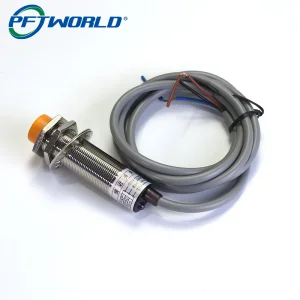
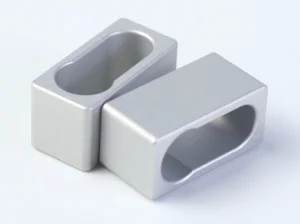
Explore the remainder of our engineered portfolio, highlighting specialized components for industrial machinery, sensors, and structural assemblies.
Our engineering and foreign trade teams are available 24/7. Contact one of our account managers to coordinate design reviews, material options, and initial pricing.