United Arab Emirates Industrial Sensorization & Automation Landscape
The United Arab Emirates (UAE) stands as the epicenter of industrial transformation and infrastructural innovation in the Middle East. Under strategic federal visions like Operation 300bn, the Abu Dhabi Industrial Strategy, and the Dubai Creative Economy Strategy, the country is shifting decisively towards smart factories, robotic warehousing, and green construction. In this highly sophisticated landscape, sensor switches serve as the foundational nervous system. From the high-heat, high-dust conditions of the industrial zones in ICAD (Abu Dhabi) and Jebel Ali (Dubai) to the temperature-controlled clean rooms of localized pharmaceutical manufacturing, procurement teams require sensor components that deliver both absolute precision and extreme environmental resilience.
For UAE-based contractors, automation integrators, and OEM purchasers, sourcing sensor solutions requires a nuanced understanding of local operating conditions. Temperatures regularly exceeding 50°C combined with high ambient humidity and airborne particulates require sensors with exceptional ingress ratings (IP67, IP68, and even IP69K) and low thermal drift coefficients. This document outlines the technological trajectories, procurement strategies, and supply chain realities for businesses seeking premium sensor switch manufacturers and competitive pricing structures.
Extreme Environment Endurance
Components engineered to withstand dry desert heat, coastal salinity, and sand ingress without calibration loss.
Estidama & Al Sa'fat Compliance
Supporting energy efficiency mandates in UAE smart buildings via occupancy sensing and HVAC automation switches.
Integrated IIoT Compatibility
Sensors featuring NPN/PNP options, IO-Link connectivity, and Modbus/BACnet readiness for next-gen UAE smart facilities.
Technological Roadmap: The Evolution of Industrial Sensing in the GCC
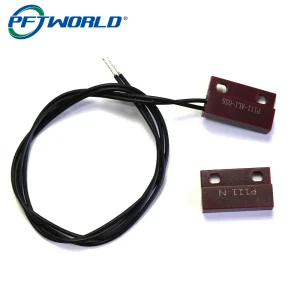
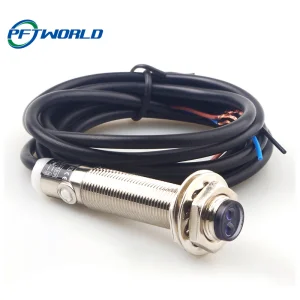
The Gulf Cooperation Council (GCC) automation market is moving beyond basic binary switching to dynamic data acquisition. Standard inductive proximity switches and infrared retro-reflective barriers are now expected to supply telemetry back to unified SCADA networks and Edge controllers. The transition roadmap involves three key pillars:
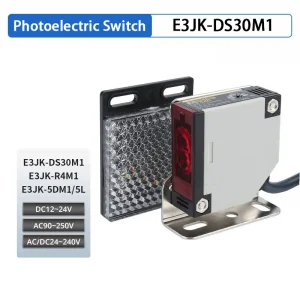
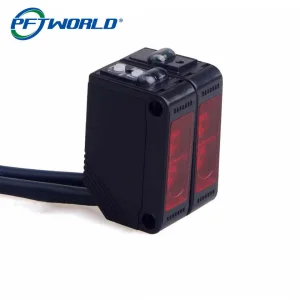
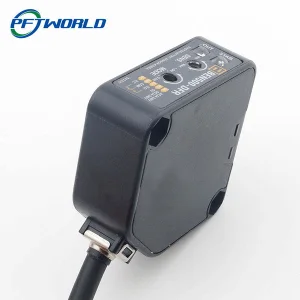
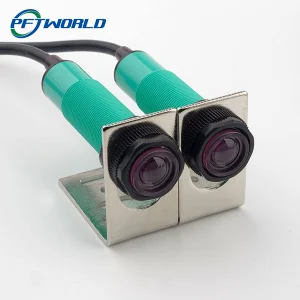
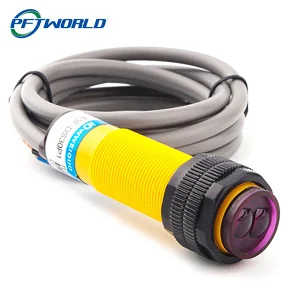
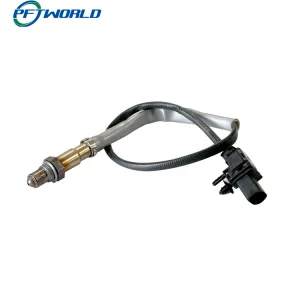
1. Multi-spectral and High-frequency Sensing: Traditional photoelectric sensors are being upgraded to modulated laser beam switches that reject ambient glare from reflective metallic building designs typical in contemporary UAE construction. Similarly, wide-range gas sensors must maintain precision to meet the country's stringent Environmental Protection regulations.
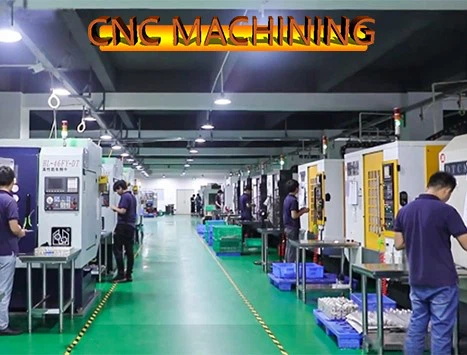
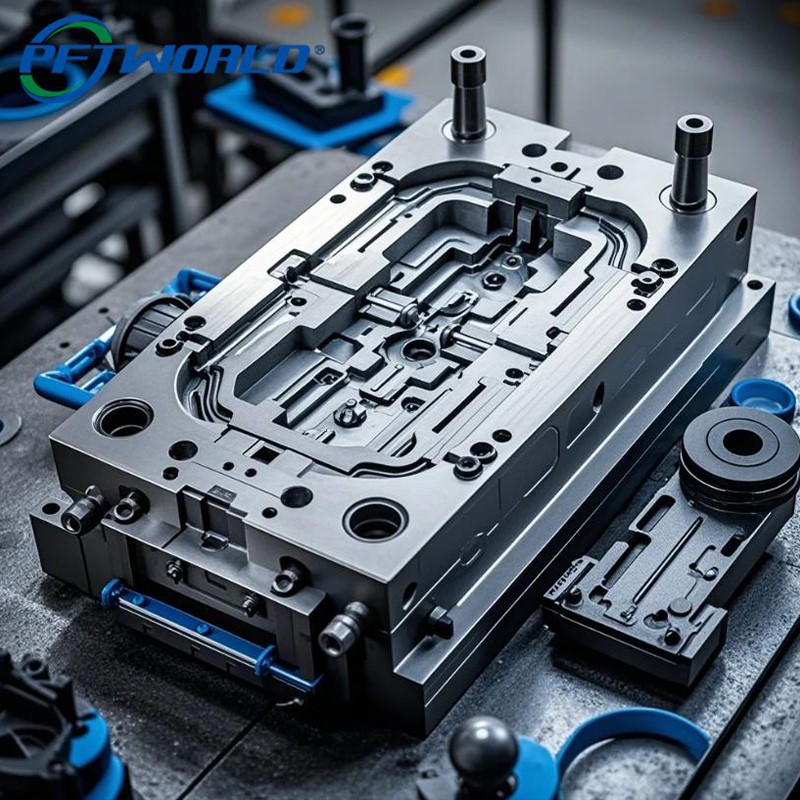
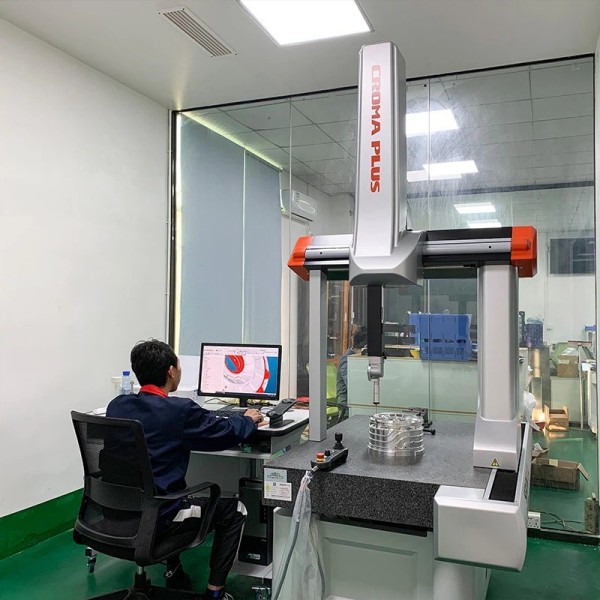
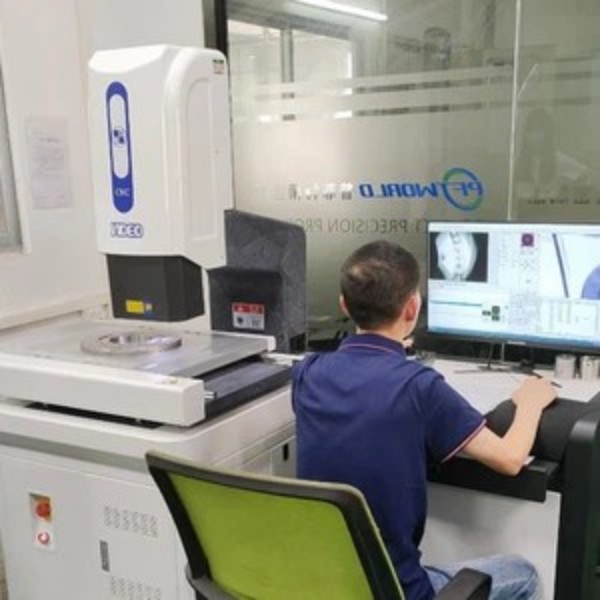
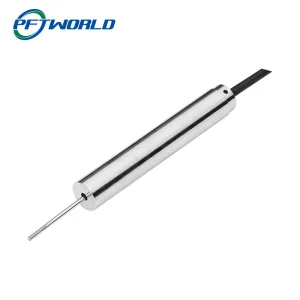
2. Micro-machined Sensor Enclosures: Sensor lifetime is directly linked to structural casing integrity. High-precision CNC milled custom sensor housings, manufactured with tolerances down to +/- 0.002 mm, protect fragile internal optics and electronics from thermal expansion stresses and corrosive marine salt spray near coastal industrial ports.
3. Low-Power Wireless Node Integration: As retrofitting existing oil and gas infrastructures or vast logistics warehouses in Dubai South becomes key, low-power sensing switches that communicate through Zigbee or LoRaWAN protocols are minimizing cabling costs and deployment times.