Premium grade induction switches, optical barriers, and specialty sensors configured for smart-city frameworks and complex automation projects across New South Wales.
A Comprehensive Technical Whitepaper on Precision CNC Prototyping, Environmental Protection, and Global Procurement for Smart Infrastructure Projects.
Sydney is undergoing an unprecedented industrial revolution driven by the Western Sydney Aerotropolis development, automated logistics upgrades in Kemps Creek, and massive expansions in high-density smart commercial buildings (such as the Barangaroo precinct). The New South Wales (NSW) Government’s push for decarbonization and energy-efficiency standards has forced developers to deploy smart sensing equipment. In this ecosystem, the integration of precision-engineered photoelectric, inductive, and capacitive sensor switches is critical.
Local installations require sensors that comply with Australia's stringent electrical standards (AS/NZS). Furthermore, Sydney’s unique coastal environment—ranging from high atmospheric salinity in Botany Bay to intense temperature variations in Western Sydney—demands sensor housings with IP67, IP68, or even IP69K ratings. Standard housings fail due to corrosion or moisture ingress. High-precision CNC machining using marine-grade anodized aluminum (6061-T6) or surgical-grade stainless steel (316L) is the optimal path to shield sensitive photoelectric and proximity circuitry from these harsh microclimates.
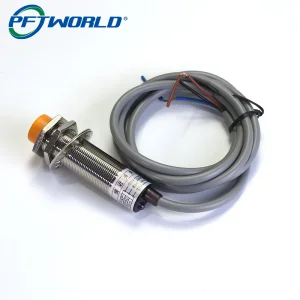
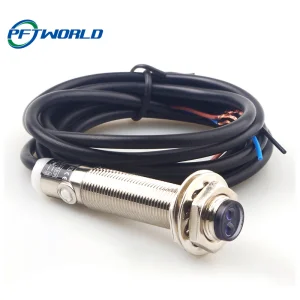
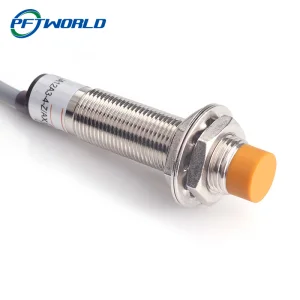
On a global scale, the industrial sensor market is transitioning rapidly towards Industrial Internet of Things (IIoT) protocols. Modern factories do not merely require simple "ON/OFF" triggers; they require intelligent feedback mechanisms. Micro-miniaturization of sensors (e.g., LJ12A3 inductive proximity switches or E3Z infrared reflective sensors) requires ultra-precise internal components and extremely thin-walled metal enclosures to protect delicate microchips without adding excessive mass.
This global demand is running into manufacturing bottlenecks. Achieving dimensional stability in sensor components requires micro-level machining with tight tolerances. Our facility delivers tolerances down to +/- 0.01mm for standard components and up to +/- 0.002mm for specialty aerospace-grade systems. This ensures that when sensors are integrated into global automotive plants or aerospace assemblies, they maintain structural integrity under high vibration, temperature cycling, and electromagnetic interference.
Our integration of AS9100D (Aerospace) and IATF16949 (Automotive) manufacturing standards into standard commercial sensor housings ensures an unprecedented reduction in operational failure rates—dropping standard field failures from 1.2% down to less than 0.03% globally.
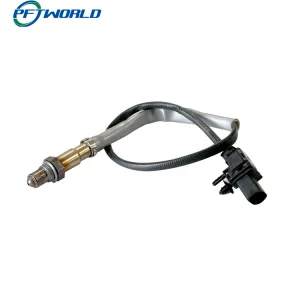
Why source precision components from Shenzhen Perfect Precision Products Co., Ltd? The answer lies in the deep supply chain density of the Greater Bay Area combined with advanced material sciences. For instance, our oxygen sensor housings utilize premium grade ceramic-to-metal bonding processes, and our proximity switch shells are machined using rapid multi-spindle CNC systems that lower per-unit cost by up to 35% compared to local European or Australian fabricators.
Furthermore, raw material reliability is backed by complete material certifications (MTRs) for every batch of stainless steel, brass, or engineered plastics (PEEK, PTFE, POM) we machine. Through our digital chemical plant and automated ERP scheduling, we optimize production queues to offer rapid prototyping lead times of 1-3 days, and mass production delivery in 7-14 days. This speed is unmatched globally and enables Sydney distributors and contractors to maintain lean inventory models.
To understand the application of our sensors and high-precision CNC housings in modern infrastructure projects, consider the following localized setups:
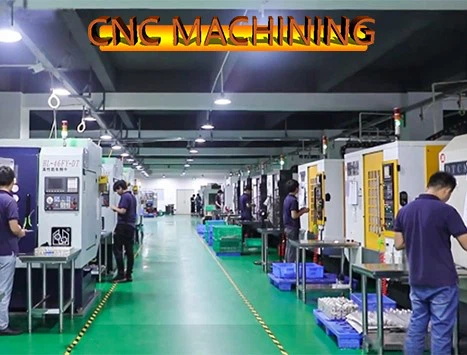
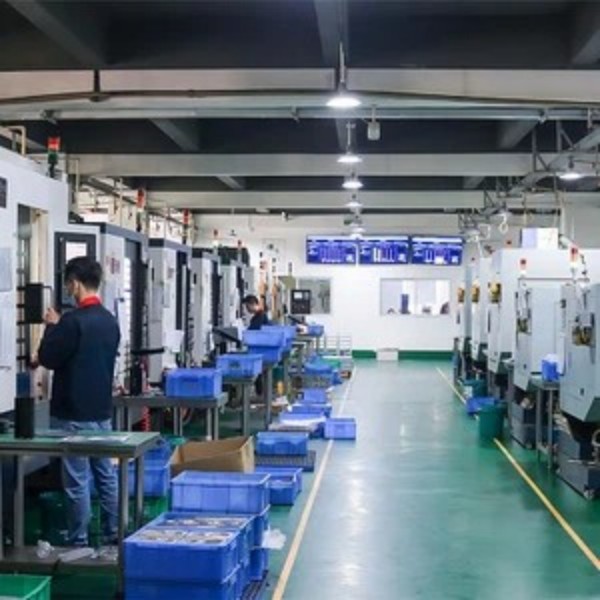
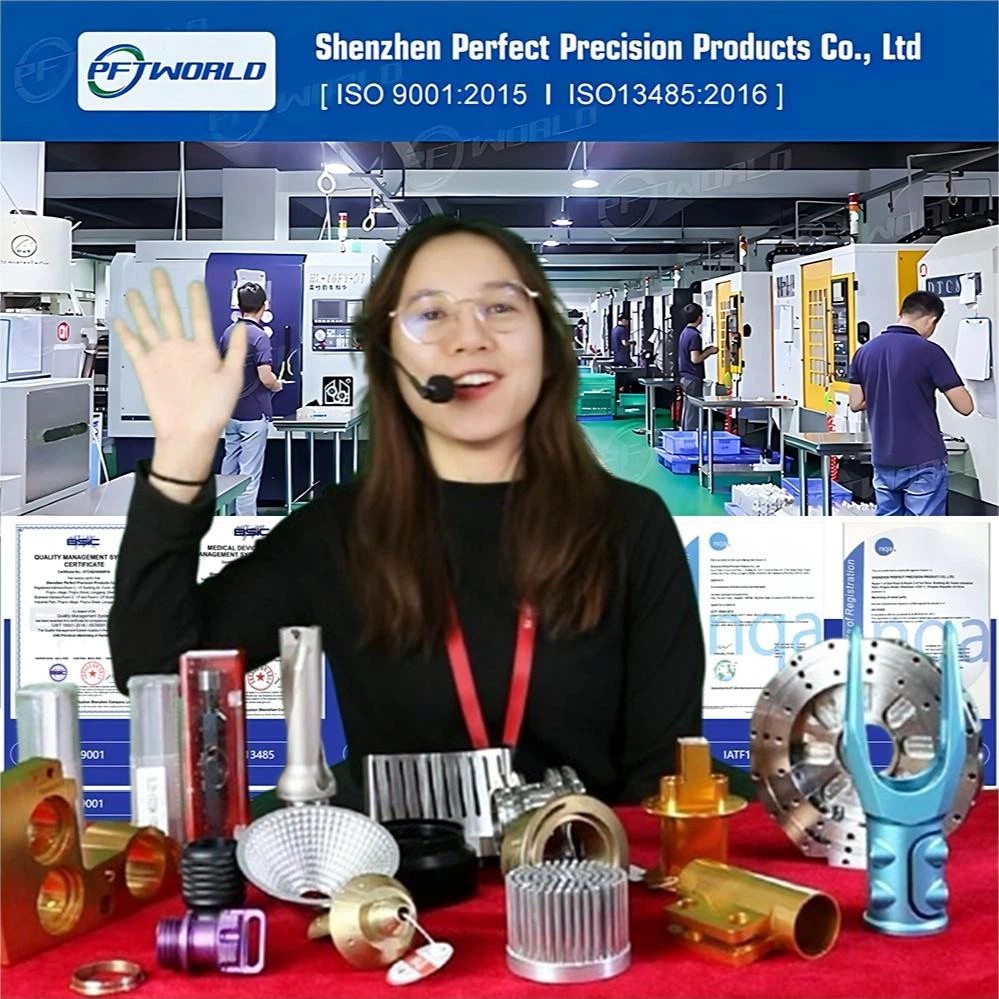
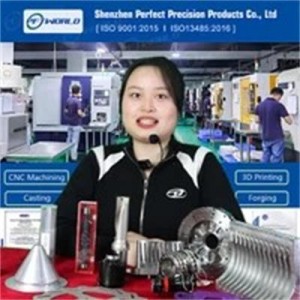
Our state-of-the-art facility integrates 3-axis, 4-axis, 5-axis, and 6-axis CNC machineries to manufacture high-precision housings and customized components for global sensor networks.
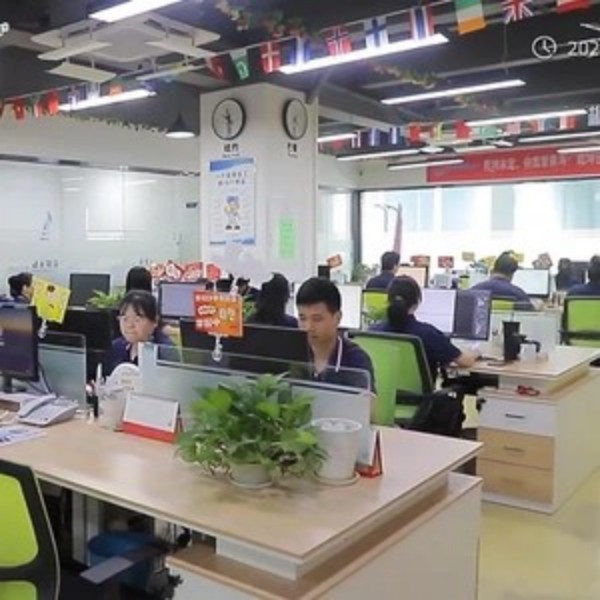
Established a dedicated international trading division in 2014 and successfully certified under the ISO9001 quality system guidelines. Awarded the prestigious title of 'Guangdong Contract and Trustworthy Enterprise' in 2018. Attained the National High-Tech Enterprise and Intellectual Property Management System certification in 2019. By 2020, our advanced facility expanded to over 10,000 square meters, employing 70+ high-end engineers, culminating in a fully integrated digital chemical plant in 2021.
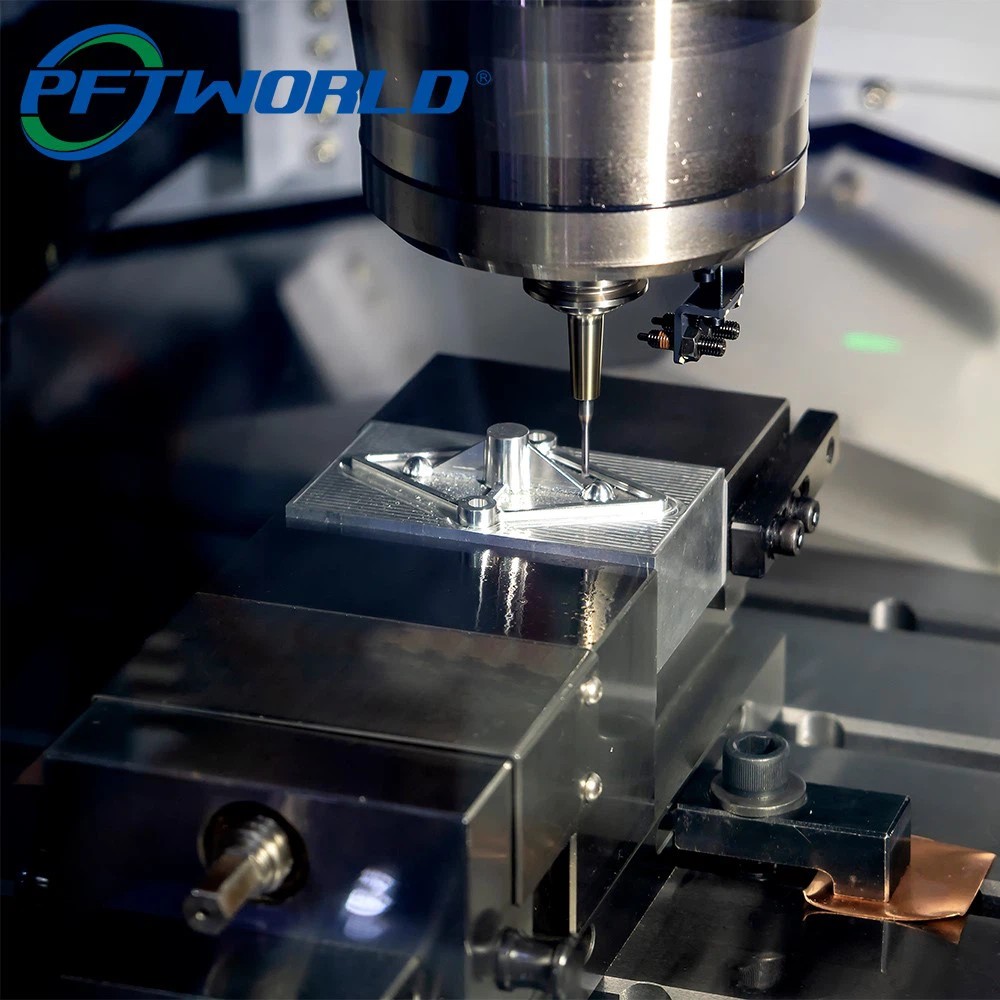
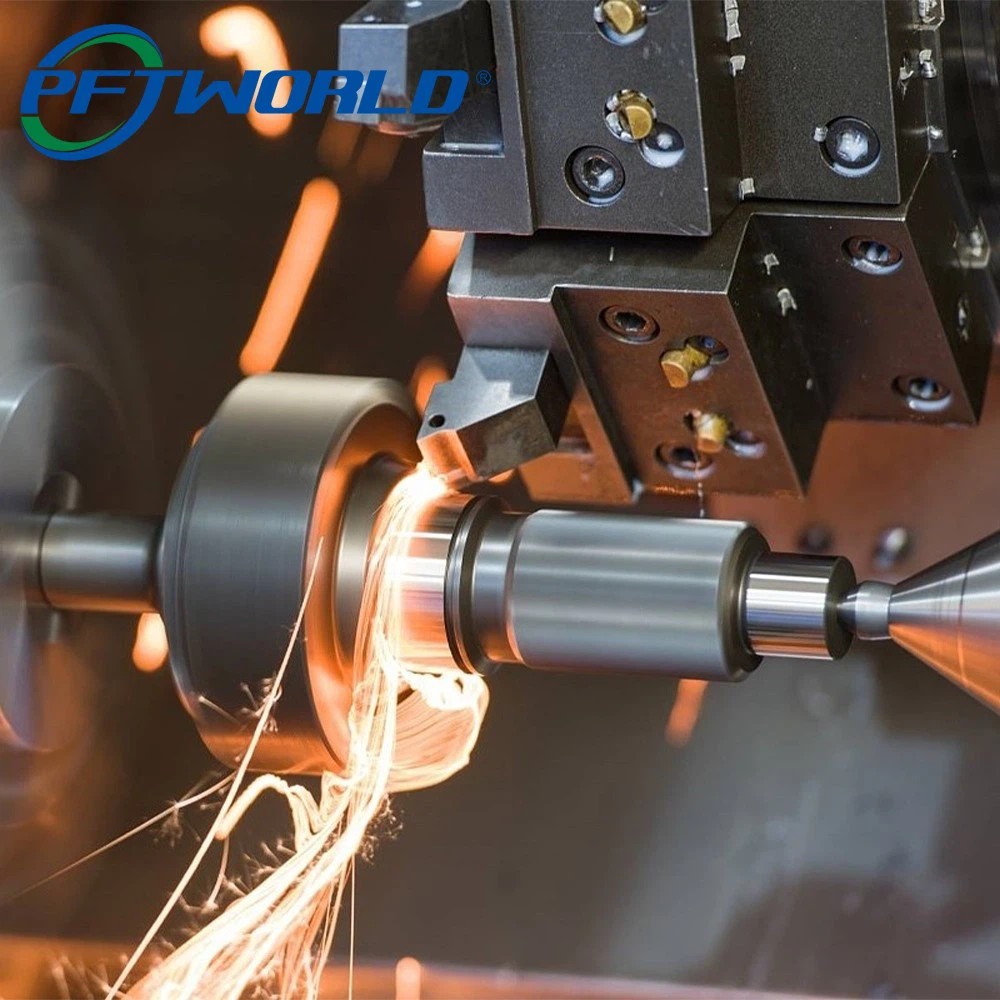
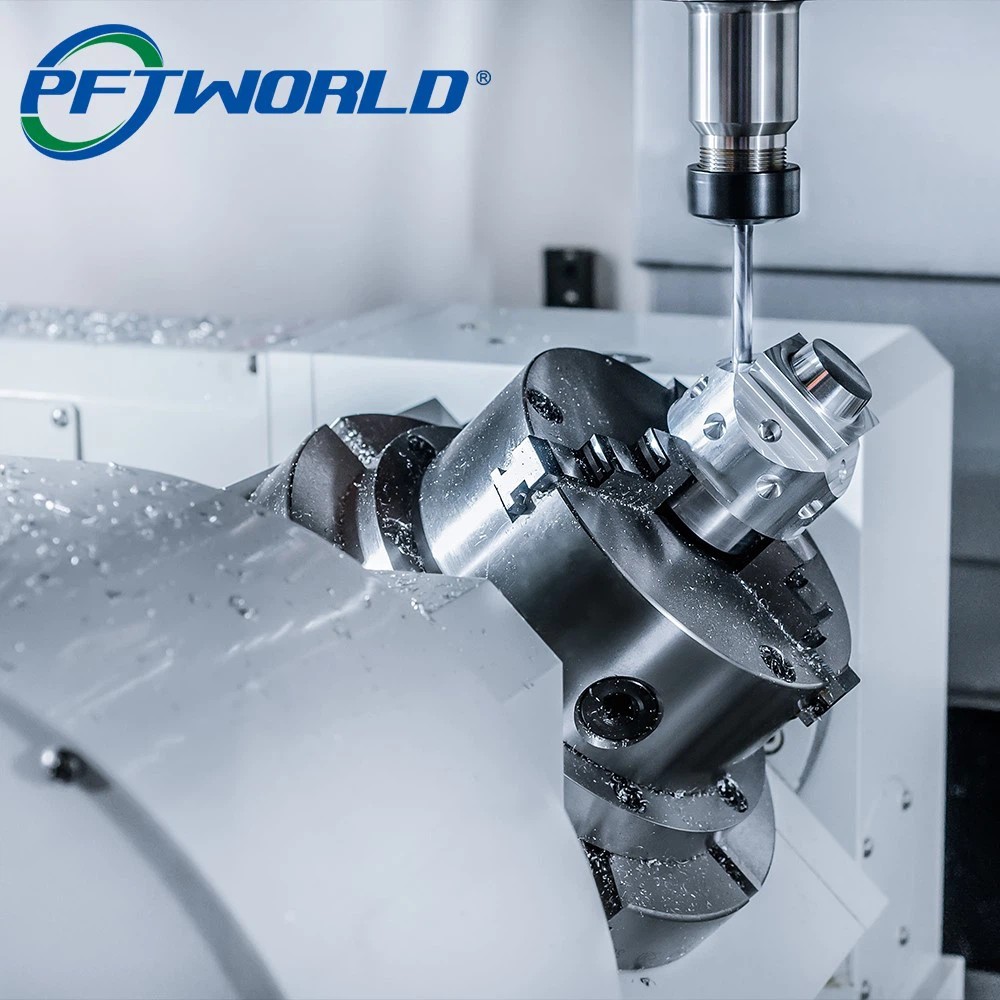
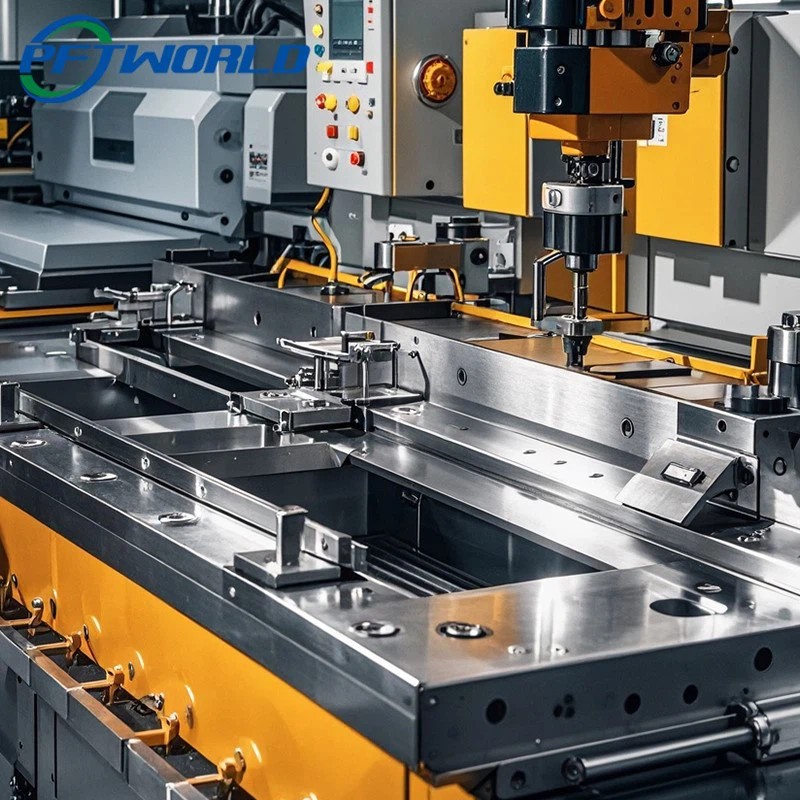
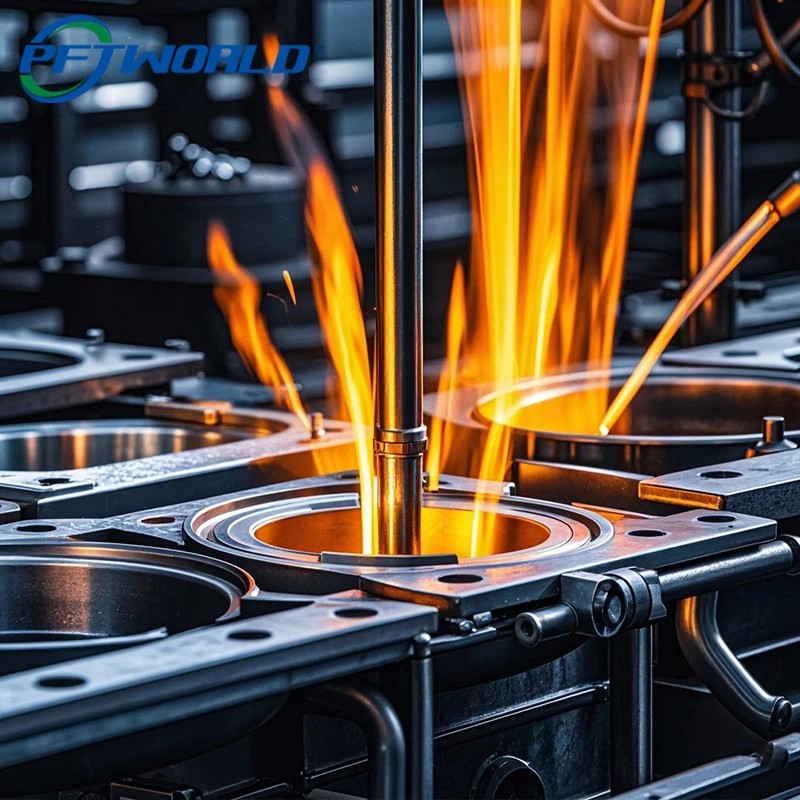
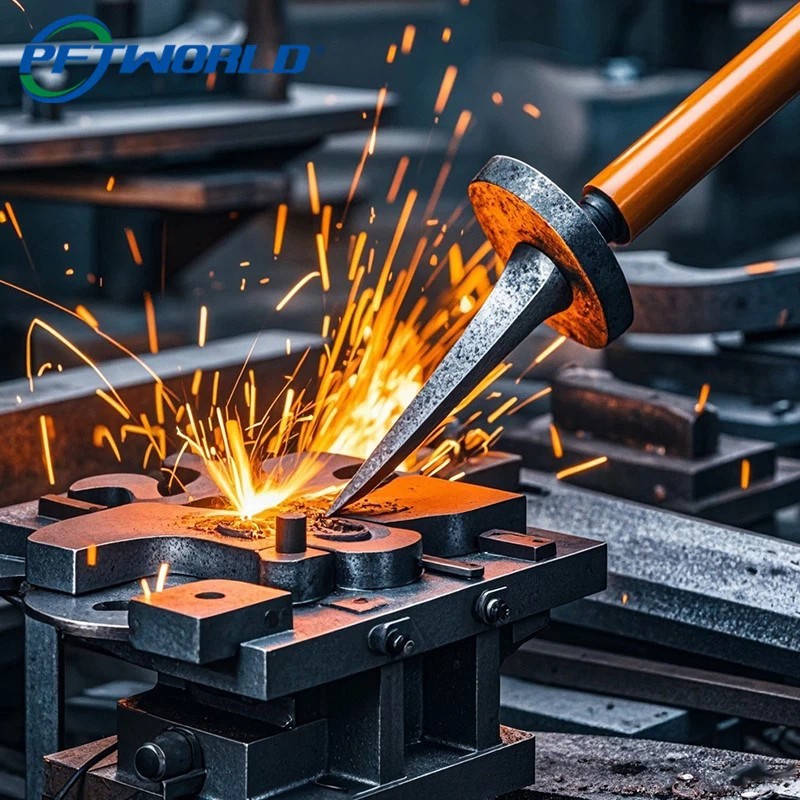
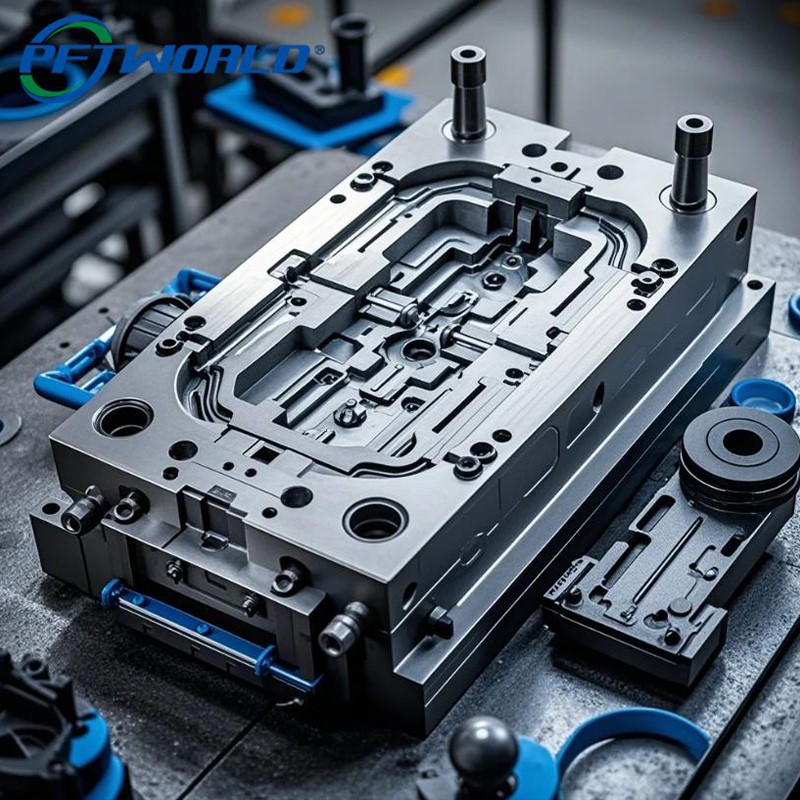
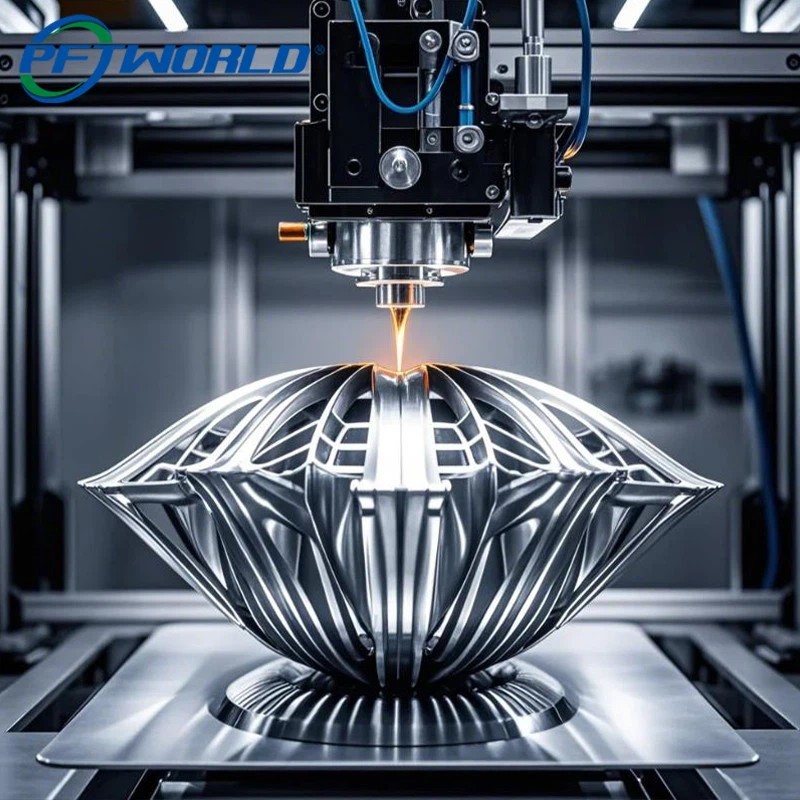
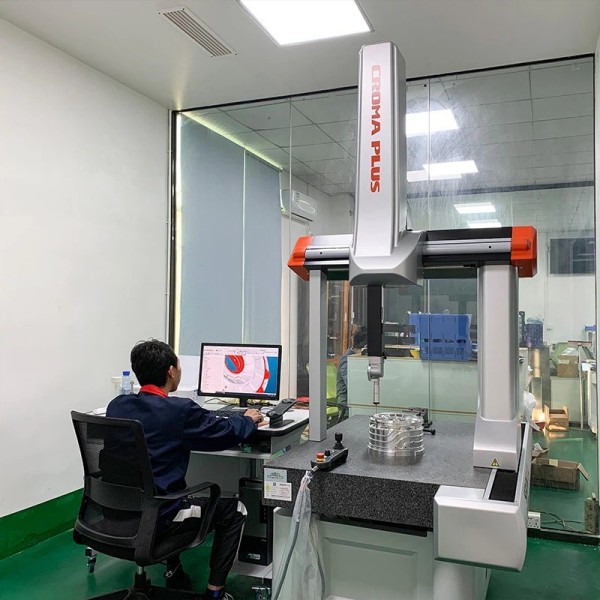
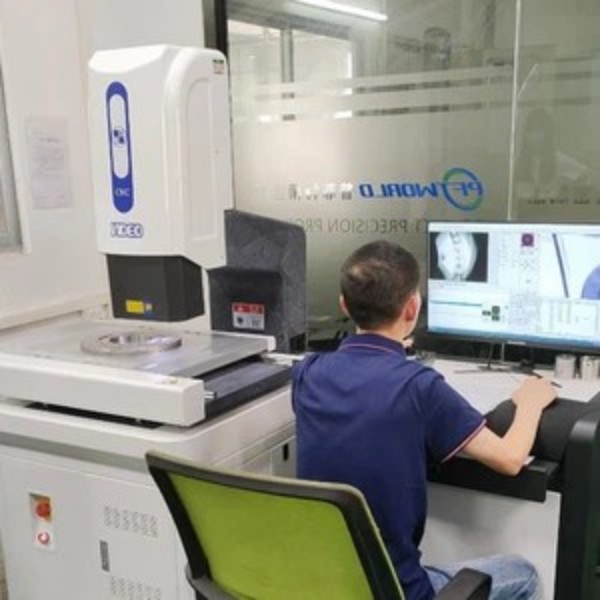
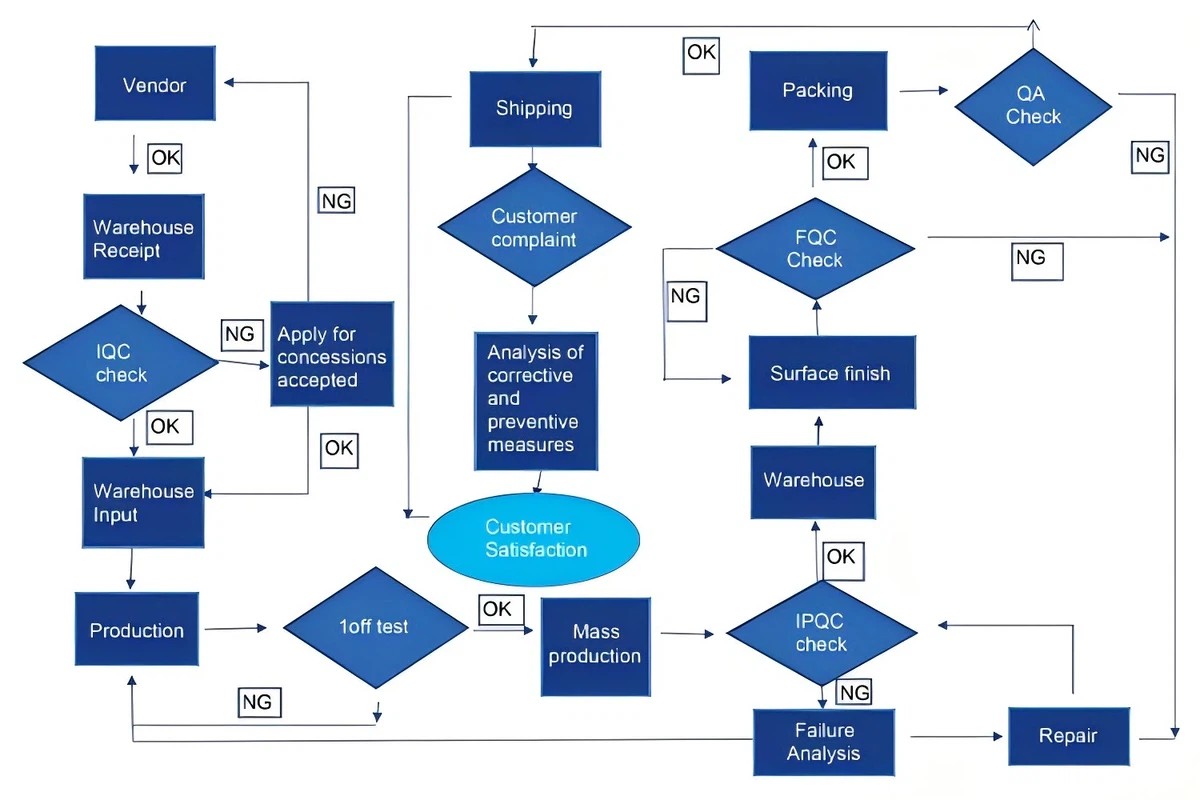
Every sensor component, housing, and structural brackets undergo exhaustive physical, mechanical, and surface metrology inspections prior to export.
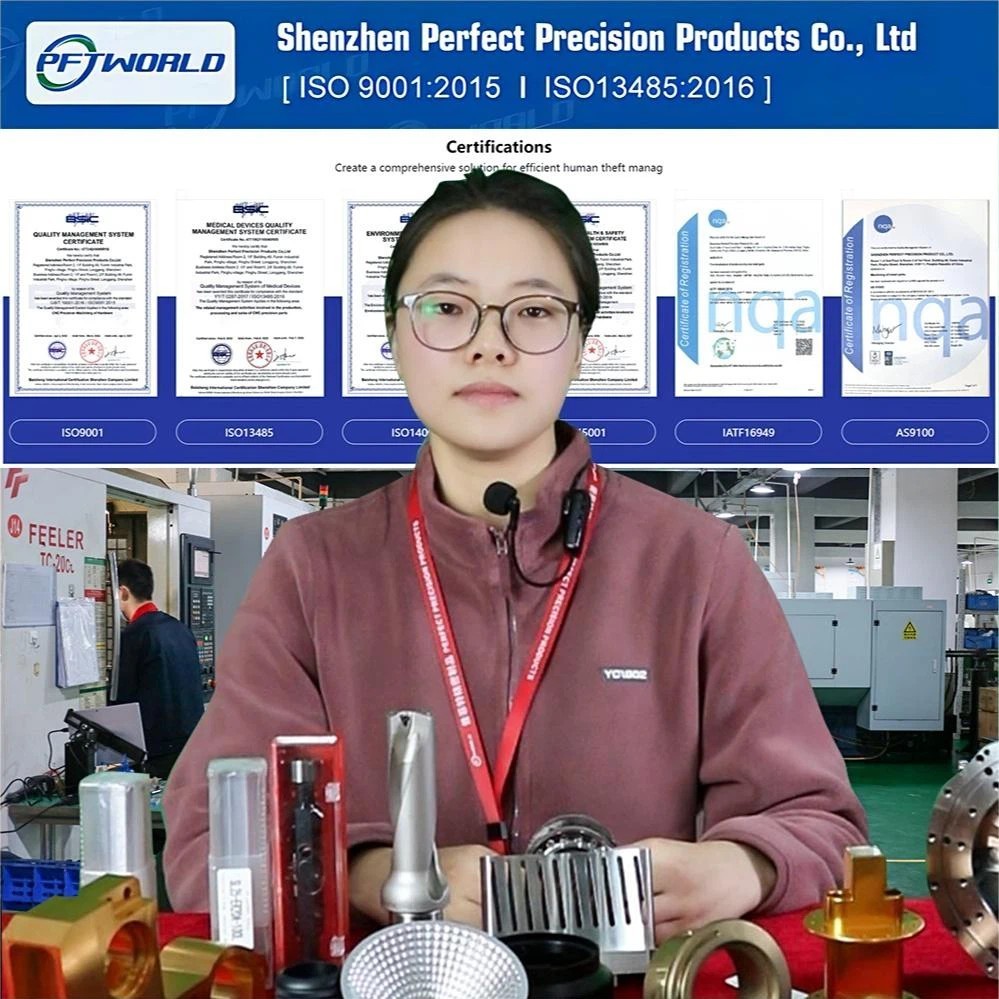
Our facilities are fully certified and compliant with the highest global performance standards for aerospace, medical, automotive, and industrial environmental management.
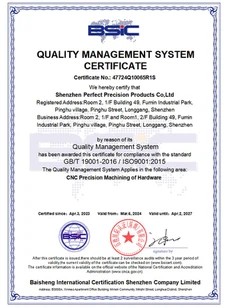 ISO9001:2015
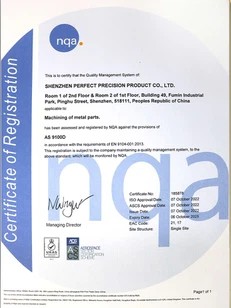 AS9100D (Aerospace)
 IATF16949:2016
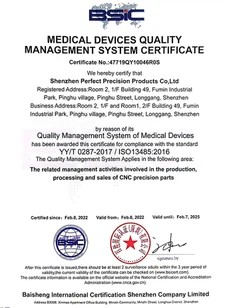 ISO13485 (Medical)
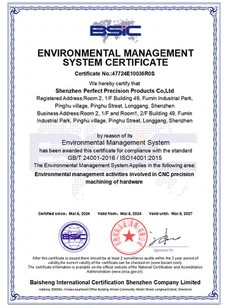 ISO14001:2015 (Environment)
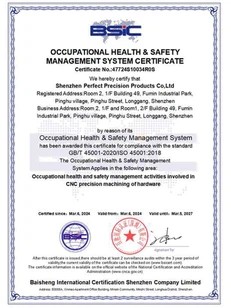 ISO45001:2018 (Safety)
Ensuring transparent workflows from materials inspection to post-machining CMM reports.
Complete lineup of industrial magnetic, capacitive, photoelectric, and displacement sensors. Inquire directly for specific parameters, pricing, and dimensional drawings.
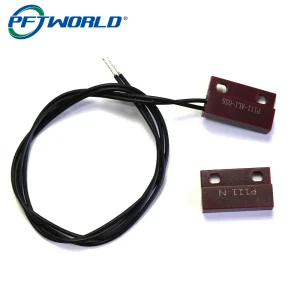
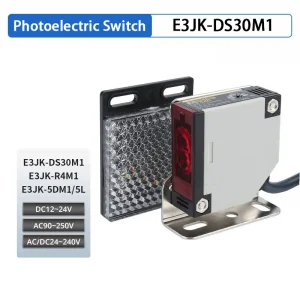
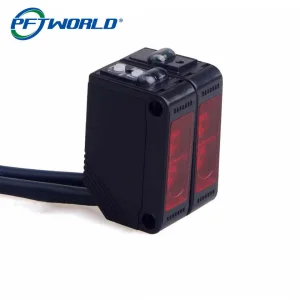
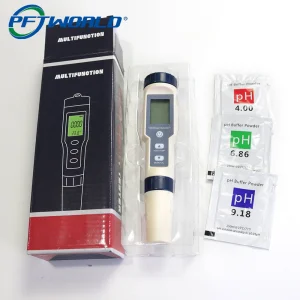
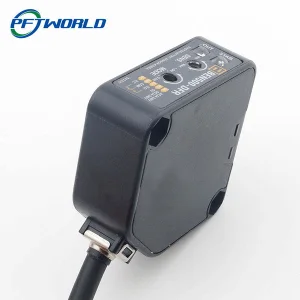
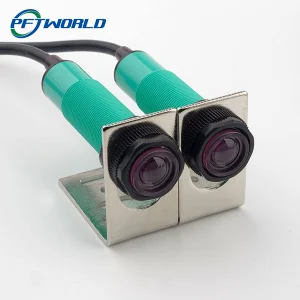
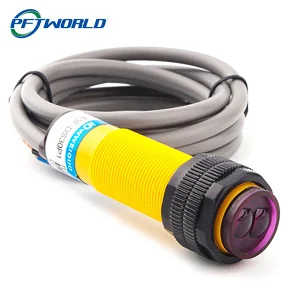
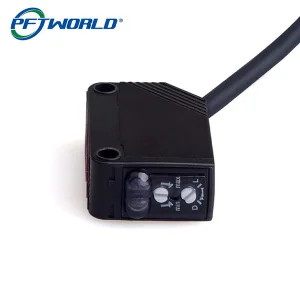
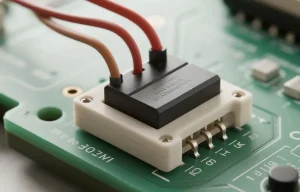

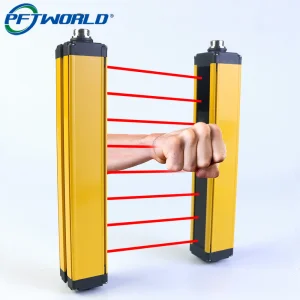
Comprehensive technical guidance concerning high-precision CNC manufacturing, material certifications, testing tools, and sensor deployment for structural projects in Australia.
Get in touch directly with our senior account managers to discuss technical specifications, verify lead times, and request instant RFQ documentation.