Explore our flagship lineup of industrial proximity switches, optoelectronic detectors, and high-tolerance CNC parts serving worldwide automated industries.
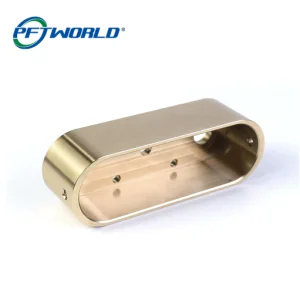
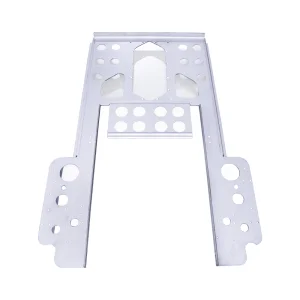
How modern proximity detection modules optimize workflow integrity across complex assembly paradigms.
Proximity sensors represent the central sensory network of industrial automation. As production systems evolve from static automation toward responsive, adaptive cyber-physical architectures, the demand for high-reliability, zero-contact detection becomes absolute. Operating without physical contact, these components prevent mechanical wear, guarantee high response speeds, and withstand extreme ambient conditions. Choosing the right technology requires an understanding of the physics governing proximity detection.
Employs high-frequency electromagnetic fields to detect metallic targets. Built-in oscillators generate a localized eddy-current load on the target's surface, triggering a change in amplitude that switches the sensor state. Unaffected by dust, humidity, or non-metallic build-up.
Utilizes electrostatic field variations to sense metallic and non-metallic substances, including liquids, grain, and plastics. The sensing face acts as one plate of a capacitor; the target acts as the other, shifting total capacitance to trigger circuit switching.
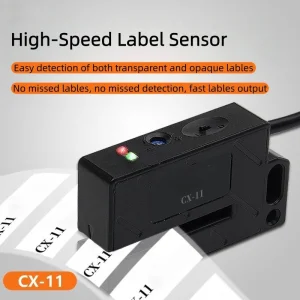
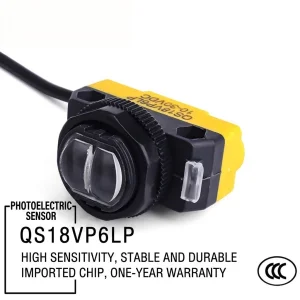
Leverages light beams (visible red or infrared) combined with receiver elements. By monitoring beam interruption (through-beam), bounce-back (retro-reflective), or surface reflection (diffuse reflective), they achieve long detection ranges up to several meters.
For modern smart factories, selecting a sensor exporter requires verifying raw performance statistics. Key operational metrics include:
Analyzing the vertical integration, material supply chains, and manufacturing efficiency of China's premier tech hub.
Sourcing automation hardware requires balancing production costs with tight quality controls. Shenzhen, China, stands as the global epicentre of electronic engineering and precision hardware manufacturing. Factories located within this hub offer a unique combination of high-tech production capabilities and robust supply chain integration.
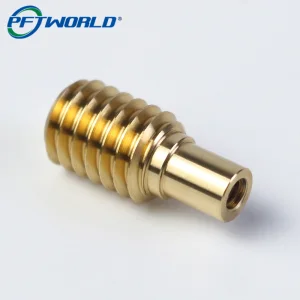
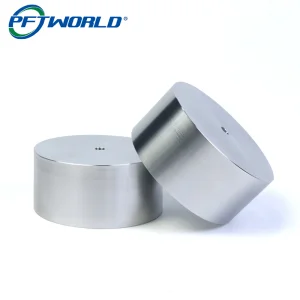
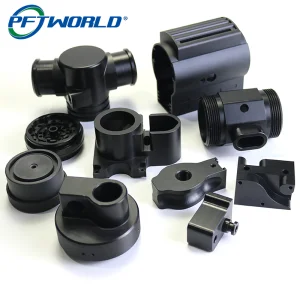
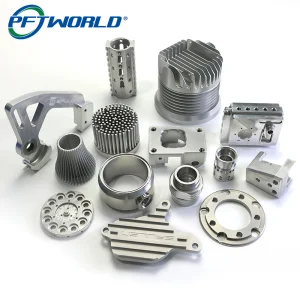
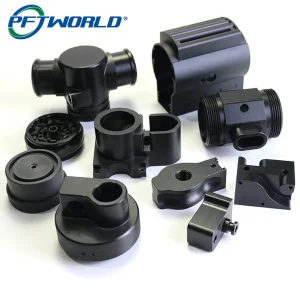
By housing delicate sensing electronics inside high-grade CNC-machined brass, anodized aluminum, or stainless steel components (often held to tight tolerances of +/- 0.01mm or +/- 0.002mm in critical areas), Chinese manufacturers guarantee long-term ingress protection and resistance to structural stress.
The manufacturing ecosystem in Shenzhen provides several key advantages:
High-Precision Custom CNC Machining & Integrated Sensor Component Solutions.
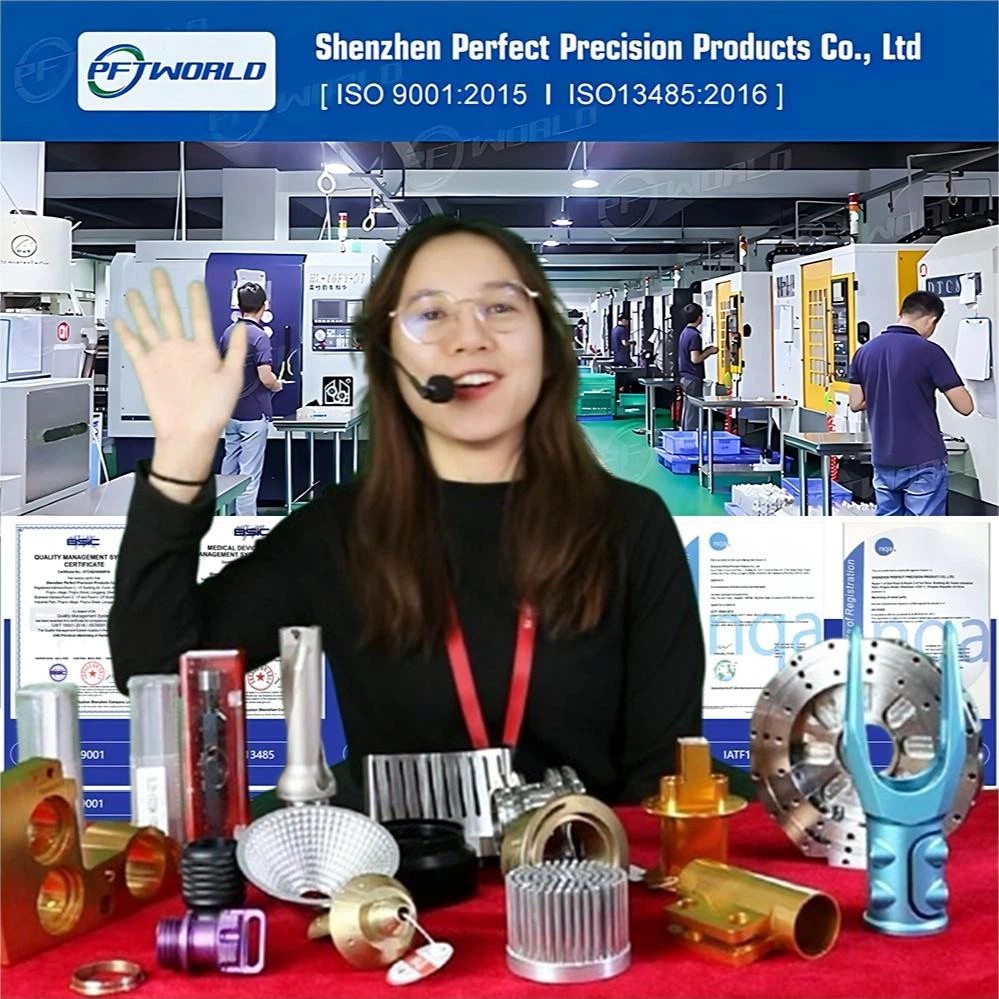
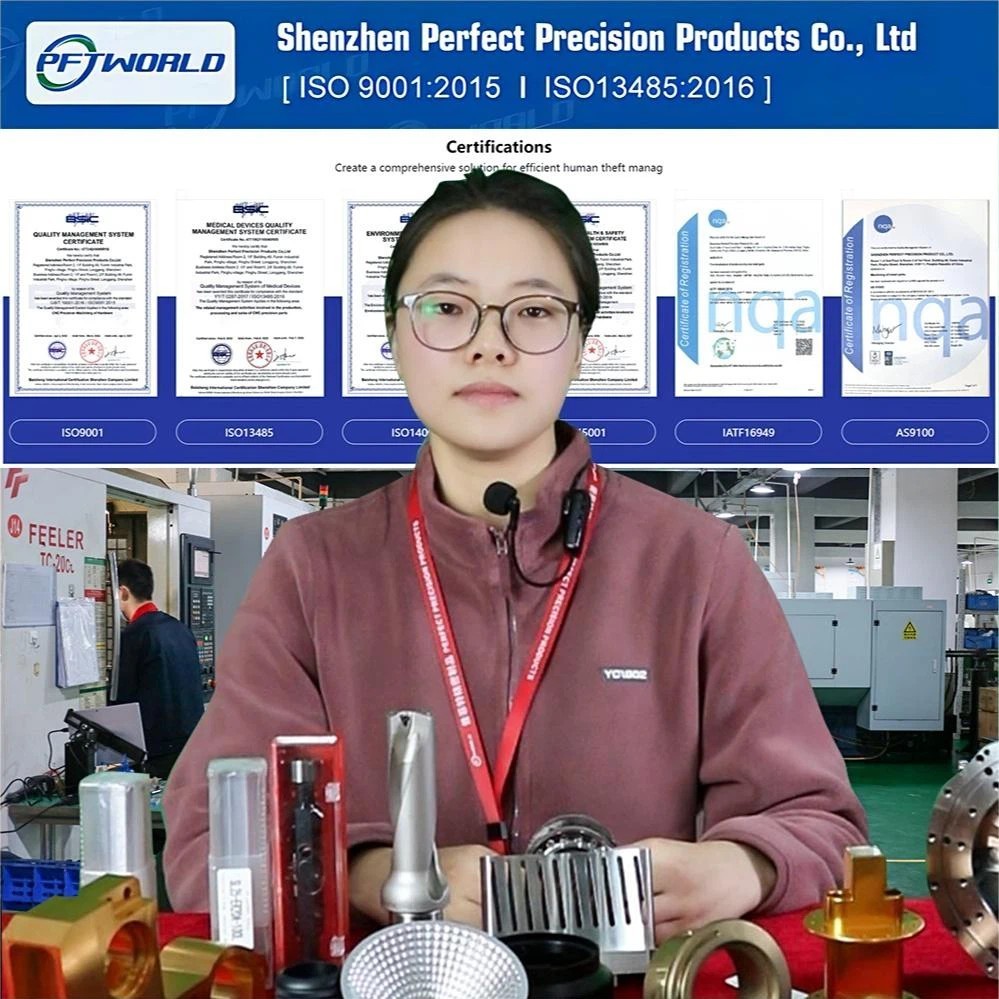
Established in 2014, Shenzhen Perfect Precision Products Co., Ltd has built a dedicated foreign trade division and obtained ISO9001 quality system certification. In 2018, we were recognized as a Guangdong Contract and Trustworthy Enterprise. In 2019, we completed certifications for both our high-tech enterprise designation and our intellectual property management systems.
By 2020, our state-of-the-art office and manufacturing facilities expanded to 10,000 square meters, supported by a specialized team of over 70 engineering and operation professionals. In 2021, we realized our digital chemical plant, connecting our production floor to smart ERP-driven data loops.
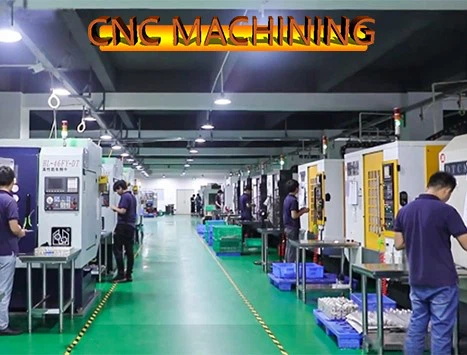
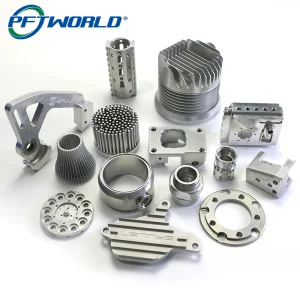
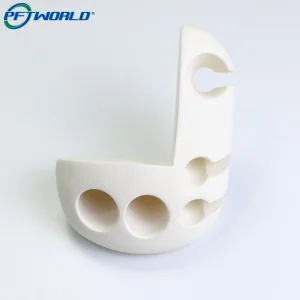
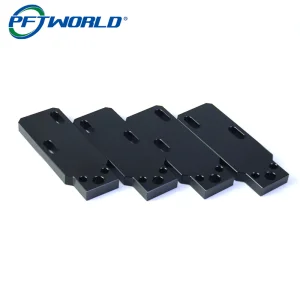
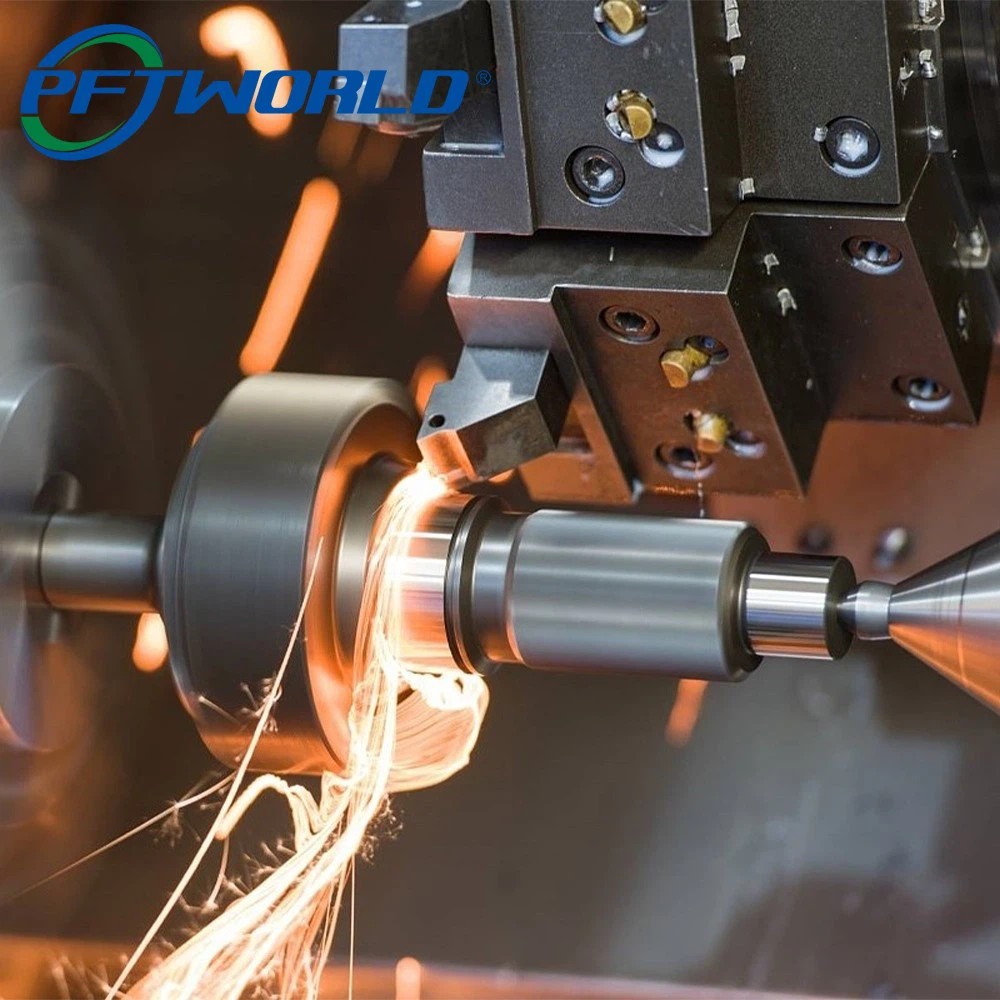
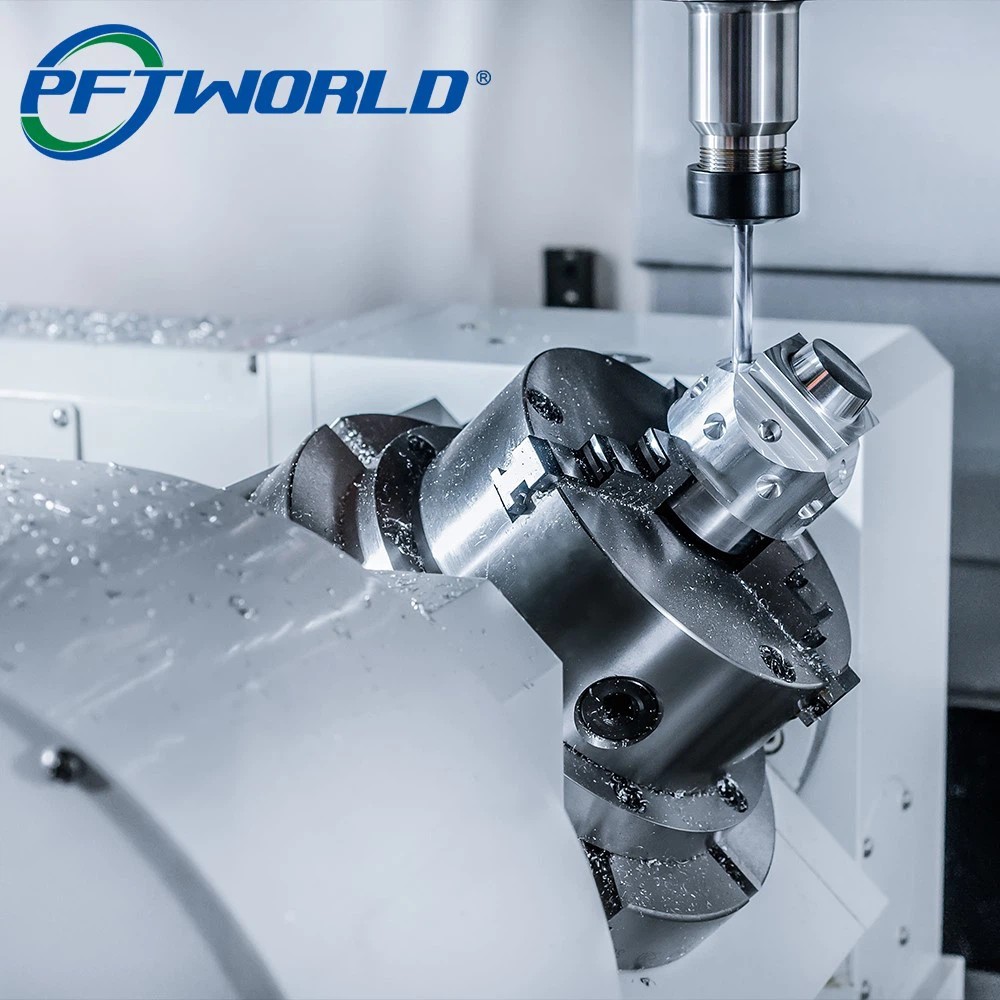
Our facility runs advanced multi-axis CNC machines to shape brass, aluminum, stainless steel, and specialty engineering plastics into complex component designs:
| Feature Parameter | Standard Tolerances | Special Tight-Tolerance Options |
|---|---|---|
| Linear Dimensions | +/- 0.01 mm | +/- 0.002 mm |
| Surface Roughness (Ra) | 0.8 to 3.2 μm | 0.1 μm (Precision ground/polished) |
| Multi-Axis Machinery Support | 3-Axis, 4-Axis | 5-Axis, 6-Axis CNC Centering |
| Prototype Sampling Time | 1 to 3 Days | Urgent validation protocols |
From single prototypes to long-run manufacturing cycles, we provide custom component solutions.
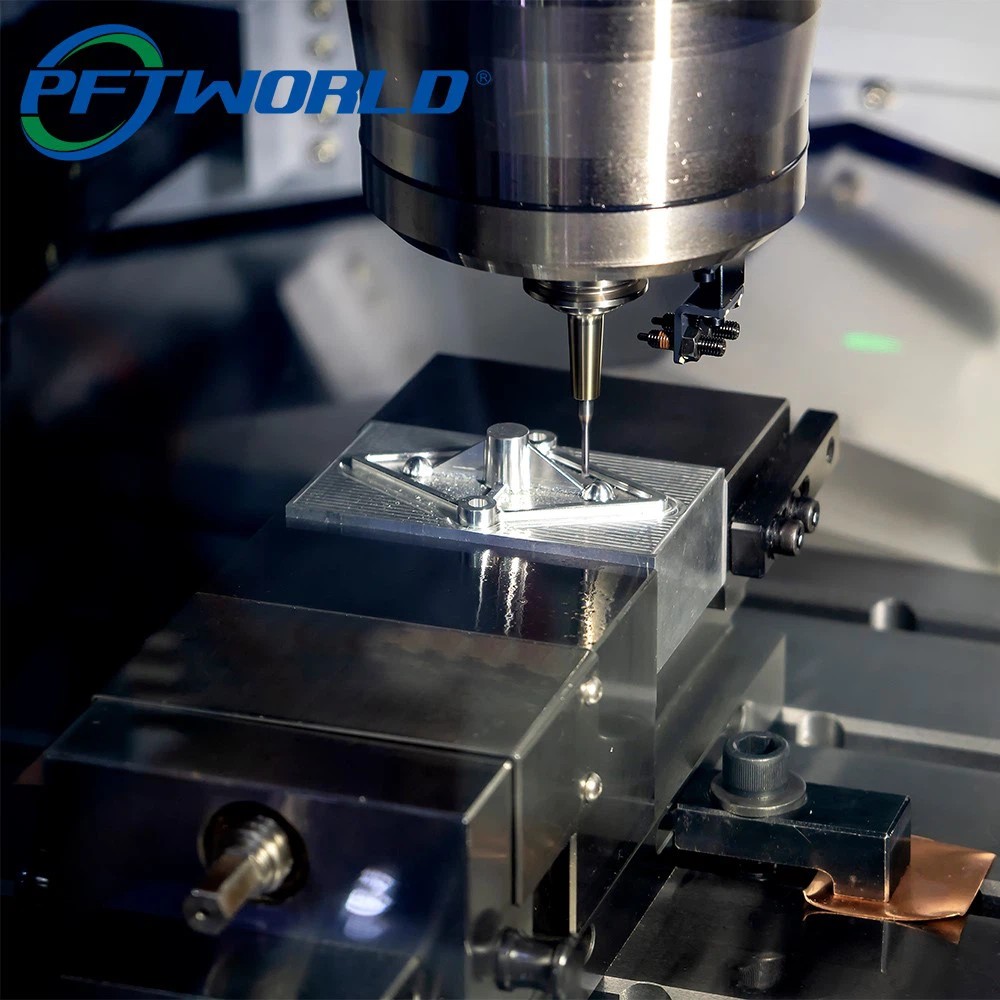
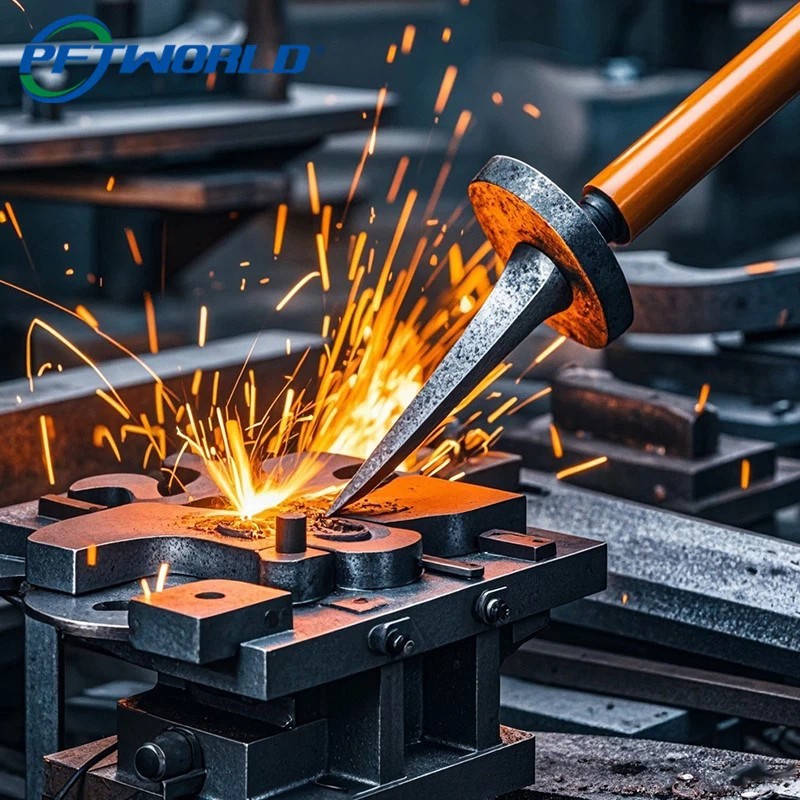
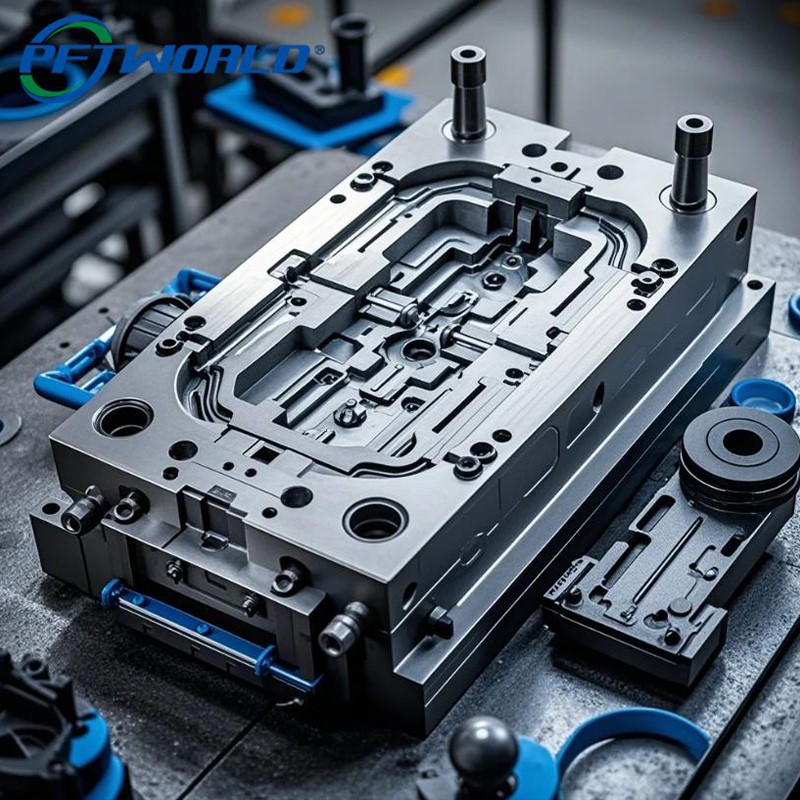
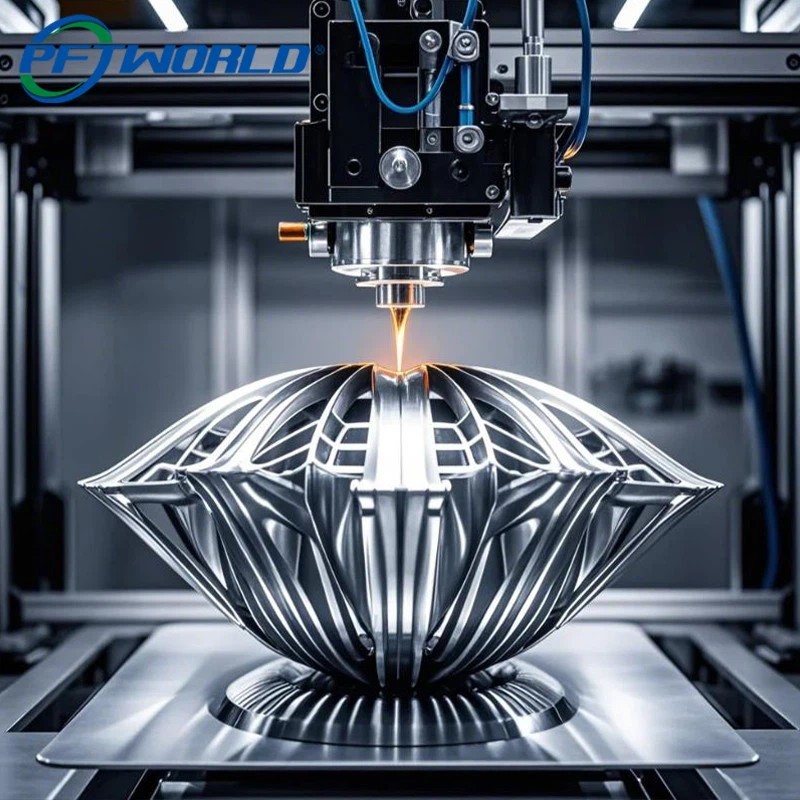
How we maintain zero-defect standards for international deliveries through ISO-certified workflows.
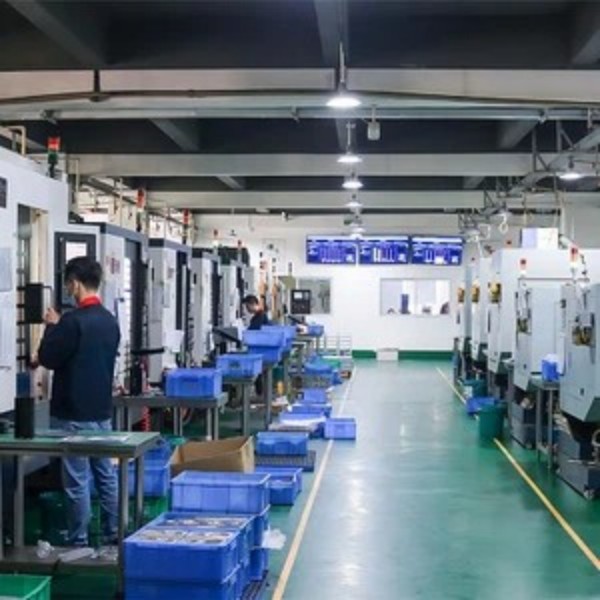
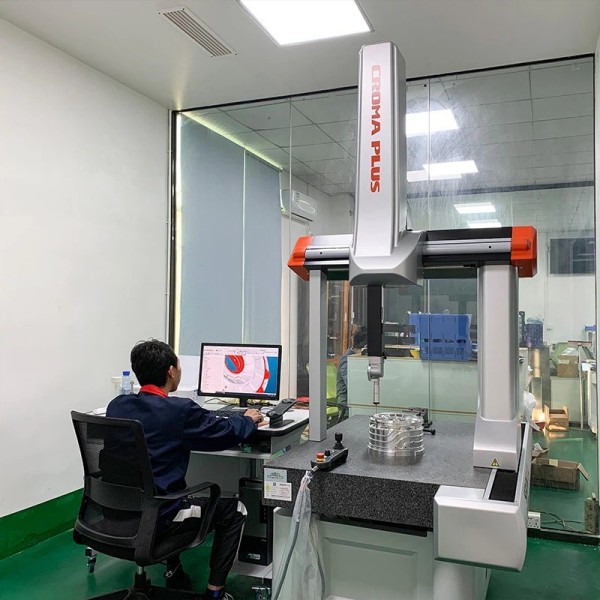
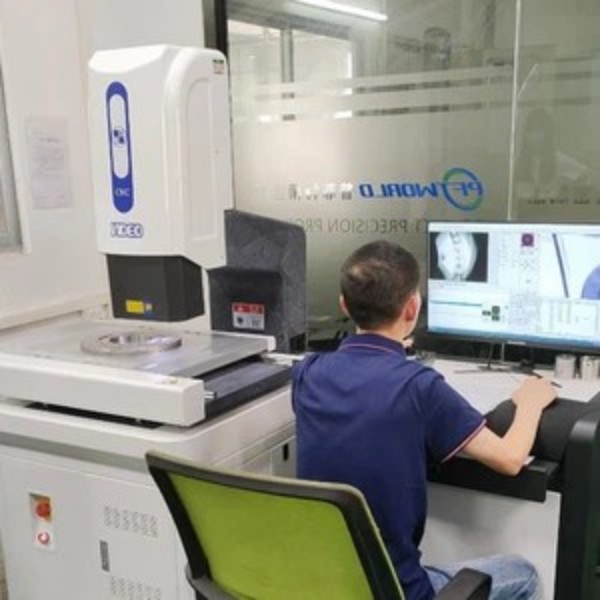

To ensure parts match your exact engineering drawings, our quality assurance team conducts verification at every stage of production: raw material analysis, first-article inspection (FAI), in-process checks, and final inspections before packaging. Operating CMM systems and optical comparators allows us to check complex configurations against 3D CAD files.
Integrating proximity sensors and CNC-machined components into major industry systems.
In high-speed robotic welding and paint lines, inductive sensors monitor clamp positions, conveyor tracks, and robotic arm articulation. Machining these components to tight tolerances prevents misalignments caused by thermal expansion or factory vibrations.
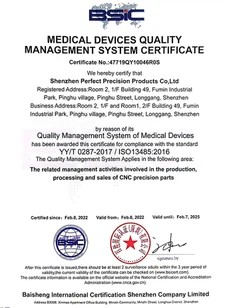
Medical instruments require high precision and bio-compatible components. Our ISO13485-certified machining services provide parts for scanning systems and liquid handling systems, where capacitive and optical sensors monitor fluid levels and mechanical positioning without contamination risk.
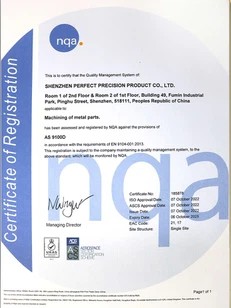
Operating under AS9100D control protocols, we manufacture parts for aerospace systems. In these environments, sensors detect landing gear deployment and control surface angles under extreme pressure and temperature shifts.
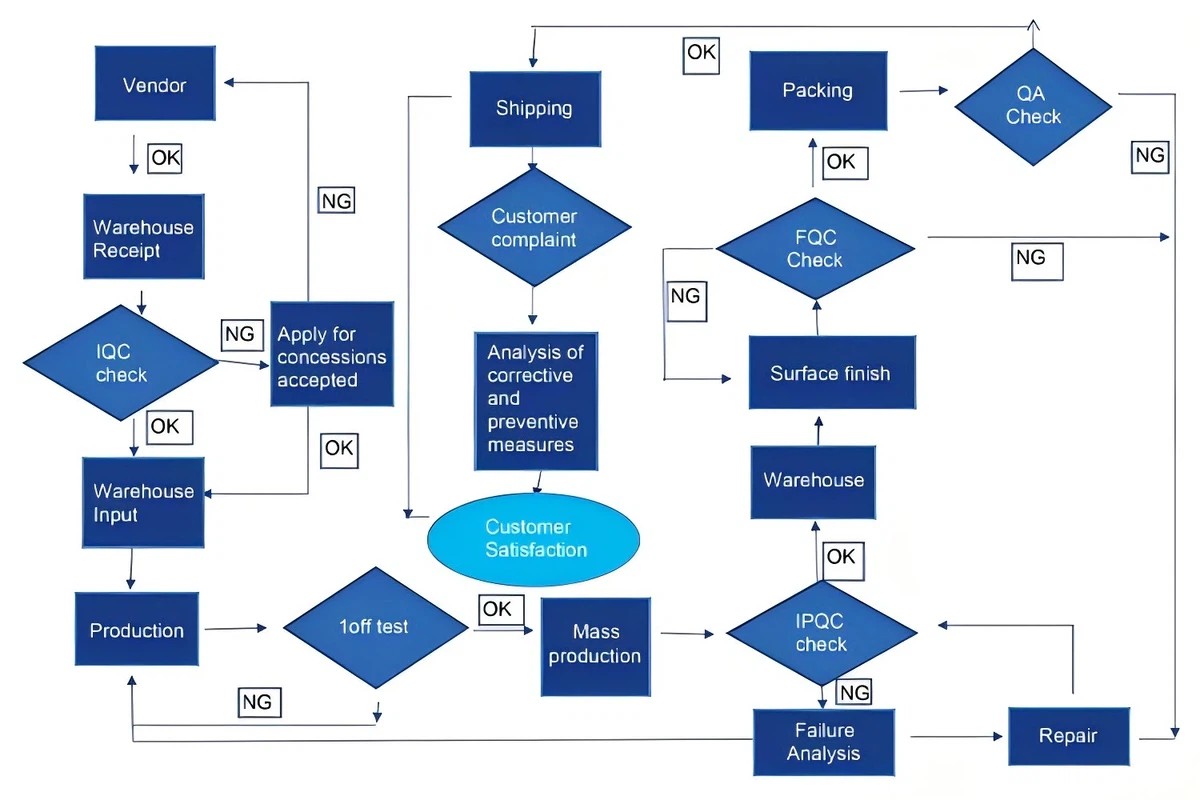
Visual Production Floor: Real-time monitoring of custom components from CAD setup to finished parts.
Key steps for procurement managers to ensure quality, cost efficiency, and timely delivery.
When procurement managers source automation components and custom CNC parts globally, managing supply chain risk is a primary focus. Keep these steps in mind to evaluate vendor suitability:
Answers to common technical, design, and supply chain questions.
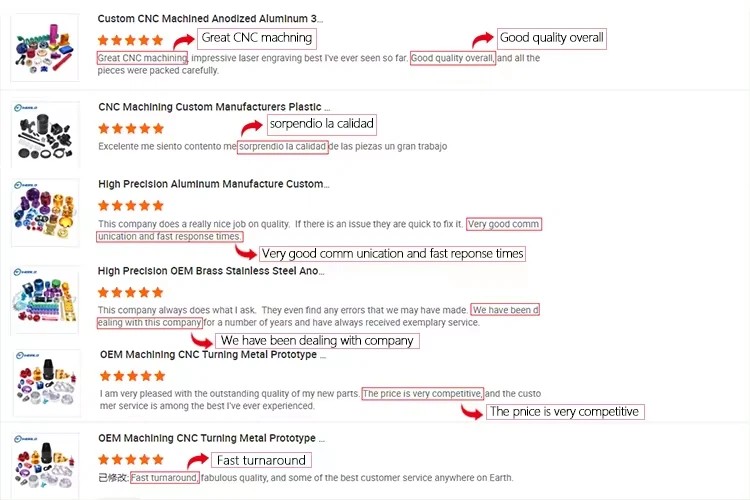
We maintain open communication channels and share real-time visual progress checks with our global partners.
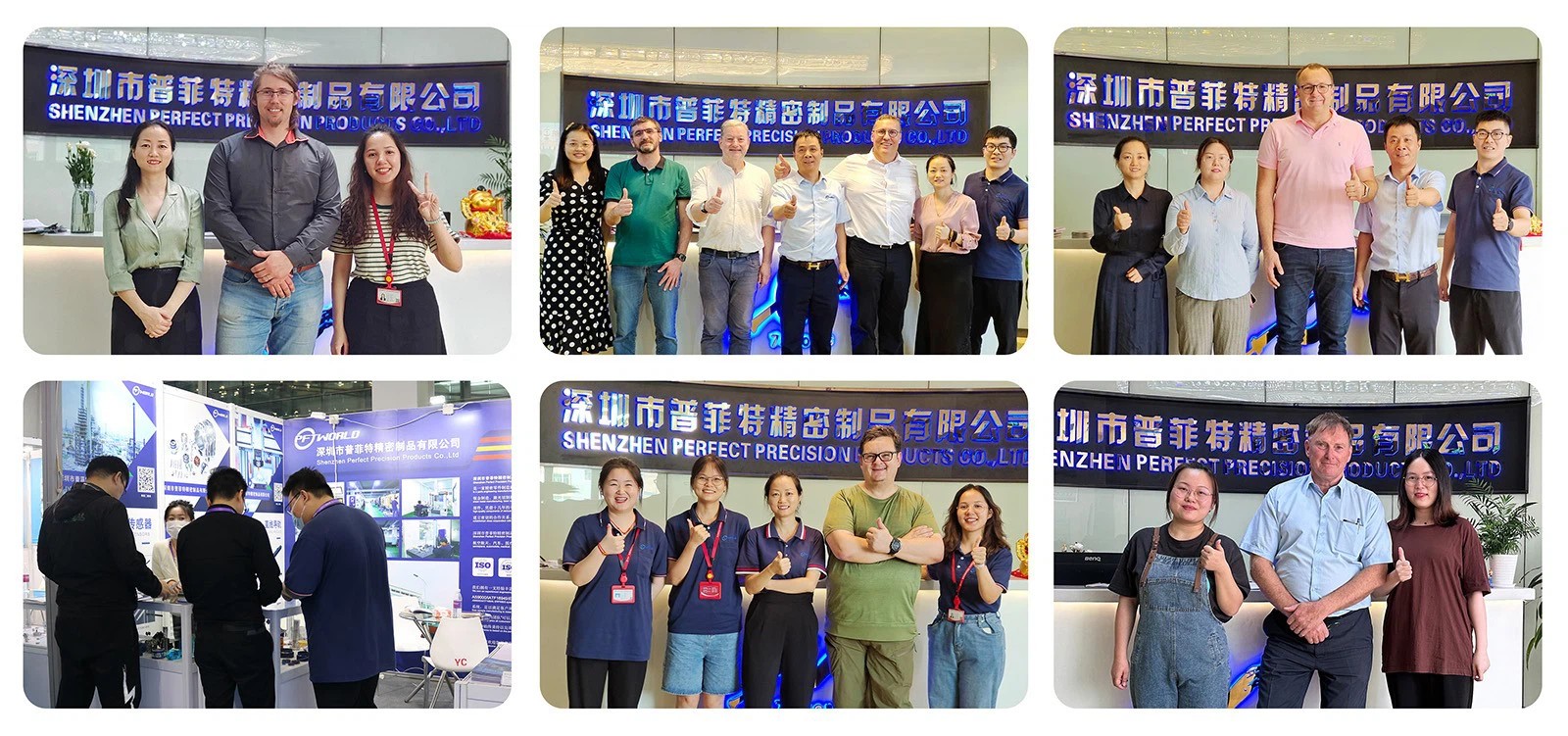
Connect directly with our technical support and sales representatives for quotes and feasibility reviews.
Discover our comprehensive collection of custom actuators, brackets, lathe parts, and precision accessories.