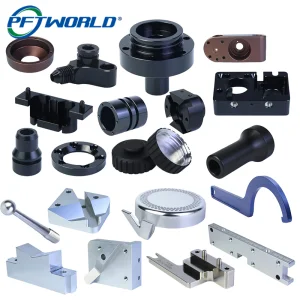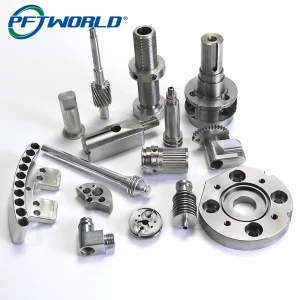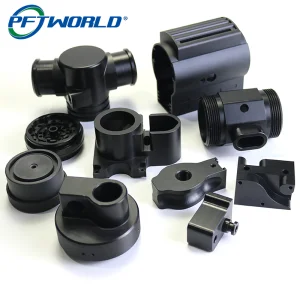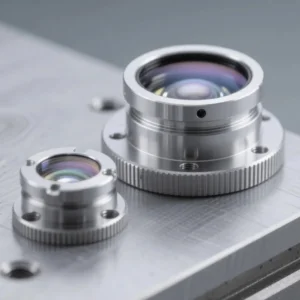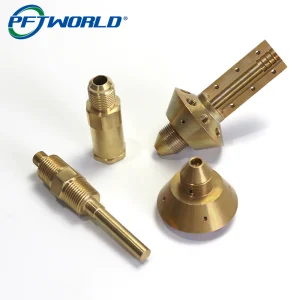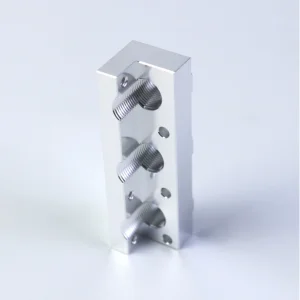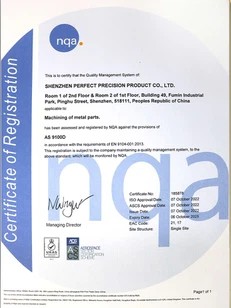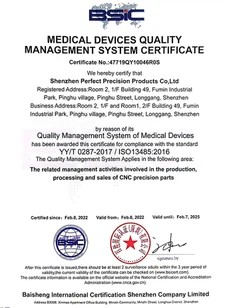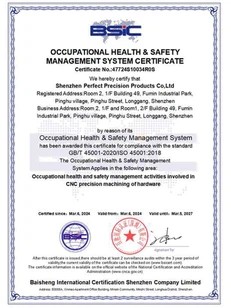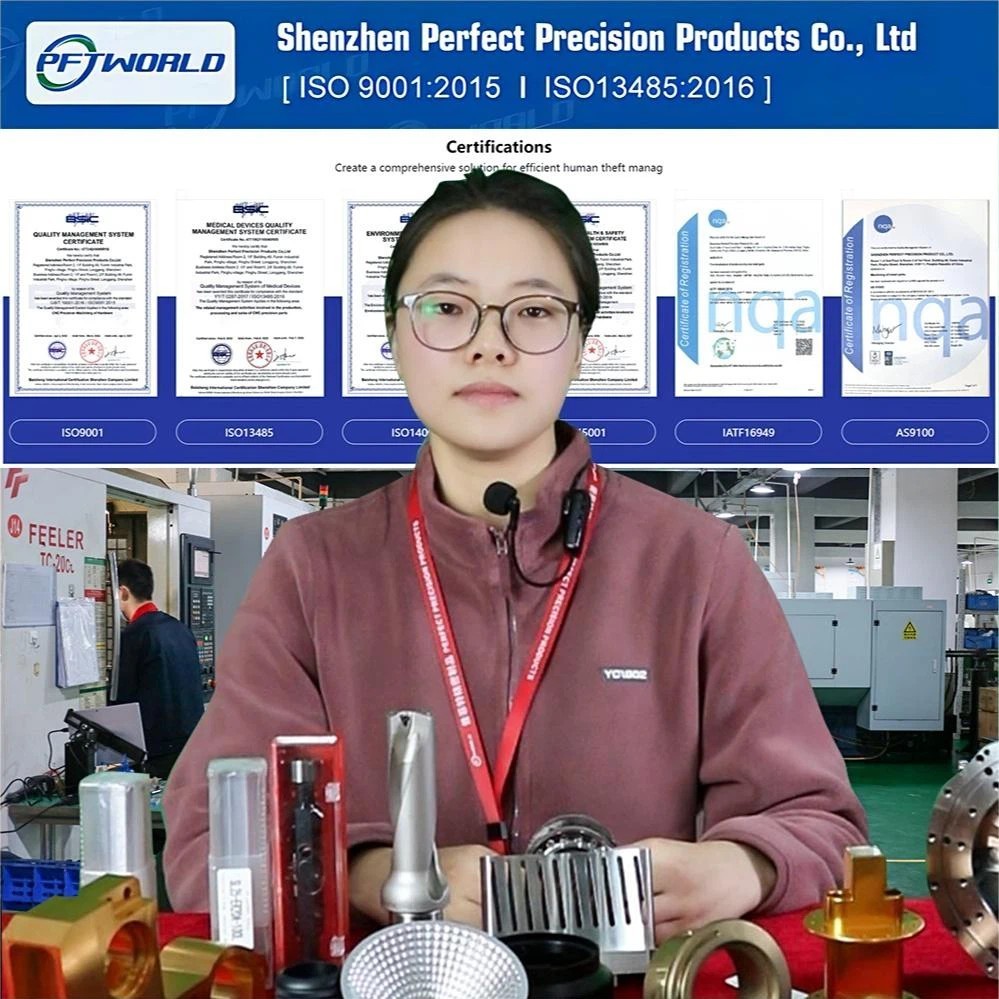
Discover our highly requested industrial parts, showcasing extreme tolerances and surface integrity.
Brass—a binary alloy composed primarily of copper and zinc—remains one of the most critical engineering materials in modern industrial applications. Renowned for its superior machinability, corrosion resistance, high electrical conductivity, and aesthetic properties, brass serves as the backbone of sectors ranging from fluid dynamics and automotive manifolds to optical engineering and high-frequency telecommunications.
In the contemporary global trade ecosystem, the market demand for precision machined brass components has surged. The ongoing transitions toward electrification, clean water infrastructure, and aerospace microminiaturization require high-tolerance components that resist galling and spark emission. Companies look to top-tier manufacturers not just for capacity, but for metallurgical stability and geometric accuracy that aligns with strict global compliance standards.
“The global brass components market size is estimated to register a compound annual growth rate (CAGR) of over 5.4% through 2030, driven heavily by smart plumbing integration, electric vehicle thermal management structures, and high-frequency coaxial connectors.”
Furthermore, regional supply chains are adapting to stringent regulations such as RoHS and REACH. This shift has placed focus on lead-free brass alloys, including Eco-Brass (C69300 / C87850) and bismuth-alloyed options. Manufacturers must possess advanced metallurgical testing labs and automated machining infrastructures to handle these harder alloys without compromising on tool life or finish quality.
Selecting the correct brass grade determines structural integrity and manufacturing cost. The following table showcases standard structural alloys used across critical manufacturing processes:
| Alloy Designation | Copper / Zinc Ratio | Key Performance Features | Common Applications |
|---|---|---|---|
| C36000 (Free-Cutting) | 61.5% Cu / 35.4% Zn / 3% Pb | 100% Machinability rating, excellent thread rolling, structural stability. | Valves, gears, heavy-duty fittings, fasteners, electrical pins. |
| C46400 (Naval Brass) | 60.0% Cu / 39.2% Zn / 0.8% Sn | Highly resistant to marine corrosion, dezincification resistant. | Marine hardware, propeller shafts, condenser plates. |
| C69300 (Eco-Brass) | 75.0% Cu / 21.0% Zn / 3.0% Si | Lead-free compliance, strength comparable to stainless steel. | Potable water systems, food contact machinery, medical connectors. |
| C26000 (Cartridge Brass) | 70.0% Cu / 30% Zn | High ductility, optimal cold-working capabilities. | Shell cases, electrical contacts, heat exchanger tubes. |
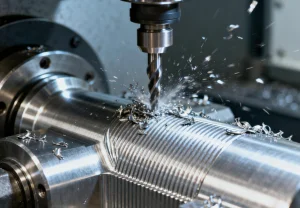
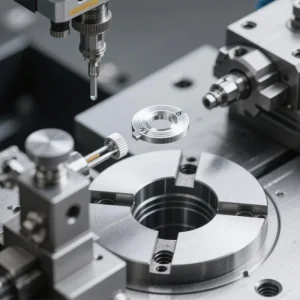
The fabrication of brass components has moved beyond standard manual lathe turning. Modern smart factories leverage 5-axis simultaneous CNC machining, automated bar feeders, and integrated multi-tasking mill-turn centers. These advancements allow manufacturers to machine complex internal geometries and fine external profiles within a single setup, eliminating human handling errors and maximizing geometric dimensioning and tolerancing (GD&T) consistency.
Looking forward, several technology vectors are defining the future of brass component manufacturing:
For system designers and engineering managers, optimizing design-for-manufacturability (DFM) rules remains a key objective. Reducing deep internal cavities, standardizing thread pitches, and avoiding overly thin walls help decrease machining cycle times and yield lower cost-per-part metrics during procurement.
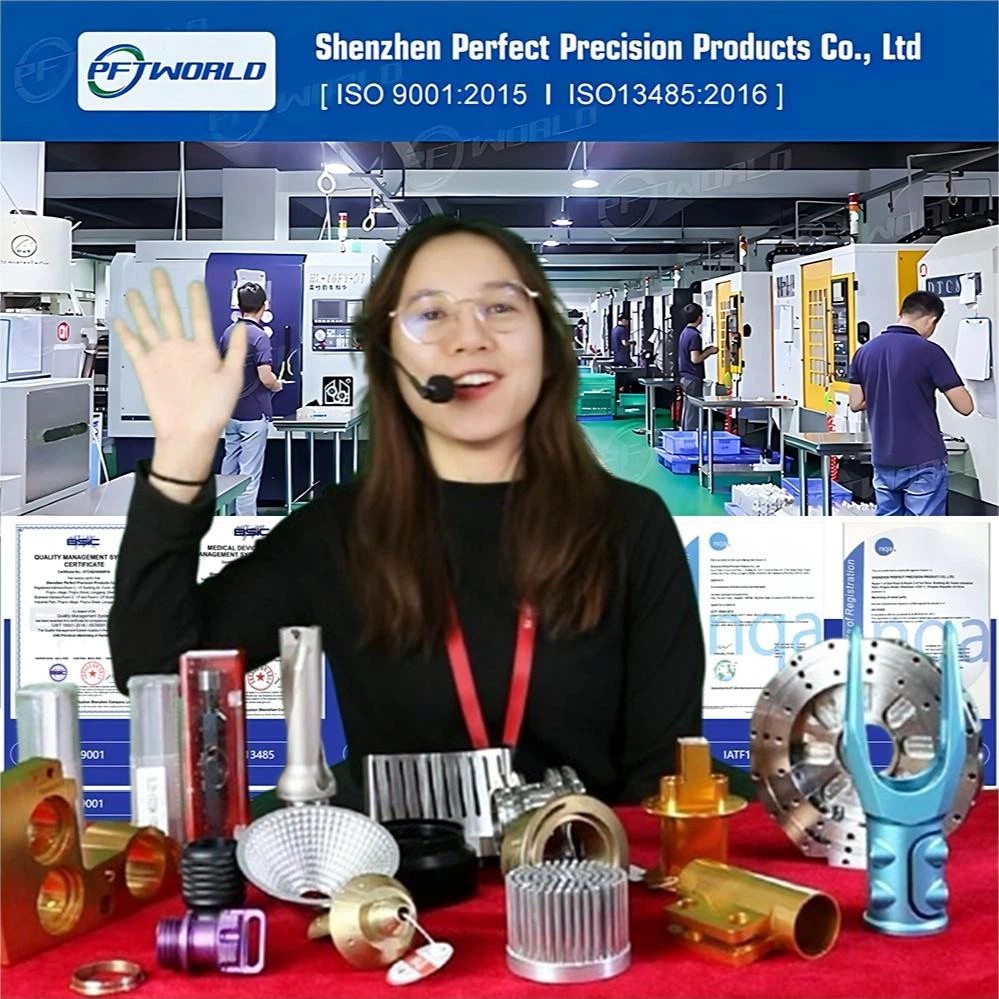
A leading ISO-certified precision manufacturing facility, delivering complex mechanical engineering solutions since 2014.
Founded with a dedicated foreign trade team in 2014, Shenzhen Perfect Precision Products Co., Ltd has established itself as an industry leader in precision manufacturing. Our facility secured ISO9001 quality system certification, followed by the distinction of being named a Guangdong Contract and Trustworthy Enterprise in 2018.
In 2019, the company achieved high-tech enterprise certification alongside intellectual property management system accolades. Responding to global demand, we expanded our physical office and production space to 10,000 square meters in 2020, growing our workforce to 70 highly skilled engineers and technicians. By 2021, the facility completed its digital transformation, implementing a paperless ERP-driven manufacturing process.
| Inspection Standard | Tolerance Threshold | Surface Roughness (Ra) | Standard Lead Time |
|---|---|---|---|
| Standard Features | +/- 0.01 mm | Ra 0.1 ~ 3.2 μm | Samples: 1-3 Days Production: 7-14 Days |
| Precision Tolerances | +/- 0.002 mm |
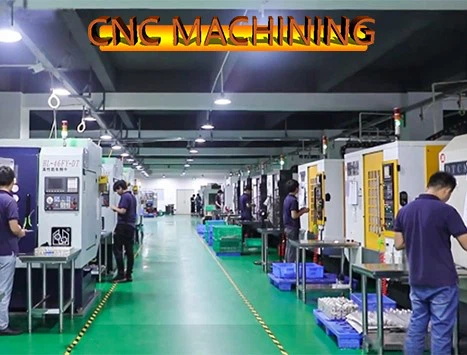
From custom development and validation prototypes to serial batch manufacturing, we deliver precision at every scale.
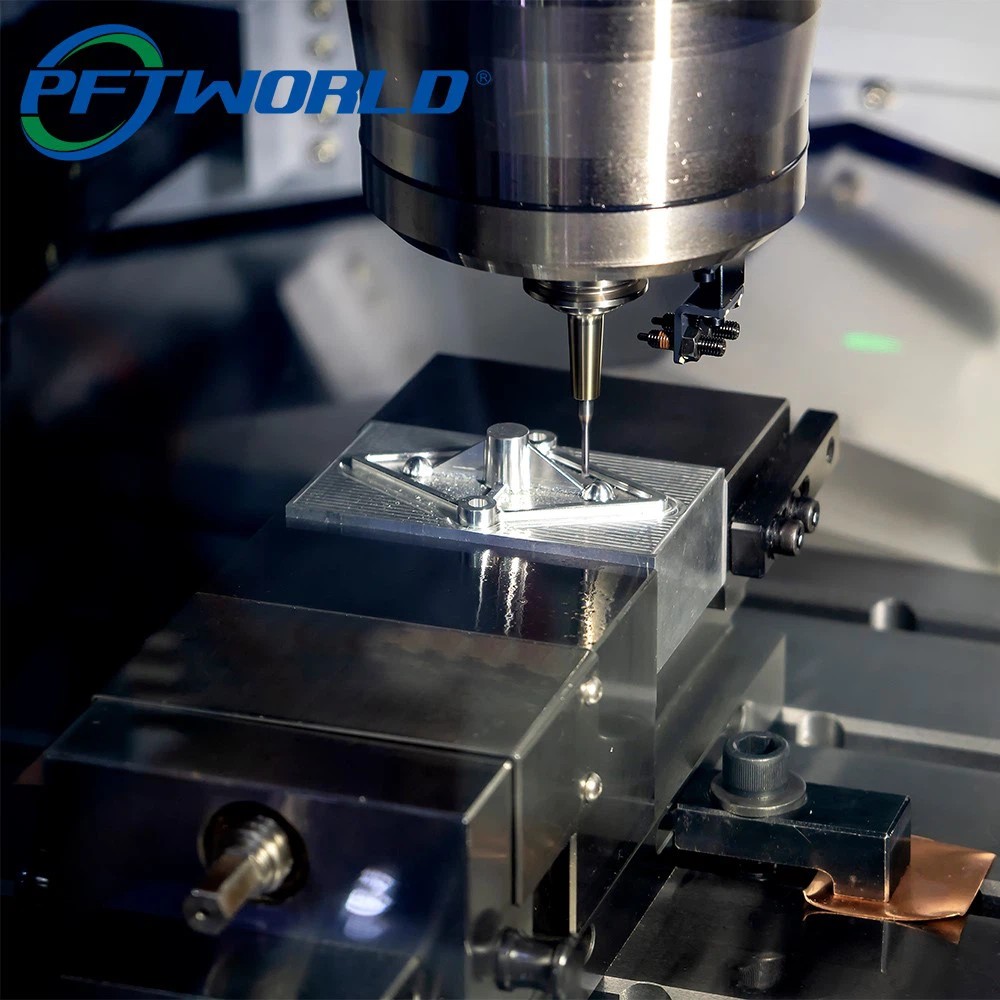
CNC Milling Machining
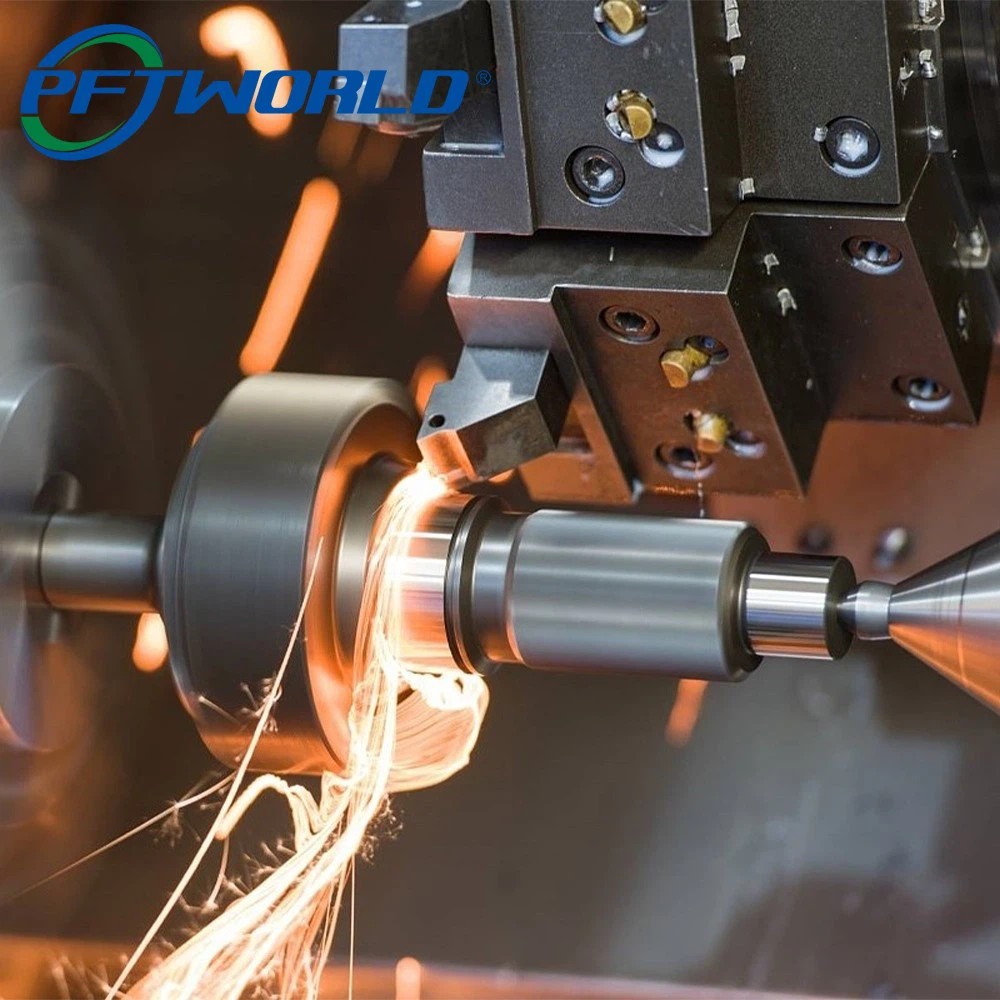
CNC Turning Machining
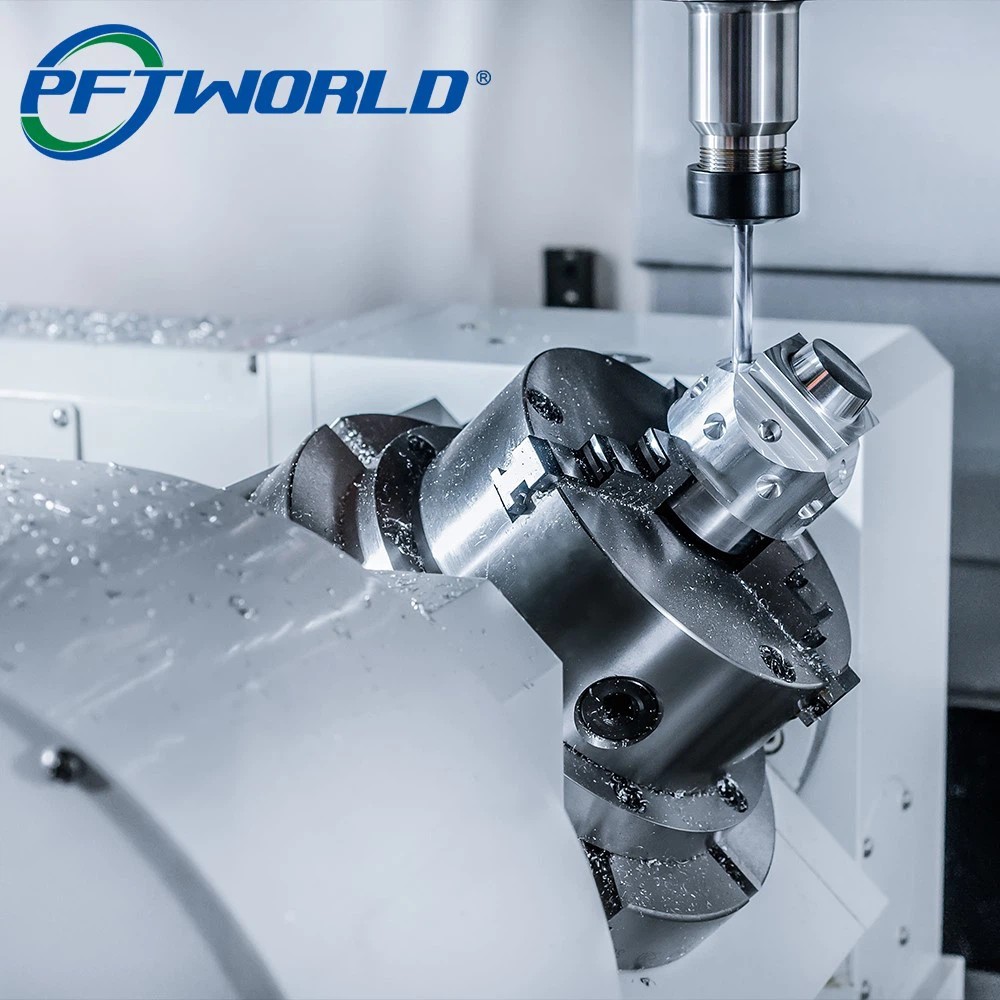
CNC Mill-Turn Machining
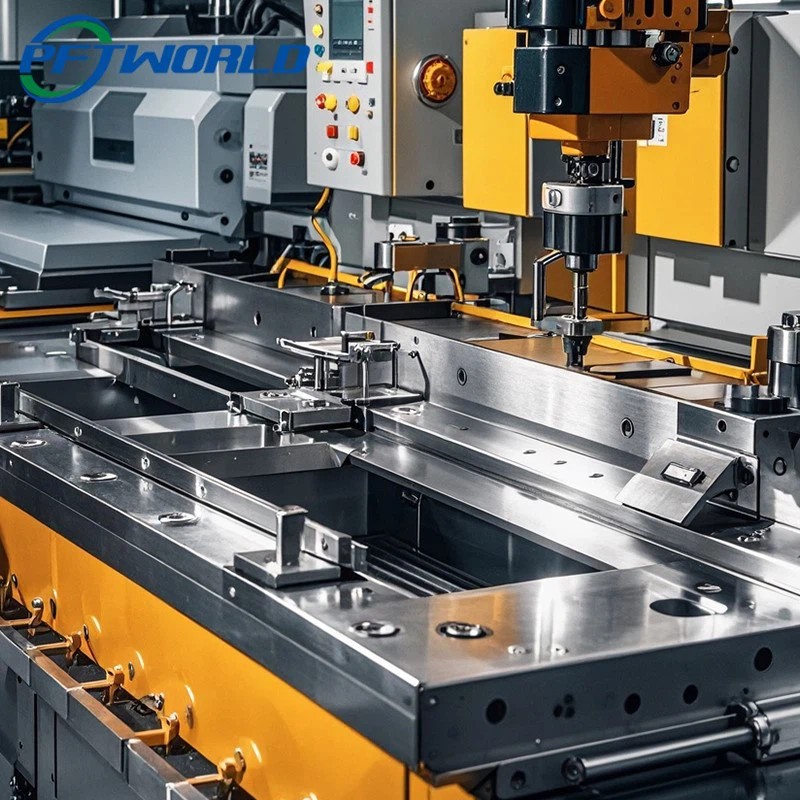
Sheet Metal Fabrication
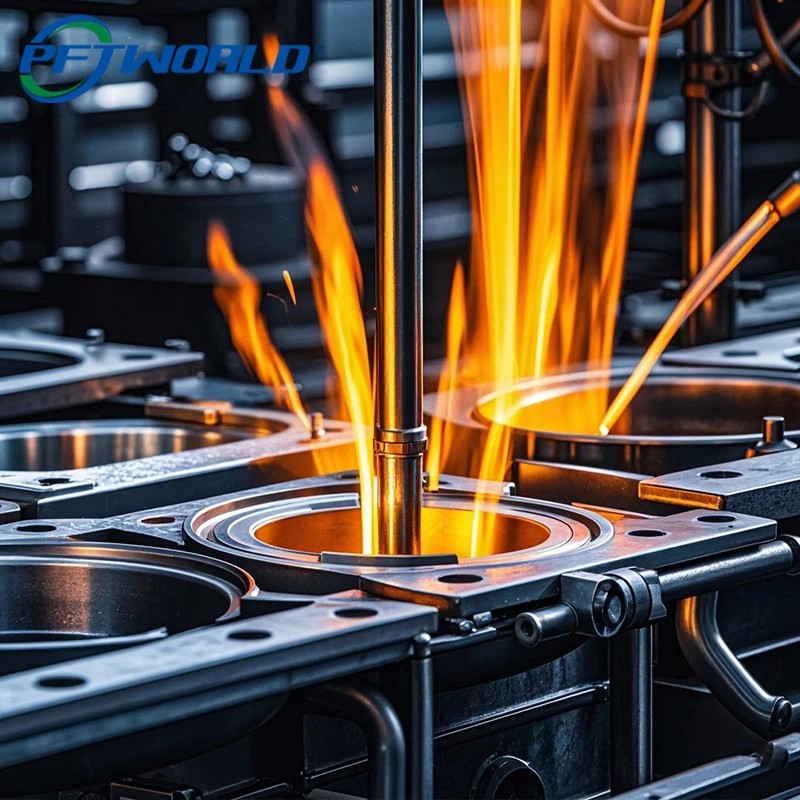
Casting
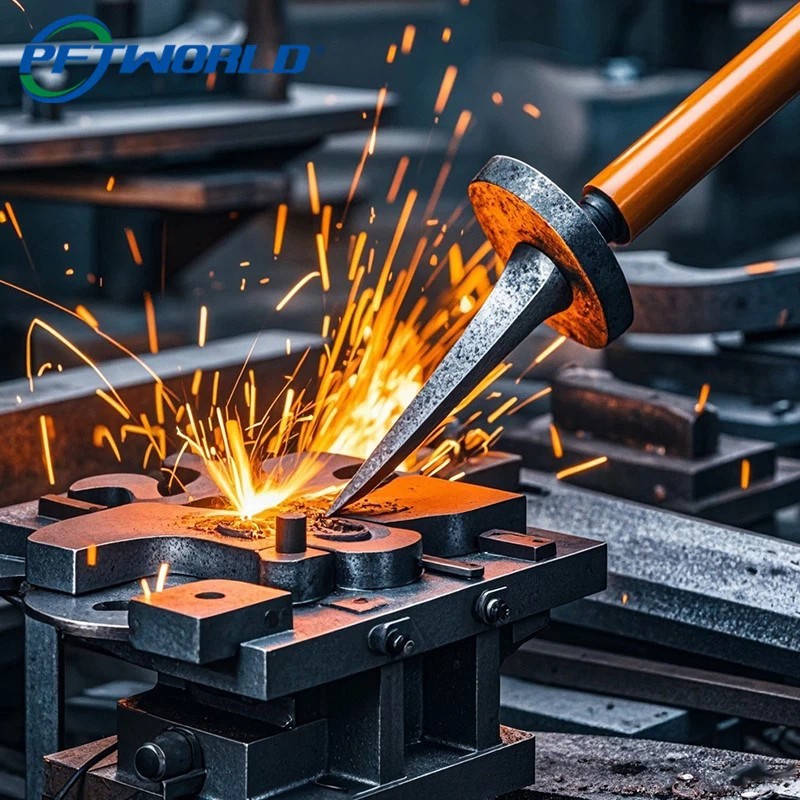
Forging
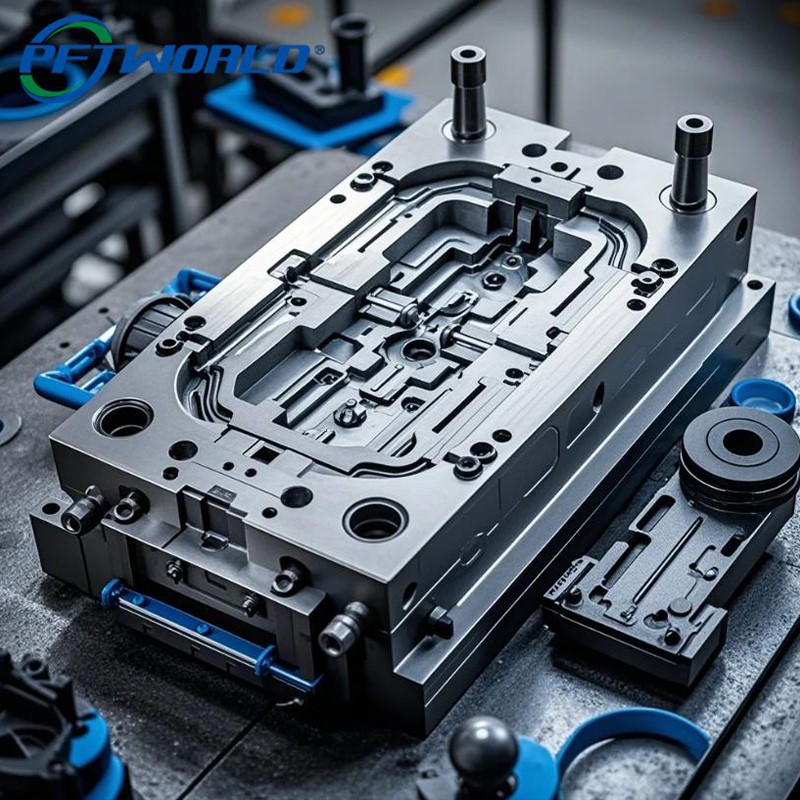
Moulds
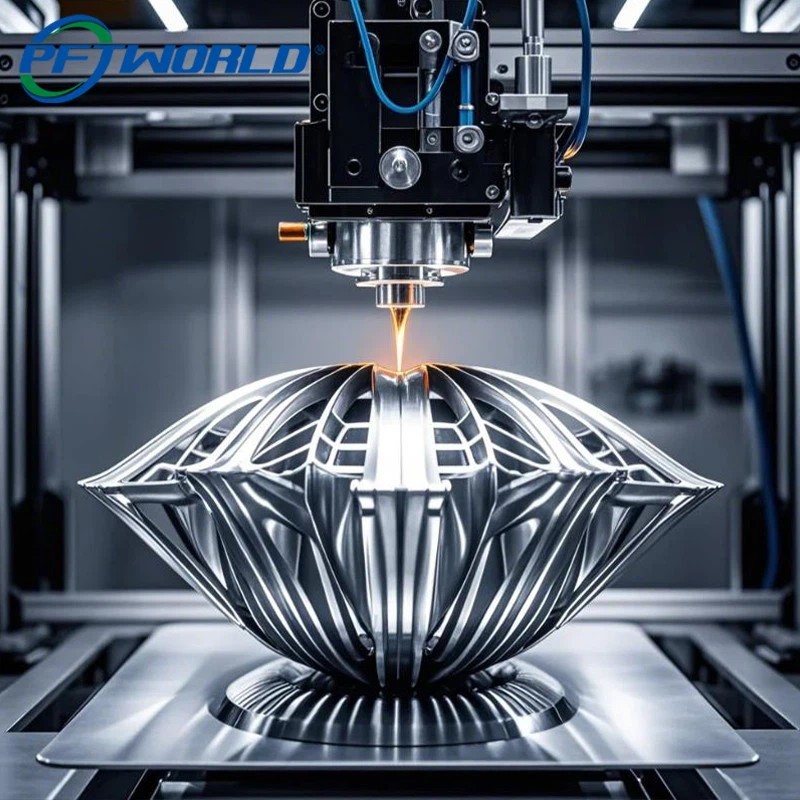
3D Printing
Equipped with coordinate measuring machines (CMM) and computerized visual analyzers to guarantee strict dimensional conformance.
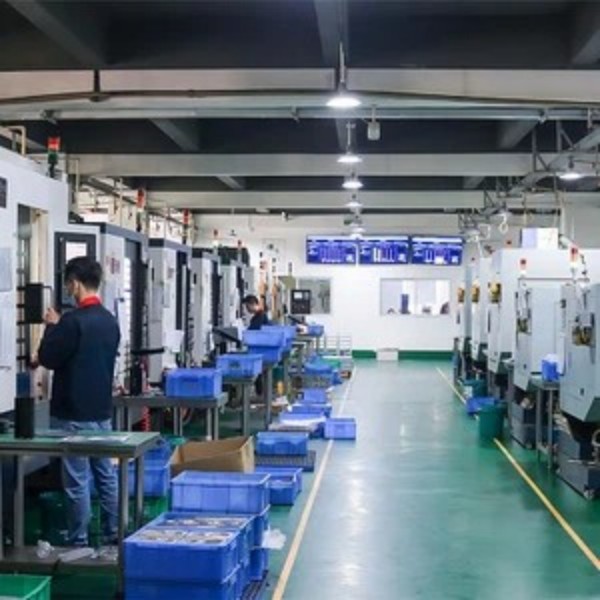
PFT CNC Machining Center
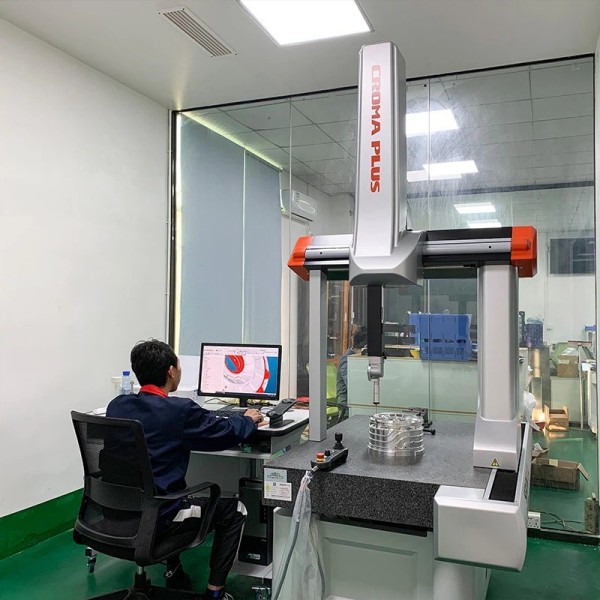
PFT CMM Inspection
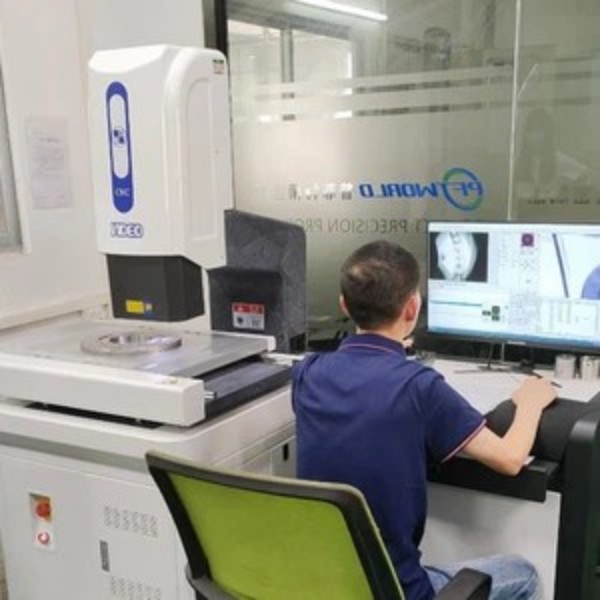
PFT 2D Measuring Instrument

PFT 24-Hour Online Support
In high-precision manufacturing, end-to-end transparency is essential for quality assurance. Visual production systems enable client engineers to oversee machining configurations, inspect setup parameters, and monitor quality metrics at every stage of the project.
By utilizing multi-axis high-speed optical cameras positioned within the milling cabinet, we monitor critical dimensions during production. Automated telemetry detects tool wear patterns before they affect part finishes, helping prevent dimensional drift.
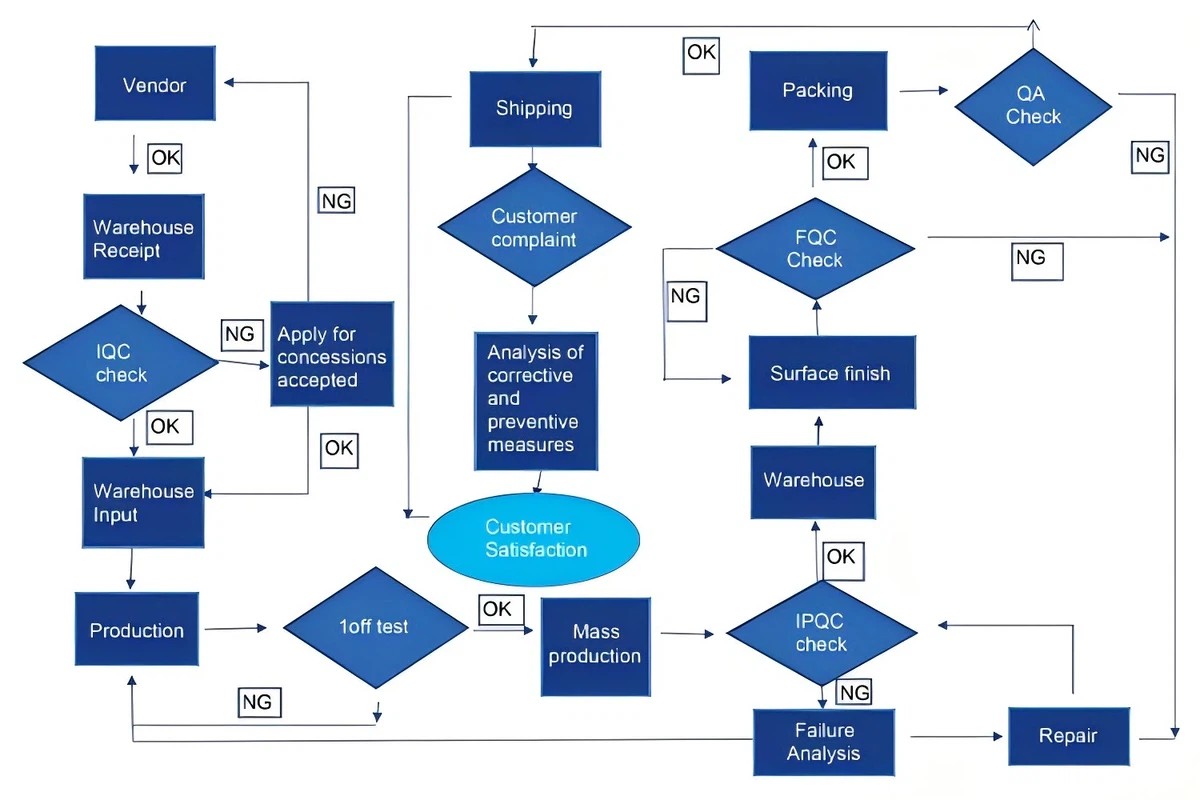
Following machining, components undergo rigorous validation checks. Coordinate Measuring Machines (CMM) evaluate GD&T parameters against the original CAD file, while laser micrometer arrays verify thread forms, depth clearances, and micro-concentricity down to the sub-micron scale.
Different industries present unique engineering demands. Standard manufacturing processes must be tailored to address these specific performance requirements.
Plumbing components must prevent heavy metals from leaching into water supplies while maintaining resistance to stress corrosion cracking (SCC) under high pressure. We utilize Eco-Brass alloys (such as C69300) along with thermal stress-relief cycles to ensure long-term durability and safety.
EV applications require high electrical conductivity and robust heat dissipation. Complex brass busbars, sensor housings, and custom charging terminals are machined to tight tolerances to prevent high-voltage arcing and electrical failures.
Aerospace platforms demand dimensional stability across wide temperature extremes. By utilizing 5-axis CNC machining, we produce complex components with thin walls, precise geometries, and high-quality surface finishes (with roughness down to Ra 0.1) that prevent structural failure under load.
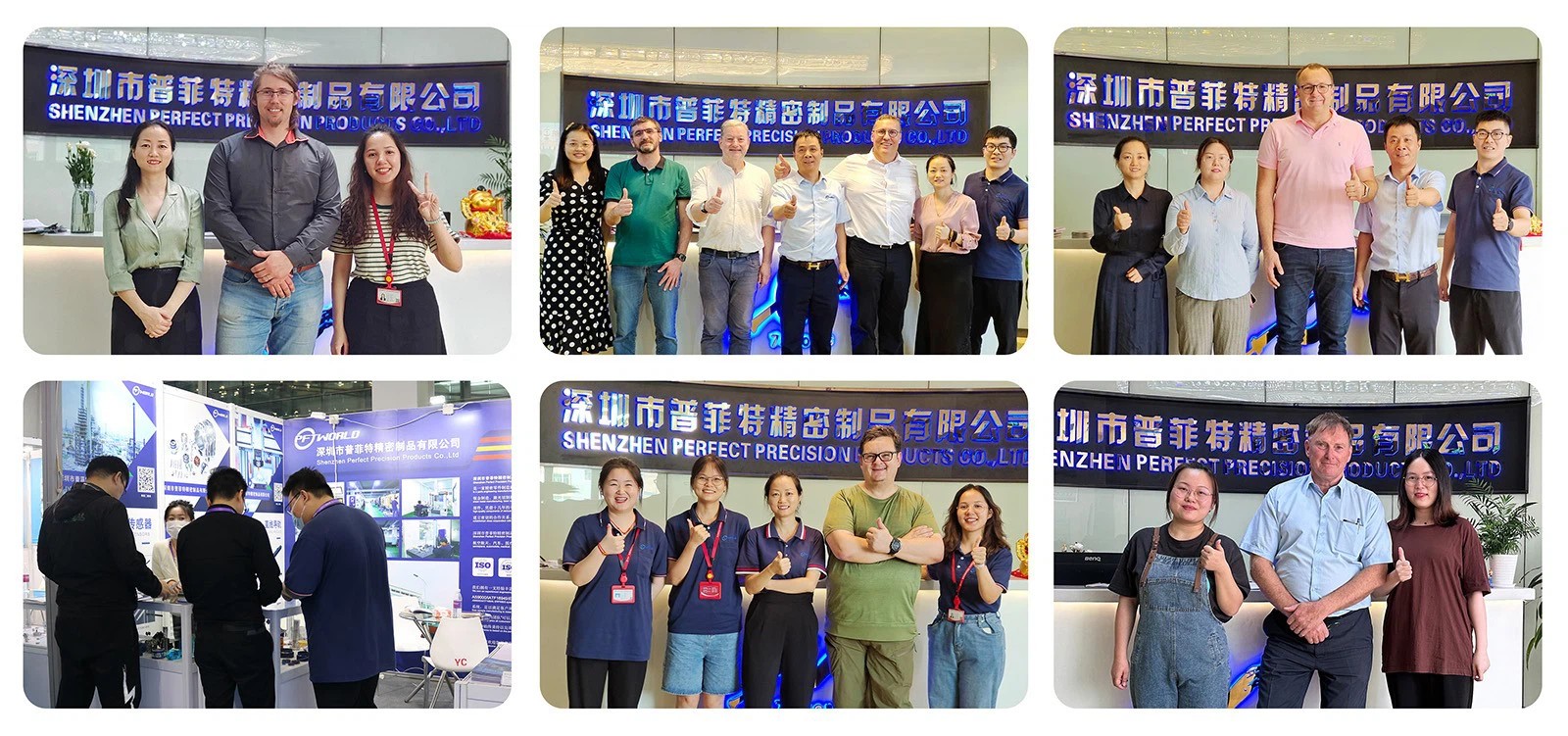
Our quality management processes trace materials back to their original mill melt sources. Spectrophotometers verify that the copper, zinc, and trace element percentages of each batch align with customer technical standards.
Every shipment includes inspection documentation, which can include coordinate measuring machine (CMM) reports, hardness test certificates, and surface finish metrics. We run statistical process control (SPC) loops to monitor process stability and control variables across production runs.
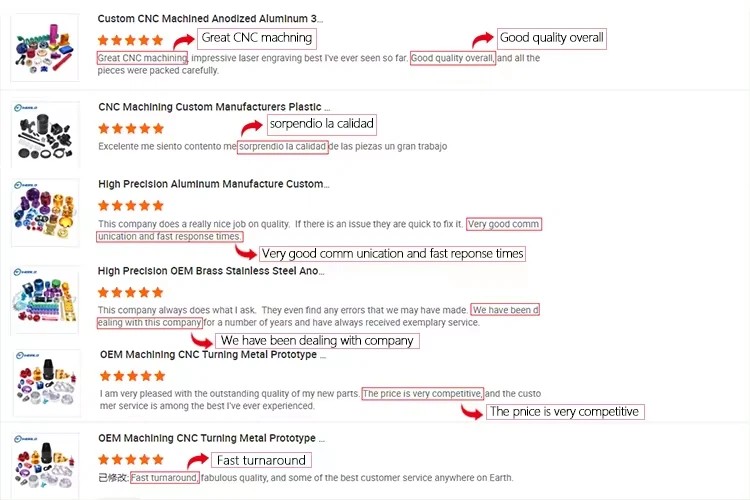
Technical answers regarding material properties, tolerances, quality documentation, and design specifications.
Connect directly with our engineering and logistics specialists for help with technical design reviews, material selections, and cost evaluations.
Our team provides DFM feedback and detailed cost assessments for high-precision components within 24 hours.
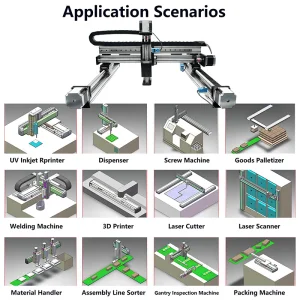
Send Inquiry NowExplore our line of motion systems, sensors, and structural metal components designed for automated industrial platforms.
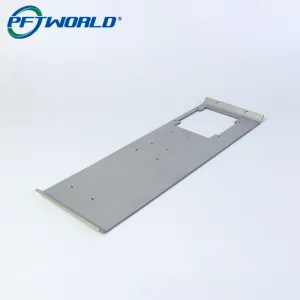
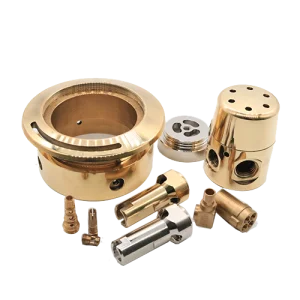
China CNC Machining Turning And Milling High Precision Parts Manufacturers, Exporters
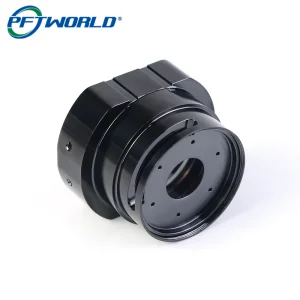
ODM Precision CNC Turning Brass Black PVD Metal Components Supplier, Quotes

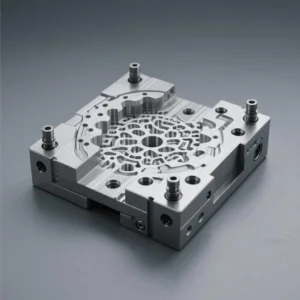
China High-Efficiency CNC Milling Solutions for Complex Surface and Stamping Molds Supplier, Product
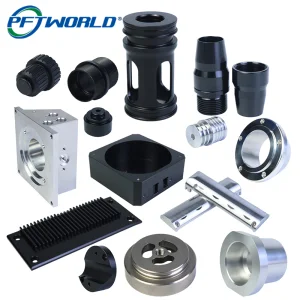
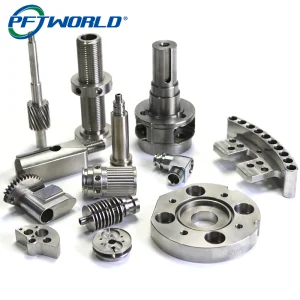
Wholesale precision cnc machining parts factory Manufacturers, Factories