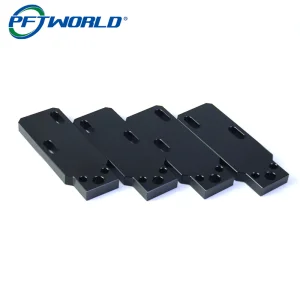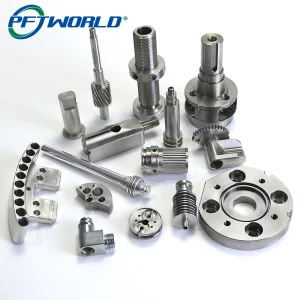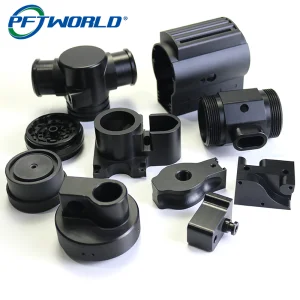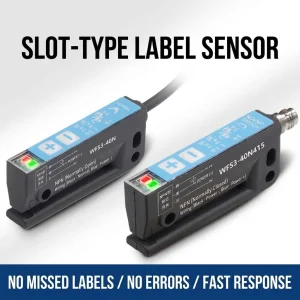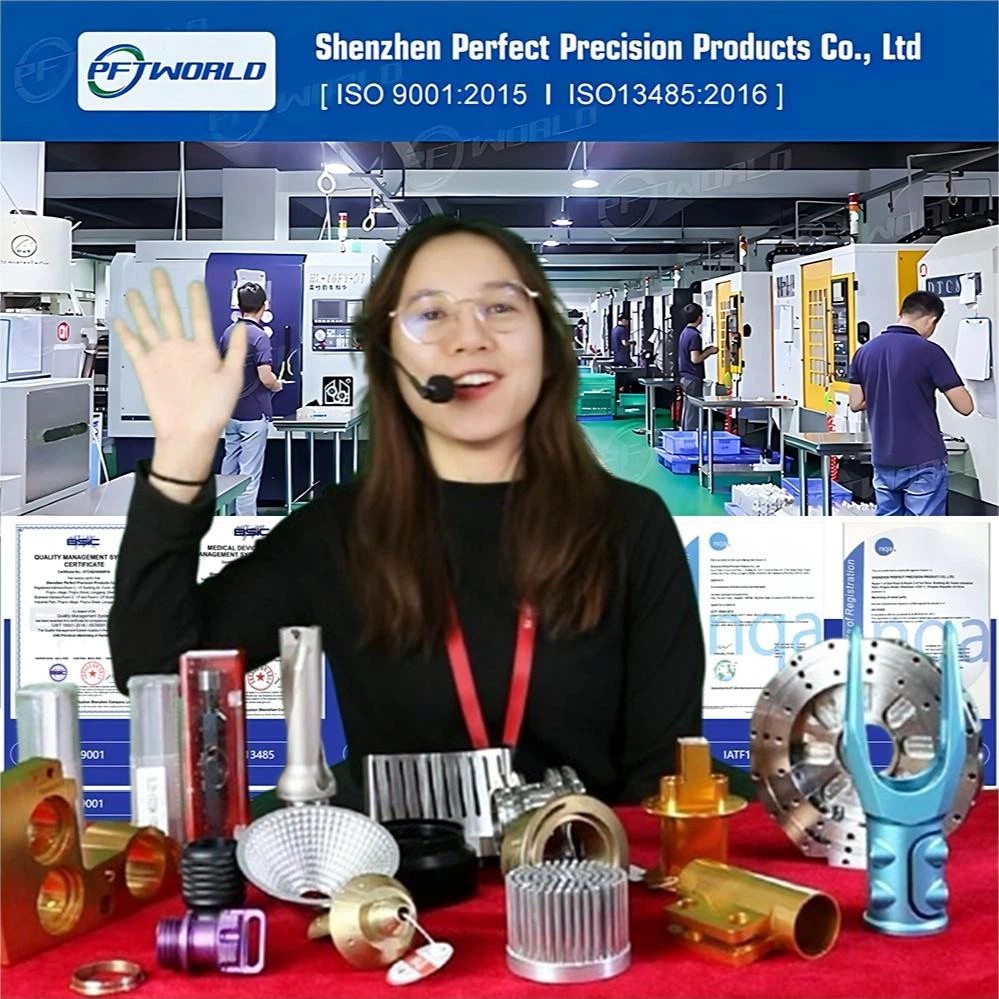
Explore our catalog of high-tolerance CNC-machined components and advanced sensor hardware designed for critical mission profiles.
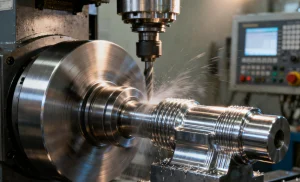

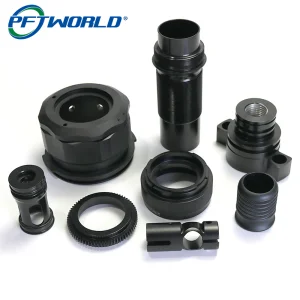
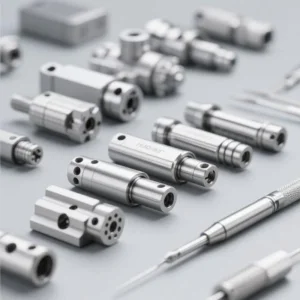
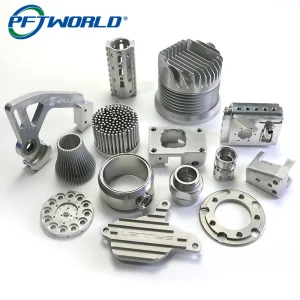
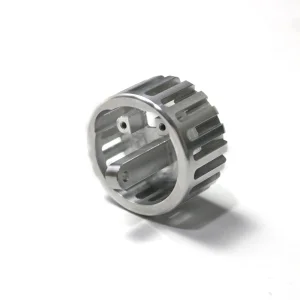
In the contemporary landscape of global industrial manufacturing, precision stainless steel parts serve as the structural and functional foundation of high-reliability systems. From the biocompatible surgical instruments required by healthcare providers to structural aerospace frames subjected to extreme atmospheric transitions, the demands placed on stainless steel components have evolved far beyond basic sizing. Today’s international buyers require deep metallurgical mastery, precise geometrical tolerance compliance, and verifiable raw material tracking pipelines to secure their operational efficiency and maintain compliance.
Industrial sourcing executives operate within a framework of complex risks. Procuring machined parts internationally requires mitigation against raw material volatility, shipping delays, and substandard alloy compliance. Stainless steel components require strict quality checkpoints at the mill level before any cutting tool begins processing the stock.
A reliable supplier must establish standard testing workflows: chemical assay validations via X-ray fluorescence (XRF) spectrographic inspection, grain boundary analysis to prevent intergranular corrosion, and physical hardness mapping (Rockwell or Vickers scales). By eliminating material failures before production starts, manufacturers ensure structural reliability and control project costs. For industries utilizing high-grade austenitic alloys like 316L, or precipitation-hardening options like 17-4 PH, maintaining this clear traceability chain is critical for quality assurance.
| Stainless Steel Grade | Metallurgical Structure | Primary Alloying Elements | Key Engineering Properties | Target Industrial Application |
|---|---|---|---|---|
| 304 / 304L | Austenitic | 18% Cr, 8% Ni | Excellent formability, solid general corrosion resistance. | Food processing, structural enclosures, consumer electronics. |
| 316 / 316L | Austenitic | 16% Cr, 10% Ni, 2% Mo | Superior pitting resistance in high-chloride, acidic environments. | Medical implants, chemical processing units, marine hardware. |
| 17-4 PH | Precipitation Hardening | 17% Cr, 4% Ni, 4% Cu, Nb | Extreme yield strength, maintains high corrosion resistance. | Aerospace actuators, pump shafts, defense sub-assemblies. |
| 430 | Ferritic | 16% Cr | Good thermal conductivity, magnetic, moderate corrosion resistance. | Automotive trim, combustion chambers, home appliances. |
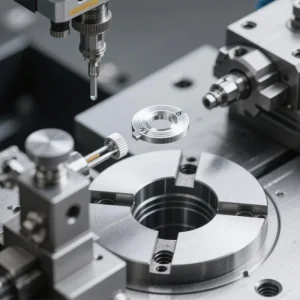
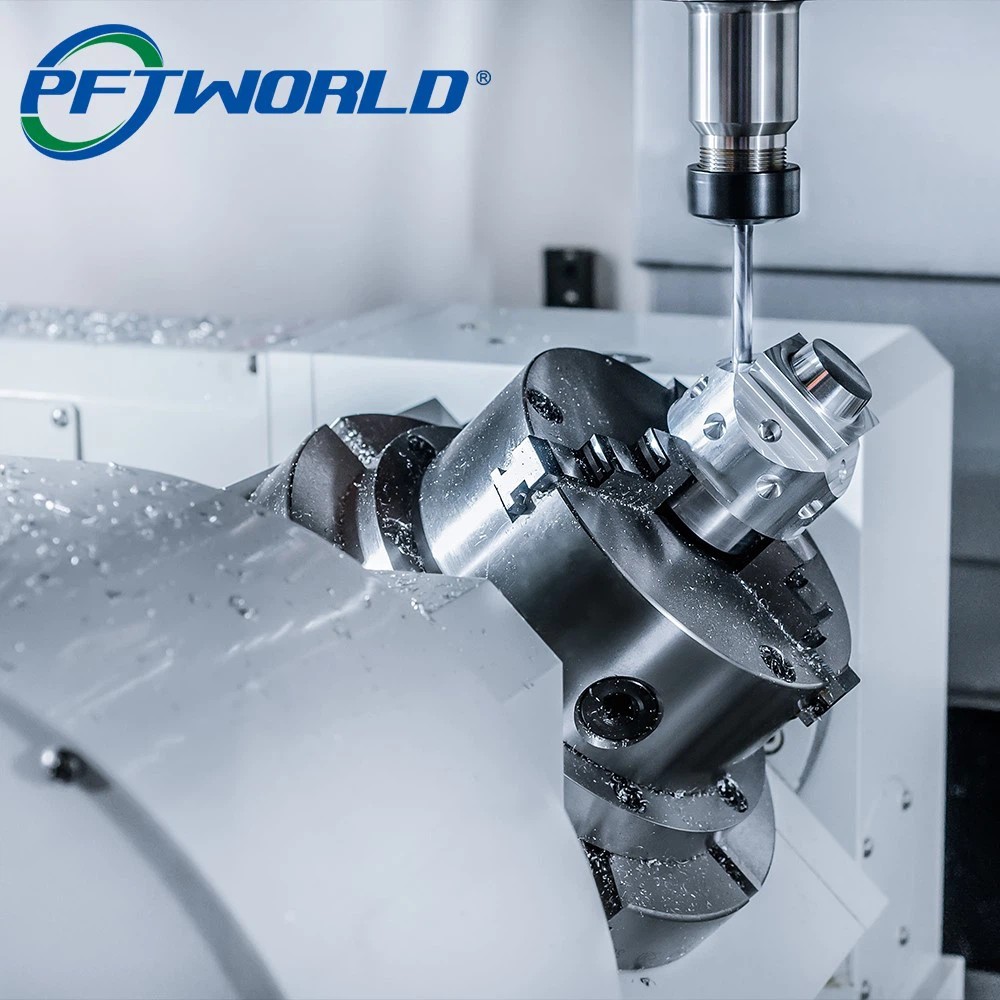
Shenzhen Perfect Precision Products Co., Ltd. supports complex industrial projects with specialized multi-axis CNC systems. Modern component designs often involve complex geometries that are difficult or impossible to manufacture using standard 3-axis setups. By utilizing 4-axis, 5-axis, and 6-axis configurations, our setups execute compound angles, deep undercuts, and organic contours in a single manufacturing setup. This process reduces standard positioning errors and maintains tight geometrical tolerances across complex surfaces.
Our standard manufacturing output achieves a tolerance benchmark of +/- 0.01mm, with specialized critical features machined down to +/- 0.002mm. Surface roughness metrics are closely controlled between Ra 0.1 and Ra 3.2 based on target specifications. This precision control helps prevent mechanical friction, premature wear, and assembly issues in high-stress applications.
Execution of complex components maintaining tolerances down to +/-0.002mm, preventing stack-up errors in multi-part assemblies.
Custom finishing achieves Ra 0.1 roughness levels, helping to minimize surface drag and wear in sliding contact components.
Advanced CAD/CAM program designs manage thermal expansion and chip evacuation, preventing micro-cracking in high-carbon steels.
Our infrastructure supports scalable production runs and maintains consistent quality metrics for international delivery.
Established in 2014, our foreign trade team has driven the systematic growth of our manufacturing footprint. We secured ISO9001 quality system certification early, followed by recognition as a Guangdong Contract and Trustworthy Enterprise in 2018. The company received High-Tech Enterprise and Intellectual Property Management System certification in 2019. By 2020, our main operations expanded to 10,000 square meters, supported by 70 core staff. In 2021, we completed our digital plant transition, integrating real-time telemetry and ERP systems to manage all production schedules.
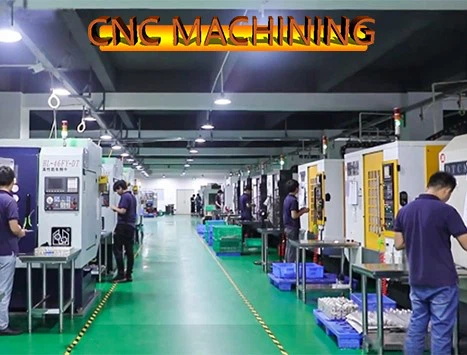
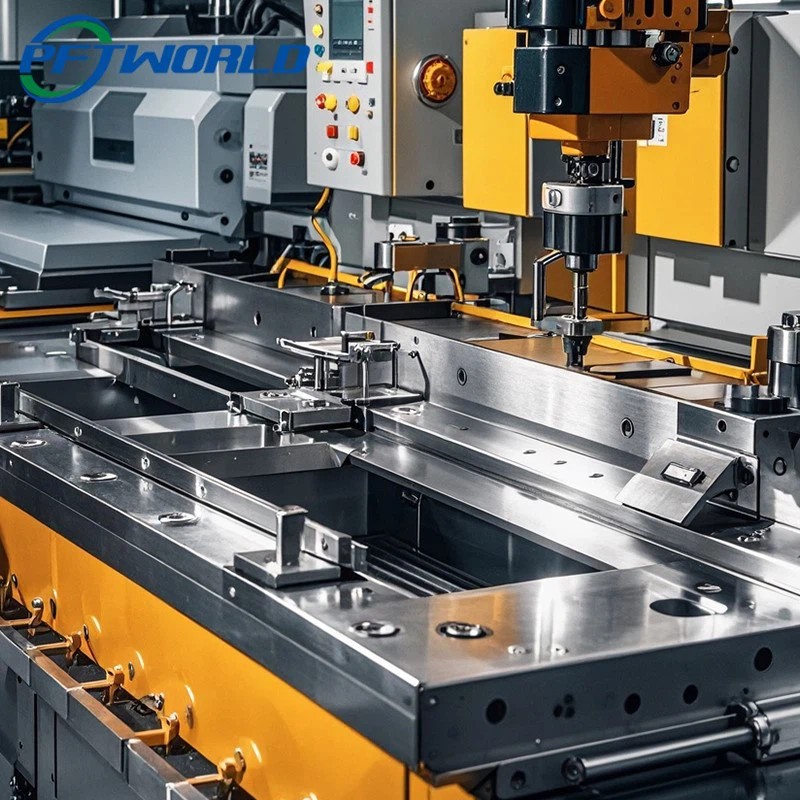
Flexible mechanical fabrication capabilities, providing specialized support from initial prototype to serial mass production.
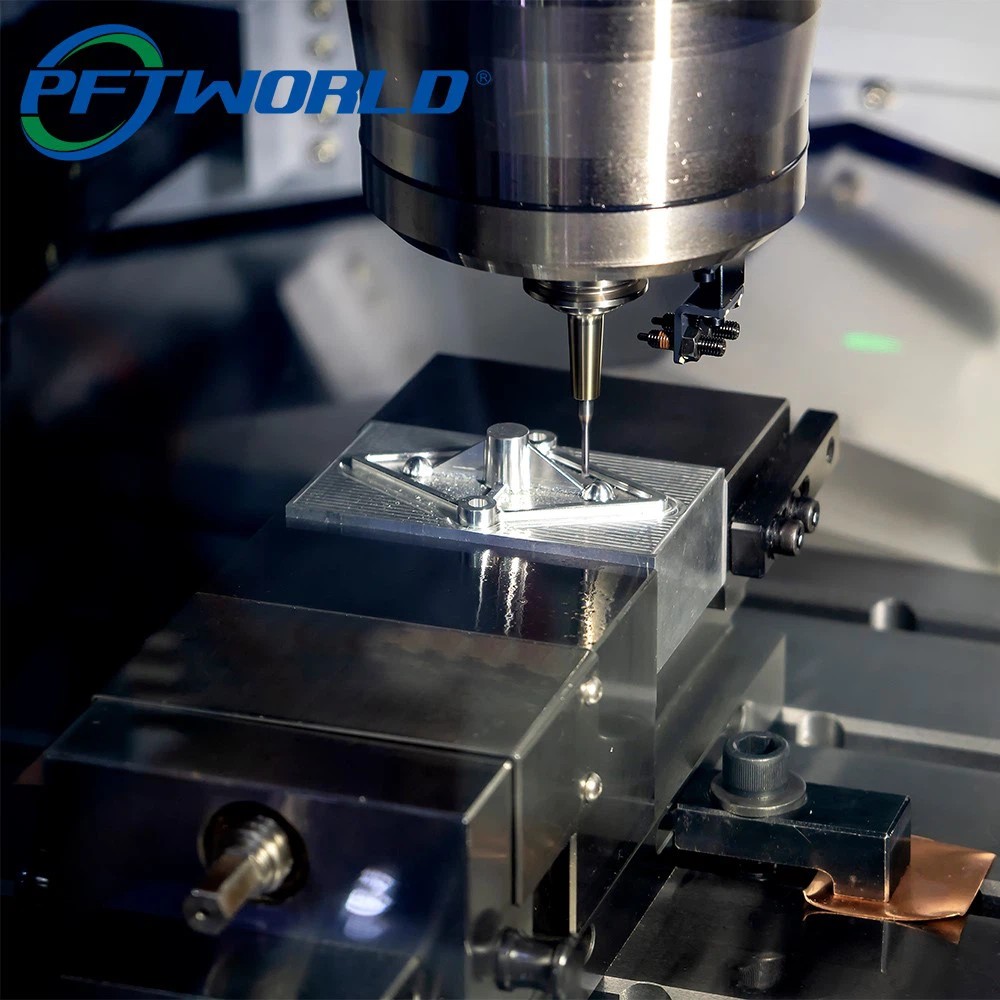
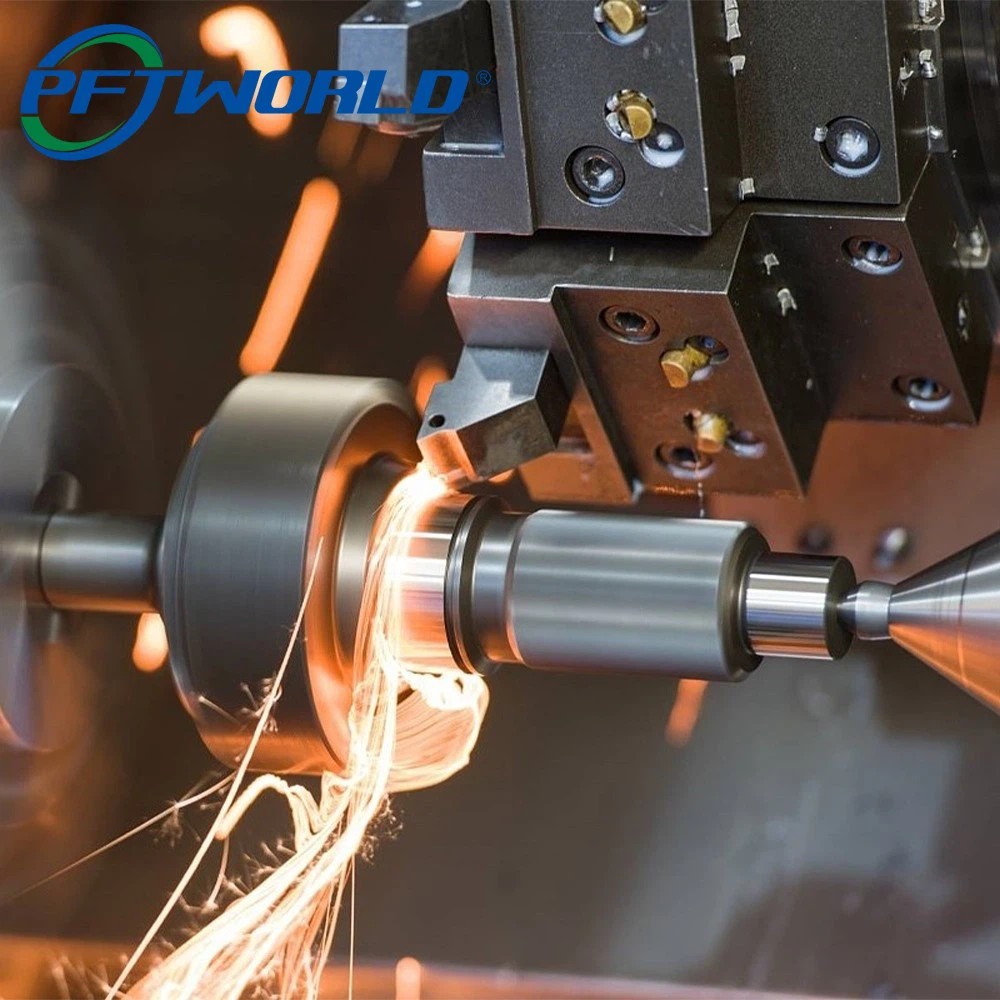
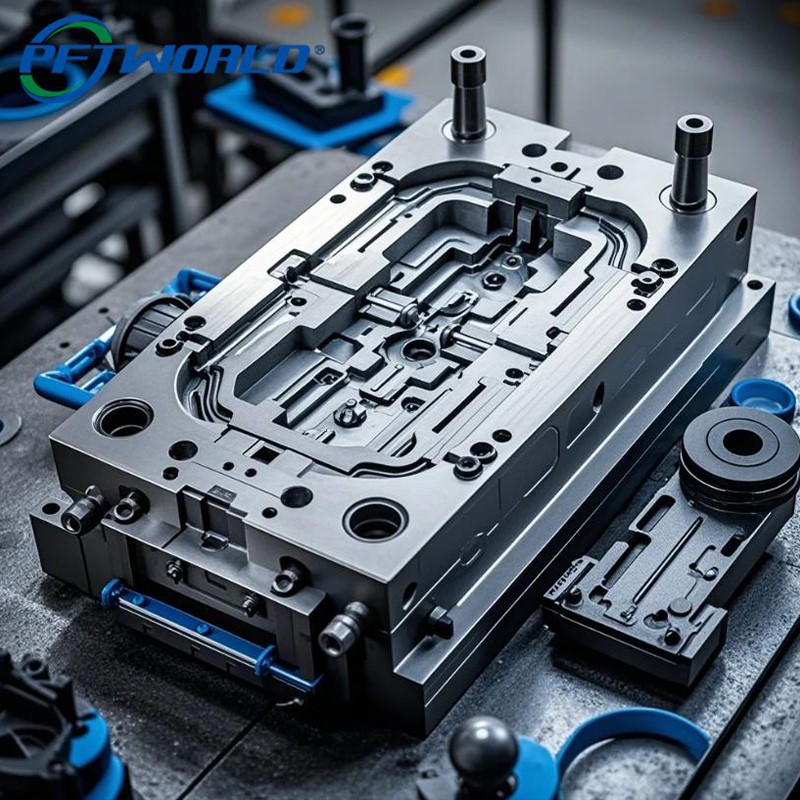
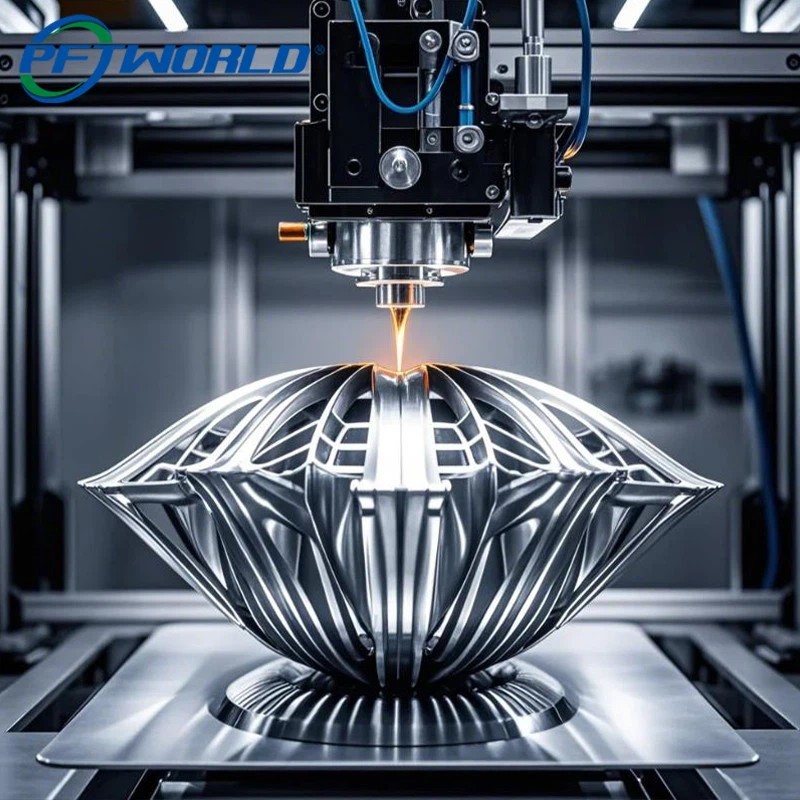
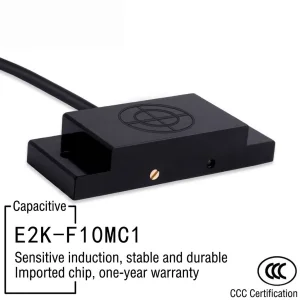
The manufacturing demands for micro-optics and active physical sensors require precise geometry execution. As an exporter of optical housings and sensor bodies (including diffuse reflective systems), we keep our optical cavities free of internal tooling marks. Even minor surface defects can scatter incoming light paths, degrading sensor accuracy.
For aerospace programs, we utilize titanium and specialized high-nickel alloys to handle demanding environments. Sub-micron precision machining is critical here: balancing weight limits with structural integrity requires precise wall thicknesses. These components must withstand high vibrational loads without micro-fracturing along grain boundaries, demanding careful heat management and cutting speed control during CNC toolpath execution.
Medical manufacturing requires high precision, particularly for orthopedic implants and dental assemblies. Working with medical-grade stainless steels (such as 316LVM) requires strict contamination controls to prevent surface impurities. Our processes prevent cross-contamination from carbon steel tools, which can cause local oxidation inside human tissue.
To ensure material stability, we use a specialized nitric or citric acid passivation process. This treatment removes free iron from the outer layer of machined parts, building a stable chromium oxide barrier. Our parts undergo testing to ensure compatibility with autoclave sterilization, preventing galvanic reactions when the component is placed in a biological environment.
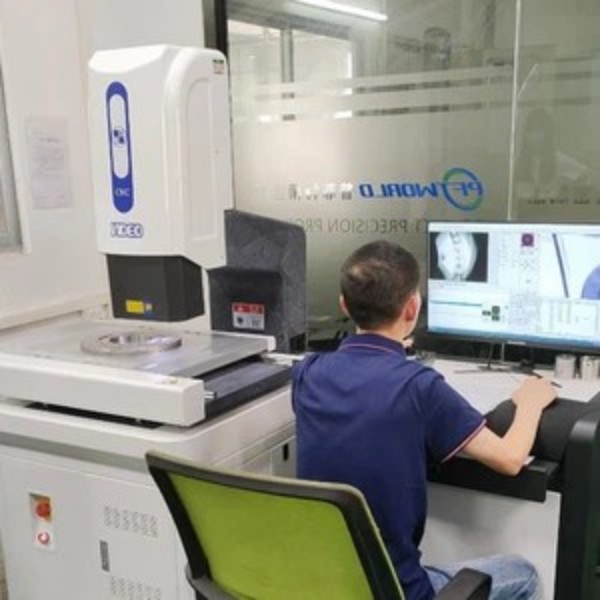
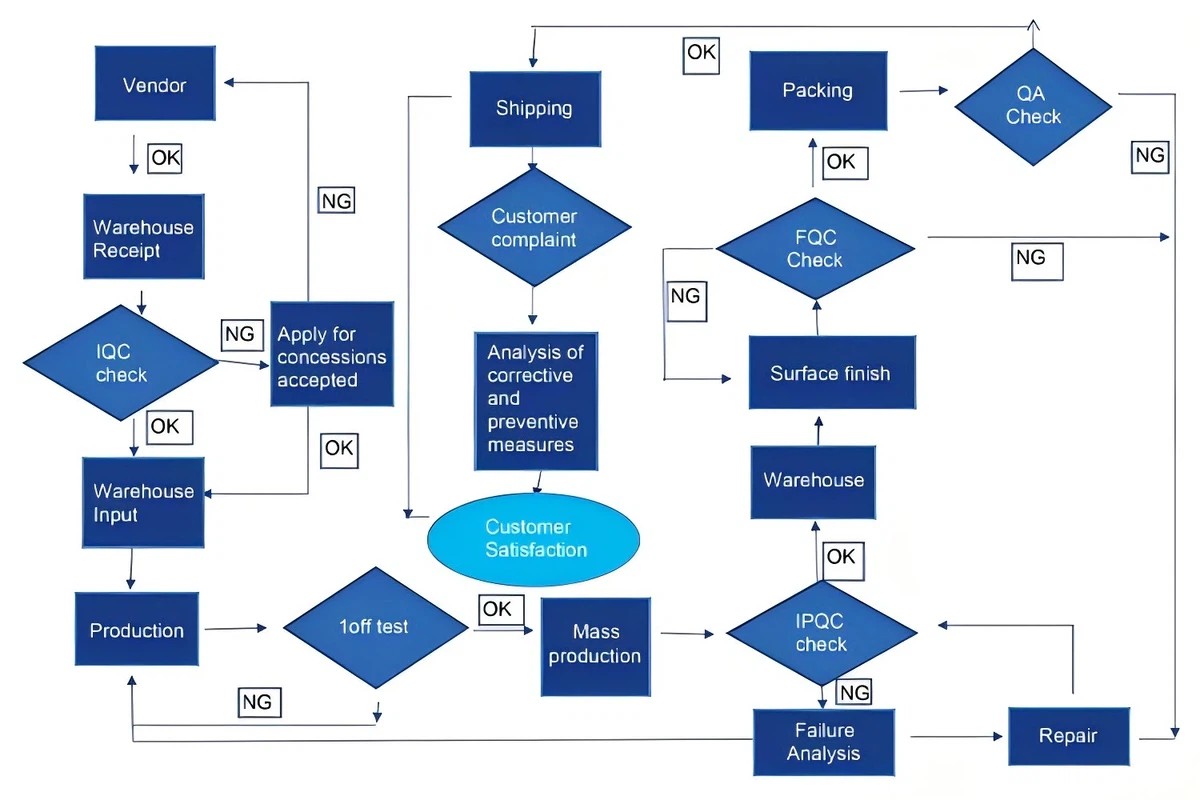
Our quality verification processes utilize automated metrology tools to inspect all critical-path dimensions.
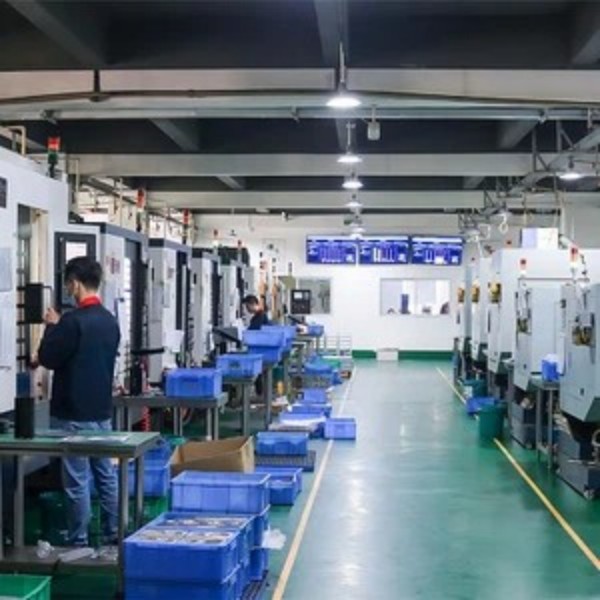
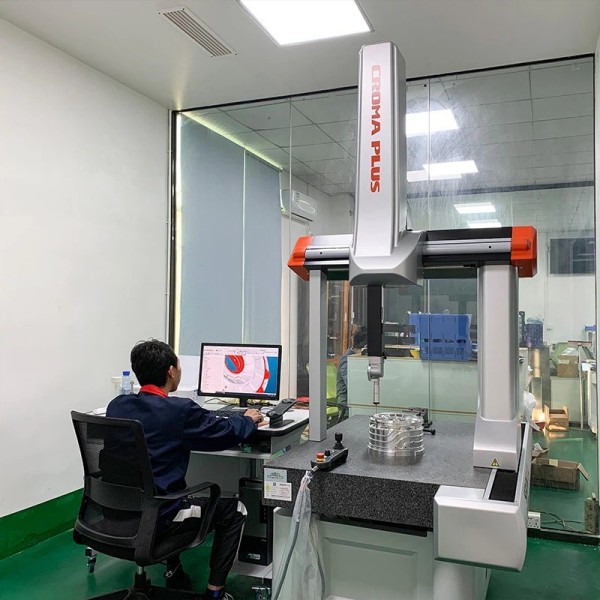

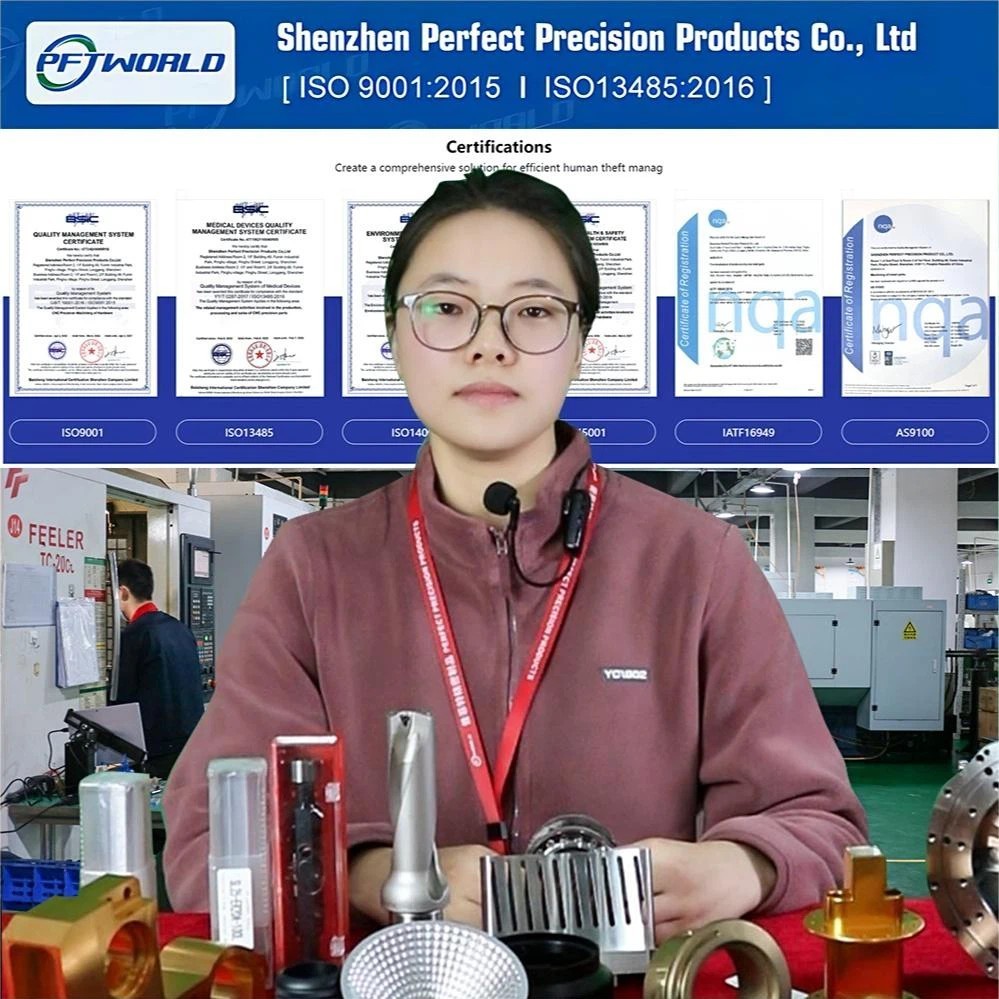
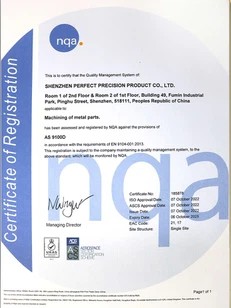
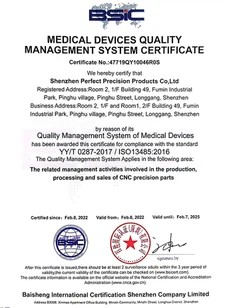
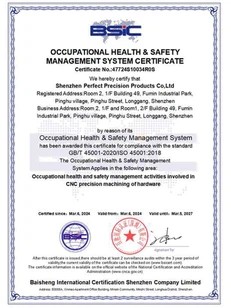
Our facilities are audited to meet international standards for quality, safety, and operational reliability.



Our digital transformation efforts led to the implementation of our Smart Visual Production system in 2021. This digital integration links our shop floor machines directly to our centralized ERP control center. This setup allows procurement teams to monitor order progression, tracking component status through raw material cutting, multi-axis milling, finishing, and final quality inspection.
Real-time status updates help reduce lead time uncertainties and supply chain delays. By monitoring machine cycles, tool wear indicators, and output rates, we address potential production bottlenecks before they impact delivery timelines. This level of traceability helps our partners coordinate inventory and production schedules more efficiently.
The machining industry faces evolving requirements, including growing regulatory emphasis on environmental sustainability. We are currently implementing Green Machining processes, focusing on reducing power consumption during high-load roughing cuts. Our coolant systems use recirculating, bio-degradable cutting fluids to minimize waste discharge while maintaining tool temperature control.
Our development roadmap includes integrating additive manufacturing with CNC finishing. By combining rough 3D printing with precision CNC machining, we can create complex components with less material waste. We are also deploying machine-learning algorithms to monitor tool wear, helping to prevent surface defects and extend tool life.
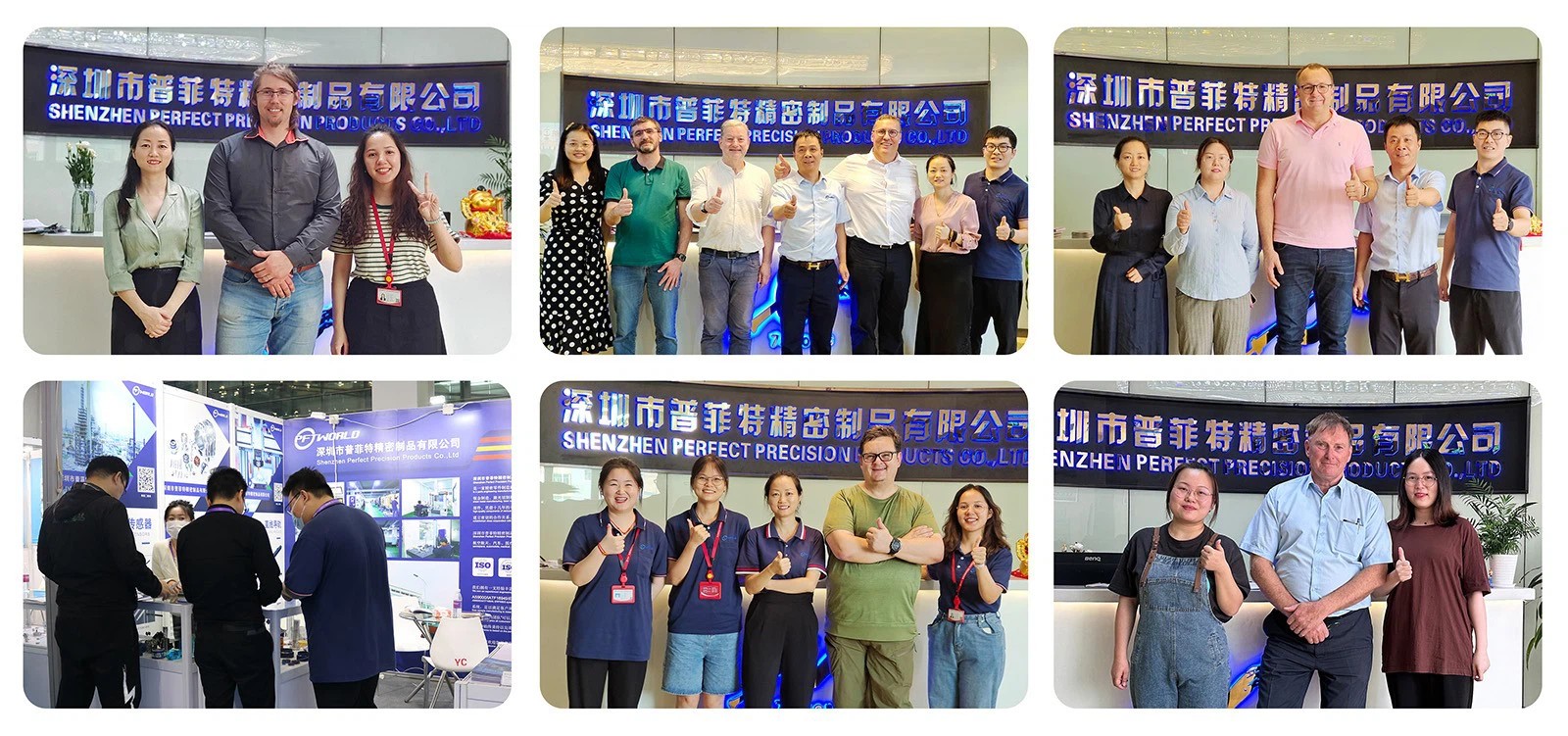
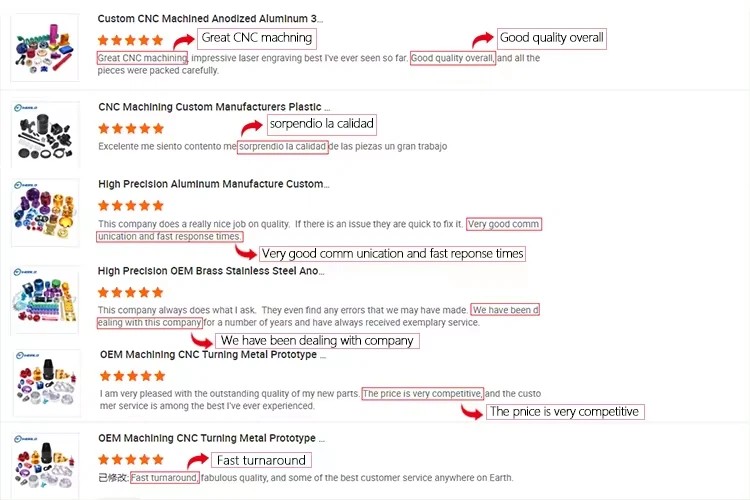
A look at our testing processes and customer satisfaction reports.
Detailed engineering answers to common procurement questions, material specifications, and quality validation processes.
Get in touch with our engineering support representatives for technical reviews, pricing details, and capability evaluations.
Send your 2D/3D CAD drawings to receive a detailed design review, cost breakdown, and lead time estimate from our engineering team.
Send Inquiry NowCustom mechanical assemblies and industrial proximity solutions designed to support automation setups.