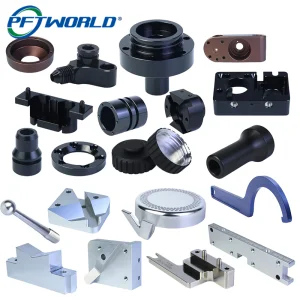
Precision custom CNC parts, linear actuators, and sensor solutions manufactured to strict industrial standards.
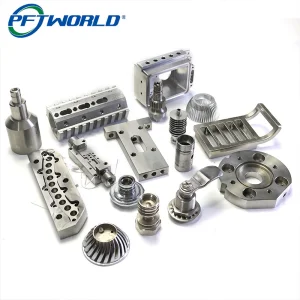
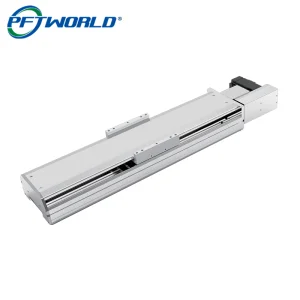
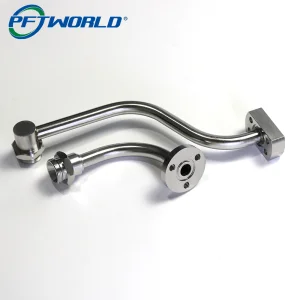
In modern industrial automation, selecting the optimal linear motion system is a critical architectural decision. Two dominant technologies govern mechanical positioning: Ball Screw systems and Belt Drive actuators. While both function to convert rotational torque into linear translation, they rely on fundamentally distinct physics, mechanical interfaces, and mechanical stress distribution paths. Sourcing departments and system engineers must balance accuracy, velocity, structural load limits, environmental constraints, and total cost of ownership (TCO) when choosing between these mechanisms.
A ball screw is a mechanical assembly that utilizes recirculating ball bearings rolling inside helical grooves machined into a threaded shaft and nut. As the screw rotates, the ball bearings provide rolling contact within the recirculating pathway. This rolling interface yields high mechanical efficiency (typically >90%), as rolling friction is significantly lower than sliding friction (found in traditional lead screws).
The primary engineering benefit of ball screws is their exceptional axial stiffness and load capacity. Because the load path is transmitted directly through metal-on-metal rolling elements, elastic deformation under high loads is minimal. This results in positioning repeatability in the range of micrometers (±0.005 mm or better), making them the industry standard for precision tooling, CNC machining centers, and aerospace actuator mechanisms.
Conversely, belt-driven actuators transmit force via a timing belt reinforced with steel or polyurethane tensile cords wrapped around driving pulleys. This mechanism operates primarily through shear forces on the belt teeth engaged with the pulley grooves.
The fundamental physical constraint of a belt drive is its inherent elasticity (belt stretch). Over long travel distances, the tensile cords under load experience elastic deformation, which directly affects precision. However, because they lack the high rotational inertia of long steel screws, belt-driven systems can achieve exceptional linear velocities (exceeding 5 m/s) and rapid accelerations over extended stroke lengths (often exceeding 10 meters).
| Performance Metric | Ball Screw Actuators | Belt Drive Actuators |
|---|---|---|
| Positioning Repeatability | ±0.005 mm to ±0.01 mm (High Precision) | ±0.05 mm to ±0.1 mm (Standard Precision) |
| Max Linear Velocity | Moderate (Limited by critical screw rotation speed to prevent whipping) | Very High (up to 5 - 10 m/s depending on motor pairing) |
| Max Stroke Length | Typically < 3 meters (Longer screws deflect under their own weight) | Virtually Unlimited (up to 10+ meters with joined guide tracks) |
| Thrust & Load Capacity | Extremely High (Excellent axial load ratings) | Moderate (Limited by belt tensile strength and shear limits) |
| Backlash Profile | Minimal (Preloaded ball nuts offer zero backlash options) | Variable (Dependent on belt tension, tooth play, and stretch) |
| Acoustic & Vibration Noise | Moderate to High (Bearing circulation noise at high RPMs) | Extremely Low (Quiet operation, ideal for laboratory environments) |
| Maintenance Cycle | Frequent lubrication required (Grease/Oil tracking) | Low maintenance (Periodic tension checks required) |
The selection of ball screws versus belt drives is heavily driven by regional automation standards and industrial demands. In North America and Europe, there is an increasing demand for integrated linear modules (such as our ODM PFTB11 Compact Belt Driven Linear Actuator) for multi-axis pick-and-place lines, driven by the expansion of automated e-commerce sorting hubs and lithium-ion battery production.
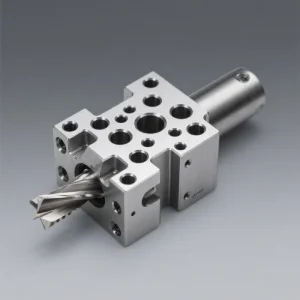
In East Asia (particularly China, Japan, and South Korea), high-precision manufacturing requires heavy deployment of precision ground and rolled ball screws. The semiconductor lithography industry, automotive body-in-white welding lines, and medical robotic instrumentation necessitate custom CNC-machined structural housings and mount interfaces to support these precision drive systems.
Shenzhen Perfect Precision Products Co., Ltd provides high-precision machining services supporting global motion control companies.
Analyze your technical criteria below to select the optimal mechanism for your custom automation build.
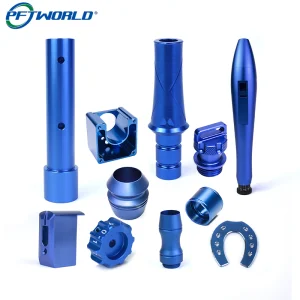
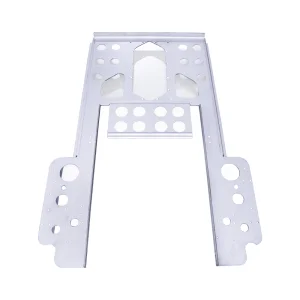
Custom CNC Engineering and Manufacture of Structural Automation Assemblies
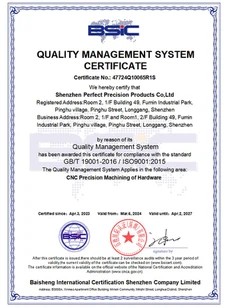
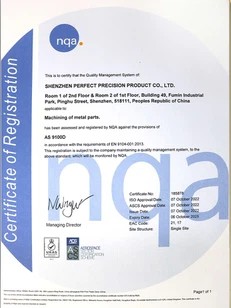
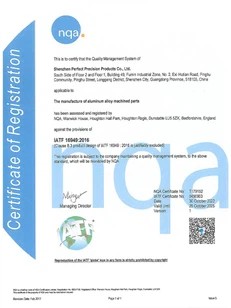
Established in 2014, Shenzhen Perfect Precision Products Co., Ltd has developed a world-class manufacturing facility to support global mechanical and aerospace engineering demands. Having passed the strict ISO9001 quality system certification, the enterprise has continuously expanded its capacity, scaling to a 10,000 square meter facility and achieving full digital chemical plant integration.
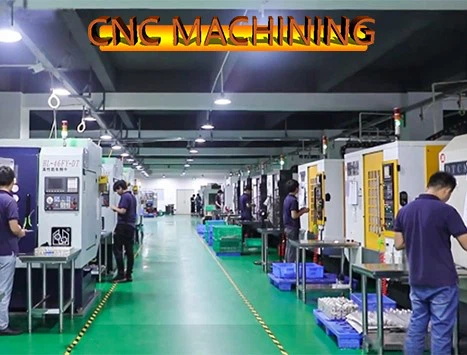
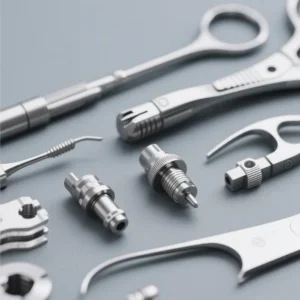
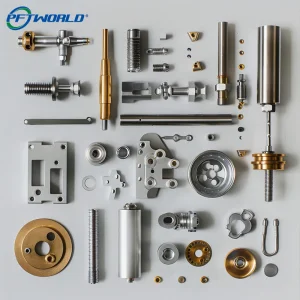
We deliver bespoke mechanical fabrication across multiple manufacturing disciplines to match custom client specifications.
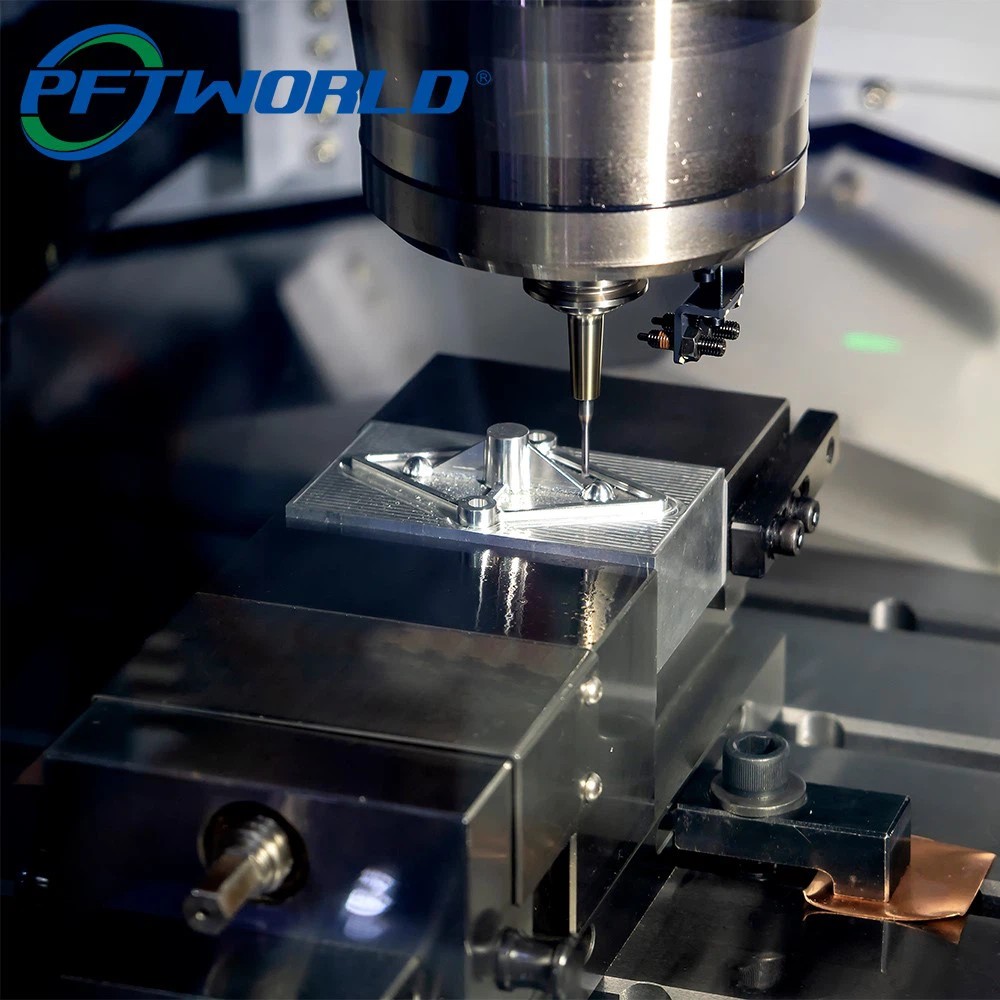
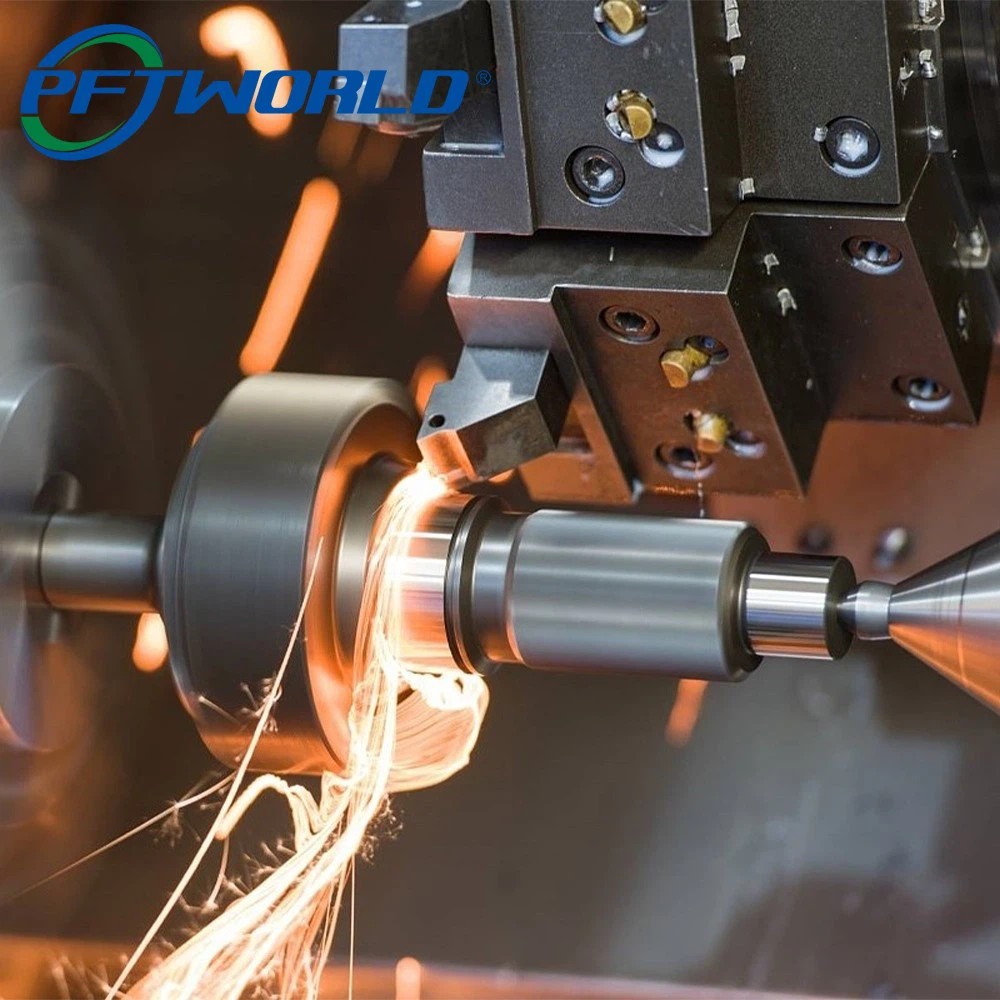
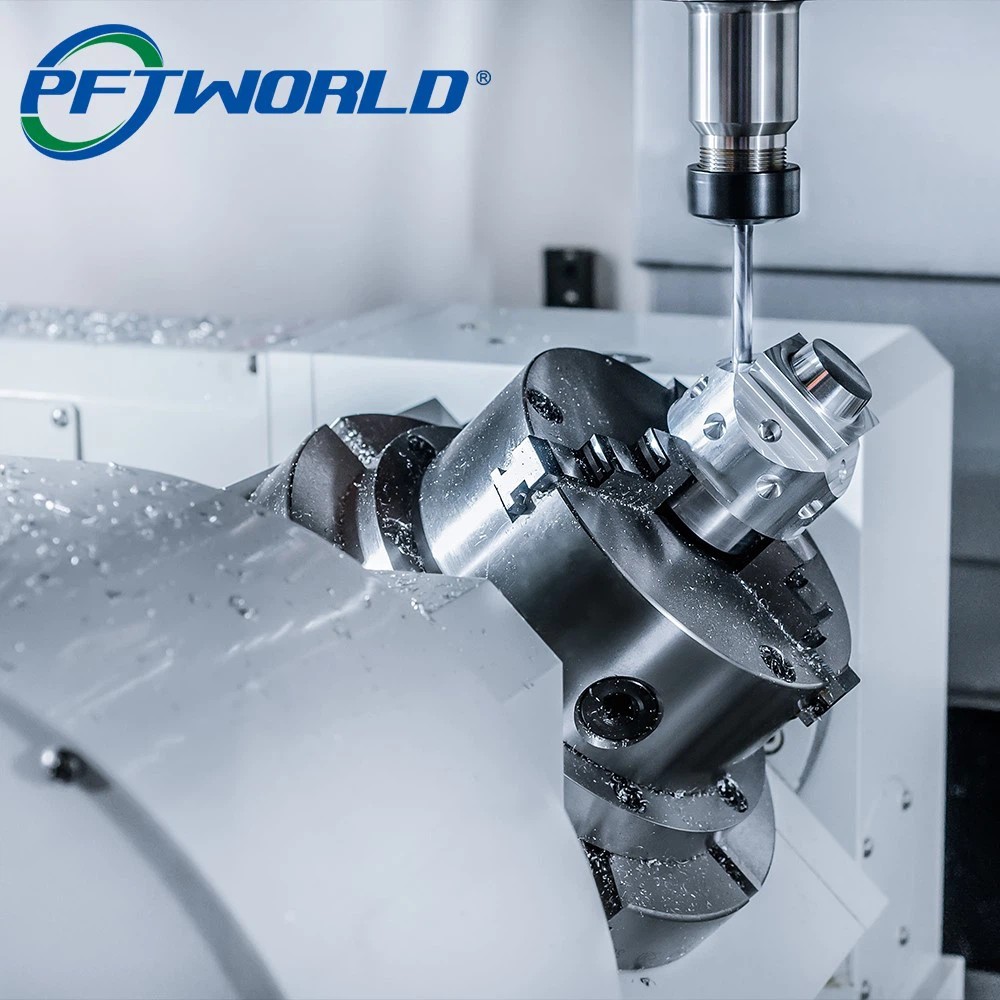
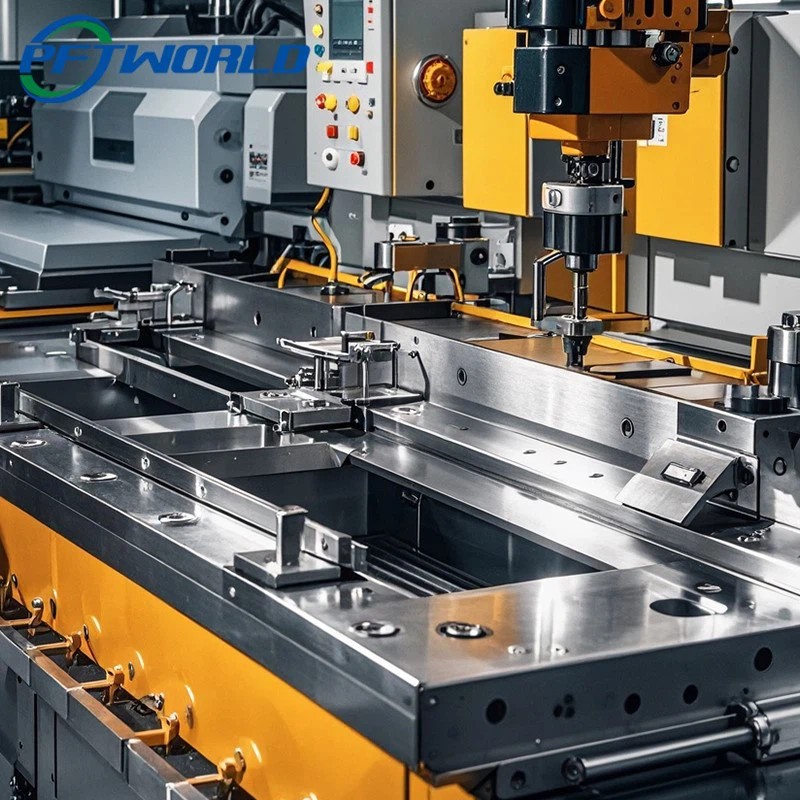
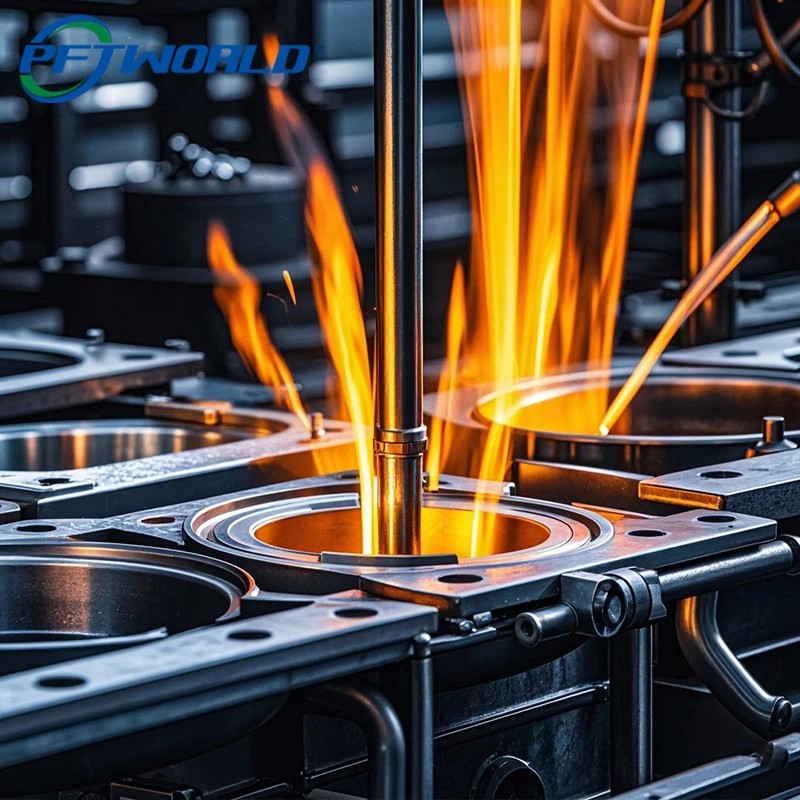
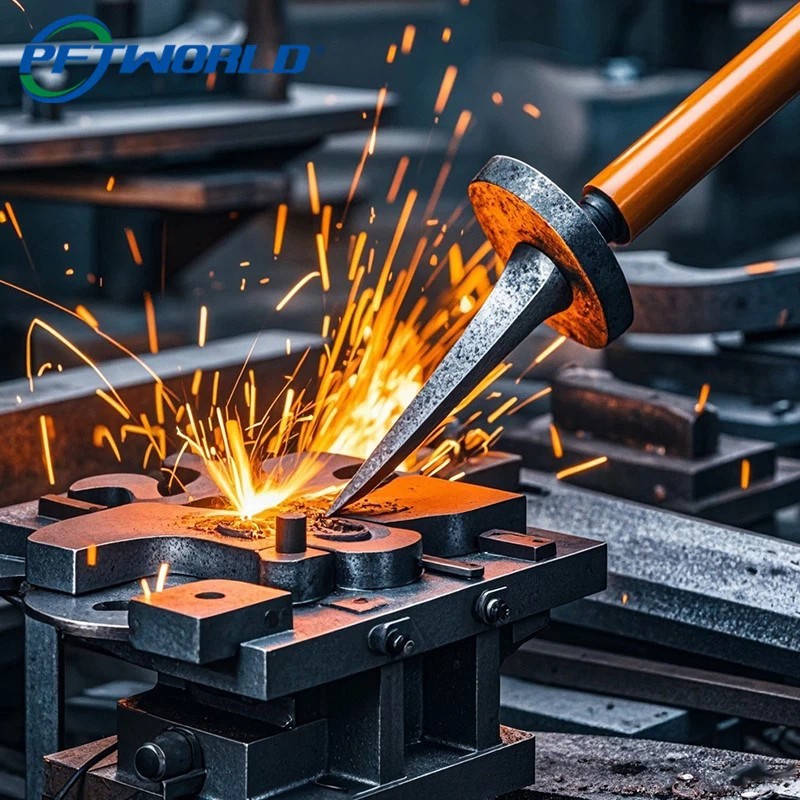
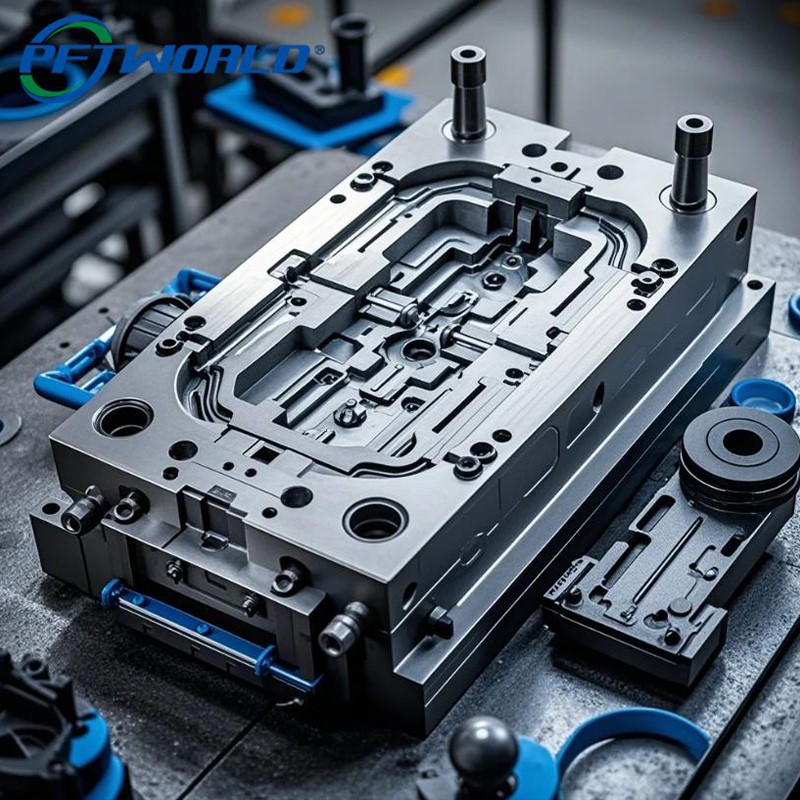
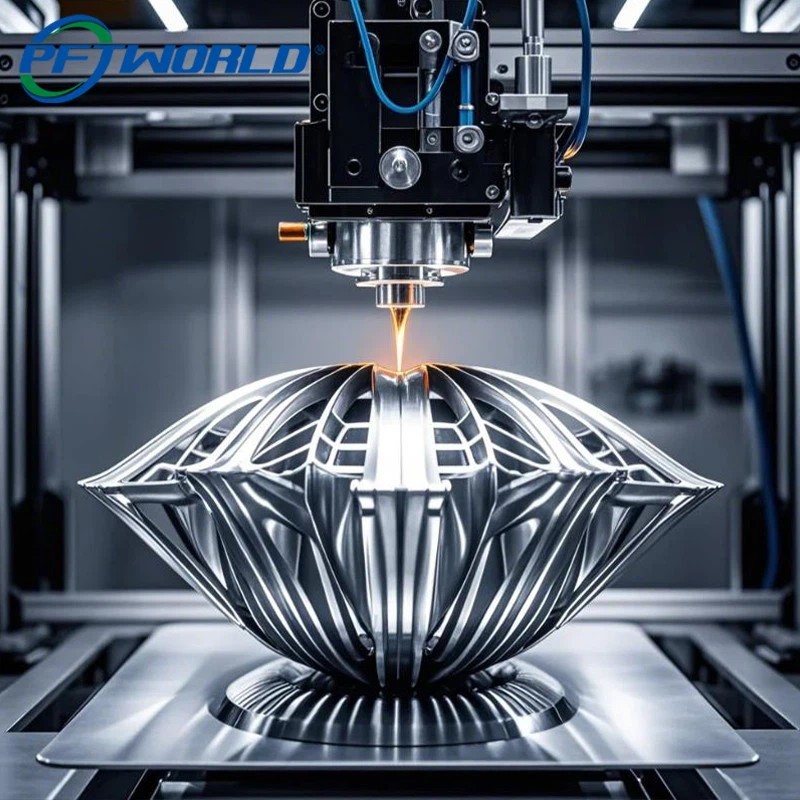
We deploy advanced metrology tools to guarantee micron-level accuracy for every machined batch.
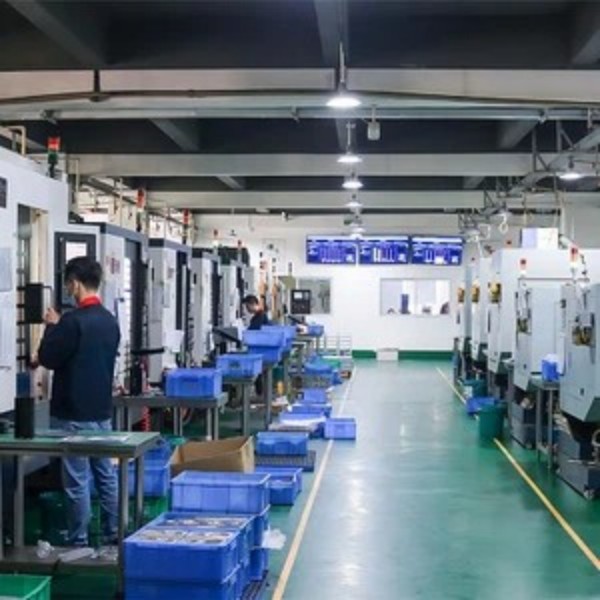
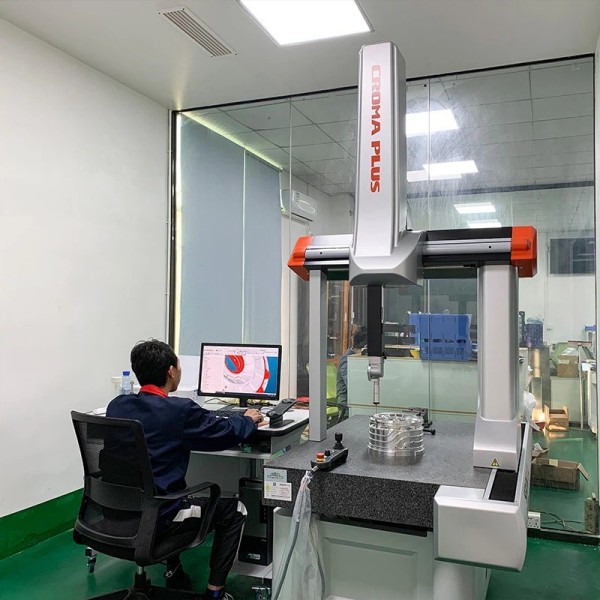
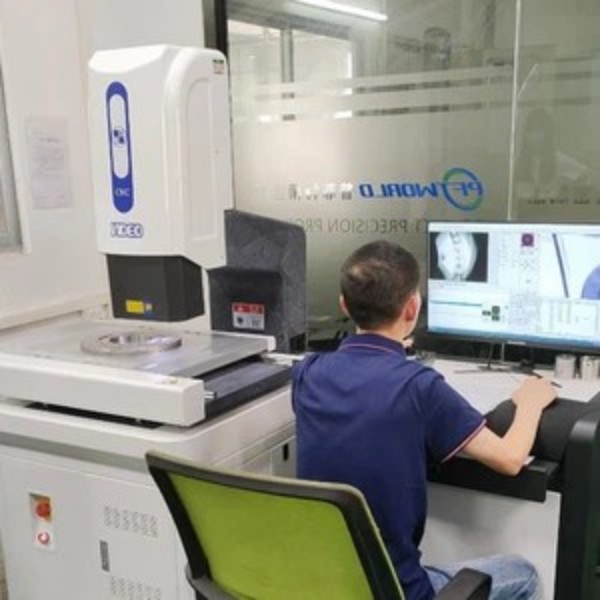

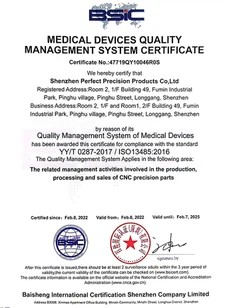
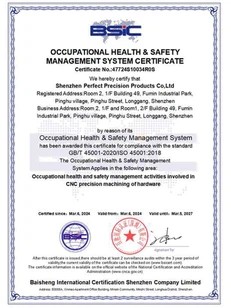
Our operations align with global standards for aerospace, medical, automotive, and defense fabrication.
The manufacturing landscape for mechanical drive components is evolving rapidly. High-precision industries are moving beyond simple components toward integrated, intelligent linear modules. These new configurations integrate sensor matrices directly onto the carrier block, allowing factories to monitor metrics like linear load parameters, vibrational frequencies, temperature changes, and lubricant degradation in real time.
Next-generation timing belt drives utilize carbon tensile members that mitigate up to 60% of traditional elastic stretch. This advances the position repeatability of standard timing belts toward ±0.02mm, making them viable for applications that once strictly required ball screw mechanisms.
To reduce cleanroom contamination and operational downtime, manufacturers are implementing porous polymer reservoirs directly inside the ball nut. These reservoirs slowly release lubrication onto the helical tracks, extending service life in cleanroom and vacuum environments.
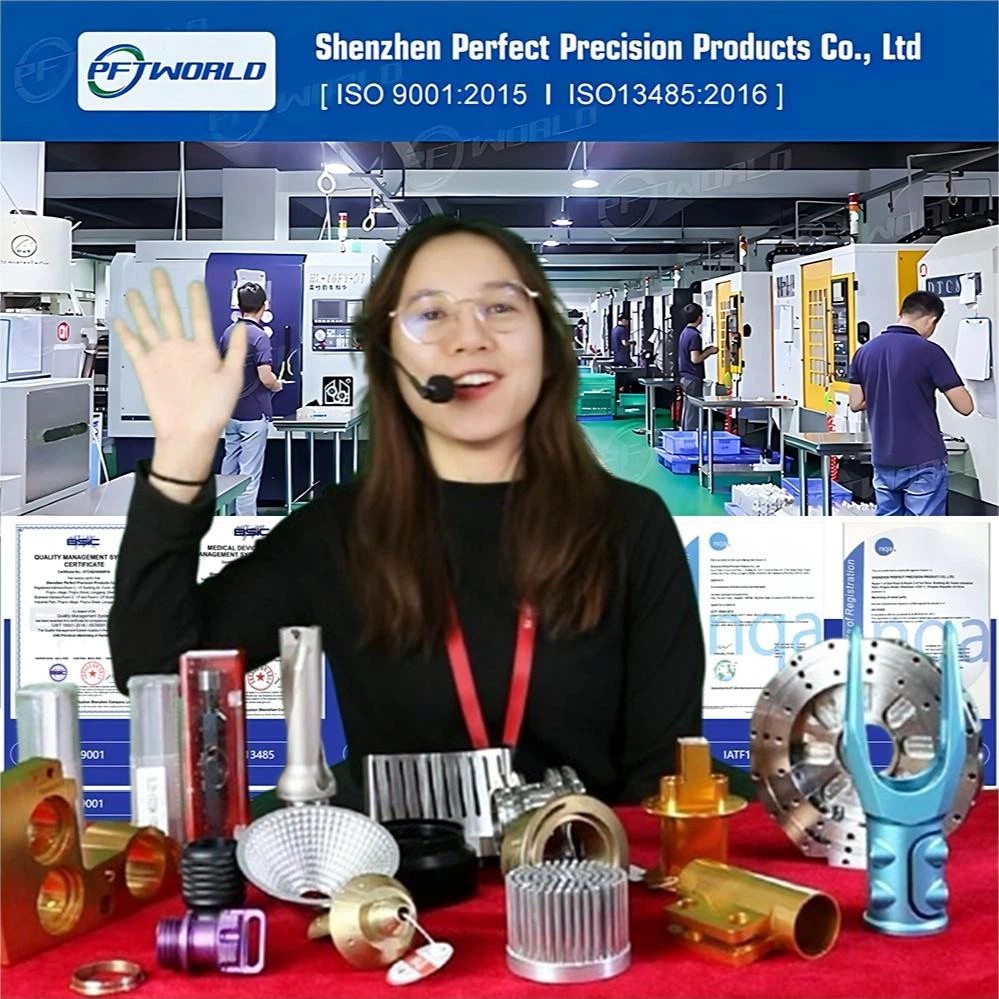
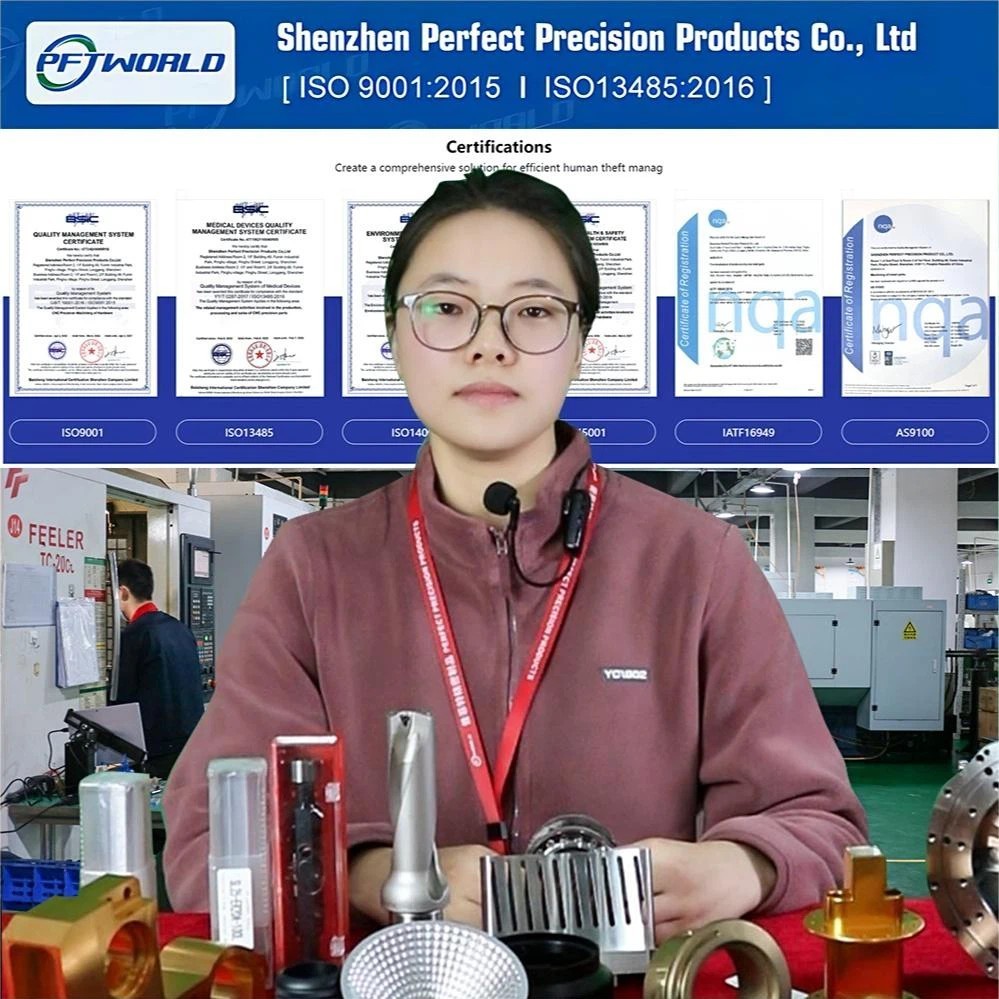
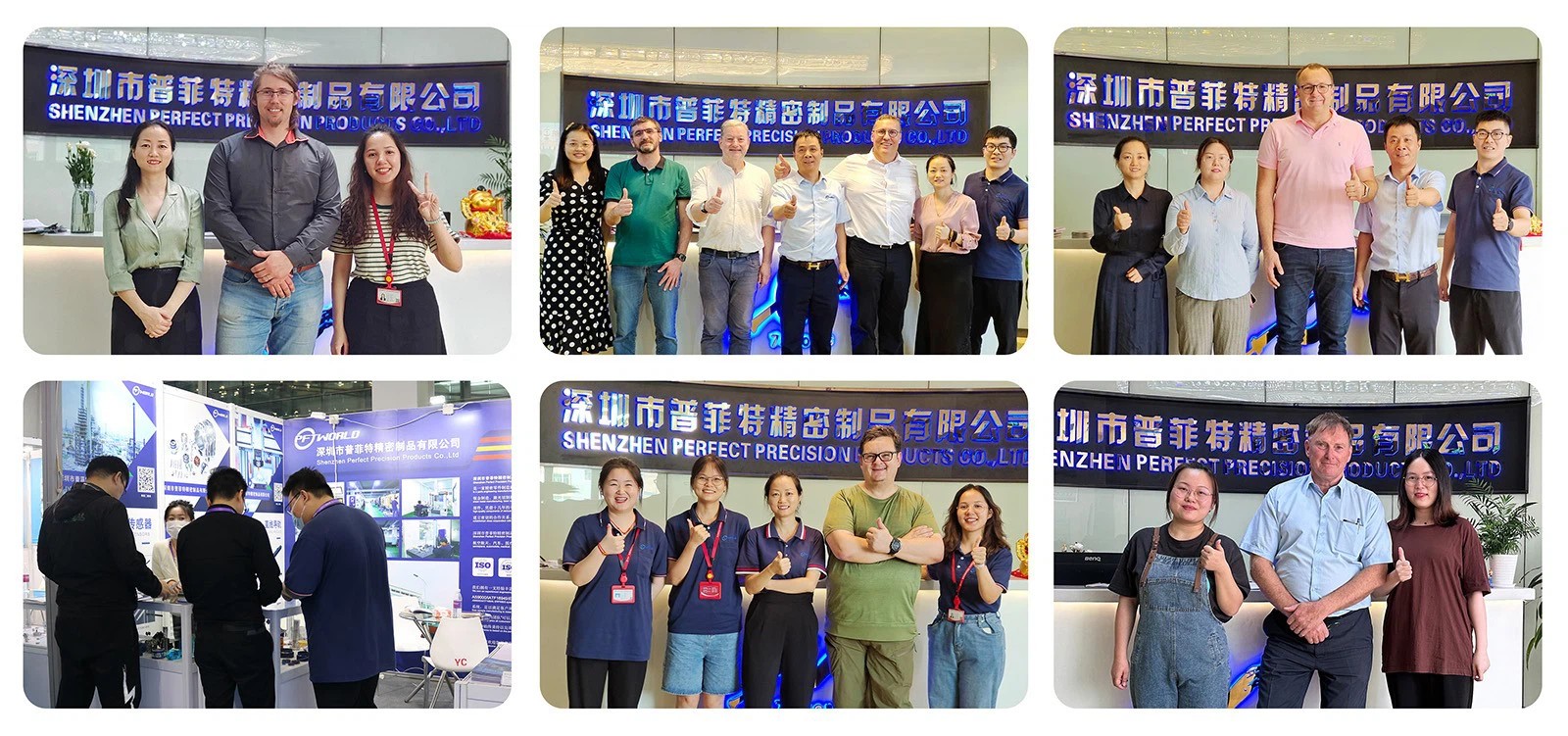
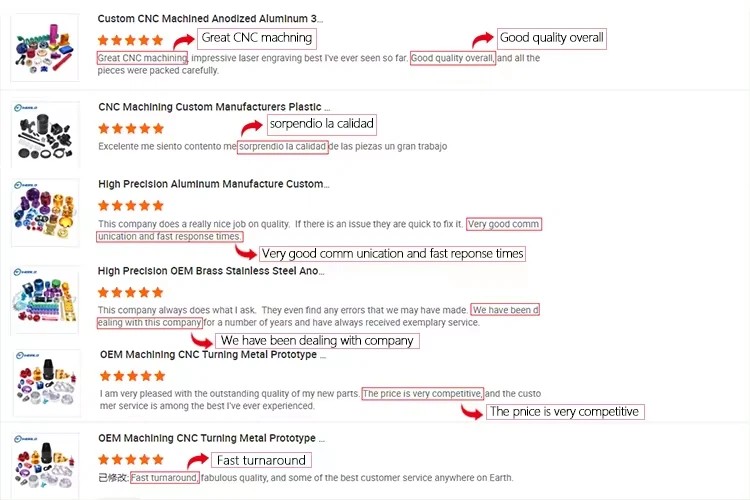
Inside look at our manufacturing floors, quality check checkpoints, and verified customer evaluations.
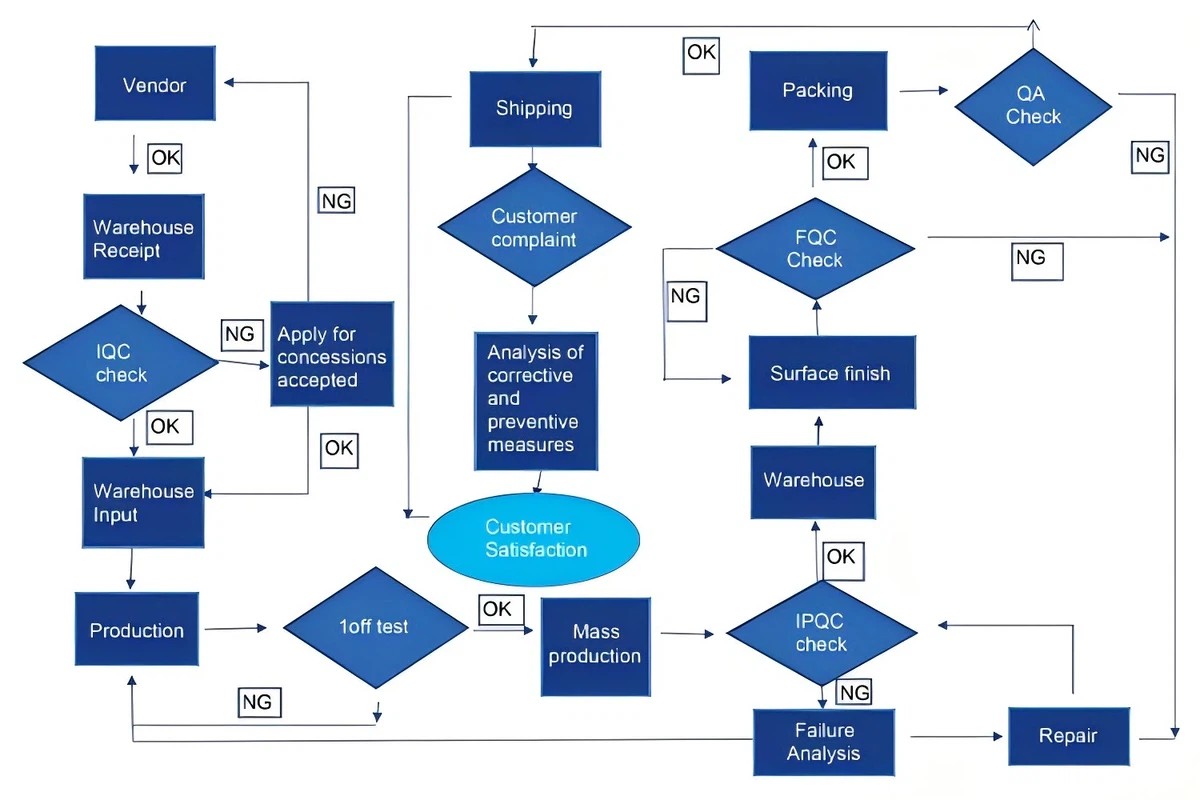
Get answers to engineering inquiries regarding linear drive selection, custom machining tolerances, and order procedures.
We deliver high-precision CNC machining solutions tailored to your exact specifications. From prototyping to mass production, we handle everything with strict quality control, fast turnaround, and competitive pricing. Equipped with advanced CNC machines and a skilled engineering team, we serve industries like automotive, aerospace, medical, and electronics with accuracy and reliability.
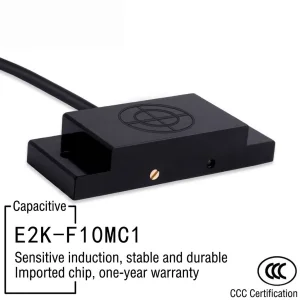
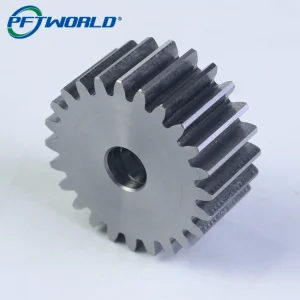
Explore our line of optical sensors, proximity detection systems, and heavy-duty transmission gears.