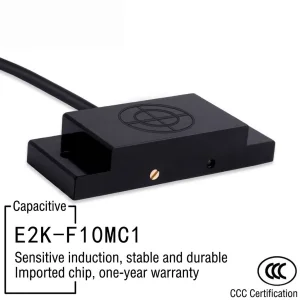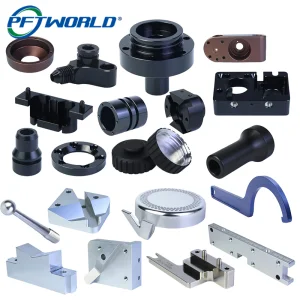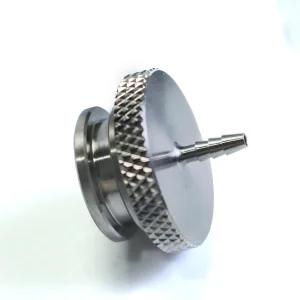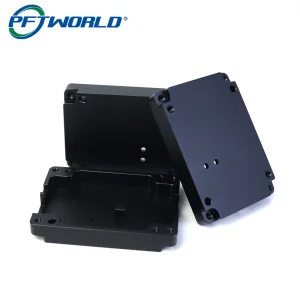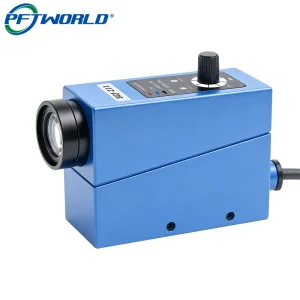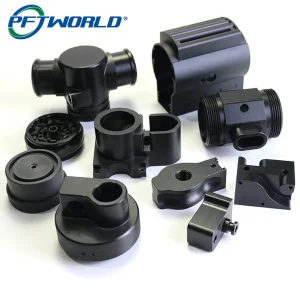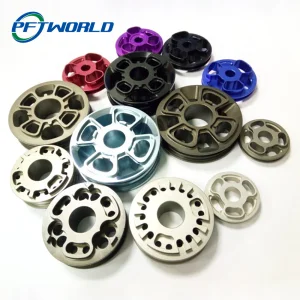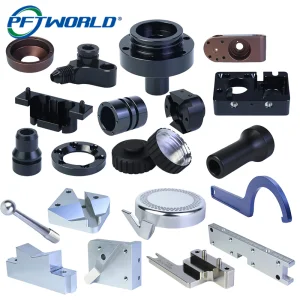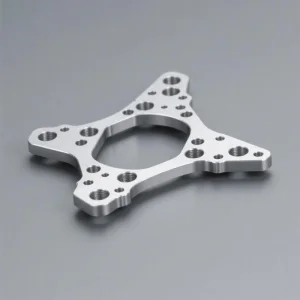
Explore our high-performance CNC parts, sensors, and structural components engineered to extreme tolerances.
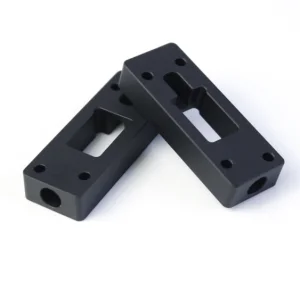
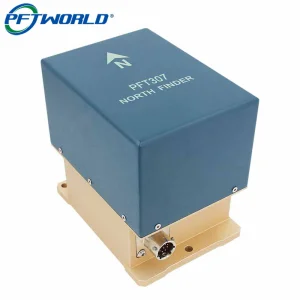
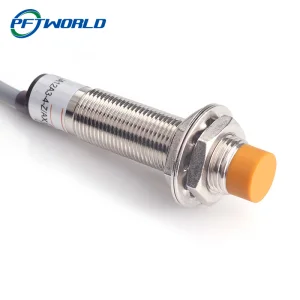
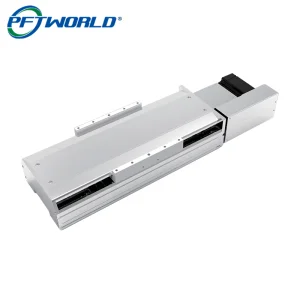
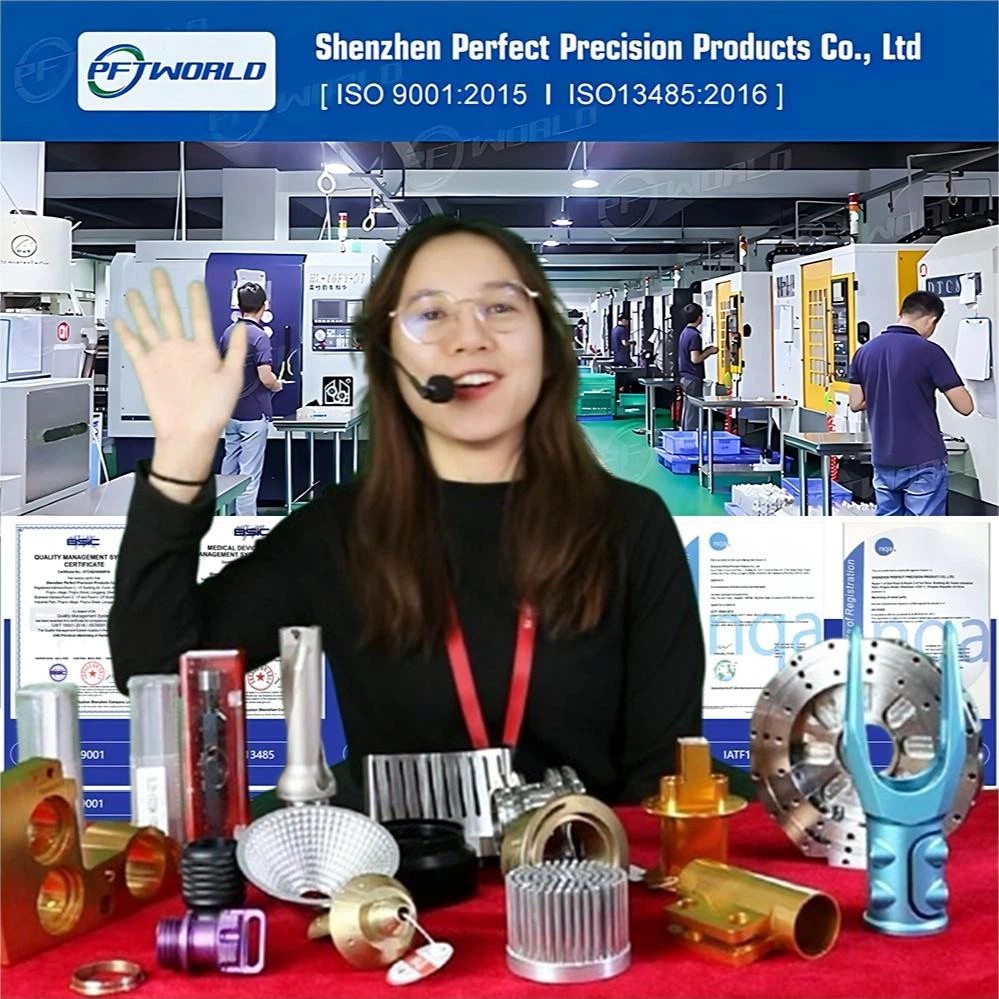
Established in 2014, our organization has systematically scaled from a dedicated foreign trade team to a leading-edge digital manufacturing plant. Operating from a state-of-the-art facility expanded to 10,000 square meters, we integrate advanced high-precision engineering services with robust supply chain stability to serve customers globally.
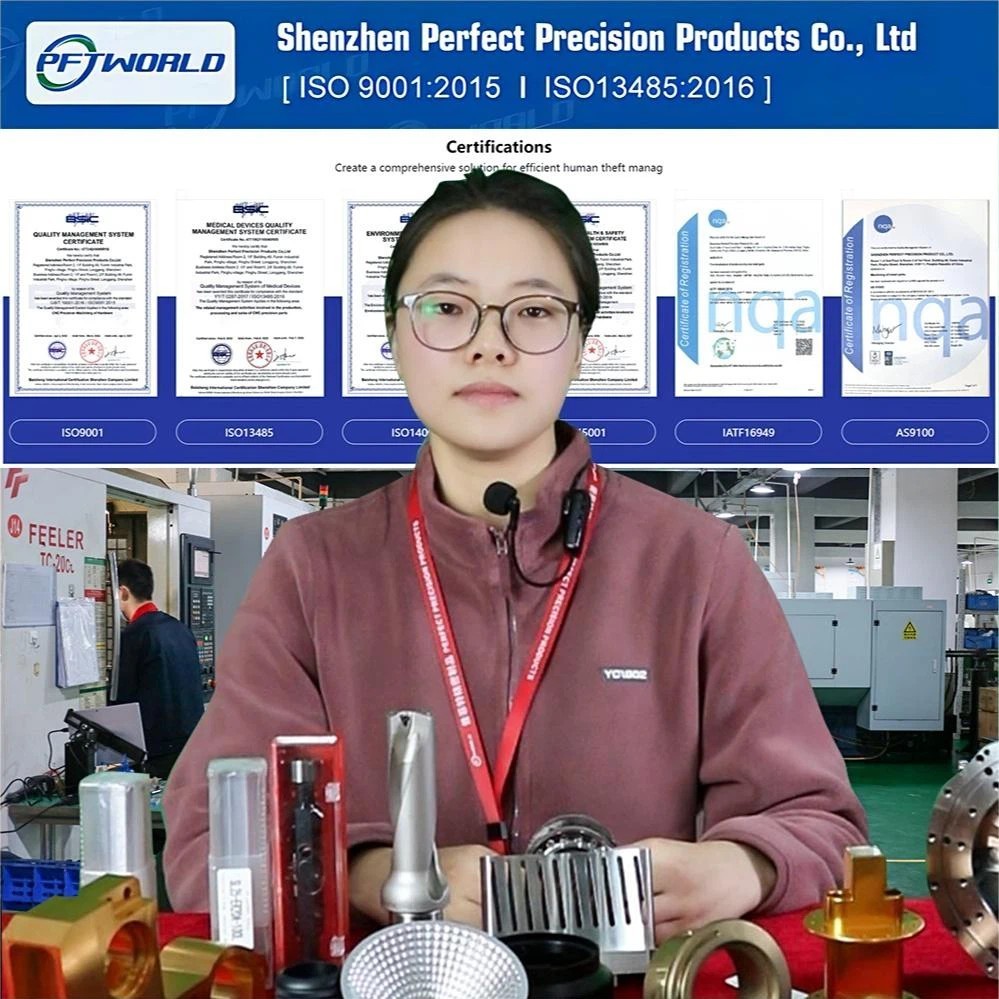
Our operational journey has been marked by rigorous standardizations, passing the ISO9001 quality system certification early in our expansion. Recognized as a Guangdong Contract and Trustworthy Enterprise, we attained high-tech enterprise status alongside intellectual property management system certification. By combining a highly technical engineering workforce with a robust digitalized production framework, we provide high-precision tooling and dynamic custom automation components to over 6,000 global entities.
Standard Tolerances: +/- 0.01 mm
Critical Special Limits: +/- 0.002 mm
Roughness Range: Ra 0.1 ~ 3.2
Finishes: Sandblasting, Black Anodization, Bead Blasting, Electroplating
Prototype Turnaround: 1-3 Days
Production Lead Time: 7-14 Days
Milling Capabilities: 3-Axis, 4-Axis, 5-Axis, 6-Axis setups
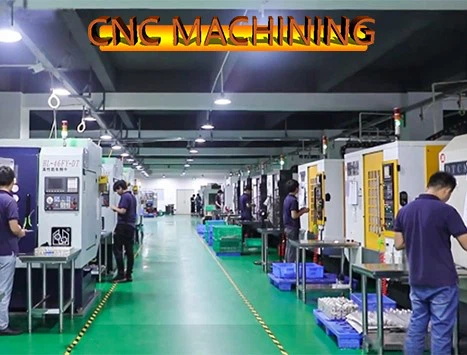
Strategic analysis of global procurement trends, supply chain integration, and precision engineering evolution.
Modern procurement in the industrial automation sector has shifted from transactional supplier agreements to highly integrated, co-engineered value systems. Procurement departments must secure components that not only comply with tight dimensional tolerances but also align with the rigorous standardizations required by automated sub-assemblies. The integration of high-performance sensors, linear slide systems, and precision optical sensors is essential for minimizing downstream assembly variations. At PFTWORLD, we support this shift by acting as a single-source manufacturer, taking design inputs directly from STEP, IGS, and DWG files and outputting completely finished components that integrate seamlessly into complex mechanical arrays.
In industries like aerospace, medical devices, and automotive manufacturing, raw materials must undergo strict validation checks. Micro-structural integrity, tensile properties, and corrosion-resistance characteristics must match global safety regulations. For instance, aerospace structural parts demand thin-walled structural stability without residual internal stresses that cause post-machining deformation. Similarly, automotive components require specialized finishes like black anodization or bead blasting to withstand environmental degradation. Our AS9100D and IATF16949 certifications are a testament to our ability to meet these demanding quality criteria consistently, ensuring that every batch delivers optimal performance.
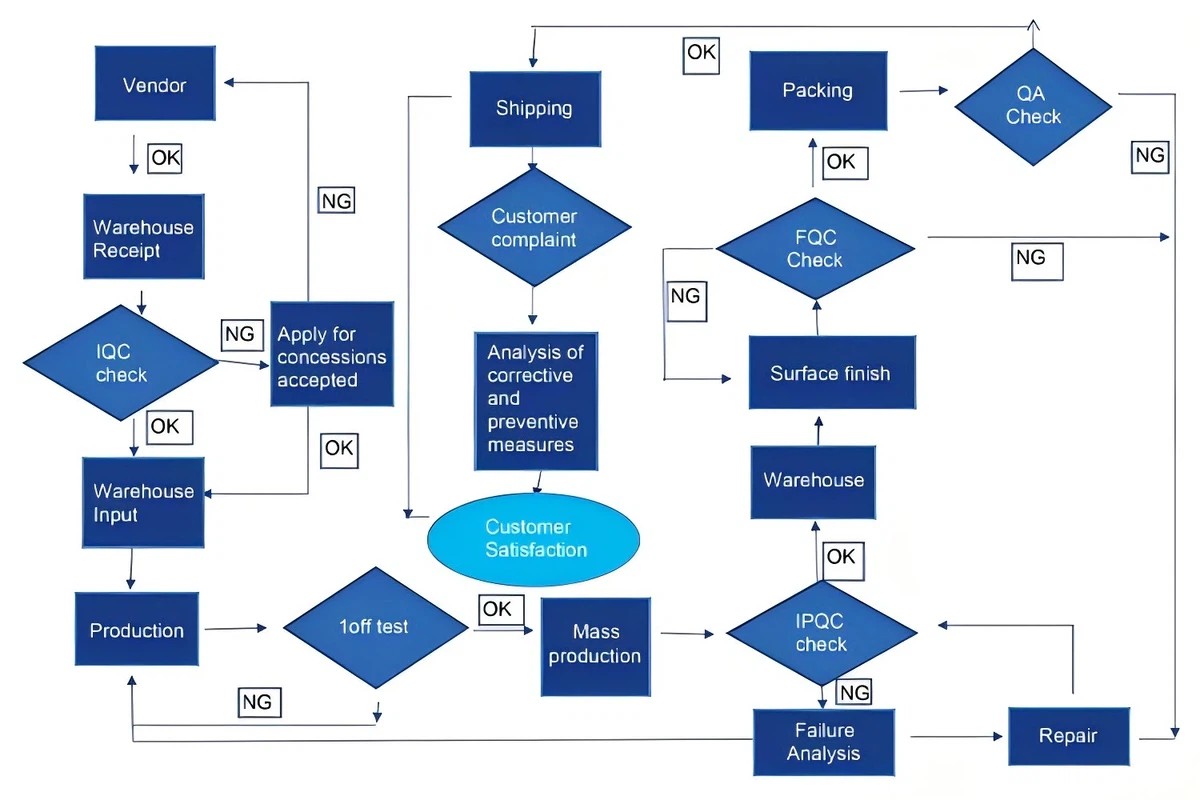
To mitigate risk in supply chains, modern buyers require end-to-end transparency. Traditional opaque manufacturing models are being replaced by digitized, visual production workflows. By integrating ERP tracking and digital quality control checkpoints, PFTWORLD enables global sourcing managers to verify critical parameters at each stage of production. This transparency reduces inspection times, guarantees delivery windows, and assures procurement teams that their components are being machined to exact engineering specifications.
High-end engineering processes customized for advanced robotic platforms, aerospace, and medical engineering.
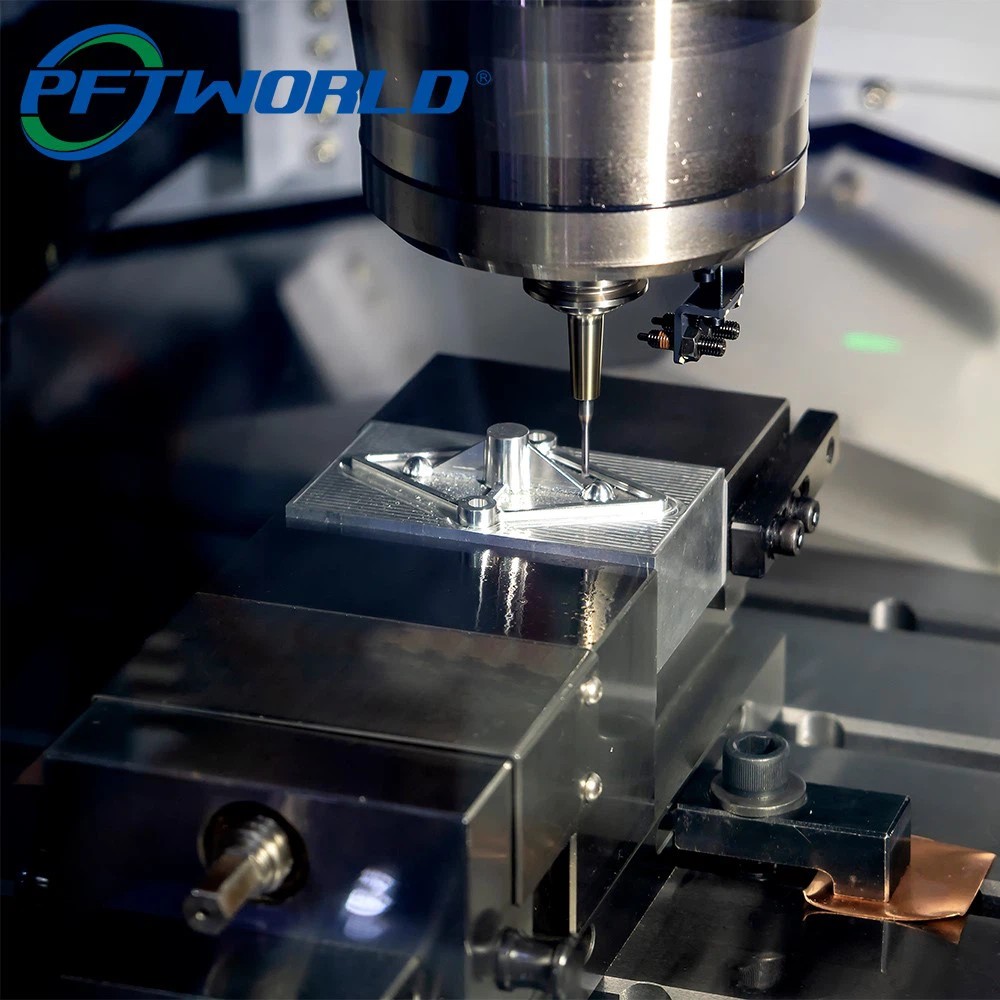
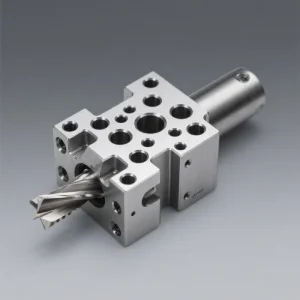
Multi-axis milling optimized for complex geometric envelopes, featuring automated tool-change systems for rapid material removal rates.
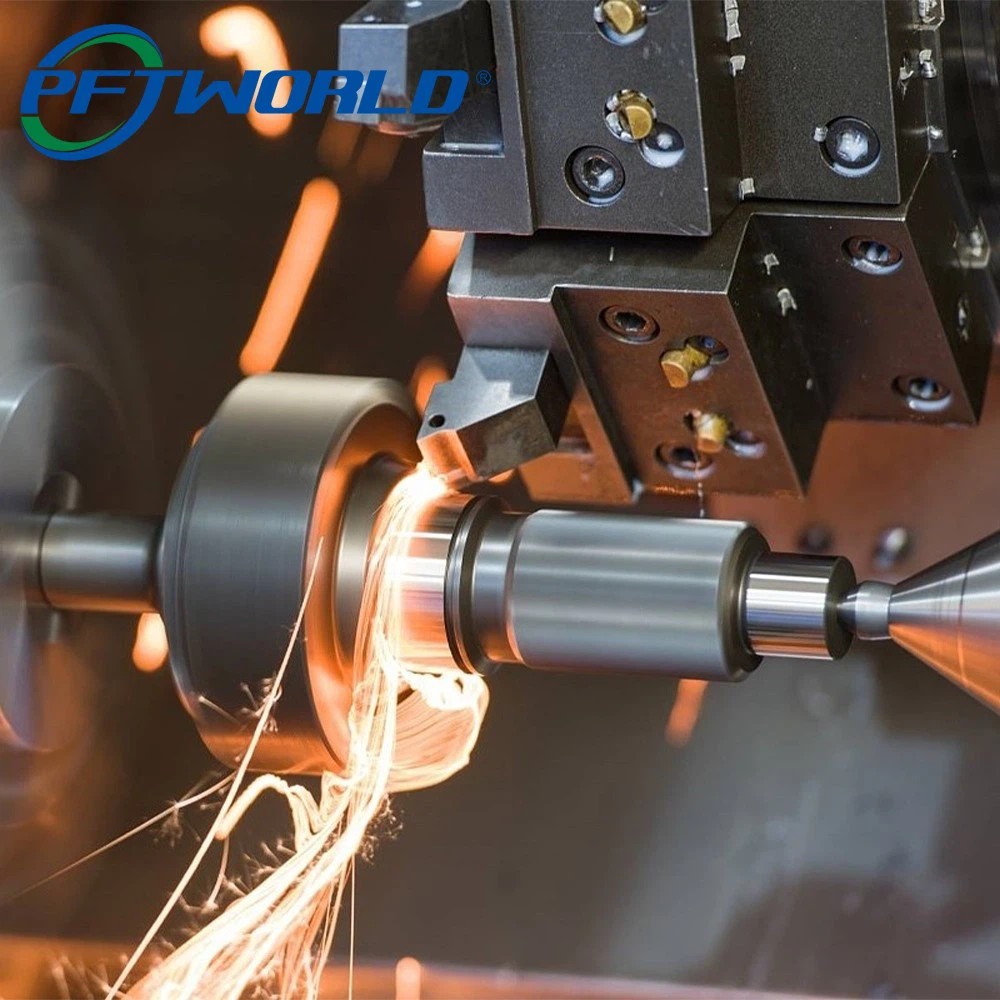
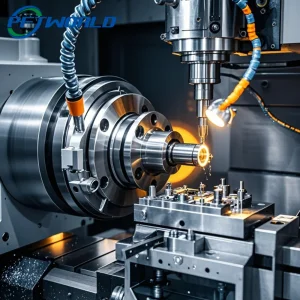
High-precision lathe turning with live tooling, enabling single-setup finishing for concentric parts and complex shafts.
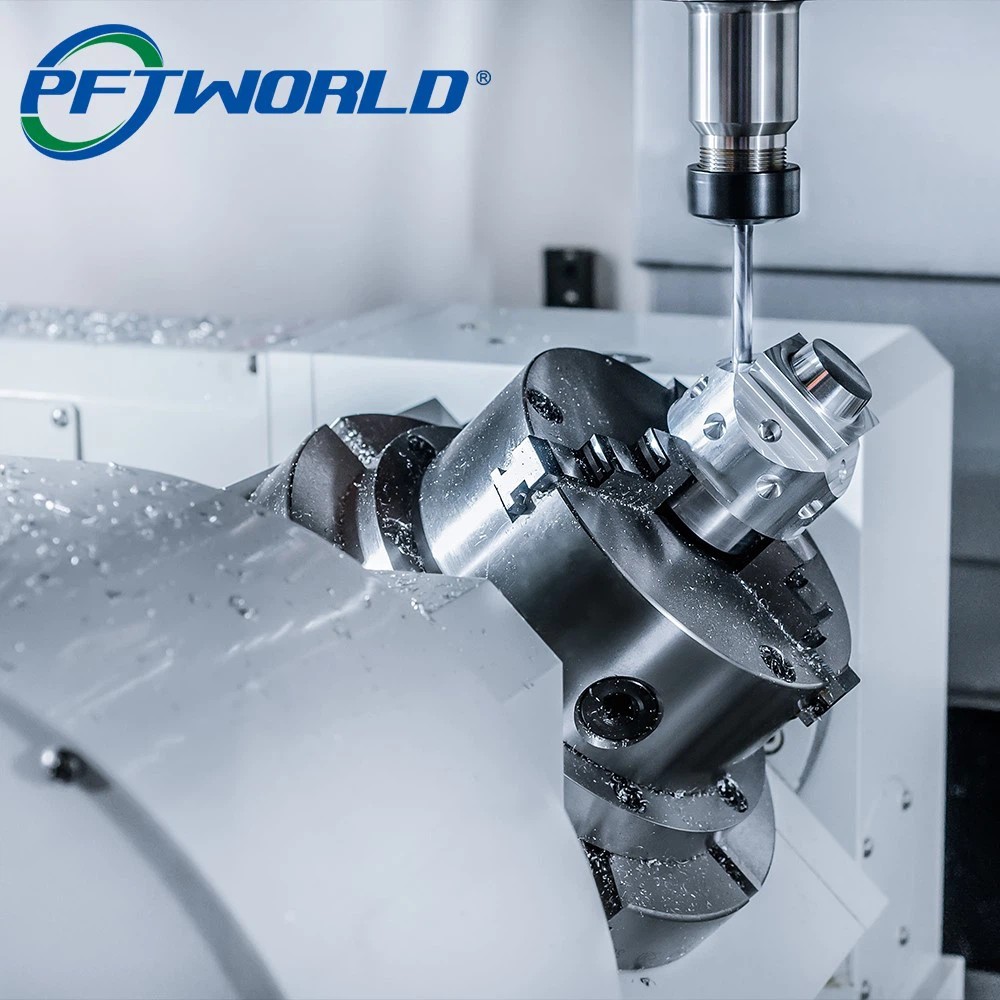
Combining the dynamics of high-speed turning and multi-axis milling to manufacture intricate features without secondary fixtures.
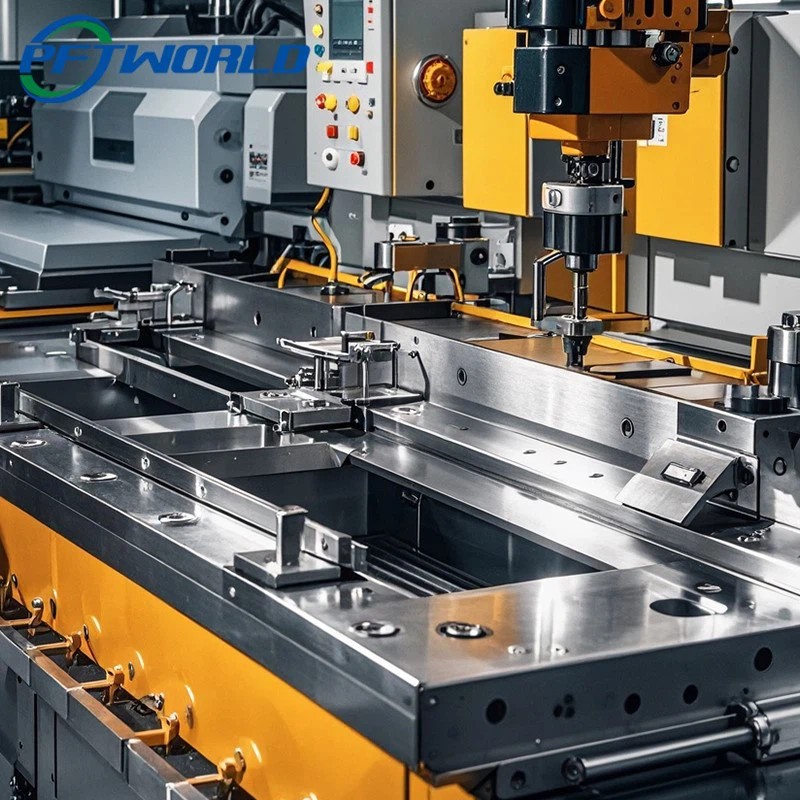
Precision bending, laser-cutting, and stamping operations engineered for durable chassis, enclosures, and structural mounts.
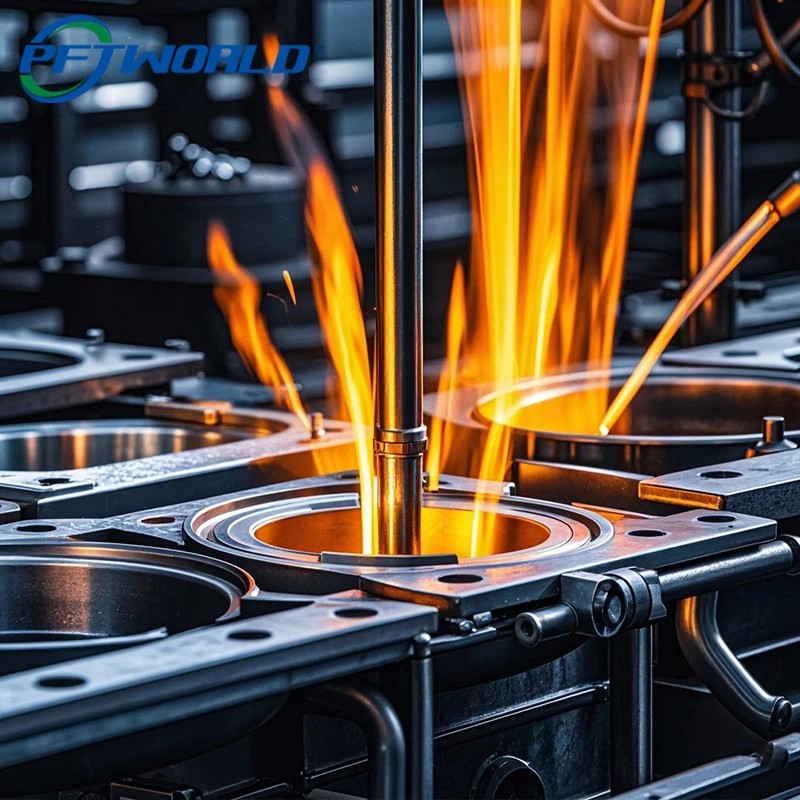
Reliable die-casting and sand-casting methodologies paired with secondary CNC refinement for high-volume structural demands.
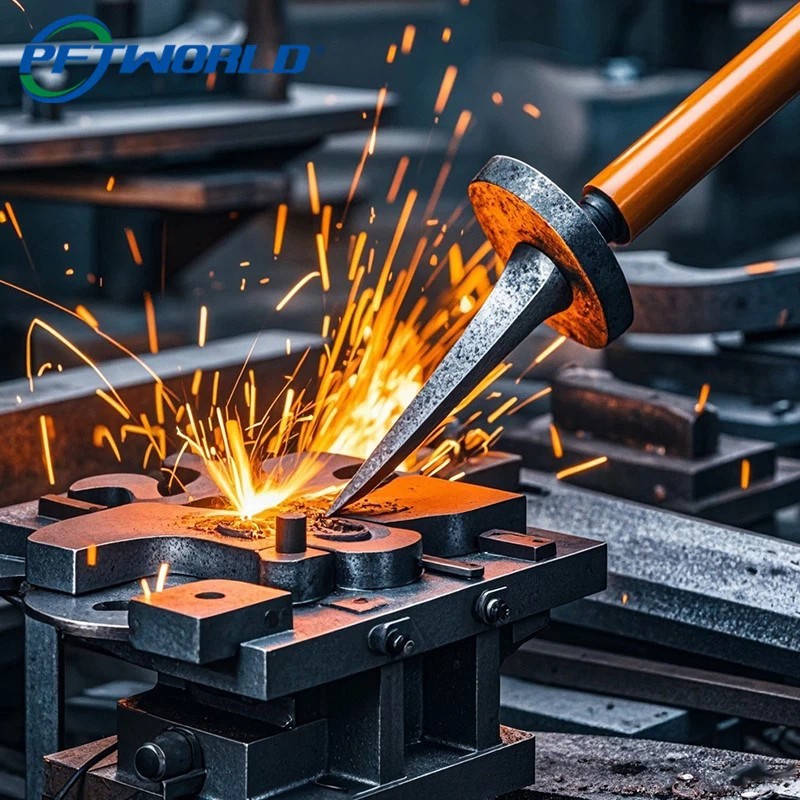
High-strength forged structural components designed to withstand severe mechanical fatigue and heavy wear cycles.
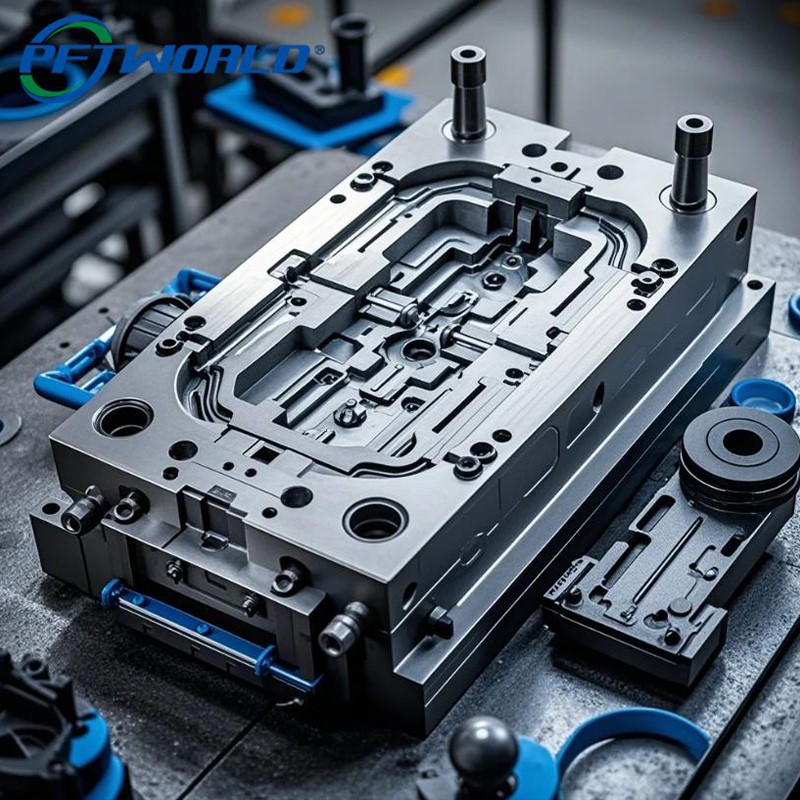
Custom tooling and injection mould development featuring high-grade steel cores to ensure long service life and high repeatability.
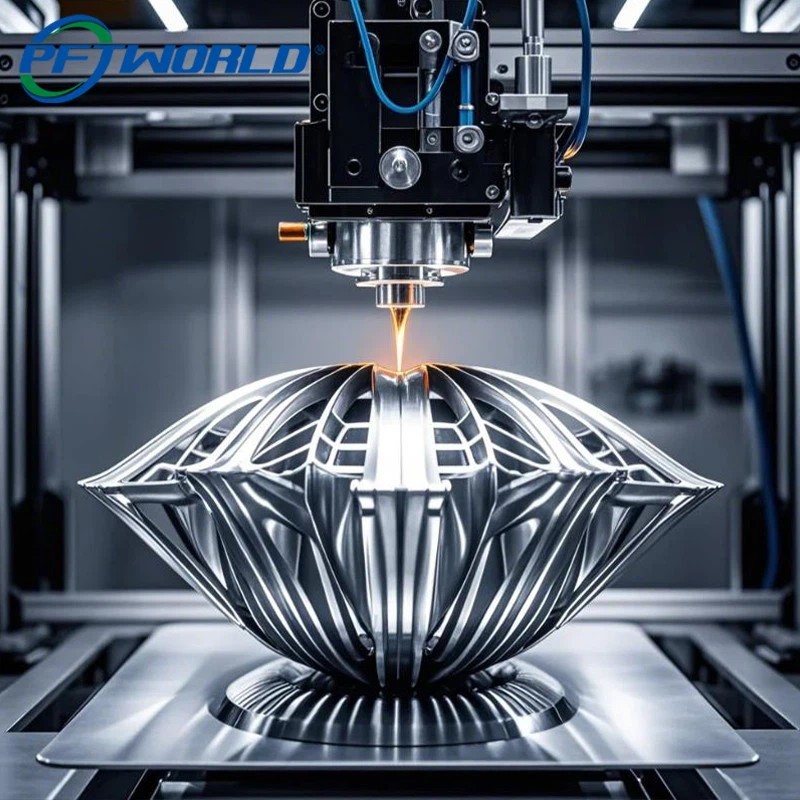
Rapid prototyping utilizing SLA, SLS, and metal 3D printing technologies to fast-track early-stage design validations.
How PFTWORLD achieves sub-micron reliability through rigorous testing protocols and inspection equipment.
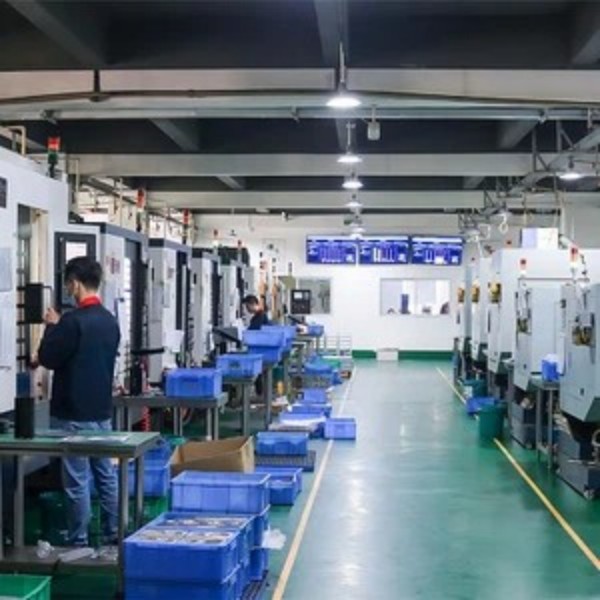 CNC Machining Center
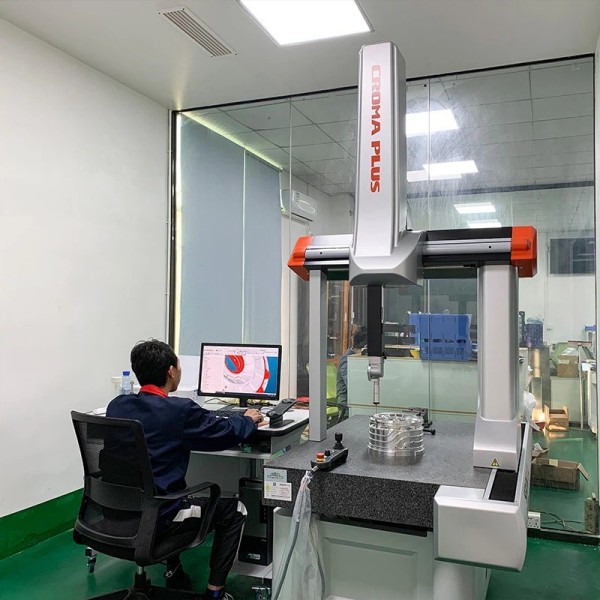 Coordinate Measuring (CMM)
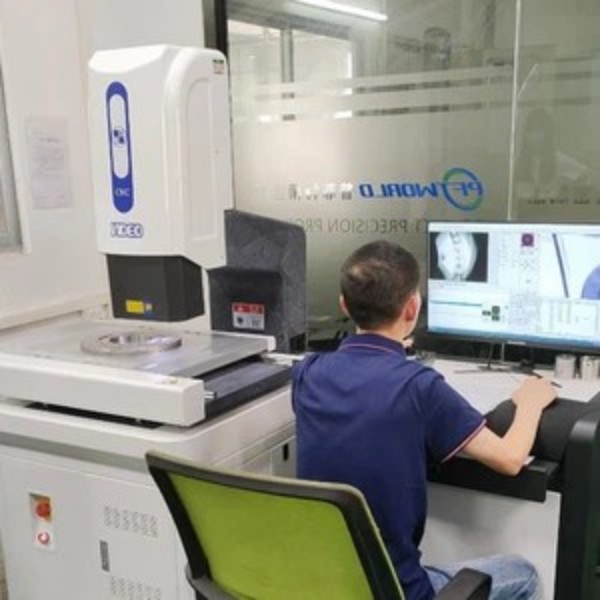 2D Optical Measuring
 24-H Metrology Systems
Quality at PFTWORLD is an ongoing operational commitment. Our CMM calibration systems measure intricate volumetric deviations on critical tolerances down to +/- 0.002mm. Our process relies on a four-stage verification protocol:
We maintain full compliance with leading international manufacturing standards to support critical industrial applications.
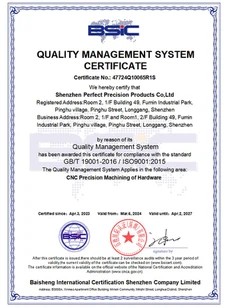
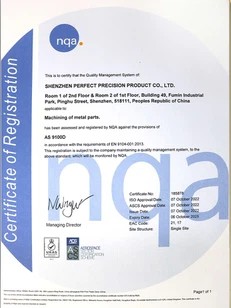
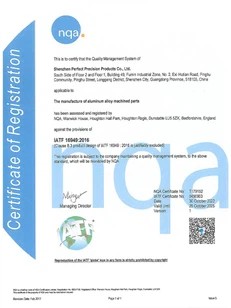
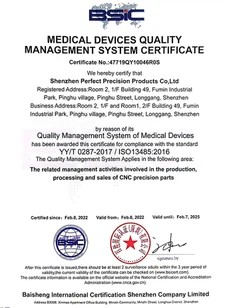
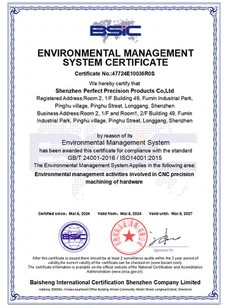
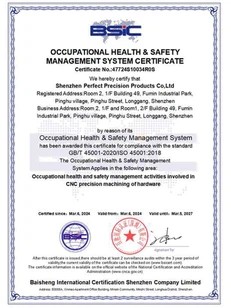
Real-time manufacturing updates from planning to dispatch, keeping your projects on track.
As manufacturing demands evolve, several key technologies will shape the sourcing landscape over the next five years. We are actively incorporating these developments into our production strategy:
AI algorithms are helping optimize toolpath routines, significantly reducing cycle times and minimizing mechanical vibration. This translation of software data to spindle behavior ensures uniform surface roughness and helps extend tool life across high-volume production runs.
With an increasing focus on ESG compliance, global buyers prioritize recycled alloys and green logistics. PFTWORLD is working to minimize carbon footprints by improving material yields, sorting scrap alloys for recycling, and utilizing eco-friendly processing chemicals.
By pairing optical scans with coordinate measuring probe measurements, we generate comprehensive 3D quality models. This hybrid inspection process delivers fast, highly accurate evaluations, ensuring that complex parts meet all functional requirements before shipment.
Detailed engineering answers to the most common questions regarding technical feasibility, lead times, and quality control.
Get in touch with our engineering team today to review your designs, tolerances, and production requirements.
Send Inquiry NowExplore our full range of CNC parts, sensor modules, and structural components.