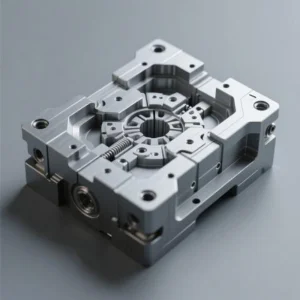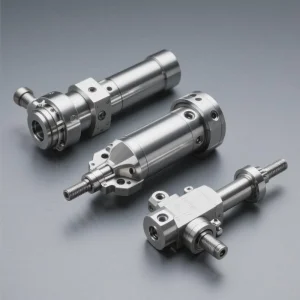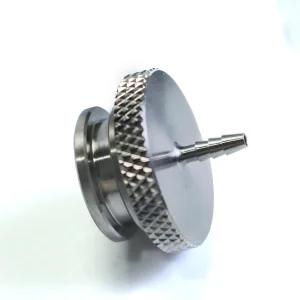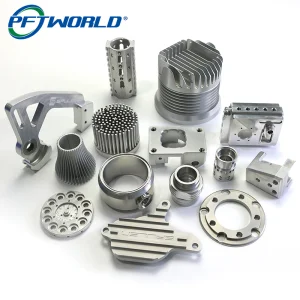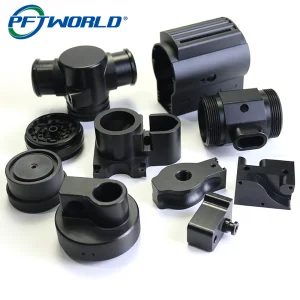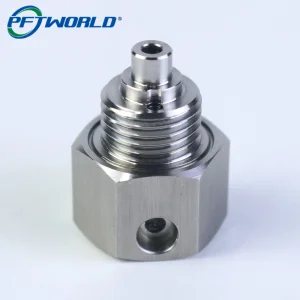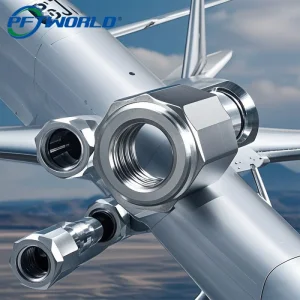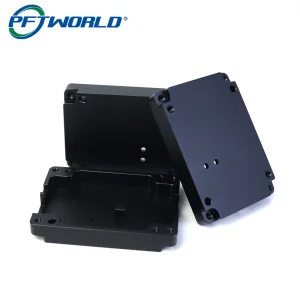
Explore our foundational customized hardware catalog designed for aerospace, drone, and industrial automation sectors.
Established as a premier custom manufacturing factory in Shenzhen, China, we have pioneered precision engineering by integrating advanced machinery with digitized manufacturing ecosystems. Having set up our dedicated global trade team in 2014, we rapidly optimized our internal quality assurance paradigms, securing the ISO9001 quality system certification early on. Recognized as a Guangdong Contract and Trustworthy Enterprise in 2018, and accredited as a National High-Tech Enterprise and IP Management system certulant in 2019, we continue to expand limits in multi-axis machining.
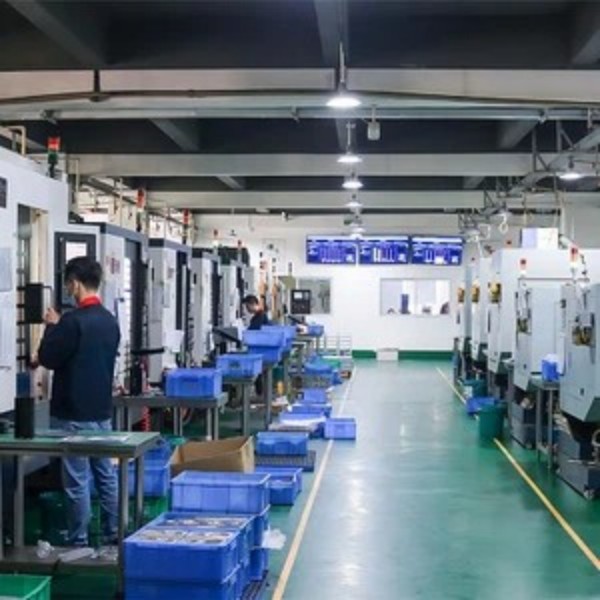
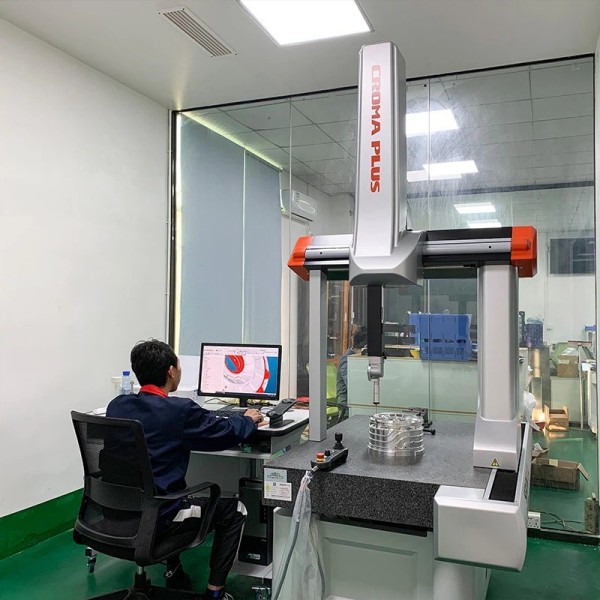
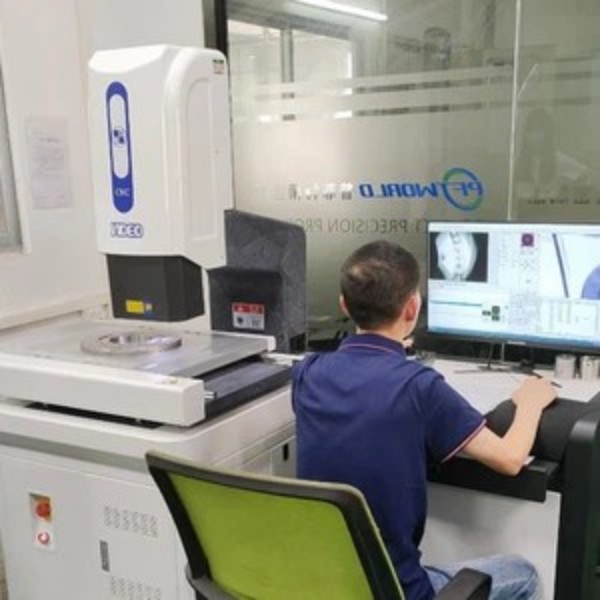
By 2020, our main campus expanded to 10,000 square meters of highly integrated facilities housing 70 engineering experts. In 2021, we successfully digitized our production workflows, integrating manufacturing operations, real-time tool tracking, and Automated Quality Metrology across all production floors.
Standard Tolerances: +/- 0.01 mm
Ultra-Precision Special Zones: +/- 0.002 mm
Roughness Range: Ra 0.1 ~ 3.2
Post-processing: Anodizing, Passivating, Electroplating, Brushed
Rapid Prototyping: 1 - 3 Days
Mass Production: 7 - 14 Days
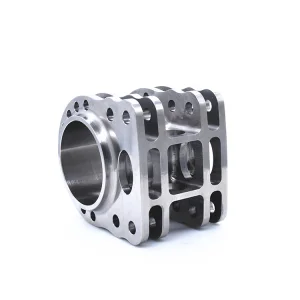
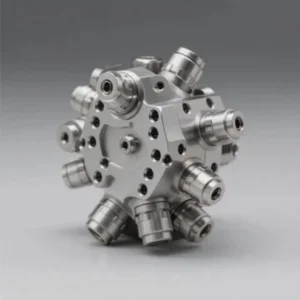
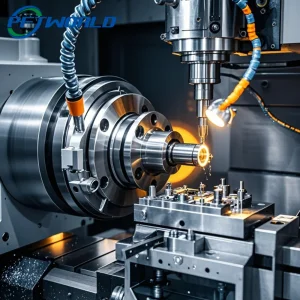
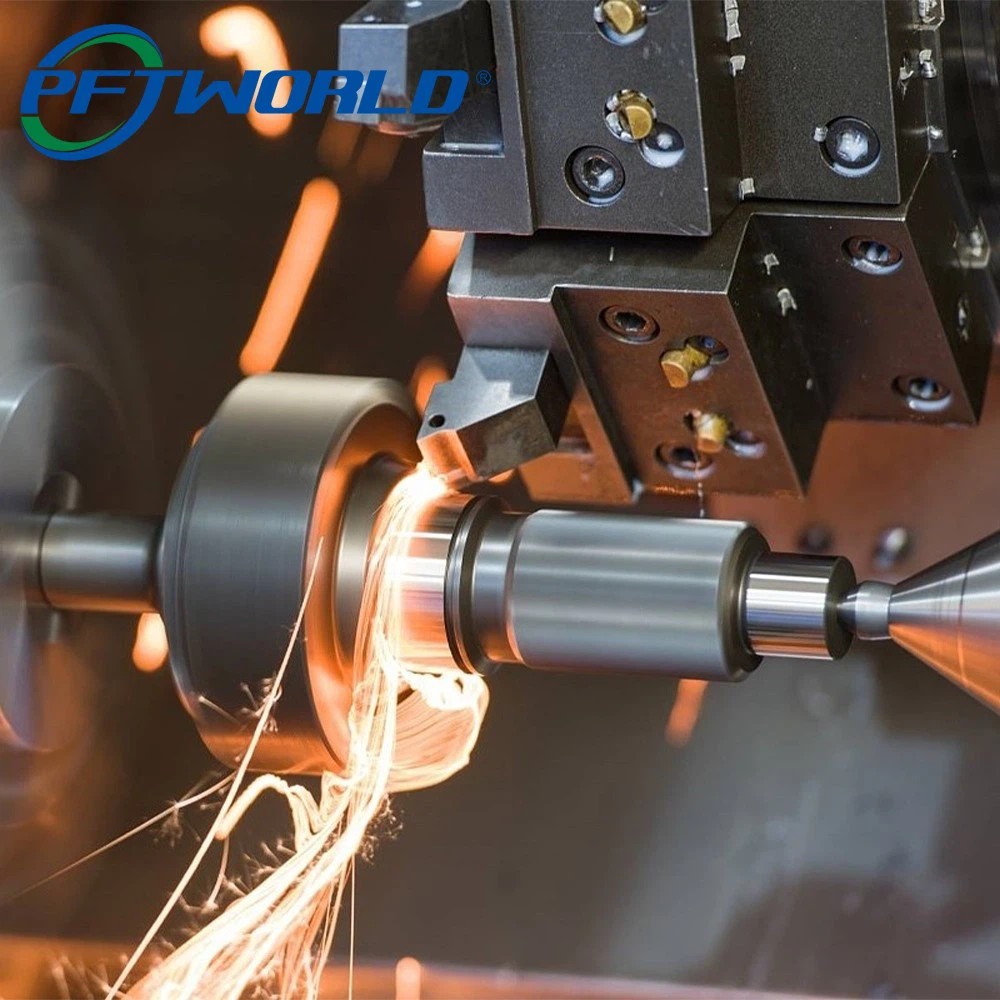
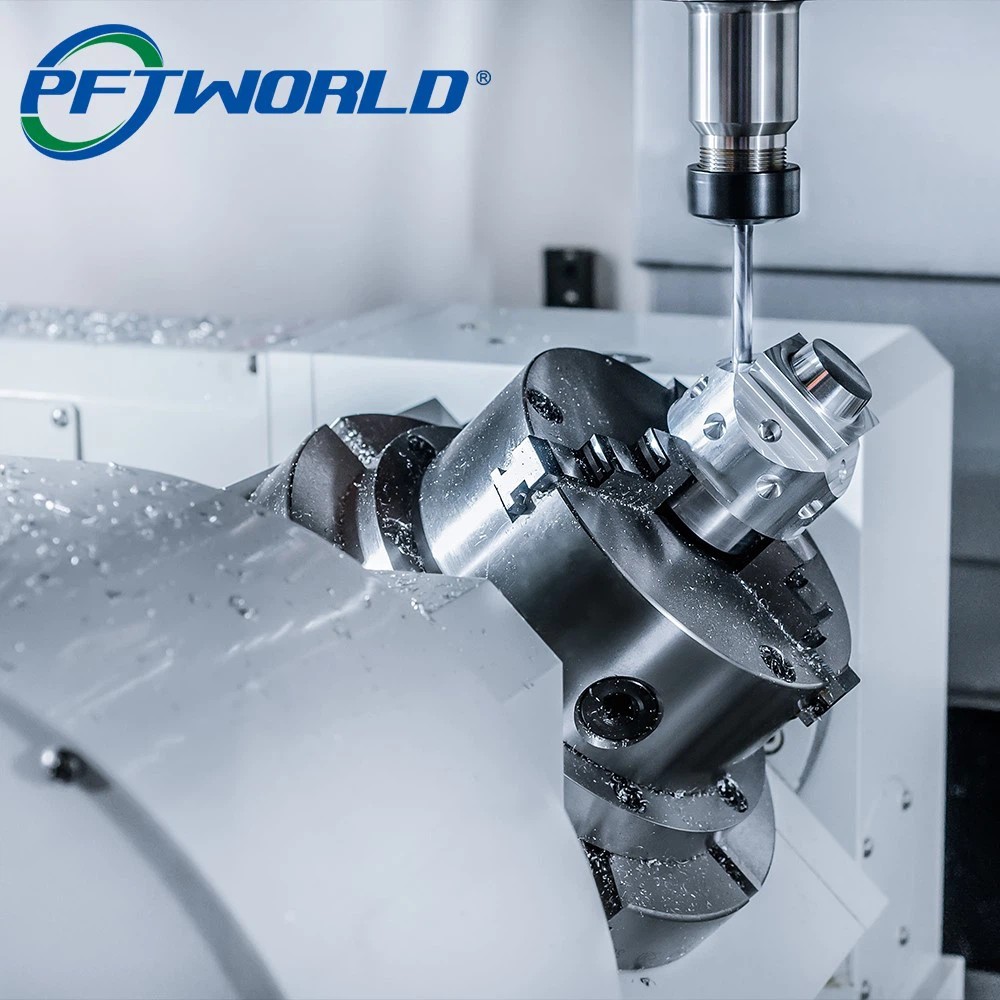
3-Axis, 4-Axis, 5-Axis, and advanced 6-Axis CNC machining centers configured for complex structures.
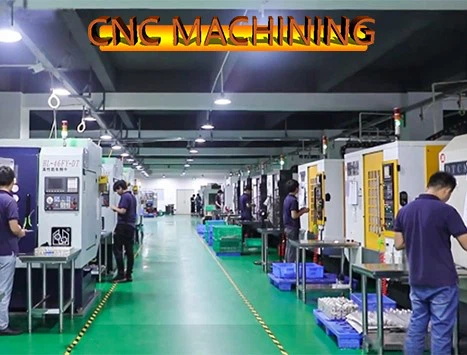
A full range of design, material manipulation, tooling, and post-machining operations under one roof.
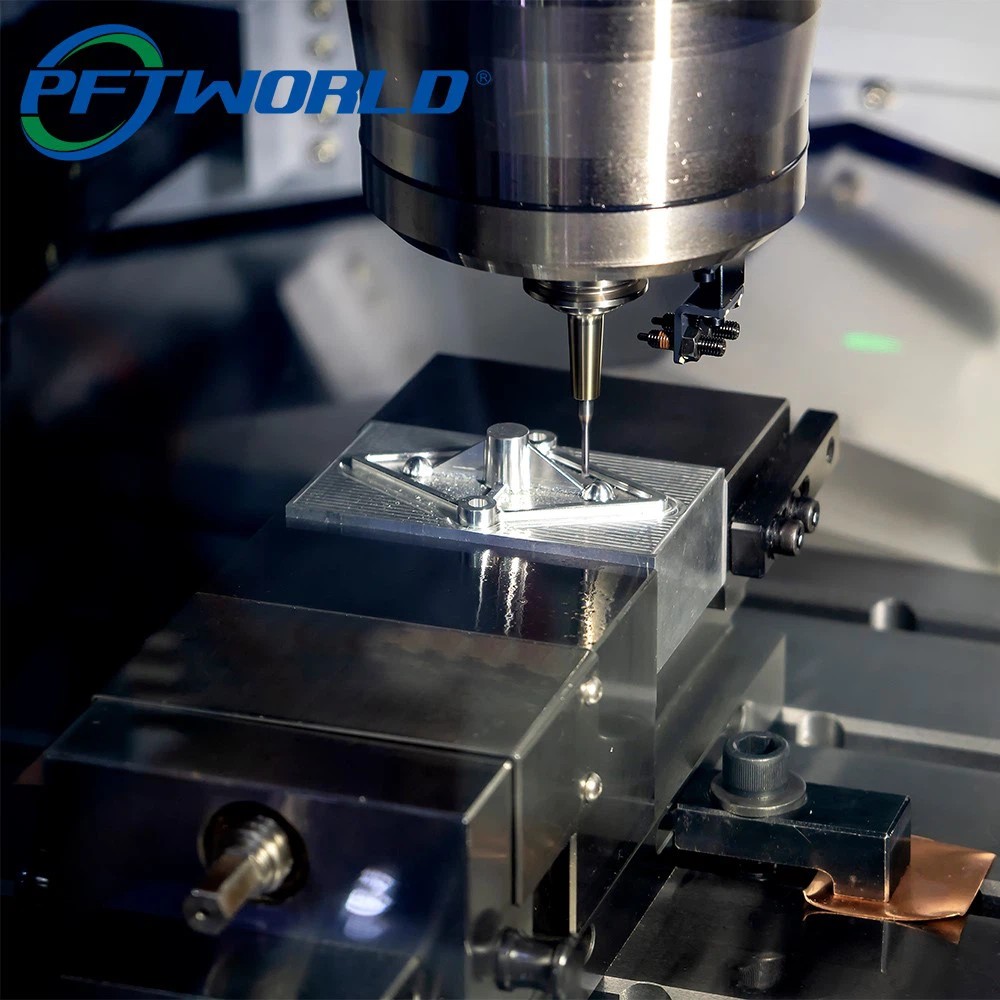
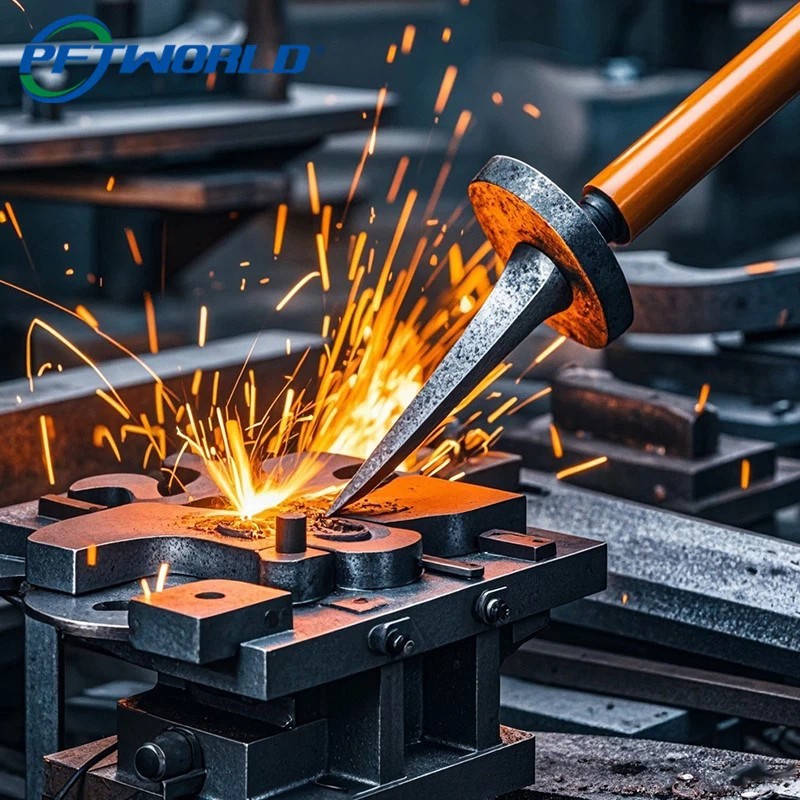
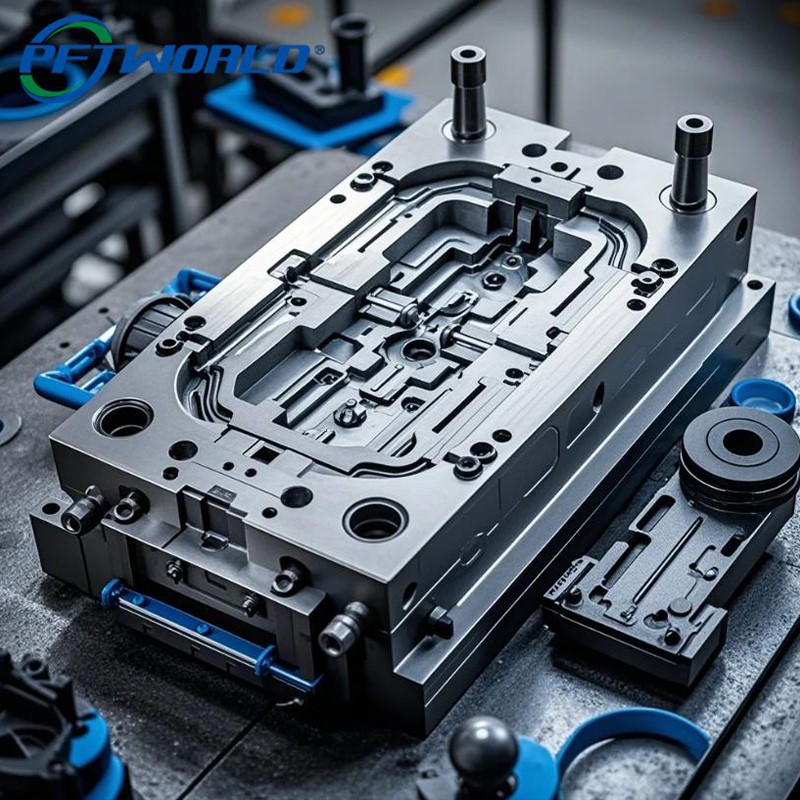
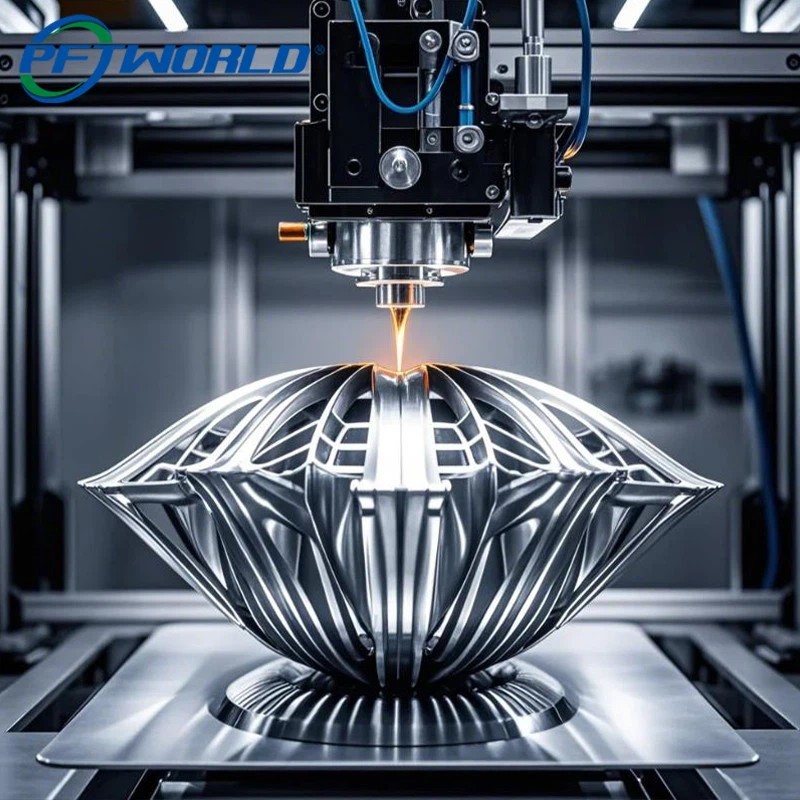
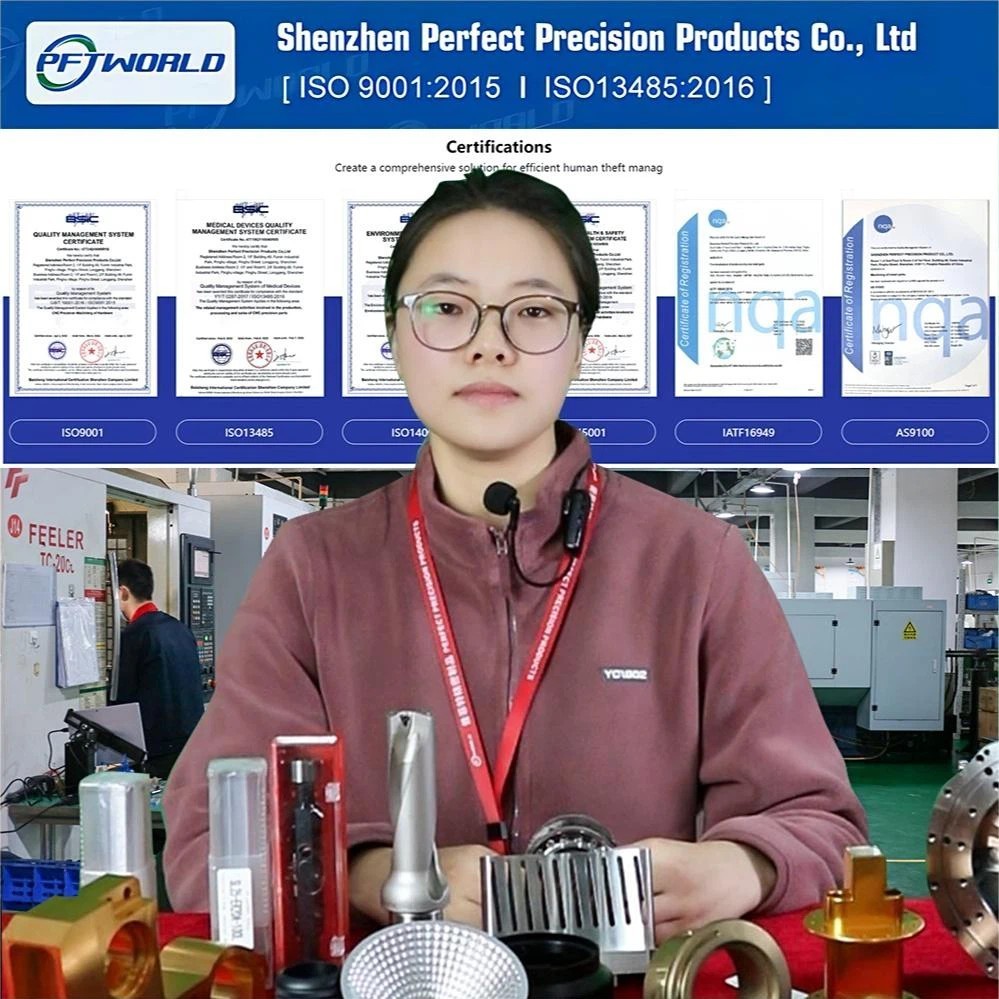
Operating a zero-defect manufacturing standard backed by top international certification frameworks.
 ISO9001:2015
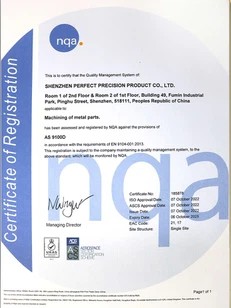 AS9100D
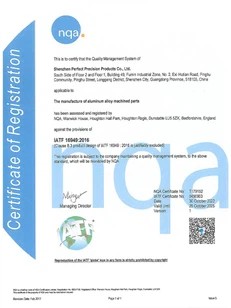 IATF16949:2016
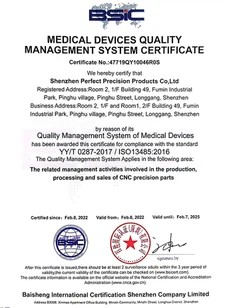 ISO13485:2016
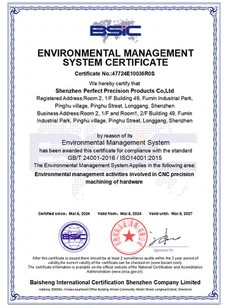 ISO14001:2015
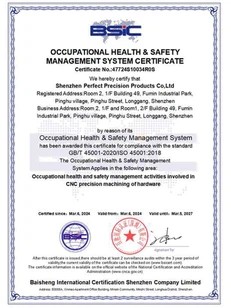 ISO45001:2018

An authoritative guide on material characteristics, multi-axis machining methodologies, and compliance frameworks for global procurement directors.
The customized mechanical parts market is undergoing a structural paradigm shift driven by digital integration, smart automation, and the global push for lightweight materials. Traditional three-axis CNC machining, while still viable for high-volume basic shapes, is losing ground to high-speed 5-axis and 6-axis configurations. Multi-axis systems drastically reduce cycle times by eliminating secondary clamping, preventing error stack-up during complex repositioning steps.
Additionally, advanced engineering demands have elevated lightweight alloys to the forefront of manufacturing. The aerospace, electric vehicle (EV), and robotics sectors require ultra-high strength-to-weight ratios. Materials like Titanium Ti-6Al-4V (Grade 5), aerospace-grade Aluminum 7075-T6, and high-purity brass parts are commonly processed to withstand extreme environmental parameters. At the same time, medical implant manufacturing calls for biocompatible grade metals (such as Cobalt-Chromium or Medical Grade Titanium) that meet strict bio-regulatory standards.
For modern procurement officers, sourcing custom mechanical components is no longer just about searching for the lowest price per unit. The Total Cost of Ownership (TCO) serves as the primary metric, balancing component yield rates, freight dependability, tool life, and incoming quality inspection failures. A minor deviation in a machined bracket's hole placement or a slight surface finish variance (Ra > 3.2) can lead to assembly line halts, resulting in thousands of dollars in lost productivity.
When selecting customized mechanical parts factories, procurement teams check for:
Designing customized mechanical parts requires balancing performance goals with manufacturing realities. High-precision components must be optimized to prevent tool deflection during machining. For instance, milling deep cavities with small internal radii calls for specialized tooling, which increases setup times and costs. Designing with standard radii values and incorporating modular sub-assemblies can make manufacturing much more efficient.
Choosing the right material is also a critical step in the development process:
| Material Class | Key Machined Components | Best Machining Application |
|---|---|---|
| Titanium Grade 5 (Ti-6Al-4V) | Drone fixed support frames, structural aircraft components | High-stress environments requiring low thermal expansion |
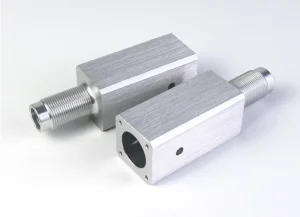
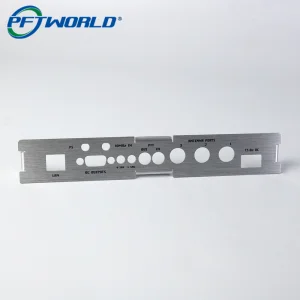
| Aluminum 5052 / 6061 / 7075 | Brushed rivets, sheet metal casings, lightweight electronics enclosures | Rapid prototyping and components requiring surface anodization |
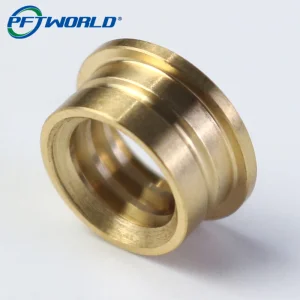
| Machined Brass & Copper | Valves, electrical contacts, fluid connectors | Corrosion resistance and superior electrical conductivity |
| Biocompatible Alloys (Co-Cr, PEEK) | Orthopedic implants, dental prosthetics | Medical applications requiring strict biocompatibility |
In today's global market, geopolitical factors and logistics risks play a major role in custom manufacturing sourcing. While offshore manufacturing hubs like Shenzhen offer cost-efficiency, technical capability, and fast scalability, smart buyers often combine this with localized support. Partnering with a manufacturer that provides 24-hour engineering consultations ensures smooth communication across time zones and fast resolving of design issues.
Working with factories that use ERP systems simplifies operations by offering real-time updates on production milestones, customs handling, and shipping schedules. Secure IP protection, detailed non-disclosure agreements, and digital trace trails protect proprietary CAD data throughout the process. This allows global clients to benefit from cost-effective overseas manufacturing while enjoying the reliability and security of localized engineering support.
The future of custom manufacturing lies in complete digitalization. Industry 4.0 is transforming workshops from simple machining spaces into fully automated smart factories. By using AI-driven generative design tools, engineers can quickly optimize CAD drawings for production. This cuts raw material waste and reduces machining steps before the first metal cut is even made.
Key innovations on our production roadmap include:
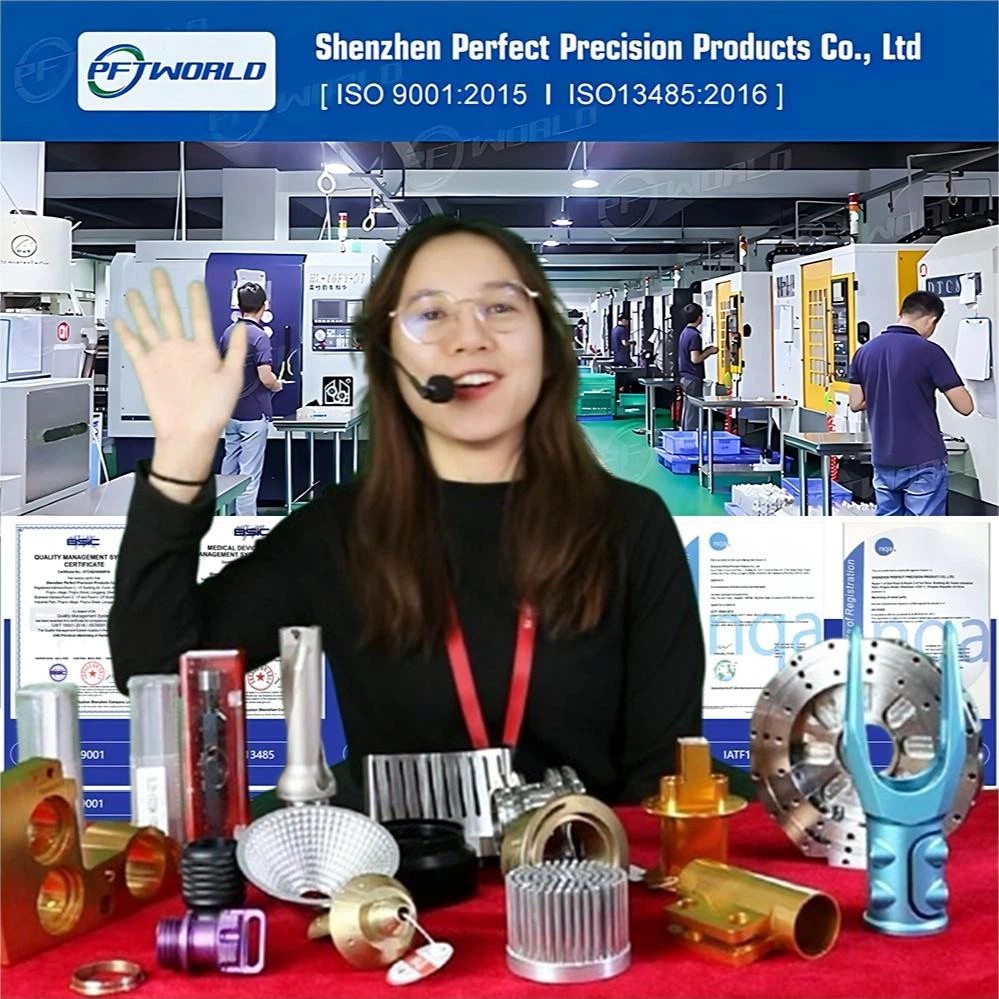
Transparency is key to our customer service. View our visual production facilities and customer testimonial overviews below.
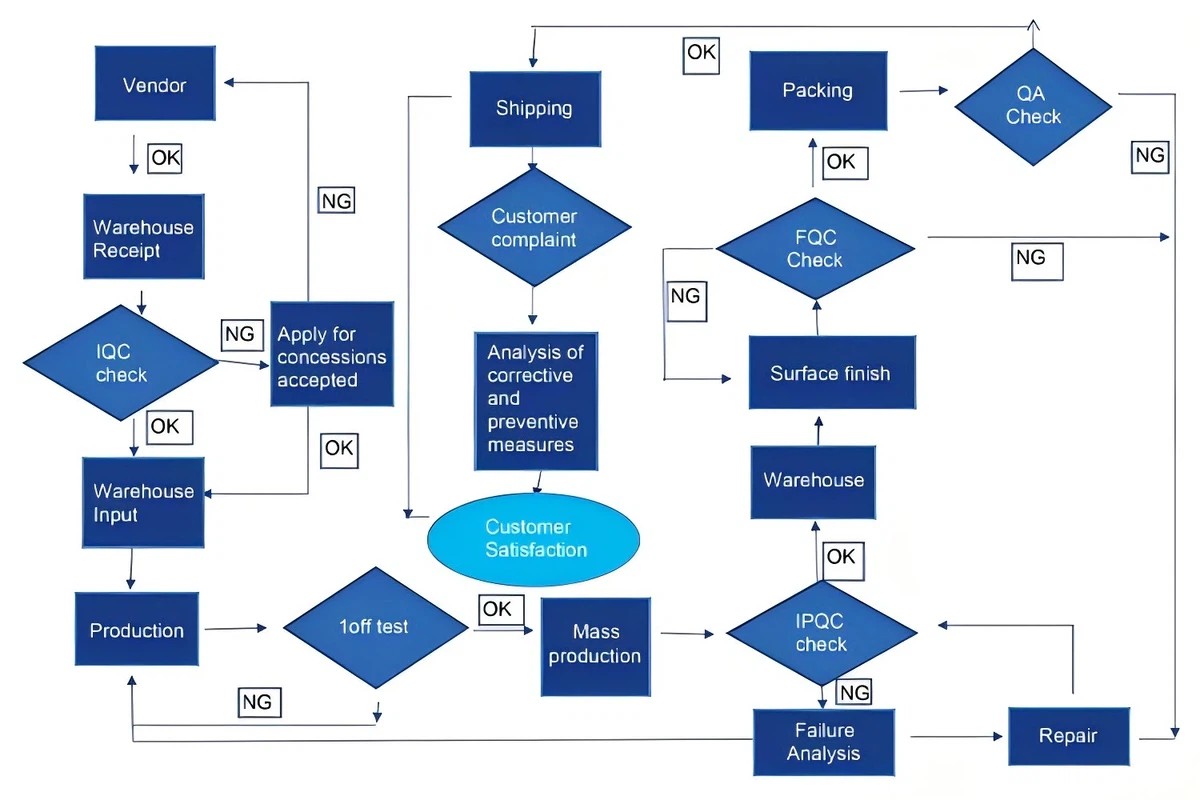
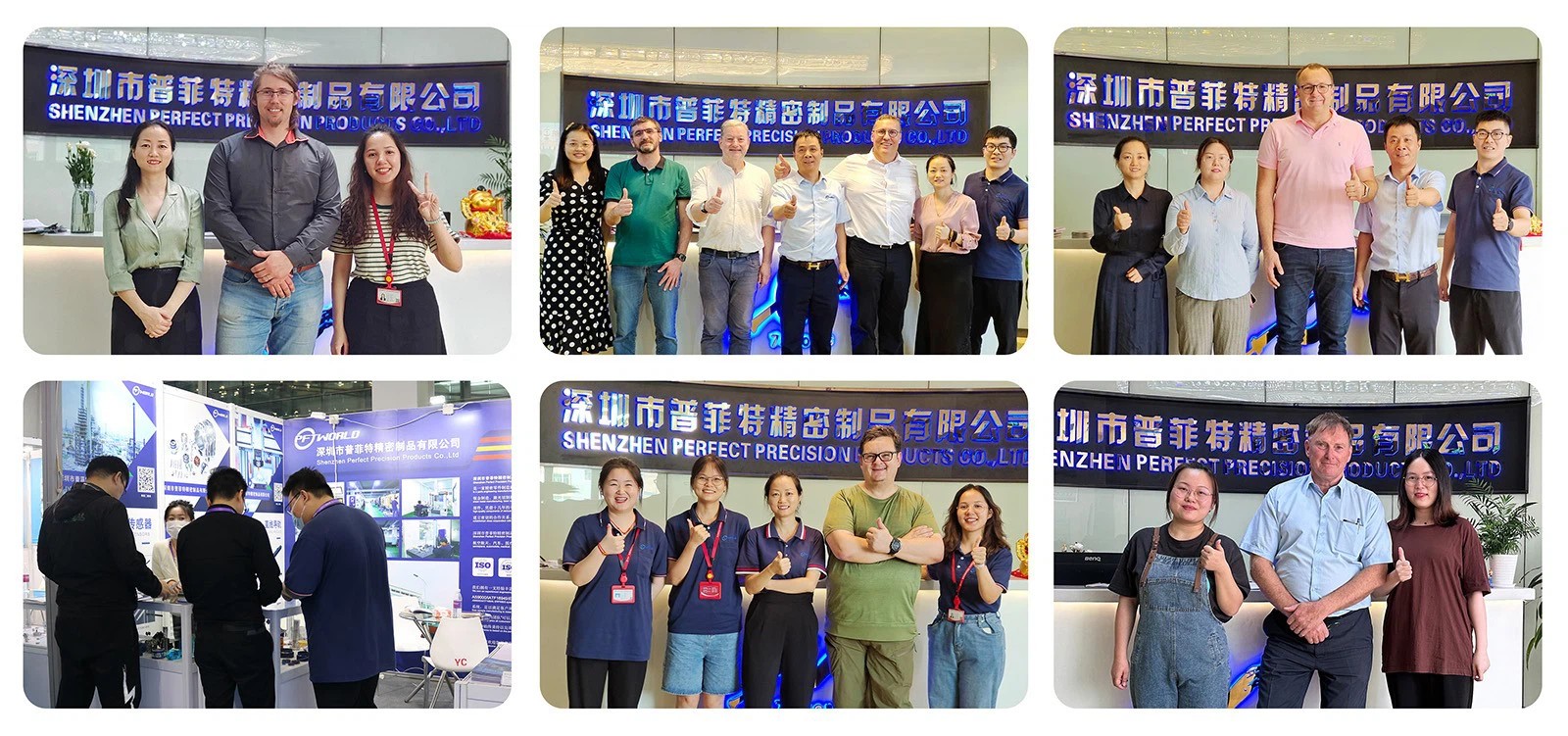
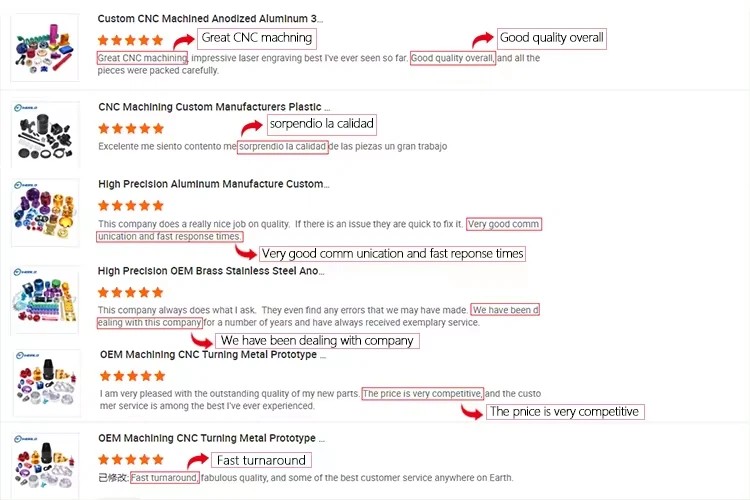
Expert answers to common engineering, quality control, and logistics questions.
Get in touch directly with our technical sales managers for quick project support.
We deliver high-precision CNC machining solutions tailored to your exact specifications. From prototyping to mass production, we handle everything with strict quality control, fast turnaround, and competitive pricing. Equipped with advanced CNC machines and a skilled engineering team, we serve industries like automotive, aerospace, medical, and electronics with unmatched accuracy and reliability.
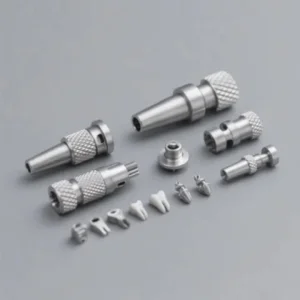
Send Inquiry NowExplore our specialized parts range including biocompatible medical implants, aerospace-grade rivets, and multi-axis machined alloys.