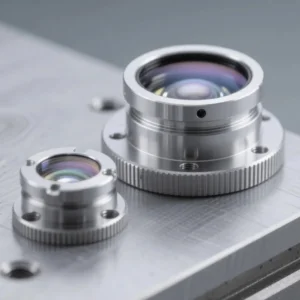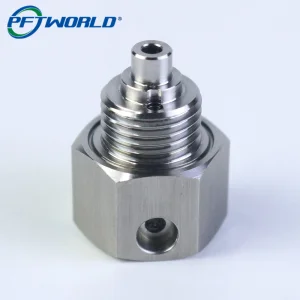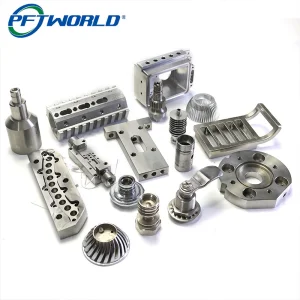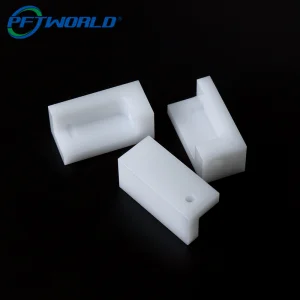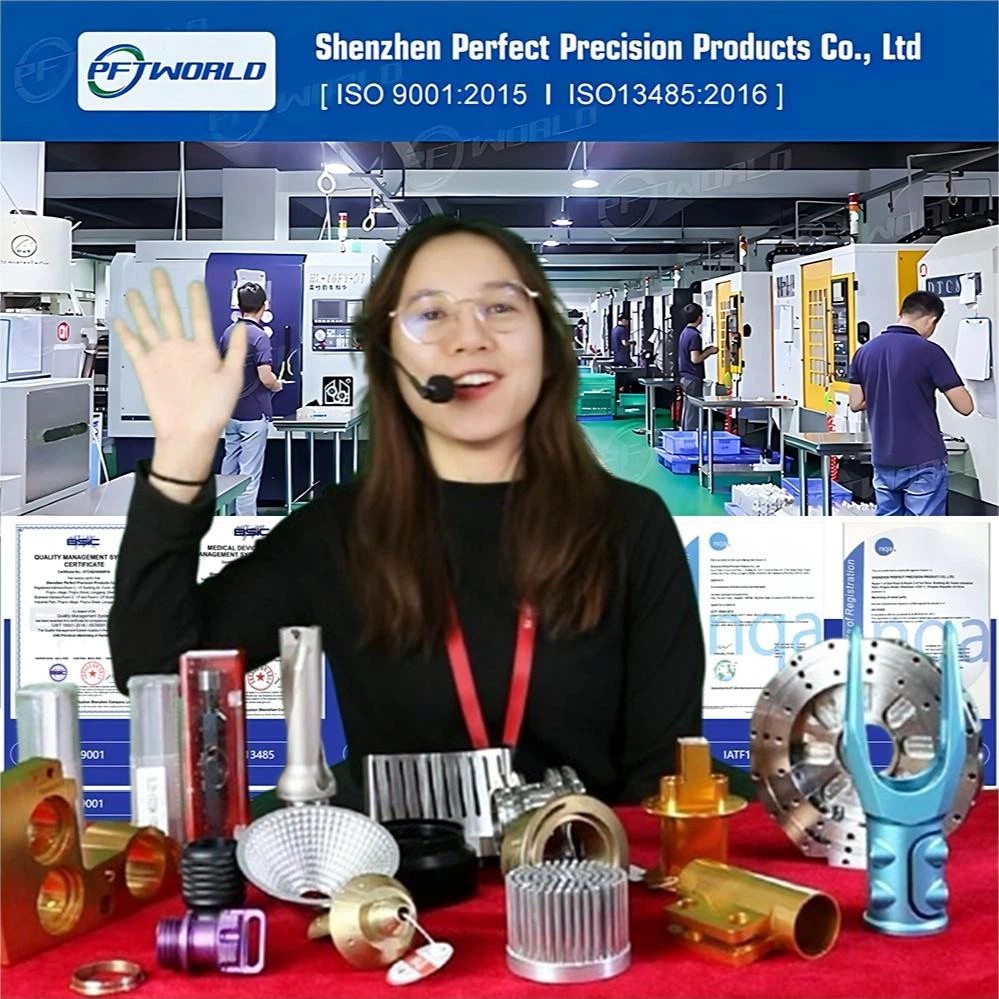
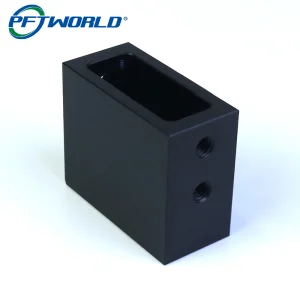
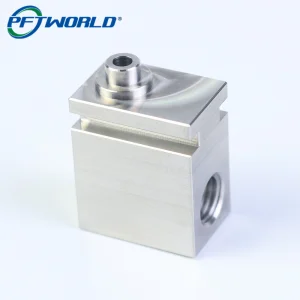
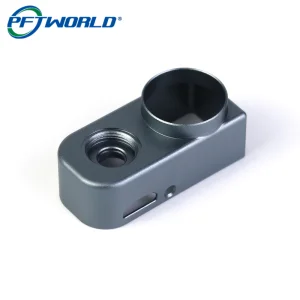
Explore our custom manufactured components designed for optical detection, packaging, and high-tolerance industrial applications.
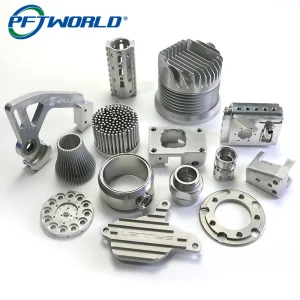
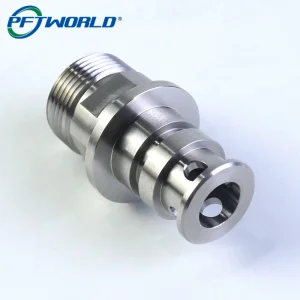
Setting the standard in high-tolerance global manufacturing since 2014.
Established with a dedicated foreign trade division in 2014, Shenzhen Perfect Precision Products Co., Ltd. has developed into an industry-leading, ISO9001 certified manufacturing hub. Recognized in 2018 as a Guangdong Contract and Trustworthy Enterprise, and designated as a national high-tech enterprise in 2019, we have consistently expanded our limits to serve demanding global requirements.
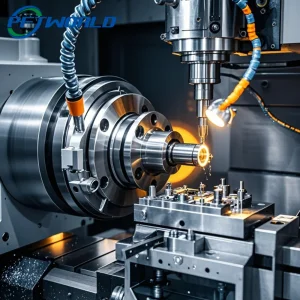
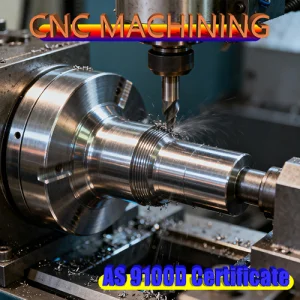
By 2020, our operational footprint expanded to 10,000 square meters. Integrating advanced digital engineering workflows and ERP planning, we achieved a fully digital chemical and machining plant configuration in 2021. Today, we utilize state-of-the-art 3-axis, 4-axis, 5-axis, and 6-axis machinery to engineer components that fulfill strict structural tolerances for clients worldwide.
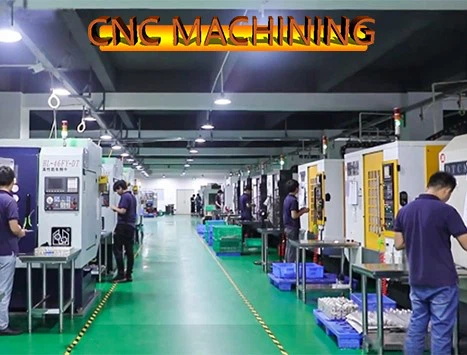
From micro-tolerance components to large-scale structural assemblies, we deliver high-performance solutions using diversified fabrication methods.
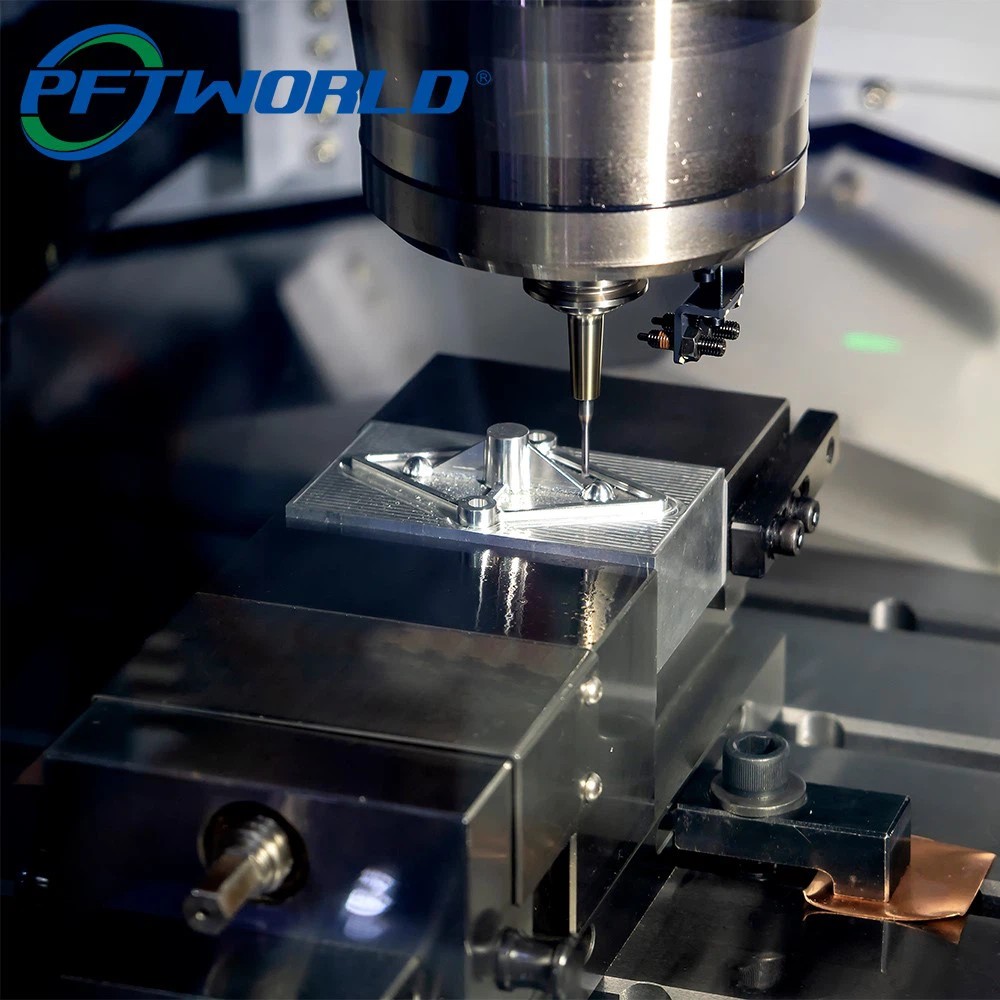
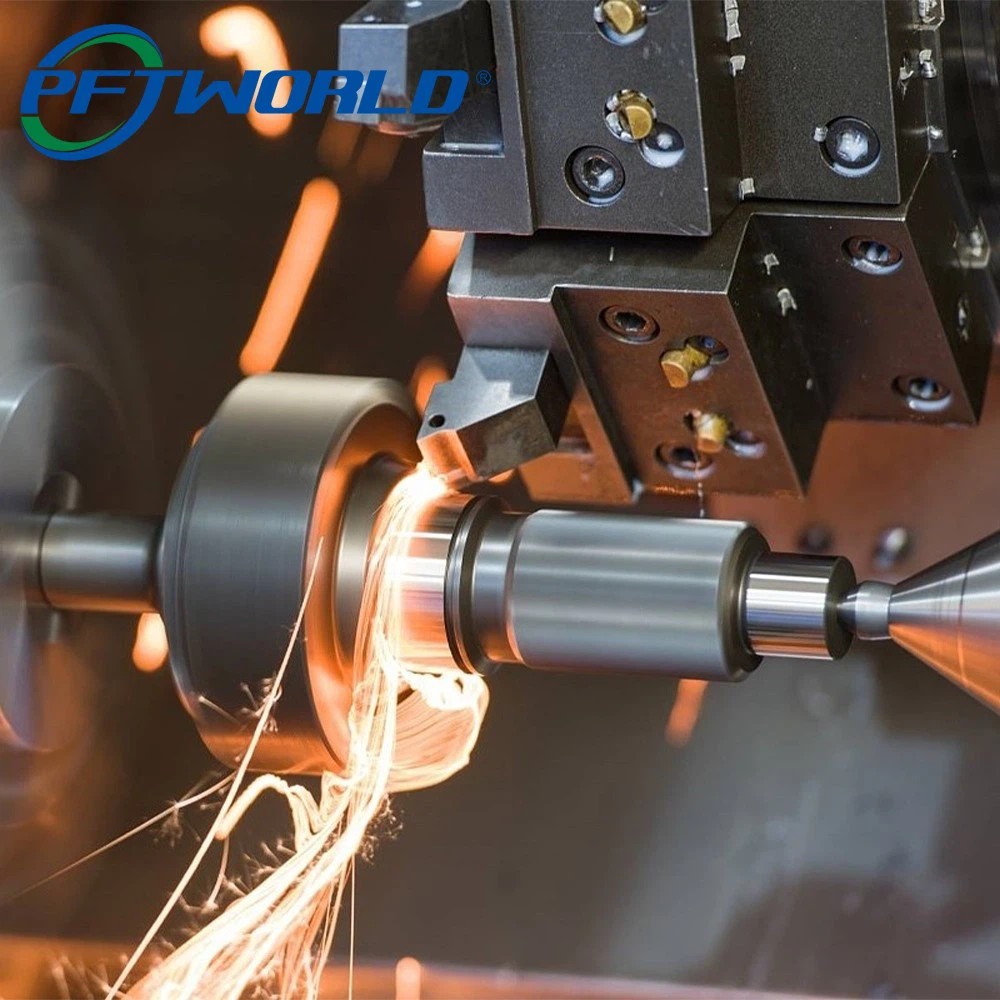
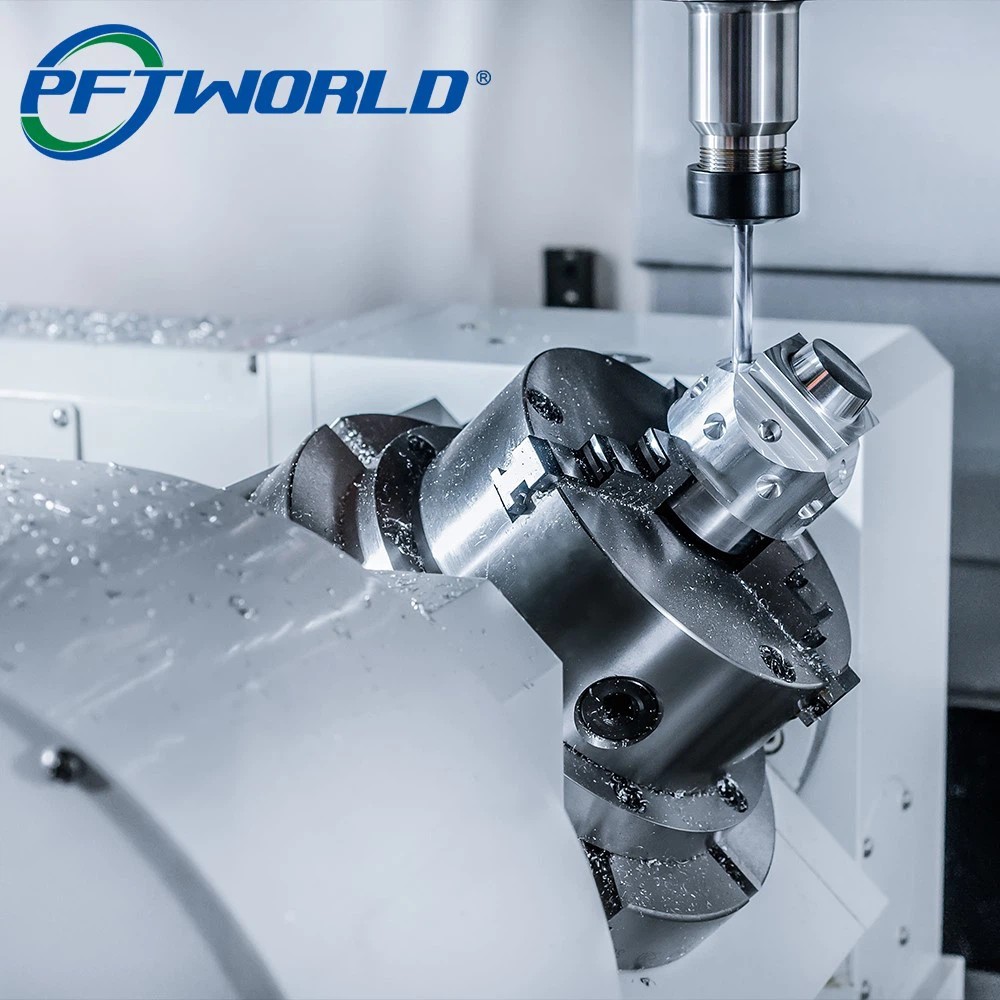
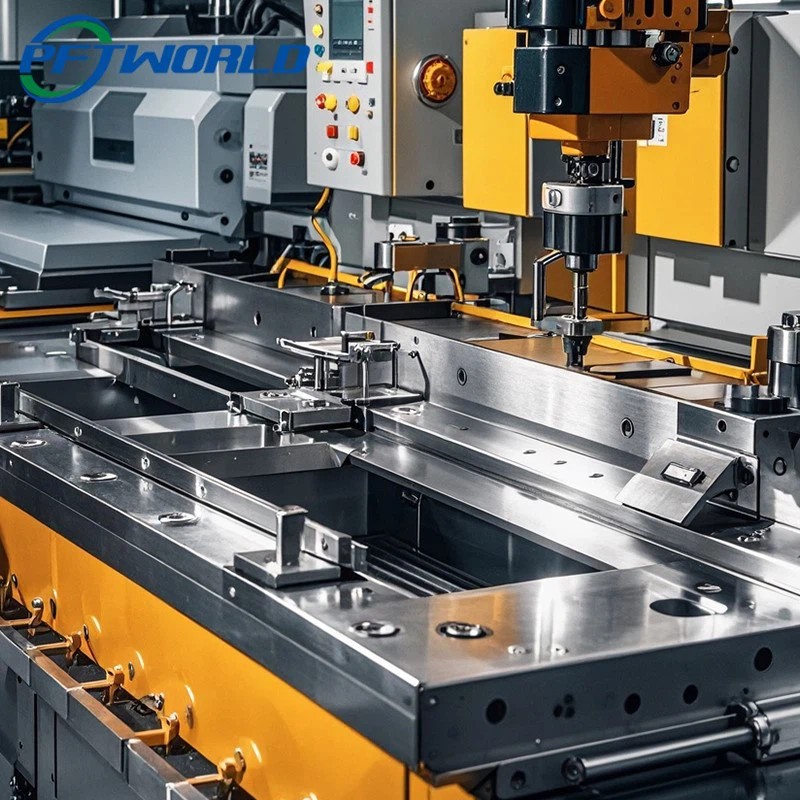
An engineering analysis of multi-axis continuous paths, mechanical rigidity, and dimensional accuracy.
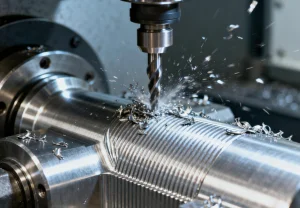
Unlike conventional three-axis machining (which operates solely on X, Y, and Z linear coordinates), five-axis machining utilizes simultaneous movement along two additional rotational axes (typically A and B, or B and C). This kinematic versatility allows the cutting tool to approach the workpiece from any direction, enabling the production of highly complex, contoured surfaces that would otherwise require multiple setups and specialized fixturing.
By maintaining continuous contact between the cutting tool and the raw material, 5-axis systems execute deep pocketing, complex undercuts, and compound angles with high precision. This is critical for aerospace impellers, medical prosthetics, and automotive turbine blades.
These capabilities allow our engineering teams to accelerate turnaround times while meeting the demanding design constraints of contemporary hardware development.
How Shenzhen's industrial integration enables rapid prototyping, cost efficiency, and supply chain resilience.
Shenzhen houses a highly integrated hardware development ecosystem. Raw materials (such as Alcoa aluminum grades, medical-grade PEEK, stainless steel alloys, and POM polymers), specialized tooling, heat treatment partners, and surface finishing facilities are located within a small radius. This proximity reduces transit times and optimizes cost structures.
Leveraging digital engineering processes and raw stock readiness, we provide sample turnaround times of 1-3 days and complete volume production batches within 7-14 days. This agility helps hardware designers compress engineering verification testing (EVT) cycles.
Our facility combines advanced CAM programmers with experienced setup technicians. Supported by digital ERP scheduling, we optimize tool paths and cut cycles to provide high material yield and consistent output quality.
Our inspection protocols ensure every custom component aligns with the engineering drawings provided.
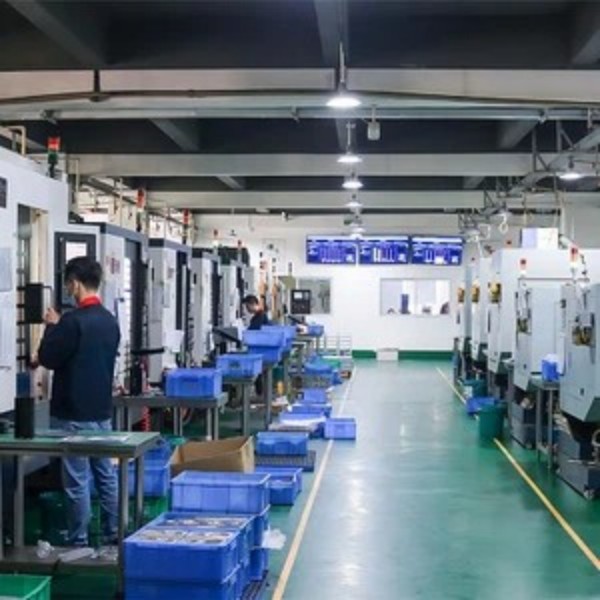
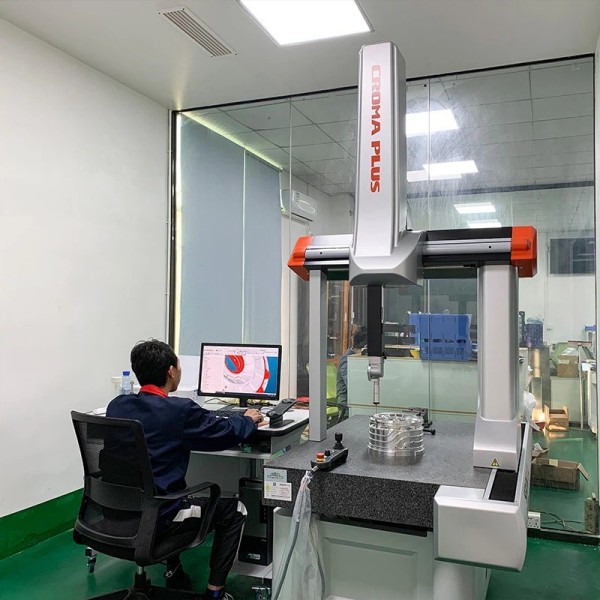
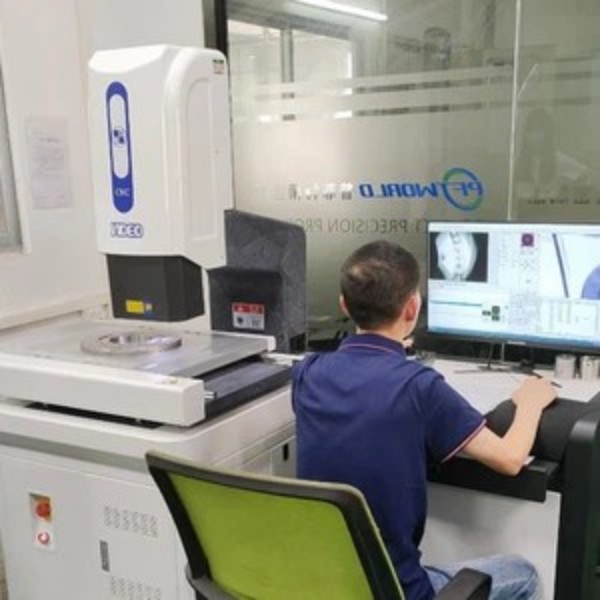
To maintain consistent output quality, we implement a multi-stage inspection workflow on all custom orders:
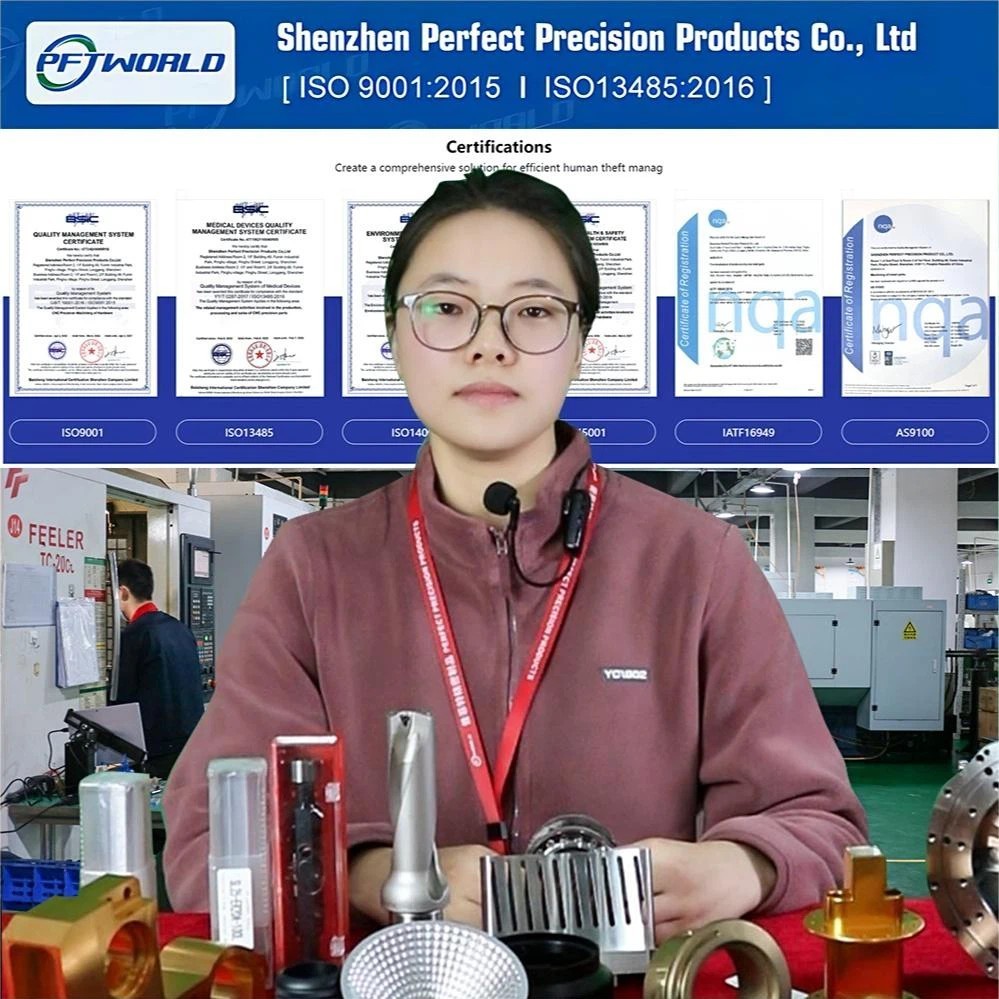
Our manufacturing workflows comply with key international quality management standards, qualifying us for projects in medical, aerospace, automotive, and industrial sectors:
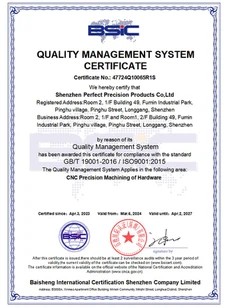
ISO9001:2015
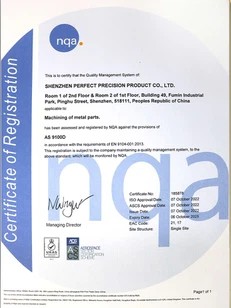
AS9100D
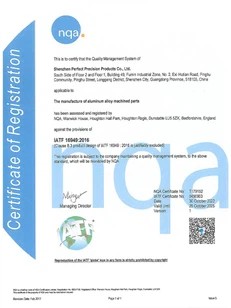
IATF16949:2016
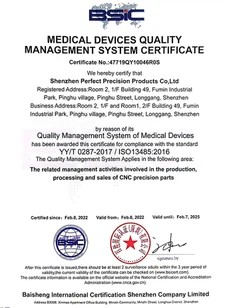
ISO13485:2016

ISO14001:2015
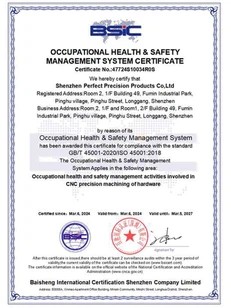
ISO45001:2018
Custom 5-axis manufacturing configurations built to meet demanding technical specifications across major industry sectors.
Using 5-axis setups, we machine aerospace components such as turbine blades, structural brackets, engine casings, and thin-walled parts. Executing undercuts and variable draft angles in a single setup preserves mechanical strength and material traceability under AS9100D standards.
We produce complex surgical instruments, orthopedic implants, and laboratory diagnostic equipment housings out of biocompatible materials like Titanium, Cobalt-Chrome, and PEEK. We utilize multi-axis machining to achieve the complex contours and clean surface finishes required for medical applications.
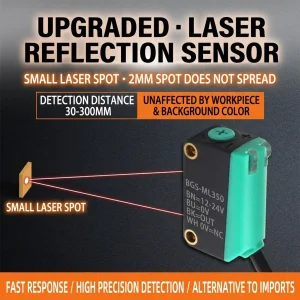
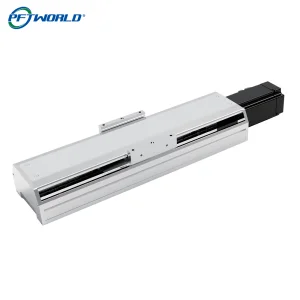
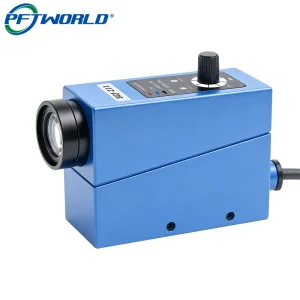
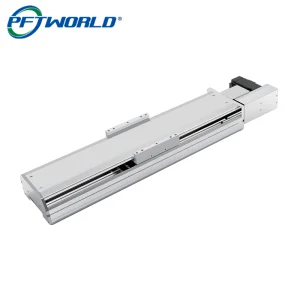
We design and machine sensor housings, mounting brackets, and linear actuators (such as the PFTB14 200W belt-driven actuator and custom optical detection switches). These components are engineered to withstand high dust, vibration, and thermal exposure in modern industrial environments.
We utilize digital planning systems and transparent manufacturing steps to keep global buyers informed at every stage of their project.
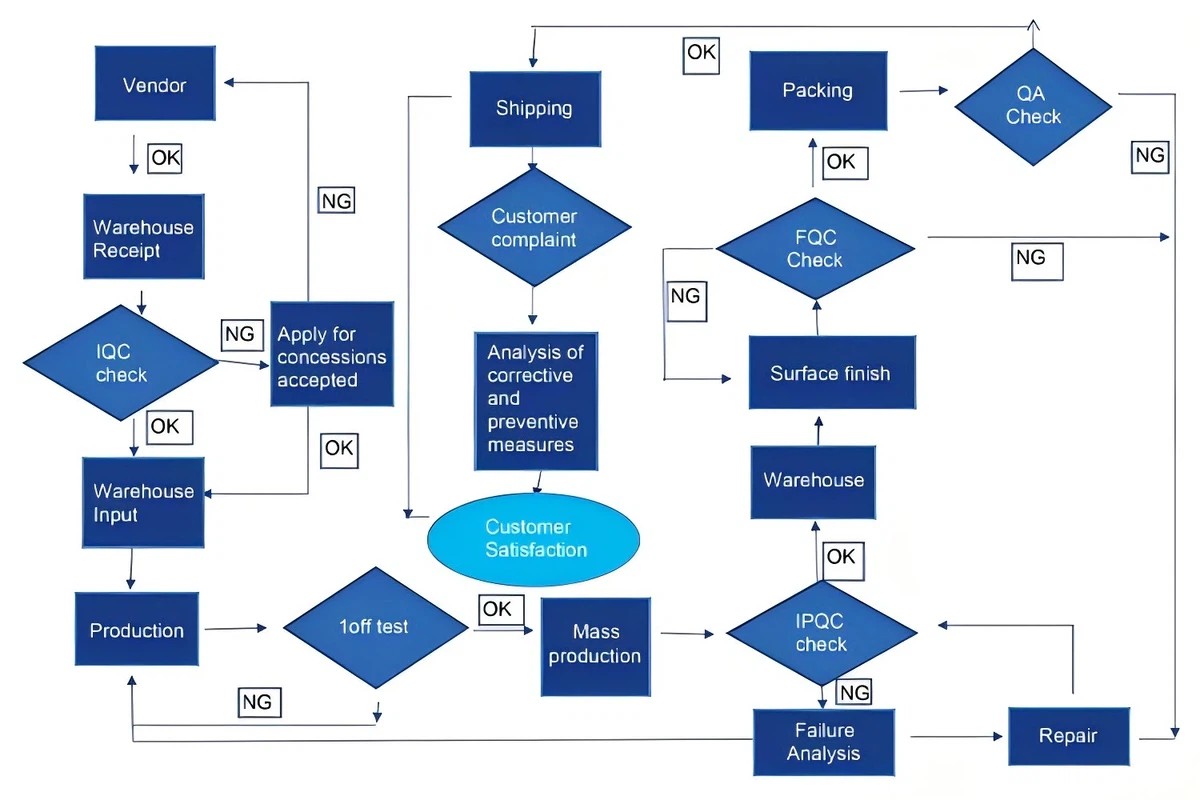
By integrating our CNC systems with our digital ERP infrastructure, we monitor manufacturing stages in real time. This helps optimize machining schedules, predict tool maintenance, and maintain predictable delivery timelines.
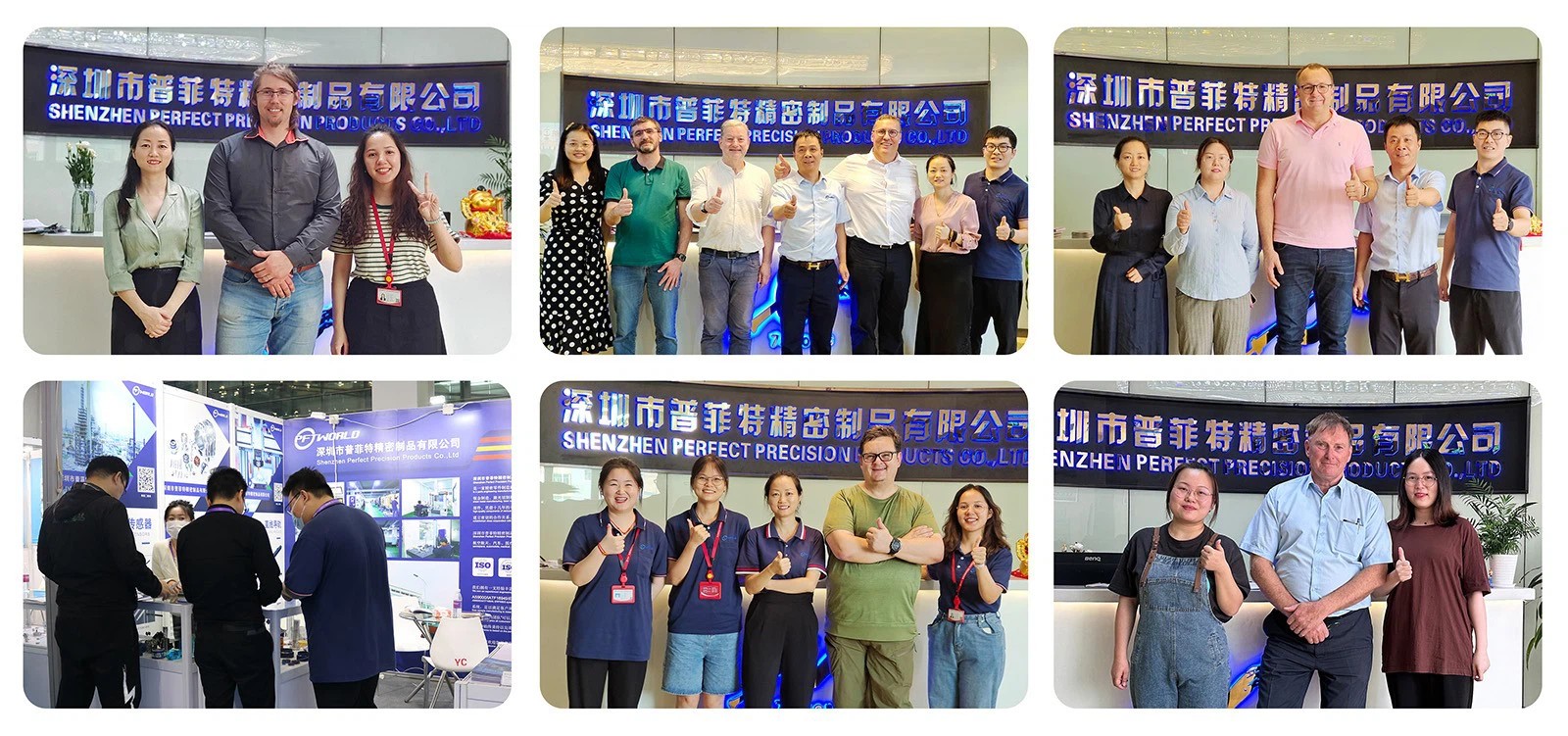
"The dimensional consistency across this batch of aluminum brackets was impressive. Tolerances held tight to our 0.01mm spec, and the surface finish reduced our post-processing steps."
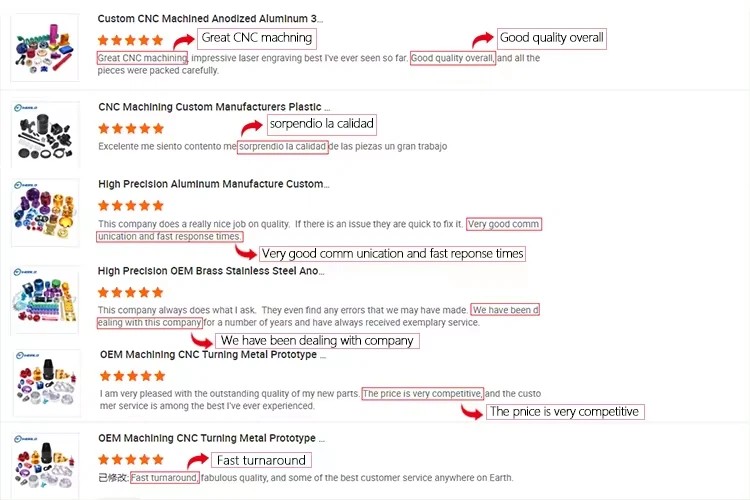
"PFT's engineering team helped us optimize our CAD models for 5-axis machining. This reduced setup time and minimized raw material waste."
The integration of automation, AI-driven CAM, and hybrid processes in modern precision manufacturing.
Modern multi-axis machining relies heavily on advanced CAM (Computer-Aided Manufacturing) systems. The integration of AI algorithms allows these software tools to optimize cutting paths, compute feed rates dynamically based on tool engagement, and predict potential tool holder collisions before G-code is deployed. This simulation-heavy approach reduces human error and shortens programming setup cycles.
By simulating tool wear and torque requirements in real time, these digital models assist engineers in running lights-out manufacturing processes while maintaining strict design tolerances.
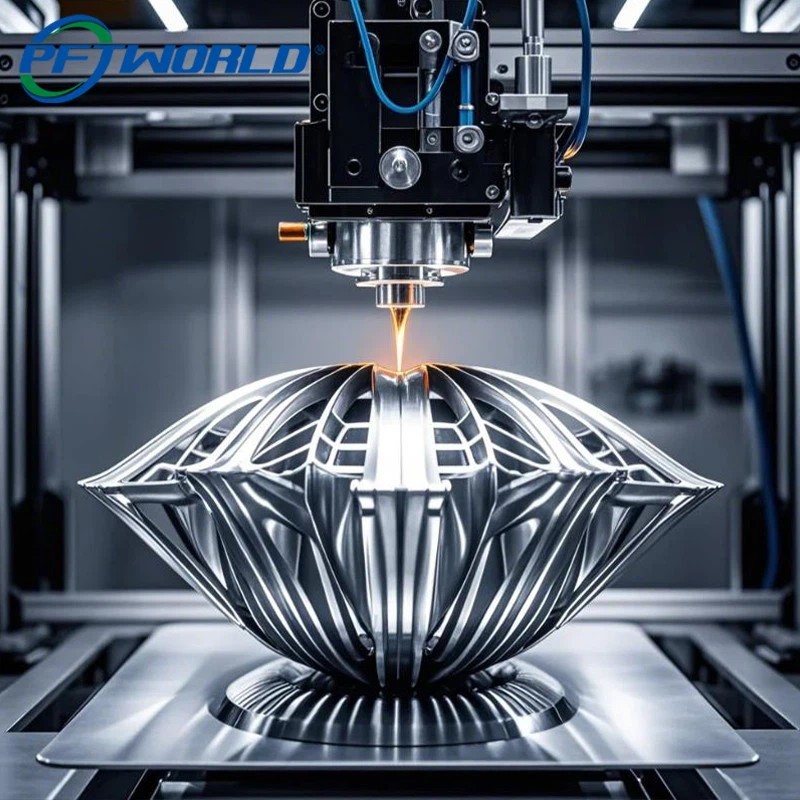
A major growth area is hybrid manufacturing, combining additive 3D printing with subtractive CNC machining. This approach allows components to be printed near-net shape and then finished on a 5-axis CNC center. It helps reduce raw material waste, especially when working with expensive superalloys like Inconel or Titanium.
By combining the geometric freedom of metal 3D printing with the surface finish and tolerance capabilities of 5-axis machining, this workflow supports design optimization for high-performance applications.
Detailed technical answers to common questions about our capabilities, processes, and service delivery.
We are a dedicated manufacturing facility based in Shenzhen, China, with 20 years of combined experience in custom machining. Our facility spans 10,000 square meters and houses over 100 advanced machines, including 3D CMM inspection systems and digital ERP processes. Upon request, we provide full material certifications, dimensional reports, and certificate documentation.
To request a quote, please submit your detailed CAD drawings (supported formats include STEP, IGES, IGS, PDF, DWG). Please specify your required materials, tolerances, quantities, and surface finishing options to help us provide an accurate estimate.
Yes. If native 3D CAD files are not available, you can submit physical samples, dimensioned sketches, or photos with clear dimensional annotations. Our engineering team can translate these assets into 3D CAD geometry for production.
Yes. We offer prototype runs to verify design dimensions prior to volume production. Prototype costs vary by material and complexity, and can often be credited toward subsequent high-volume production orders.
Typical lead times are 1-3 days for rapid prototype samples, and 7-14 days for volume production. These timelines depend on design complexity, material availability, and total order volume.
We use a multi-stage inspection process, including incoming raw material checks, first-article inspection (FAI), in-process checks, and final outgoing inspection. Our quality lab is equipped with 3D Coordinate Measuring Machines (CMM), 2D optical measuring instruments, height gauges, and micrometers to verify tolerances down to +/- 0.002mm.
If you experience any quality issues after receiving your parts, please contact us within one month of delivery with details of the problem (via email, call, or video). Our engineering team will review the issue and provide a resolution—such as rework, replacement, or refund—within one week.
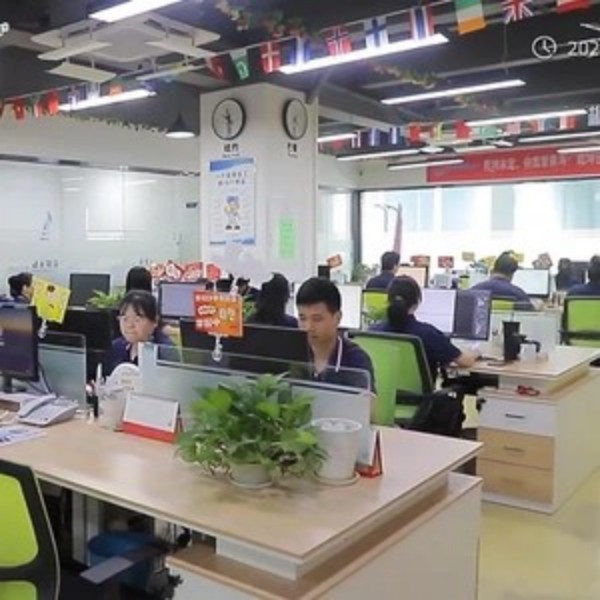
Our dedicated international account managers are available to assist with engineering reviews, design optimization, and order tracking.
We deliver high-precision CNC machining solutions tailored to your exact specifications. From prototyping to mass production, we handle everything with strict quality control, fast turnaround, and competitive pricing.
Send Inquiry NowExplore our custom machined components, linear stages, and background suppression photoelectric sensors.