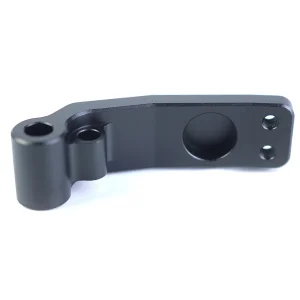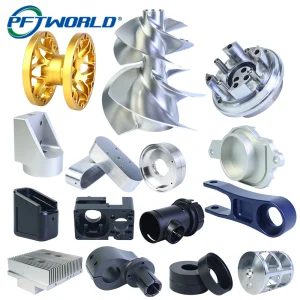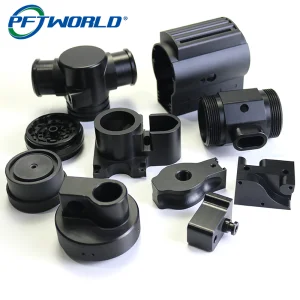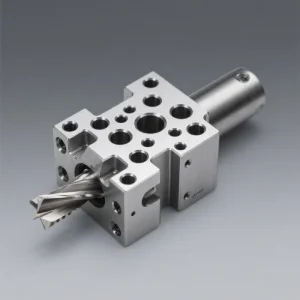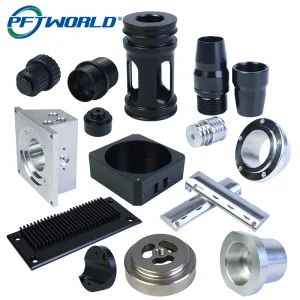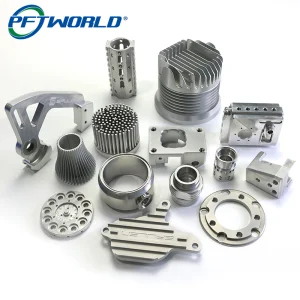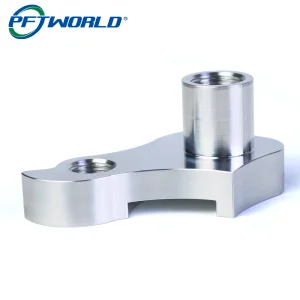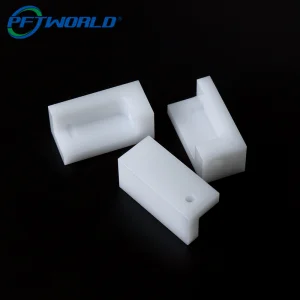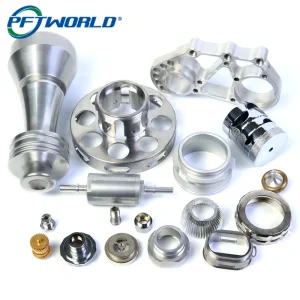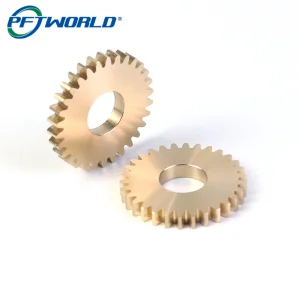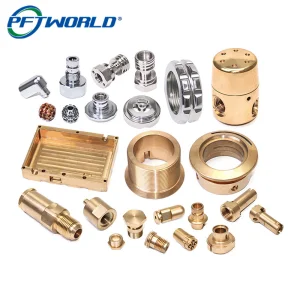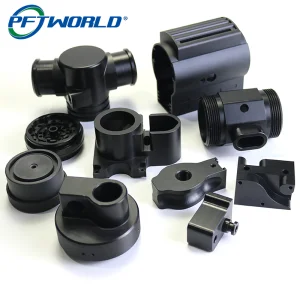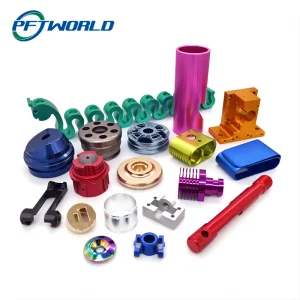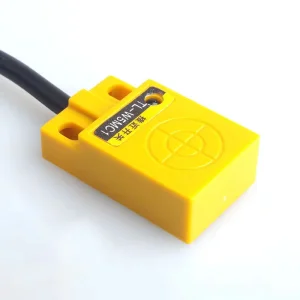
Explore our specialized automotive and industrial machinery components manufactured under strict ISO/IATF quality controls.
In the modern automotive paradigm, Advanced Driver Assistance Systems (ADAS), automated parking assist platforms, and electric vehicle (EV) powertrain configurations rely heavily on a complex array of sensors. Automotive proximity sensors, specifically inductive, capacitive, ultrasonic, and Hall-effect variants, serve as the nervous system of modern vehicles. These components monitor high-speed mechanical rotations, sub-millimeter positioning, gear-shifting clearances, and structural alignments.
Ensuring structural integrity and electrical isolation of these sensors is a fundamental engineering challenge. Enclosures and mounting hardware must be built using specialized materials (such as anodized aluminum alloys, brass, and polyoxymethylene - POM) to withstand road grit, high vibration, extreme temperature fluctuations (-40°C to +150°C), and chemical exposure (coolants, oils, road salts). Shenzhen Perfect Precision Products Co., Ltd (PFT) operates at this exact junction, delivering CNC milled housings and locating components designed to preserve sensor calibration integrity.
Key Industry Insight: The surge in electric vehicle adoption has accelerated the demand for high-reliability inductive proximity sensors that run EMI-shielded casings. High-precision CNC machining is the definitive method to achieve absolute electromagnetic barrier geometries.
Automotive supply chains operate on global standards with zero tolerance for deviations. Sourcing proximity sensor housings and structural parts requires alignment with international automotive standards. PFT integrates rigorous local support networks to help OEMs navigate localized design guidelines and materials tracking systems (IMDS).
Operating a global production flow demands multi-regional compliance. Sensor assemblies must comply with IATF 16949:2016 automotive manufacturing specifications, guaranteeing robust risk assessment and traceability via PPAP (Production Part Approval Process). Furthermore, environmental compliance (RoHS, REACH) is mandatory for electronic control unit integration in North America and European Union markets.
China's manufacturing ecosystem, centered in hubs like Shenzhen, offers unmatched vertical integration. The speed at which prototypes migrate to mass production relies on the immediate availability of raw materials, heat-treatment facilities, surface finishing plants (chemical conversion, anodizing, passivation), and high-throughput toolmakers.
By maintaining a digital-native plant utilizing modern ERP resource tracking, PFT shortens lead times to 7–14 days for standard batch processing and 1–3 days for prototyping. This rapid-turnaround workflow enables tier-1 automotive suppliers to test multiple engineering designs before freezing designs for mass production.
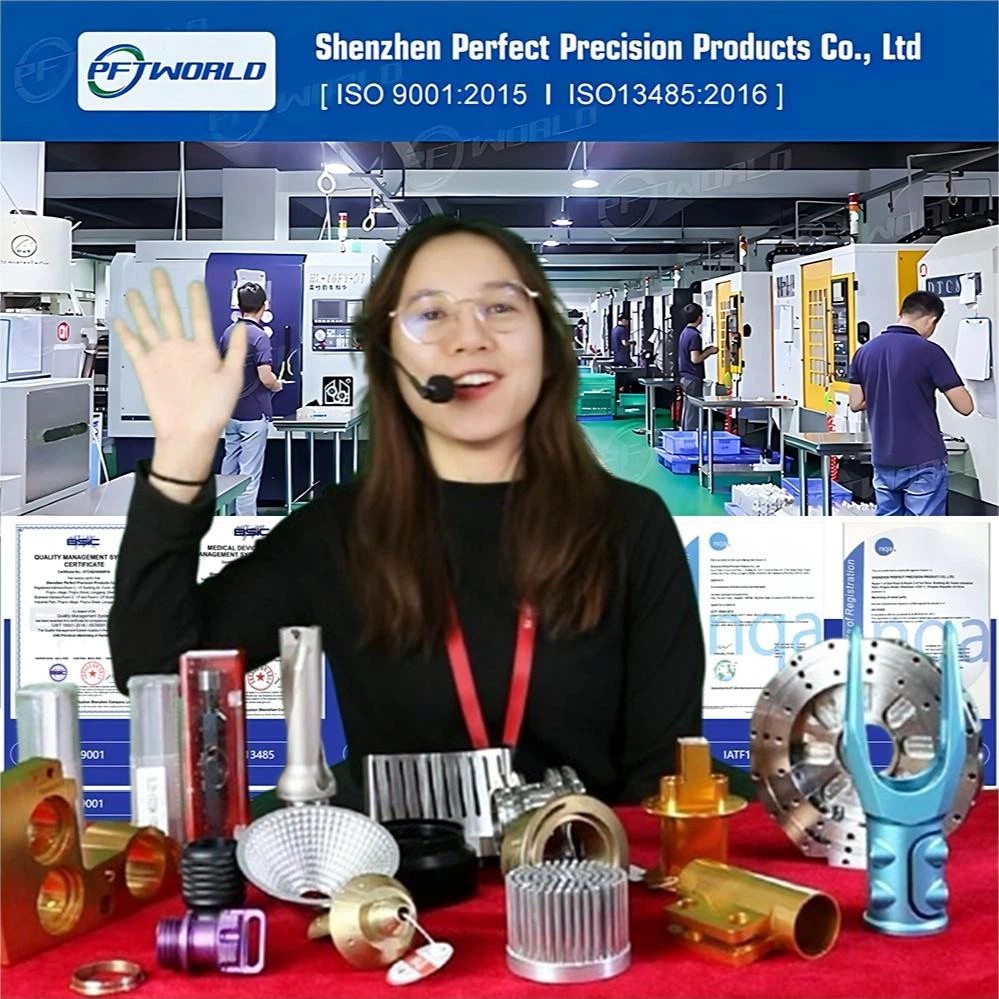
Operating a state-of-the-art 10,000 square meter facility utilizing advanced CNC digital manufacturing systems.
Shenzhen Perfect Precision Products Co., Ltd. established its dedicated foreign trade team in 2014, and successfully passed the ISO9001 quality system certification. Our relentless commitment to quality and business integrity earned us the title of Guangdong Contract and Trustworthy Enterprise in 2018. Continuing our technical evolution, we were certified as a National High-Tech Enterprise and secured our Intellectual Property Management System certification in 2019.
By 2020, our physical operations expanded to an office and manufacturing floor area of 10,000 square meters, supported by 70 highly skilled engineers and specialists. In 2021, we successfully realized a fully digitalized chemical plant infrastructure, linking automated CAD/CAM interfaces with high-precision multi-axis machines for real-time tracking of tolerances and part runs.
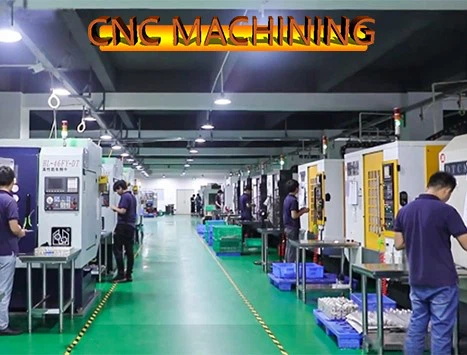
From sub-millimeter component milling to industrial casting, we offer full-cycle manufacturing.
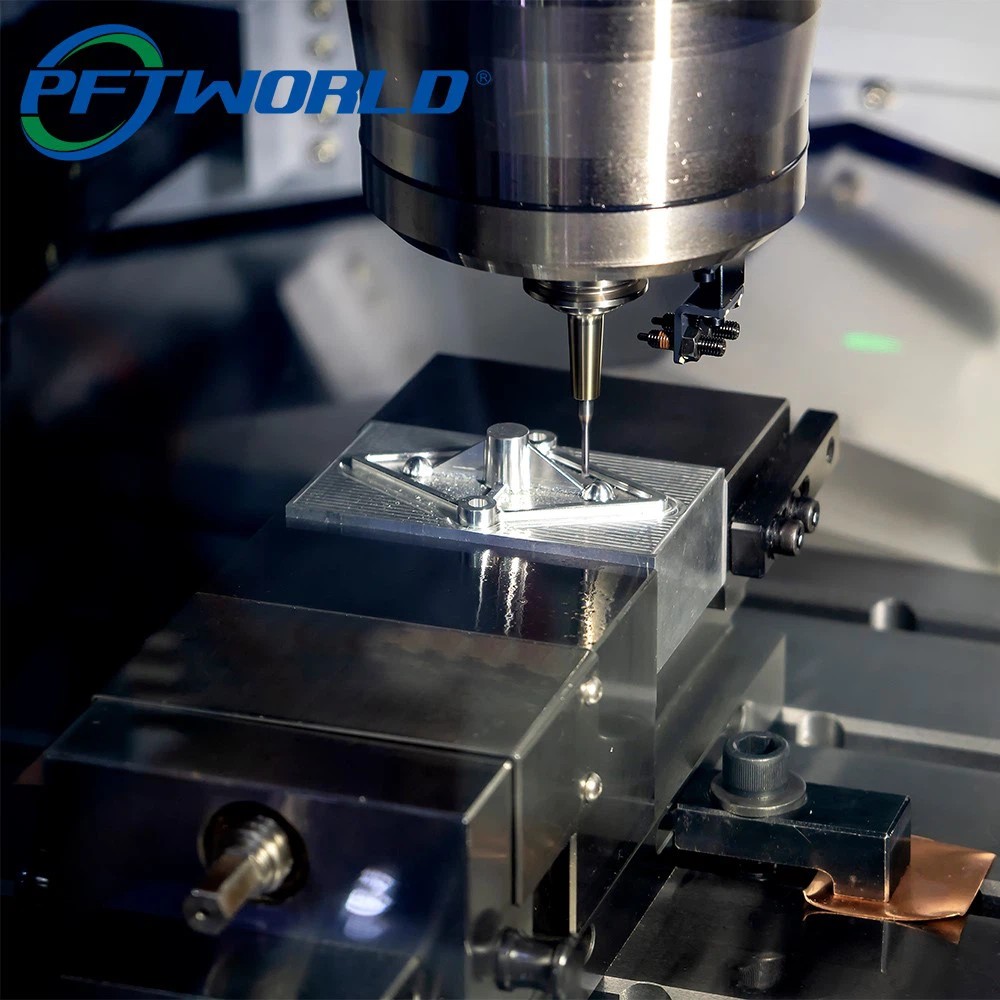
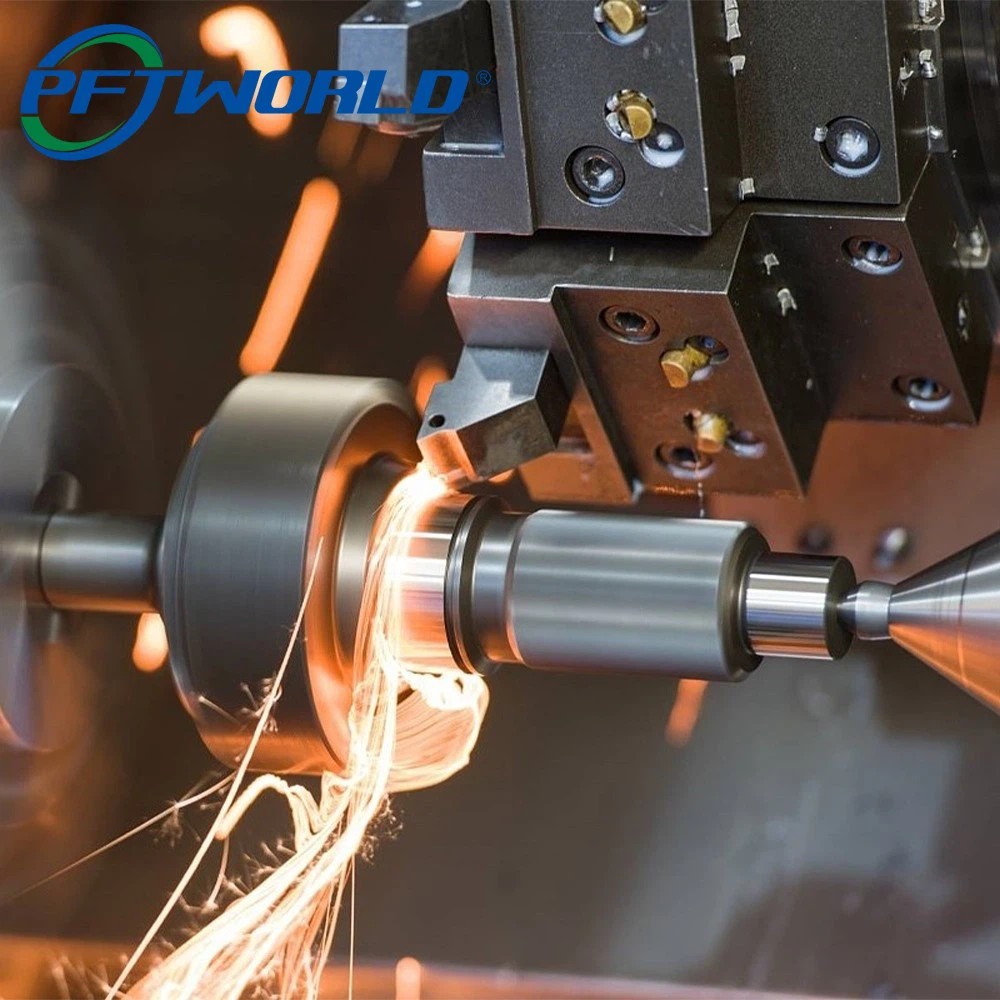
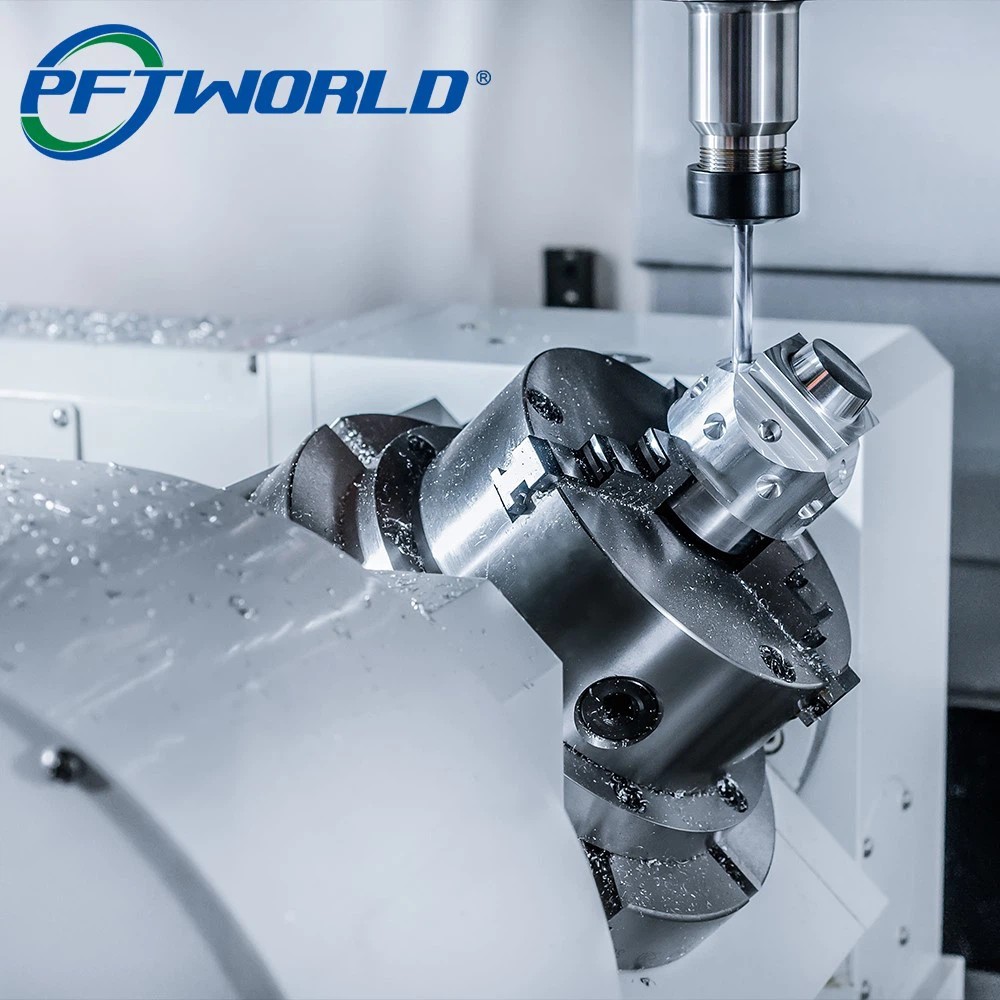
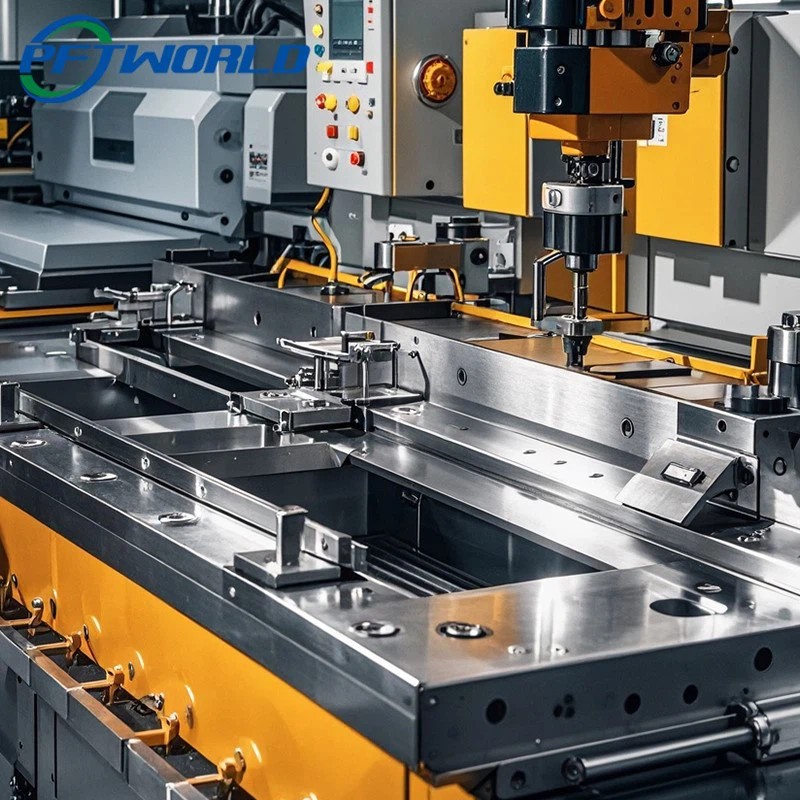
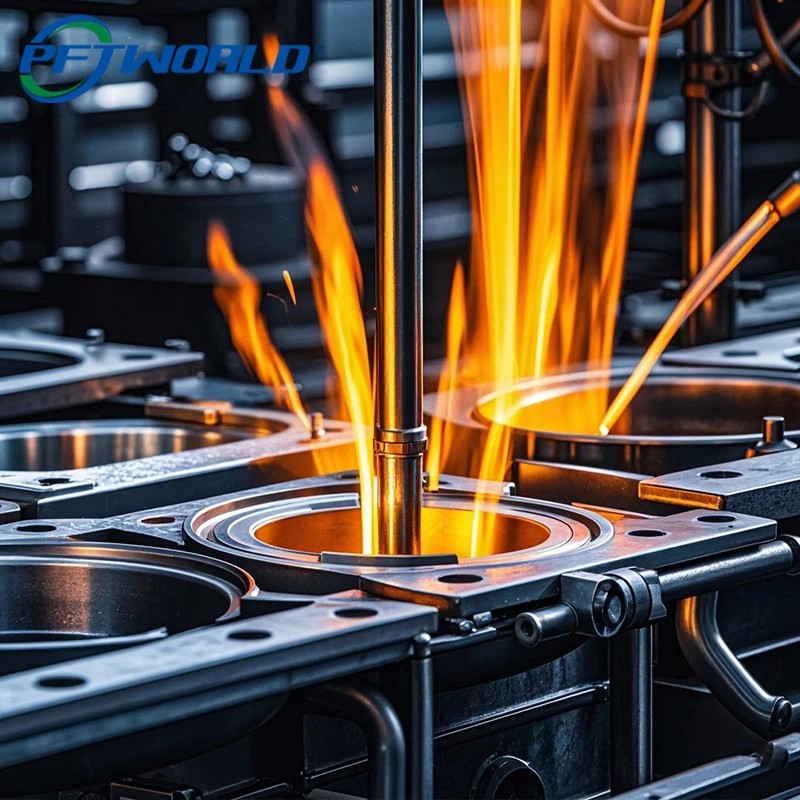
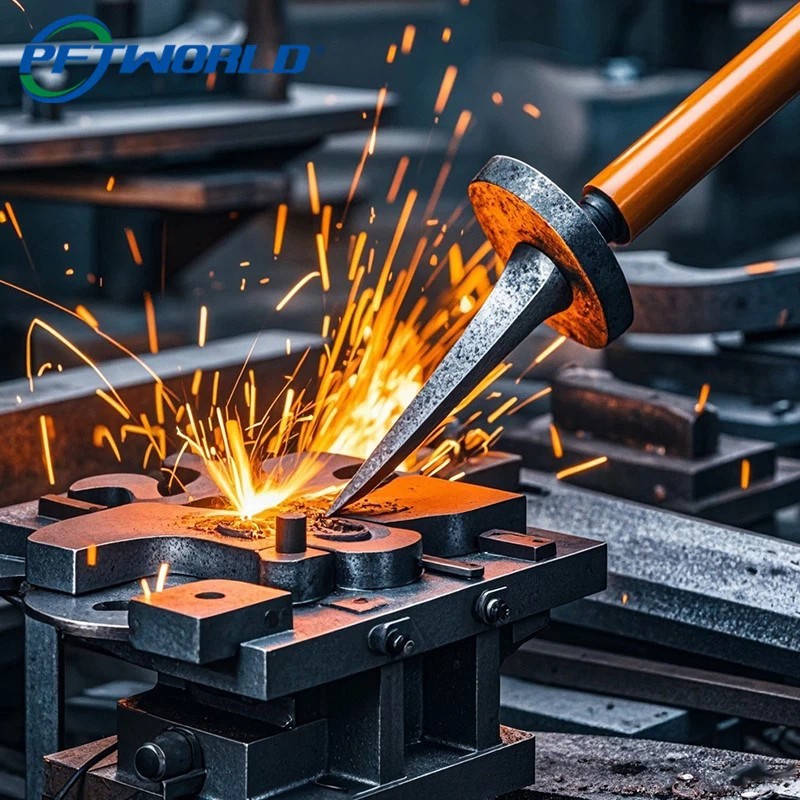
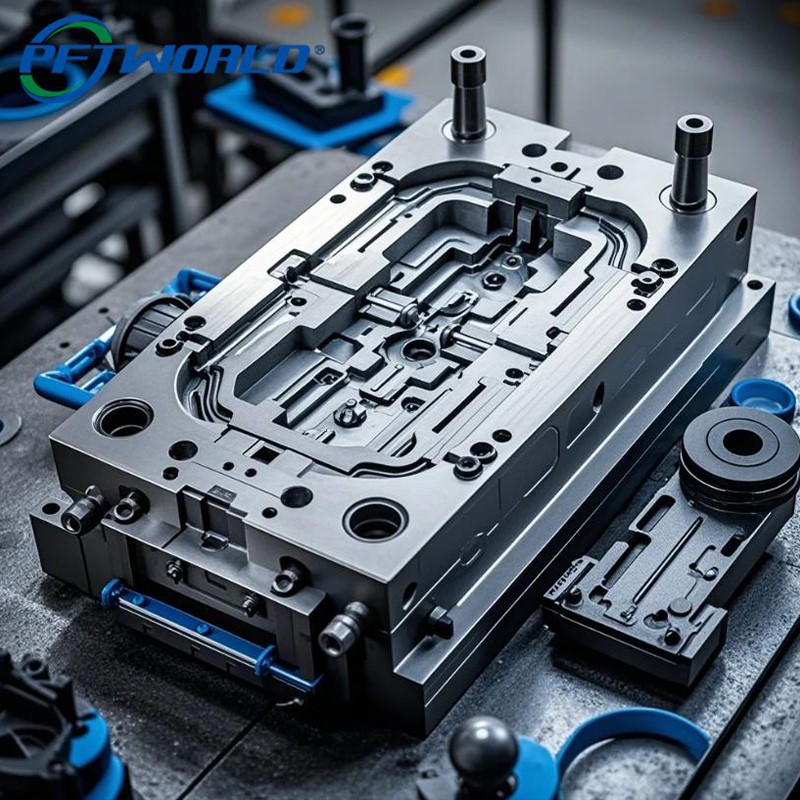
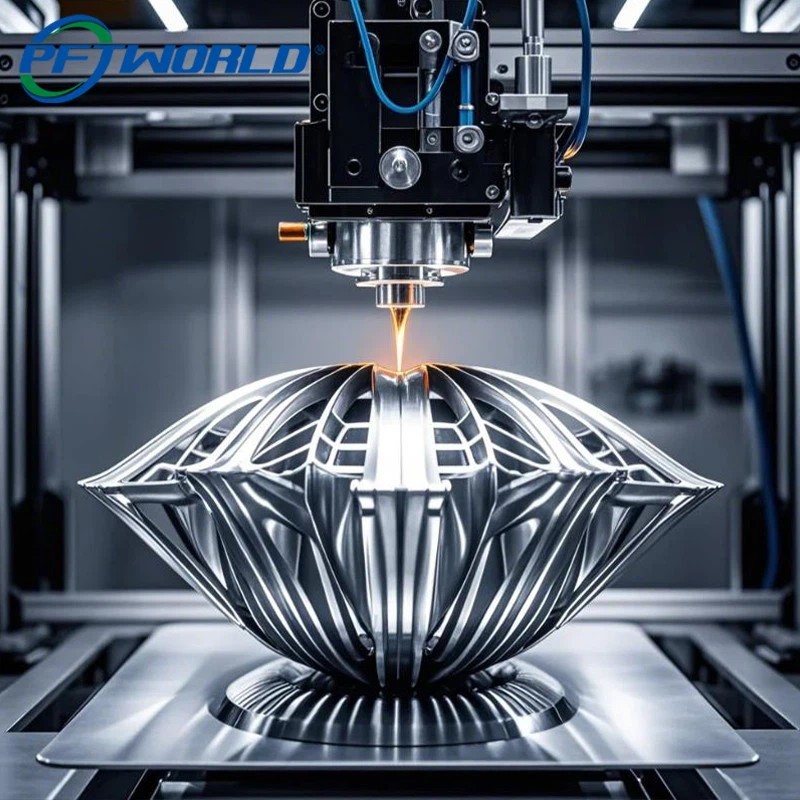
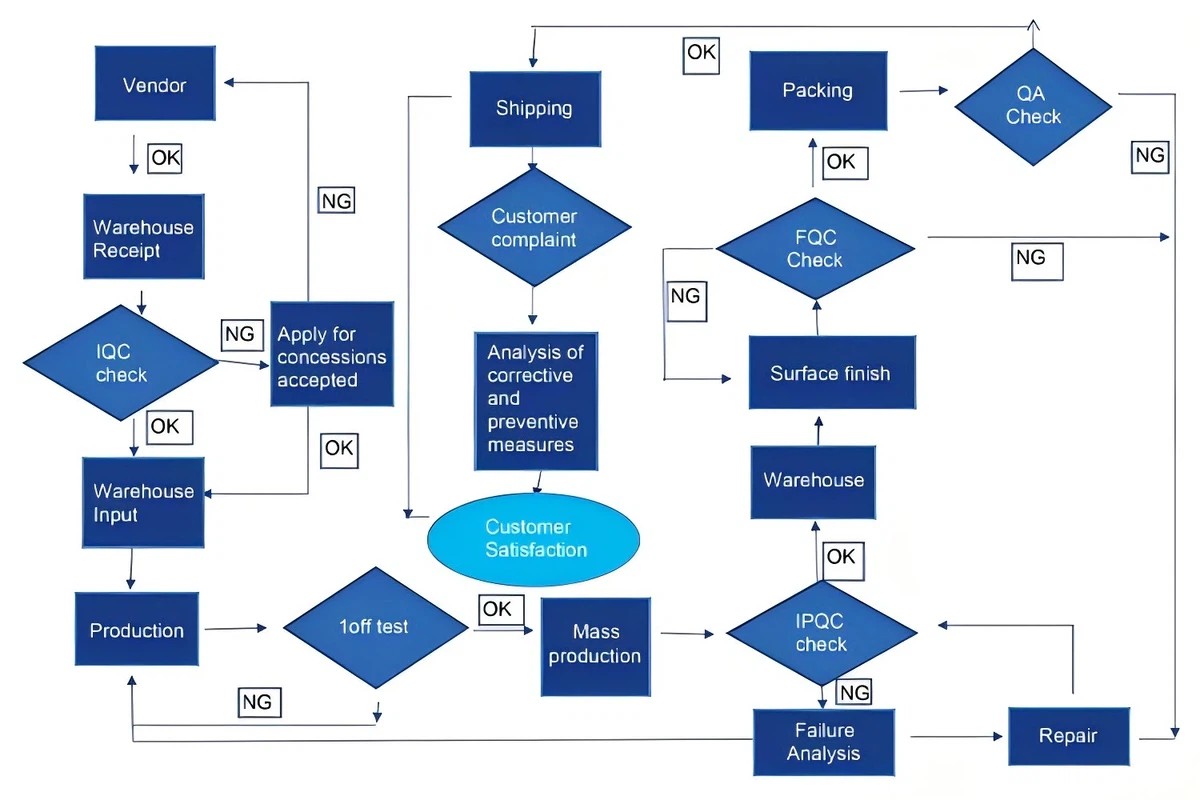
Uncompromising metrology infrastructure and digital validation processes ensure 100% compliance.
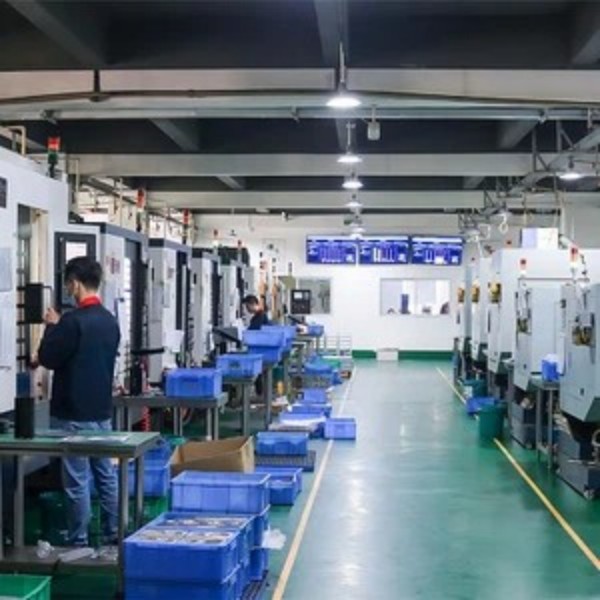
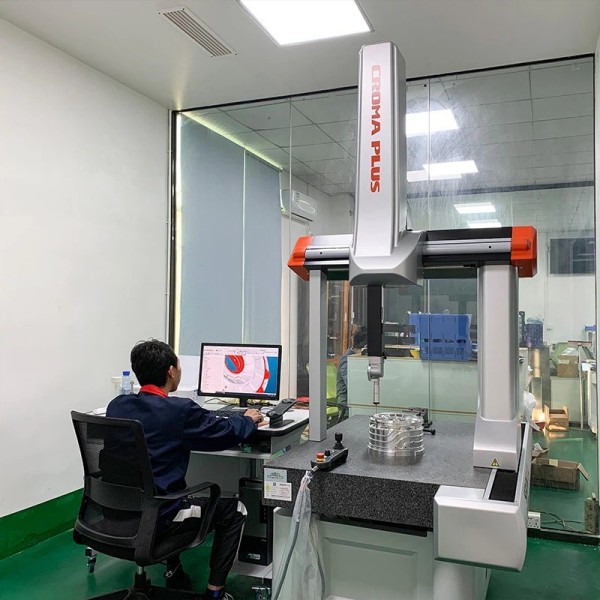
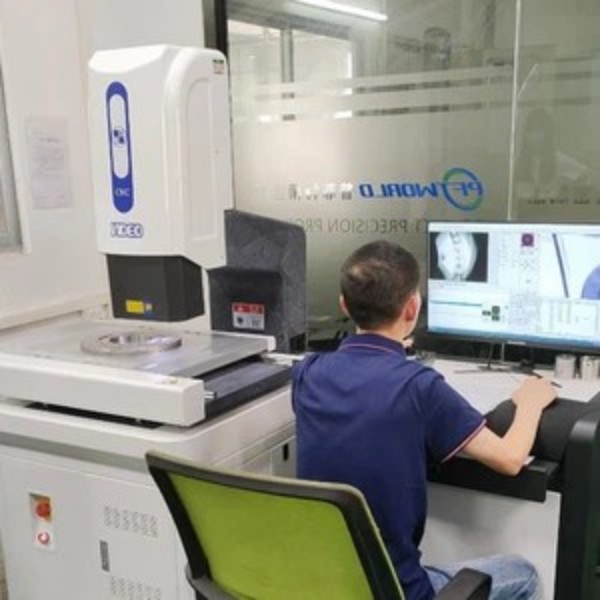

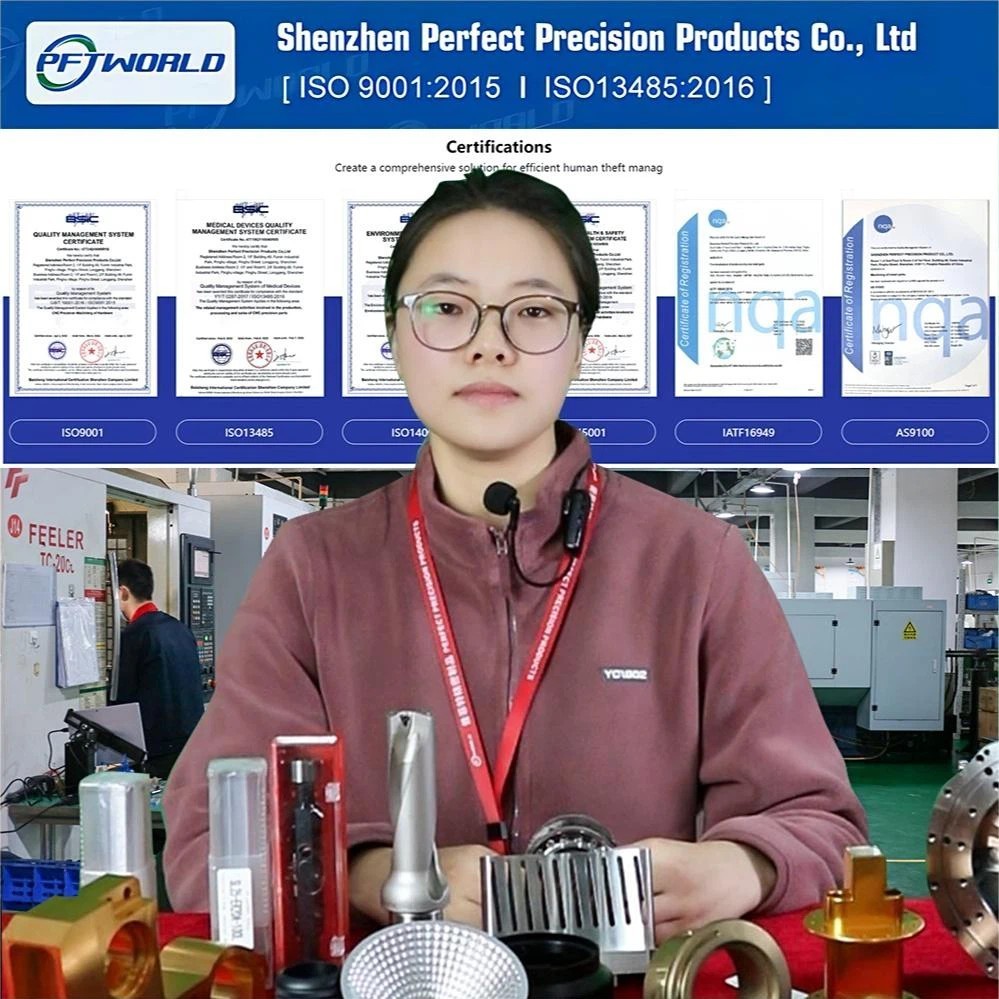
ISO Certified Factory - Globally Recognized Quality Control
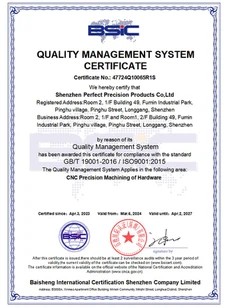
Quality management system standardization for general precision manufacturing runs.
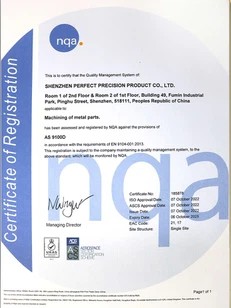
Aerospace-grade operational procedures ensuring tracking for harsh environments.
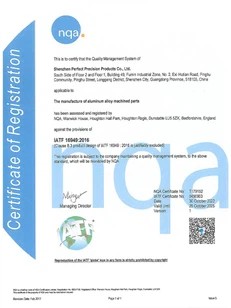
Automotive industry requirements ensuring defect prevention and variation reduction.
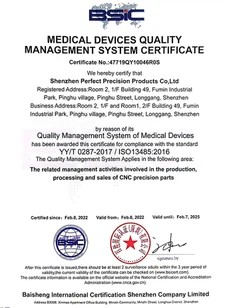
Medical device part standards applied to critical life-support component layouts.

Environmental standards optimization for sustainable raw materials and production.
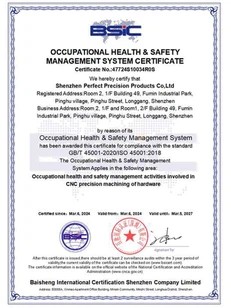
Occupational health and safety guidelines protecting employees on our production lines.
Procurement teams face the challenge of balancing component unit cost with reliability. In proximity sensor sourcing, cost efficiency must not come at the expense of performance. Key purchasing requirements include material certification validation, dimensional stability across production batches, and consistent surface finishing.
Automotive engineering departments require transparency in material composition. Under global standards, supplier transparency (such as chemical analysis reports and heat-treatment logs) is essential. Modern ERP integration at PFT manages these quality data points, providing documentation with every delivery batch. This documentation helps procurement engineers streamline incoming quality control (IQC) at their assembly facilities.
Automotive proximity sensors operate in demanding environments. Let us analyze key mechanical applications:
The automotive sector is moving toward sensor miniaturization and higher data rates. Next-generation proximity sensors are integrating advanced microcontrollers and IO-Link protocols directly inside the sensor assembly. This allows real-time diagnostics, auto-tuning, and thermal self-monitoring.
From a manufacturing standpoint, miniaturization requires tighter tolerances on internal chambers and threads (such as M8, M5, or smaller micro-threads). PFT addresses these demands through 6-axis CNC turn-mill systems, which machine complex internal cavities, wire pathways, and external threads in a single operation. This approach eliminates positioning errors associated with multiple setups and improves axial alignment.
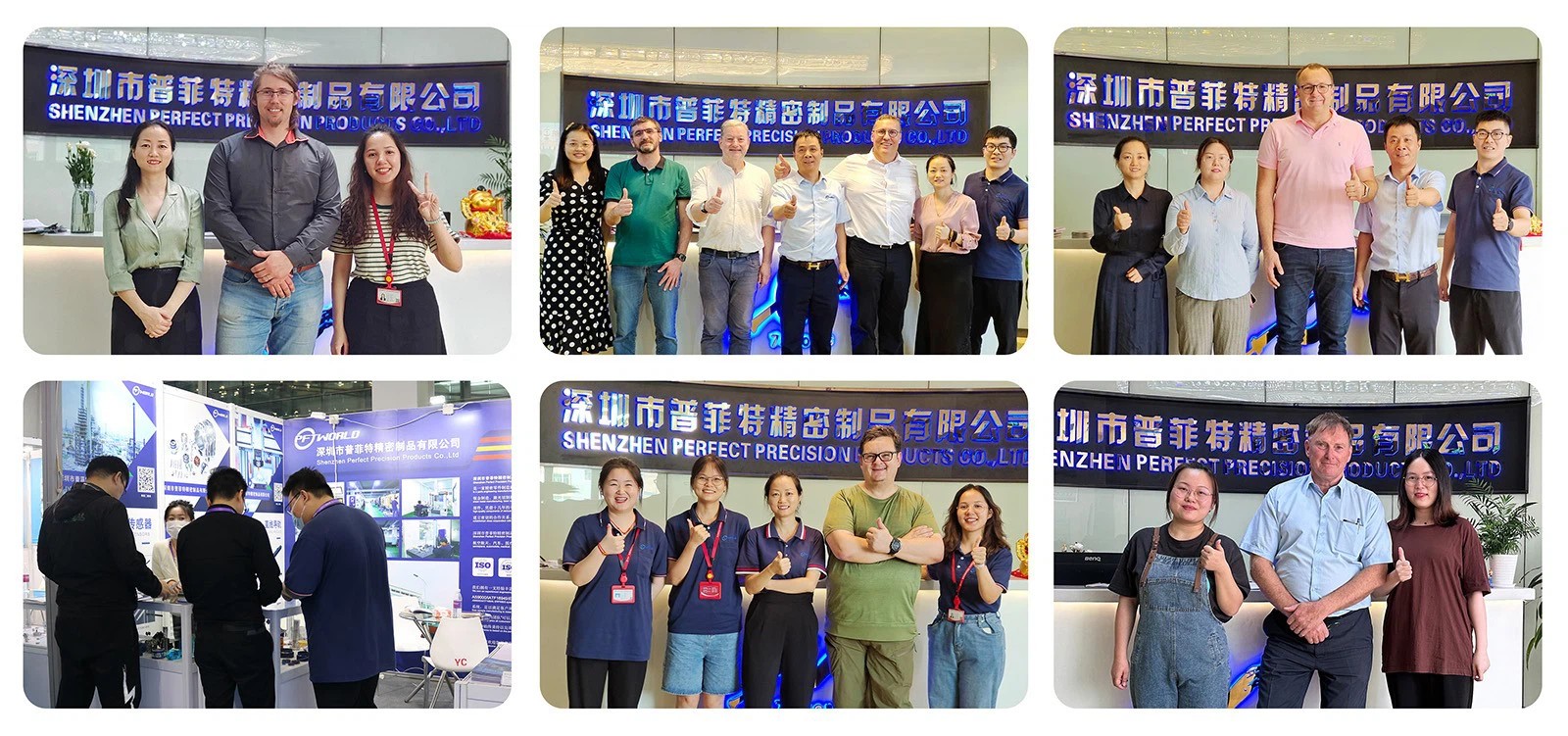
Direct visibility into our production lines and manufacturing validation processes.
Technical answers regarding our machining services, lead times, quality controls, and material capacities.
Contact our technical managers to coordinate design reviews, material selections, and request quotes.
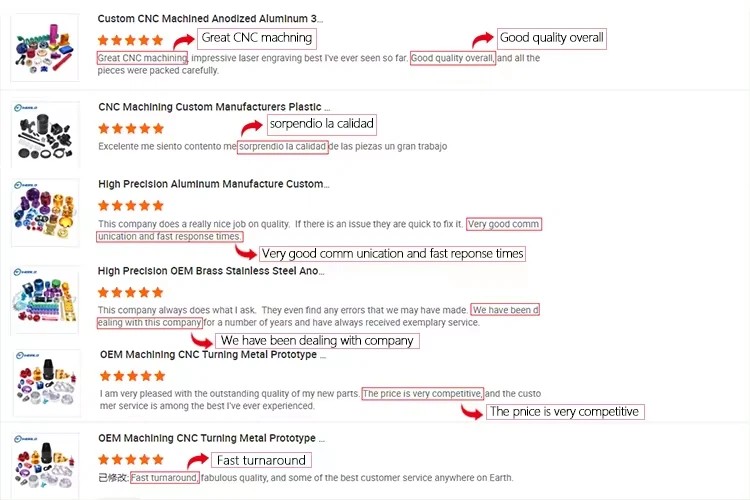
We deliver high-precision CNC machining solutions tailored to your exact specifications. From prototyping to mass production, we handle everything with strict quality control, fast turnaround, and competitive pricing. Equipped with advanced CNC machines and a skilled engineering team, we serve industries like automotive, aerospace, medical, and electronics with unmatched accuracy and reliability.
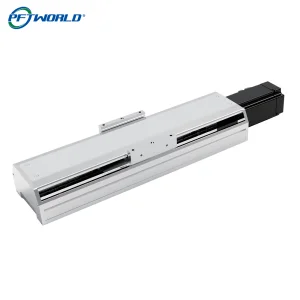
Send Inquiry NowExplore our specialized sensor bodies, positioning actuators, and custom gear systems.