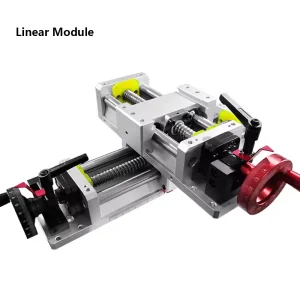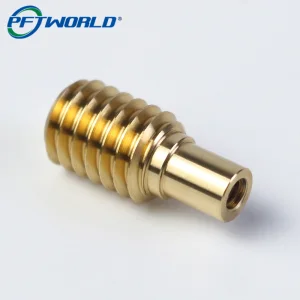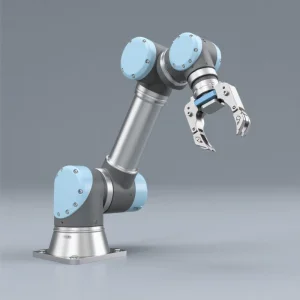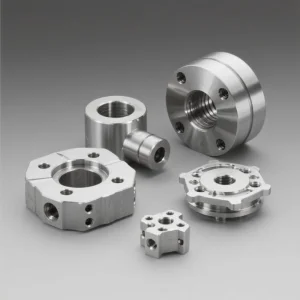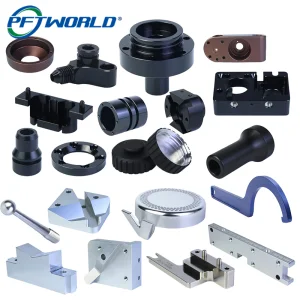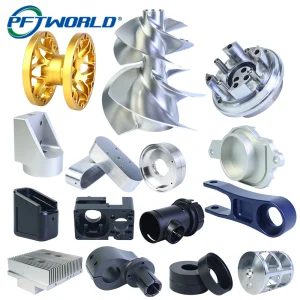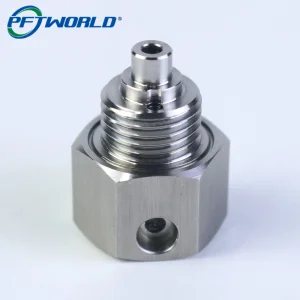
Engineered to sub-micron accuracy, specialized for high-frequency electronics, heavy industrial robotics, and tight-tolerance automotive engines.
Analyzing macro supply chain shifts, localized implementation requirements, and China's digital factory optimization paradigm.
In the contemporary industrial sector, Computer Numerical Control (CNC) machining stands as the bedrock of precision manufacturing. Across major global sectors including aerospace, automotive, medical instrumentation, telecommunications, and subsea automation, the necessity for high-tolerance metal parts is expanding rapidly. The integration of complex multi-axis technologies enables engineers to construct components that exhibit high structural integrity, optimized strength-to-weight ratios, and extreme dimensional stability. As supply chains strive for resilience, procurement strategies have evolved beyond seeking low-cost vendors. Today, global companies prioritize partners who can deliver Information Gain through design validation (DFM), microscale precision, and certified quality-assurance ecosystems.
China's Advanced Manufacturing Advantage: The industrial clusters of Shenzhen and Dongguan have transformed from basic manufacturing zones into high-tech engineering ecosystems. This physical proximity of specialized services—ranging from metallurgical testing labs, vacuum heat-treatment suppliers, and chemical passivation facilities to anodizing and alodine plants—drastically reduces operational lead times. While a European or North American procurement officer might face weeks of delay coordinating raw material tests and surface post-treatments, a localized, digitally unified Chinese factory processes these phases concurrently. This system allows for rapid prototyping within 1 to 3 days and scaled delivery within 7 to 14 days, providing a crucial competitive edge in fast-moving industries.
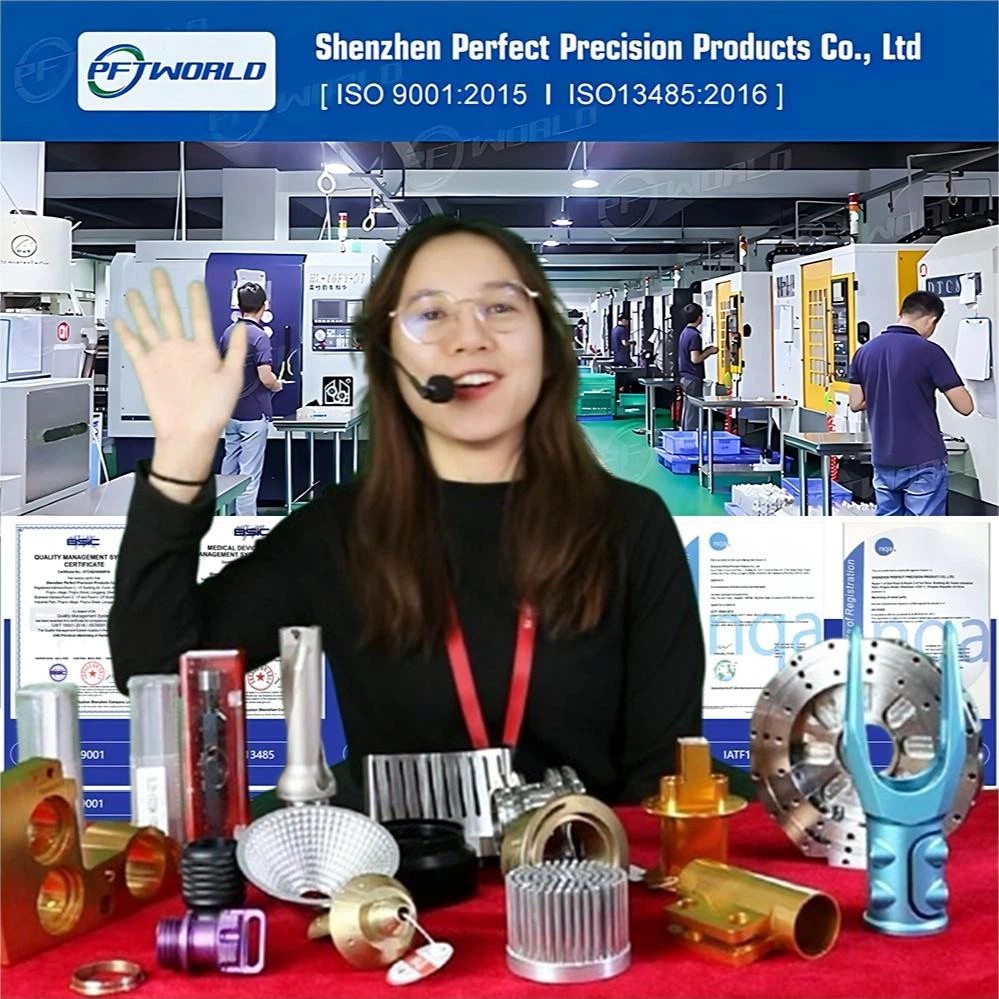
Established as an elite foreign trade manufacturing team in 2014, Shenzhen Perfect Precision Products Co., Ltd has systematically built a reputation for excellence in precision engineering. We achieved our ISO9001 quality system certification shortly after, securing the prestigious title of *Guangdong Contract and Trustworthy Enterprise* in 2018. Keeping pace with technical advancements, we earned high-tech enterprise recognition and passed the intellectual property management system certification in 2019.
By 2020, our facilities expanded to cover 10,000 square meters, housing a highly specialized team of engineers and operators. In 2021, we successfully transitioned our operations into a fully modernized digital factory, utilizing ERP production tracking, automated toolpath planning, and inline coordinate measurement testing to maintain a standardized manufacturing process.
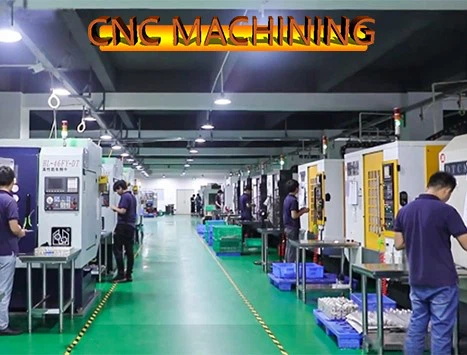
From multi-axis CNC milling to rapid prototyping, sheet metal fabrication, and advanced metallurgical castings.
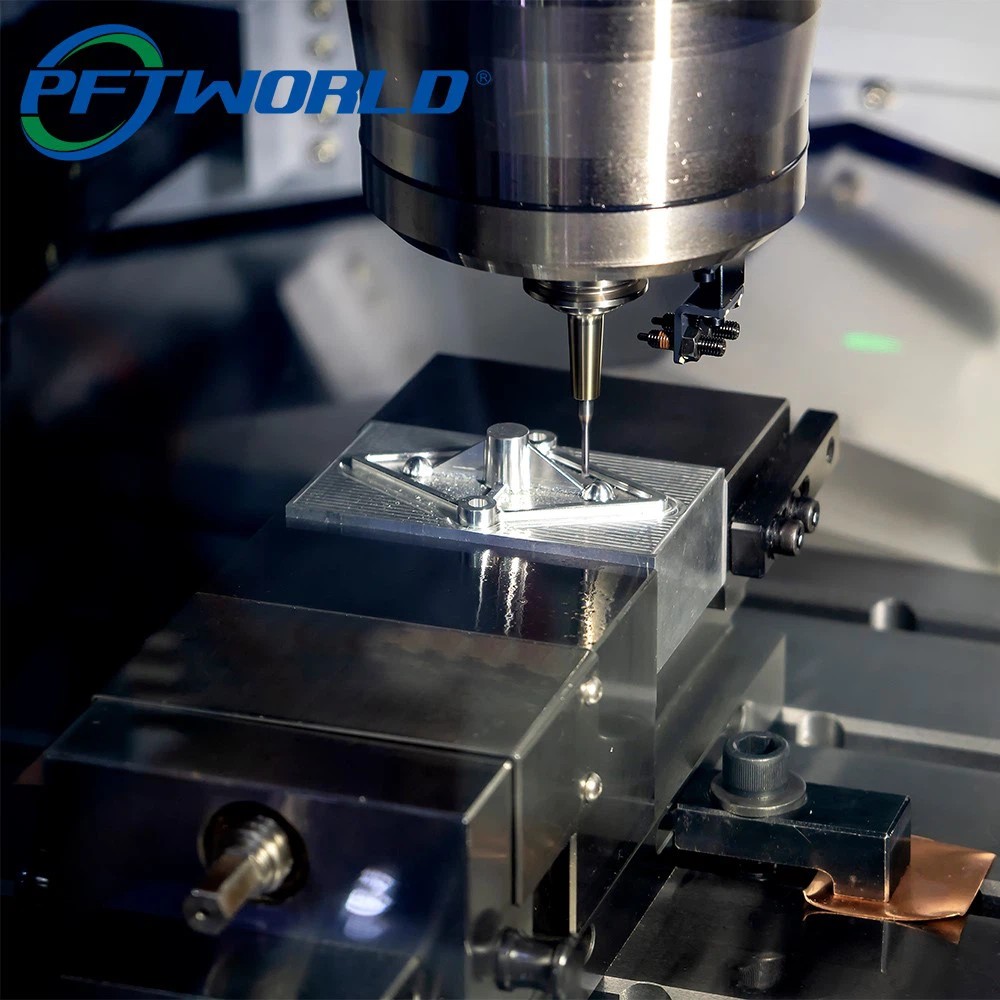
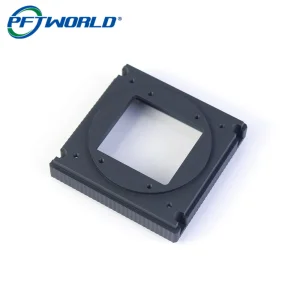
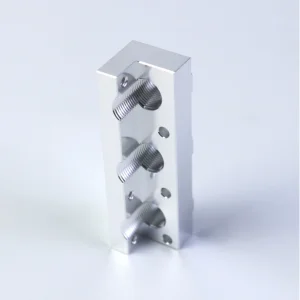
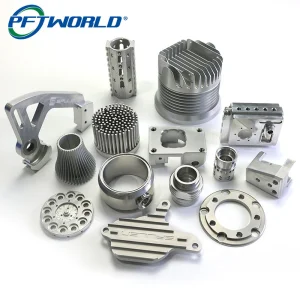
High-speed 3-axis and 5-axis vertical machining centers milling complex pockets, cooling fins, and housings with micron precision.
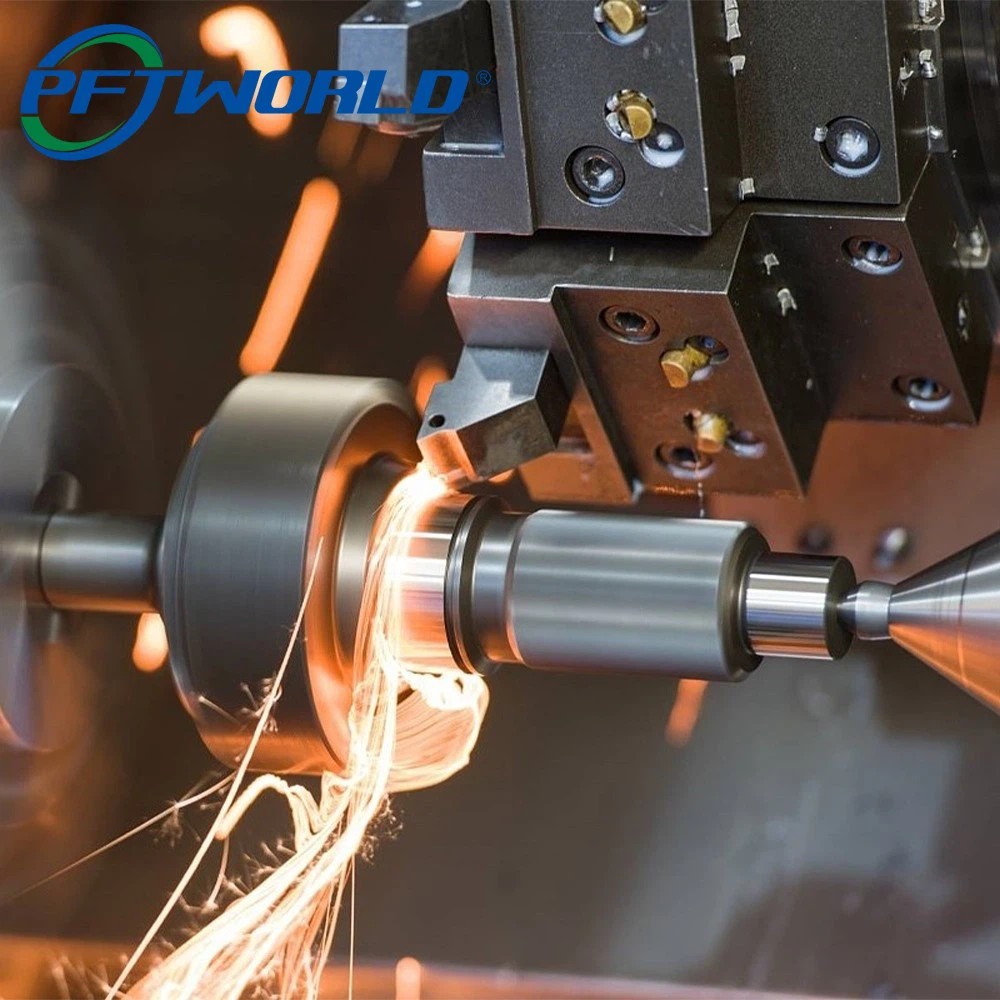
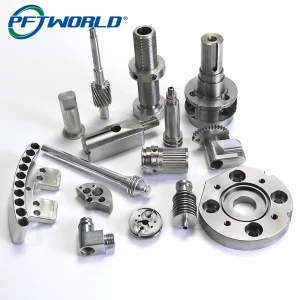
Rotational machining for shafts, pins, custom connectors, and cylindrical profiles, maintaining perfect concentricity.
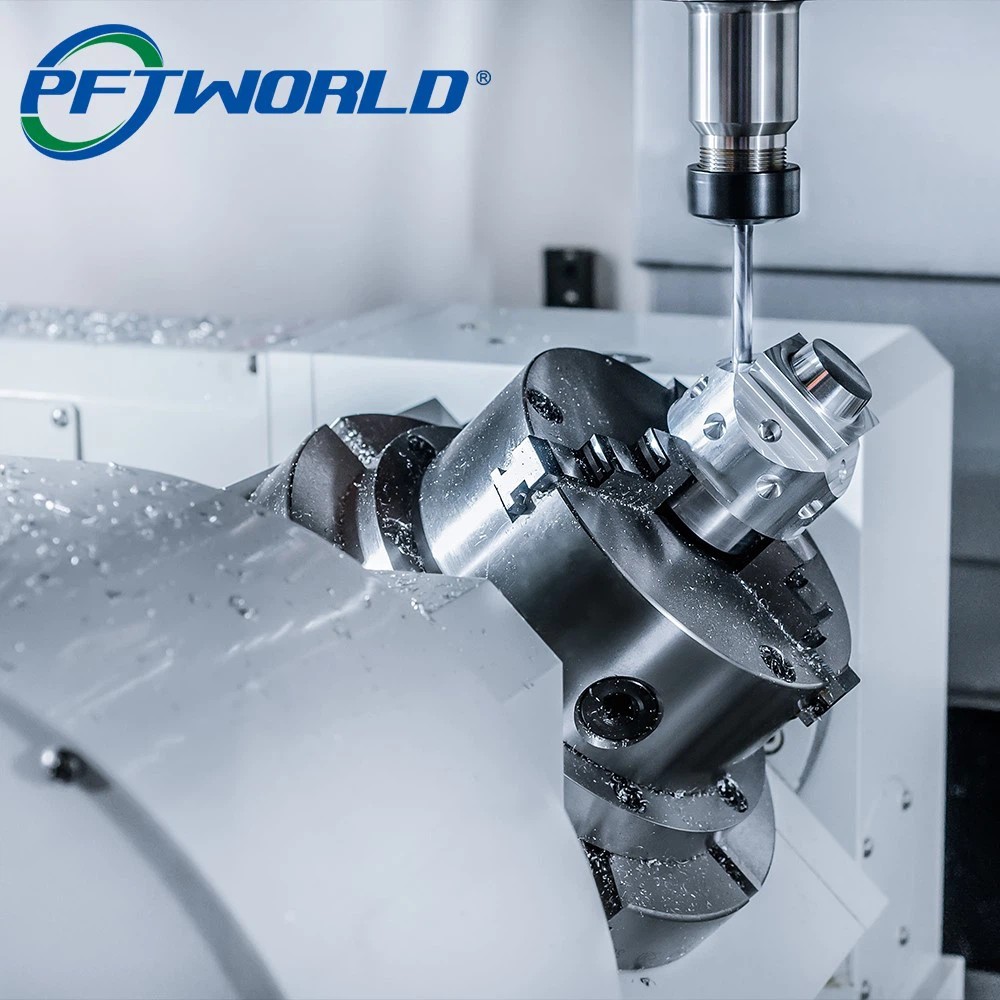
Combined turning and milling on single machines for complex parts, eliminating multiple setups and alignment errors.
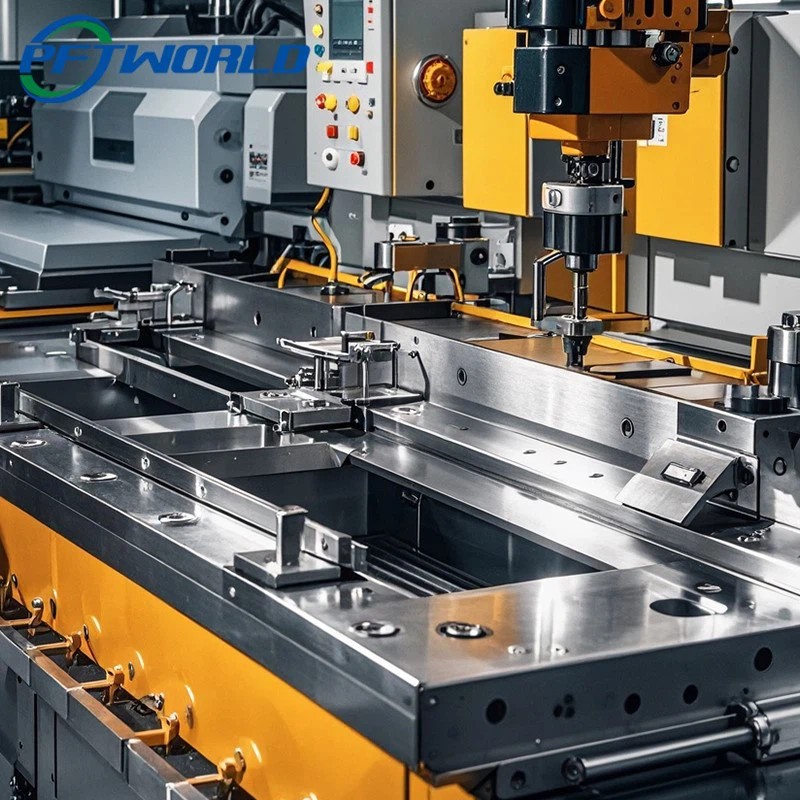
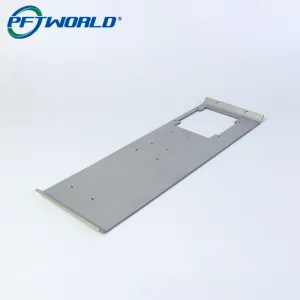
High-precision laser cutting, bending, stamping, and structural assembly for electrical enclosures and mounting brackets.
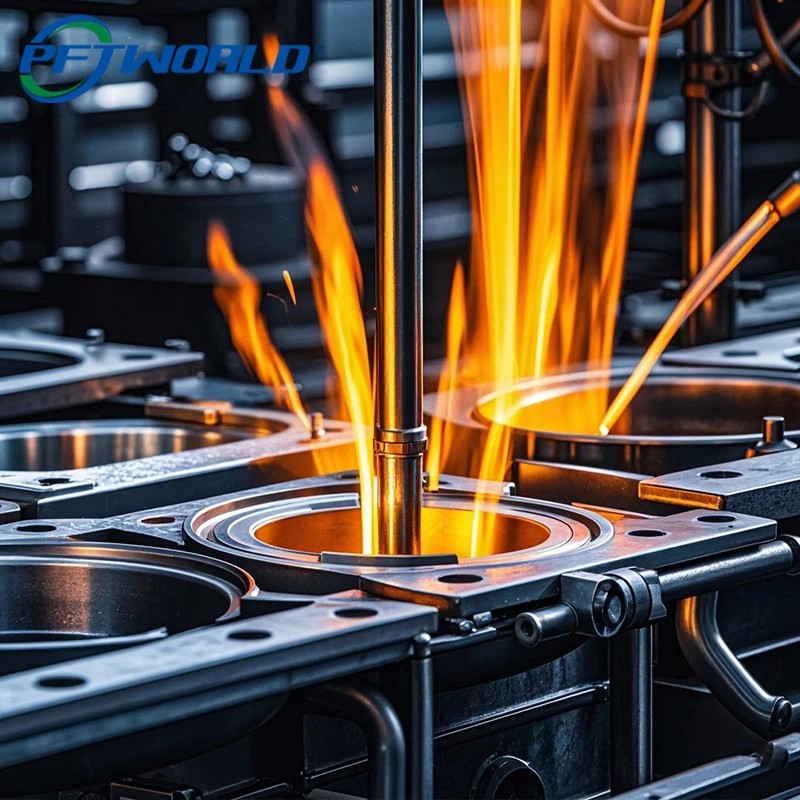
Sand and investment casting solutions designed to minimize post-machining waste for large, complex structural frames.
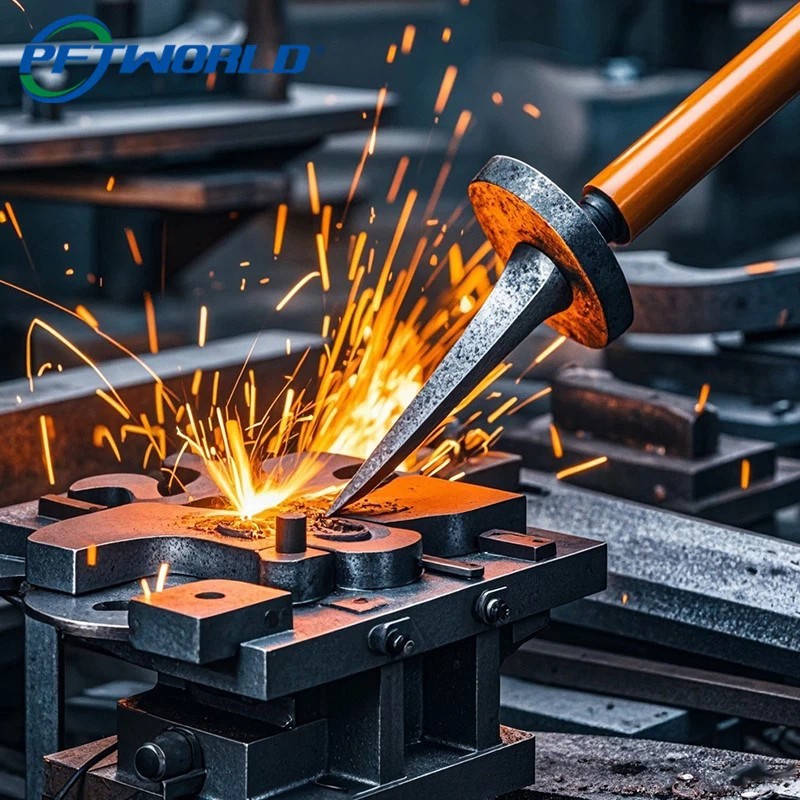
High-density hot and cold forging for heavy-duty load-bearing automotive and aerospace structural metal components.
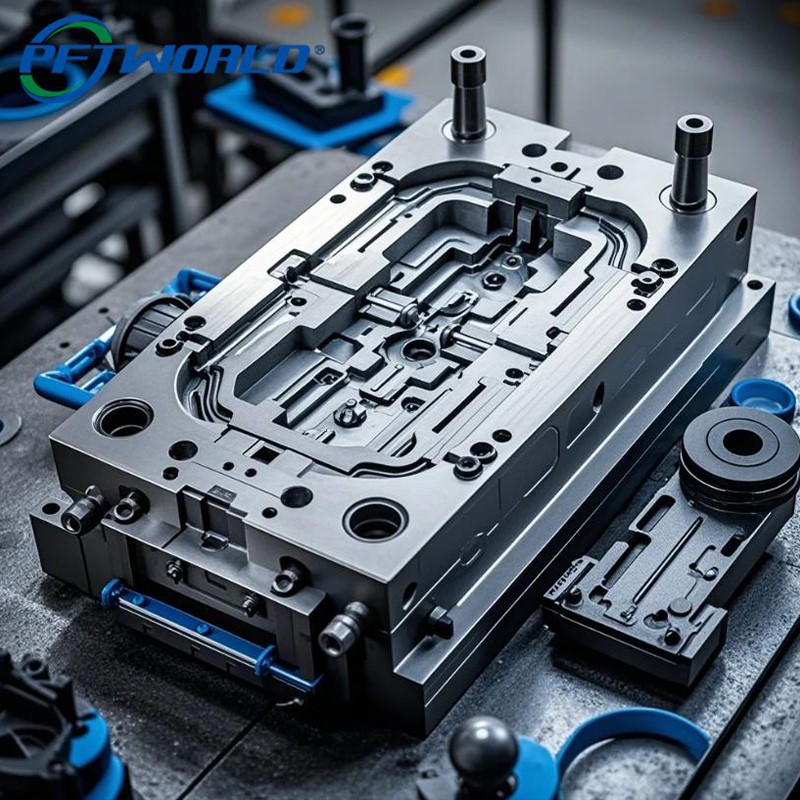
High-cavitation injection molds and dies engineered with mirror-finish surface qualities and verified cooling lines.
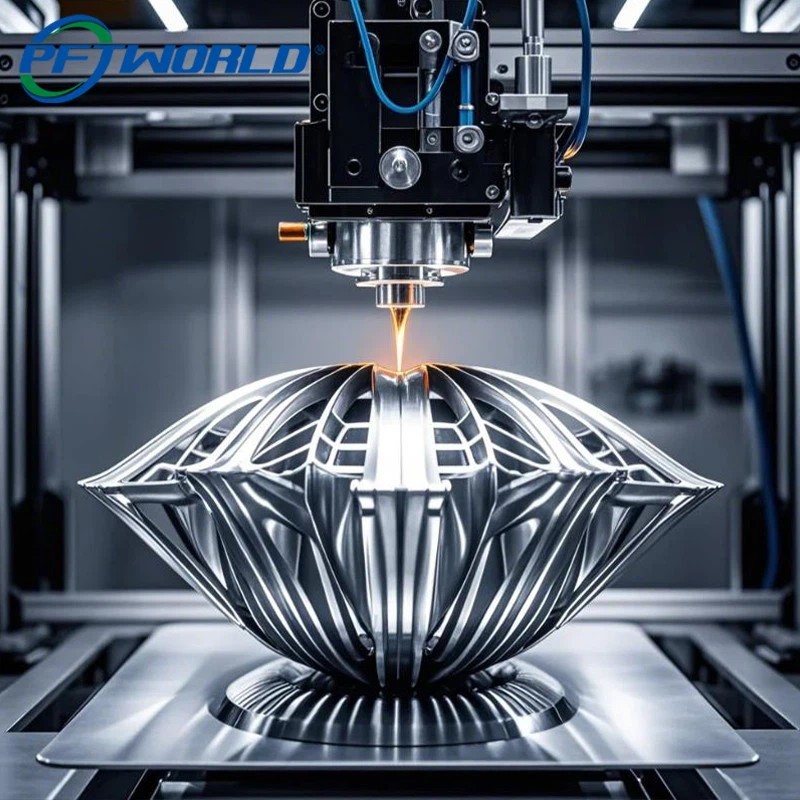
Additive manufacturing in plastics and structural metals for rapid prototyping and lightweight generative designs.
Verifying physical integrity and maintaining close tolerances through our integrated inspection infrastructure.
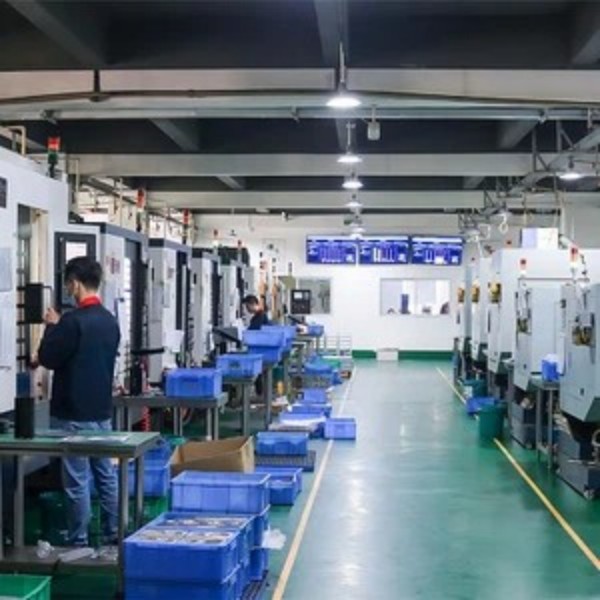
Continuous calibration of multi-axis machining tools to prevent offset drift during high-speed runs.
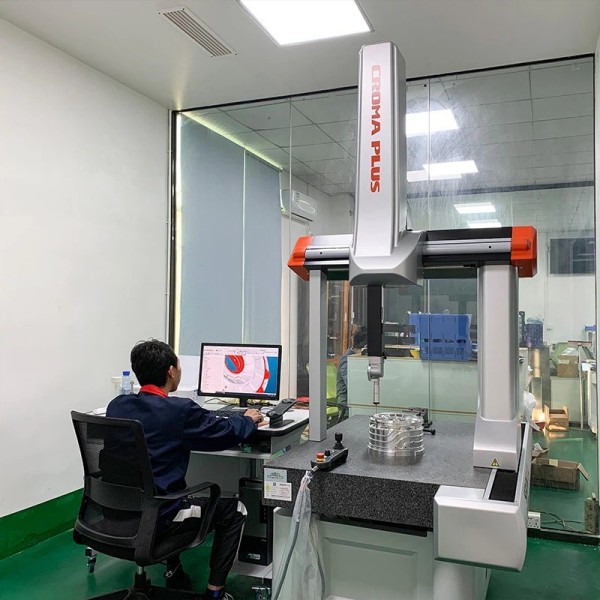
Coordinate Measuring Machine verification tracking 3D profiles against CAD designs within 0.002mm limits.
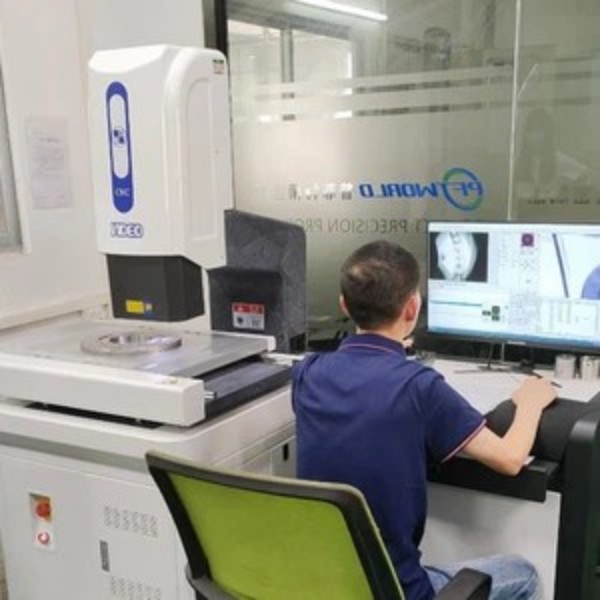
Optical profile projectors mapping critical structural contours to prevent out-of-tolerance batches.

Constant status updates and project milestones tracking raw materials processing to final delivery.
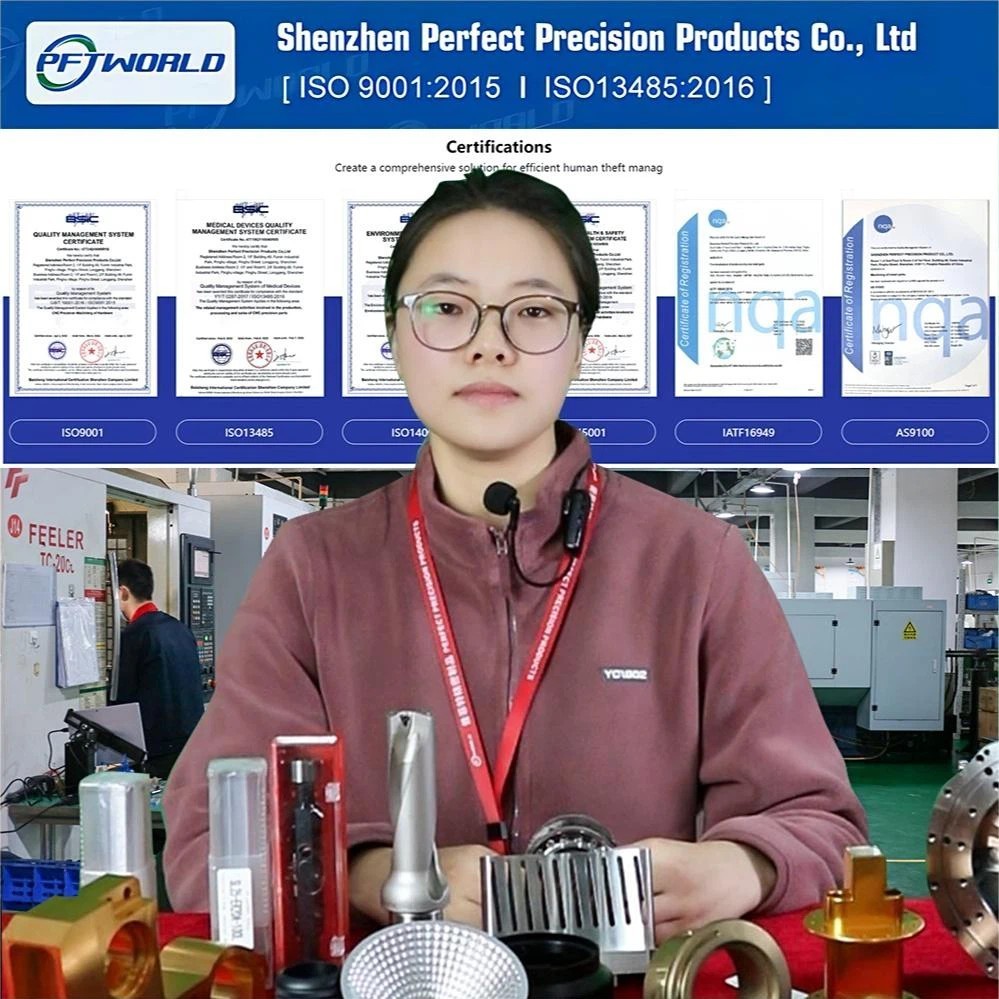
Our facilities conform to international quality, environmental, safety, and industry-specific manufacturing standards.
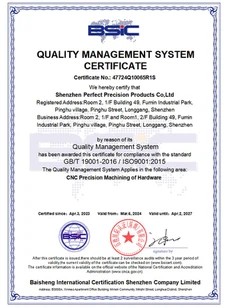
Quality Management Systems
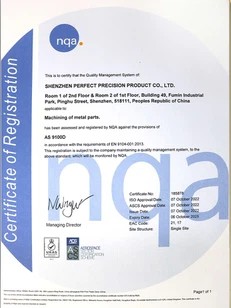
Aerospace Quality Standards
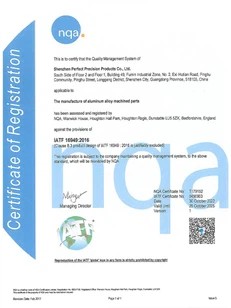
Automotive Quality Systems
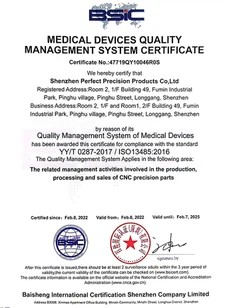
Medical Device Manufacturing
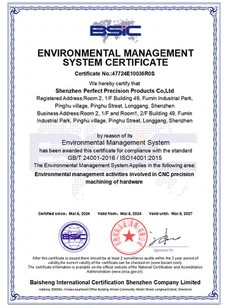
Environmental Audited
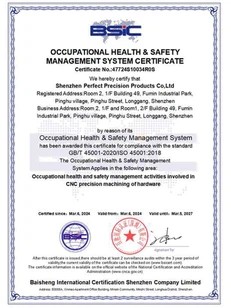
Occupational Health & Safety
Open inspection processes showing live shop floors, part measurements, and direct quality metrics.
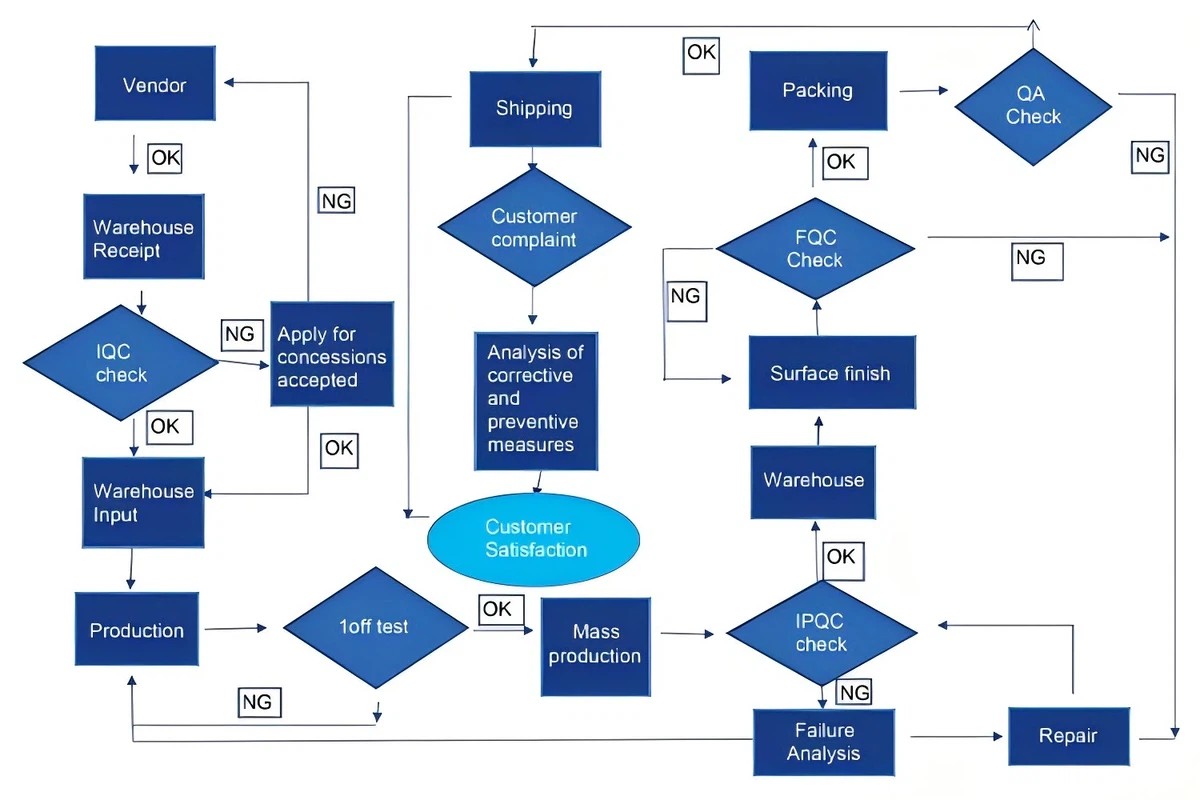
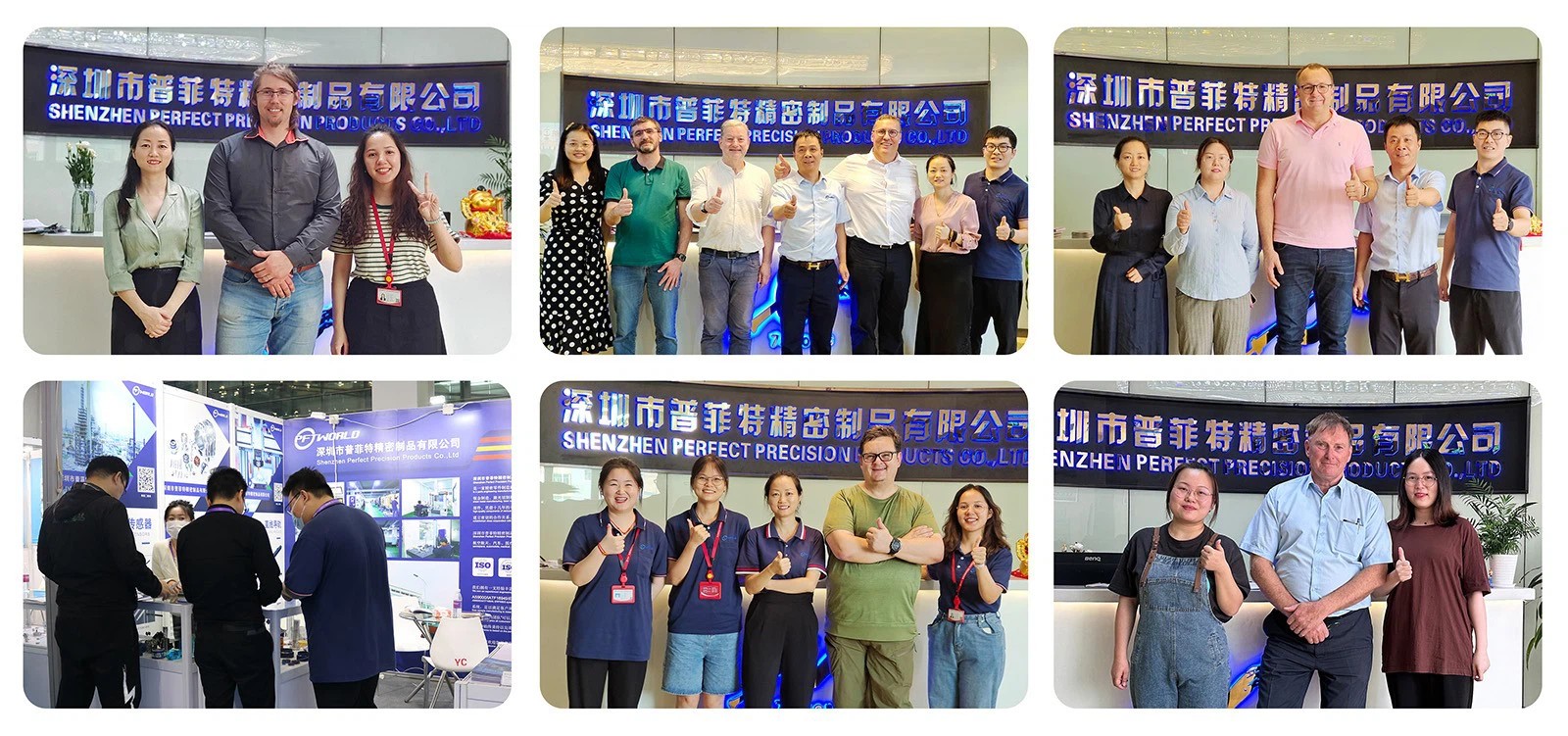
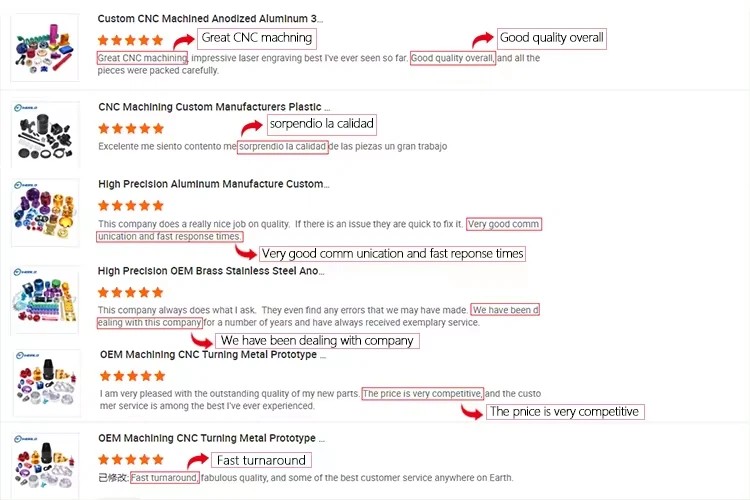
Strategic sourcing insights for engineering leaders: reducing lead times, analyzing metallurgical choices, and assessing total acquisition costs.
Design for Manufacturability (DFM) as a Cost-Reduction Strategy: One of the primary sources of cost inflation in CNC metal machining is over-specification. Design engineers frequently specify tolerances of $\pm 0.002\text{ mm}$ for non-mating surfaces, which significantly increases cycle times and tool wear. Collaborating with an experienced ODM partner early in the design cycle allows for structural modifications that preserve critical fitment while simplifying tool path complexities. Our engineers review tool path geometries to reduce setup changes, match radiuses with standard tool profiles, and select cost-efficient structural metals without sacrificing tensile strength or corrosion resistance.
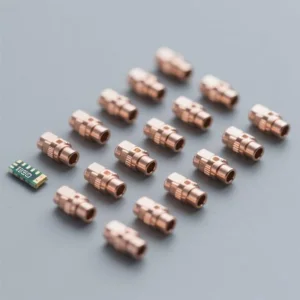
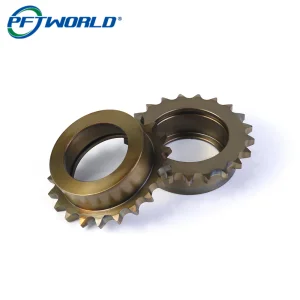
Advanced Metallurgical Adaptations: Component longevity depends directly on selecting appropriate raw materials and surface treatments. For instance, in automated robotics, selecting *AL5052* offers excellent formability and salt-water corrosion resistance, whereas structural elements might require *AL6061-T6* or *AL7075-T6* for higher tensile load carrying capability. In high-frequency electronic packaging, pure copper or low-alloy copper components are essential for optimal conductivity, requiring careful machining to prevent tool adhesion. For high-wear powertrains, parts such as sprockets require tough, low-alloy structural steels like *40CrNiMoA*, paired with induction hardening to withstand high cyclical mechanical loads.
Addressing Environmental and Social Governance (ESG) in Supply Chains: In addition to technical capability, modern global procurement requires strict compliance with international environmental standards. Through our ISO14001 certification, our facility implements comprehensive coolant recycling systems, efficient scrap metal briquetting processes, and automated energy management configurations on all heavy CNC equipment. By minimizing material waste and choosing energy-efficient manufacturing paths, we help global clients achieve their sustainability targets without compromising on quality or production timelines.
Addressing primary engineering and procurement queries regarding lead times, tolerancing limits, and quality verification standards.
Connect with our dedicated engineering project managers for rapid DFM reviews and detailed manufacturing quotes.
We deliver high-precision CNC machining solutions tailored to your exact specifications. From prototyping to mass production, we handle everything with strict quality control, fast turnaround, and competitive pricing. Equipped with advanced CNC machines and a skilled engineering team, we serve industries like automotive, aerospace, medical, and electronics with unmatched accuracy and reliability.
Send Inquiry NowDiscover our full product range, including heavy-duty fixtures, specialized laser sensors, and custom turned components.